


Living Under Oaks
An extension is precisely integrated into the mature landscape
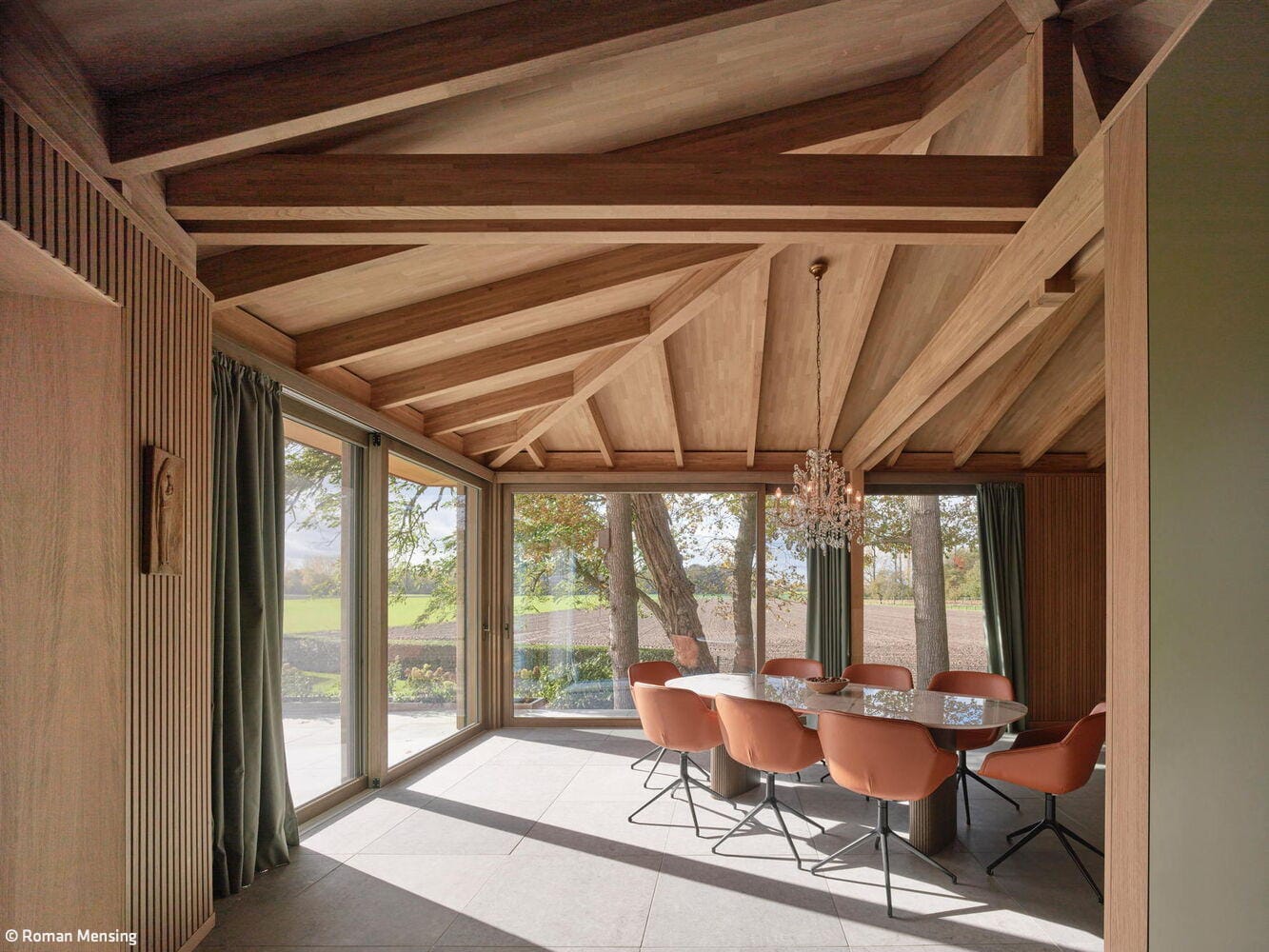
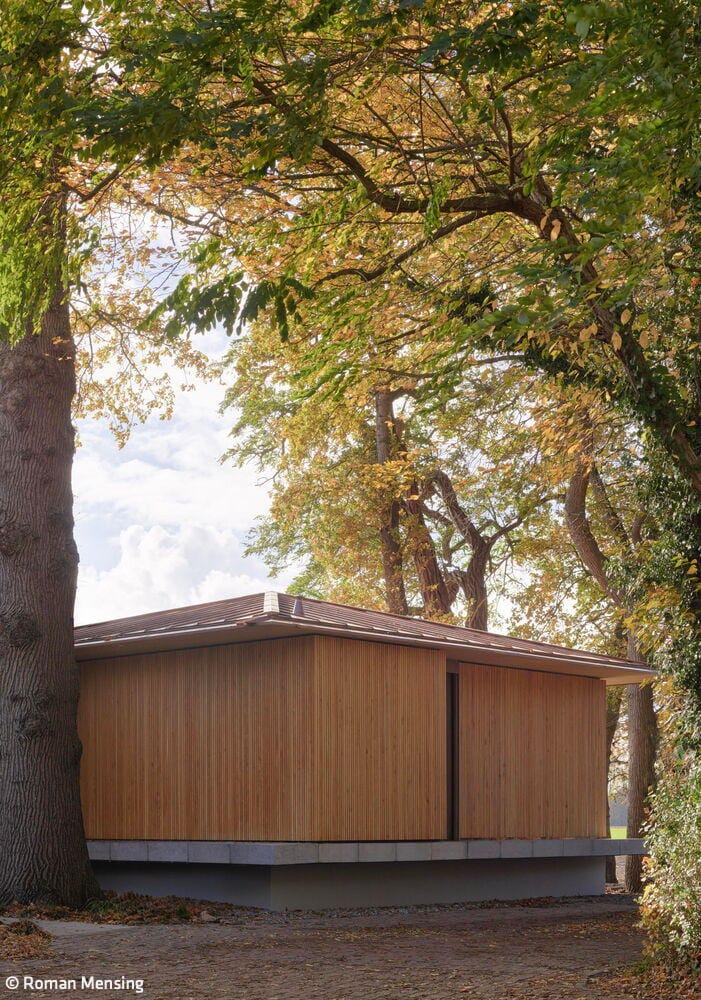

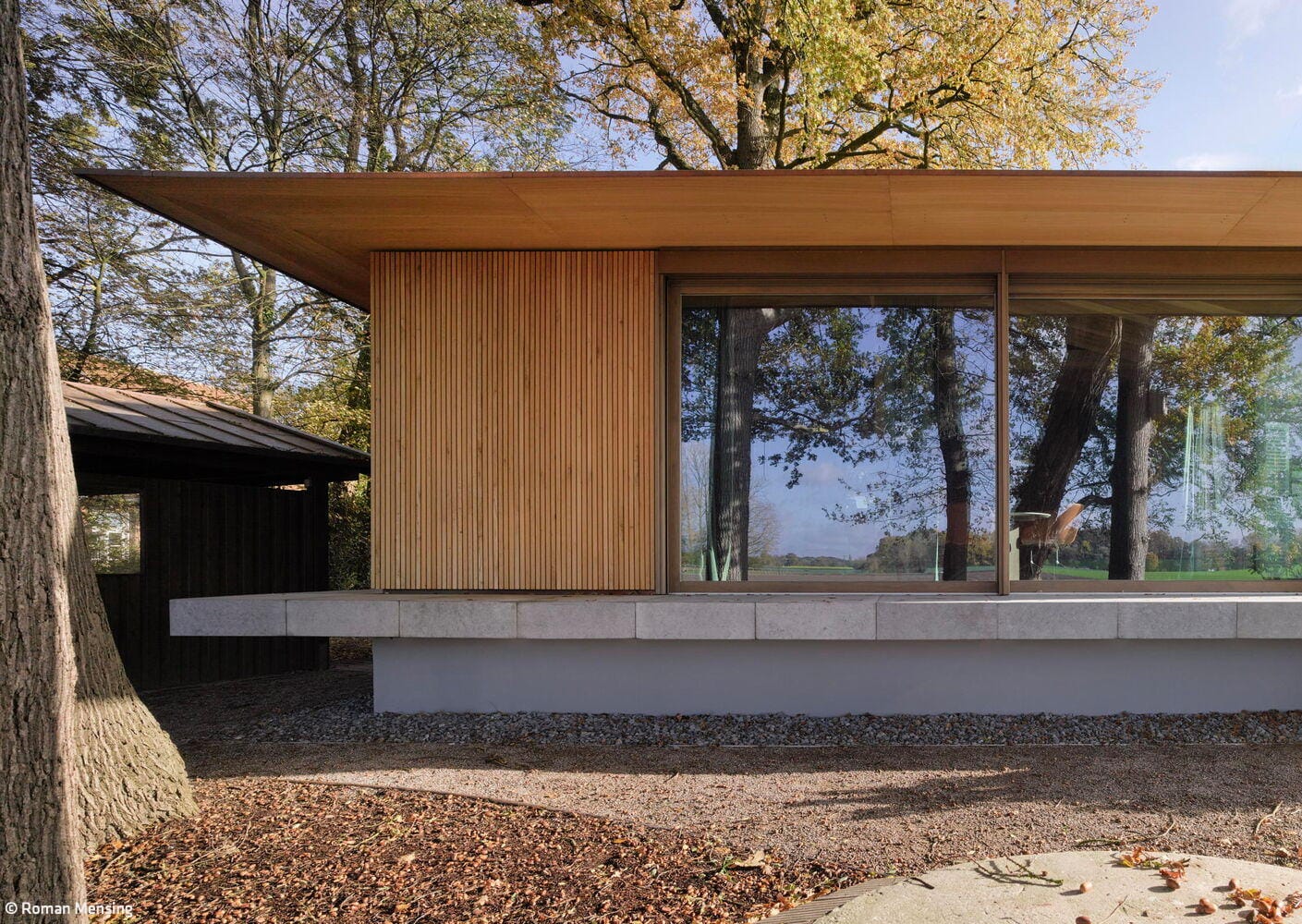
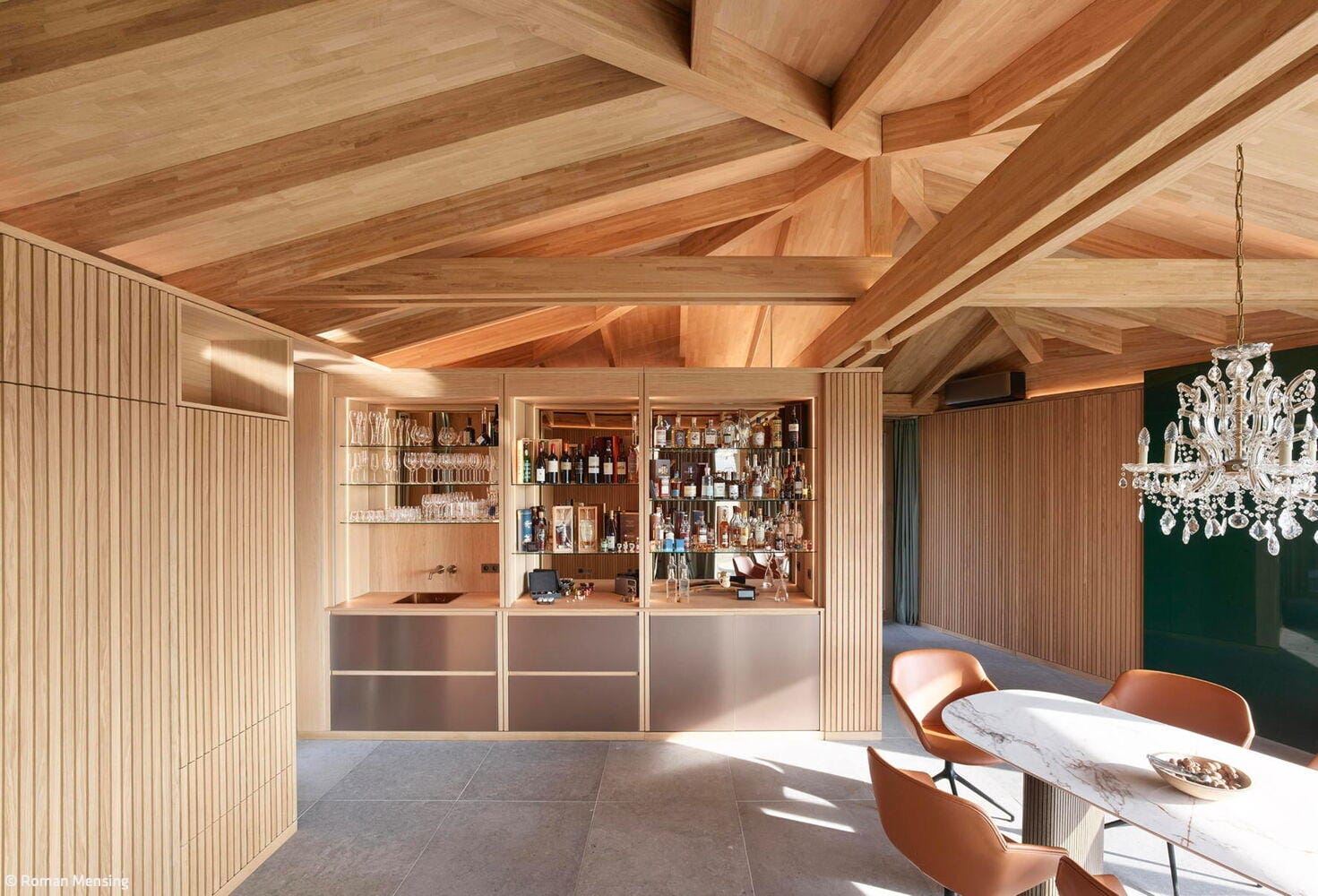
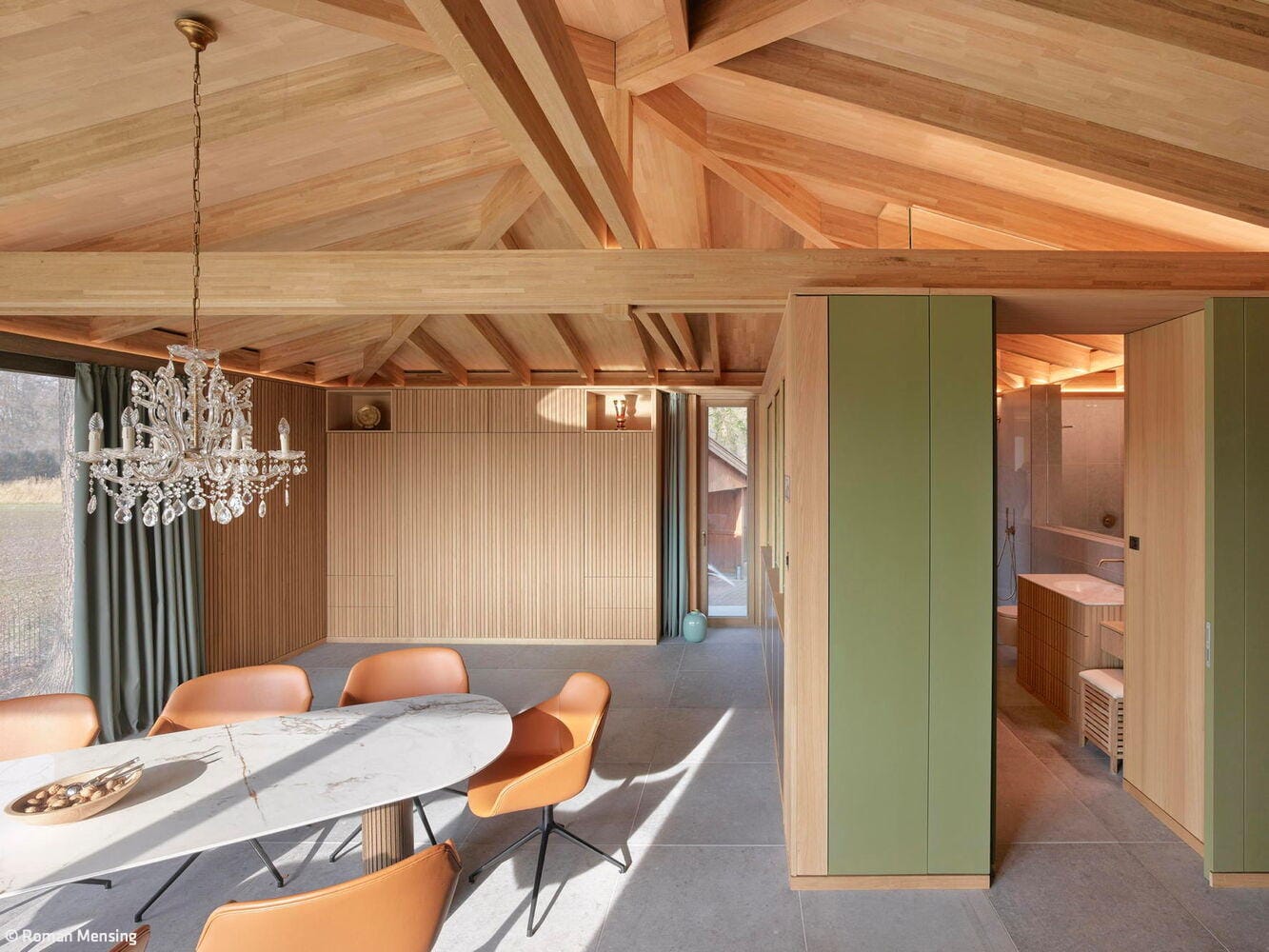
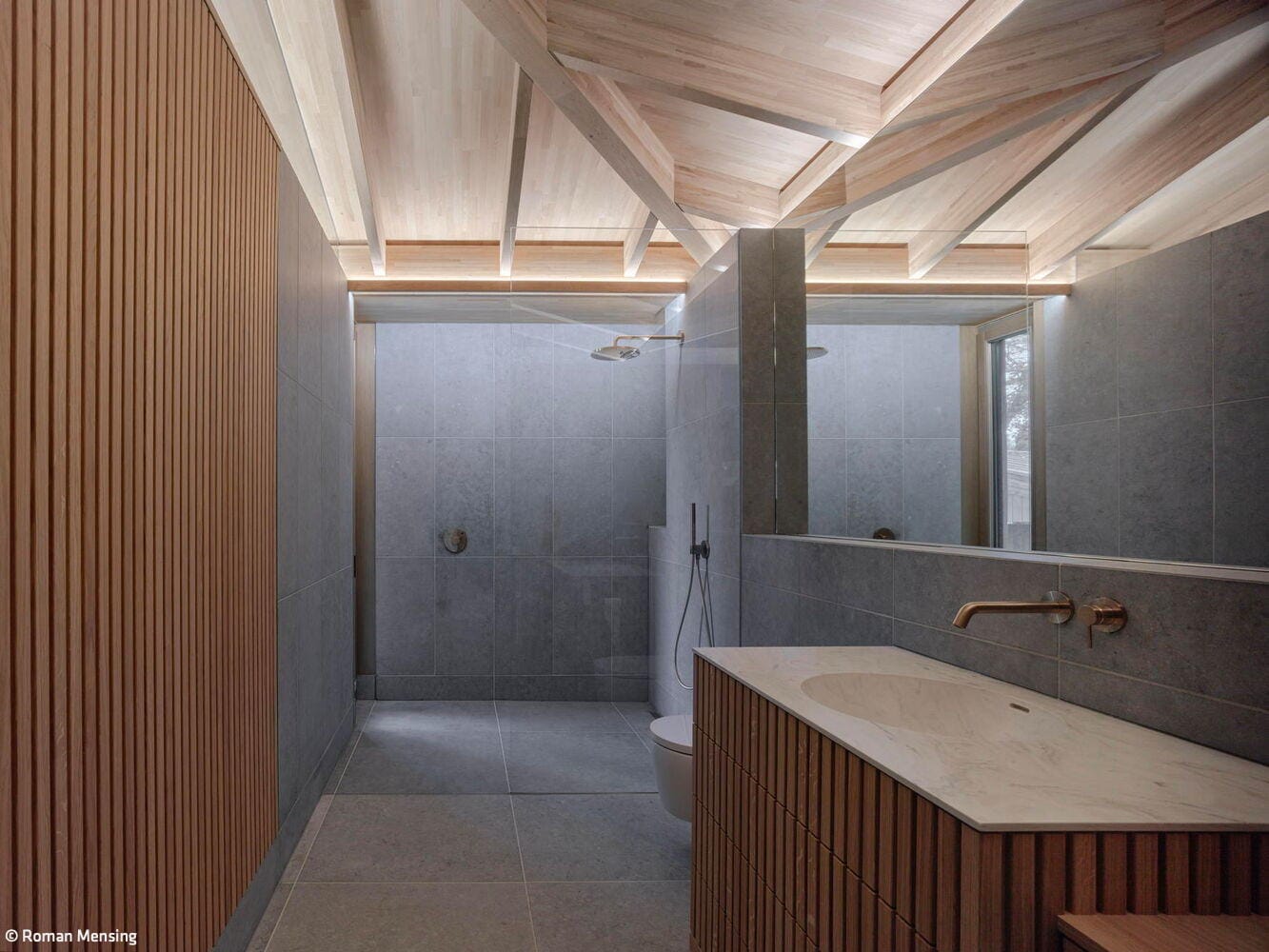
This extension does not announce itself through bold gestures. Rather, it demonstrates the understated ease with which a precisely articulated structure seamlessly becomes part of its surroundings. Constructed from solid oak timber, the extension to a brick house sits at the edge of a small oak forest, forging a connection between architecture and nature—precisely as architect Jörgen Dreher envisioned during the planning phase. "The extension is less an object in space than a carefully integrated element of the place itself," explains the architect from Telgte in the Münsterland region.
The compact, rectangular volume is crowned by a gently pitched copper roof, whose subtle slope and crisply defined eaves impart a serene, contemporary character to the form. The standing-seam copper roof functions as a protective plane hovering above the space—reduced, functional, and formally precise. The structure rests on a Belgian bluestone socle that lifts it subtly from the ground, creating a clear demarcation between the natural, irregular landscape and the geometric order of architecture. This base is visible both inside and out. The façade is entirely clad in vertically battened, warmly radiating oak lamellae. Their delicate rhythmic articulation creates a composed surface that modulates light and shadow with restraint, lending the volume depth. On the side facing the quiet, nature-oriented portion of the property, the space opens generously through expansive glazing, while deliberately remaining closed toward the opposite side.
Inside, the exposed wooden roof structure fundamentally shapes the space: functioning as a sculptural presence, it rhythmically articulates and defines the interior. The geometric arrangement of beams creates an intricate yet clearly legible network that unites craftsmanship with contemporary design. Untreated oak dominates the ceiling, walls, and custom-built elements, while a centrally positioned table introduces a tactile and visual counterpoint. This composition is complemented by surfaces of bluestone, warm leather, and lacquered finishes in reseda green and deep British Racing Green gloss. Light plays a central role in the spatial narrative: sidelighting models the wood surfaces and amplifies the plasticity of the construction, while a strategically positioned luminaire serves as a solitary accent, establishing a subtle dialogue between tradition and modernity. The space functions equally as a formal gathering place and intimate living environment—a setting for encounter, exchange, and retreat.
Photos:
Roman Mensing
www.romanmensing.de
(Published in CUBE Ruhrgebiet 01|26)

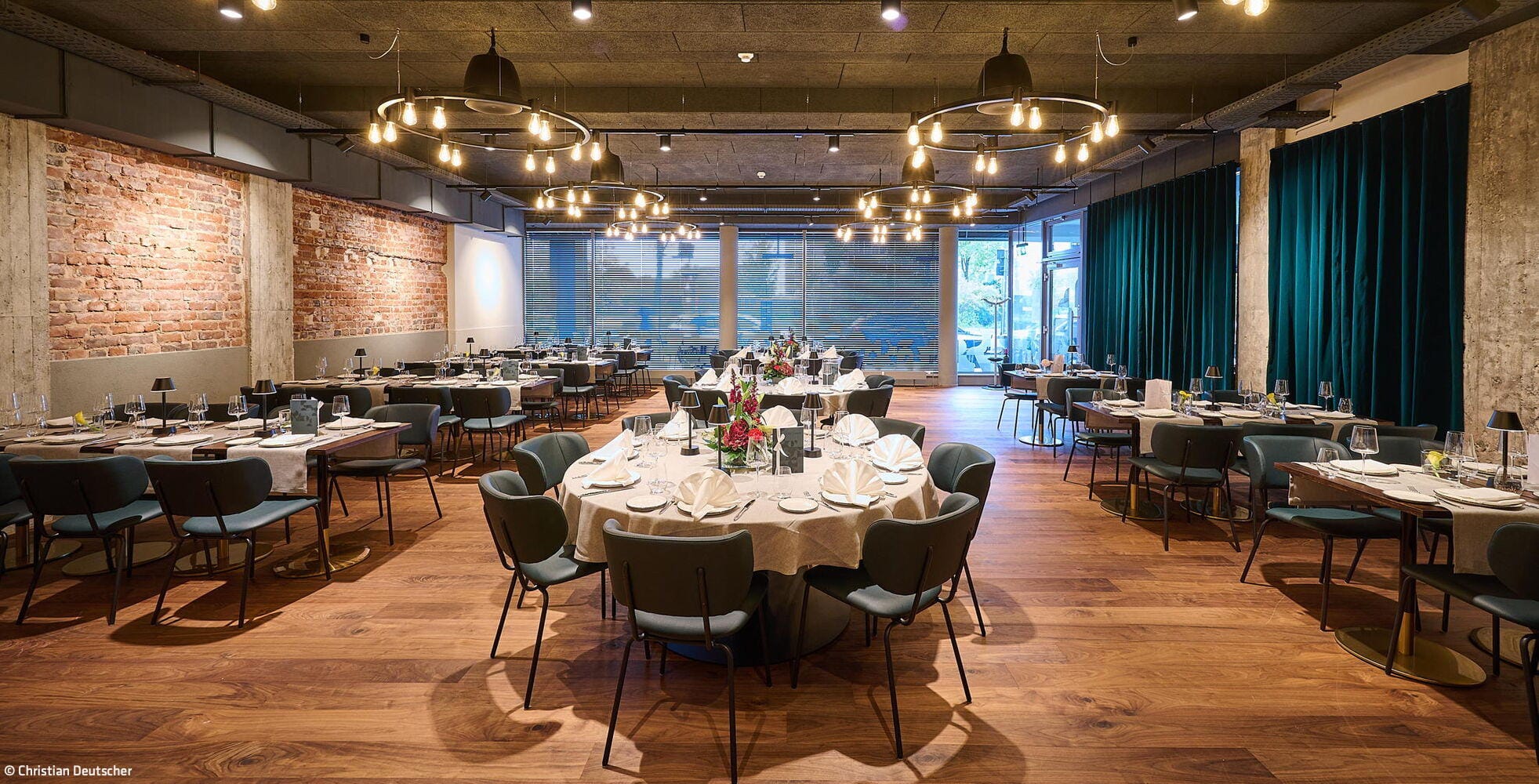
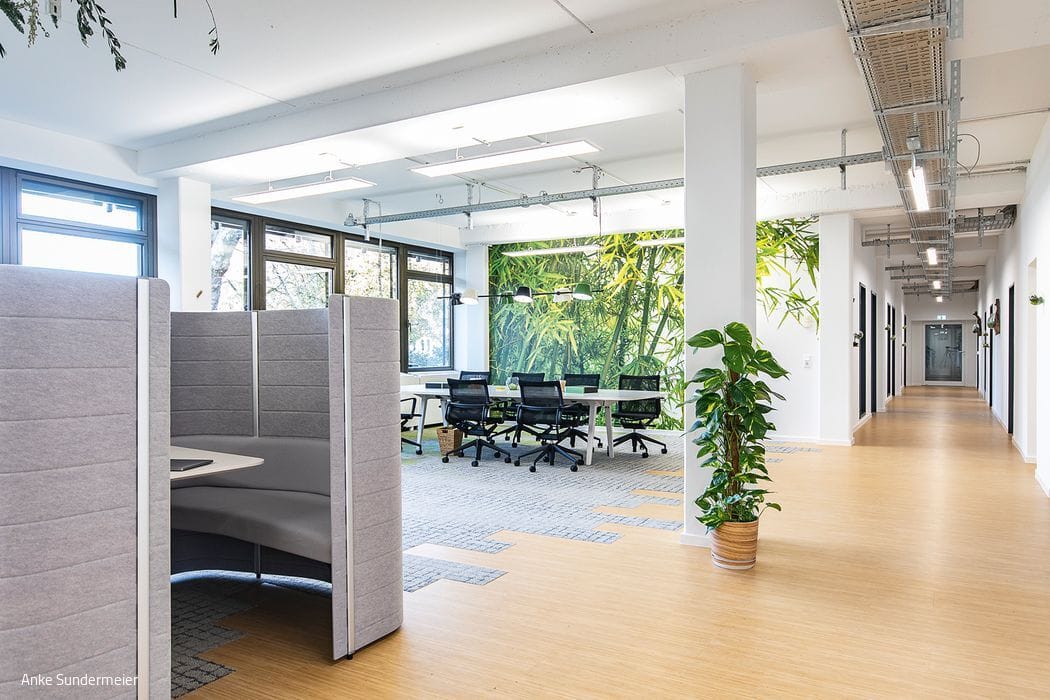
Sustainable Working Environment
The new Work Inn at Haniel Campus in Duisburg puts environmental thinking into practice
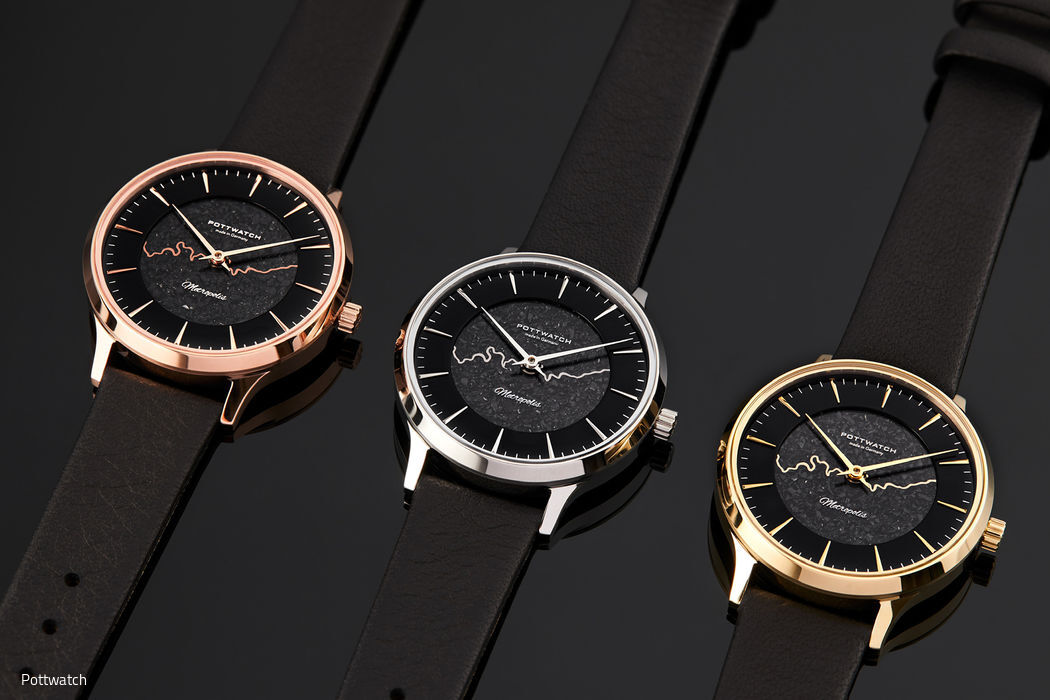
Home on Your Wrist
Pottwatch Creates Watches with Authentic Ruhr Coal
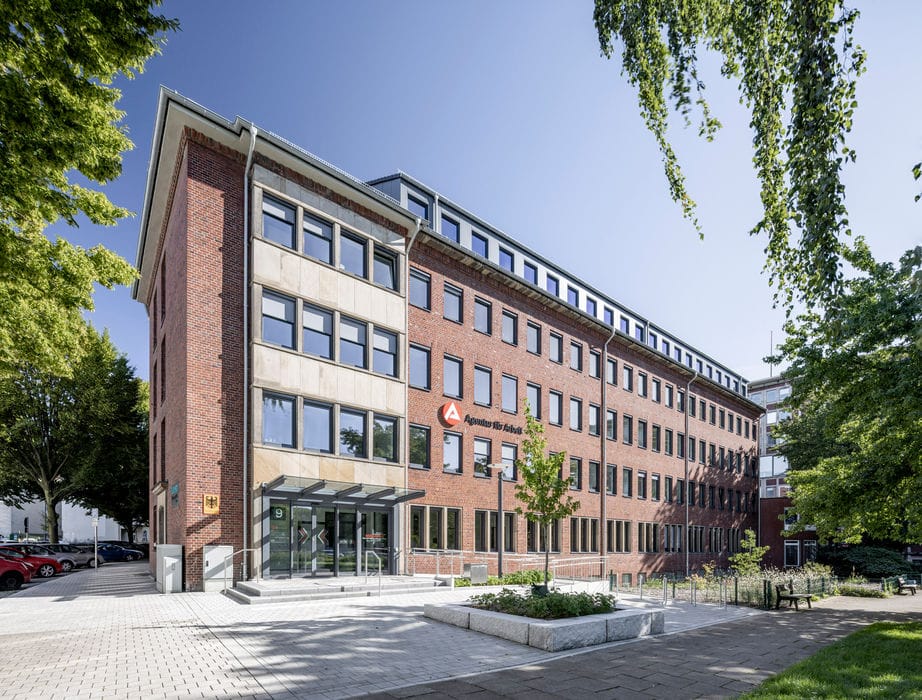
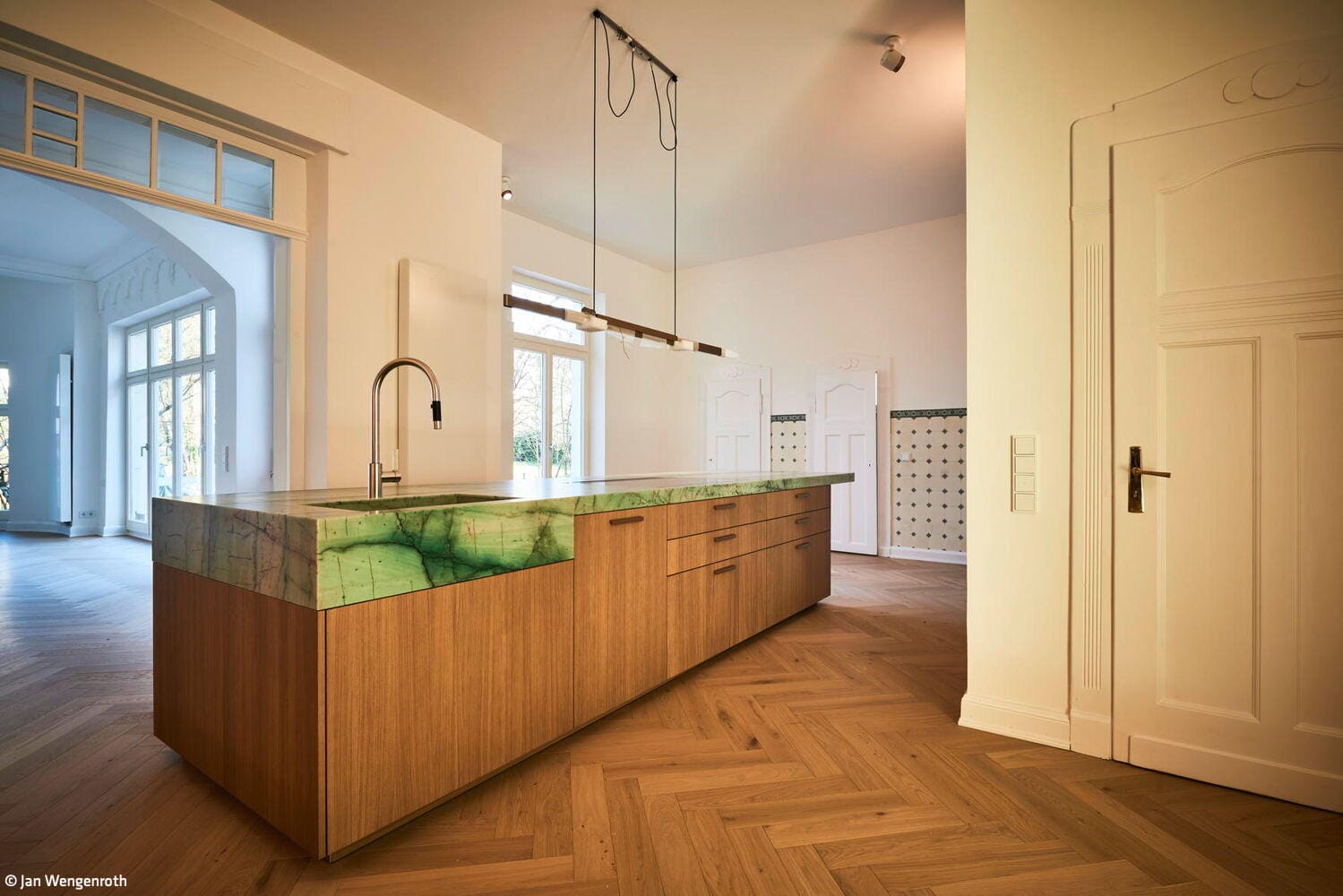
Modern With Historic Charm
Herne's Employment Agency building—a model of responsible modernization.
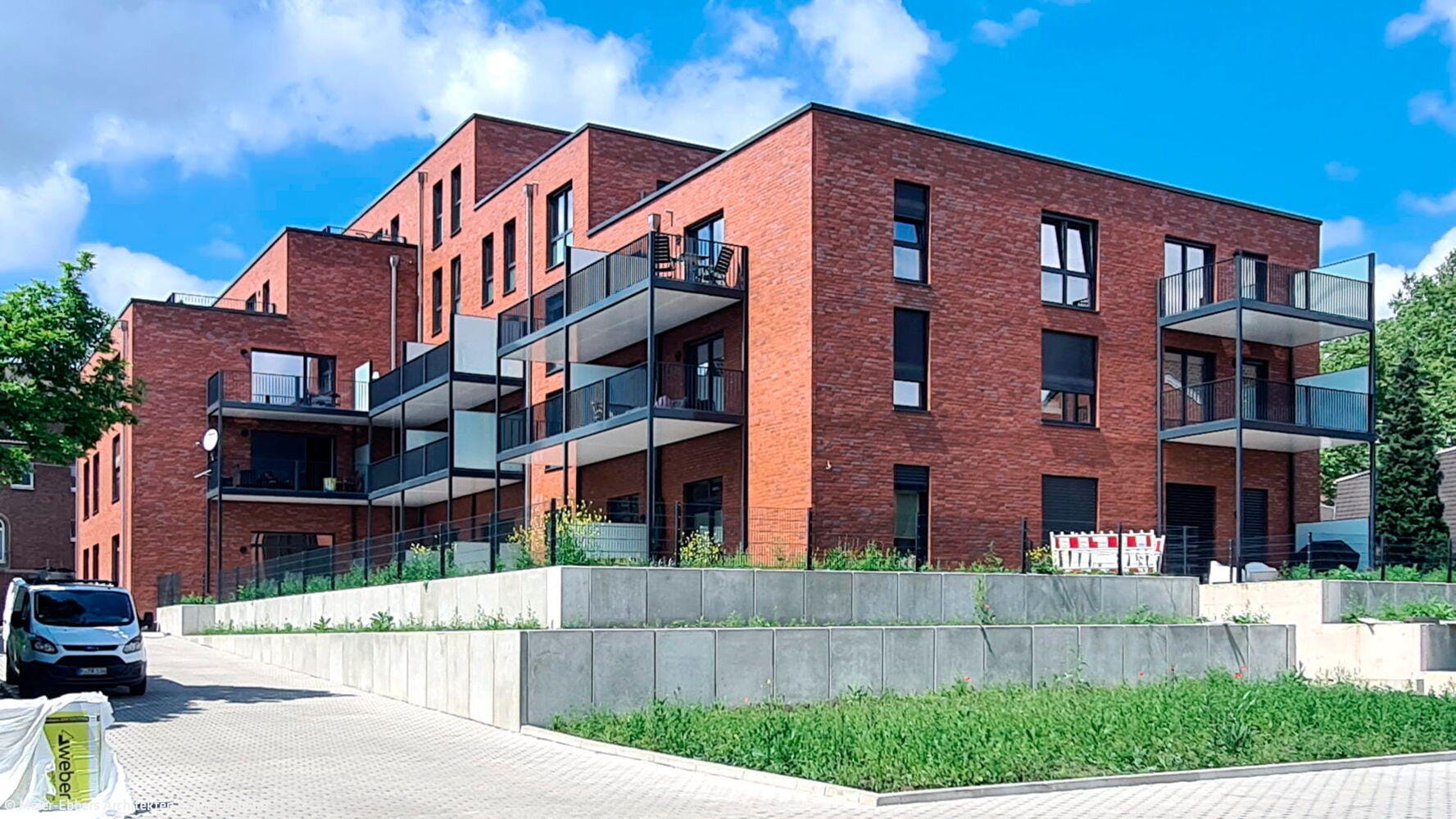
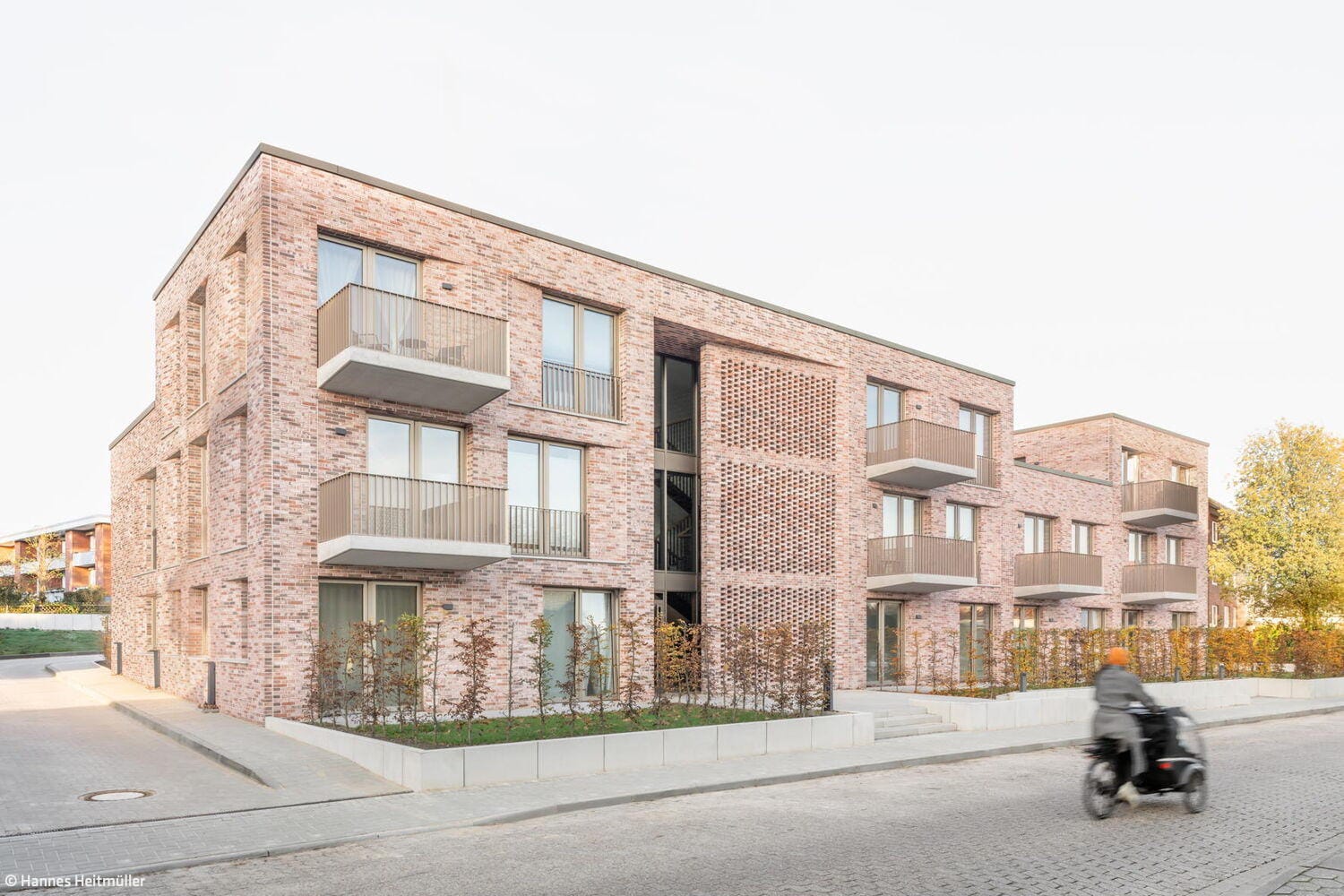
A Red Eye-Catcher
In Oberhausen, a residential and commercial complex finds its perfect place in the urban fabric