


Love at First Sight
Designer Olaf Kitzig Talks Villa "The Flat": Transforming a Rhine-Side Landmark
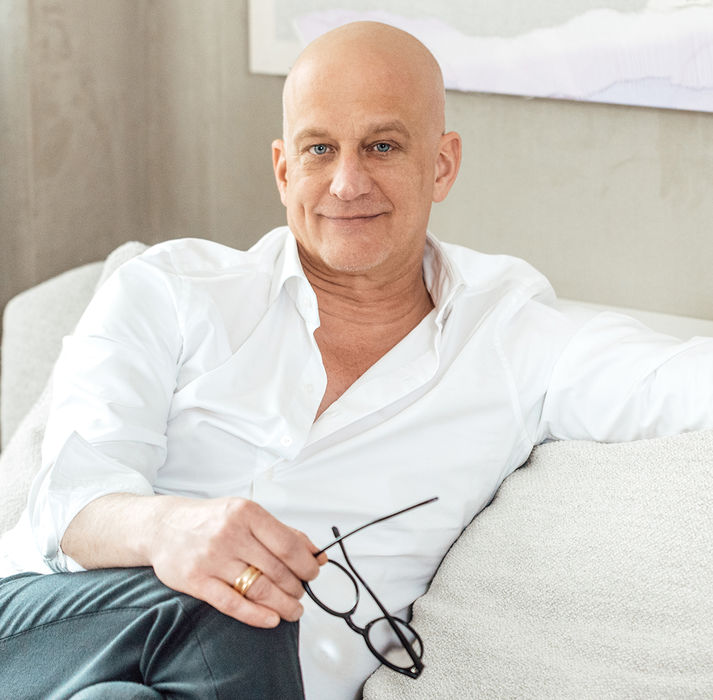
CUBE: Mr. Kitzig, thank you for welcoming us to your villa "The Flat" today. Over the past few years, you've restored and reimagined this listed property as both your home and studio. Could you share the story behind this remarkable Rhine-side location?
Olaf Kitzig: The house was built in 1926 by the renowned Düsseldorf ecclesiastical architect Peter Josef Kleesattel, who passed away shortly before its completion. It was likely a wedding gift for the daughter of the Leiffmann banking family and her husband, Professor Dr. Janssen, founder of what would eventually become the Golzheimer Clinic – now the Paracelsus Clinic. The couple settled here, and while the rear section is now offices, it still features a large artist's studio window that was added later, reflecting the fact that both Janssen's father and son were accomplished artists. After World War II, the house served for decades as the residence of the British Consul General.
The brick structure with its classic multi-pane windows was hardly avant-garde for its time—more a statement of conservative modernism. What drew you to this particular property?
It's defined by a beautiful, uncluttered architectural language. The circulation is perfectly planned, and the rooms are filled with natural light. We have 78 windows throughout the house—80 percent positioned to frame views of the Rhine. The layout is ingeniously designed so neighboring properties are barely visible from inside. I actually discovered it by chance while driving from the trade fair into the city. The moment I walked through the door with the real estate agent, it was instant love—for better or worse. (laughs) The interior was essentially a shell; a previous owner had gutted much of it despite the building's protected status. But I was so captivated that I did whatever it took to make it mine. And clearly, it paid off—though it required considerable effort along the way.
Every room has been restored with obvious care and precision. Balancing residential, professional, and showroom functions under one roof while respecting its listed status—how challenging was that?
I must be honest: I've never wanted to live in or alongside my office. I've always valued the clear separation – locking my front door in the evening, my office door in the morning. So I was determined to design the layout so you'd never sense the residence from the work spaces, and vice versa. Through careful planning and strategic use of the main entrance, the former service entrance, and staggered staircases, we managed to achieve exactly that after an intensive design process.
Olaf Kitzig
Born in Münster in 1971 and raised in Lippstadt. After apprenticeships as a painter and window dresser with a restoration specialist, Olaf Kitzig trained with international design firms in Great Britain and Malta. He earned his state certification in interior design consulting from the Cologne School of Furniture Retail in 1995. Career highlights include: 1996 trainee and interior design instructor in Great Britain; 1998 freelance interior design work in Atlanta; 1998 founding Kitzig Interior Design in Lippstadt; 2001 expansion to Bochum, 2009 to Munich; 2017 establishment of Kitzig Design Studios GmbH & Co. KG, Kitzig Identities GmbH, and Kitzig Details GmbH; 2018 opening in Düsseldorf; 2021–23 acquisition, restoration, and conversion of the historic Villa Janssen in Düsseldorf-Golzheim.
Discover more about the villa and Olaf Kitzig's design philosophy in our podcast conversation, recorded by Paul Andreas at Olaf's newest Düsseldorf studio.
(Published in CUBE Düsseldorf 02|23)
Bay Window Cubes Catching the Light
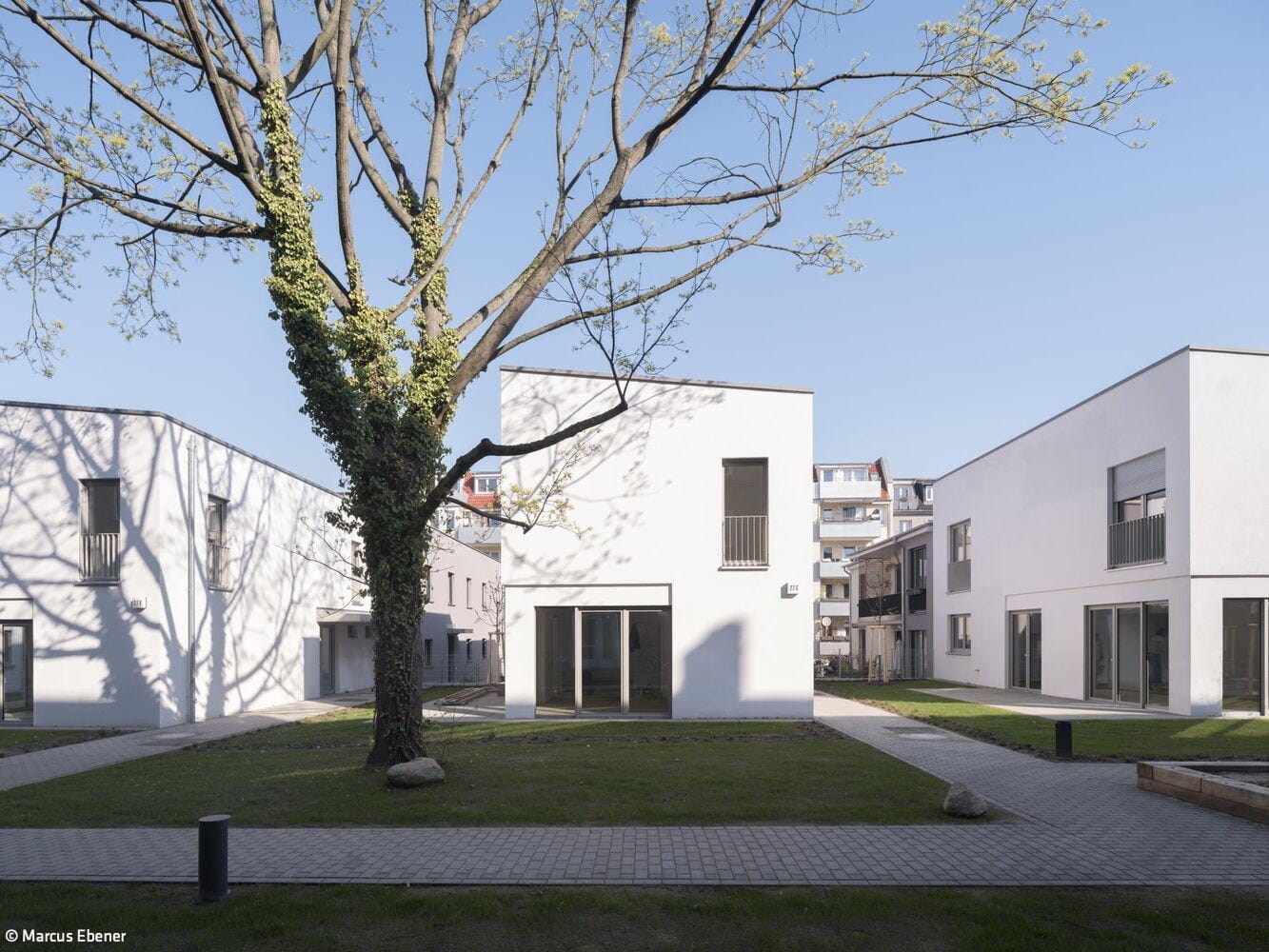
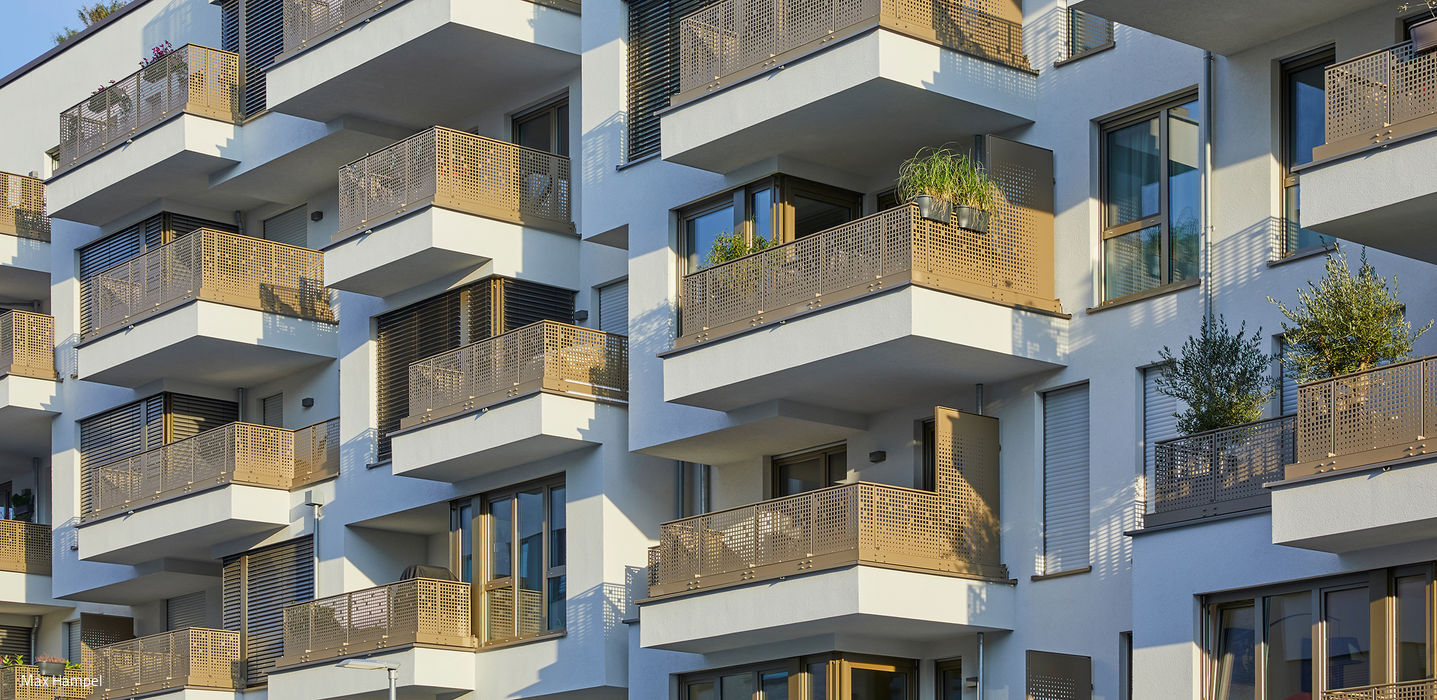
Three residential buildings in Grafental create a distinctive landmark in the district.

An Airy Spatial Marvel
A classic semi-detached home on the Rhine's left bank unfolds generously inward
Sculptural Interplay
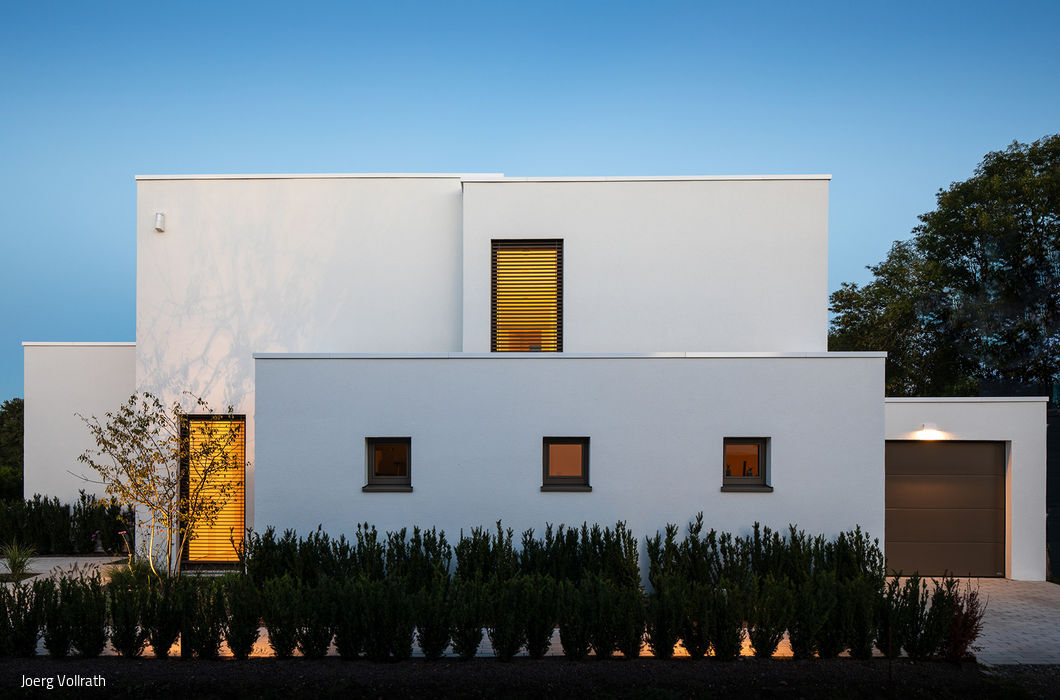
A family home where privacy meets panoramic views of the landscape

Highly Flexible and Innovative
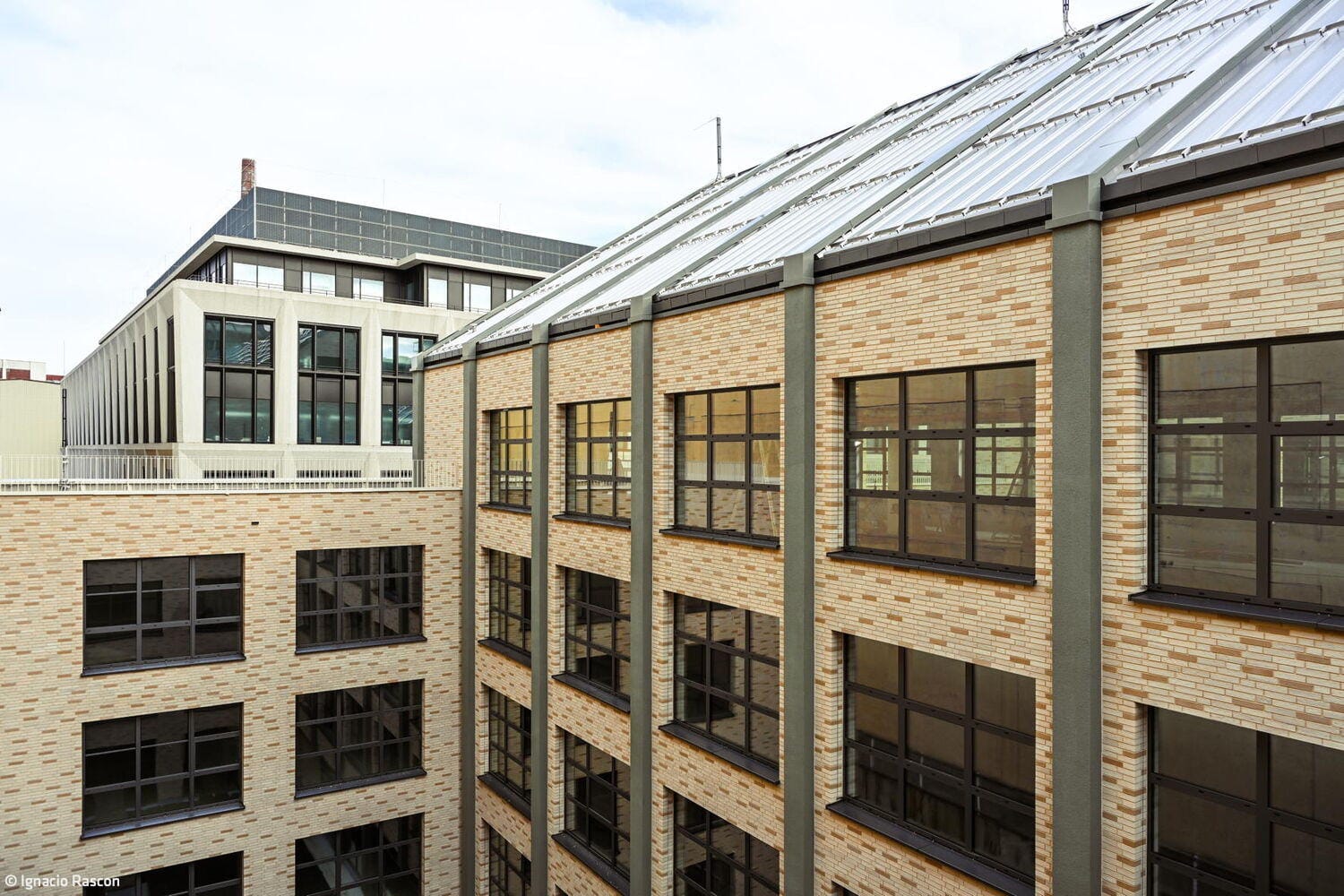
A New Hub for AI and Digital Innovation: How the ZDD is Reshaping the Derendorf Campus