


Patina & Layers of Time
A former courthouse reimagined: residential spaces alongside diverse new uses
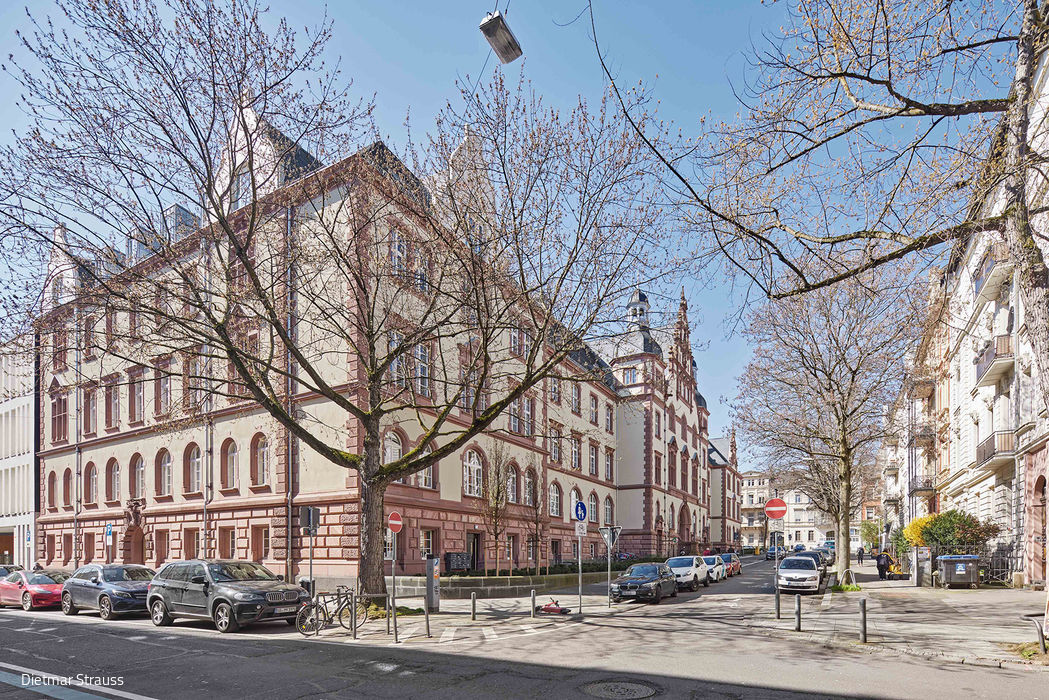
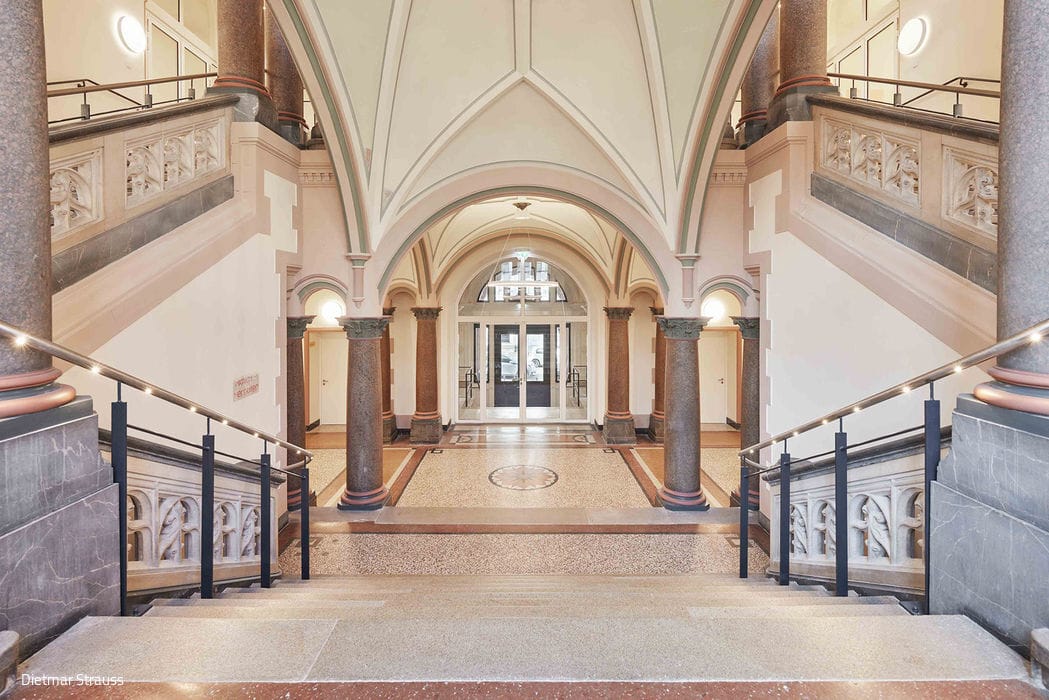
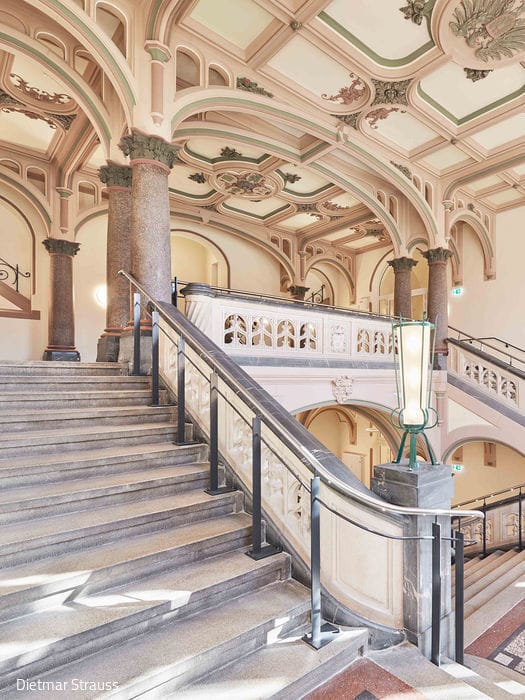

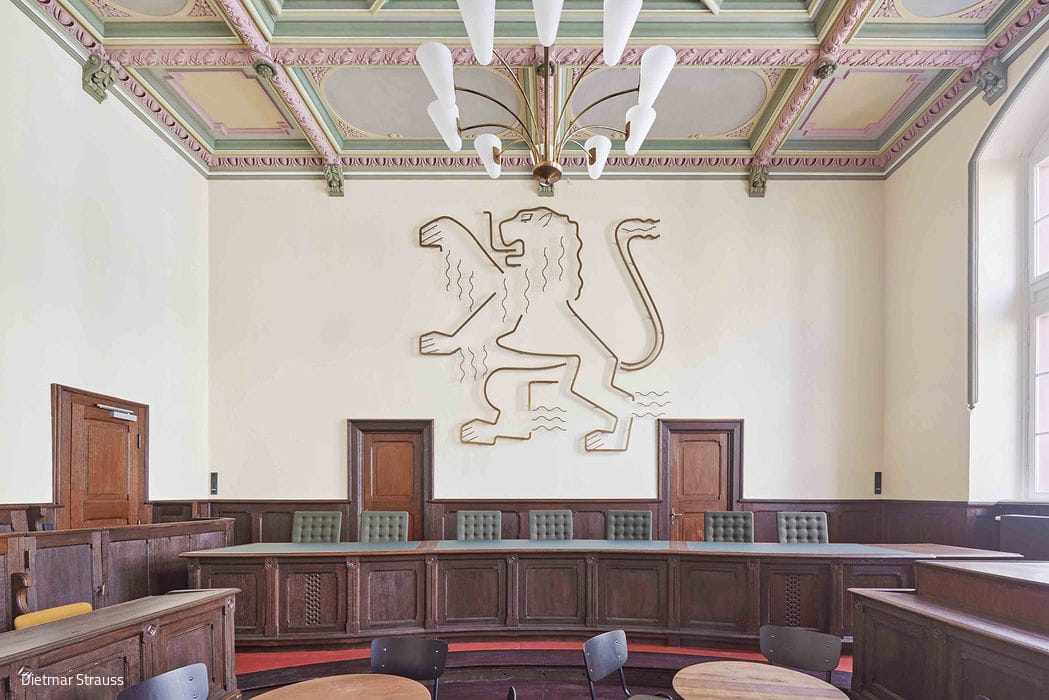
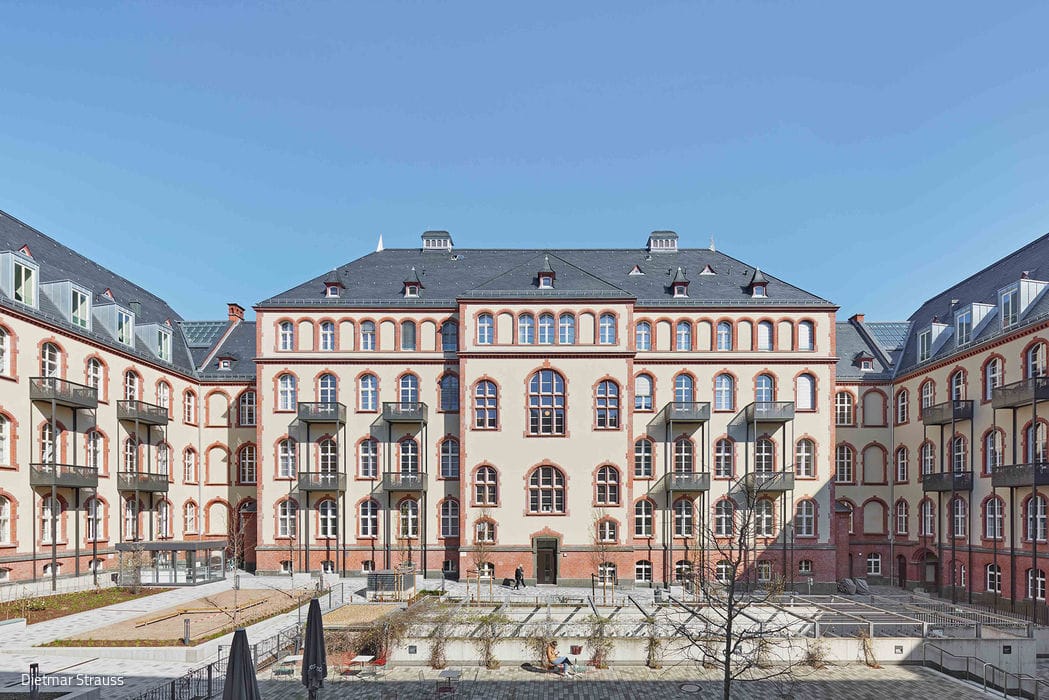


Kissler Effgen + Partner has masterfully demonstrated how a protected historical courthouse can be thoughtfully converted into vibrant residential space. The renovation of the "Old Court" in Wiesbaden—constructed between 1893 and 1897—now houses 48 apartments of varying sizes, with the top-floor spaces similarly activated to maximize the building's potential.
The original floor plan of this Wilhelmine-era courthouse, with its Early Renaissance styling and Gothic undertones, was never intended for widespread residential conversion. Certain spaces—particularly the former courtrooms—simply couldn't accommodate apartment living. The solution was elegant: apartments now occupy some of the original 116 rooms, while the seven former courtrooms serve semi-public and commercial functions instead. These include a co-working space, seminar and event venues, a café, and spaces for cultural programming. Over more than a century, the building accumulated layers of history through various structural additions and modifications—traces that remain visible even after renovation, evident in the solid masonry brick construction with its characteristic capped ceilings. Driven by both preservation principles and sustainability concerns, the architects preserved substantial original material: approximately 80 percent of the period oak windows, most interior doors, and all ornamental stucco ceilings and terrazzo floors were restored, selectively completed, and reinstated. The roof, for instance, was entirely replaced using natural slate laid in the traditional "old German" pattern. Throughout the renovation, newly installed materials were carefully matched to existing conditions wherever possible. Modern building systems, acoustic treatment, and fire safety were integrated thoughtfully—employing current standards without allowing them to dominate visually. Several architectural elements—the roof structure, ornamental gables, dormers, and balconies—required complete reconstruction. Yet these new insertions enhance rather than compete with the original fabric, establishing a compelling dialogue between old and new. The building's 125-year patina remains palpable in many spaces, allowing residents and visitors alike to read the structure's rich history.
Photography:
Dietmar Strauss
www.dietmar-strauss.de
(Featured in CUBE Frankfurt 03|23)
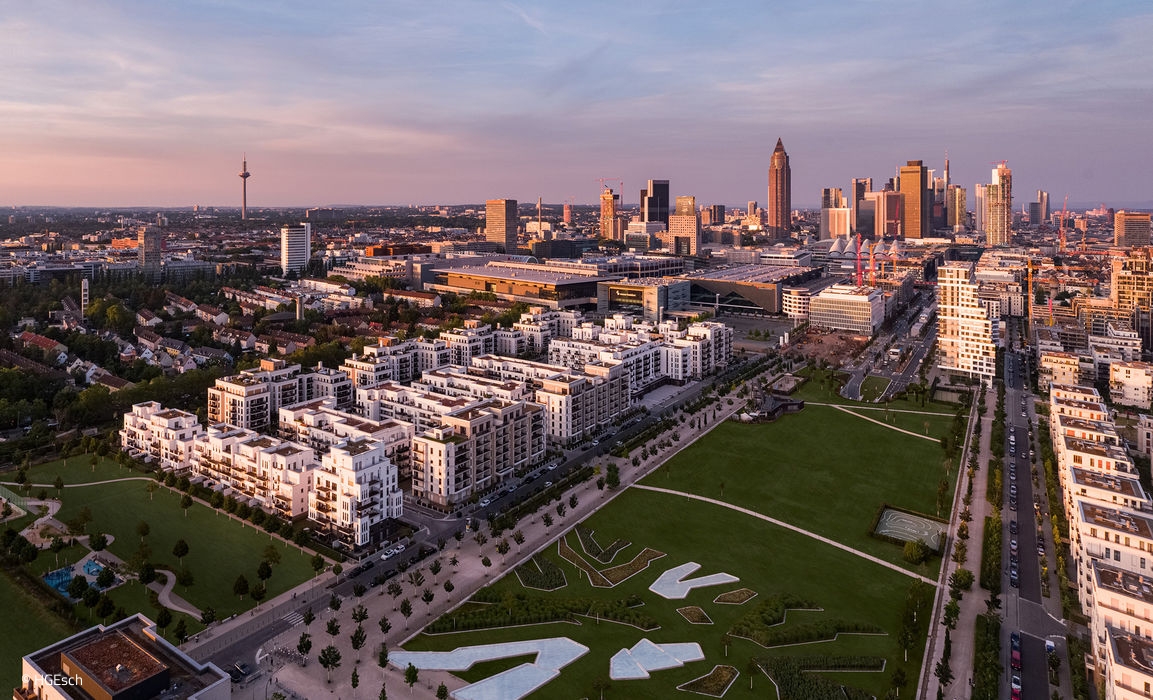

Elegant & Welcoming
Passive House Hotel: Where Cosmopolitan Sophistication Meets Intimate Comfort
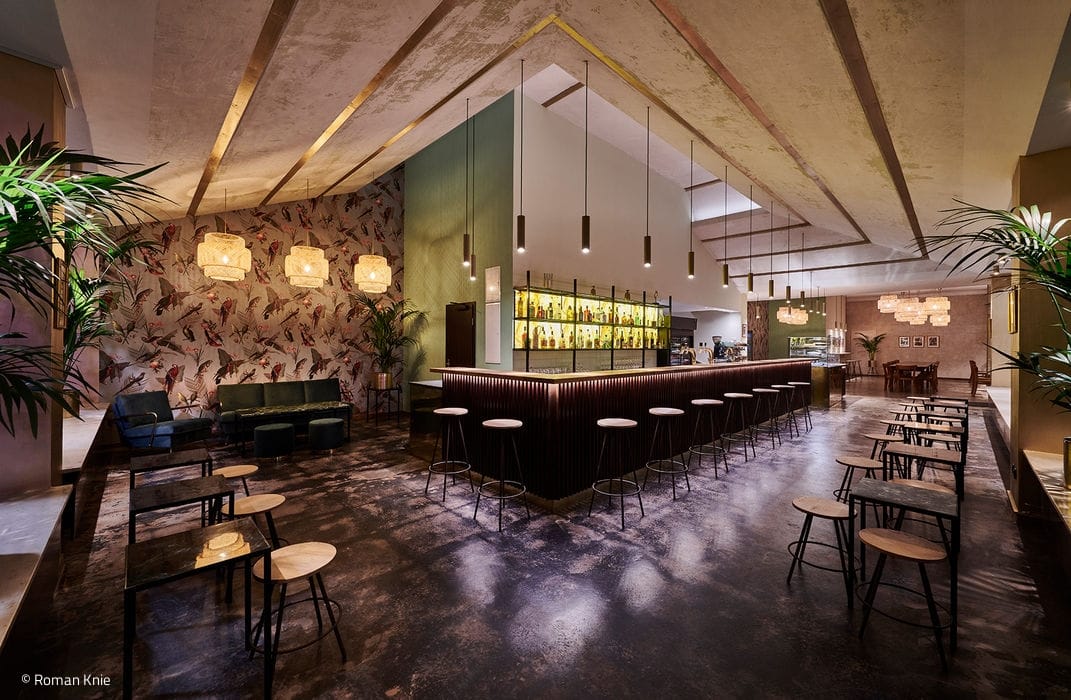
Welcome to the Roaring Twenties
The elongated bar is the soul of the space.
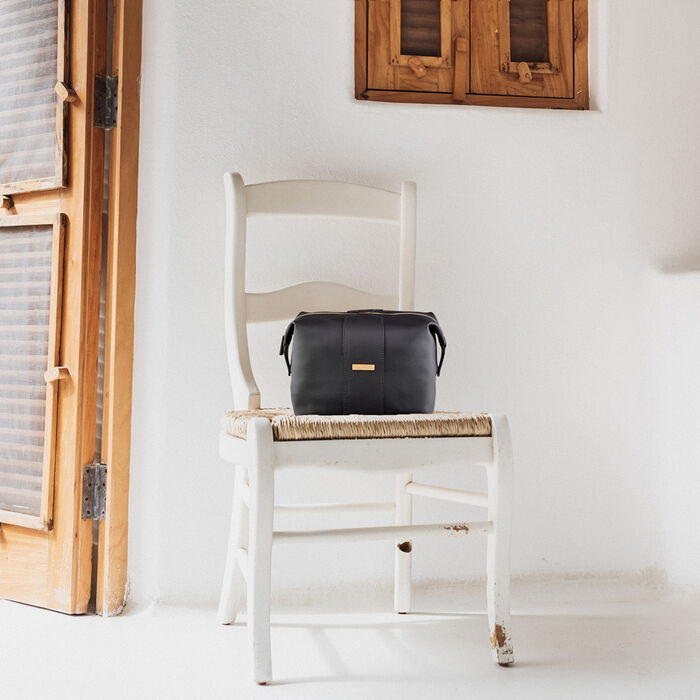
Elegance in Cactus Leather
Florina Thaler creates bags and accessories from innovative vegan and sustainable leather alternatives.
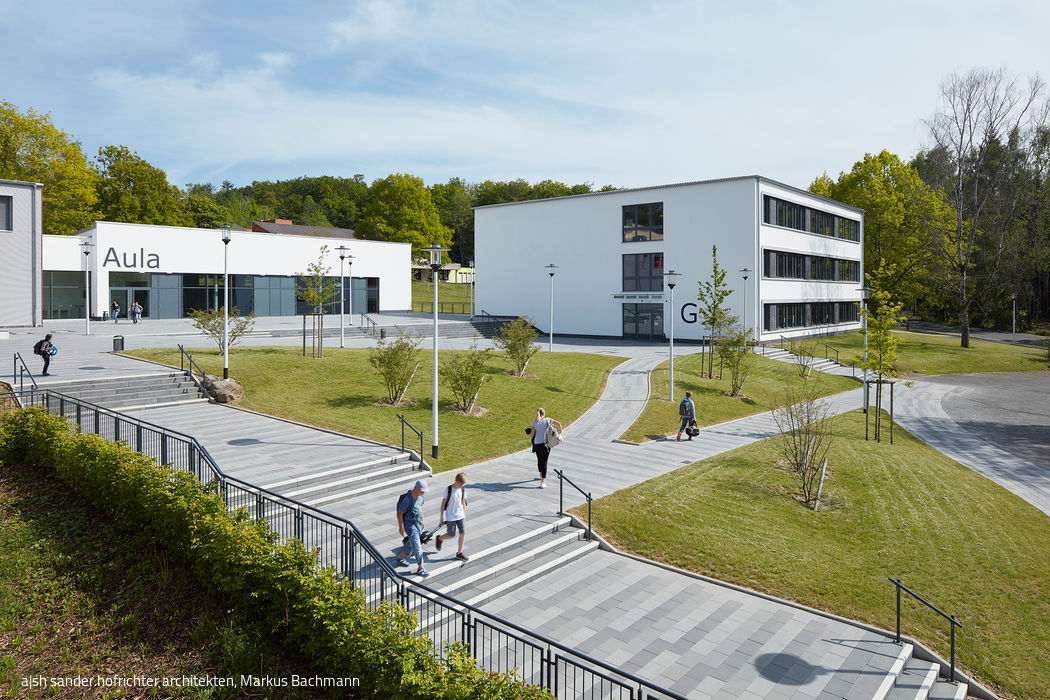
Connection & Focus
Creating Space for Community and Transformative Learning