


A California Summer Day
Villa captures the essence of West Coast living in the Rhine-Main region
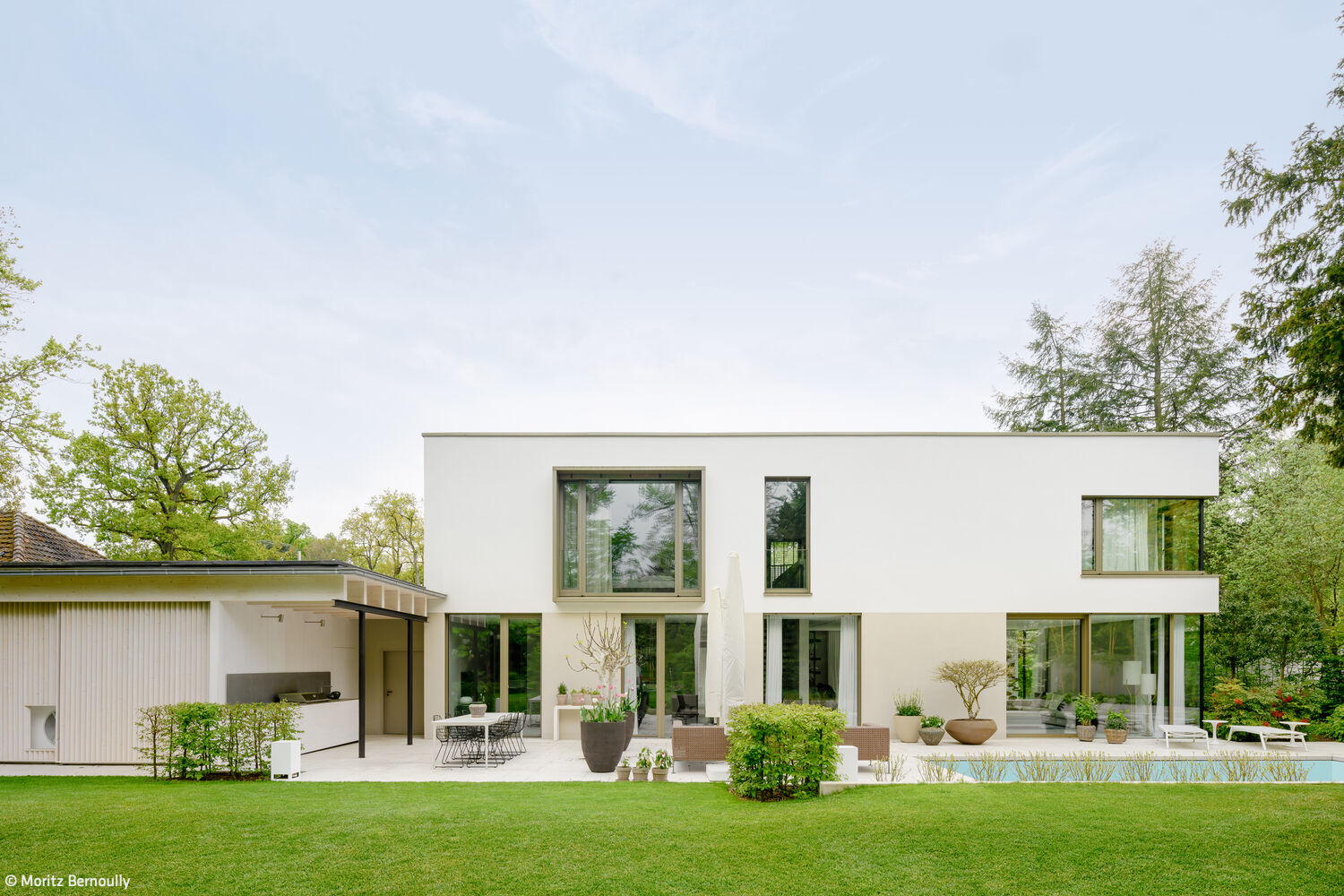
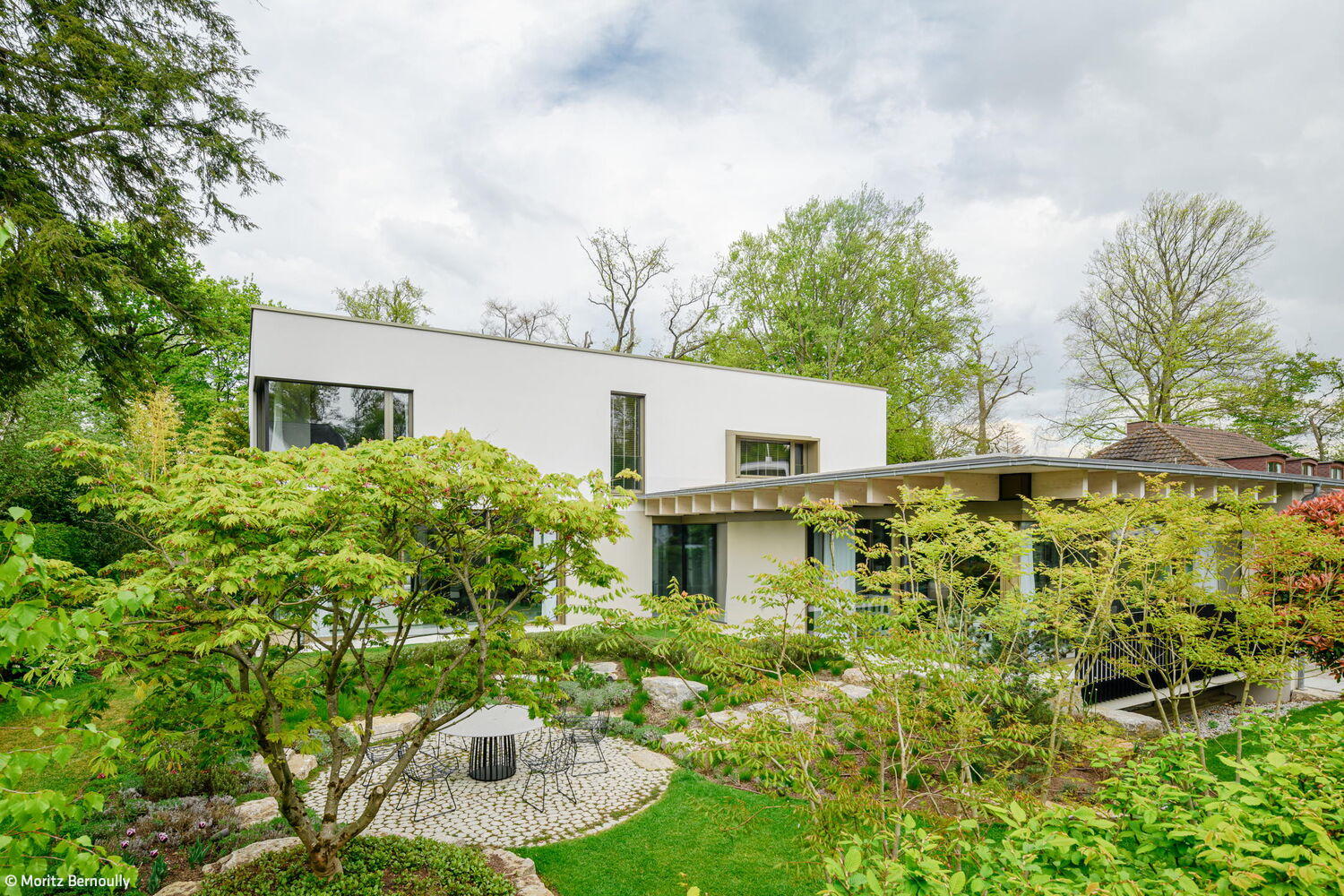
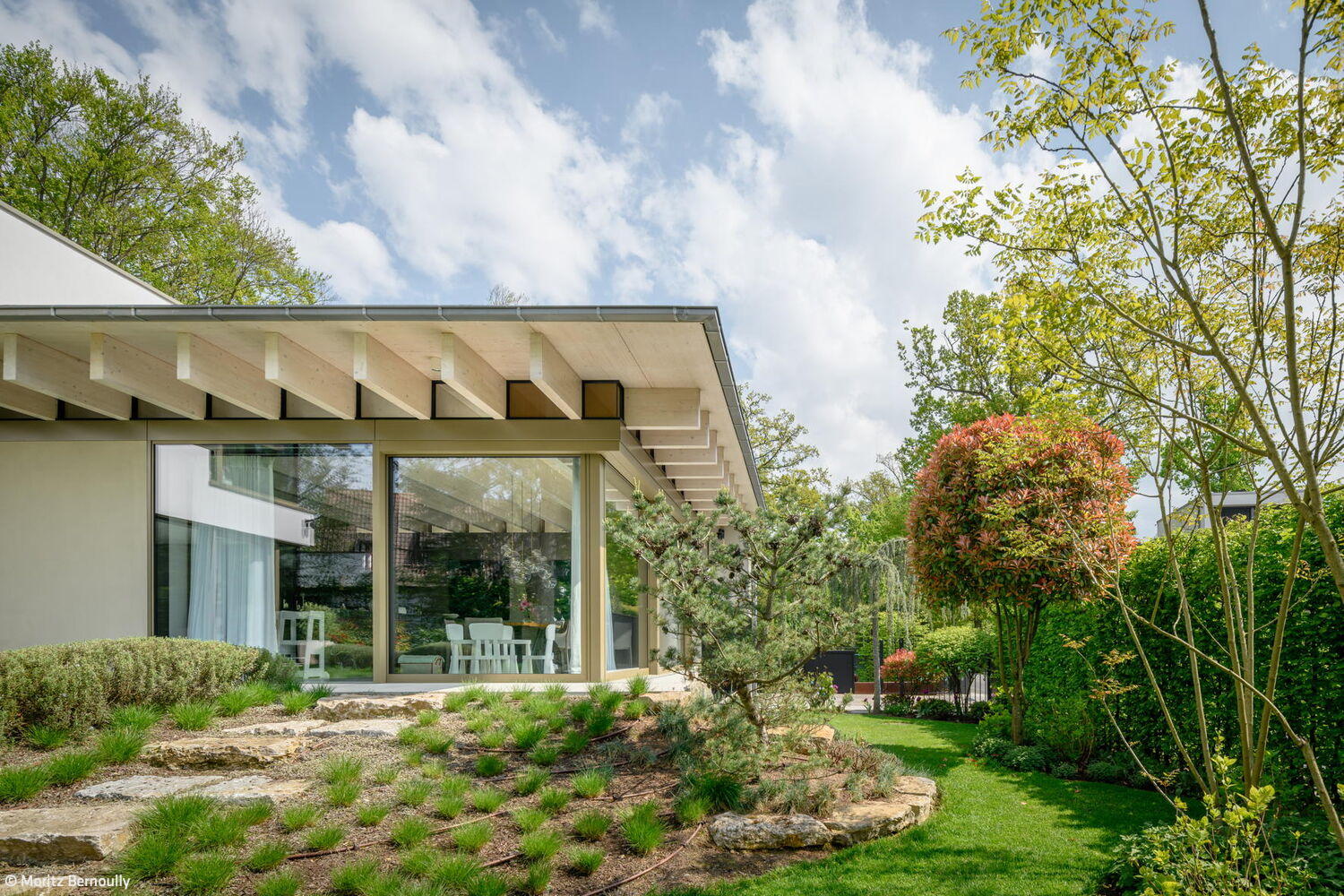
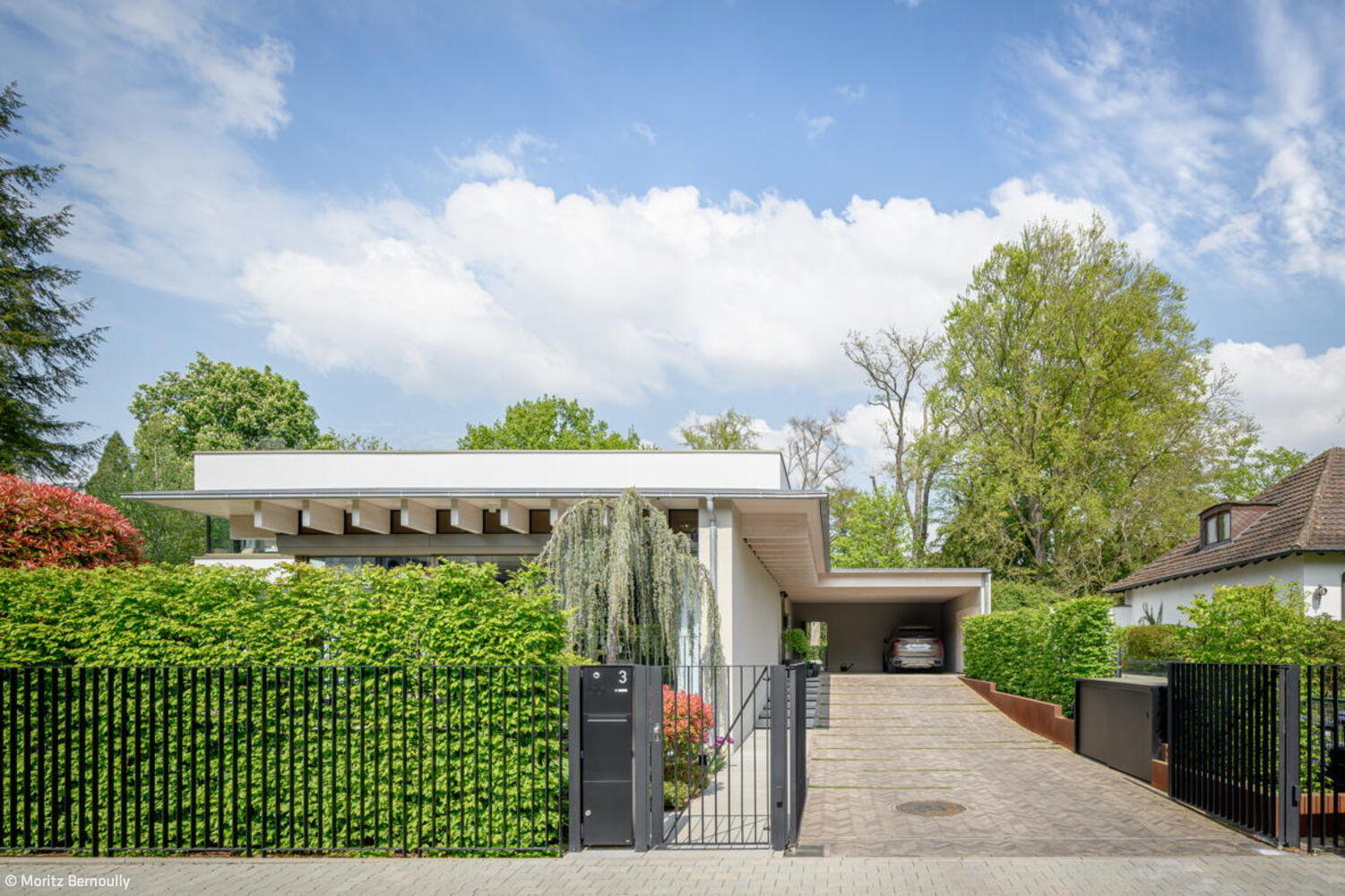
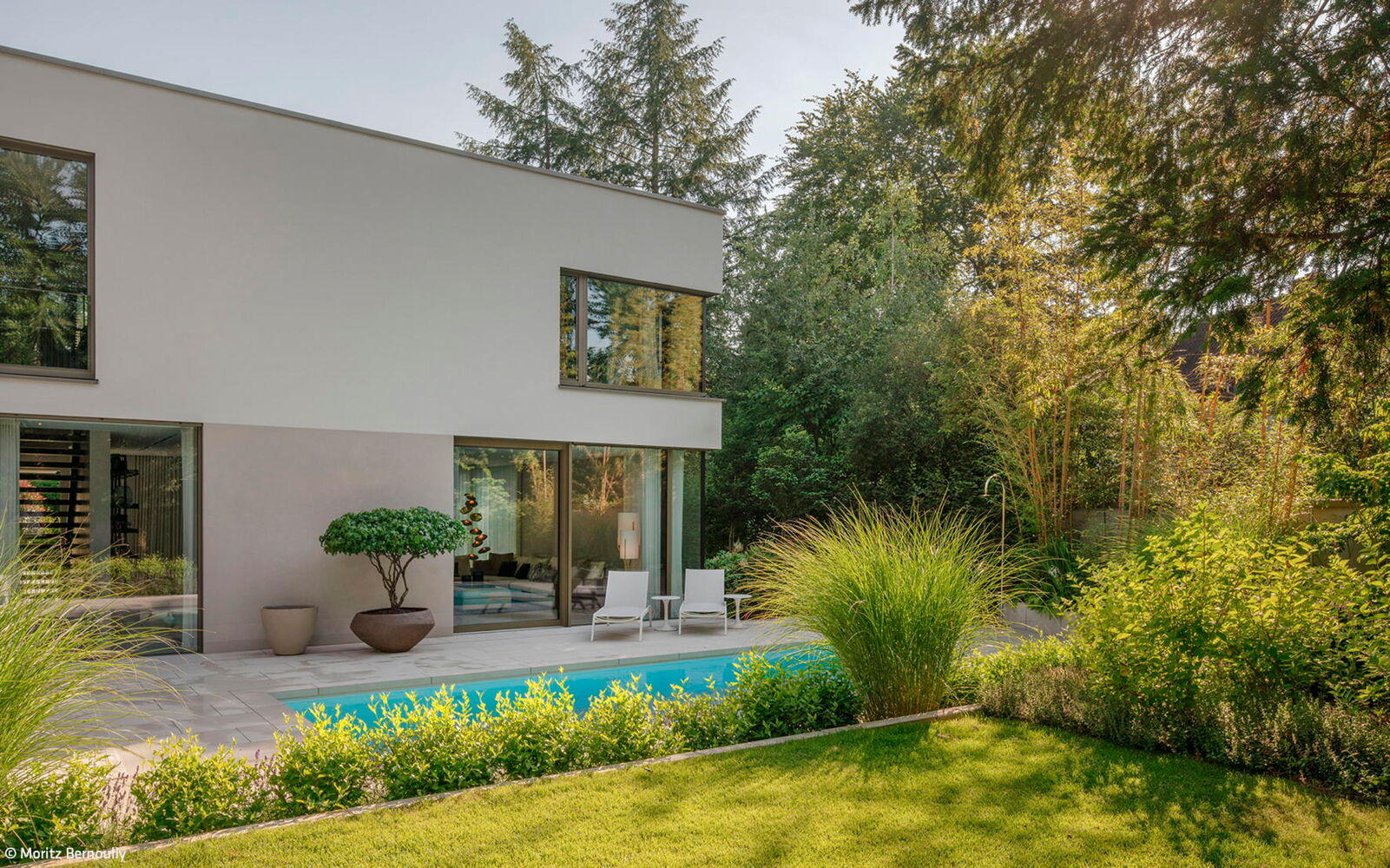
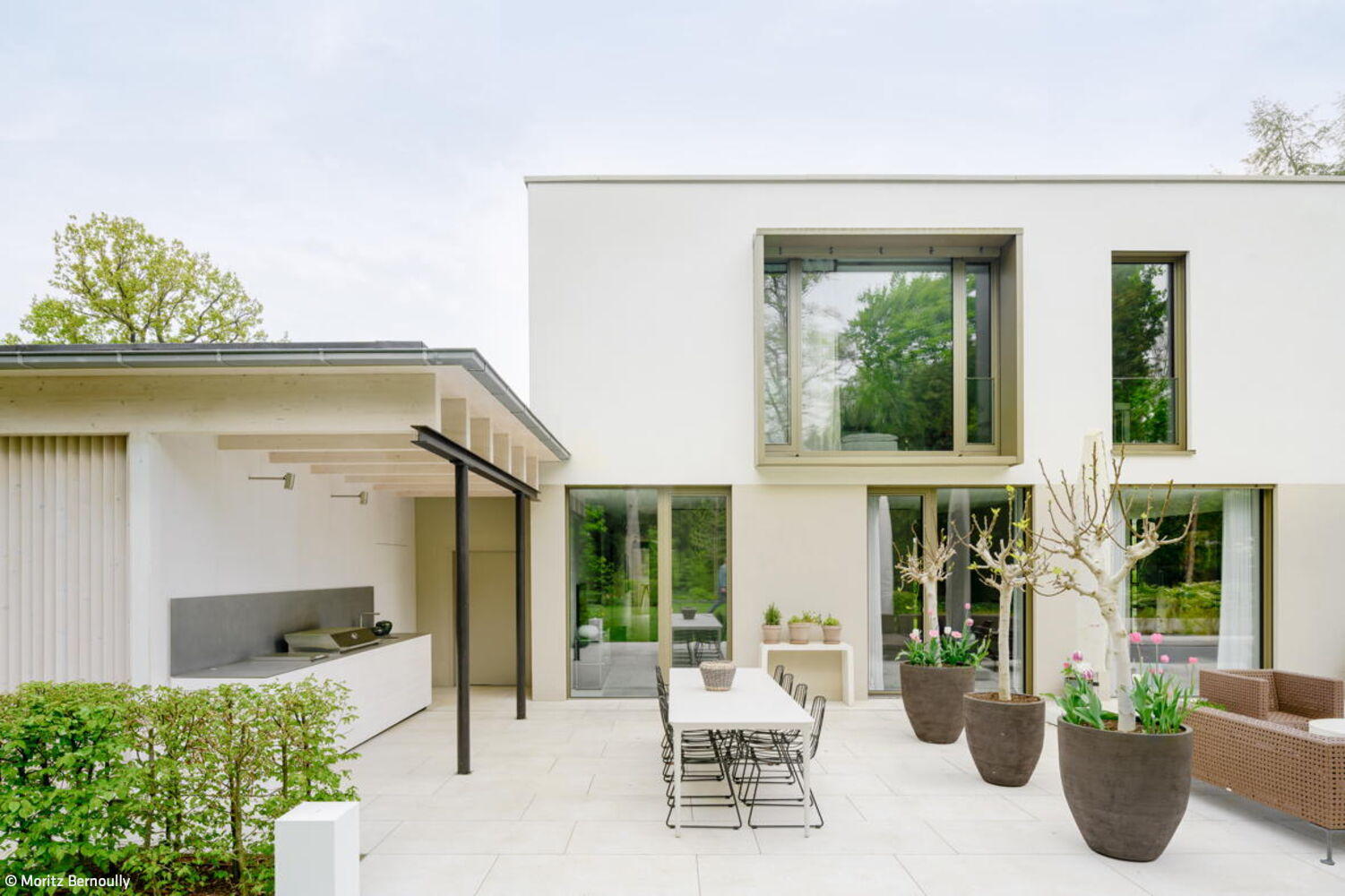
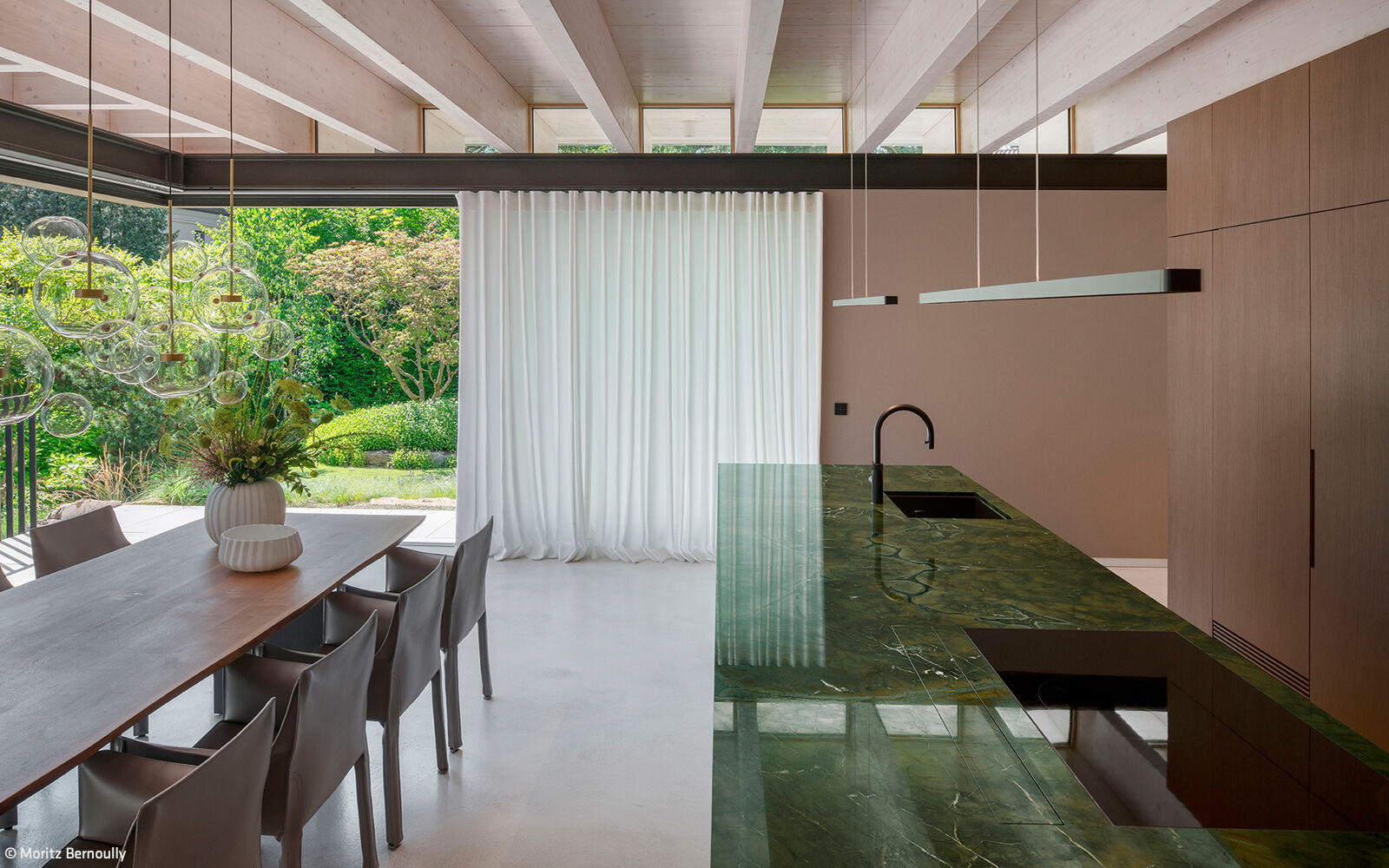
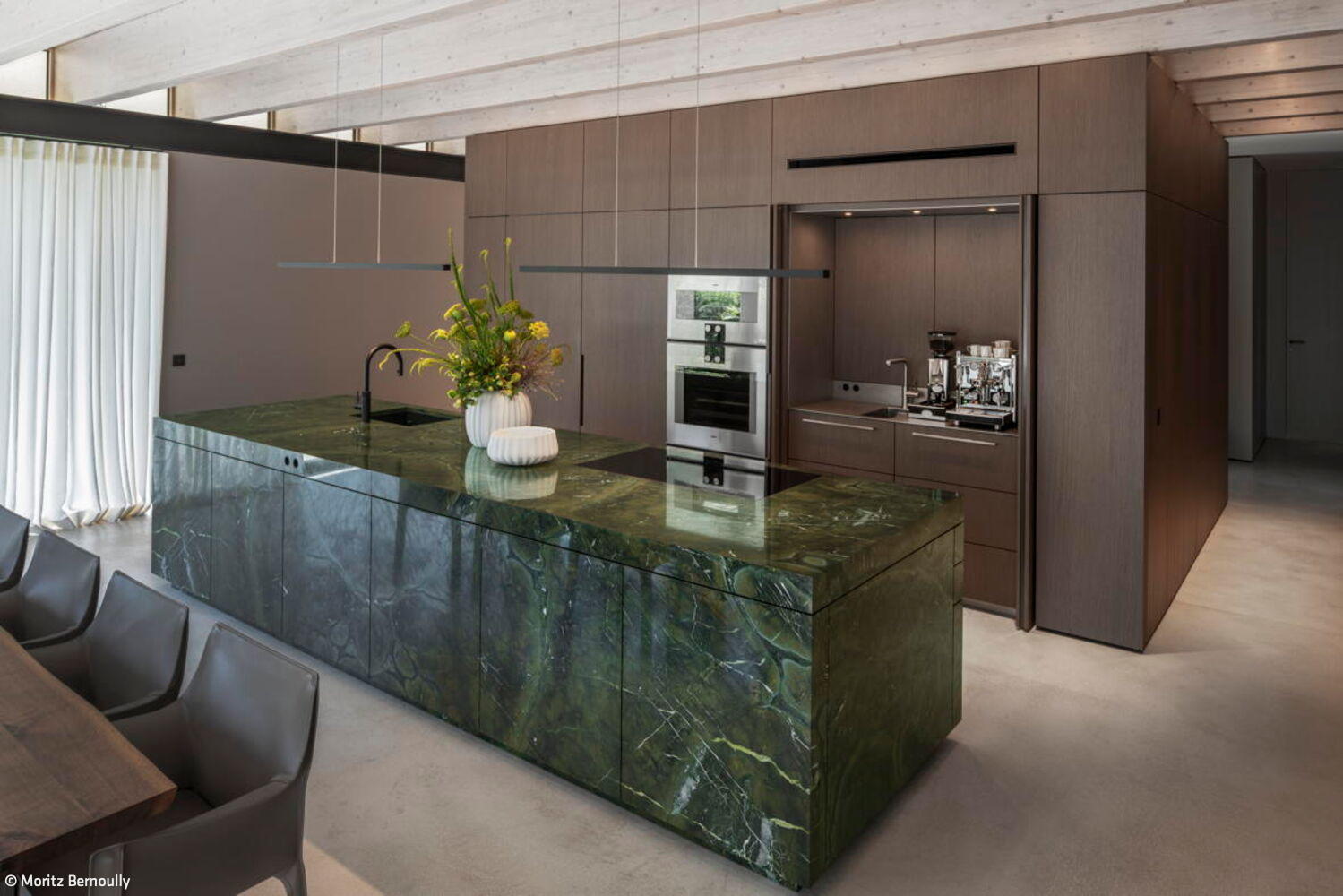
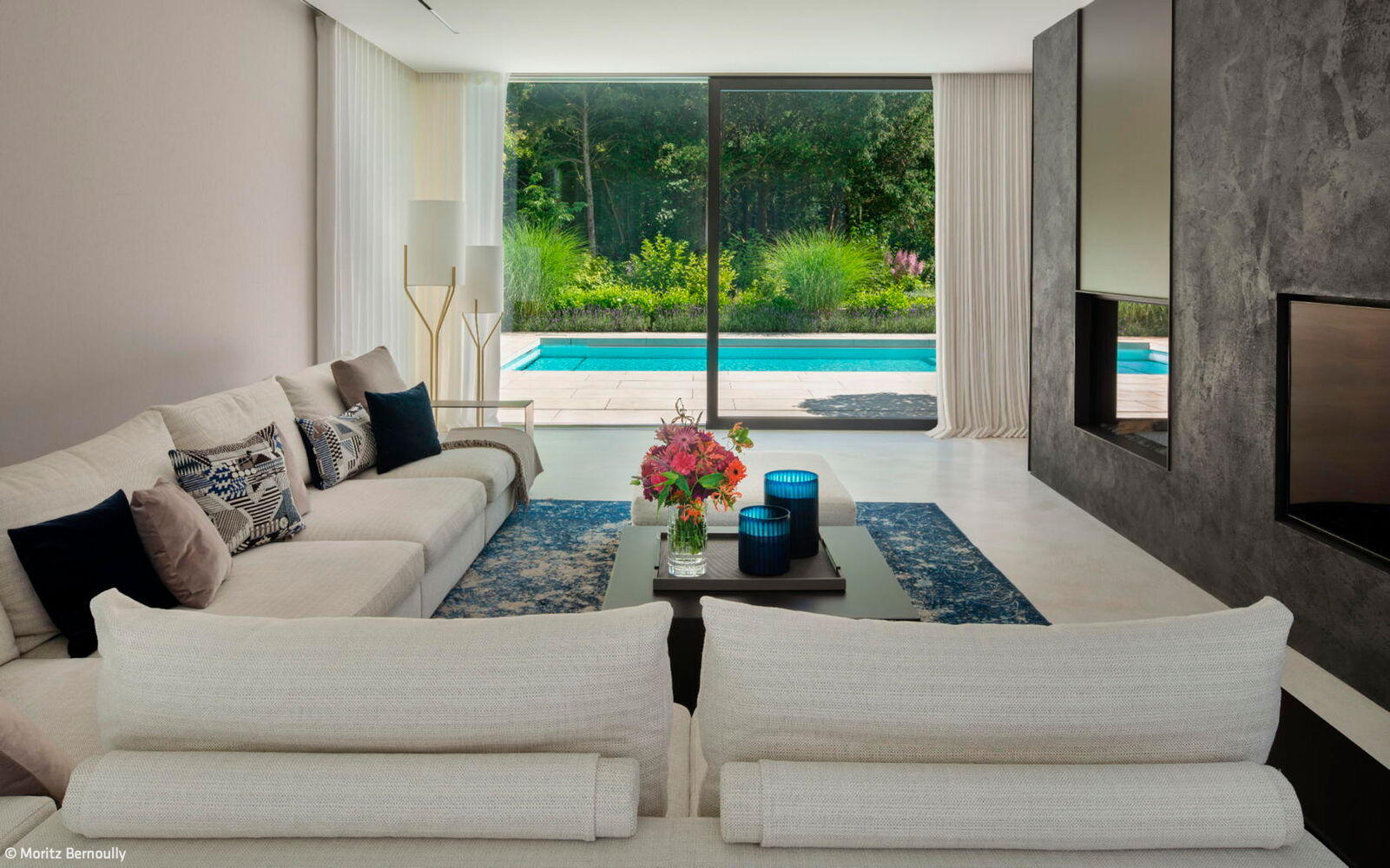
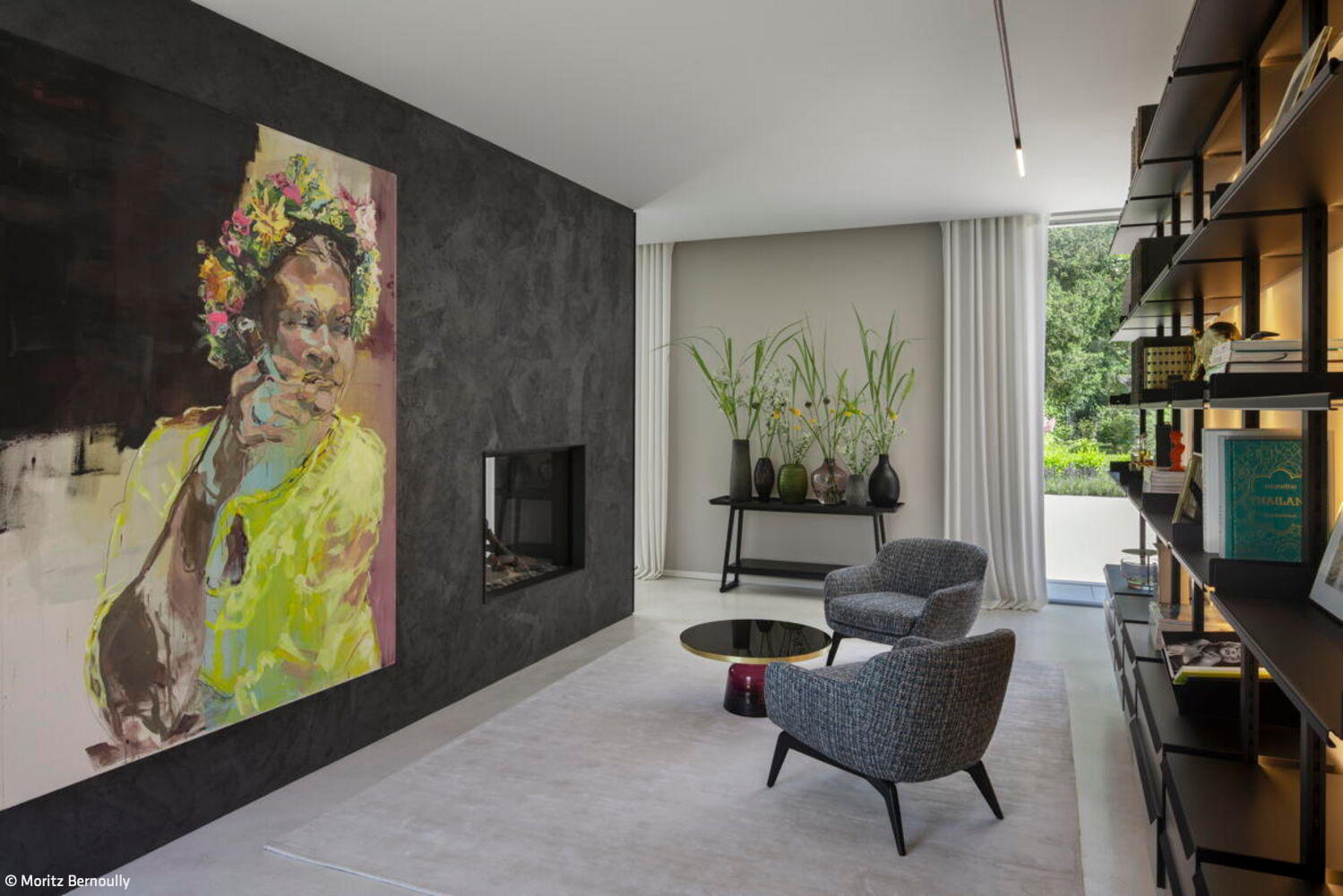
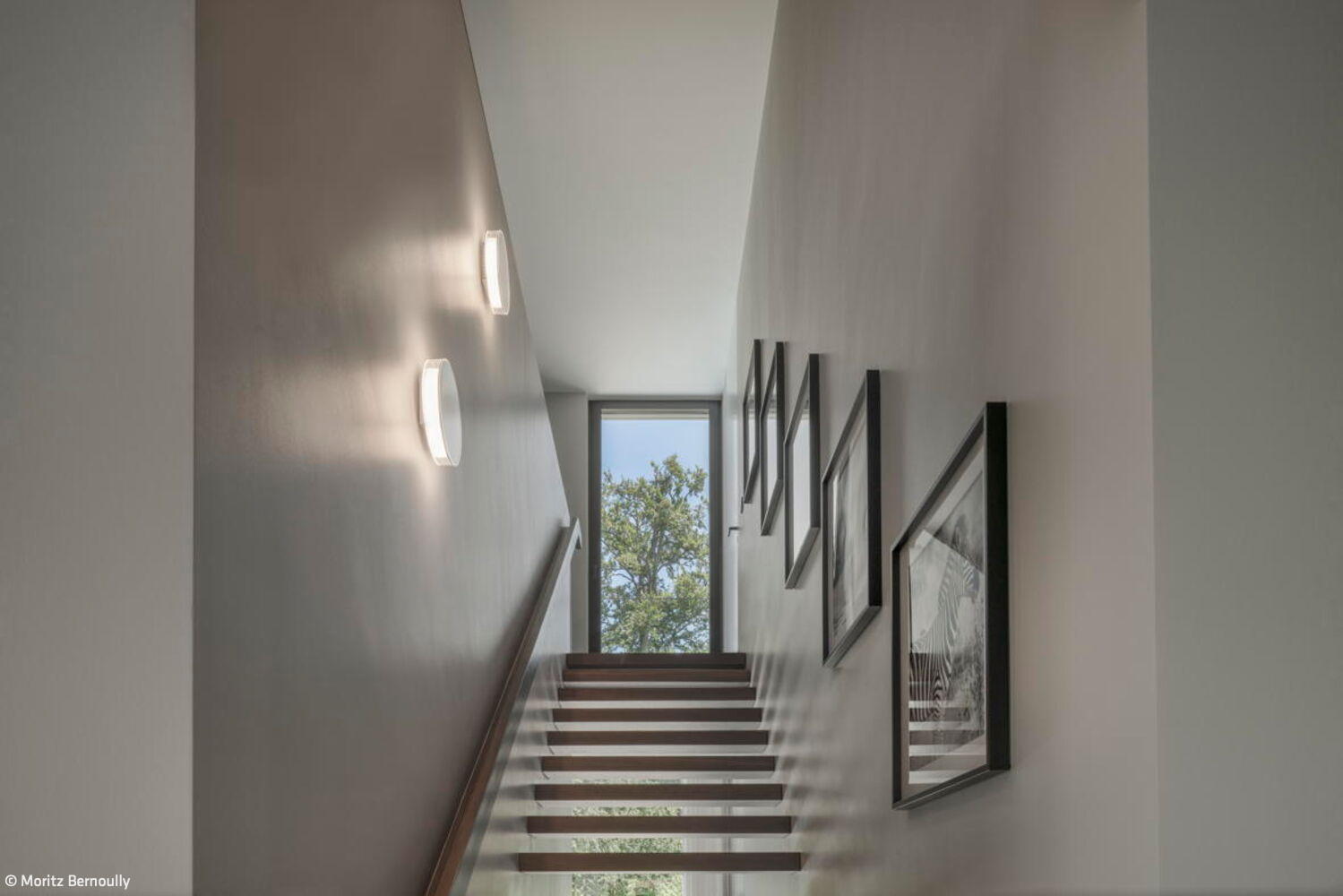
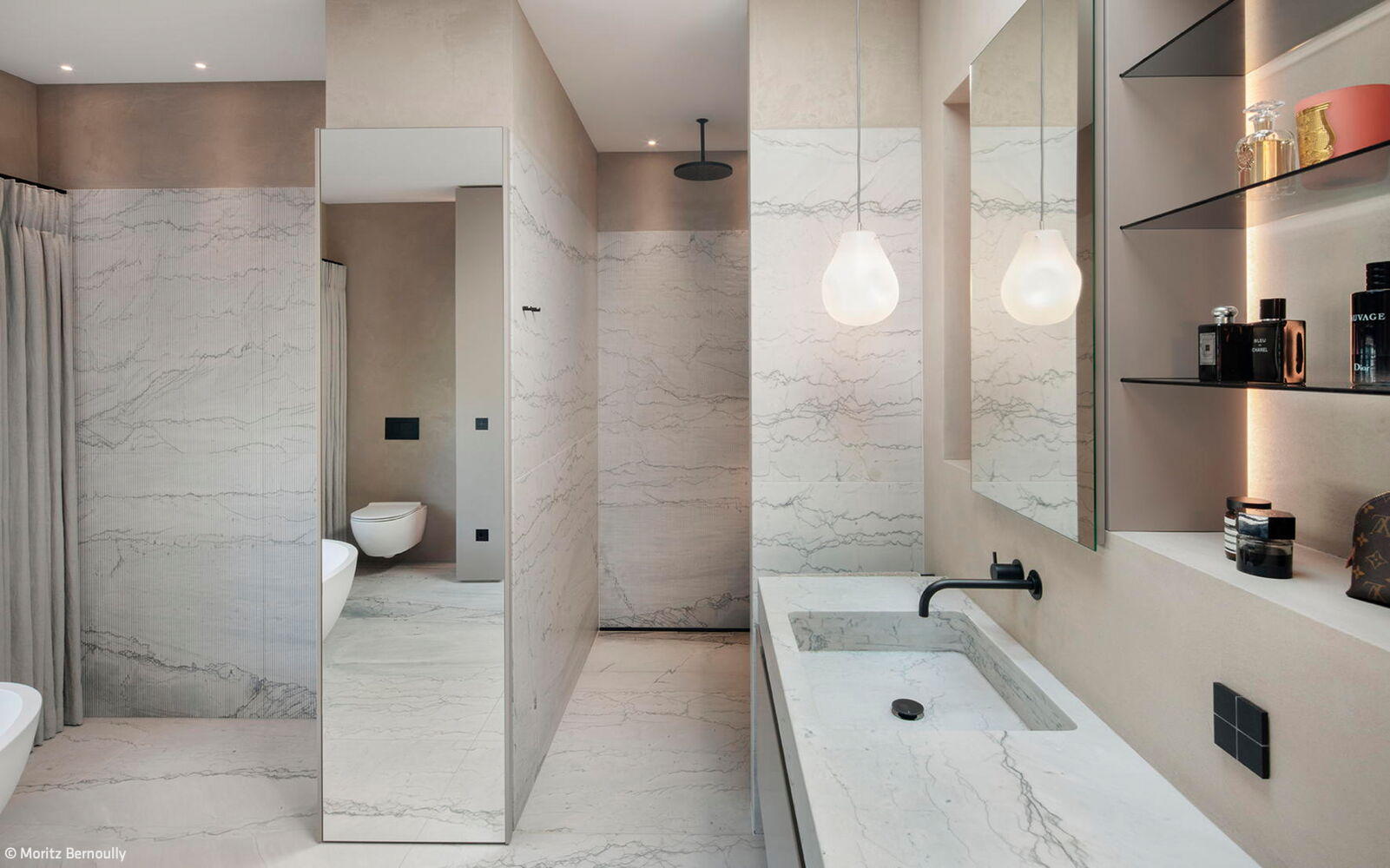
An expansive wooden roof hovers like a protective canopy over the house's beating heart. Beneath it: clean lines, abundant glass, and flowing spaces. Yet there's far more to discover beyond the roof and façades than aesthetic success alone. Here lies a living space—a home that truly breathes, lives, and brings people together.
It started with a simple desire: to leave apartment living behind and embrace a new life. A young family yearned for light, air, and space—a chance to write a fresh chapter. They envisioned an open, welcoming home with seamless indoor-outdoor flow and no more than two stories. A place where children could thrive, friends could gather, and both privacy and connection could flourish. "After years in an apartment, we're amazed at how at home we feel here—it's been quite a transformation," the owners reflect.
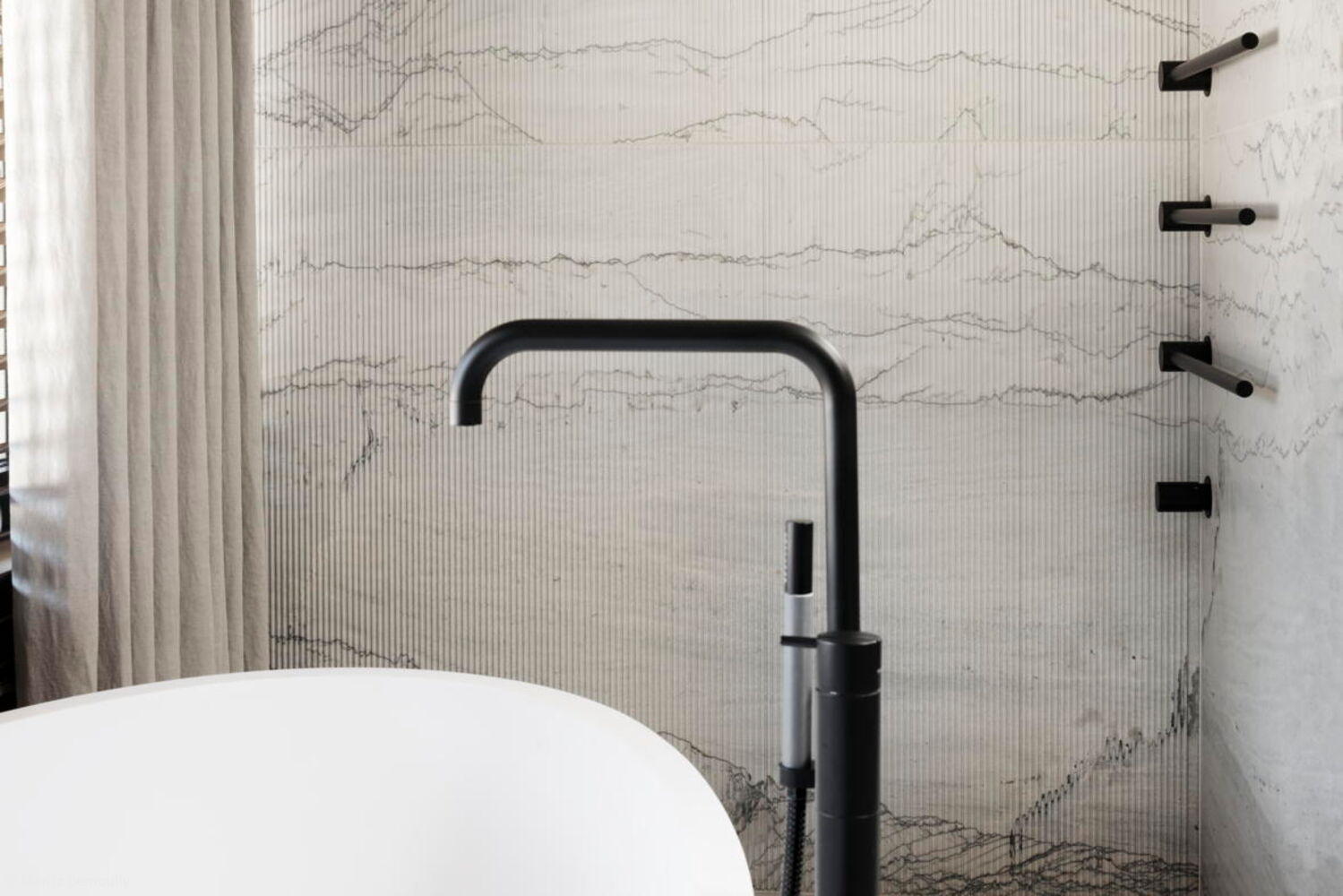
The vision: California living—openness, lightness, an effortless relationship with space, light, and nature. Studio Schubert Architektur, based in Darmstadt, embraced this concept and brought it to life with architectural rigor and genuine empathy, adapted for the Rhine-Main region. Their inspiration: the legendary Case Study Houses—iconic post-war American modernist residences designed to prove that homes could be contemporary, functional, affordable, and beautifully integrated into their landscape while pioneering new ways to live. The site itself presented an elegant puzzle: two distinct garden zones—one street-facing, one private—separated by a nearly one-meter height difference that needed connecting. The architects' solution was inspired: a graceful, stepped transition where building and landscape interlock like puzzle pieces. The ground floor is the home's vibrant core. Kitchen, dining, and living areas dissolve into one another, framed by floor-to-ceiling glass that dissolves the boundary between indoors and outdoors. The striking exposed wooden roof—extending from inside through the terrace to the carport and shading an outdoor kitchen—serves as both sculptural form and functional necessity. Arrival is celebrated here: the car becomes part of the composition, a deliberate nod to California's open-air living ethos. Upstairs sit the private sanctuaries: two children's rooms with ensuite baths, a generous parent's retreat with master bath, dressing room, and garden views. The naturally lit basement houses a sauna, fitness studio, and play room—spaces designed for escape and rejuvenation. The architects chose materials with conviction: highly insulated, rendered masonry partnered with exposed wooden structural elements—visible in the kitchen, carport, and outdoor kitchen. Wood here is both tactile warmth and structural honesty, lending atmosphere and genuine connection to nature. The interiors embody refined minimalism: nearly seamless white cement screed on the ground floor, textile wall panels for acoustic refinement, solid oak herringbone parquet upstairs, and alternating rough and polished white quartzite in the master bath for textural intrigue. The palette is restrained and grounded—warm tones weaving elegance and comfort together. Light is the protagonist. By day, precisely positioned windows, glass walls, and skylights orchestrate natural illumination. By night, a carefully composed lighting design sculpts space and sets mood (conceived by interior designers Schmidt Holzinger, who also shaped the interiors). Here, light isn't merely planned—it's celebrated.
www.studio-schubert-architektur-bda.com
Photos:
Moritz Bernoully
www.moritzbernoully.com
(Featured in CUBE Frankfurt 03|25)

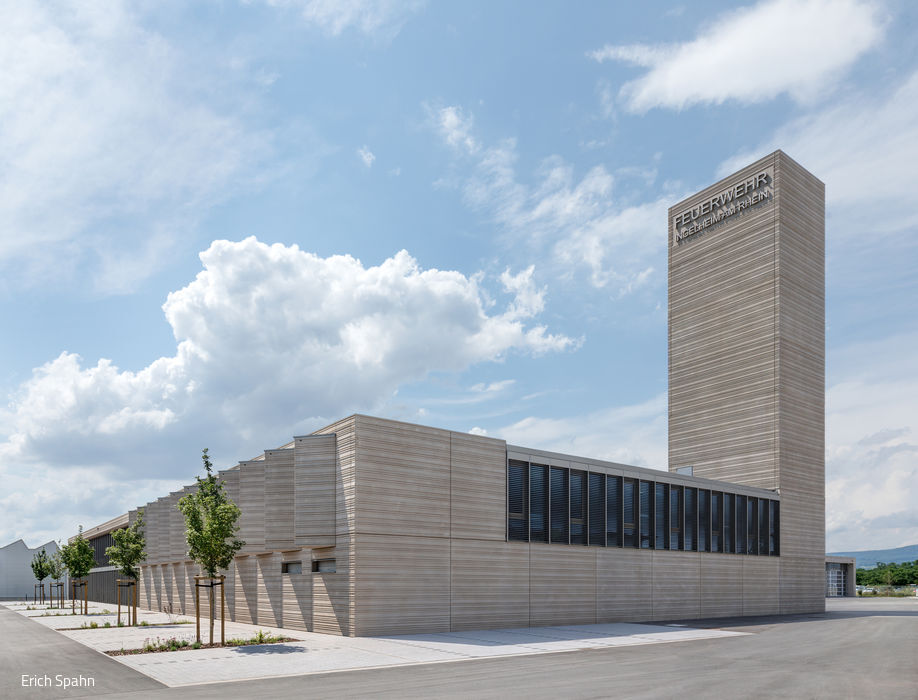
Functionality & Expression
The new fire station in Ingelheim projects a strong, distinctive identity.
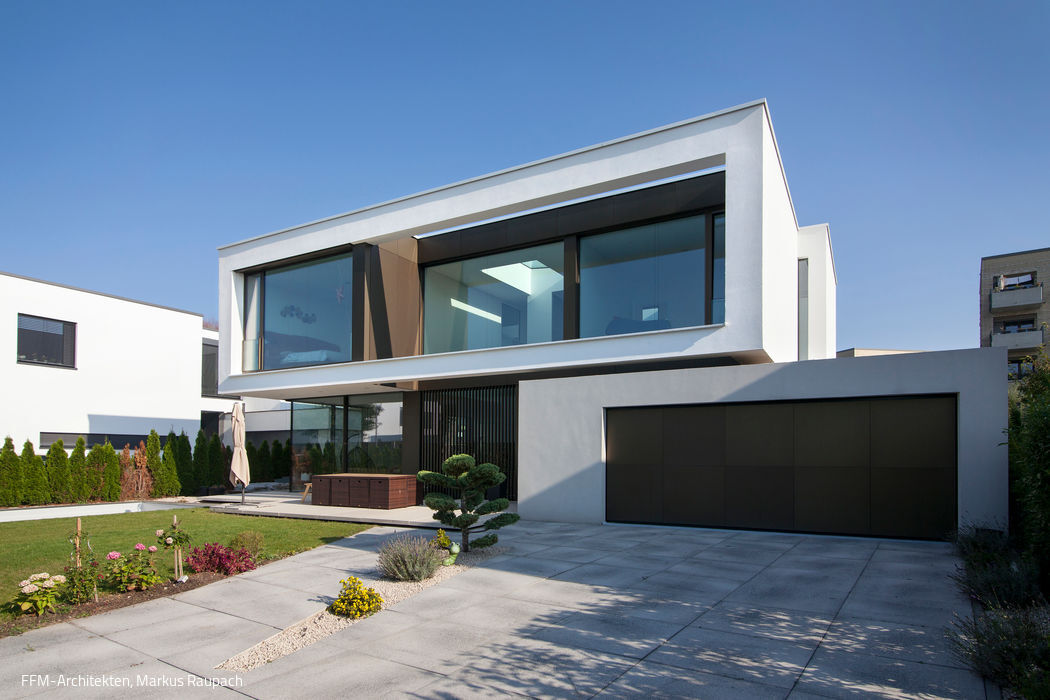
Open & Zoned
How materials and volume shape the identity of three cubic volumes
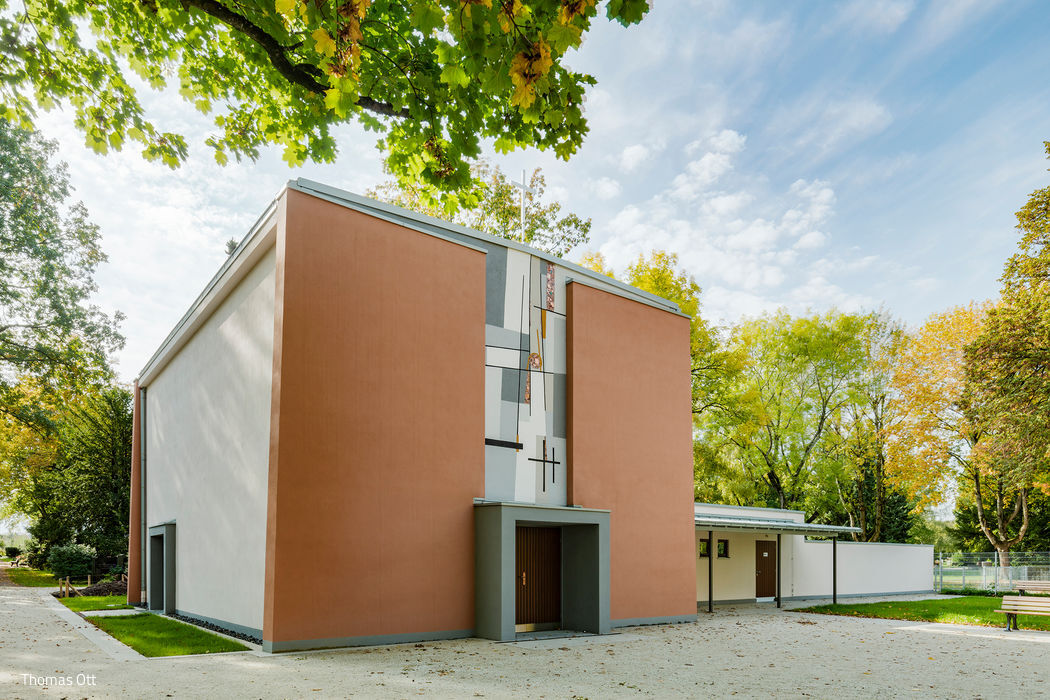
Space for Farewell
Respectful Restoration and Modernisation: The Zeilsheim Funeral Hall
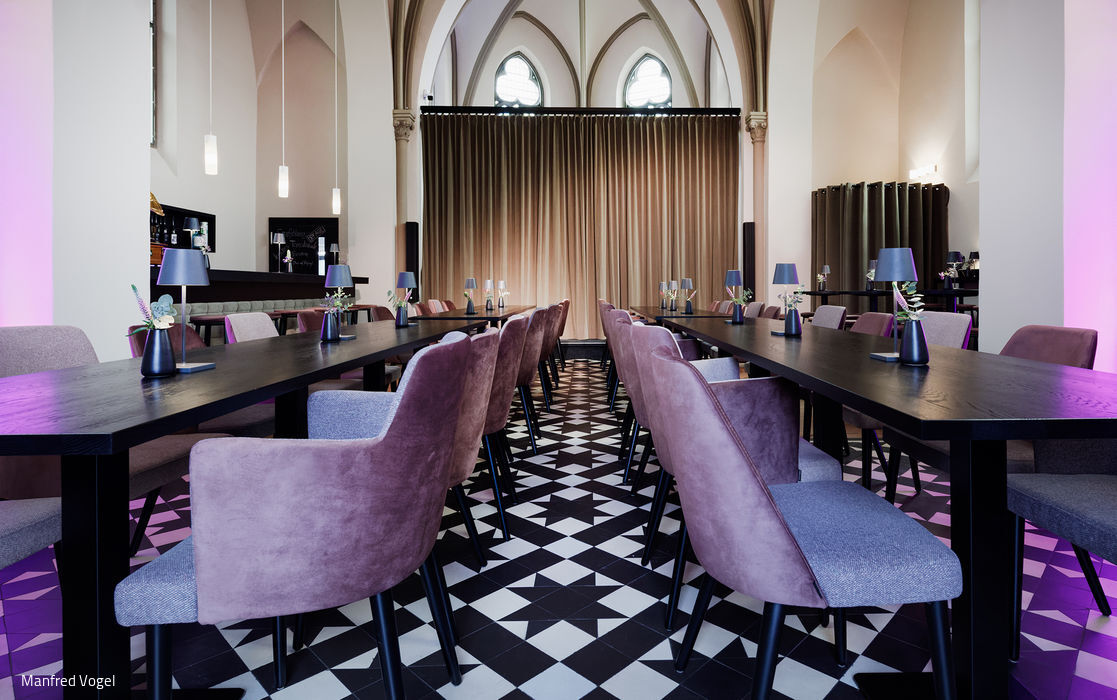
Reference to the Refectory
Where Sacred Space Meets Culture—A Reimagined Interior for Dining and Performance