


Inspiration Through All the Senses
Martin von Freeden on his vision for V-Zug and his approach to minimalist aesthetics
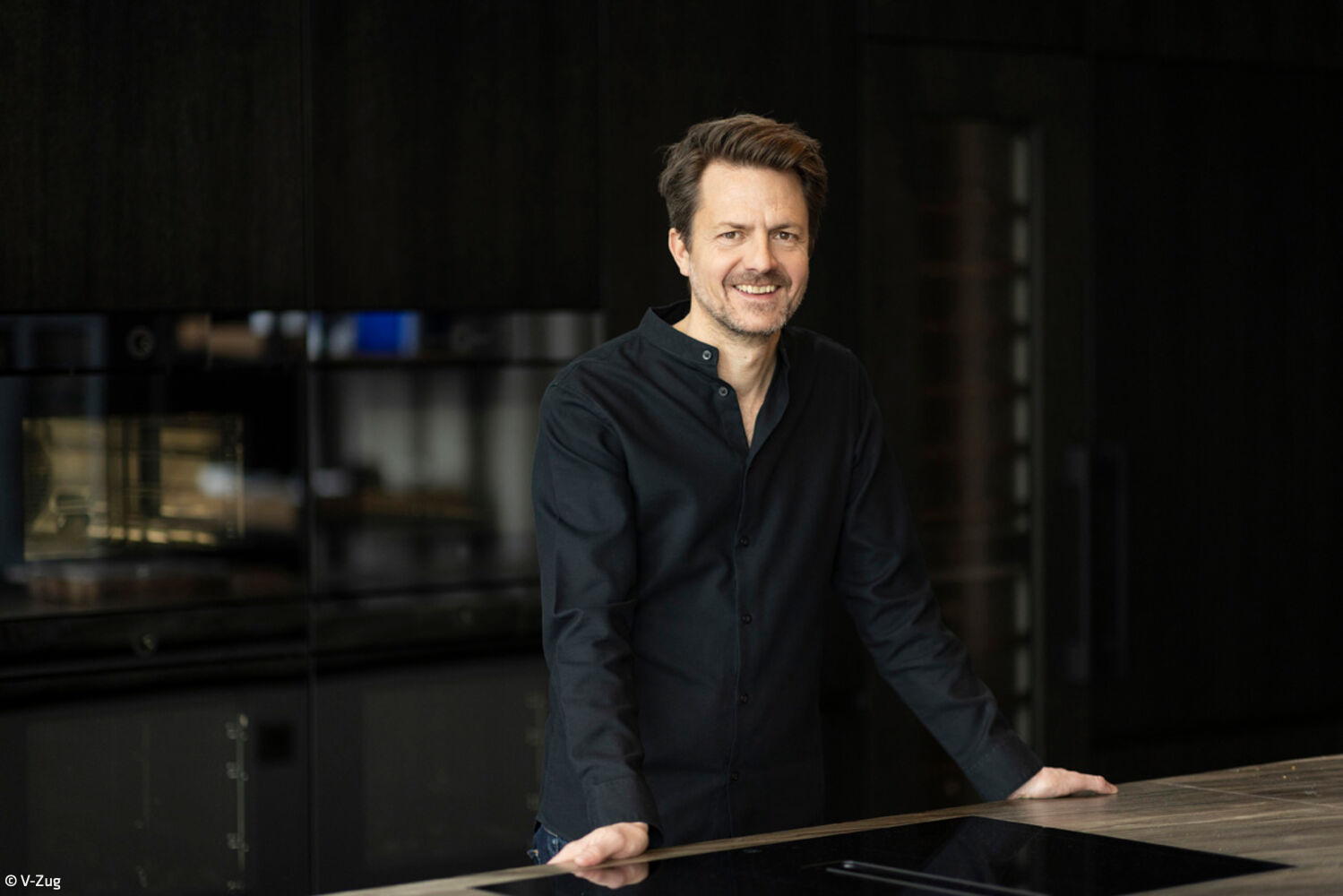
CUBE: Those who work with V-Zug appliances in their kitchens have high expectations when it comes to functionality. How do you reconcile these demands of culinary expertise with your design concepts?
Martin von Freeden: V-Zug operates its own "Gourmet Academy," composed of professional chefs with whom we maintain close dialogue. We also collaborate with our global network of leading chefs—the "V-Zug Ambassadors"—including Swiss three-Michelin-star chef Andreas Caminada. Additionally, one member of our design team is a trained chef who spent many years working in the gastronomy sector and brings invaluable insight to the table. I cook ambitiously in my daily life and test our appliances myself. We're further supported by our own laboratory, highly specialized in application engineering, particularly cooking processes, which rounds out the interdisciplinary expertise we've built within the company.
How would you describe the beginning of your design process?
At the start, we bring together many people with diverse skill sets: the Academy, the laboratory, engineering, manufacturing, sales, marketing, and design. Our goal is to develop a holistic vision. We begin with mood boards and draw inspiration from other industries—furniture and automotive design, architecture, and fashion—because we aim to understand what's happening in the world around us. This is followed by initial sketches from the design team. I encourage our designers to think freely without self-imposed constraints, as this is where innovation emerges. We then move quickly into the prototyping and testing phase. But the foundation lies in team synergies, which give our products their distinctive character.
This unmistakable character stems from the balance between user-friendliness and uncompromising formal beauty. What principle guides you—"form follows function" or "function follows form"?
This is a central theme that's frequently debated in design and architecture alike. At V-Zug, I've come to the conclusion that both should be held in equilibrium—what I call "form equals function." Each informs the other. Of course, a product must first and foremost function well. But our appliances grace the home for up to 20 years; they're seen morning, noon, and evening—they're omnipresent in daily life. For me, beauty means timelessness, and that's equally decisive here.
The kitchen is replacing the living room as the place where the best parties happen. How does the kitchen's role as a social hub influence V-Zug's design philosophy?
The kitchen as the center of home life is no longer a trend—it's reality. The kitchen island has replaced the fireplace as the gathering place for communication, dining, and enjoyment. This shift is facilitated by today's open floor plans, where walls between kitchen and living space have largely disappeared, with loft-style living preferred. Our purist, timeless design supports this atmosphere by allowing appliances to become part of the living space itself—like a light fixture or piece of furniture—adapting seamlessly rather than appearing as an added element, but as an integral part of the whole.
You've been working for V-Zug for nine years now. Which of your visions have you been able to realize?
One of my initial visions was to bring V-Zug, a Swiss heritage company with more than 111 years of history, to the world stage. Particularly in an industry where appliances often look purely technical, we wanted to shift toward a lifestyle positioning and be recognized as a design company that manufactures sustainable products at the highest levels of Swiss precision and quality. We continue to realize this through our stores and studios, which we're opening step by step in major metropolitan centers worldwide to position the brand accordingly.
Beyond Munich, Berlin, and Hamburg, your flagship stores are located in Milan, Paris, London, and even Sydney, with Melbourne in the pipeline. Why is it so important for a brand to create physical brand worlds in this era of digital marketing?
E-commerce is a rapidly growing sales channel, but the digital world has its limitations. Inspiration reaches people through all the senses. We want our customers to feel and experience our design personally—in combination with materials, furniture, and lighting. We integrate each city's local character into our respective stores to create diverse aesthetics. While corporate design always provides a foundation, we believe it should breathe and reflect different personalities.
Mr. von Freeden, thank you for taking the time to speak with us.
Interview by Isabella Singer
Click here to listen to the full interview as a podcast.
(Published in CUBE Hamburg 04|24)

100 Years of SAGA
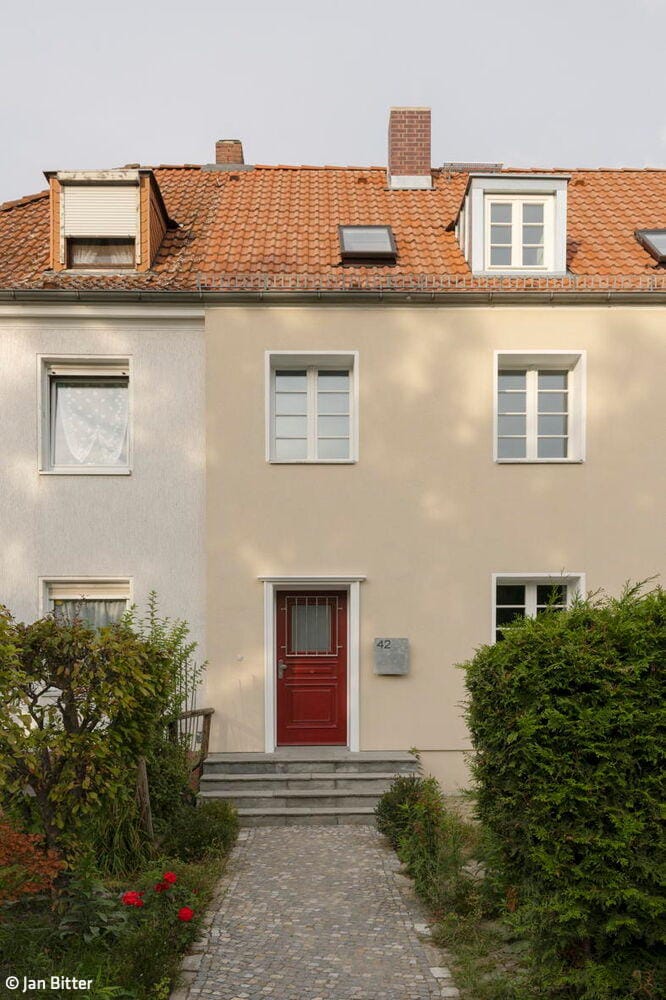
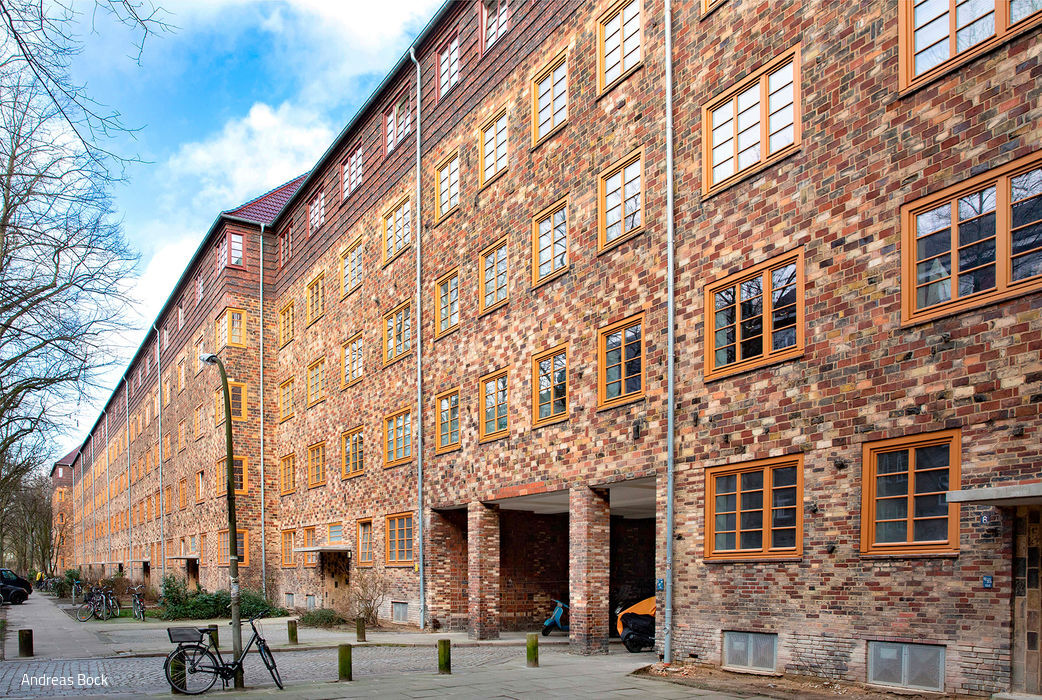
Around 270,000 Hamburg residents call a Saga apartment home.
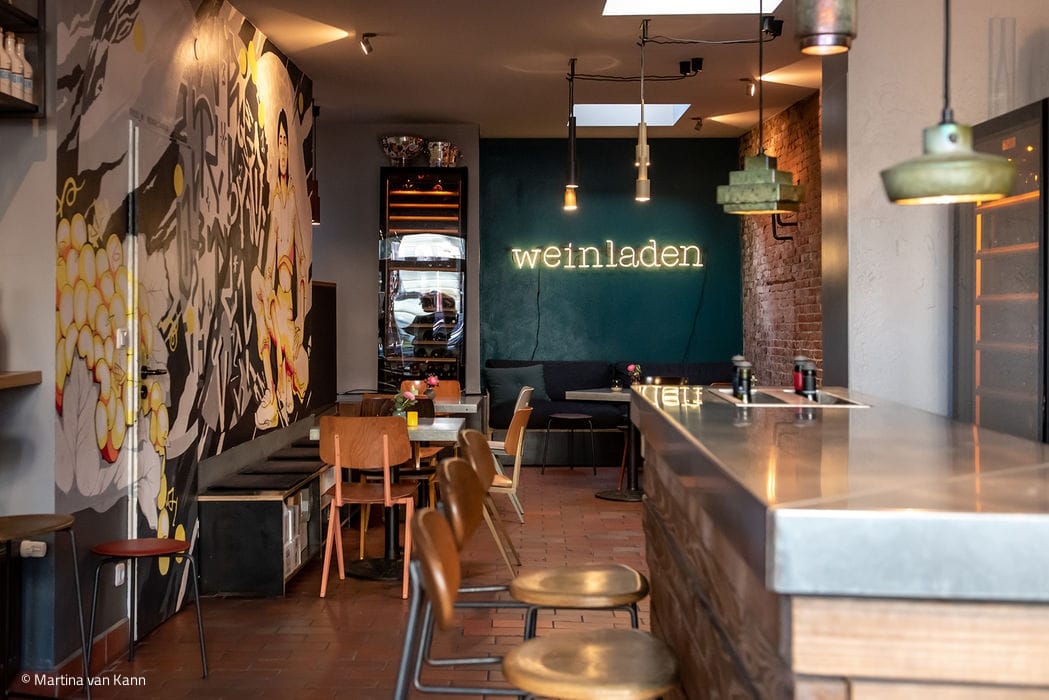
The Wine Shop—Told for Today
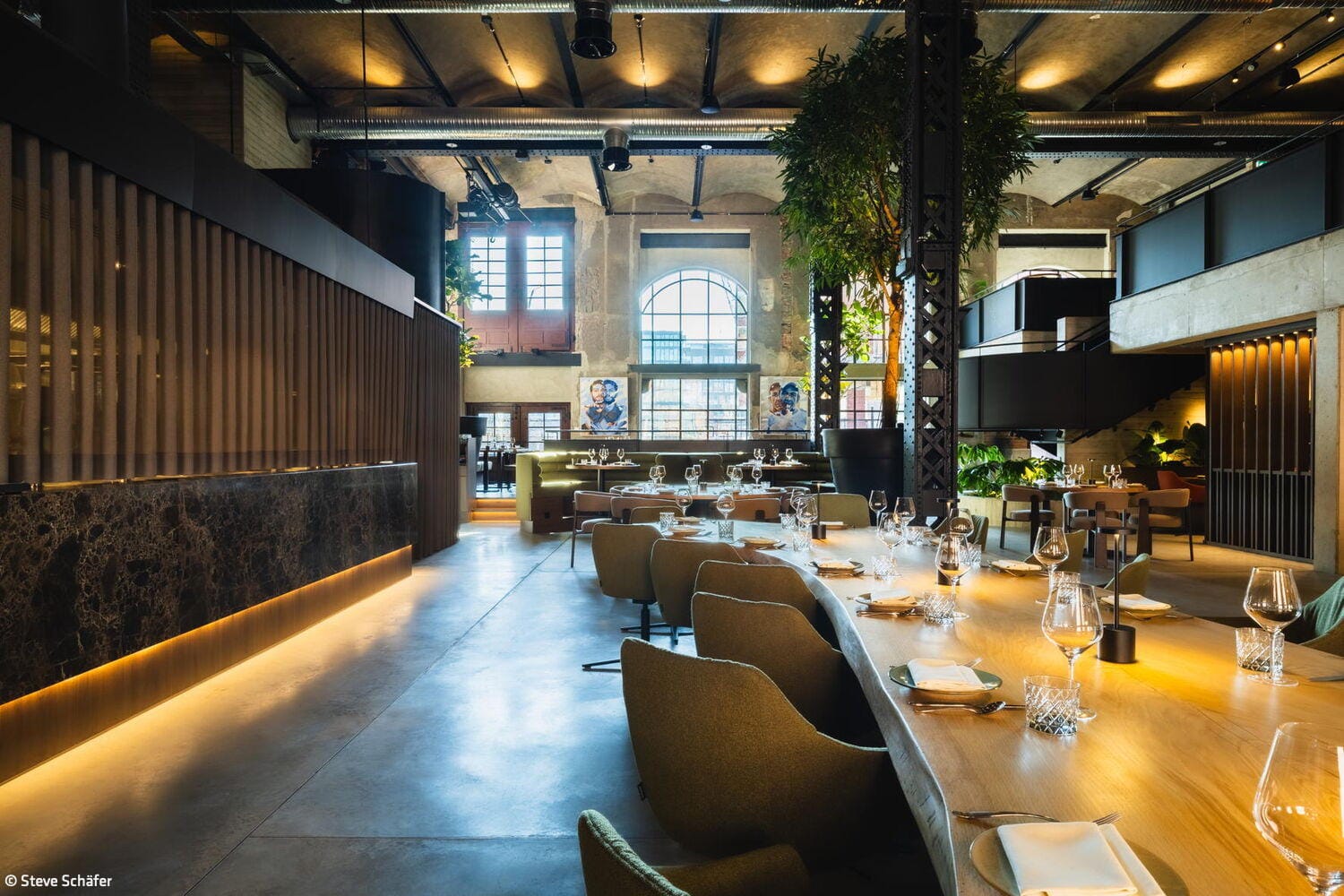
A casual evening spent in a living room complete with an impressively expansive wine collection
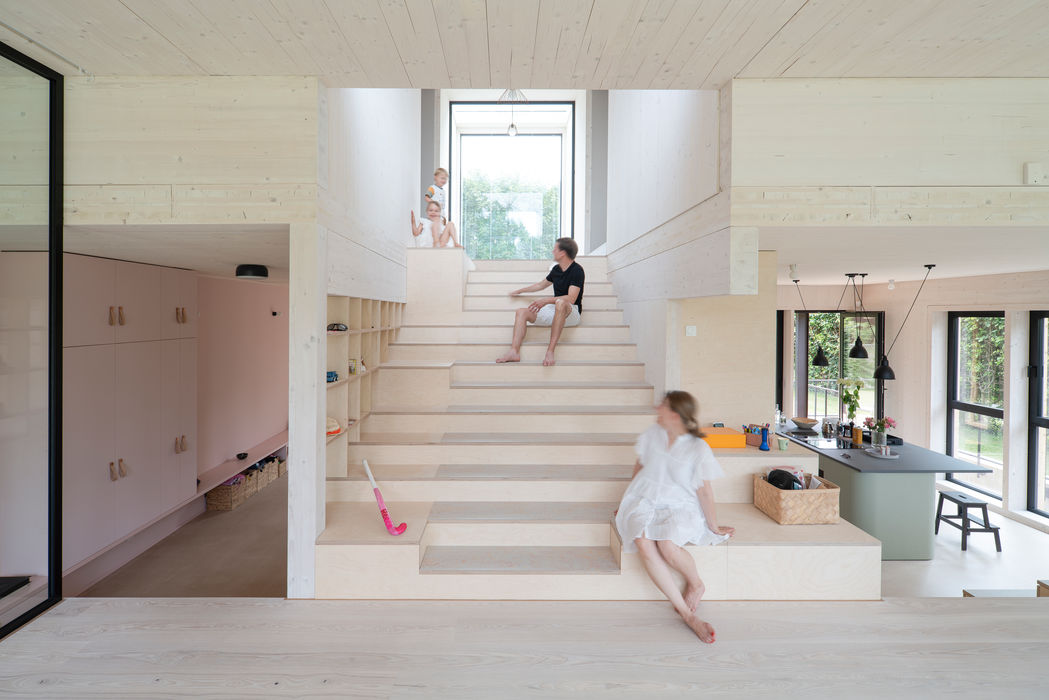
Wood Takes Center Stage
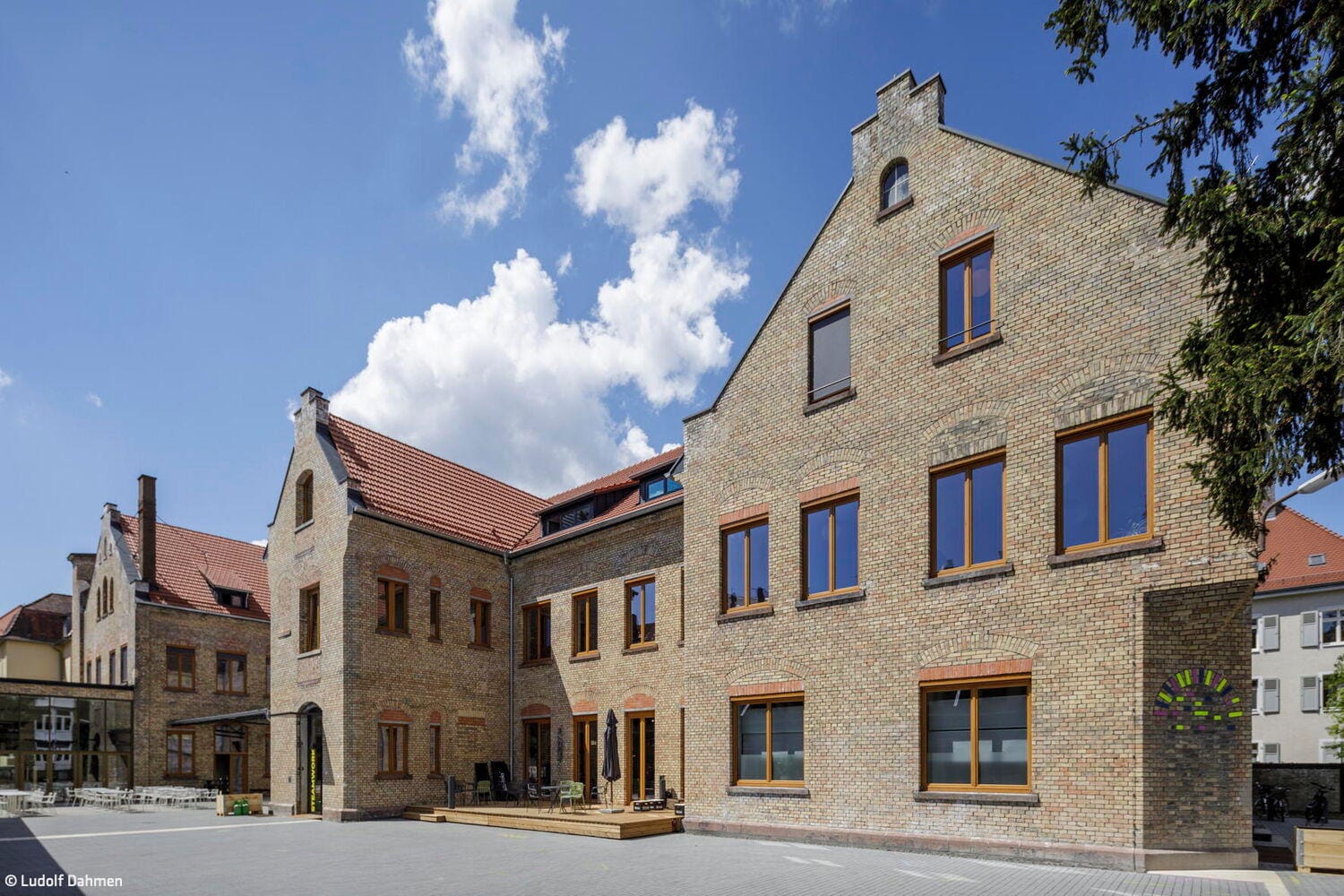
The courage and openness of all involved created something truly extraordinary.
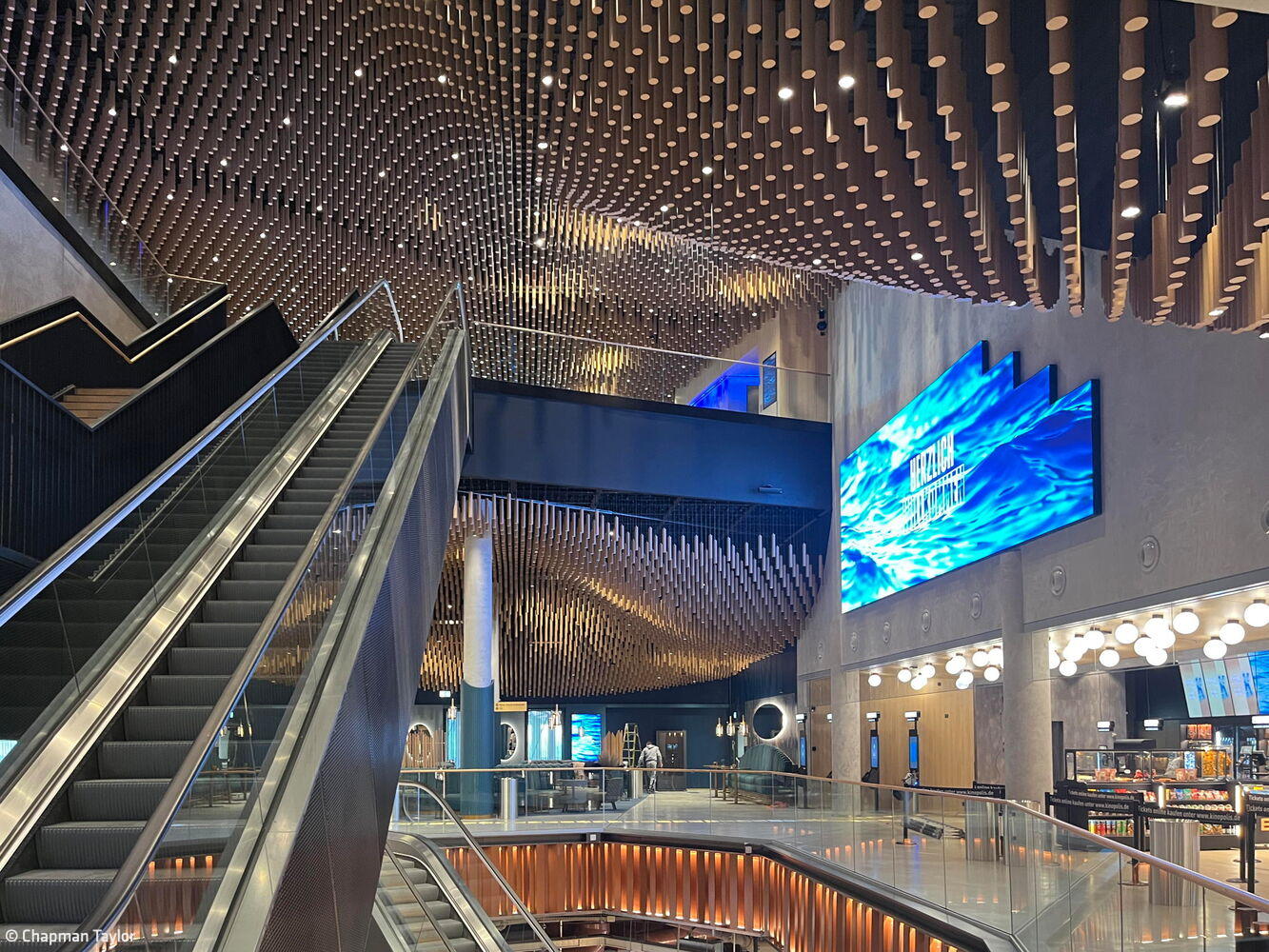
Hamburg's Largest Cinema
Where design, service, and cutting-edge technology converge to captivate cinema enthusiasts