


A Feast for the Eyes: Then and Now
Restoring a Heritage Estate: "Beim Fuchs" Reimagined as Modern Office Space
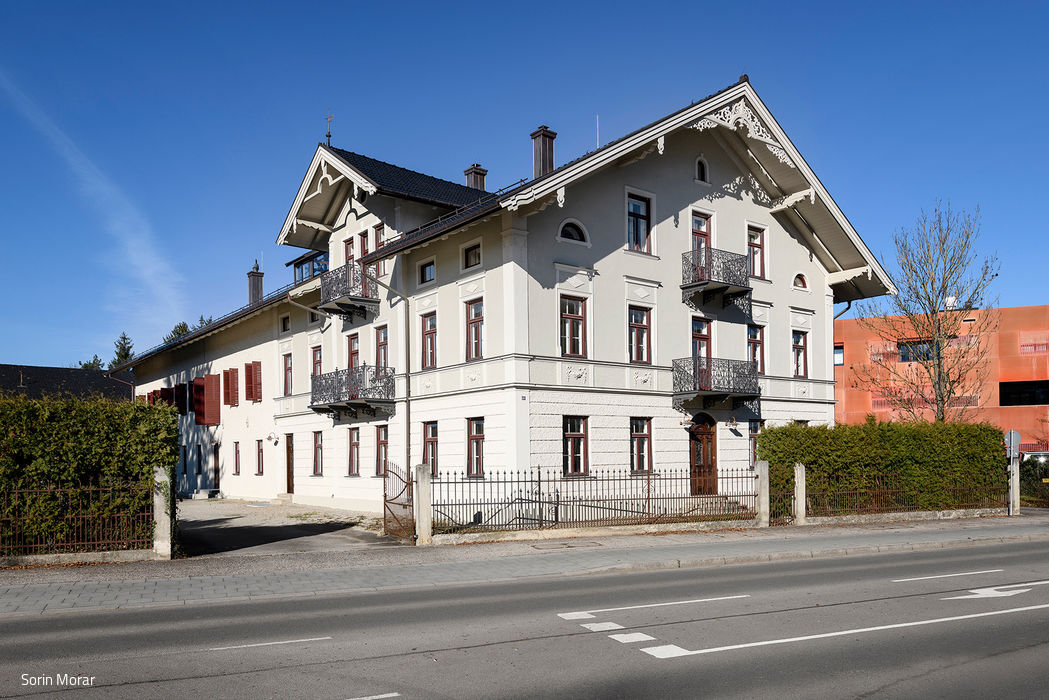
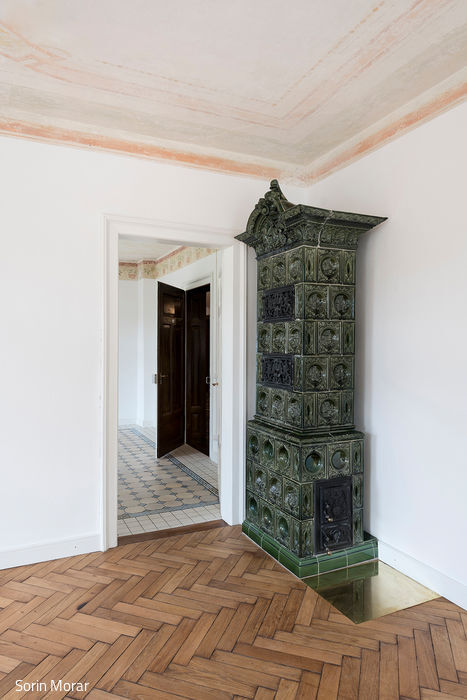
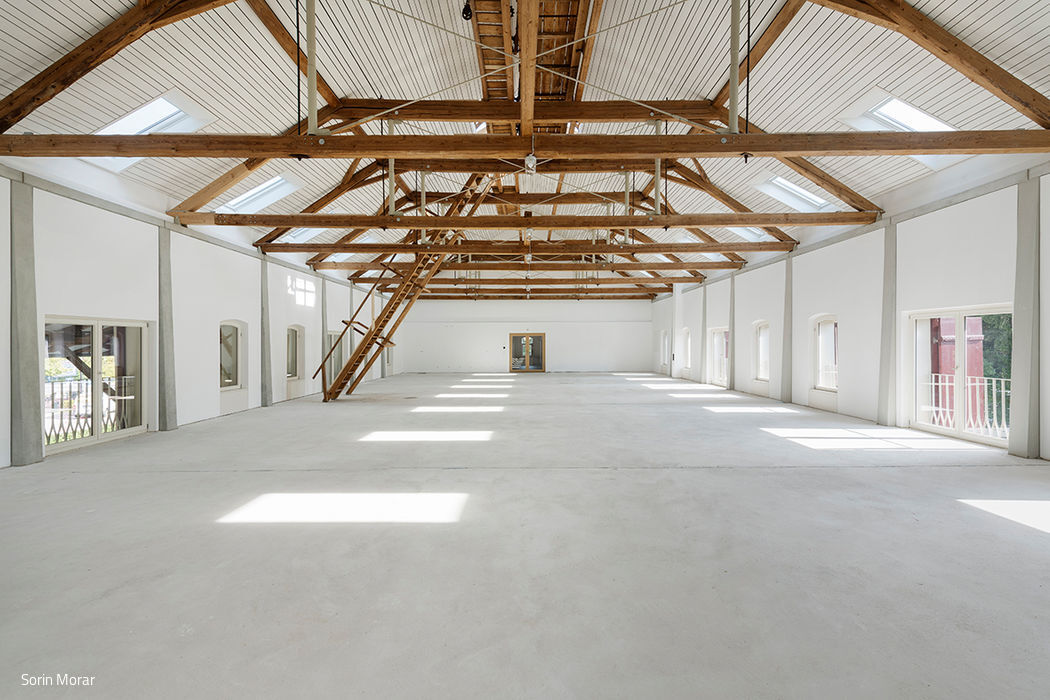
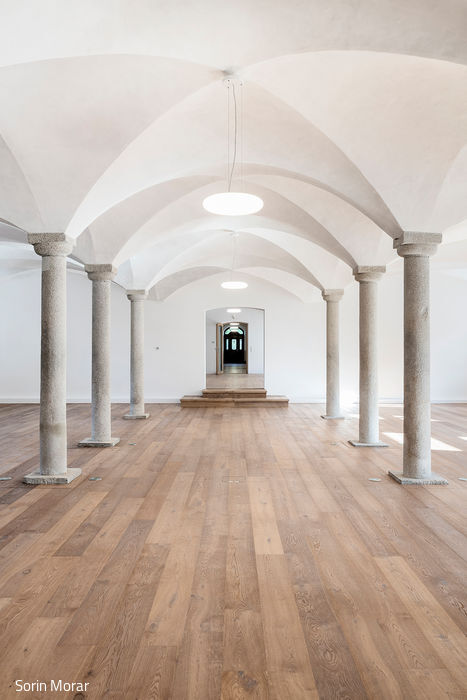
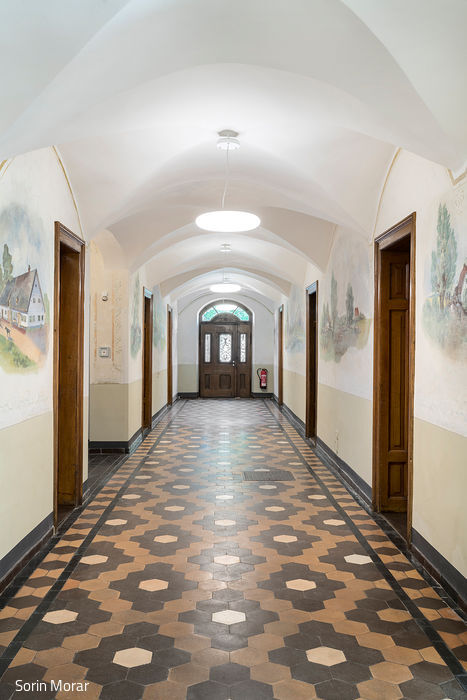
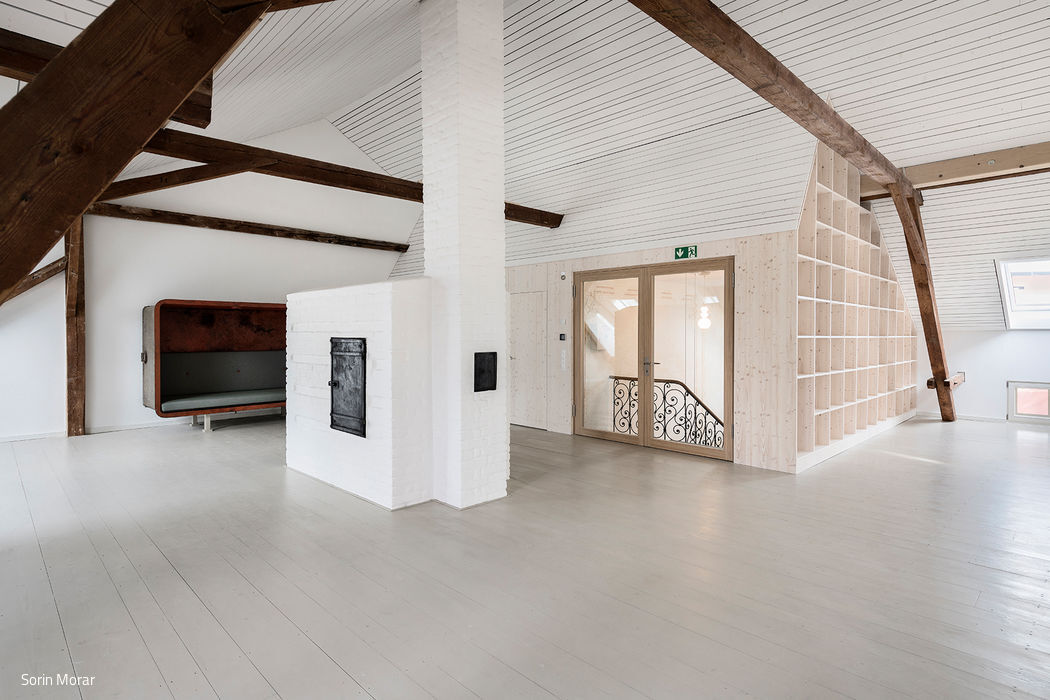
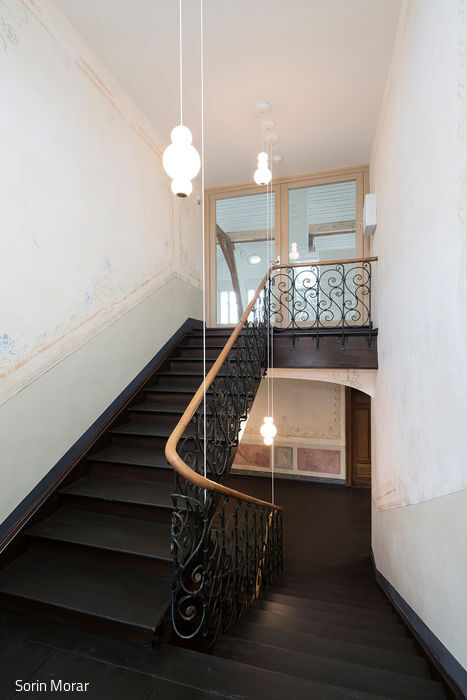
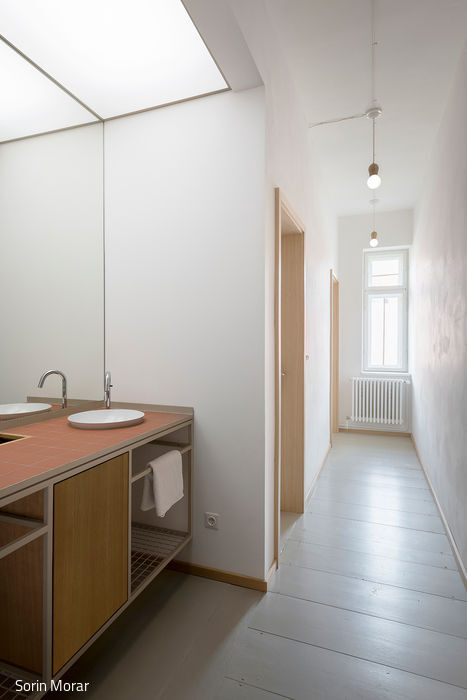
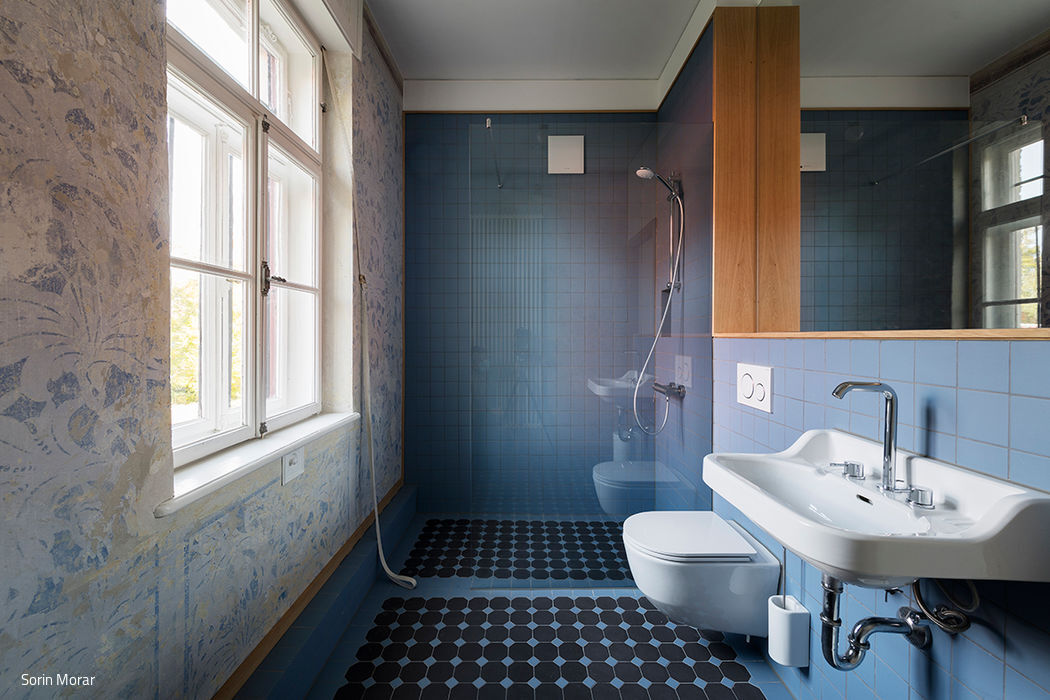
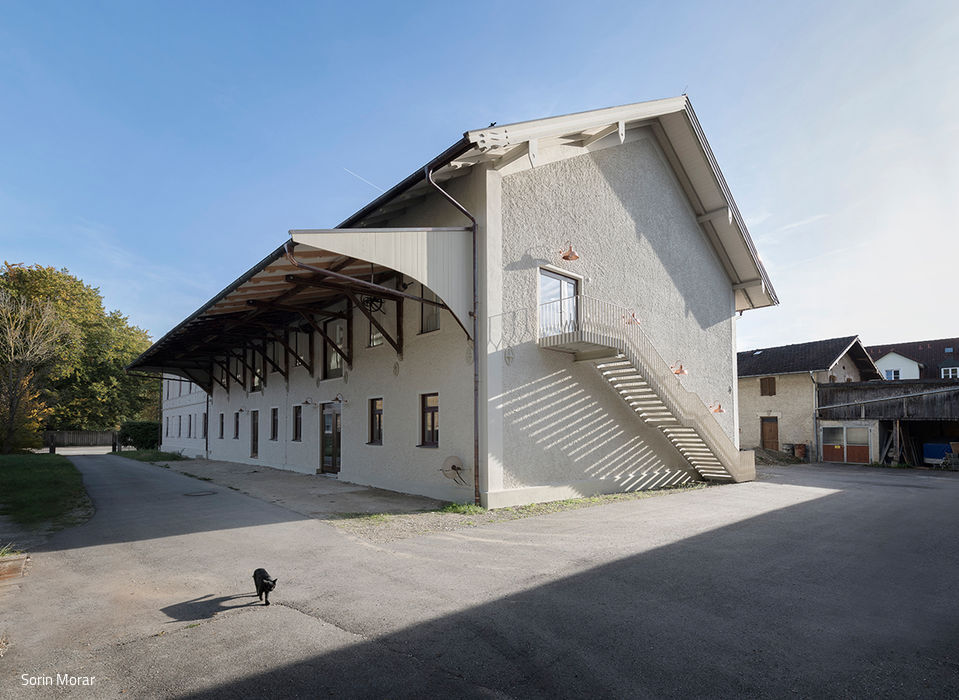
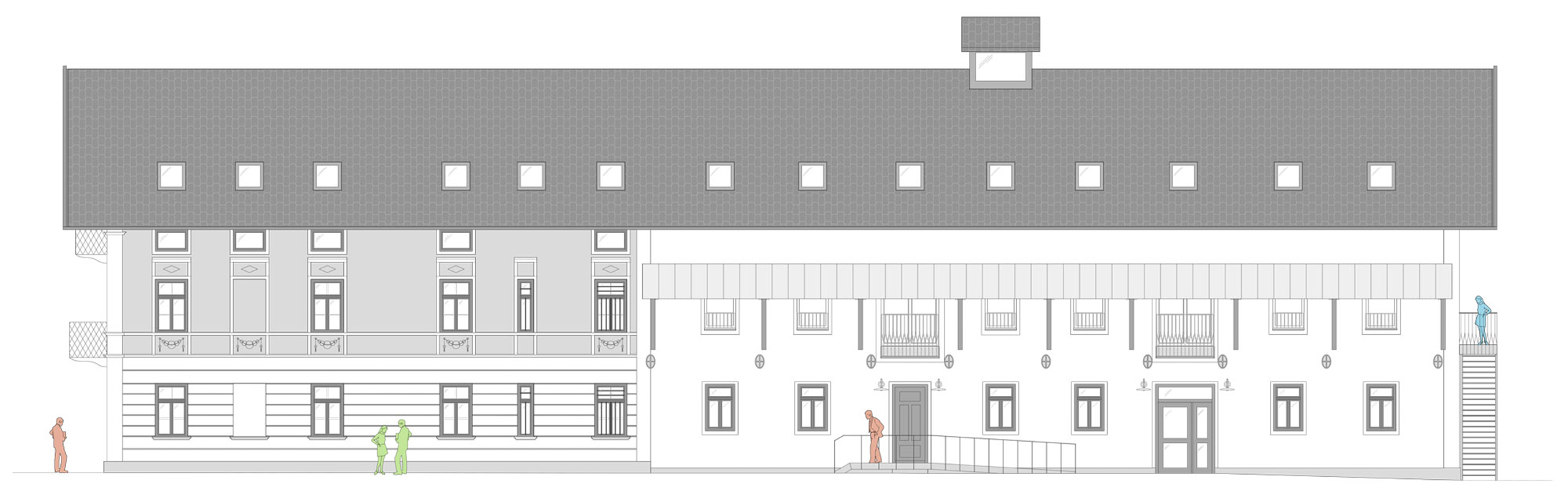
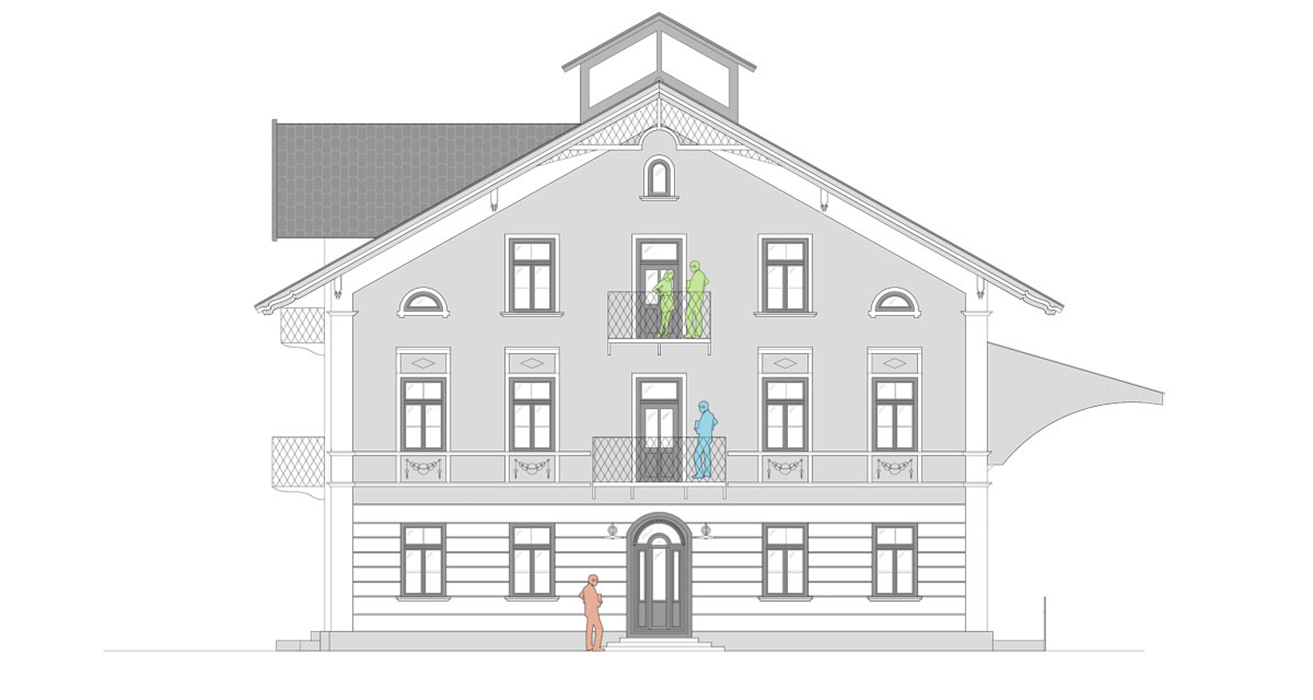
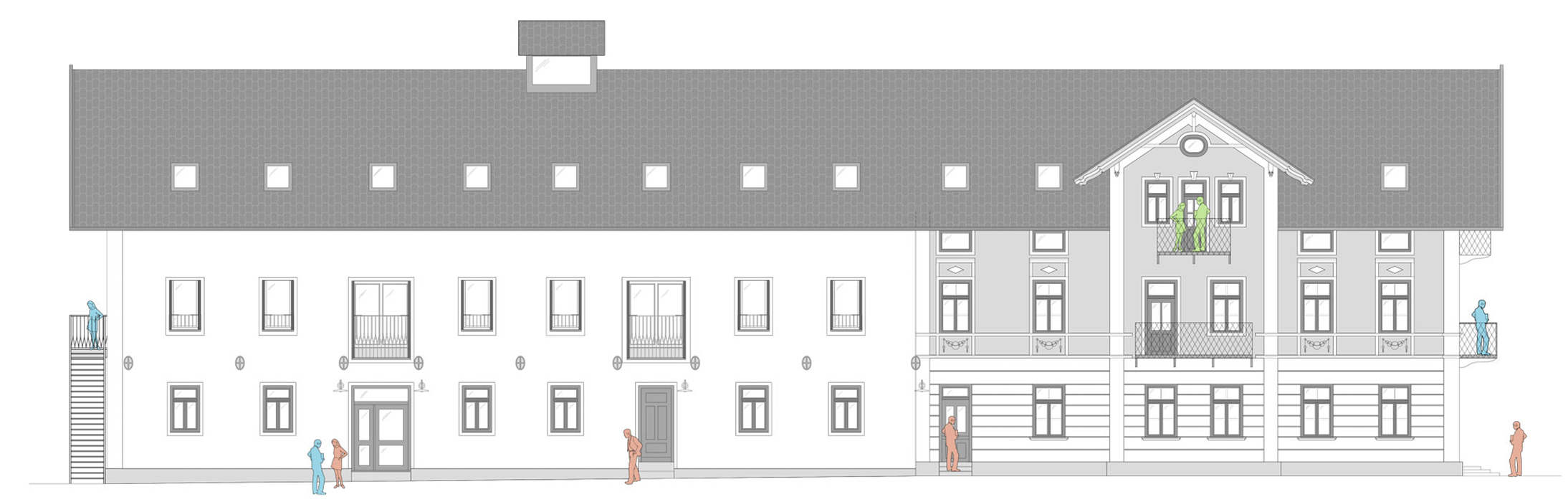
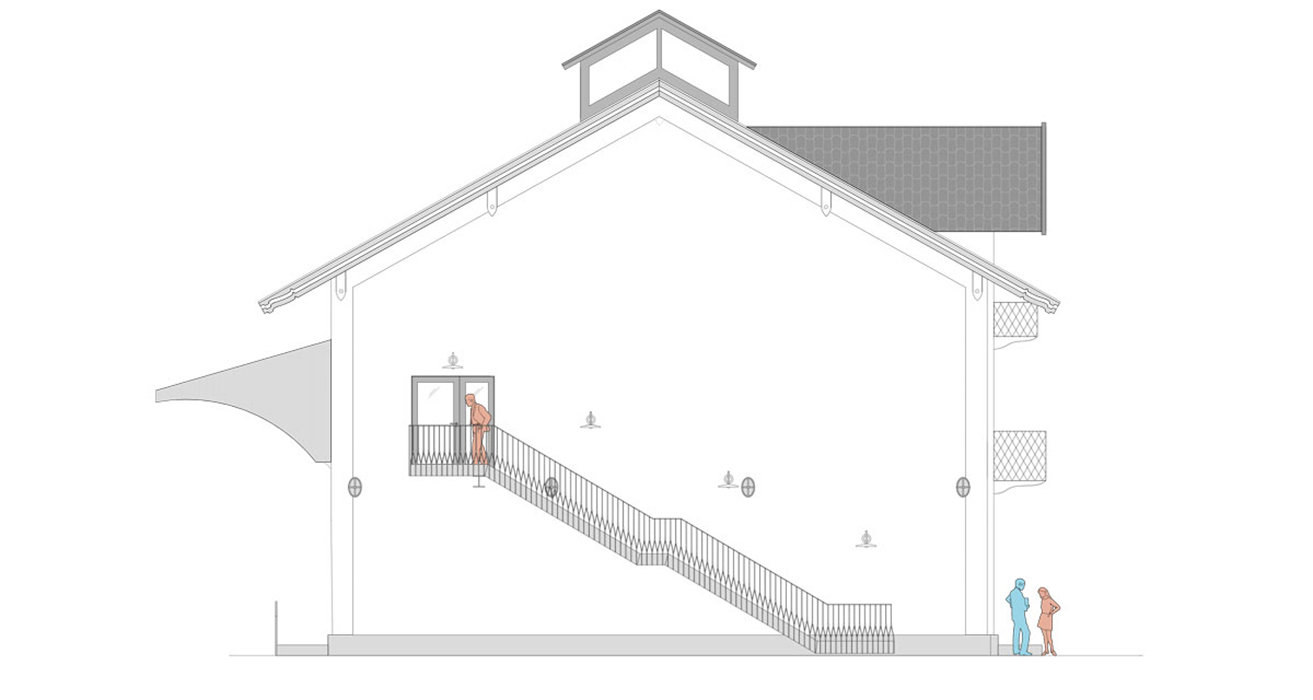
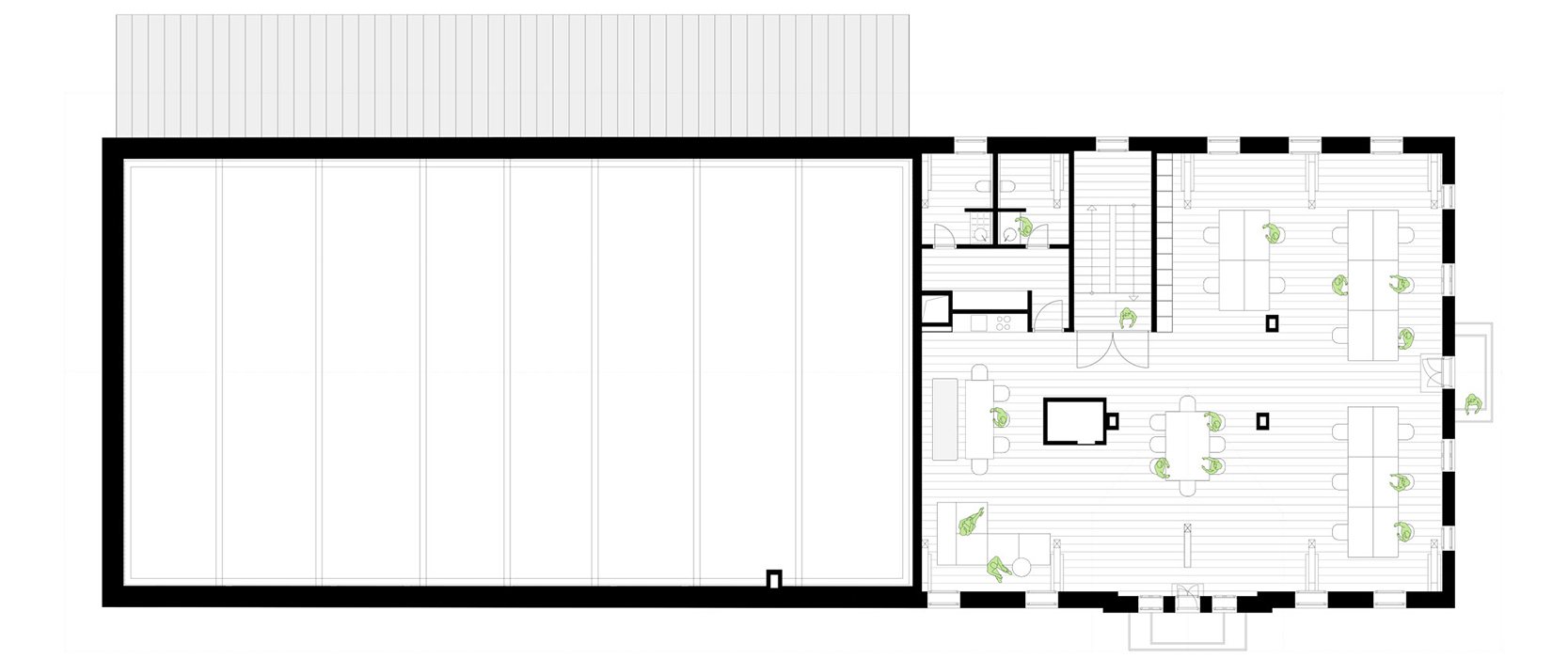
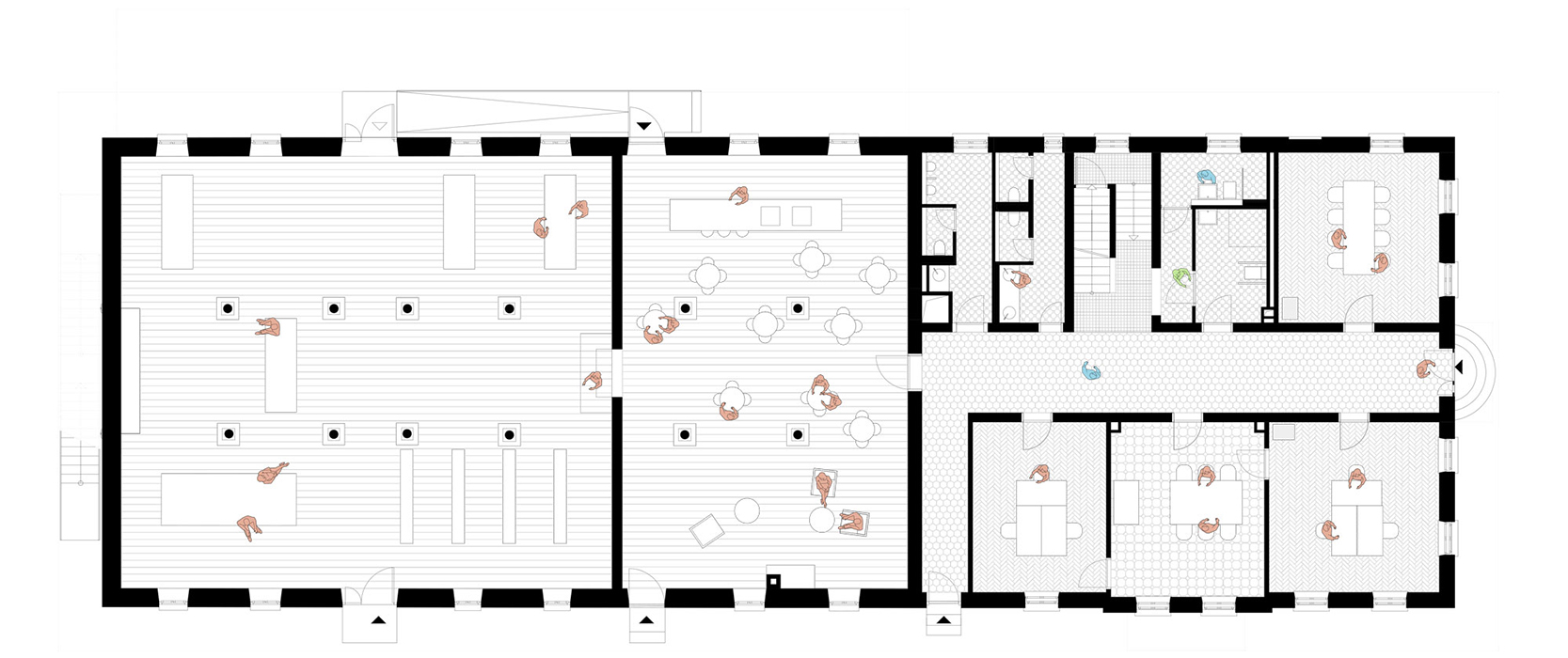
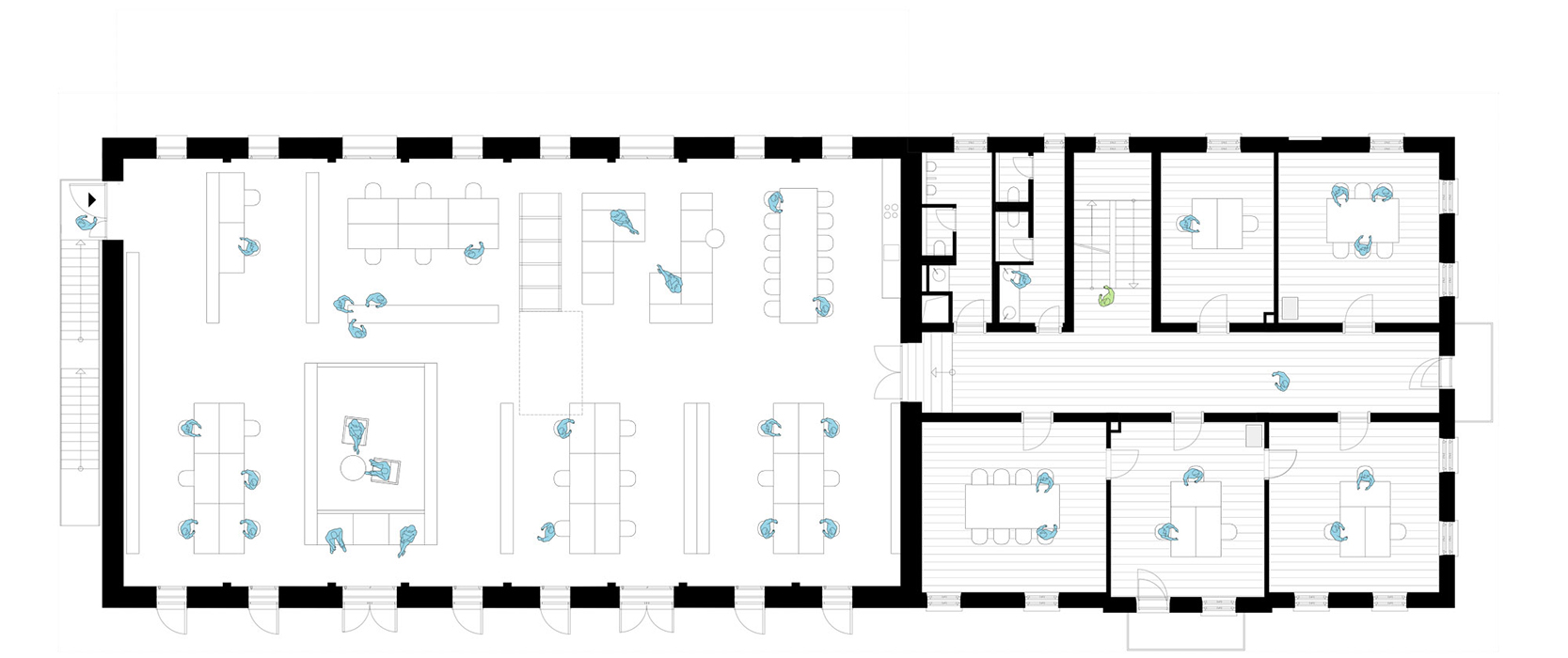
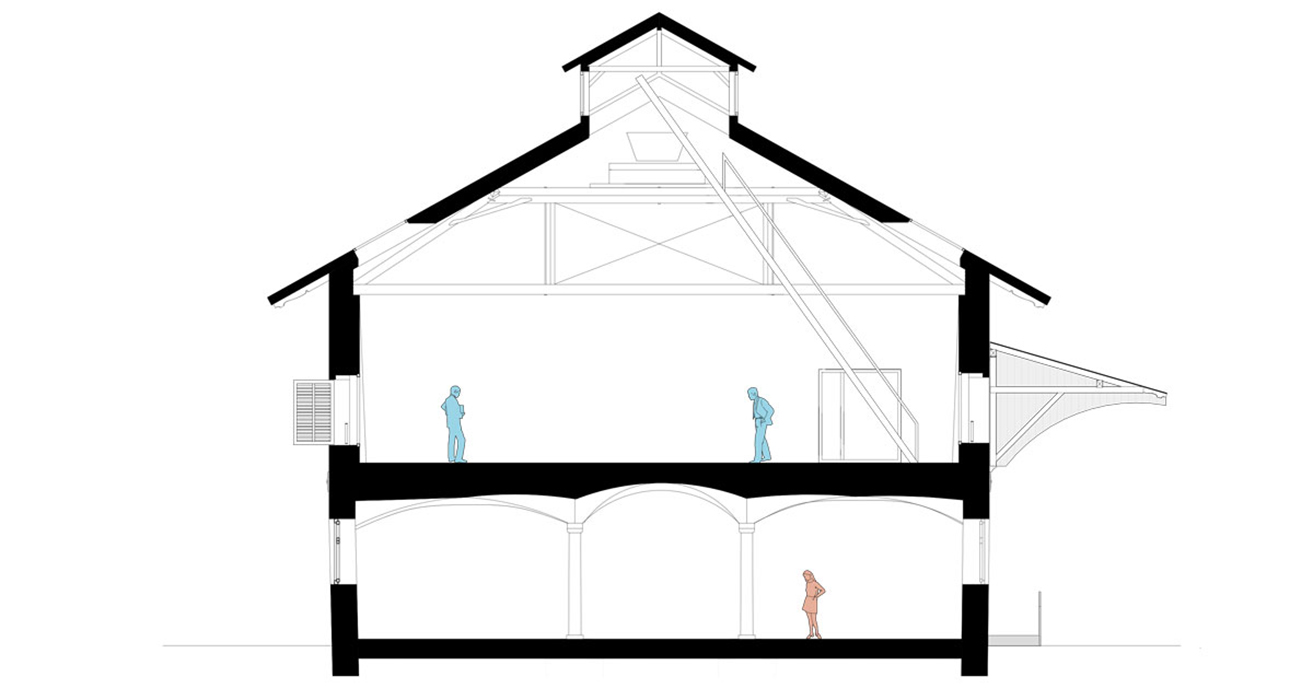
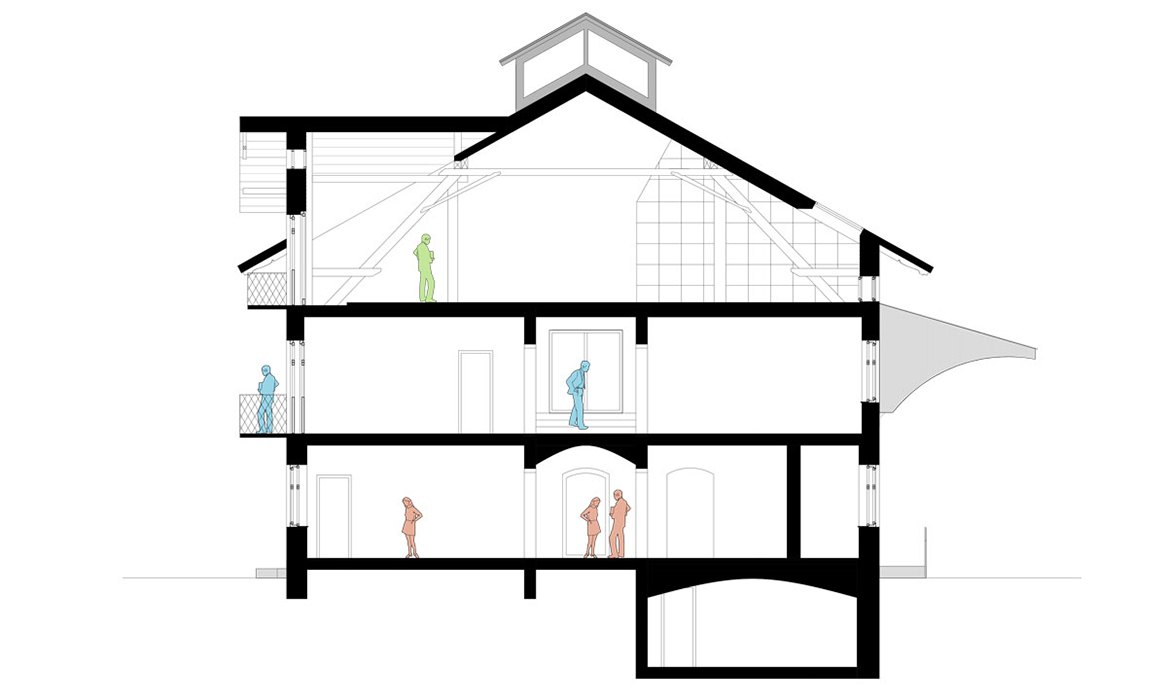
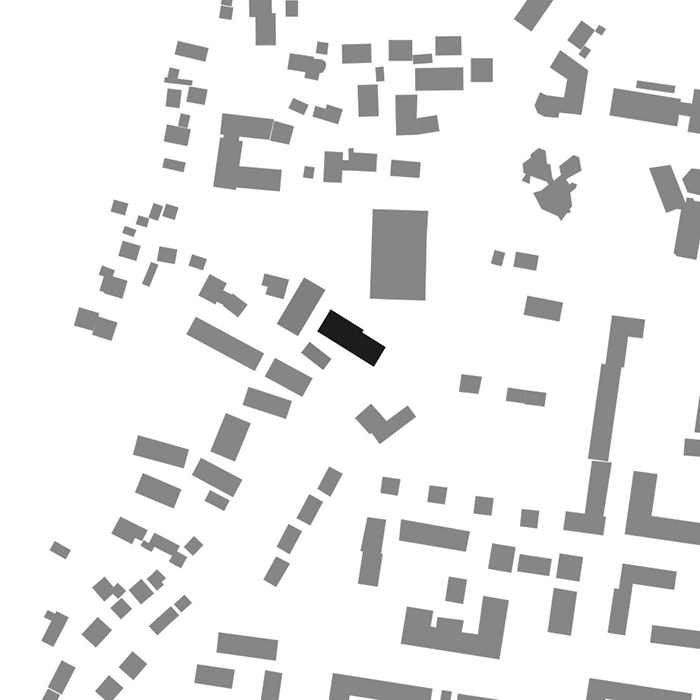
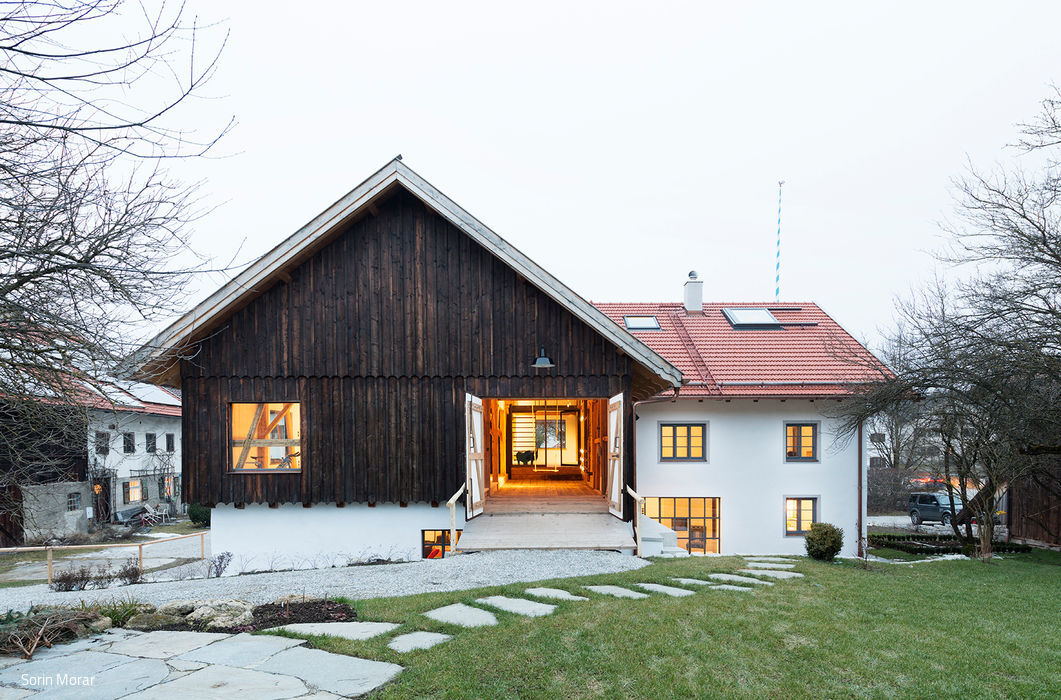
To understand the story of the "Beim Fuchs" estate, one must step back to 1900 to truly appreciate this magnificent complex—a main house, workshop, and carriage house that together define an era. Built by Josef Gloo at the turn of the century in Unterföhring, this property has served many roles: family residence and, at one point, the home of the town mayor and renowned clay baron. Today, the entire ensemble stands under architectural protection. The name itself recalls the property's past: red horses—known colloquially as "foxes"—once found shelter in the stables here. Nearly 120 years later, Peter Deck, the estate's great-great-grandson and a trained architect, embarked on an ambitious restoration. With the expertise of IFUB—a pioneering force in sustainable architecture—he transformed this heritage building into a vibrant workspace while honoring its storied past.
Every detail of the restoration reflects masterful craftsmanship. The main building's distinctive cross-gable roof was meticulously restored, with new insulation seamlessly integrated to preserve original proportions. Ornamental façade elements were carefully re-finished and restored to their authentic appearance. Doors, wrought-iron handles, and grilles now shine after expert restoration work. The arched glass windows remain particularly striking. Even the wooden shutter mechanisms were salvaged and preserved. The column-free canopy along the building's length had fallen into dangerous disrepair, so deteriorated wood was replaced and the roof load redistributed through a new structural system—eliminating the need for support columns. The main hallway emerged as a highlight of the project: original ornamental ceramic tiles, a cross vault, and partially uncovered wall paintings now tell the building's story once again. Beyond the hallway lay the former stables; above them, the hayloft with its impressive cross vault was painstakingly saved from collapse. The original staircase in the main house required only careful restoration. The roof structure in the front section was reinforced, insulated, and thoughtfully expanded. All spaces now serve contemporary office needs—with additional potential for development on the ground floor and under the eaves.
Photography Credits:
Sorin Morar
www.sorinmorar.de
(Published in CUBE Munich, Issue 01|22)


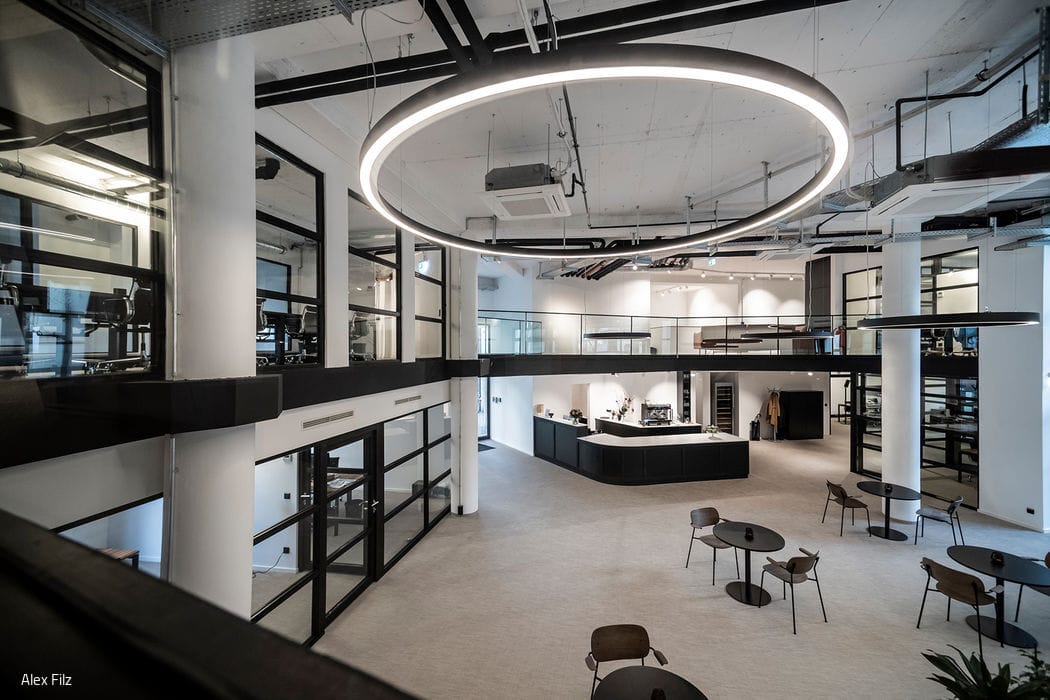
From Boardroom to "Byro"
A Remarkable Transformation in the Glockenbach District
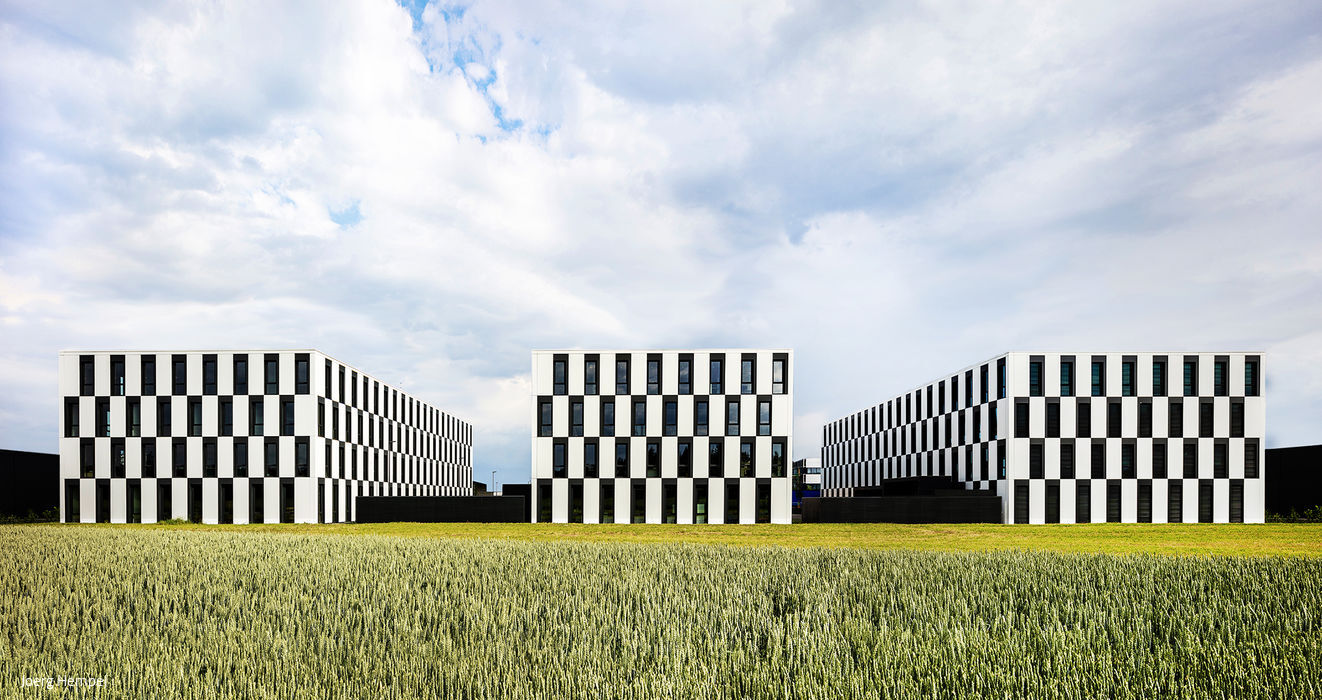
Multifunctional Trio
Three Identical Buildings in a Technology Business Park

The better is the enemy of the good
A hotel that defines sophisticated hospitality
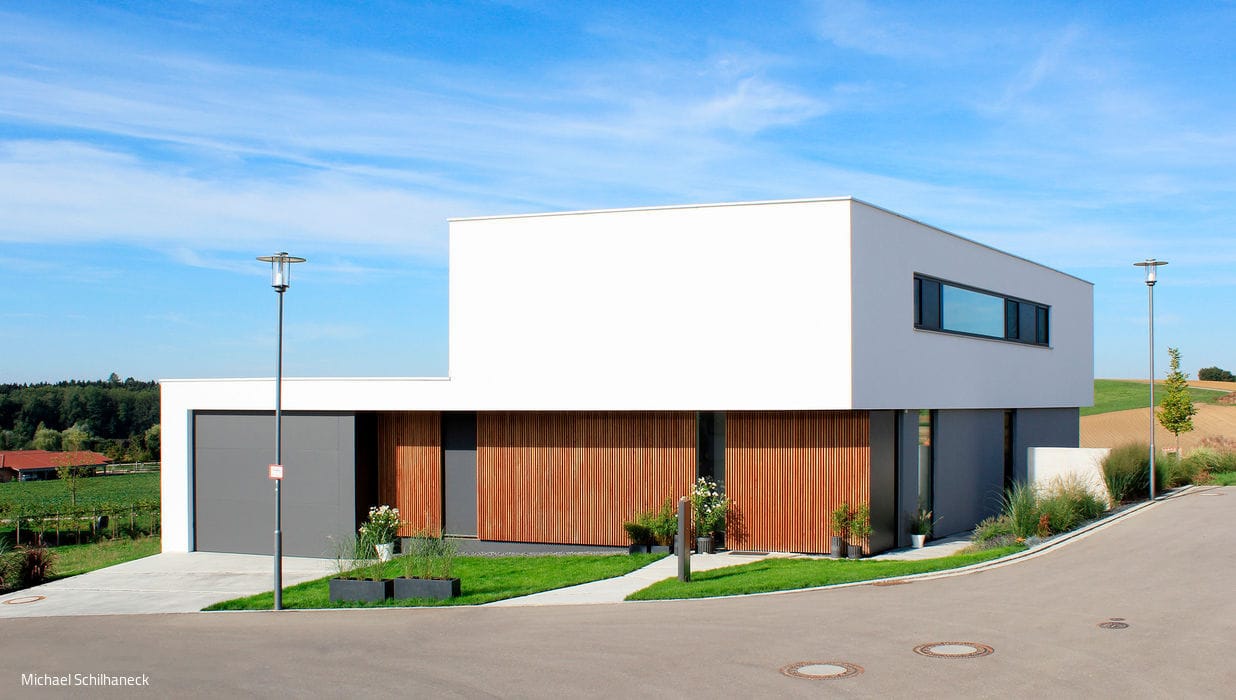
Elegantly Extended
Modern Family Home with Distinctive Presence