


Seamlessly integrated
The extension to the Küppersmühle Museum in Duisburg Harbour is complete
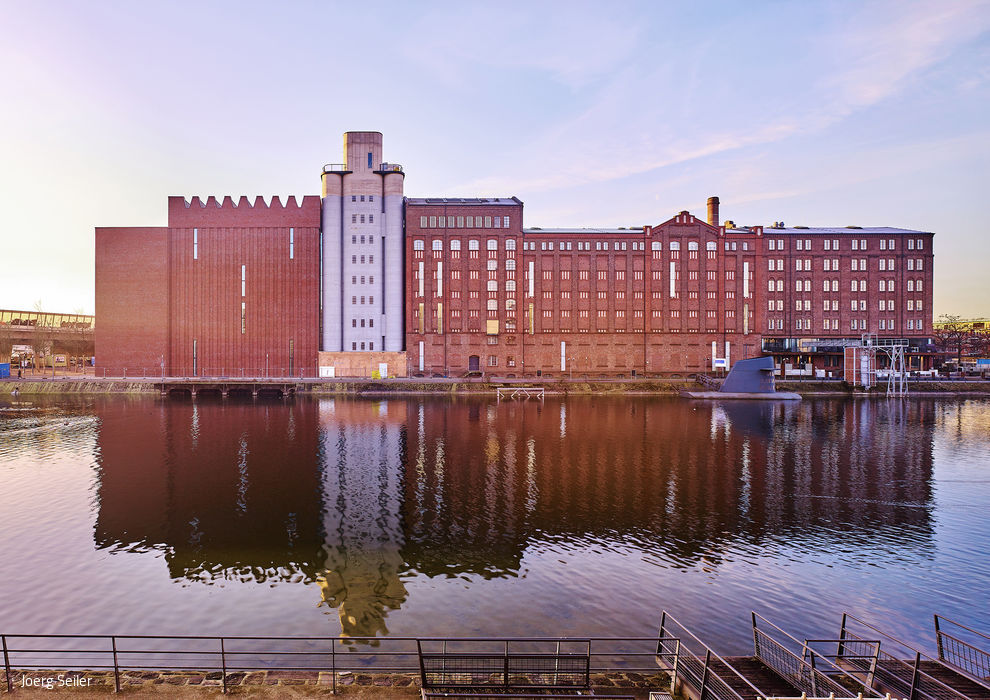
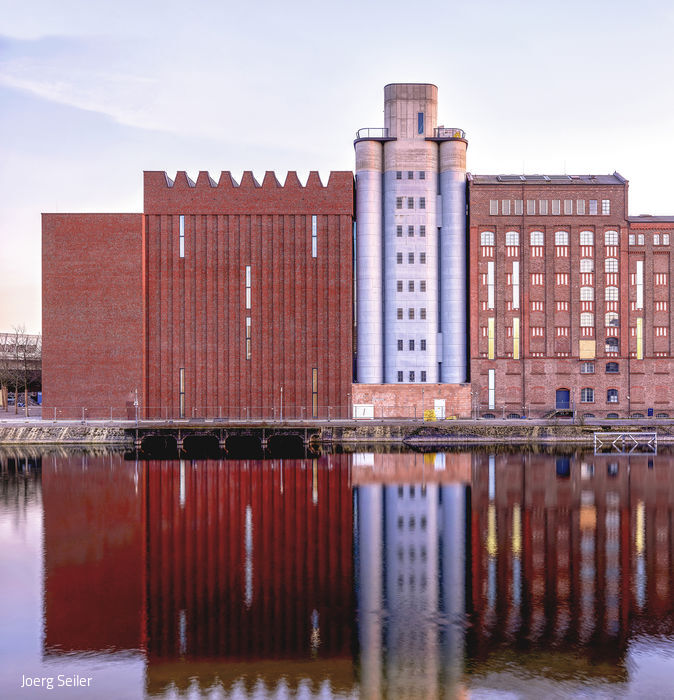
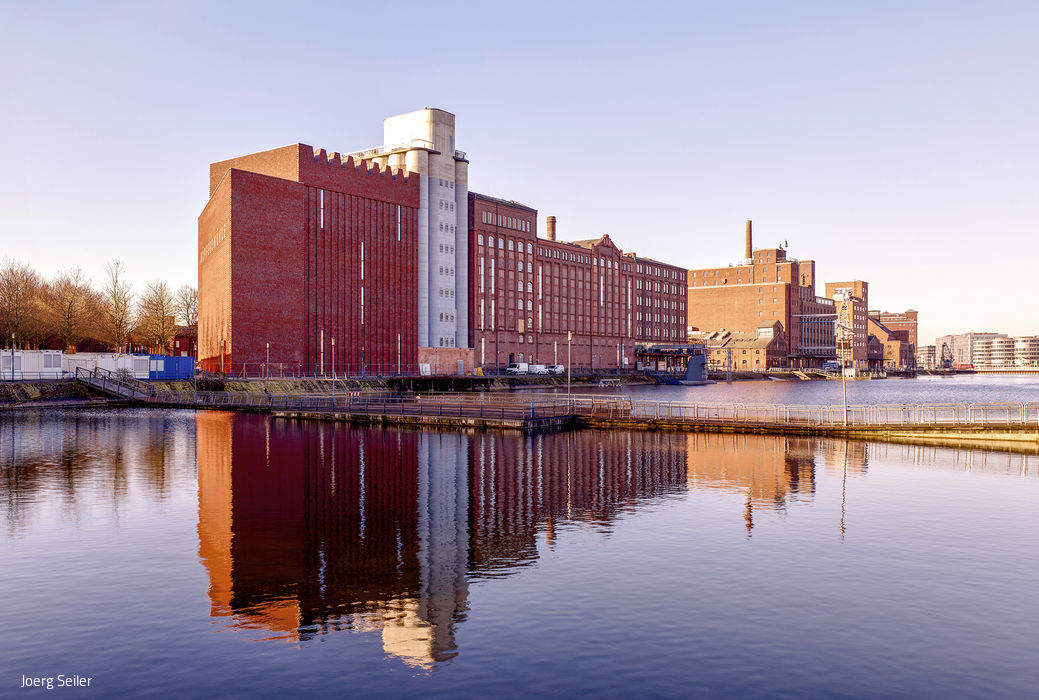
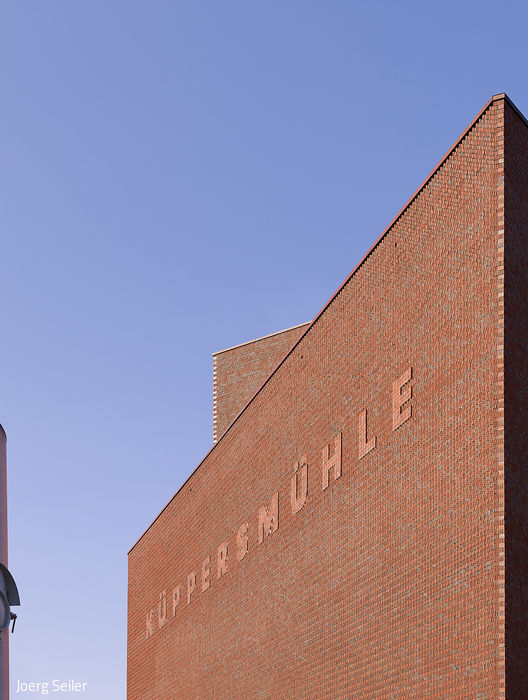
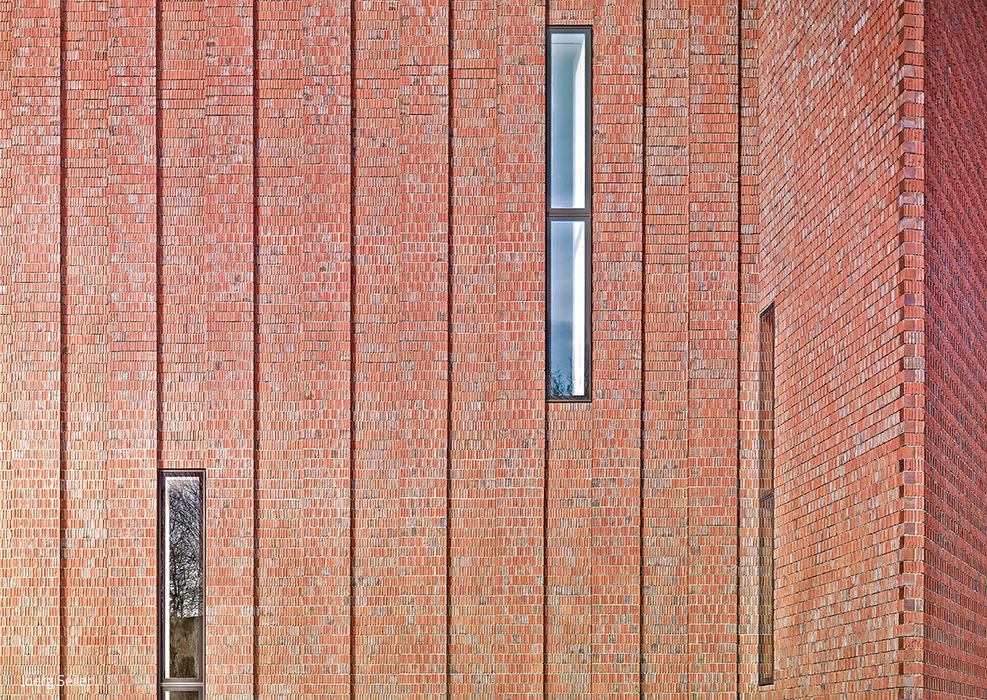
The years of waiting have paid off. With the completion of the extension, the Küppersmühle Museum now presents itself in perfect harmony. It is the second design by the renowned architectural firm Herzog & de Meuron from 2008 that has now been implemented, and it is modelled on the architectural monuments of the inner harbour. The Swiss architects had already converted the storage areas into exhibition rooms and, after ten years of planning and construction, have now expanded the museum by a further 2,500 m², spread over four above-ground floors and one basement floor.
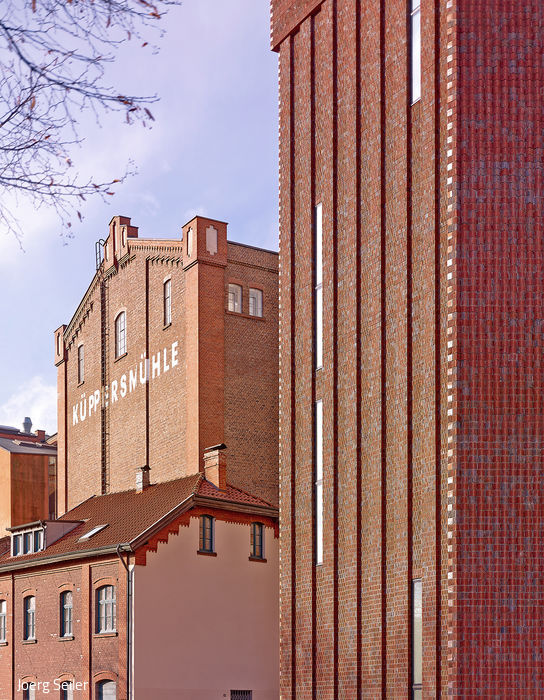
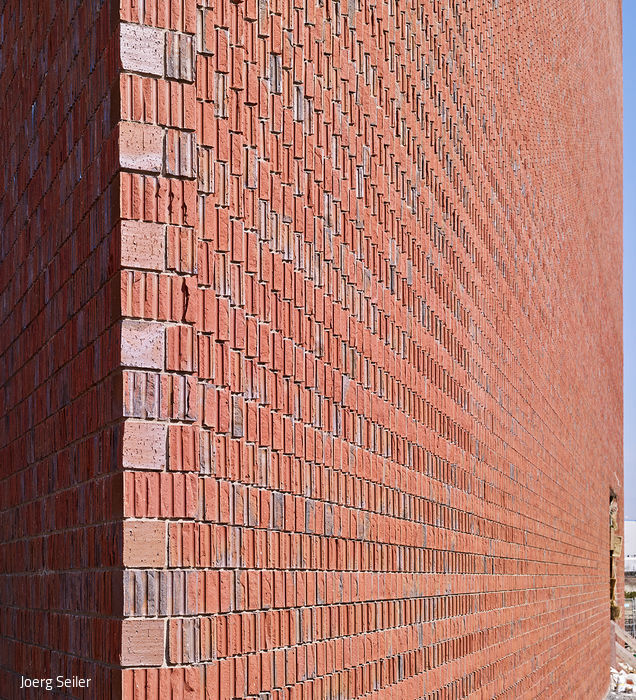
The steel silos were preserved as an important part of the industrial monument. They serve as a connecting element, linking the existing and new exhibition spaces via bridges on the first and second floors. Inside, six internal silos were removed and the ceiling above the ground floor was opened up, creating a spectacular spatial experience. The main staircase is now connected to the existing staircase as a spiral exposed concrete staircase made of red-coloured concrete. The fact that the complex of historical and new building elements appears to be cast from a single mould is due in particular to the masonry. The Breno FKS (foot sorting, coal firing and salt glazing) façade clinker from Gima in a special size, which was processed with a central break, gives the façade with its long vertical window openings its unmistakable structure. The clinkers were installed slightly rotated, which lends the façade a lively appearance. The particular challenge was to achieve the desired colour effect not only on the outside, but also on the inside. This task required a long development process between the architects and the brick specialists. Sampling, visits to the factory in Lower Bavaria and large-format sample walls preceded the final decision on the perfect brick. A special detail of the façade is the offset "Küppersmühle" lettering on the stepped masonry of the east façade. For this alone, 1,000 clinker bricks were hand-ground and installed with millimetre precision. Thanks to their smooth surface, they stand out visually from the lively façade image of broken clinker bricks.
www.herzogdemeuron.com
www.gima-ziegel.de
Photography Credits:
Jörg Seiler
joergseiler.de
(Published in CUBE Ruhrgebiet 02|21)


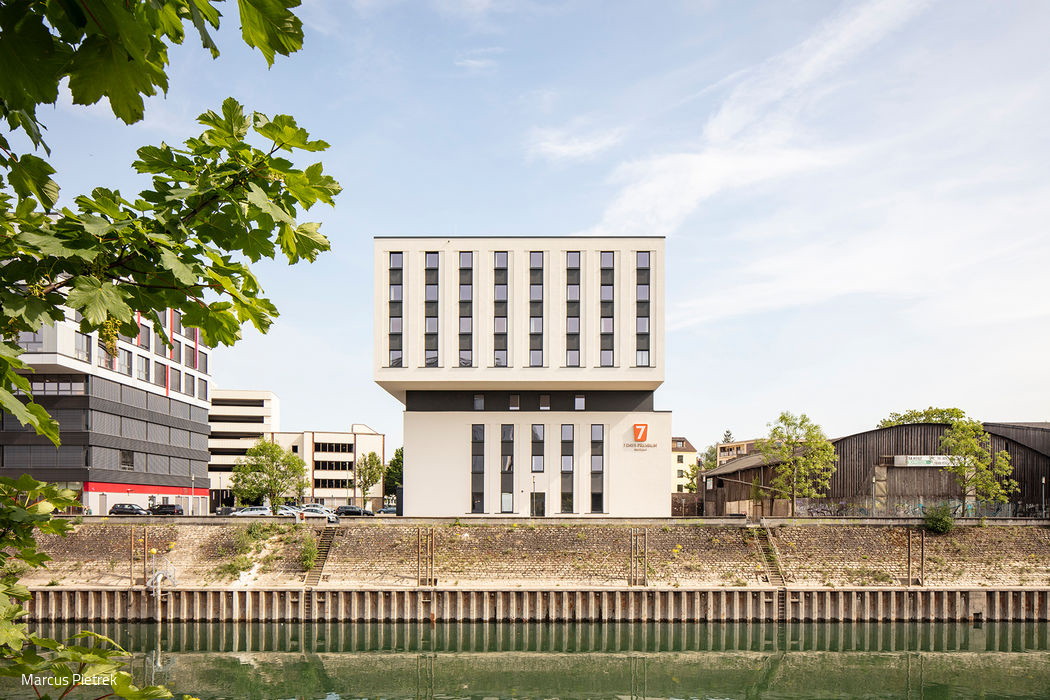
Hotel with Harbor Flair
Duisburg's inner harbour has a bold new landmark
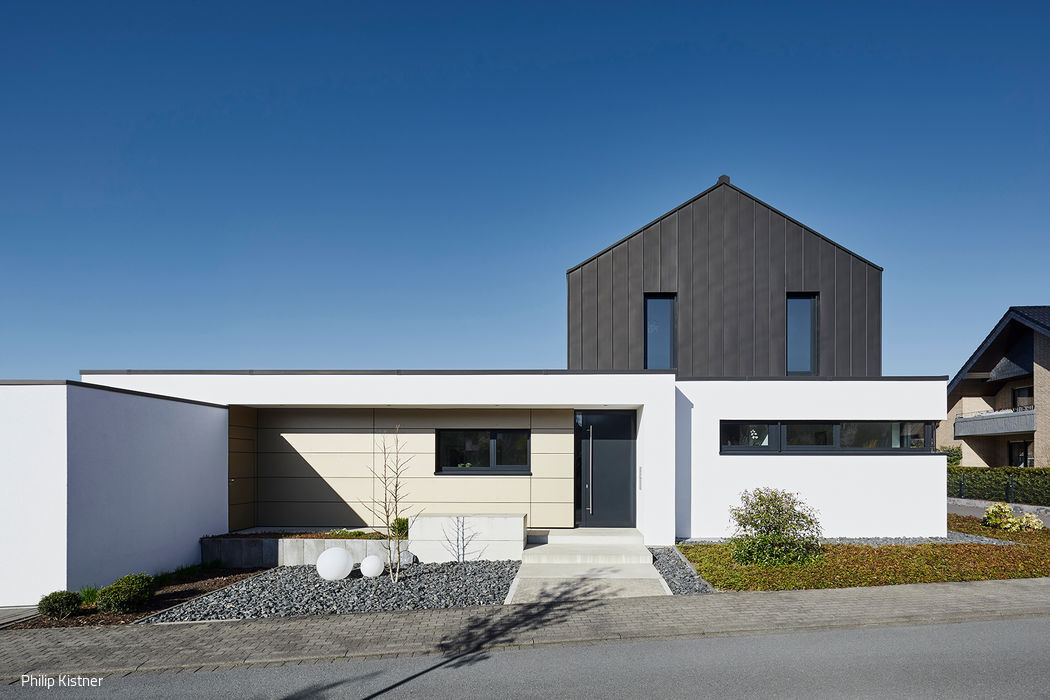
An Exciting Mix
The exterior façade showcases a thoughtful interplay of diverse materials.
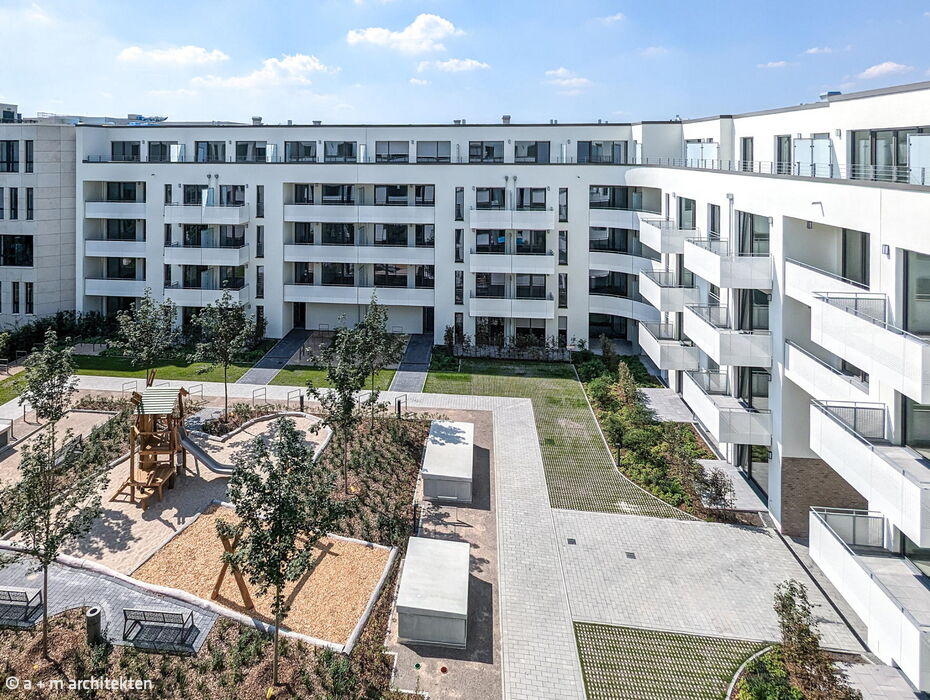
Urban Living
Weststadt Essen: Where Quality Living Meets Affordability
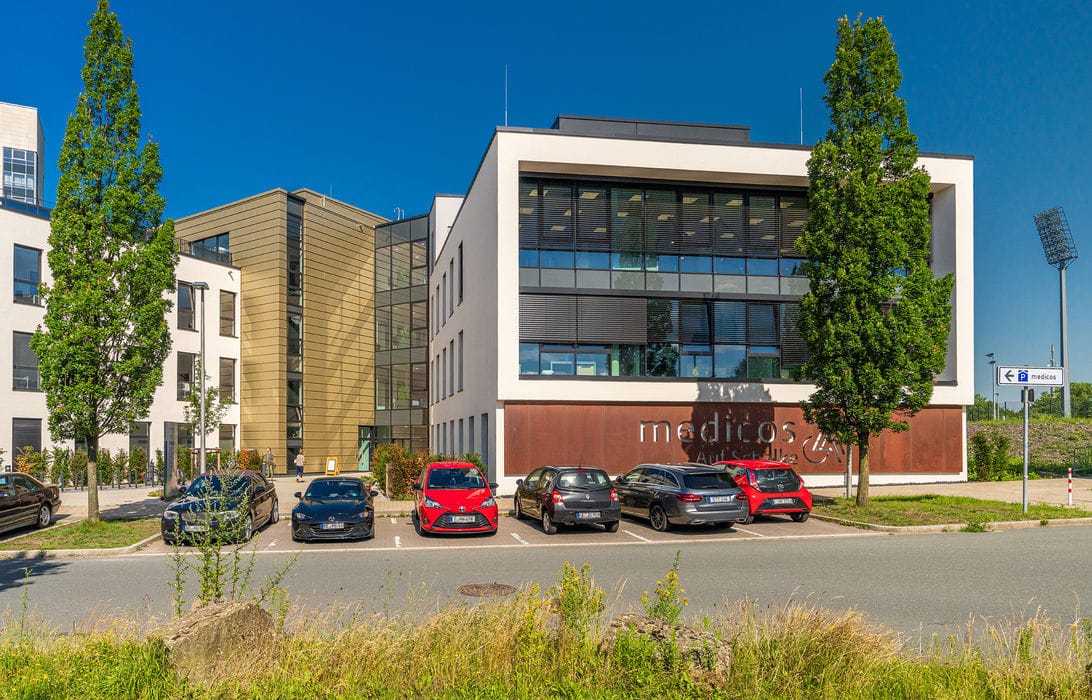
House of Short Distances
Health centre unites diverse services under one roof—the new extension