


A Luminous Legacy
Transforming the Alpine Museum into a Modern Community Hub
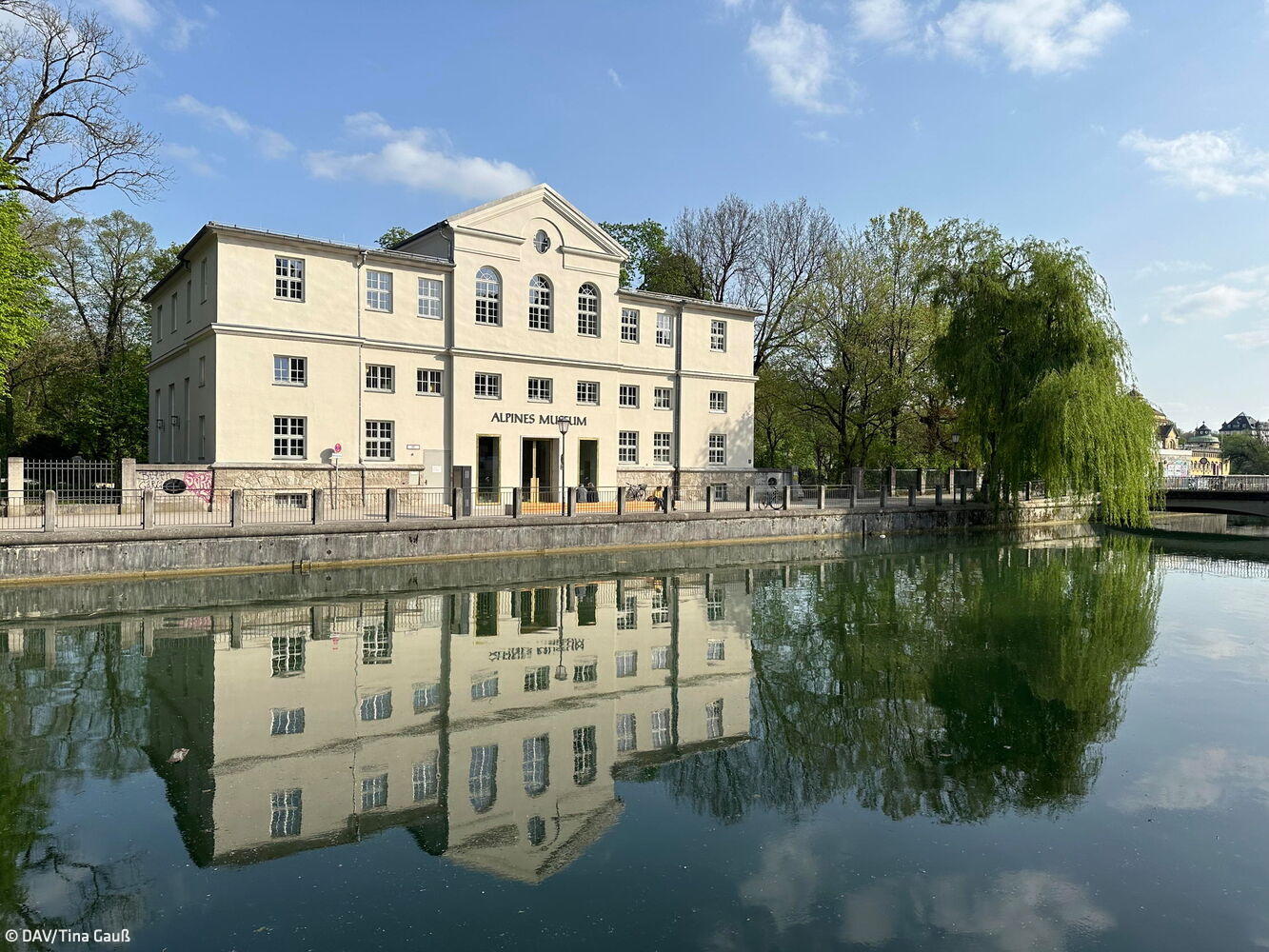
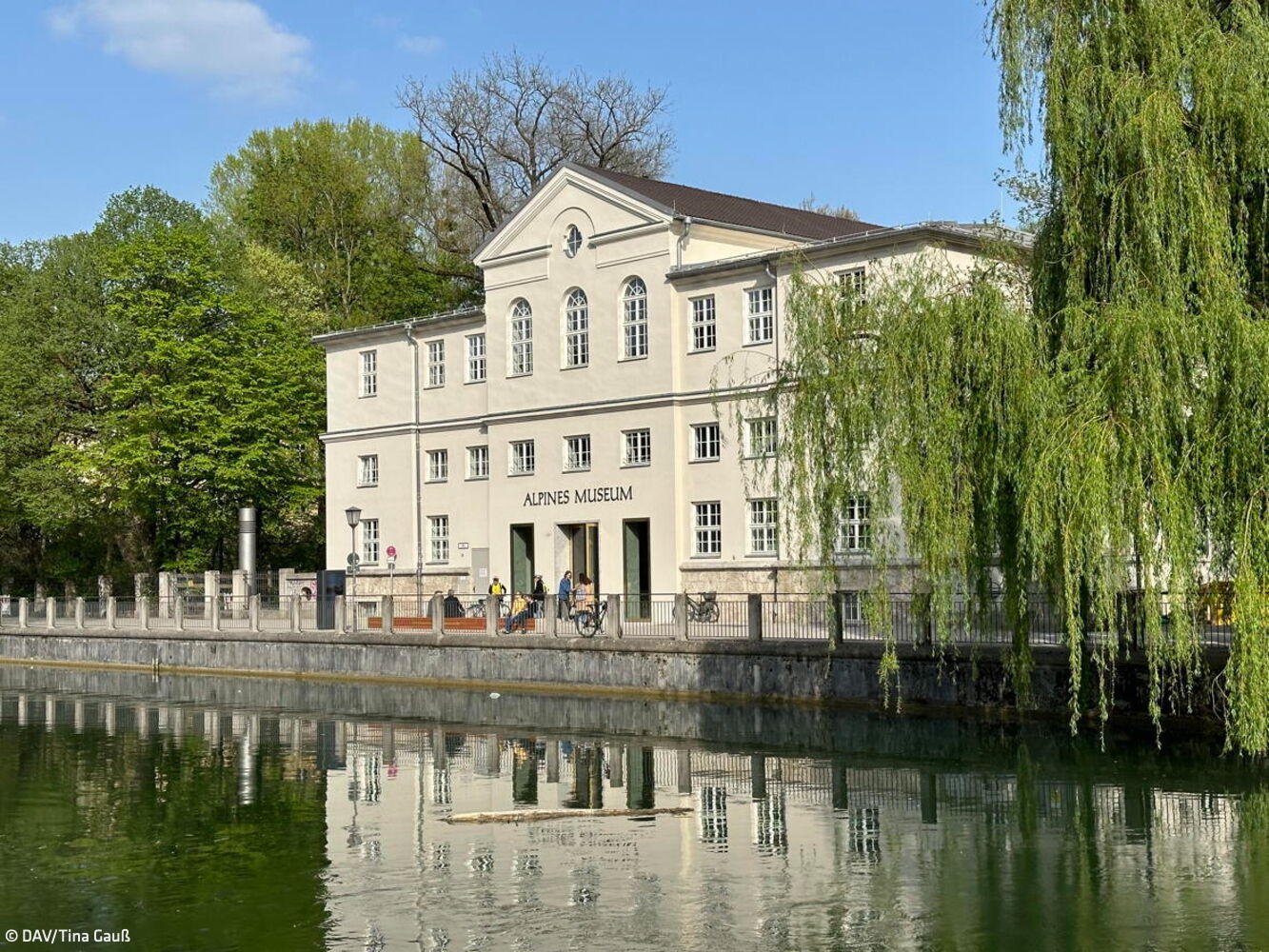
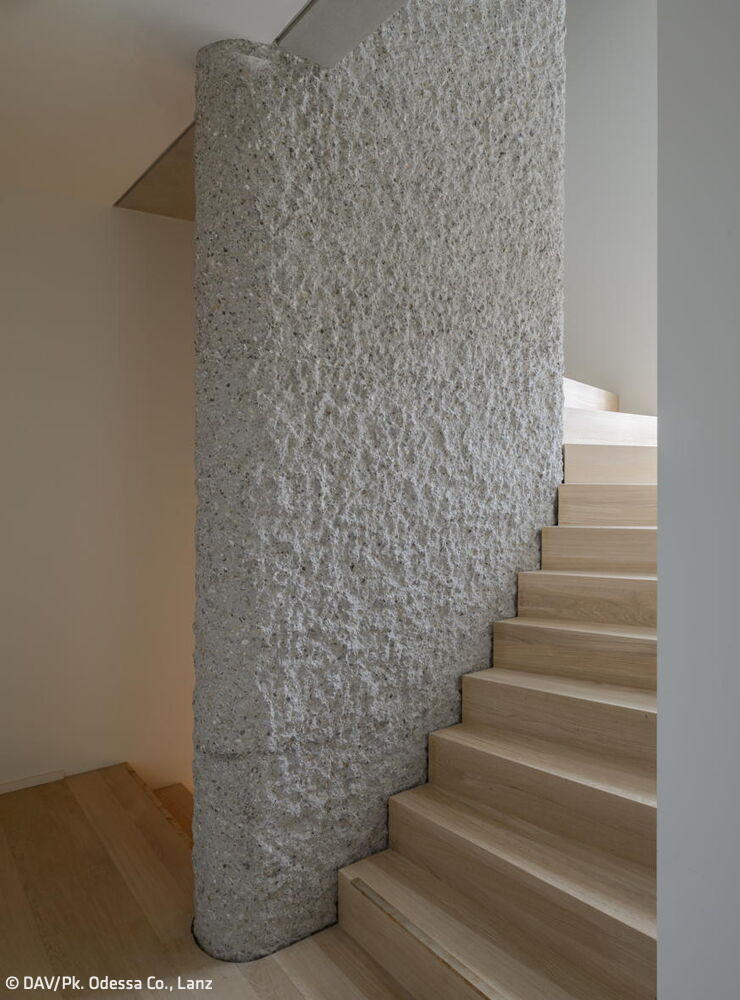
After three years of renovation, the Alpine Museum on Prater Island has reopened—and it's virtually unrecognizable. Everything now gleams with fresh vitality: more contemporary, more welcoming, and fully accessible. The transformation began with a complete reimagining of the entrance. The old access point at the building's rear felt unwelcoming and turned visitors away. The new front entrance is now a striking three-winged portal, anchored by an elegantly framed glass door set in brushed brass—a graceful threshold that opens toward the city.
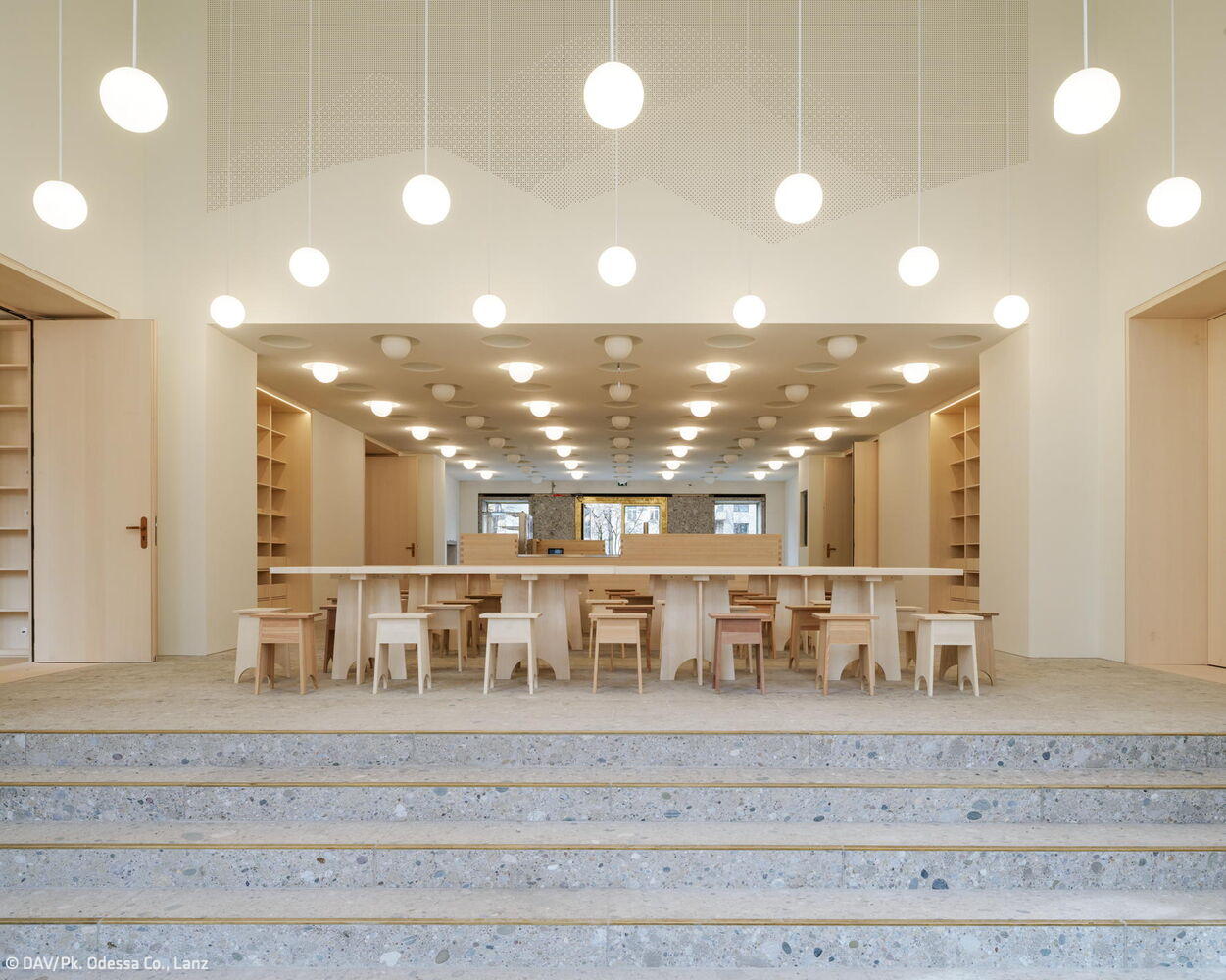
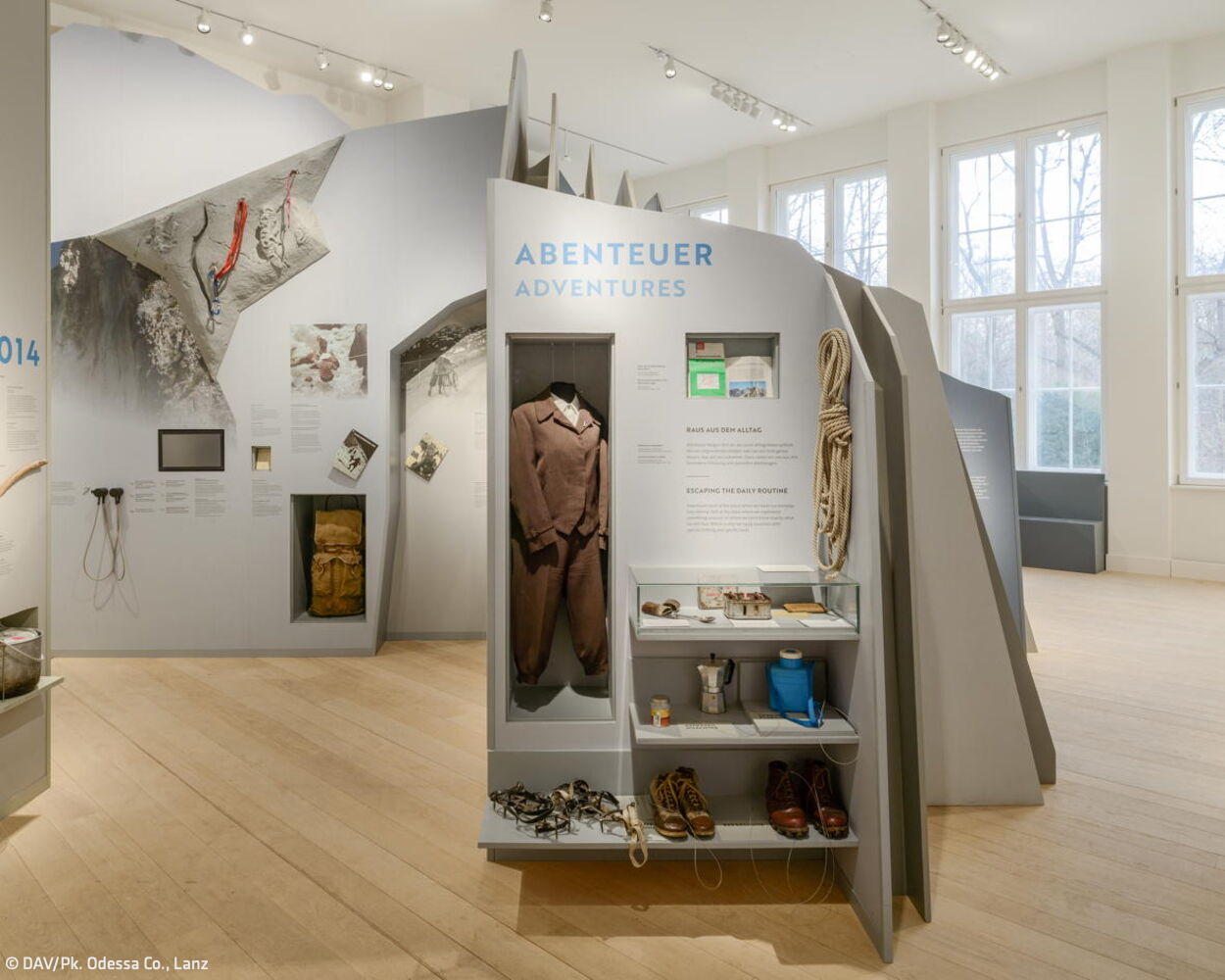
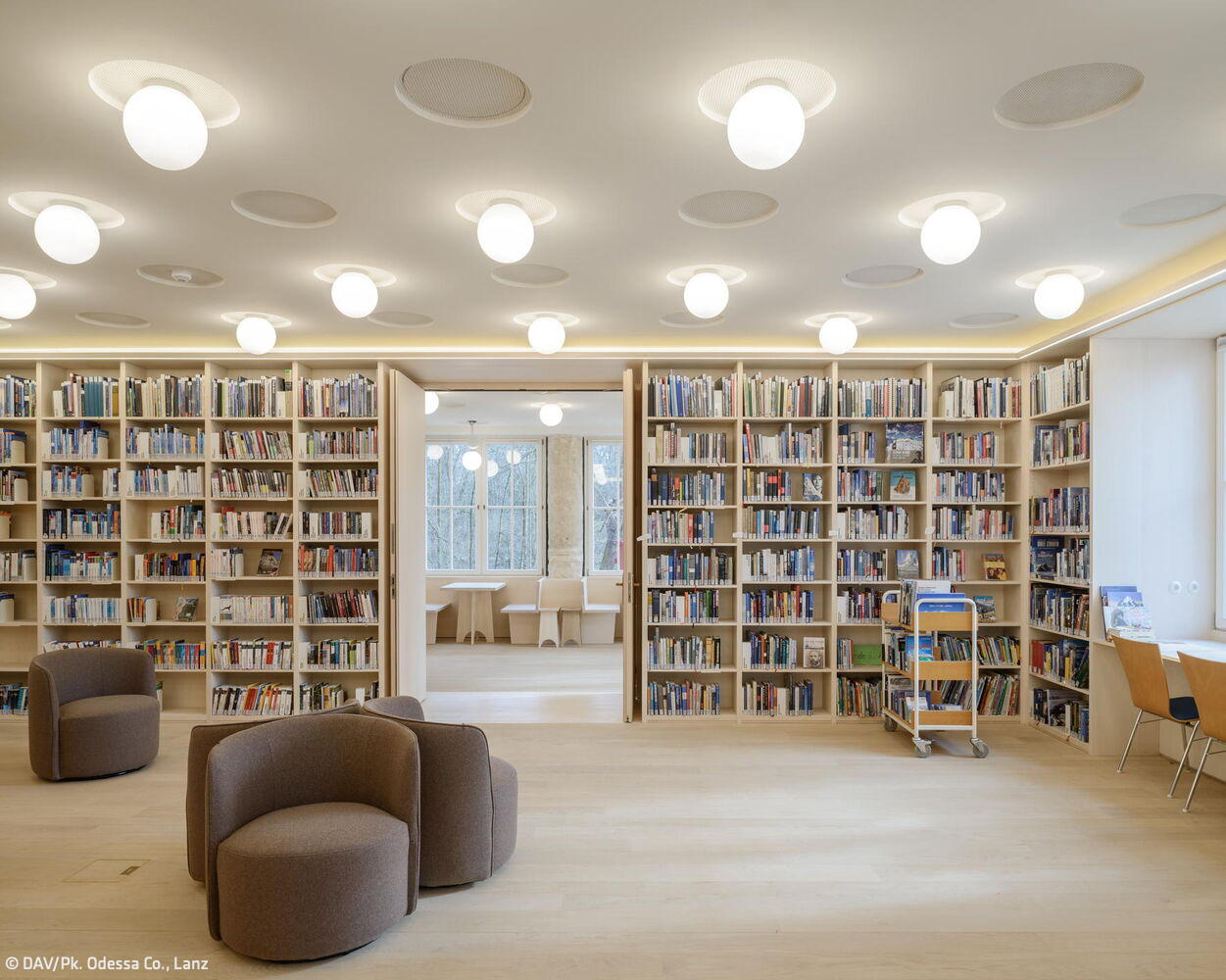
The renovation was designed by Michael Feil Architects of Regensburg, winners of a competition organized by the German Alpine Club (DAV), which has stewarded the building since 1908. The three-year overhaul was comprehensive: the entire structure was stripped to its bones. Over the decades, successive modifications had subdivided the interior with countless walls, fragmenting the original spatial flow. The goal was clear—restore the building's original proportions. The result: expansive, light-filled rooms that invite exploration. Visitors now arrive via an open staircase into a generous foyer, where they find the ticket desk, museum shop, and a charming café counter called Isarlust—a nod to the baroque palace that once occupied this site, complete with its own café. A large multipurpose hall follows, adaptable for café service or hosting events. Beyond lies the garden and rear terrace, a tranquil retreat. The foyer's left side dedicates itself to the permanent collection, while the right opens into the library and reading room—proudly home to the world's largest Alpine library.
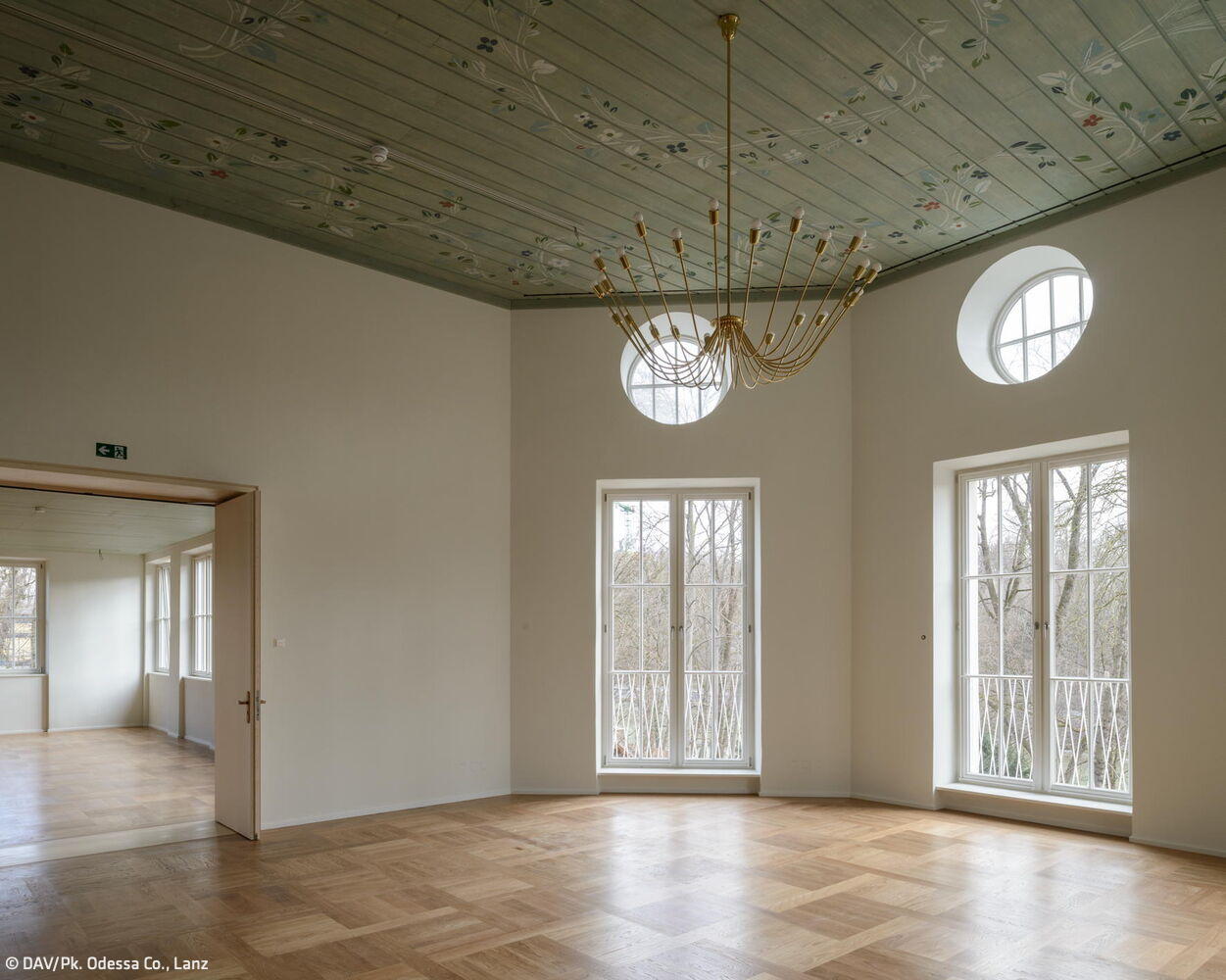
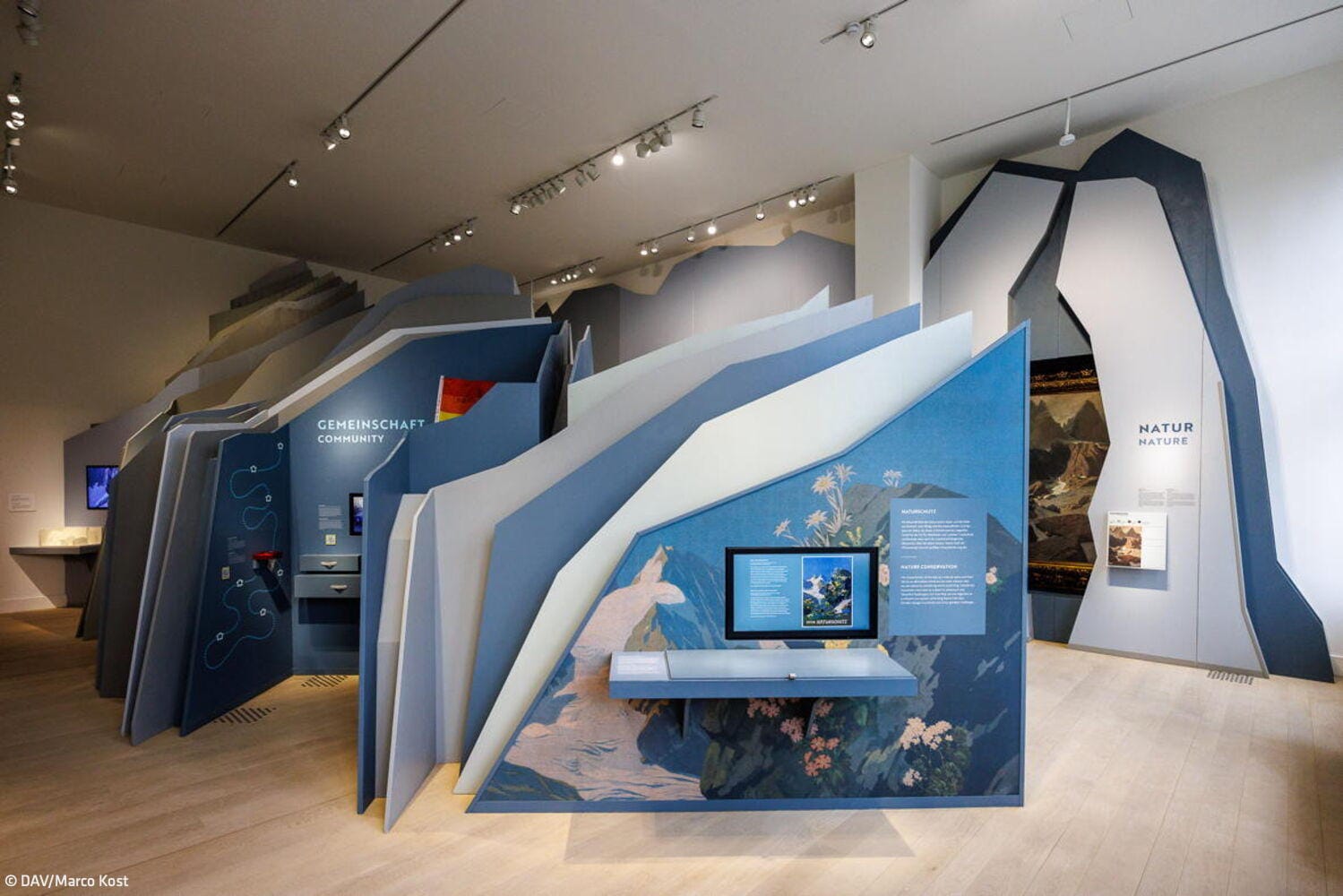
Administrative offices occupy the first floor, while the second hosts spacious galleries for temporary exhibitions and special events. During renovation, artisans uncovered original wooden ceiling panels with delicate floral motifs and painstakingly restored the period chandeliers. "We envision this museum—with its archive and library—as our cultural anchor," explains DAV President Roland Stierle. The current exhibition explores climate change and its profound impact on the Alpine region, underscoring why nature conservation matters now more than ever. Sustainability guided every material choice; the team specified natural, eco-conscious building materials throughout. Notably, the design forgoes air conditioning entirely, achieving a 50 percent reduction in energy consumption.
Credits:
DAV/Tina Gauß
DAV/Pk. Odessa Co., Lanz
(Featured in CUBE Düsseldorf 02|25)


Ins Heute geholt
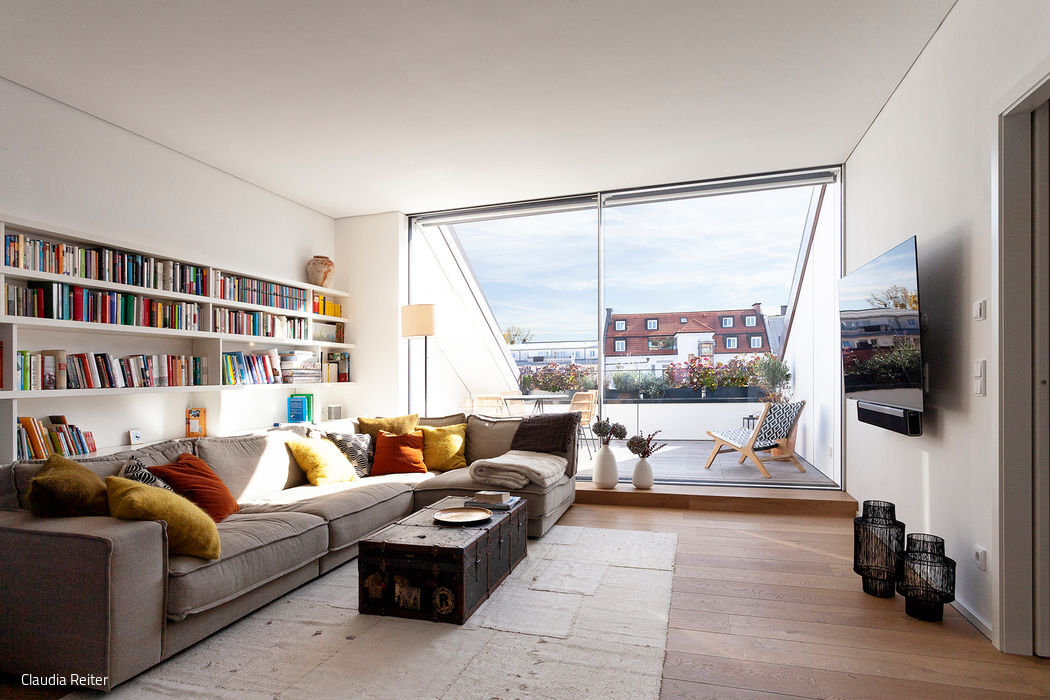
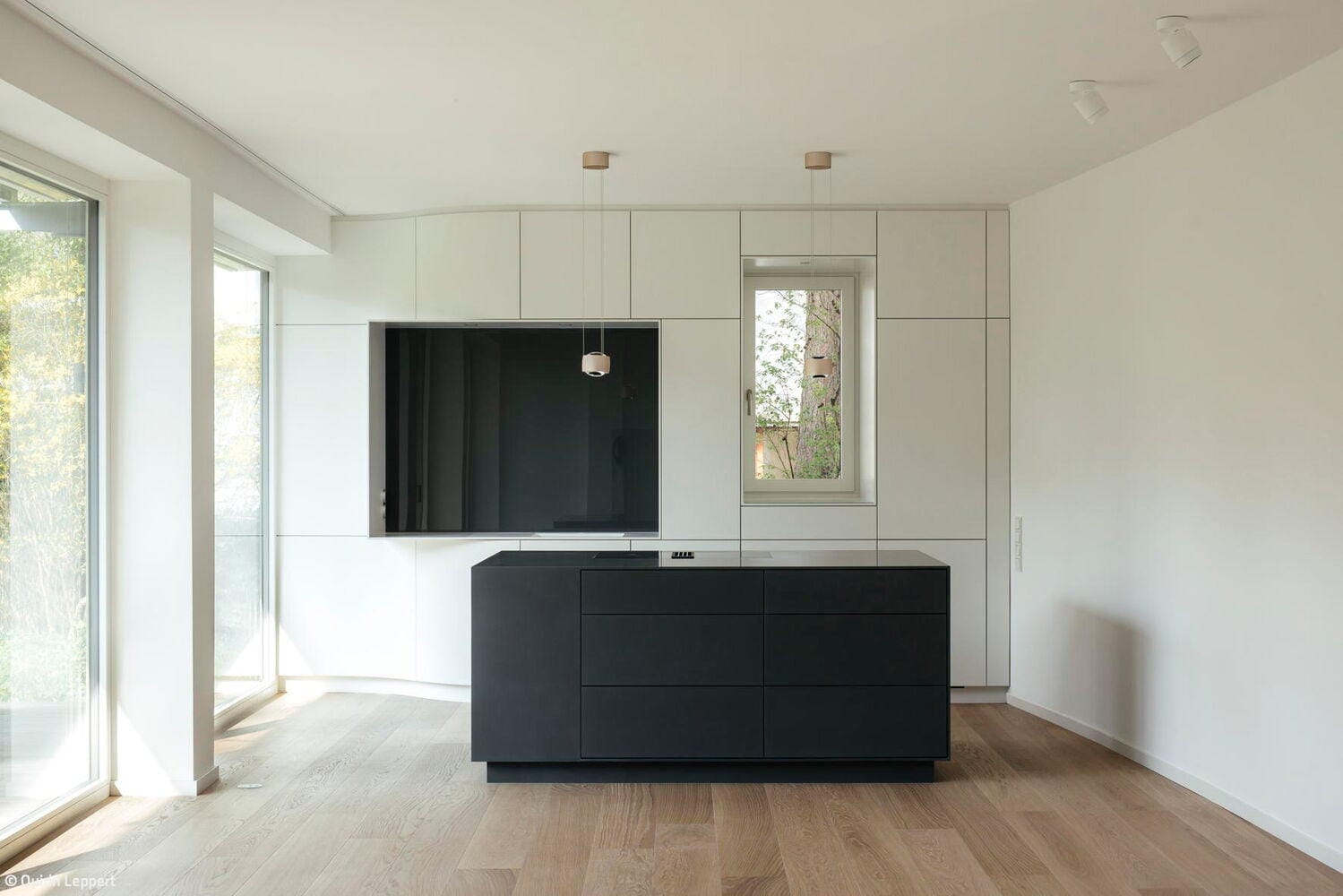
Ein Haus aus den 90ern wird durch gezielte Umbaumaßnahmen freundlicher, offener und heller
Elegantly Packaged
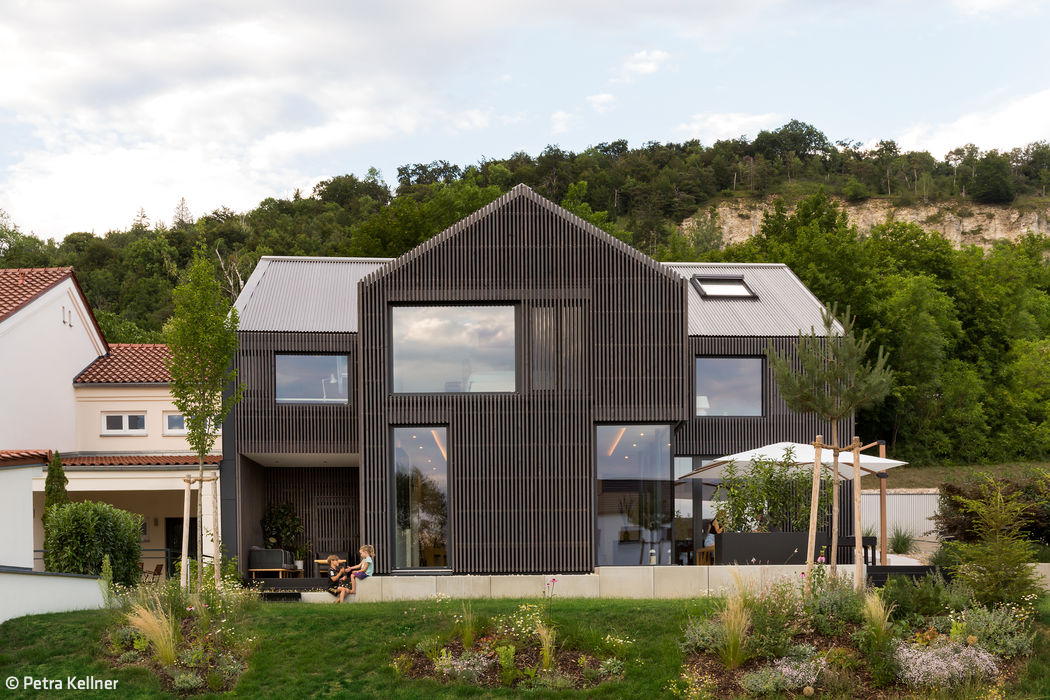
A striking new residence and office showcases the understated warmth of a larch wood façade
Temporary Home with School
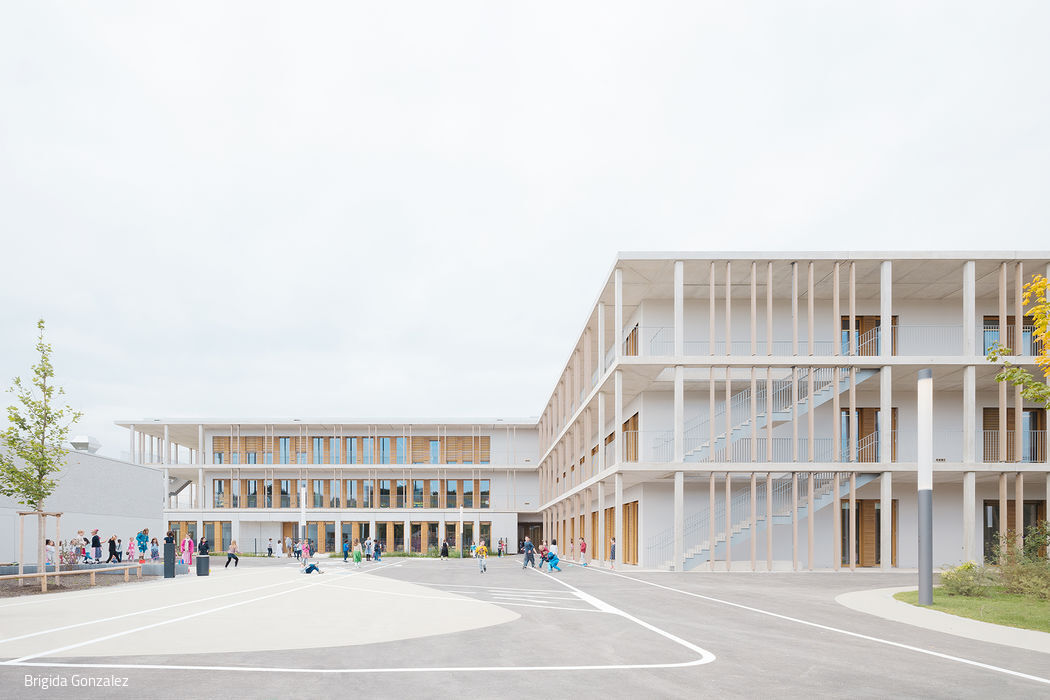
Four Primary Schools, Modular Design—Built Fast, Designed Flexible
Pioneer of Modern Architecture
Anna Heringer builds internationally with clay and other forgotten building materials