


Gently Radical
Interior design where radicalism meets refinement
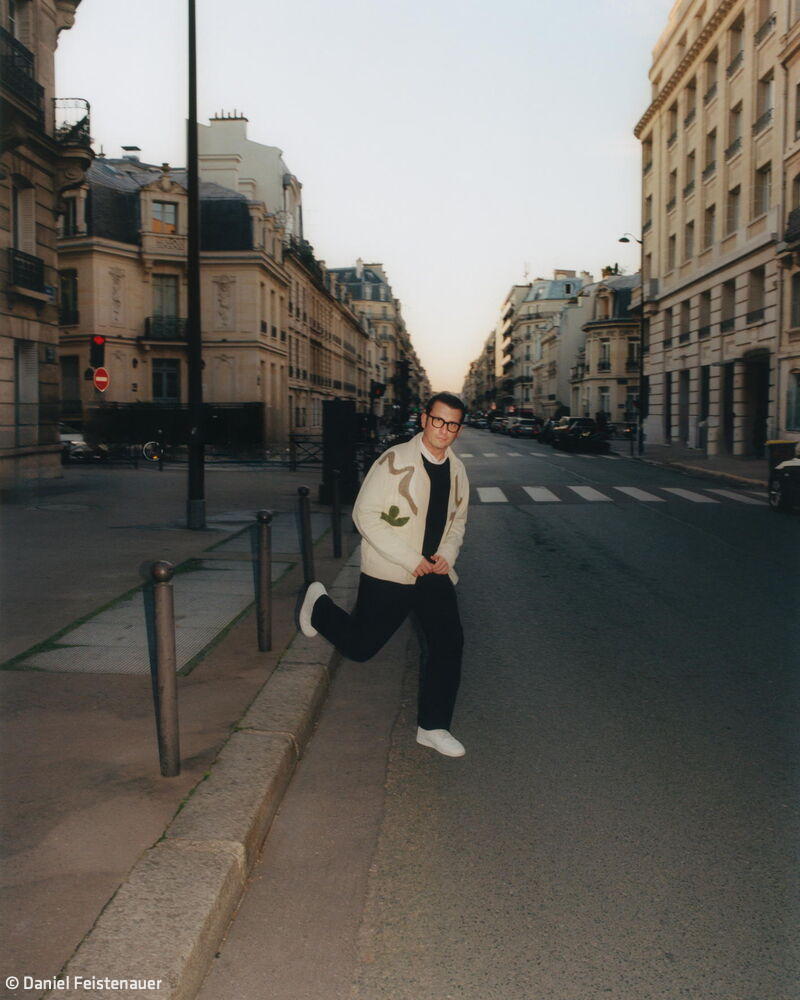
CUBE: Your recently published book is titled "Gently Radical" – that sounds paradoxical. What inspired this title?
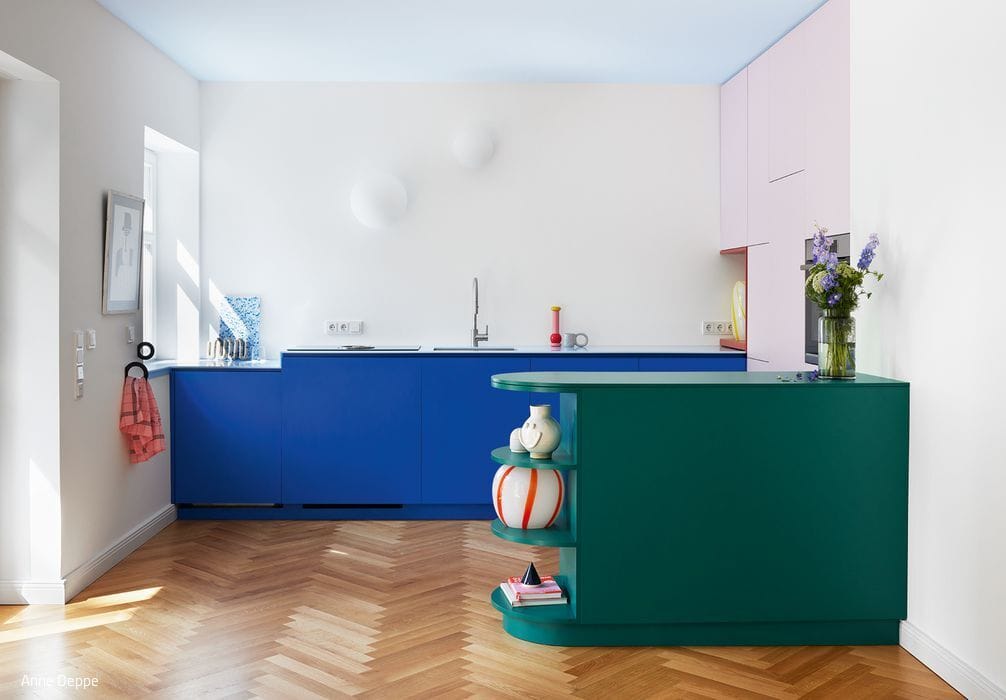
Fabian Freytag: It's meant to be. In everything we do, we work through contrasts, using tension to bring together things that seem incompatible. True radical architecture, in my view, always carries warmth – that human element, friendliness, and accessibility that makes people want to explore the space. It should never be exclusive; it should be inclusive. I want spaces to spark curiosity, to invite participation and use. That's where contrasts and imperfection become powerful tools.
What takeaway do you hope readers get from your book that goes beyond interiors and design?
Design surrounds us – it's not confined to museums or showrooms. We make design choices constantly, even something as simple as making a sandwich. I want to encourage people to become more aware, to genuinely reflect on how a space affects them emotionally. What does it make you feel? Start with something everyday: that Italian restaurant on the corner you visit one evening. Pause and ask yourself: What's working in this space? What draws me in? What doesn't?
Do you have a practical method for training your eye to perceive design more keenly?
Here's one I love: browse online marketplaces like eBay classifieds for an afternoon and examine a hundred chairs. Ask yourself, "Which of these would genuinely fit my life, my sensibility?" You'll be surprised by what emerges – suddenly you're crafting a design narrative, uncovering stories. Every vintage chair carries one. A piece from the '90s connects you to that era. What were you doing then? What does it evoke? When we consult with clients, those initial conversations center on association. Suggest an upholstered corner bench and people often react: "No, that reminds me of my grandmother's place." Could be a cherished memory or something else entirely. Here's my advice: when you move into a new space, sit quietly for thirty minutes. What do you see, hear, smell? It sounds almost spiritual, but it's essential – these are the subliminal feelings that make a home. They also guide solutions. If you're dealing with noise, you'll need more textiles and soft surfaces. In a rural setting, you might embrace a purer white-box aesthetic with minimal furniture. It's intuition more than science.
People say you transform spaces into works of art. How do you know when a room is truly finished?
Like any art – you feel it. I tend to work longer than most because I enjoy challenging the viewer a little. A well-designed space, like a film with intersecting narratives, should tell multiple stories. The trick is knowing when to stop – before those stories become overwhelming chaos.
If you could design a space for any prominent figure, who would it be?
I've been observing global politics lately, and something troubles me: political spaces in Germany tend to be visually uninspiring. Take a chancellor's office – it's often a vast, beautiful room that feels diminished by a lonely seating arrangement that shrinks against the wall. Why can't it be compelling instead? That's why I'd say: yes, I'd love to redesign the office of Germany's next Chancellor after the elections. That would genuinely excite me.
Is there a project or vision you're determined to bring to life?
The studio is the foundation, but I want to expand into production – bringing everything under one roof. In ten years, I see myself overseeing a workshop, somewhere in or just outside the city, in a thoughtfully chosen location. A place where architecture, interior design, and craftsmanship converge – where all the essential trades work together.
How do you live yourself?
In a converted carriage house in a Berlin-Mitte courtyard – exposed brick and a raw concrete ceiling. I furnished it during the pandemic, which is actually how I arrived at my design philosophy. With production facilities closed and ordering impossible, I sourced everything locally within a 15-kilometre radius through online classifieds. What emerged was an exuberant, eclectic aesthetic that brings me joy daily. Walking through these rooms, I'm constantly aware of each piece's story. You can actually see my place online too.
Mr. Freytag, thank you for your time.
Interview conducted by Katharina Beitl.
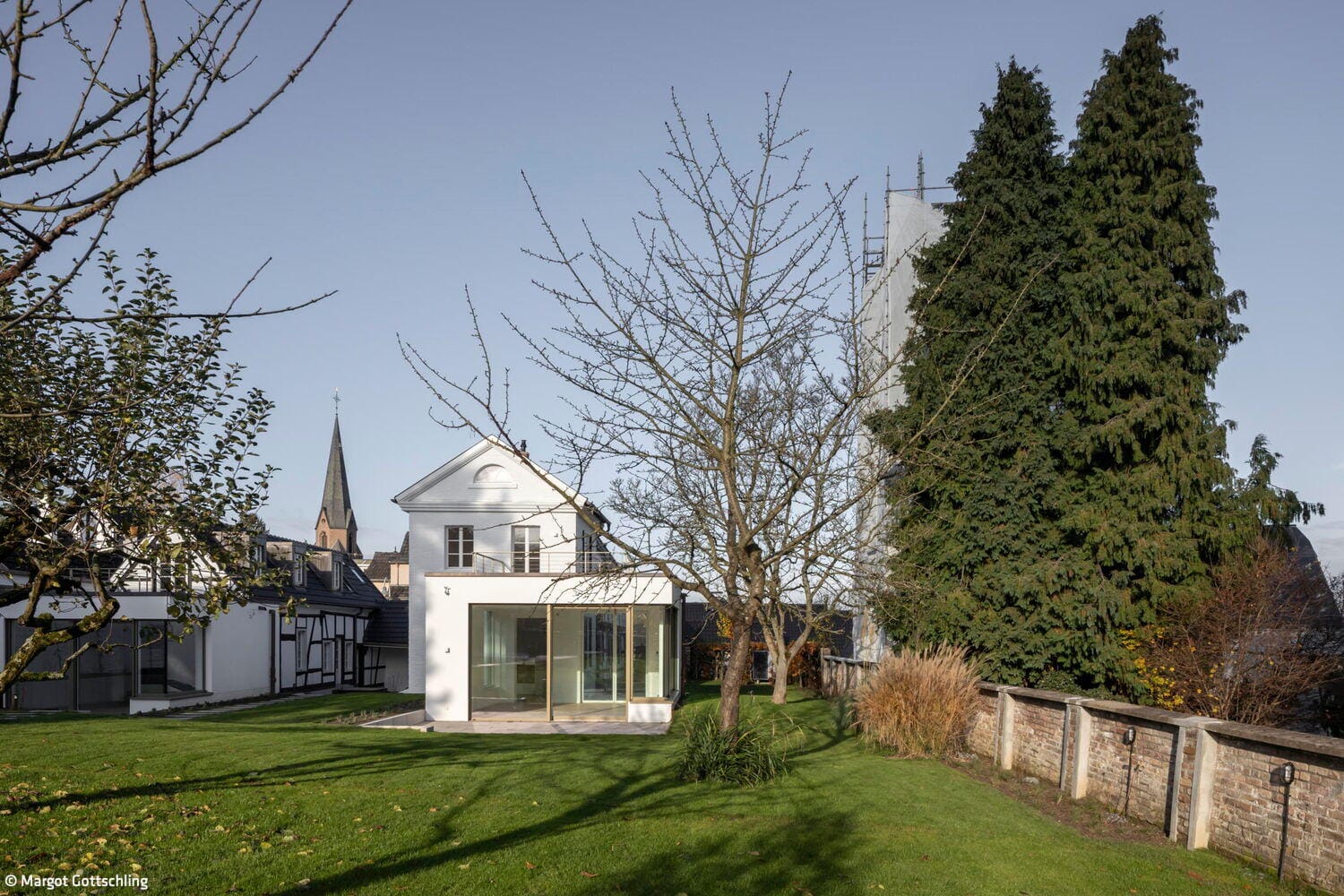
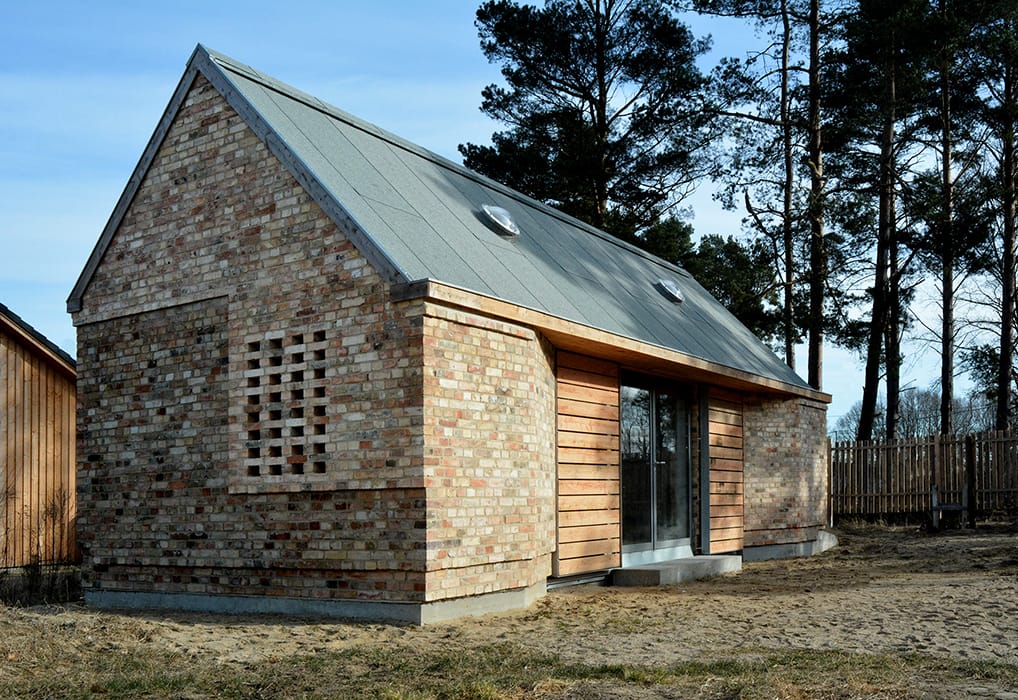
The Primordial House
A Primal Brick House in Marienwerder
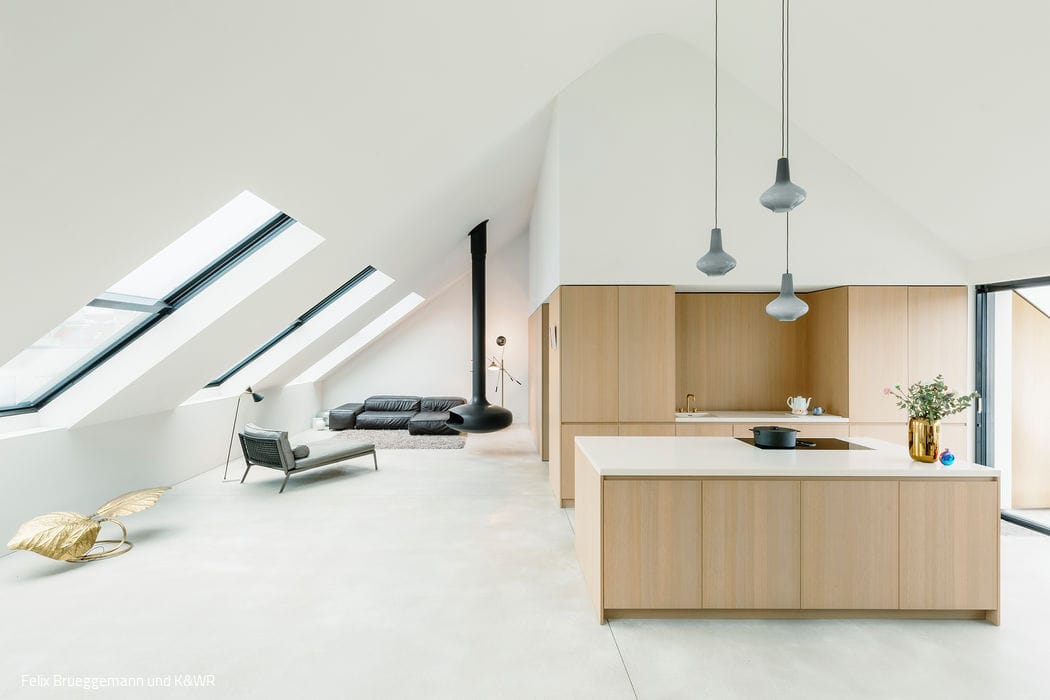
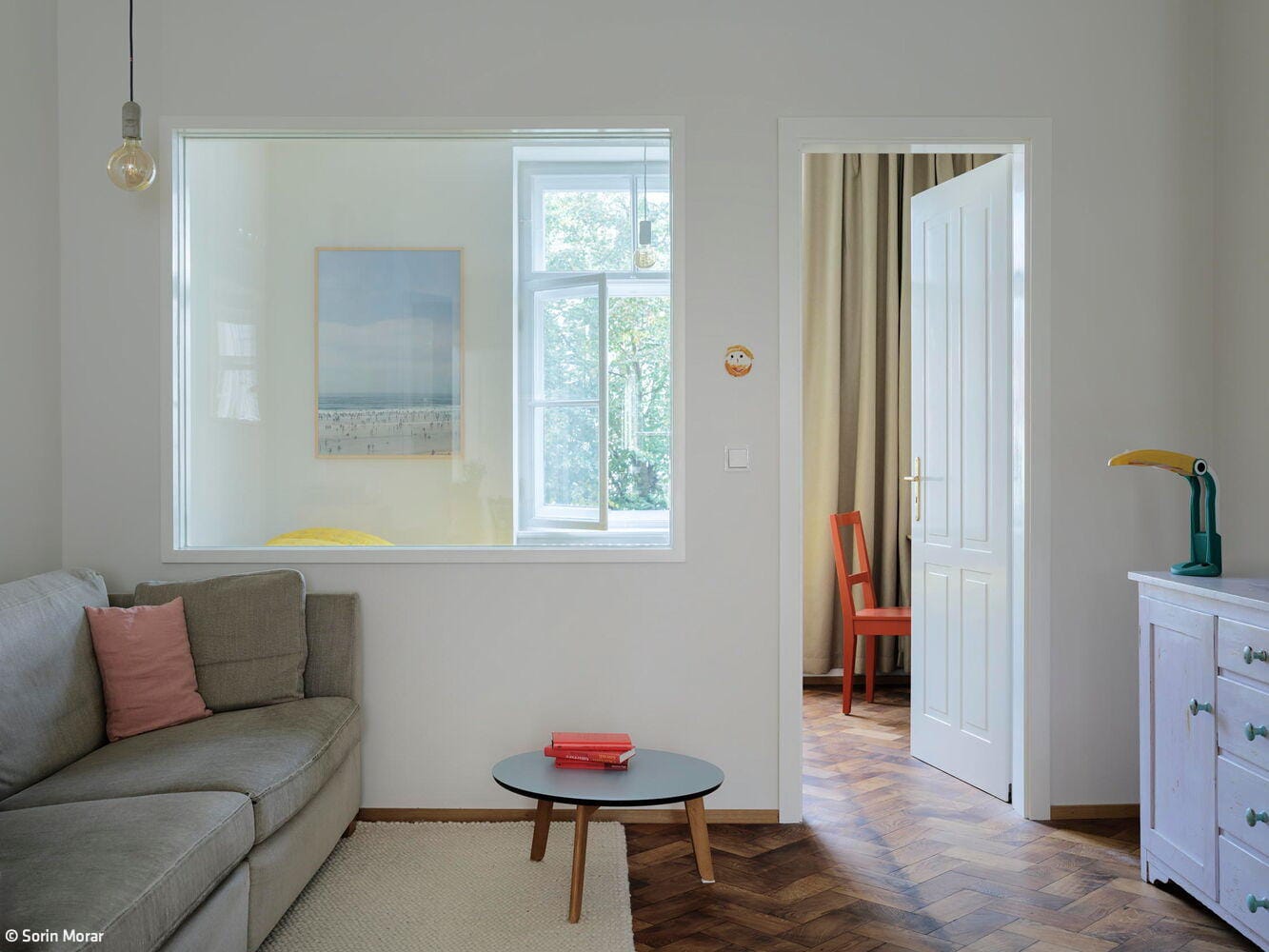
Built Upward
A Wilhelminian townhouse with a maisonette apartment in the attic
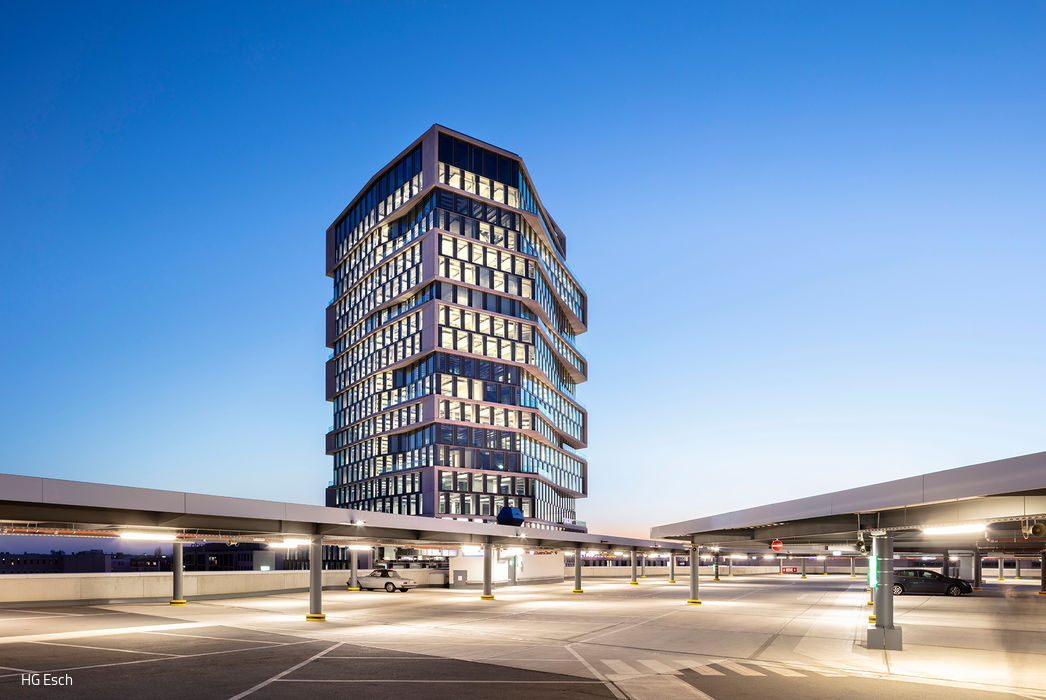
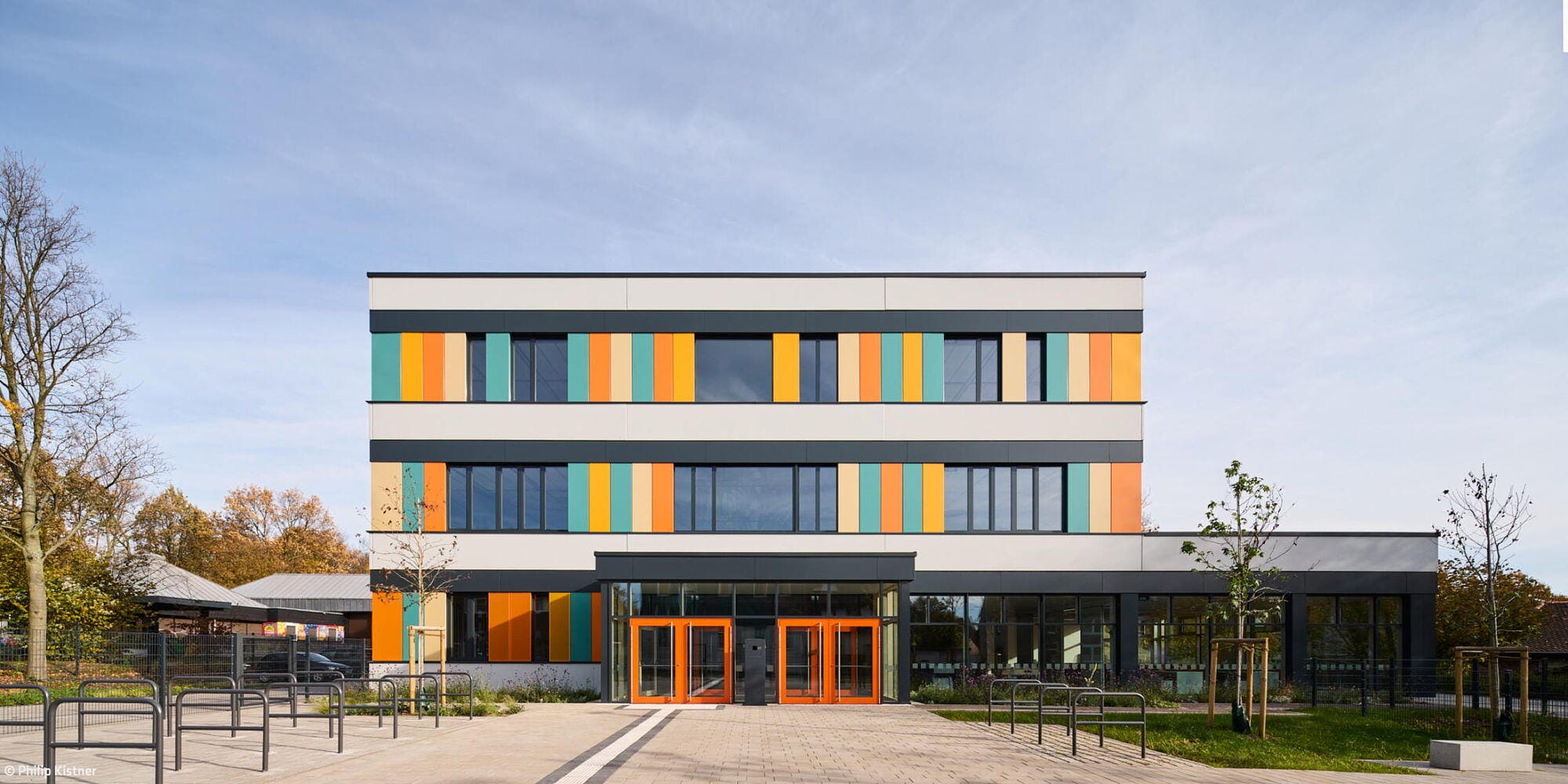
Transparent Tower Landscape
Stream – A Bold Addition to the Mediaspree District

Craftsmanship and Harmony
Purposeful Design Meets Refined Aesthetics