


Form Meets Function
A reimagined city library that fosters community, learning, and shared identity


The municipal library in Heilbronn forms the heart of a lively cultural and shopping centre with a cinema, theatre, university and various institutions and businesses. Built in 2001, the outdated library rooms were to be redesigned into a contemporary library with a high quality of stay through functional zoning and diverse uses. The starting point for the design concept is the changing culture of reading and communication, as well as the goal of meeting the needs of diverse user groups in the long term.
Over two years, DIA Dittel Architects from Stuttgart transformed approximately 3,500 m² across two floors into a dynamic hub. The redesigned space thoughtfully balances collective gathering zones with intimate retreats, multimedia learning areas, event spaces, and private offices. A dedicated children's and youth wing—complete with digital platforms, games, and magazines—creates an engaging experience for families while bridging the gap between digital and physical worlds. As a vital social and cultural anchor, the library serves the public as a meeting point for exchange and connection. From the outset, every stakeholder was integral to the design process.
At the heart of the design sits a sculptural staircase that commands the space and unifies the library's distinct zones. This striking architectural element forms a dramatic atrium on the upper floor while anchoring the children's area. Integrated reading and play alcoves—evocative of childhood tree houses—invite visual discovery between levels. A thoughtfully orchestrated flow encourages exploration, with seamless transitions connecting themed areas through an interplay of open and enclosed spaces. Within this framework, flexible room-within-room configurations accommodate specialized functions like a music and podcast studio, collaborative workshops, and private meeting rooms. A spacious 220 m² lounge-style reading room becomes a versatile event venue. Designed as a "window to the city," it operates independently with direct access to the café and facilities—thriving even when the library is closed.
Photography:
Martin Baitinger
(Published in CUBE Stuttgart 04|24)
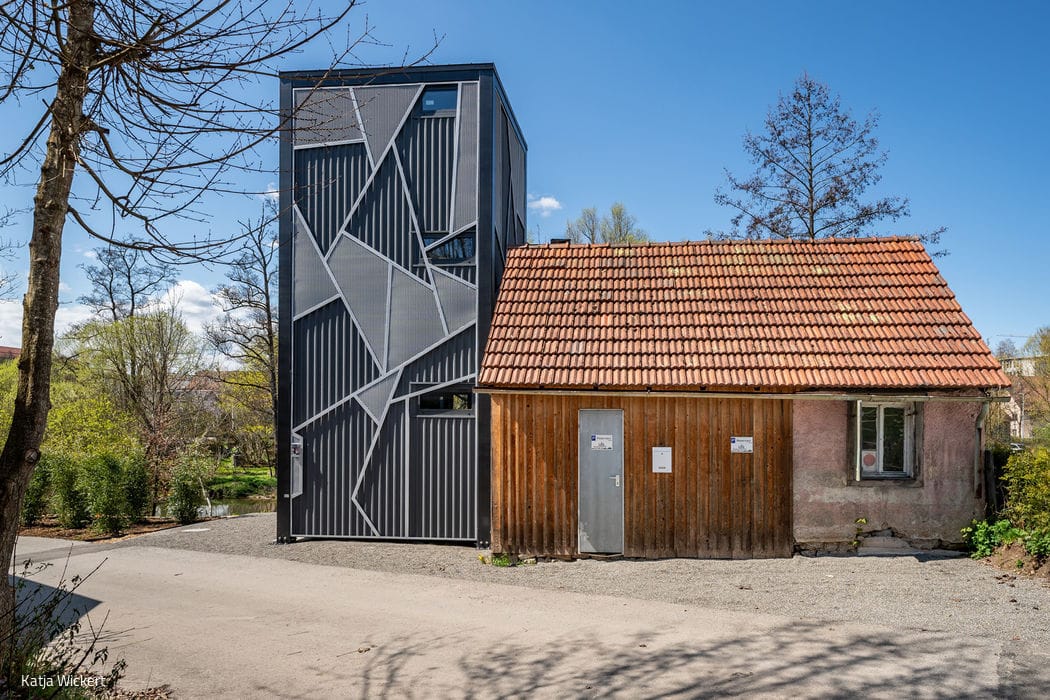
Reaching New Heights
A Modern Tower Meets Historic Mill Architecture on the Neckar
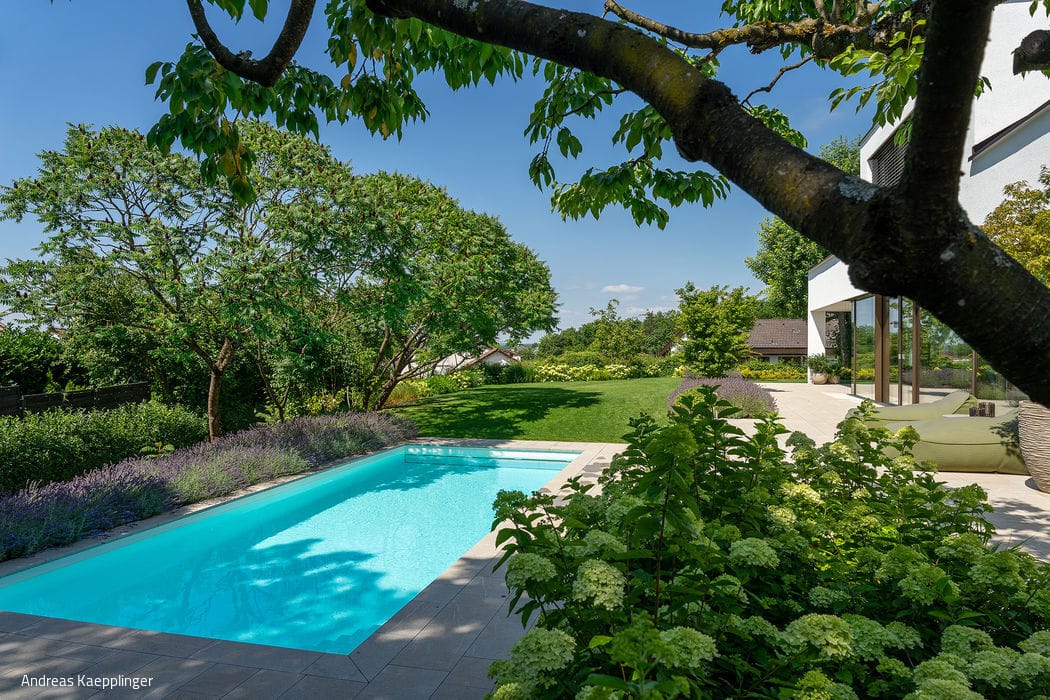
Swimming under old trees
A Family Garden for Modern Living: Productive Planting, Play Spaces, and a Swimming Pool

Reviving urban structures
Four new residential buildings reminiscent of history form a new urban quarter by the river
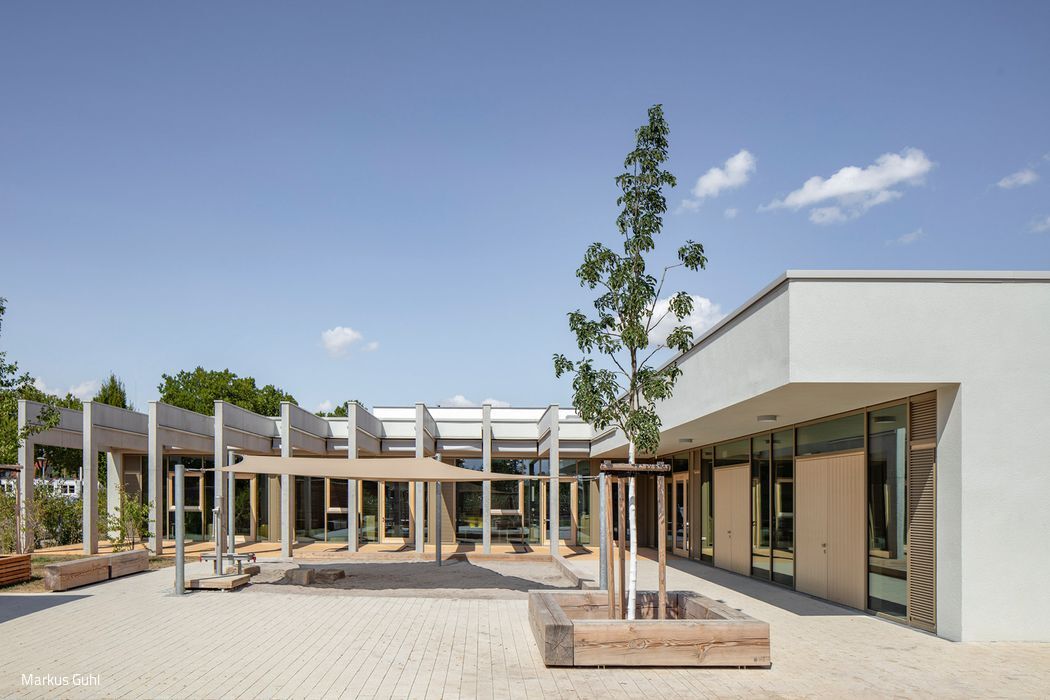
A Stage for Childhood
Filling the Gap in the "Kindergarten Mile"