


Drawing inspiration from Berlin's classical apartment buildings
A new "planted house" embraces the timeless qualities of Berlin's traditional residential architecture
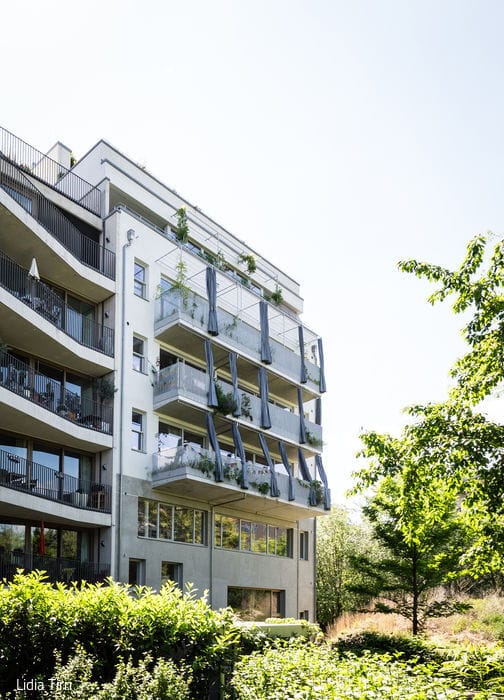
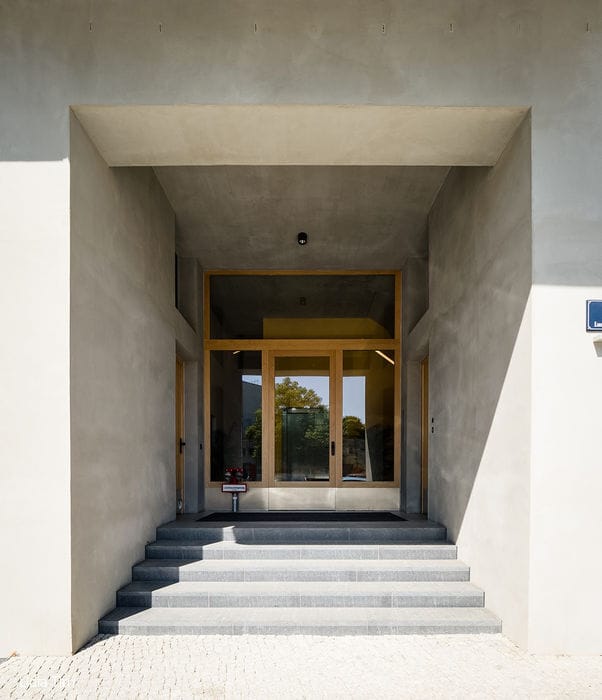
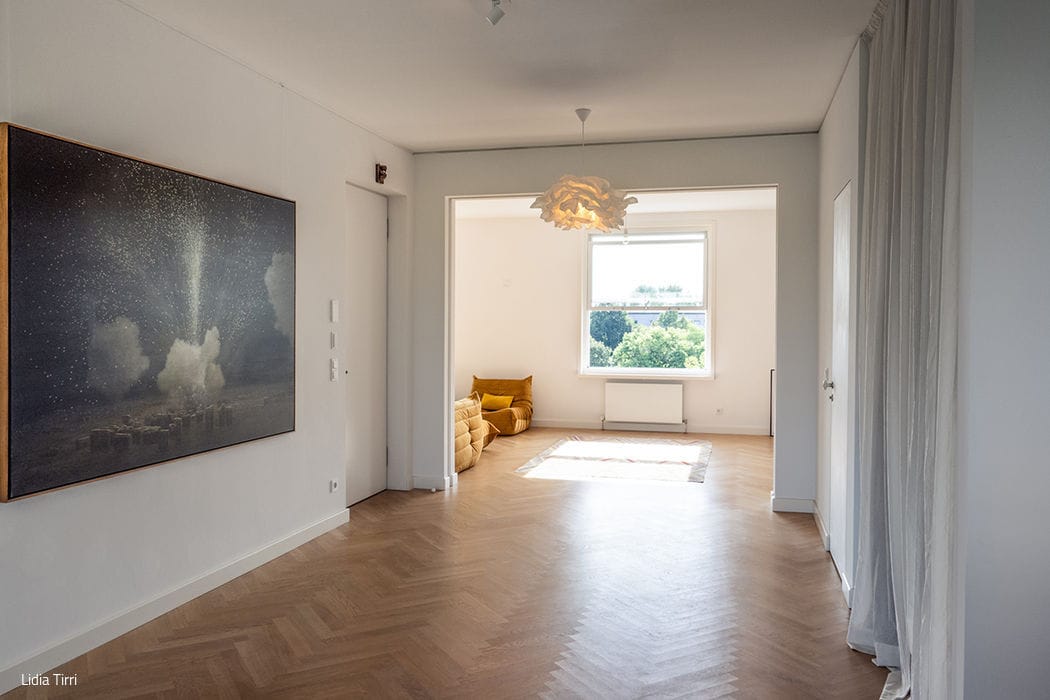
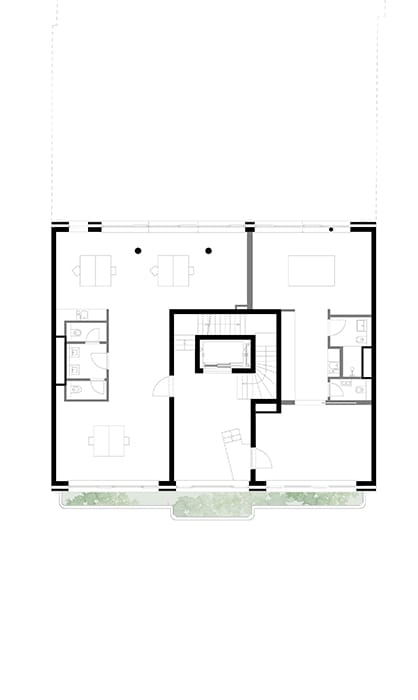
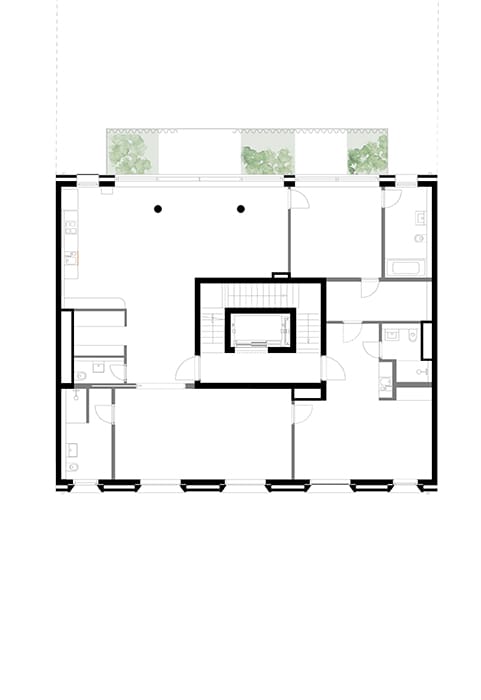
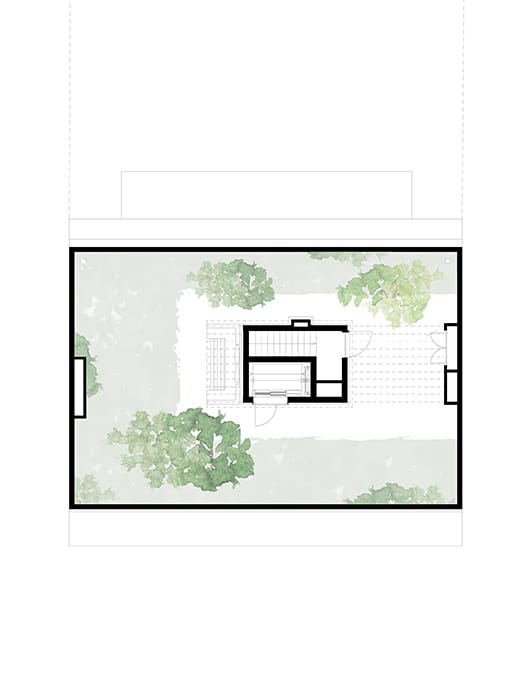
In the heart of Mitte, surrounded by contemporary developments that line the former death strip—that stark legacy of the Berlin Wall—a "planted house" has emerged on a modest 675 m² site. It's a deceptively simple concept: nature cannot be constructed overnight. It demands patience. So don't expect lush greenery just yet; the six-story structure only rose in 2019. Winter has stripped away what little foliage there is. Behind this vision stand architects Ulrike Flacke and Nina Otto, whose Berlin-based practice Flacke + Otto shaped the design.
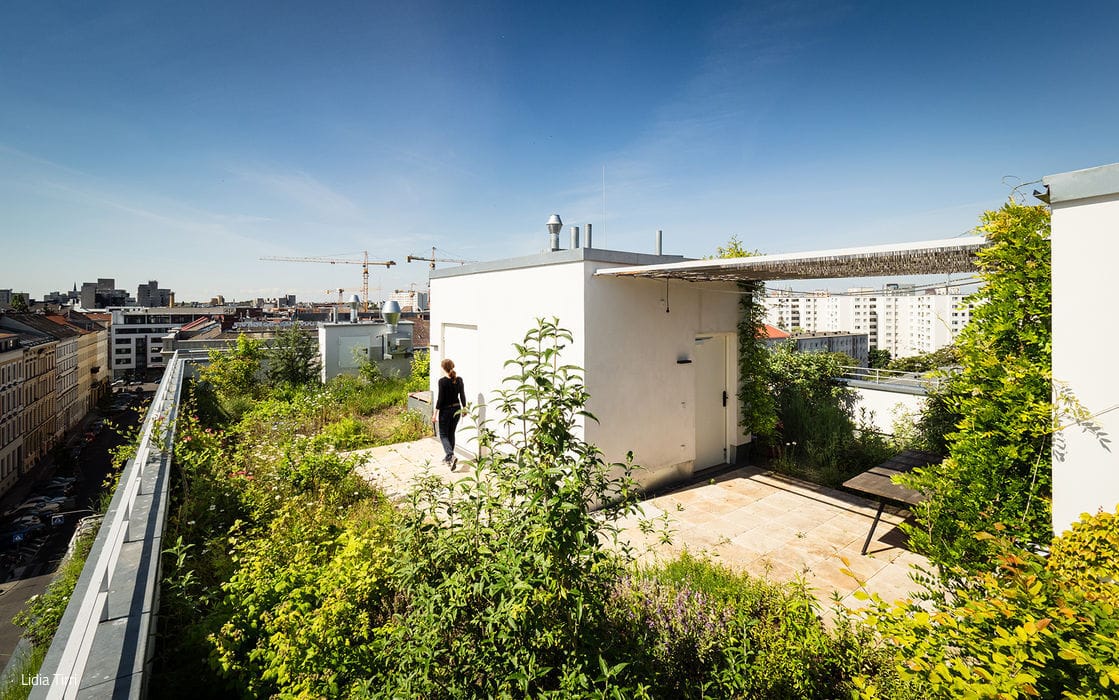
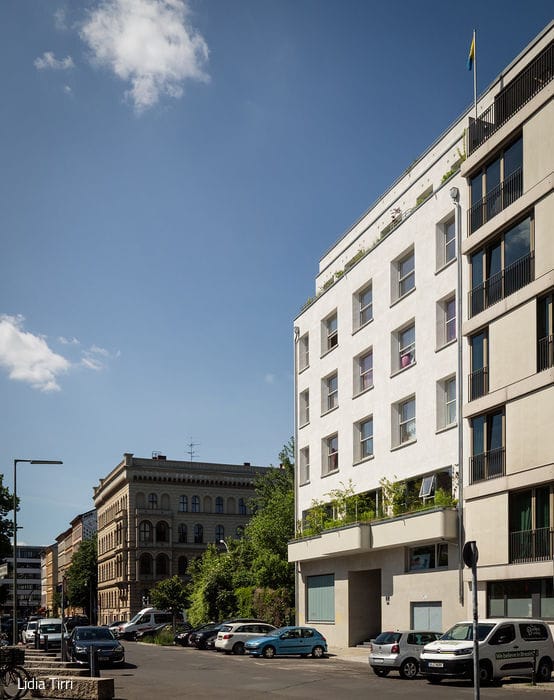
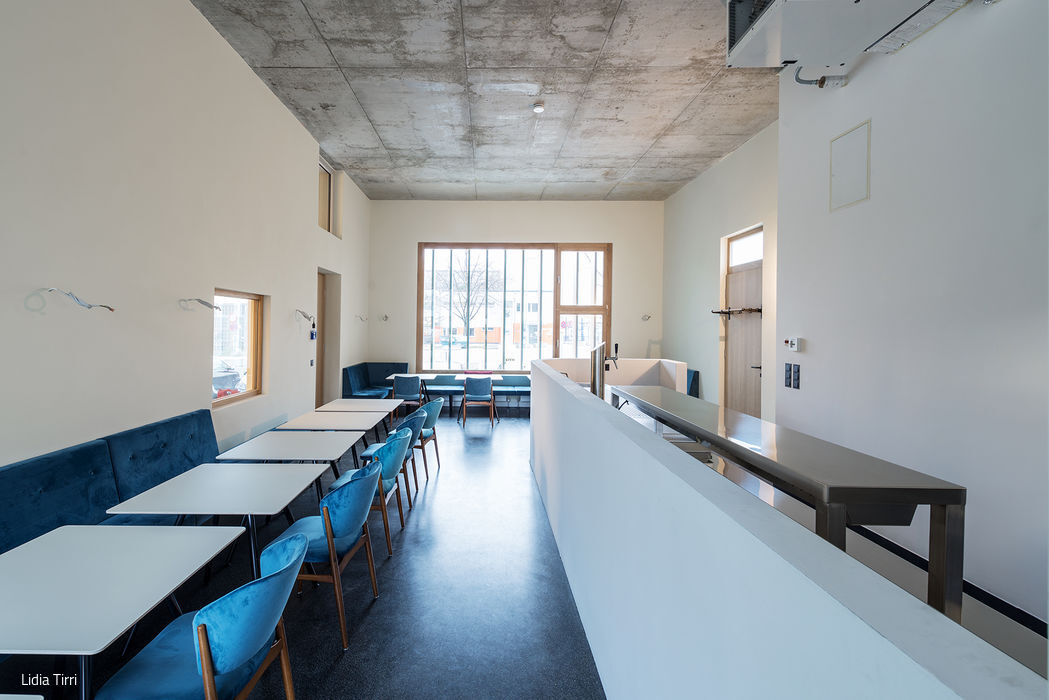
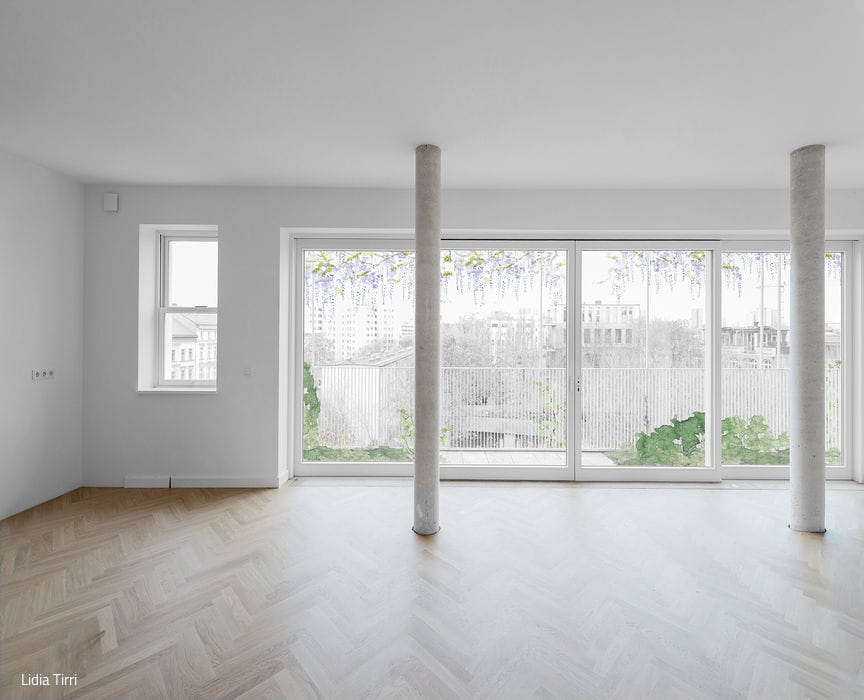
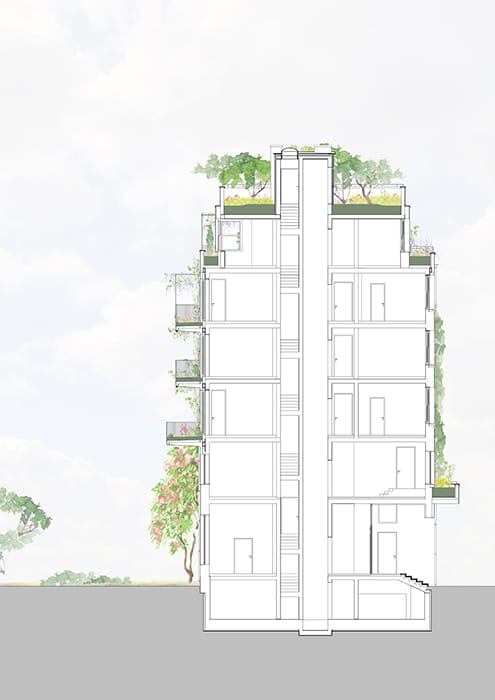
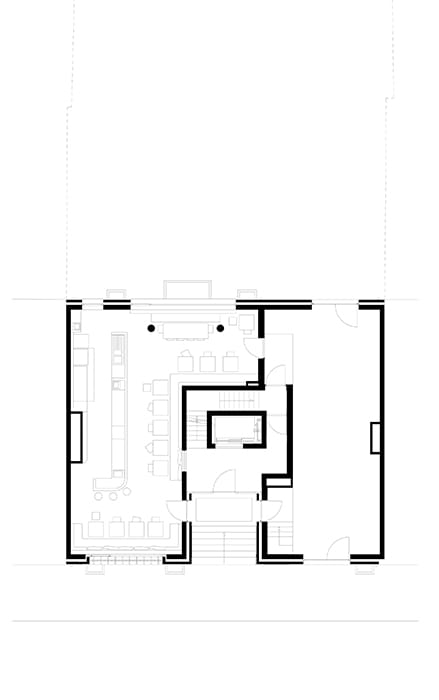
The design takes deliberate cues from Berlin's classical apartment buildings. The ground floor—generously proportioned and reserved for commercial use—sets the tone. A café occupies the left flank, its expansive windows framing views across Alfred-Döblin-Platz. The piano nobile similarly hosts offices and a studio. From street level, a handful of steps lead to a central stairwell and lift, whisking residents toward the heavily planted roof terrace that belongs to everyone. Floors 2–6 accommodate nine apartments and two guest flats, available to residents when visitors arrive. True to Berlin's classical vernacular, these residential levels enjoy the generous ceiling heights now rare in contemporary construction. The straightforward structural system allows floor plans to remain largely open and adaptable to individual needs. The architects prioritized flexibility and spatial efficiency. Solid wood materials—floors, windows, doors—define the interior, with exclusively ecological building materials used throughout.
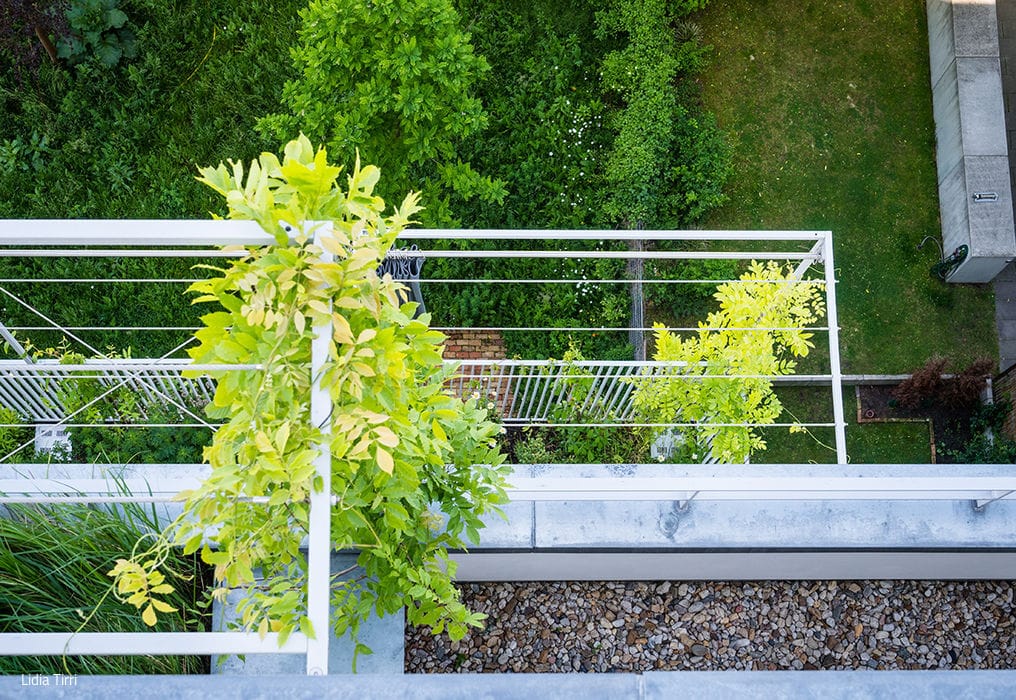
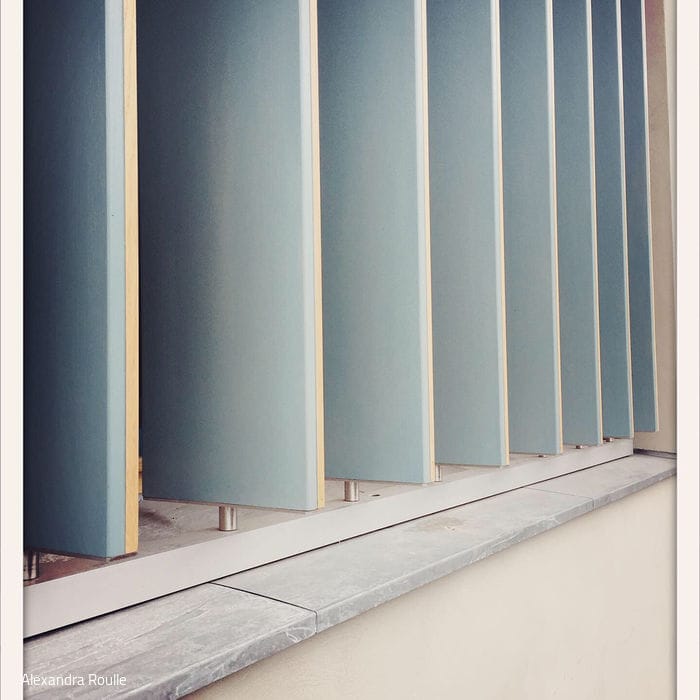
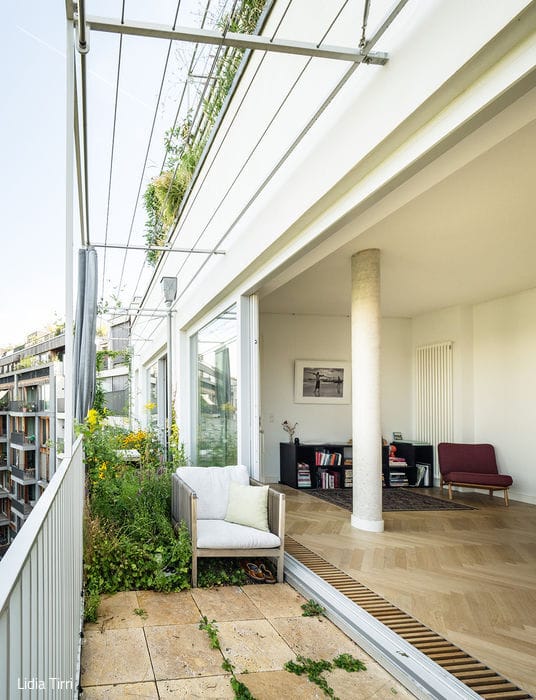
The southeastern façade facing Luckauer Strasse employs a perforated design. The rear, oriented westward toward the garden, unfolds three cantilevered balconies that stretch nearly the full width of the structure. Planters and troughs occupy every possible surface. Climbing vines already trace their way up the trellises from ground level, softening the building's thermal extremes—cooling in summer, insulating in winter—while amplifying urban evaporation to enhance the city's microclimate. Over time, the entire building will be enveloped in living greenery.
Photography Credits:
Lidia Tirri
www.tirri.de
(Featured in CUBE Berlin 04|20)
From Necessity to Virtue
An Overlooked Attic Transformed into a Refined Mansard Apartment

Evolution in time
From Historic Garages to "Café Garage"
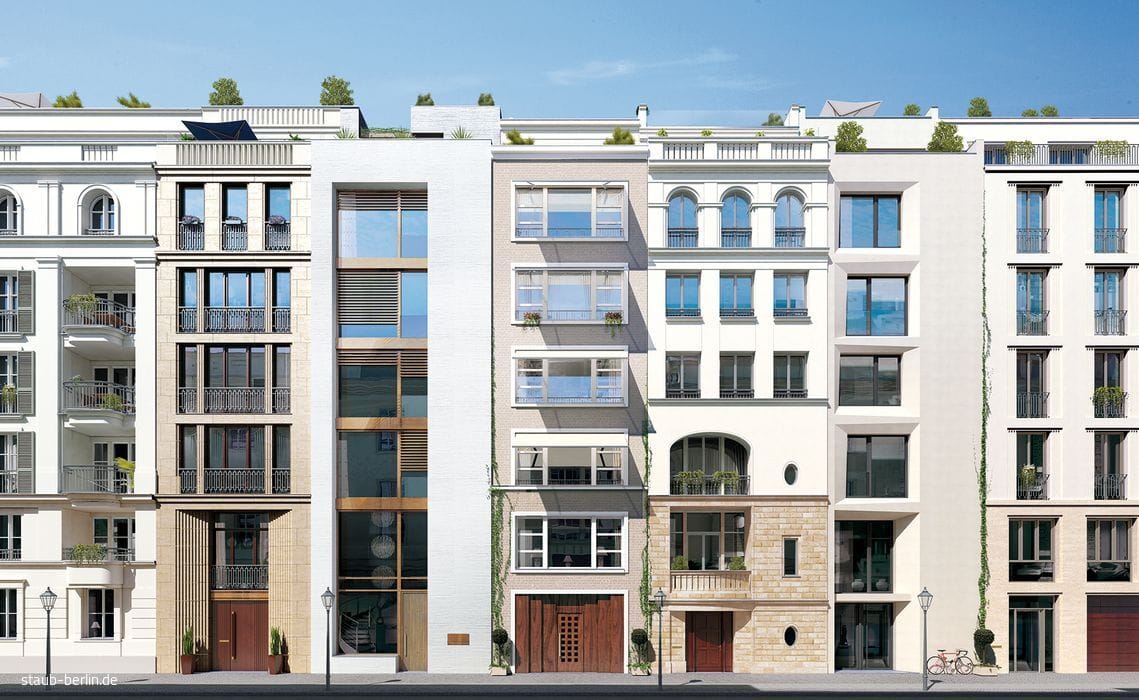
New in classic form
The Oberwallstraße townhouse earned the BDA Berlin Audience Award.
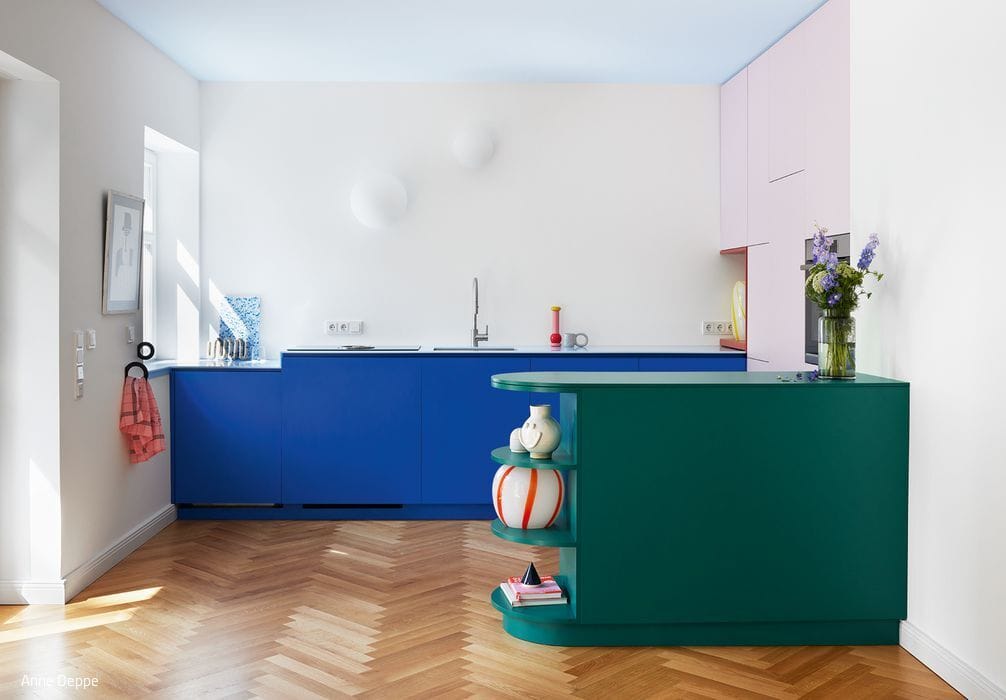
Geometric and Colourful
The furniture and room concepts created by Sina Gwosdzik and Jakob Dannenfeldt bring joy to everyday spaces.