


Back to the Future
Vintage is in – and one interior designer is capitalizing on the trend
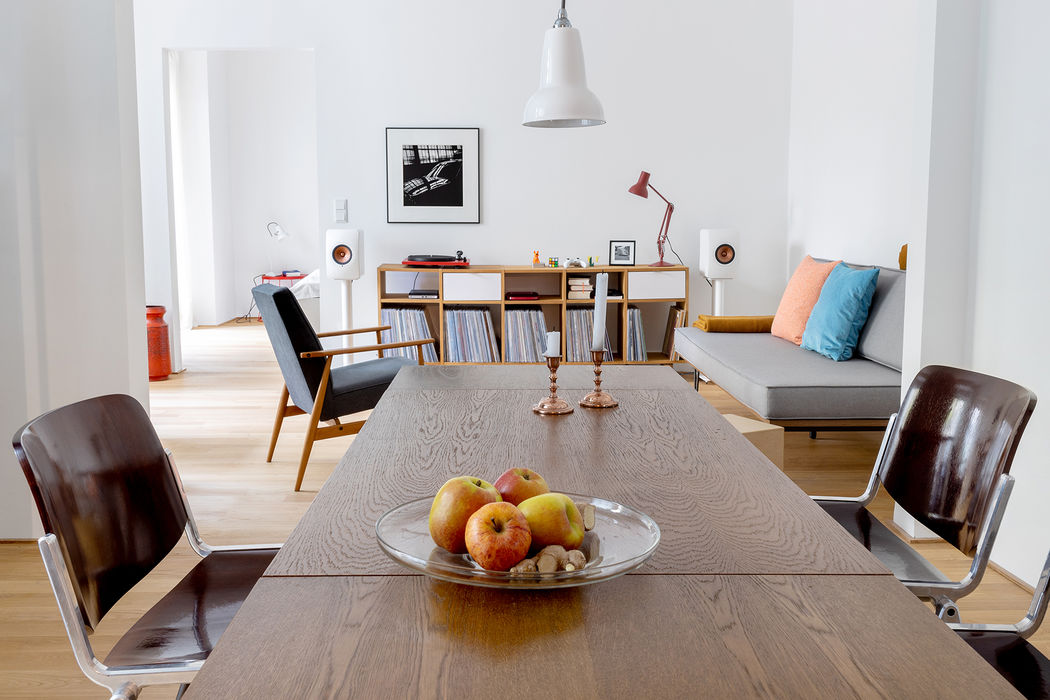


The vintage trend is thriving – designer Kirsten Wiegand and her studio fine interior have built a reputation over the past several years for transforming interiors using existing furnishings. In some projects, all furniture and objects stay in place, simply repositioned and refreshed through strategic color choices – whether on walls, floors, or accessories. Others involve outfitting rooms almost entirely with carefully curated vintage pieces.
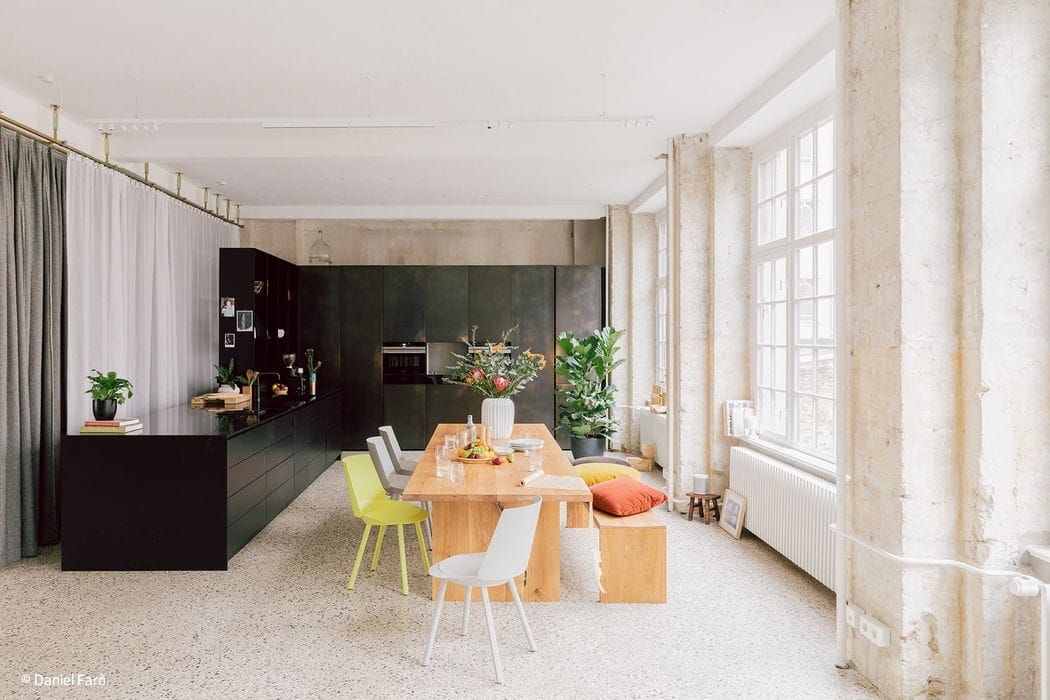
A recent project best illustrates Wiegand's approach: a client who spends only occasional time in Berlin commissioned her to furnish an apartment – he preferred having his own space to staying in hotels. The project's distinctive challenge: the still-under-construction apartment was comprised of two former garages the owner had gutted and equipped with essential utilities (electricity, water, heating). Wiegand employed her signature method: asking probing questions to understand exactly what the client envisioned. Armed with this insight, she developed a clear concept, which she refined in close collaboration with the owner. The result? A perfect match to his taste.
Beyond the sleek, modern kitchen and bathroom, she created two flowing rooms delineated by drywall partitions following a carefully planned layout. The outcome: a welcoming, functional home. Drawing on her textile design background, Wiegand practices what she calls "mindful interior design." The client's vision centered on music, playful atmosphere, and familiar accessories from home – all essential to his comfort. Her concept encompassed floor planning, spatial layout, material selection, and defining the apartment's aesthetic and character, culminating in sourcing and acquiring the perfect furnishings. The result is refined, understated design that doesn't try too hard. Despite its courtyard location, the apartment radiates light and warmth. Past and present coexist beautifully.
Photography Credits:
Robert Lehmann
www.lichtbilder-berlin.de
(Featured in CUBE Berlin 04|22)


Exclusive Architect's Villa at the Forest Edge
A Modern, Energy-Efficient Residential Gem Near Berlin
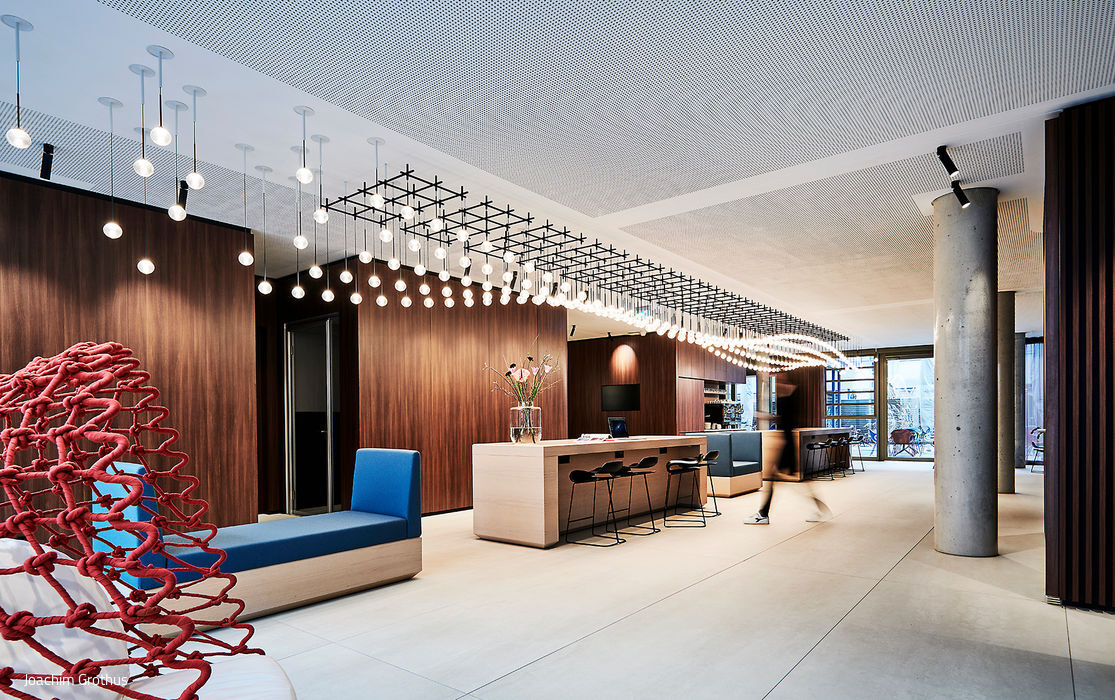
Form Follows Function
The interior design strategy for this eight-storey office building placed networking and collaboration at its core.
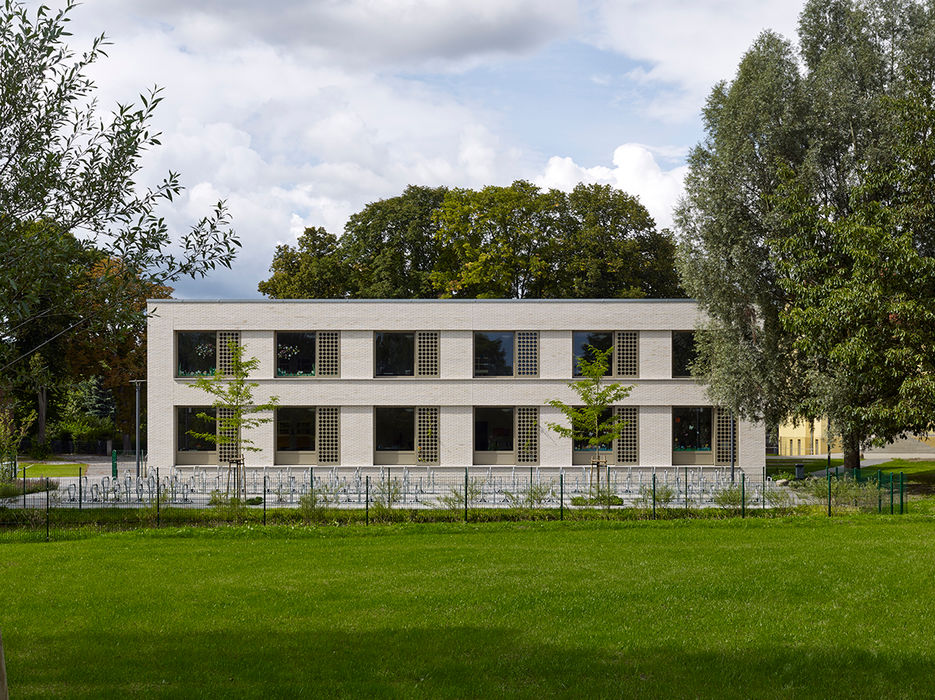
Versatile, Flexible, Transformable
Primary School Extension in Zepernick
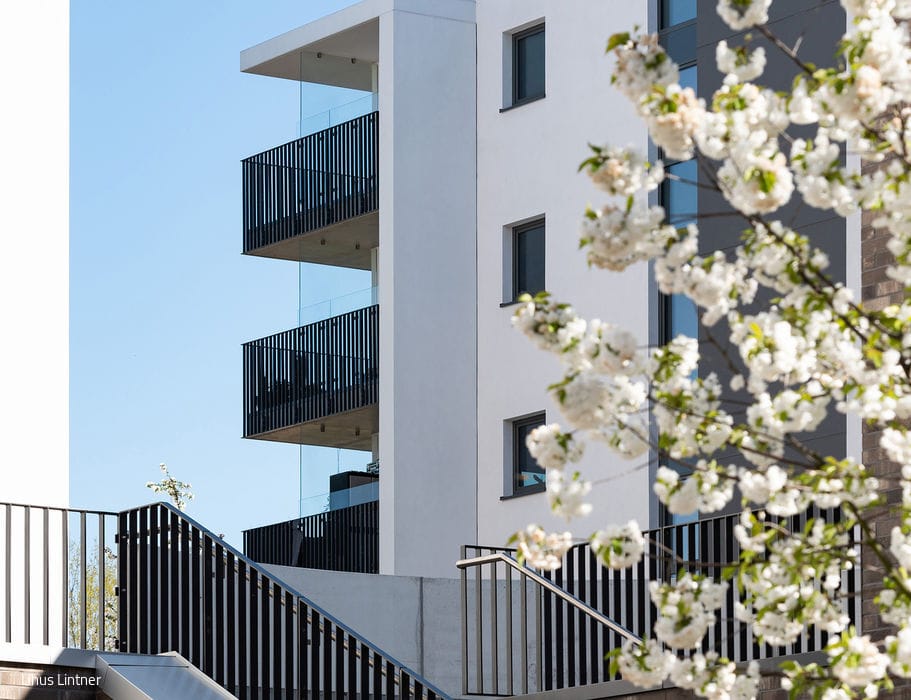
Platinum Recognition: Neu Schöneberg
Sustainable neighbourhood expansion: housing, retail, childcare, and fitness