


Where Village Meets City
A 270-year-old farmstead renewed for generations—and thoughtfully expanded.
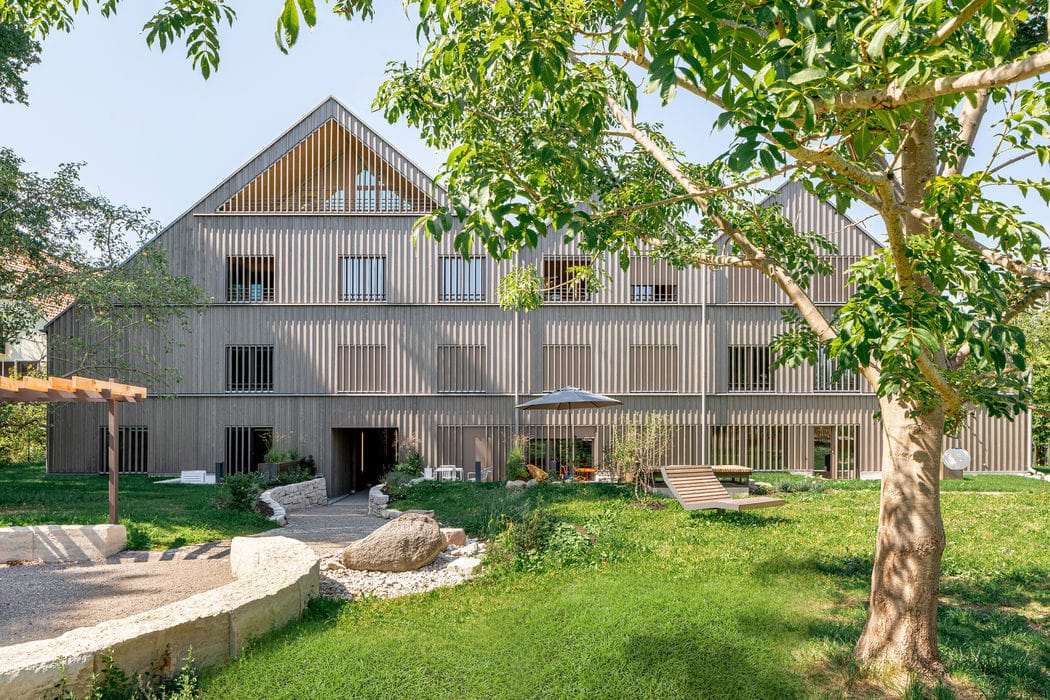
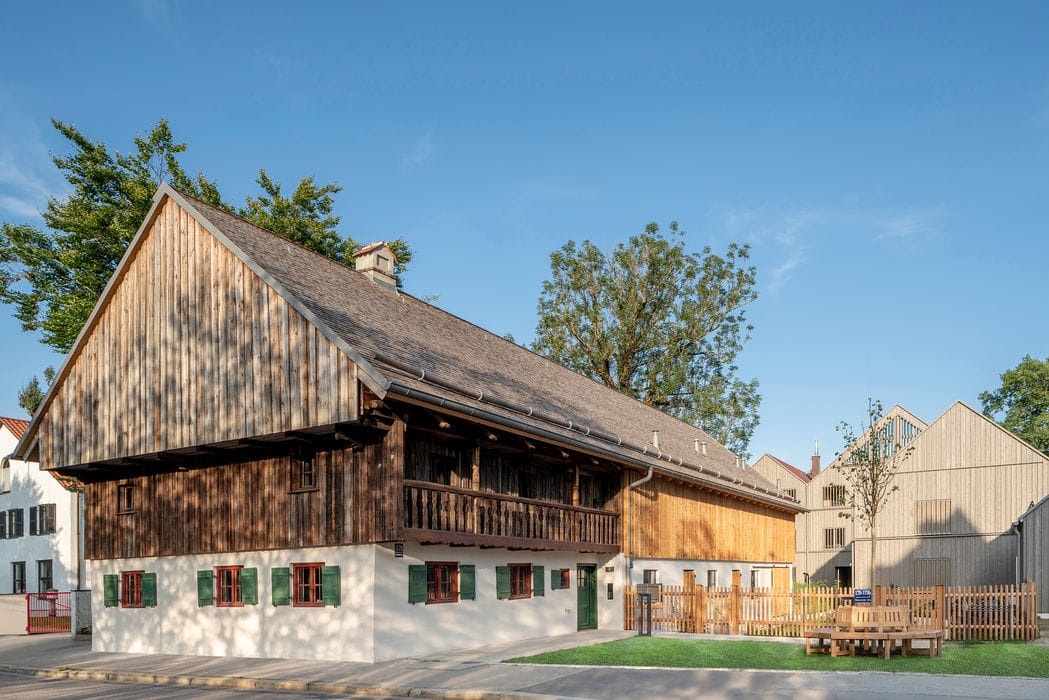
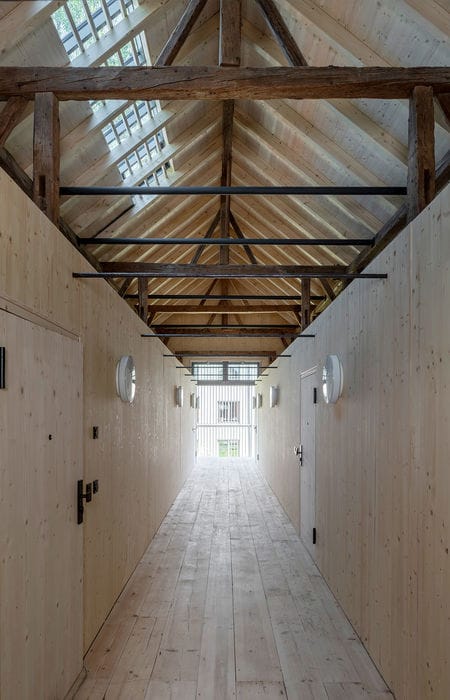

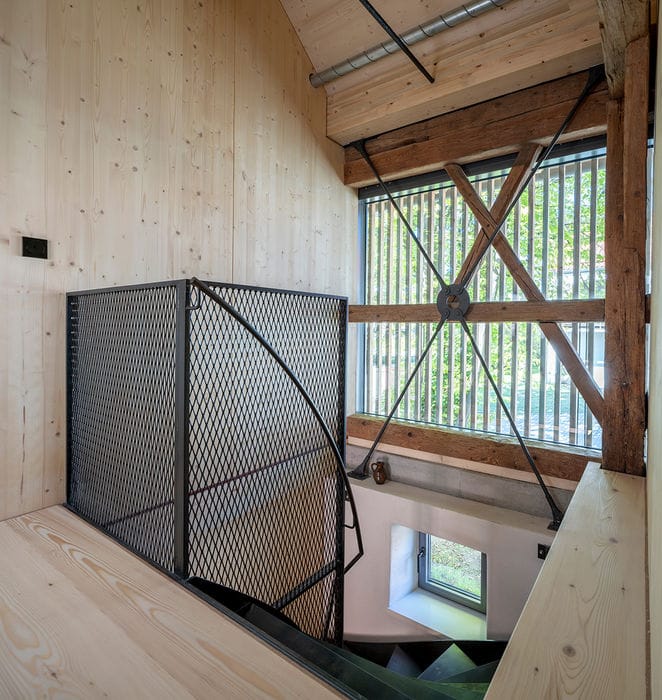
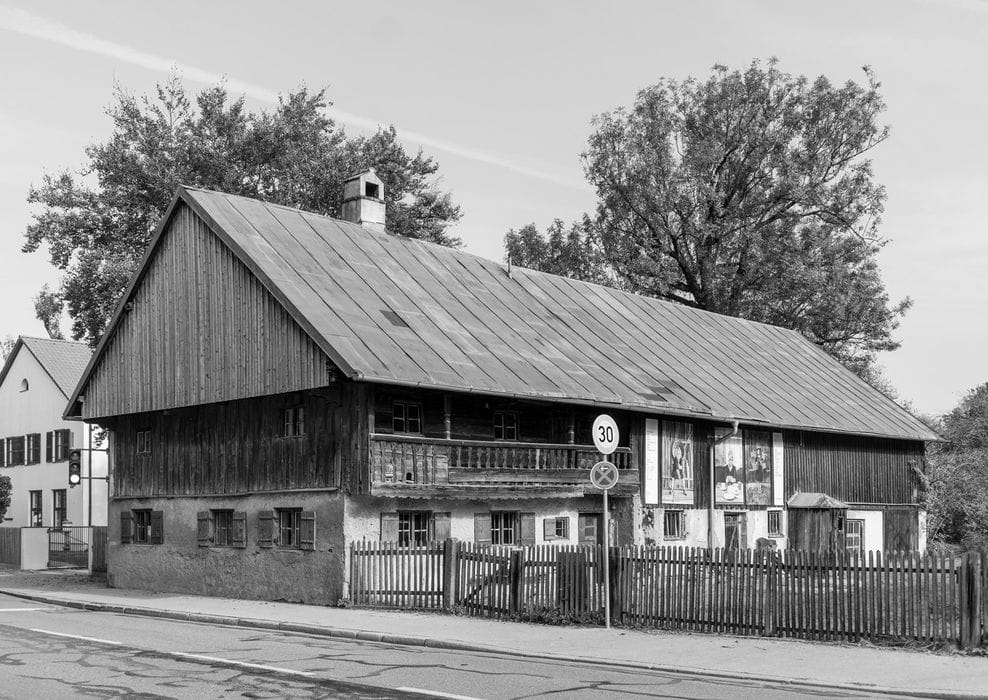
Der älteste noch erhaltene Bauernhof im Bereich des Münchner Stadtgebiets steht seit 1751 in Forstenried – der Derzbachhof. Der denkmalgeschützte Hof stand 40 Jahre leer. Er gehört zum historischen Dorfkern mit Kirche, Gasthof und Schule von Alt-Forstenried – das absolute ländliche Idyll. Der Bauernhof steht sehr nah an der später gebauten Dorfstraße, es bleibt nur Platz für einen schmalen Bürgersteig. So ist die Situation, wie sie bisher war.
Nach dreijähriger Bauzeit wurde vor Kurzem der neue Derzbachhof eingeweiht. Der Immobilienentwickler Euroboden hatte den Hof samt Grundstück erworben und gemeinsam mit dem Münchner Architekten Peter Haimerl die Konzeption für die Sanierung und den Umbau des Hofes sowie für die ehemaligen Stallungen und den Neubau auf dem Grundstück hinter dem Bestandshaus entworfen. Das Duo, Stefan Höglmaier als Bauherr und Peter Haimerl als Architekt, hat ein ähnliches Projekt vor einigen Jahren schon einmal gemeinsam gestemmt: 2015 retteten sie das Schusterbauerhaus in Riem mit einer spektakulären Intervention.
Beim Derzbachhof hatte zunächst der Erhalt des historischen Dorfkerns oberste Priorität. Die Generalplanung des Projekts hat das Büro raumstation aus Starnberg durchgeführt. Für das Bestandsgebäude wurde ein spezielles Nutzungskonzept entwickelt. In enger Zusammenarbeit mit dem Denkmalschutz wurde mit der alten Bausubstanz so schonend wie möglich umgegangen.
Der Platz vor dem Hof wurde im September 2022 als Vorplatz, der gerne öffentlich genutzt werden darf, zur Verfügung gestellt. Die Stuben des historischen Bauernhauses können von den Bewohner:innen für gemeinschaftliche Zwecke und Tätigkeiten genutzt werden – zum Feiern, gemeinsames Kochen und Arbeiten. Auch gibt es hier ein Gästezimmer mit Ankleide und Bad. Dies kommt wiederum den Wohnungsgrundrissen zugute: Das Sharing-Modell spart Wohnflächen ein, da Gäste- und Arbeitsflächen nicht mit eingeplant werden müssen. Selten benutzte Räume sind sozusagen ausgelagert. Im Rahmen der denkmalgerechten Sanierung konnten im alten Bauernhof mit Stall und Stadel auch noch drei Maisonettewohnungen und ein Studioapartment untergebracht werden.
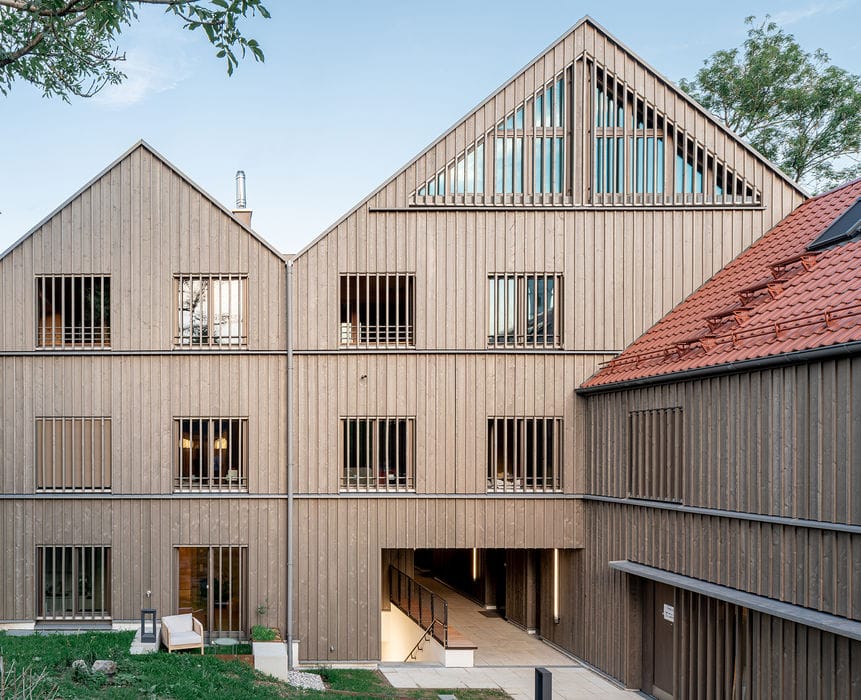
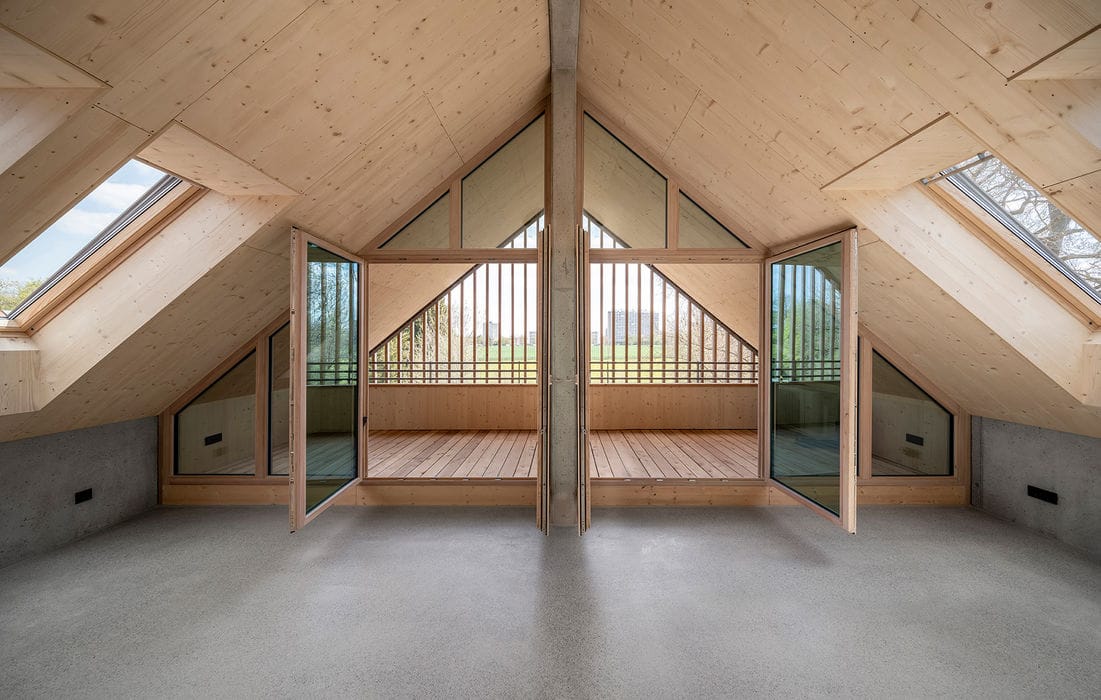
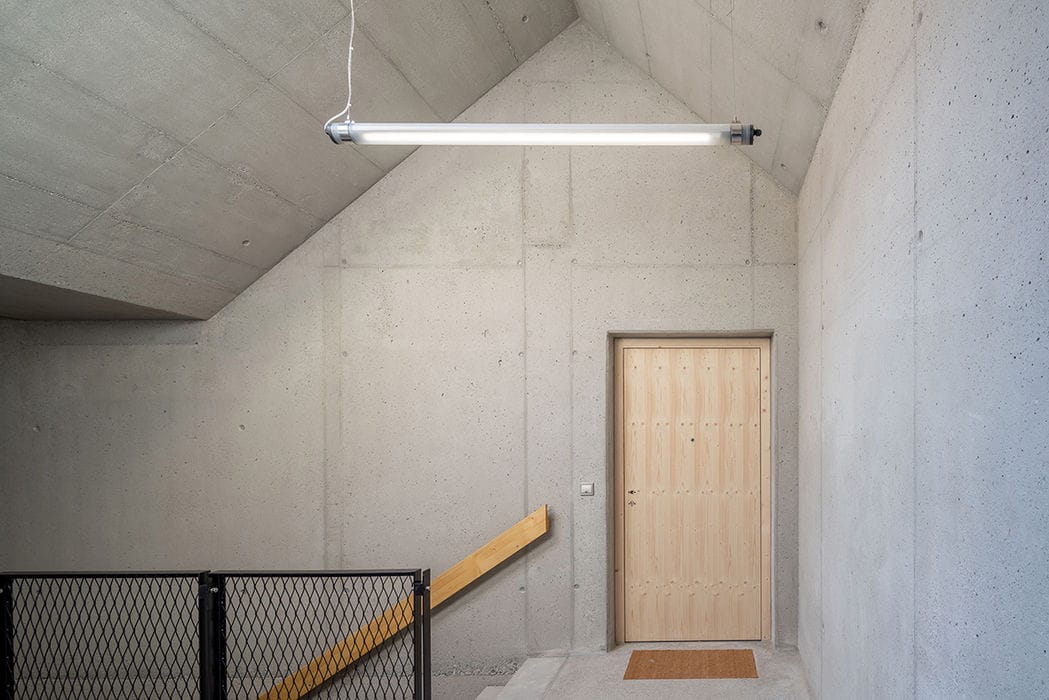
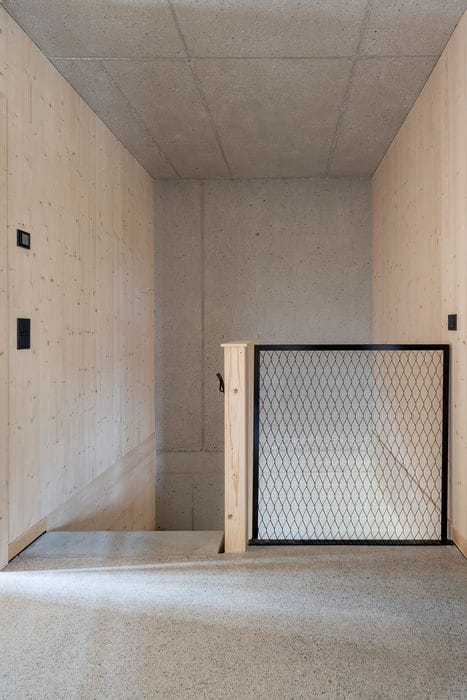
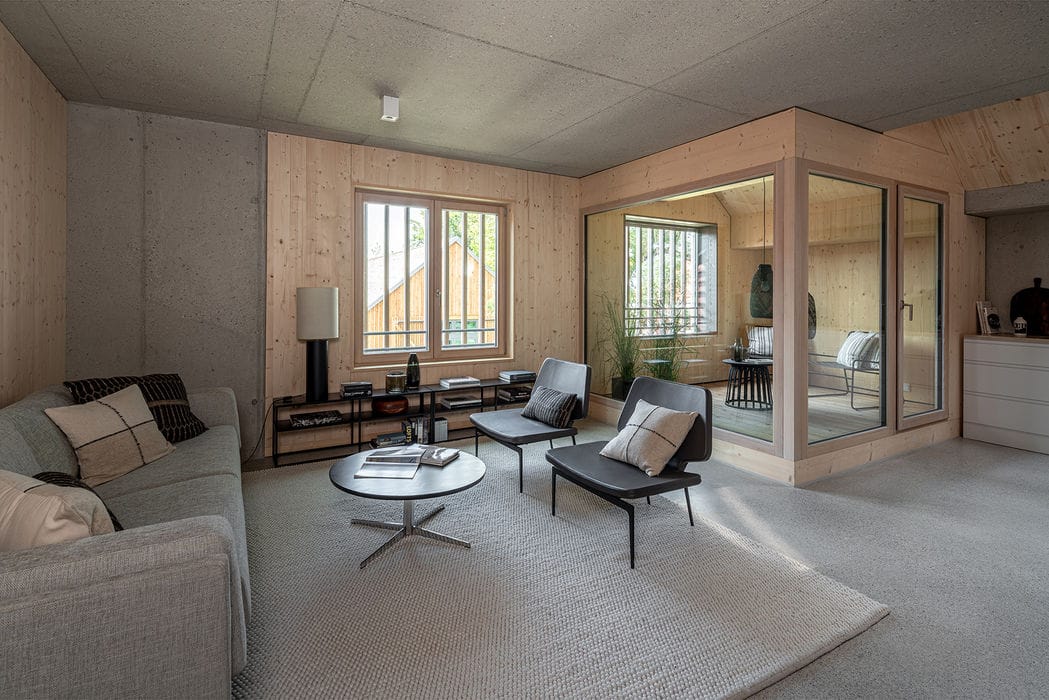
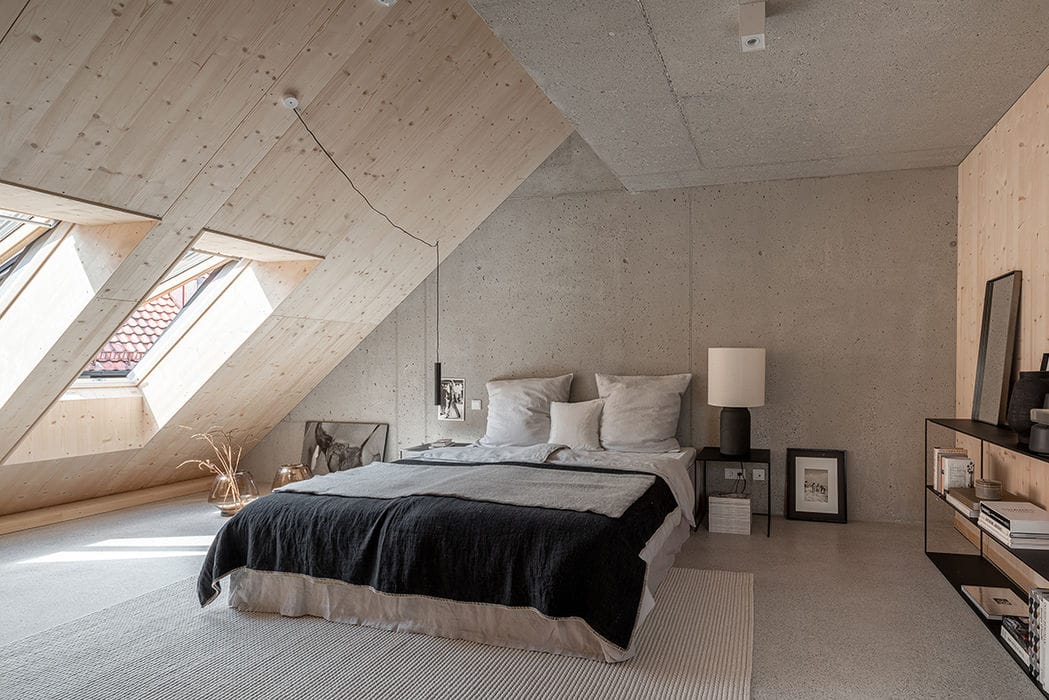
Der Neubau, der sich hinter dem Bauernhof anschließt, ist gekennzeichnet durch die Lattung, die alle Häuser, die nun den erweiterten Derzbachhof ausmachen, wie eine Schutzhülle umgibt. Vertikale Latten aus Lärchenholz bilden eine leichte vorgehängte Fassade mit einem sehr hohen Dämmwert. Die einzelnen Lamellen sind in einem gewissen Abstand zueinander angeordnet. Die durchgehende Holzfassade erinnert so an das vertraute Bild landwirtschaftlicher Wirtschaftsgebäude. Der virtuos gestaltete Baukörper mit drei spitzen, ziegelgedeckten Satteldächern lässt die Assoziation einzelner dörflicher Häuser zu. Der Neubau ist ein Holzhybridbau mit einem Stahlbetonskelett und einer Holzfassade. Hier entstanden auf einer Wohnfläche von 1.560 m² zehn Gartenwohnungen, zwei Etagenwohnungen und fünf Dachwohnungen mit Größen zwischen zwei und fünf Zimmern. Die Ausstattung ist – dem Ensemble angemessen – modern, aber nicht überladen, sondern auf gewisse Weise karg: Geglätteter Beton, sichtbares Holz und rote Tonfliesen.
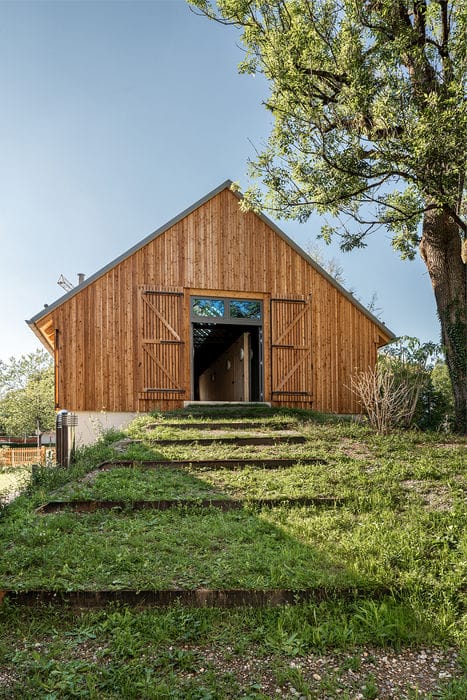
Im hinteren Bereich des Grundstücks liegt der großzügige Garten mit Teich, Spiel- und Gerätehaus, Holzliegen, Gemüsegarten, einem Grillplatz und einer Obststreuwiese, einladend gestaltet von der Landschaftsarchitektin Carmen Lefeber. Für Wärme sorgt eine Fußbodenheizung, gespeist durch eine vollautomatische Holzpelletsheizanlage. Insgesamt ist der Derzbachhof ein Projekt mit großer Nachhaltigkeit und einer ebenso hohen Ökobilanz.
www.raumstation-architekten.de
Photography Credits:
Thomas Weinberger
www.thomas-weinberger.de
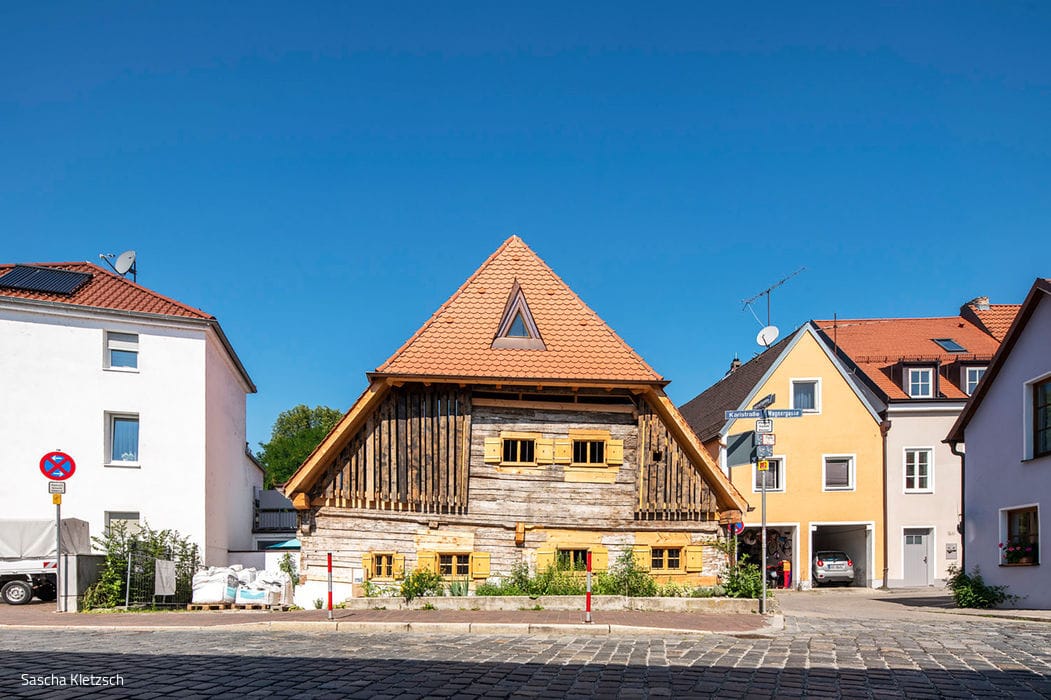
A Testament to Permanence
A 536-Year-Old Timber House Restored to Life
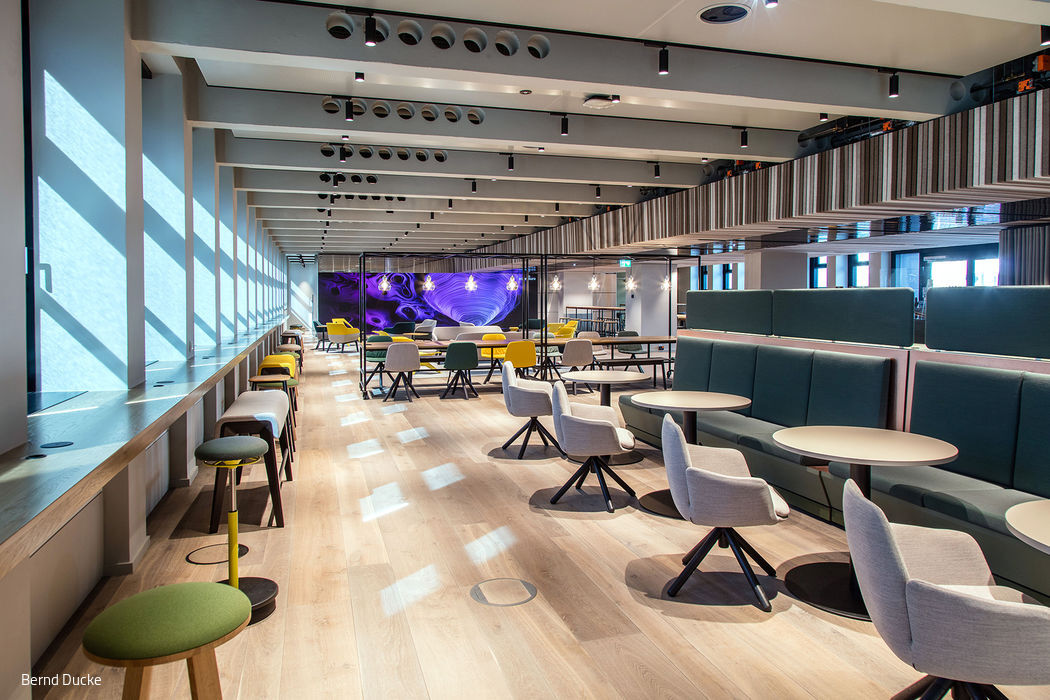
The Future Starts Here
A consulting firm's new workspaces showcase captivating colour and material design
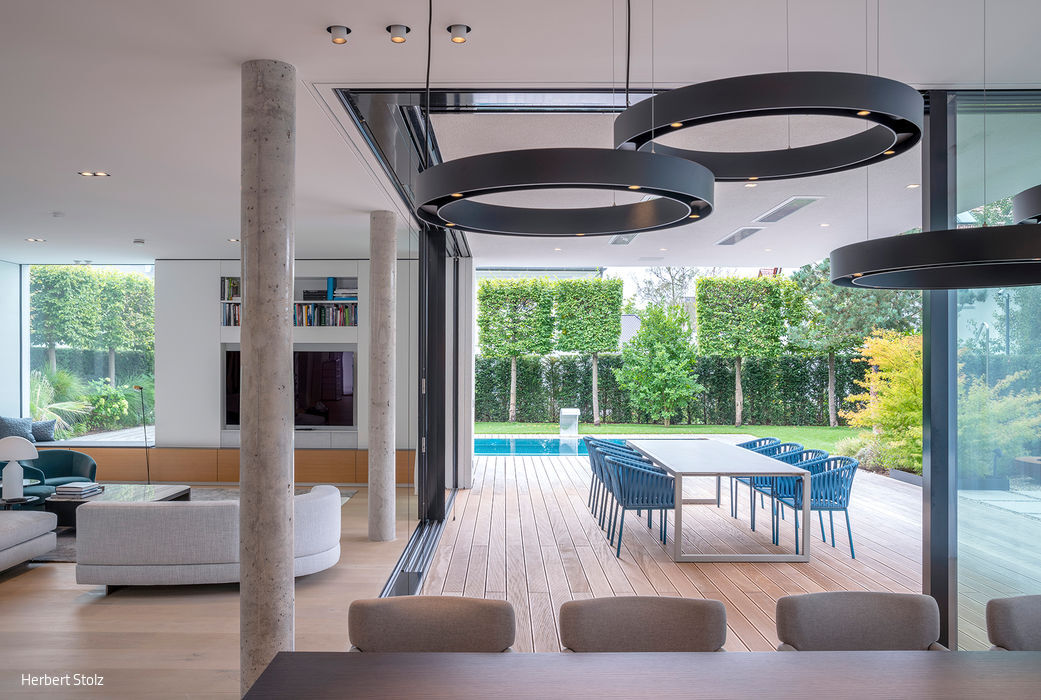
Stone Leporello
Purist Avant-Garde in the Tradition of Classical Modernism
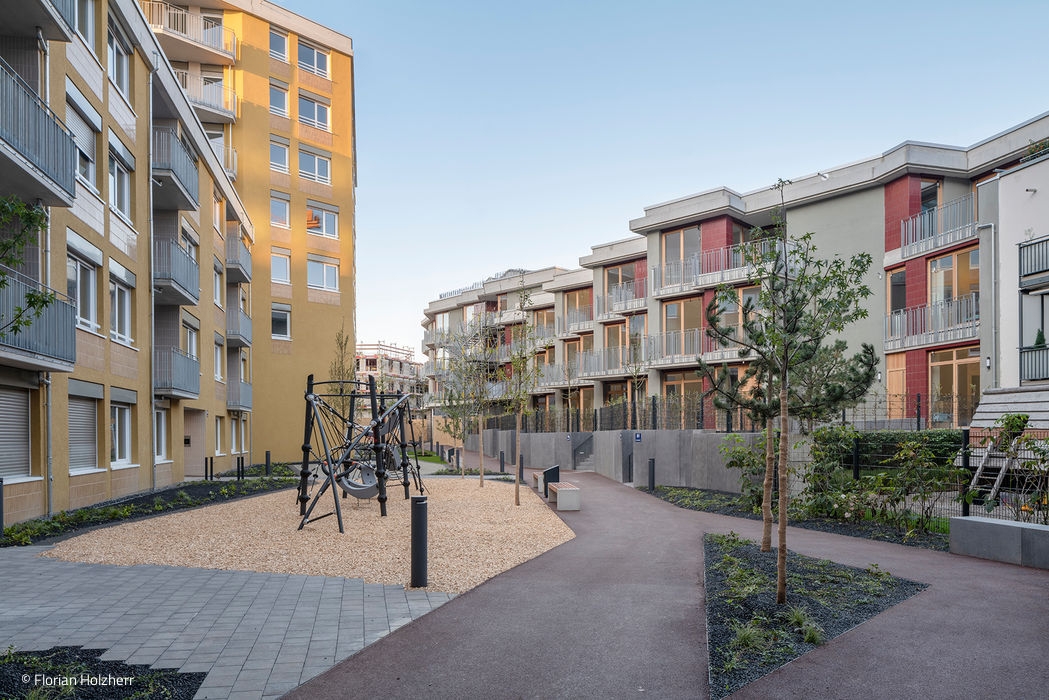
Mediterranean Spirit
Urban district replaces former industrial estate