


A High-Maintenance Icon
The Einstein Tower in Potsdam: Yet Another Complete Restoration
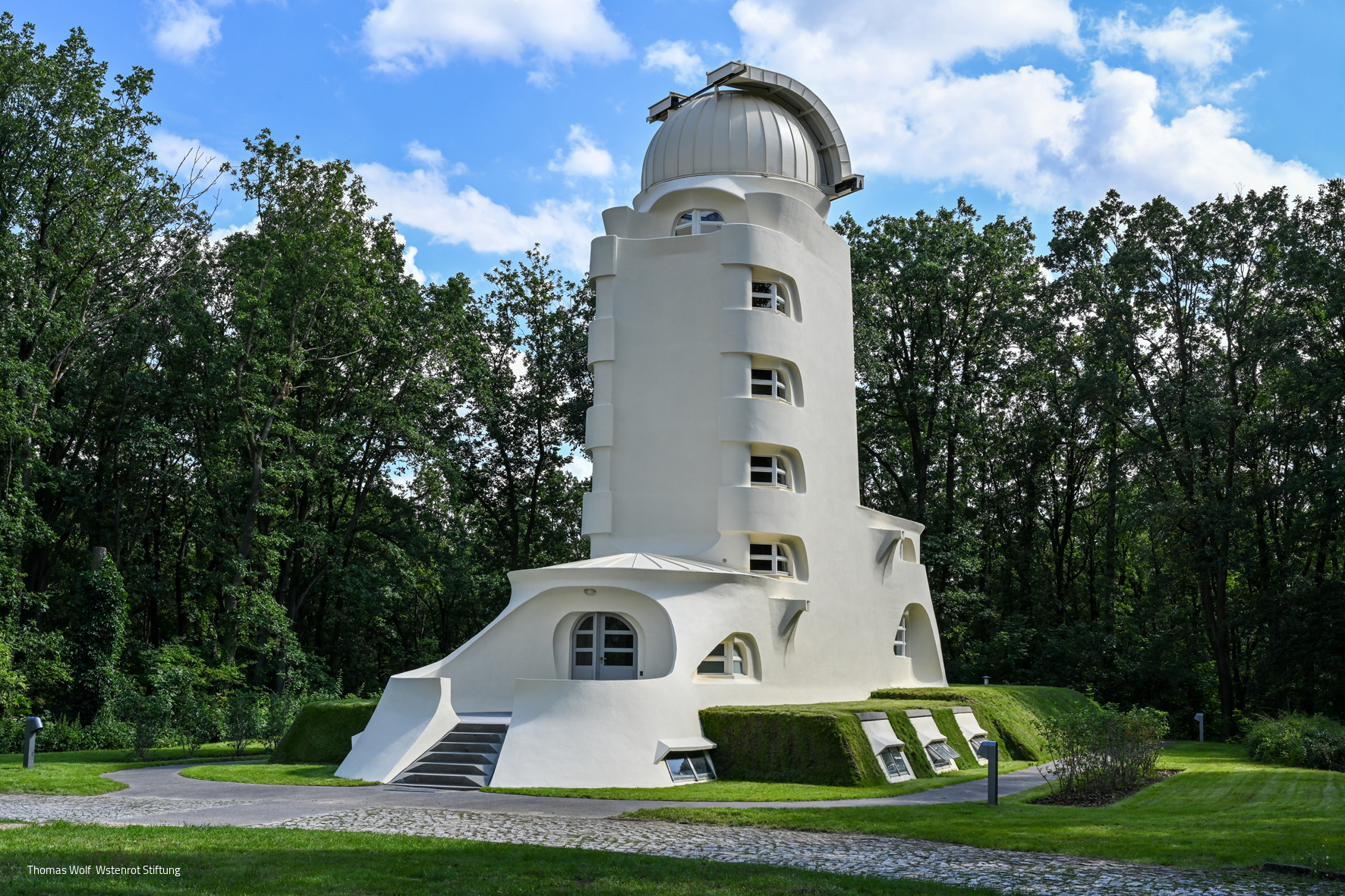


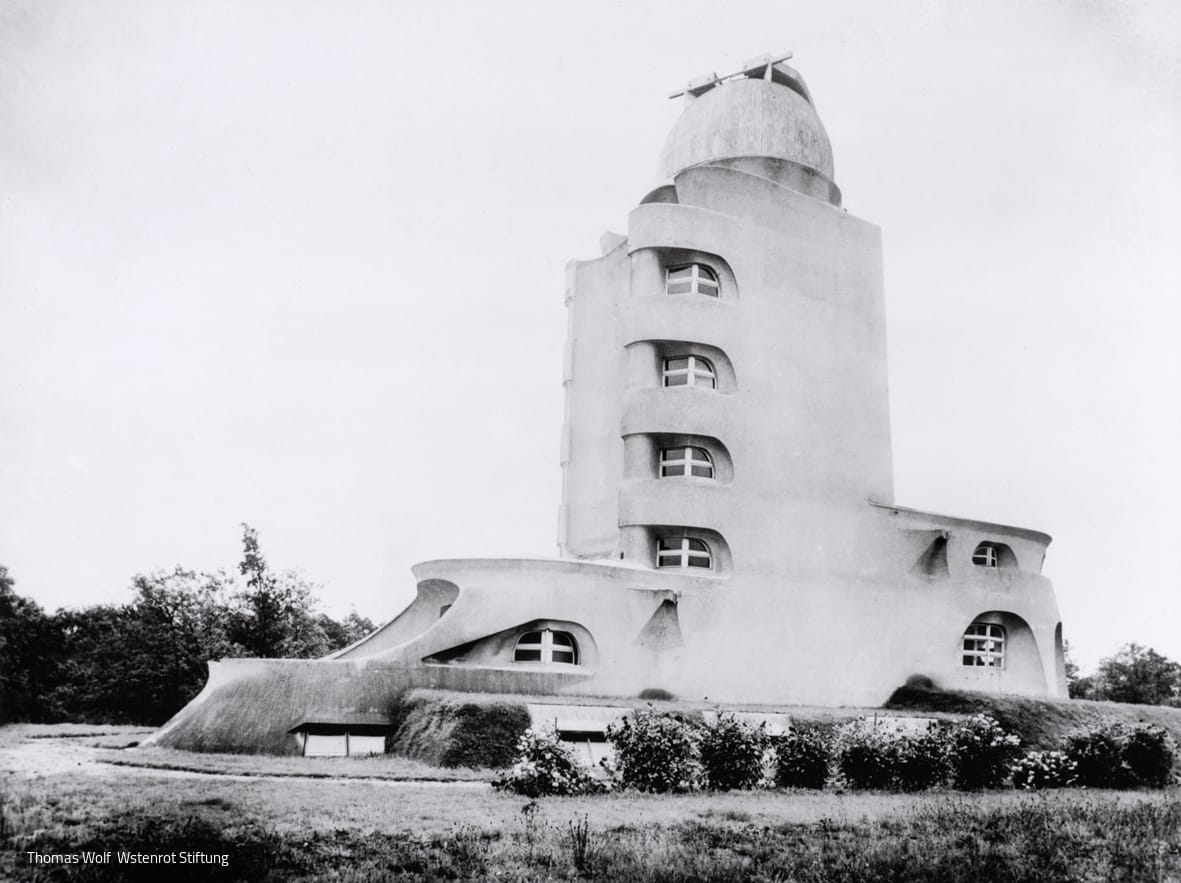


Die Geschichte des Einsteinturms ist die seiner Instandsetzungen. Schon drei Jahre nach seiner Fertigstellung, 1924, musste er die erste größere Reparatur über sich ergehen lassen. Inzwischen hat es acht weitere Sanierungen gegeben, die letzte, sozusagen zu seinem 100. Geburtstag, wurde vor Kurzem abgeschlossen. Wäre der Turm nicht eine Ikone der Architektur des 20. Jahrhunderts, wäre er aufgrund seiner konstruktiven Mängel wohl längst abgerissen worden. Das unter dem Namen „Einsteinturm“ weltweit bekannte Bauwerk war das Erstlingswerk des noch völlig unbekannten Architekten Erich Mendelsohn und zugleich ein sehr herausforderndes Ausnahmeprojekt: Ein Turmteleskop, 15 Meter hoch, mit 2 Metern Durchmesser und oben mit einer Kuppel von 1,5 bis 2 Metern Durchmesser, wie der Auftraggeber, der Astronom Erwin Finlay Freundlich, dem jungen Architekten aufgetragen hatte. Der Zweck des Gebäudes sollte sein, Einsteins Relativitätstheorie anhand praktischer Experimente zu überprüfen. Es lässt sich sagen, dass Mendelsohn zwar inhaltlich den Anforderungen weitgehend nachkam, praktisch aber seiner Phantasie freien Lauf lies. Und das ist auch das bis heute so Faszinierende an diesem ungewöhnlichen Baukunstwerk: Der Architekt entwickelte eine durch und durch visionäre Formensprache, die dem Credo der jungen Moderne und dem Bauhaus diametral entgegengesetzt war. Der Rest ist Geschichte – wie gesagt – Restaurationsgeschichte. Der Turm sollte das erste Bauwerk sein, mit dem die plastischen Möglichkeiten des Betons demonstriert werden konnten. Darüber, aus welchen Gründen genau das nicht passierte, gibt es unterschiedliche Überlieferungen. Materialmangel nach dem Ersten Weltkrieg ist eine Version: Stahl und Beton seien damals rationiert gewesen. Fest steht, dass Mendelsohn einen Turm aus Ziegeln im Untergeschoss und einen Turmkörper in Mischbauweise aus Stahlbeton und Backstein baute. Für die Schalungen liess er den Bau mit Tonnen von Zementputz überziehen, damit es wie Beton aussah. Seit damals ist und bleibt der Turm ein „Pflegefall“. Mit der jüngsten Restaurierung wurde das Architekturbüro Kühn von Kähne und Lange aus Potsdam betraut. Einer der Schwerpunkte des Büros liegt im Bereich der Denkmalpflege und im Bauen im historischen Bestand. Die Wüstenrot-Stiftung, die bereits die Instandsetzung vieler Gebäude der jüngeren Architekturgeschichte finanziell unterstützt hat, machte für ihre Beteiligung zur Bedingung, dass der Turm weiterhin wissenschaftlich genutzt wird. Nach wie vor dient der Bau dem Leibnitz-Institut für Astrophysik zu Forschungszwecken.
Photography:
Thomas Wolf, © Wüstenrot Foundation
(Published in CUBE Berlin 04|23)

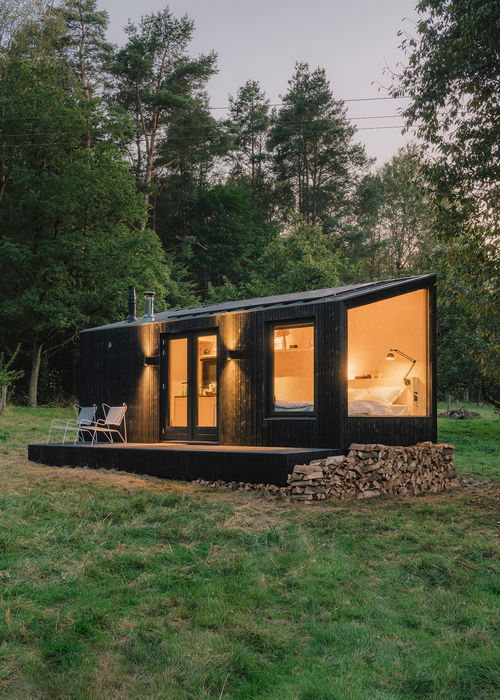
Nature as Retreat
Shared Retreats for the Urban Weary
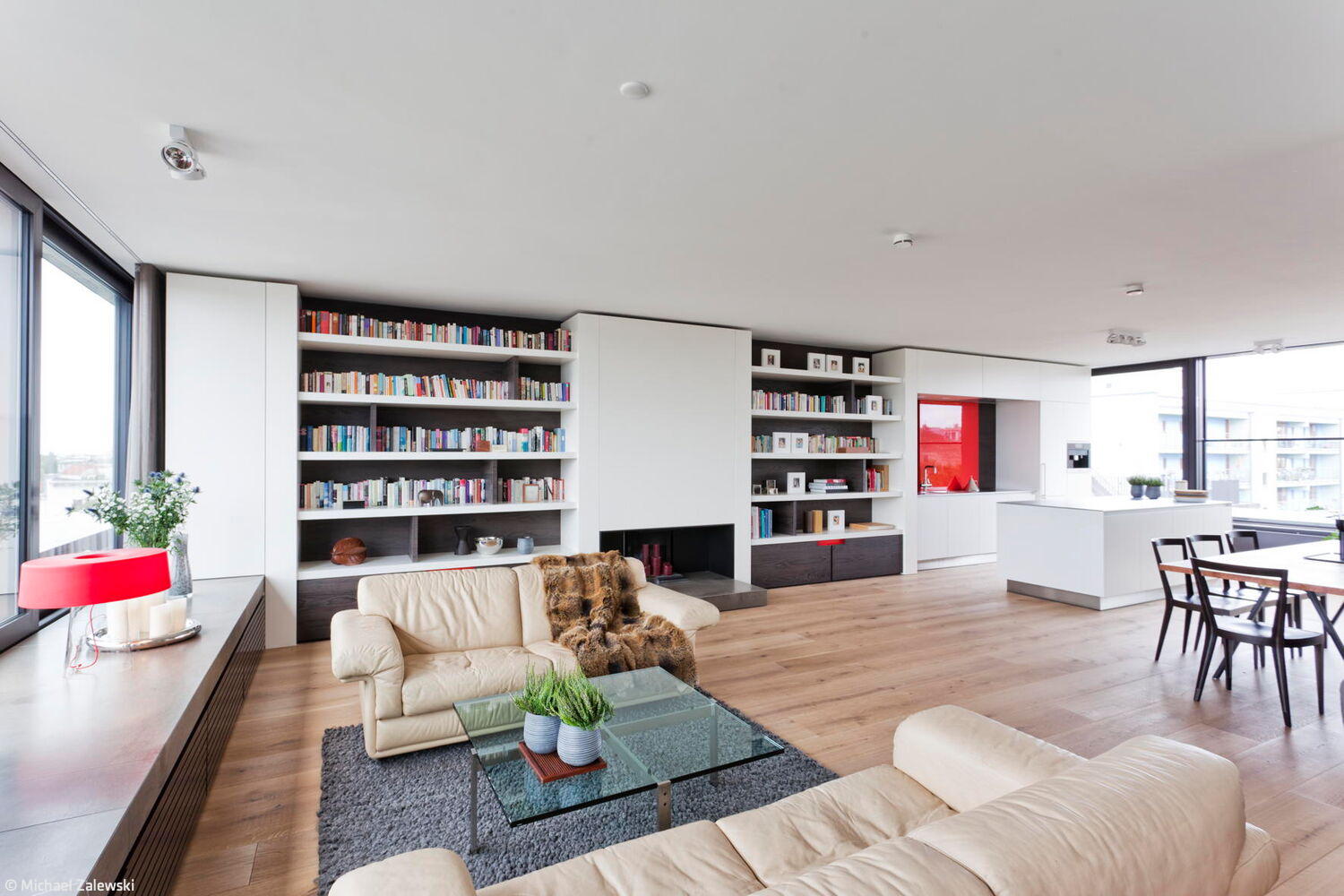
A Throne Above the City
Exclusive Penthouse Maisonette in Mitte
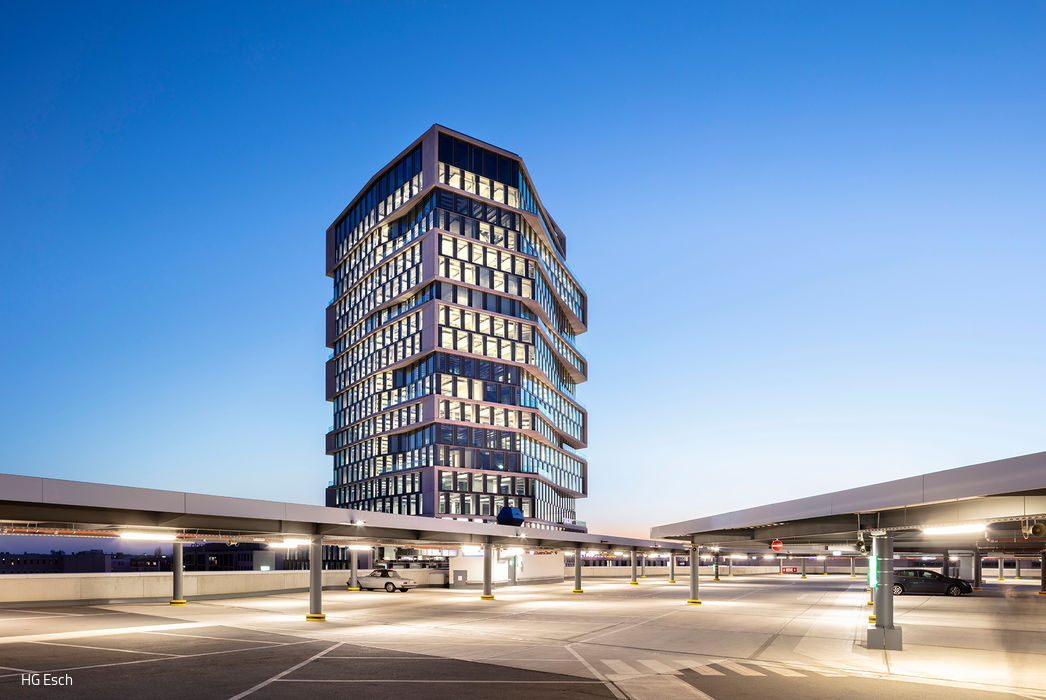
Transparent Tower Landscape
Stream – A Bold Addition to the Mediaspree District
Light, Air, and Sunshine for All
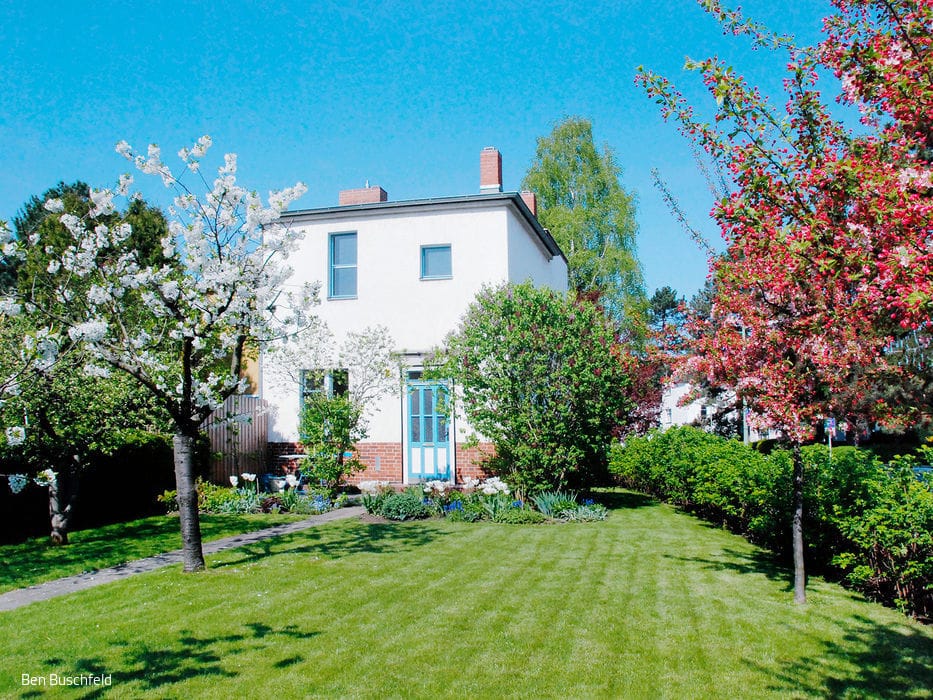
Experience an Authentic Bruno Taut Home in Britz—A Living Museum for Bauhaus Enthusiasts