


Suspended on the Slope
A 1964 bungalow in Bad Honnef, thoughtfully renovated, looks as fresh and contemporary as a new building
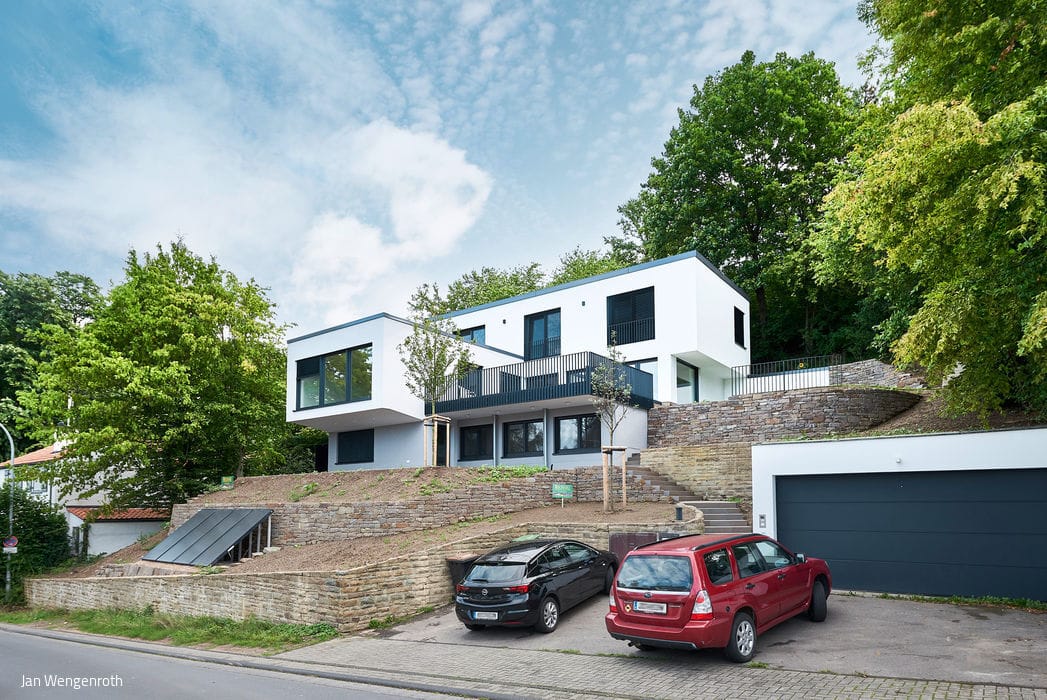
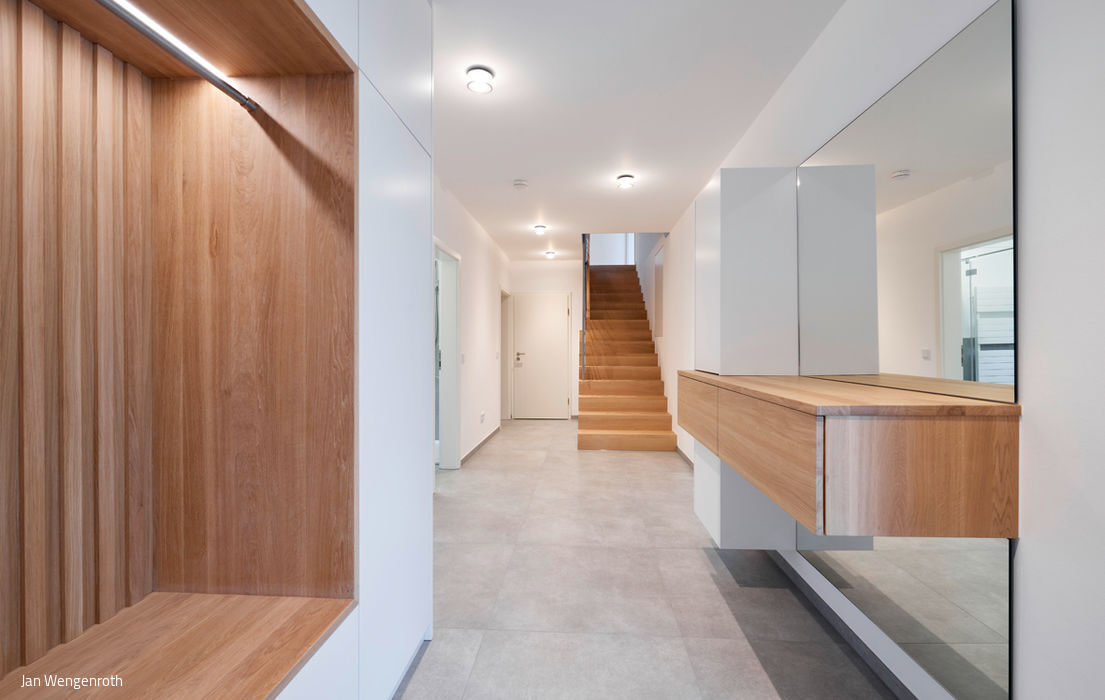
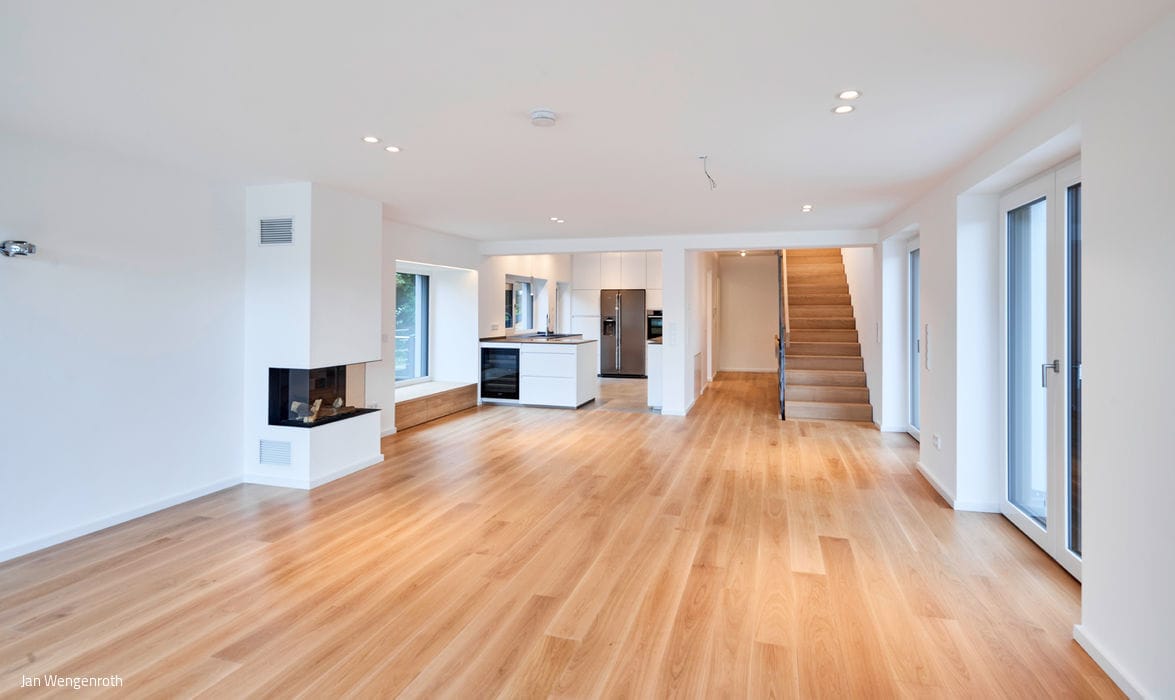
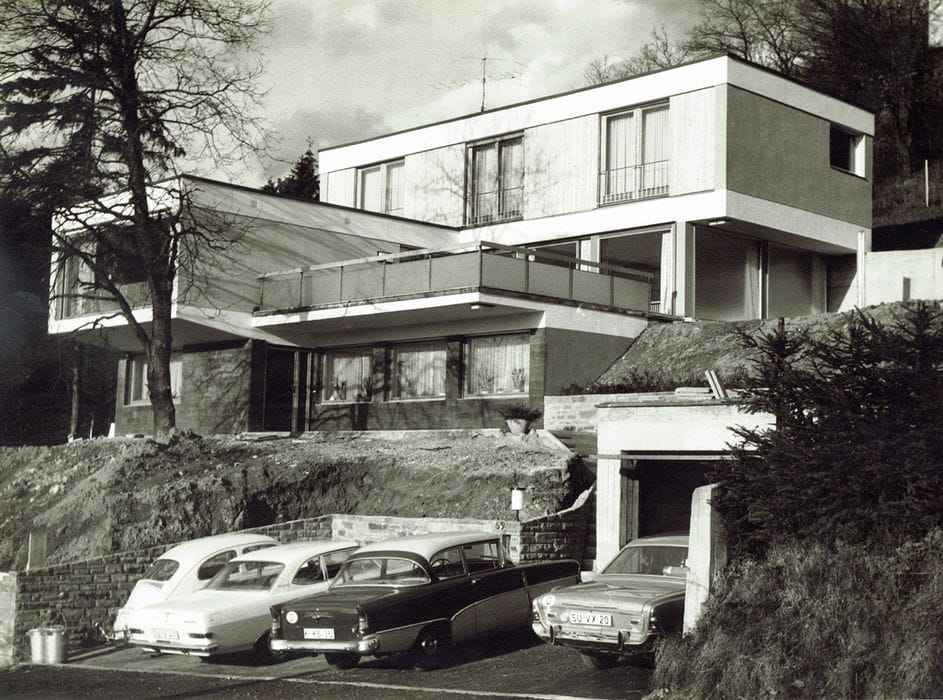
Some buildings transcend their era, appearing as fresh today as when first completed. Such is the case with this multi-volume bungalow perched above Bad Honnef's Rhine Valley vista. Conceived in 1964 by a structural engineer–turned–client, the boldly stacked composition features a flat roof, expansive floor-to-ceiling glazing, and seamlessly flowing indoor-outdoor spaces. When a young family acquired the home, they commissioned Lutz Architekten of Bad Honnef to reimagine the floor plans for contemporary living while strengthening the building's energy performance—all without compromising its distinctive character and architectural integrity.
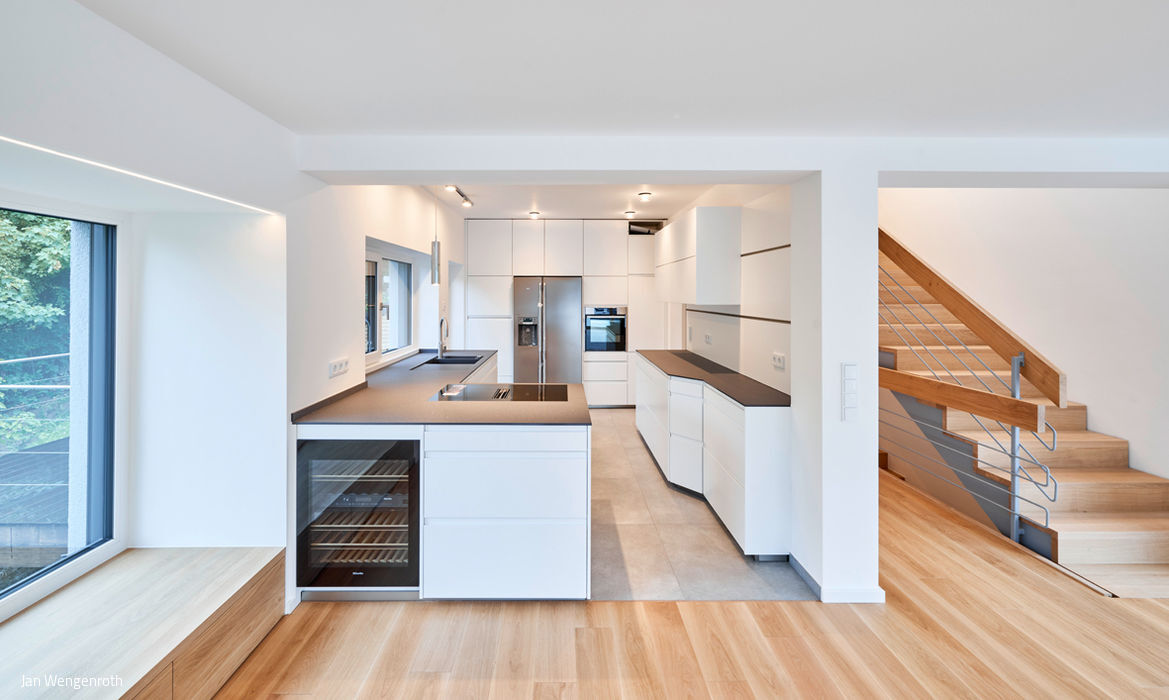
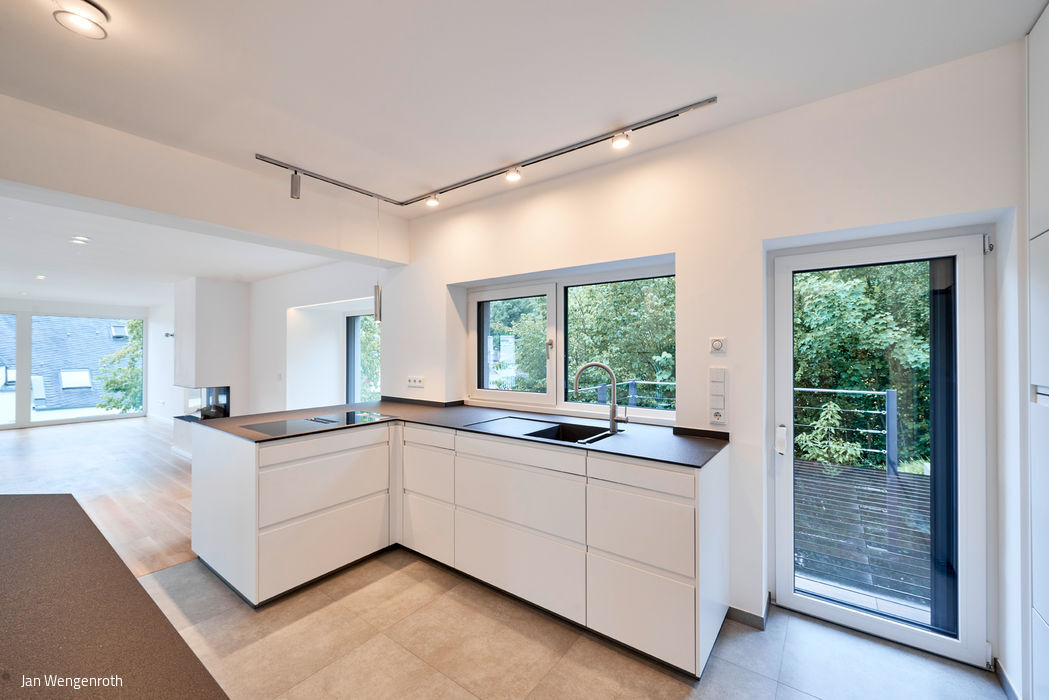
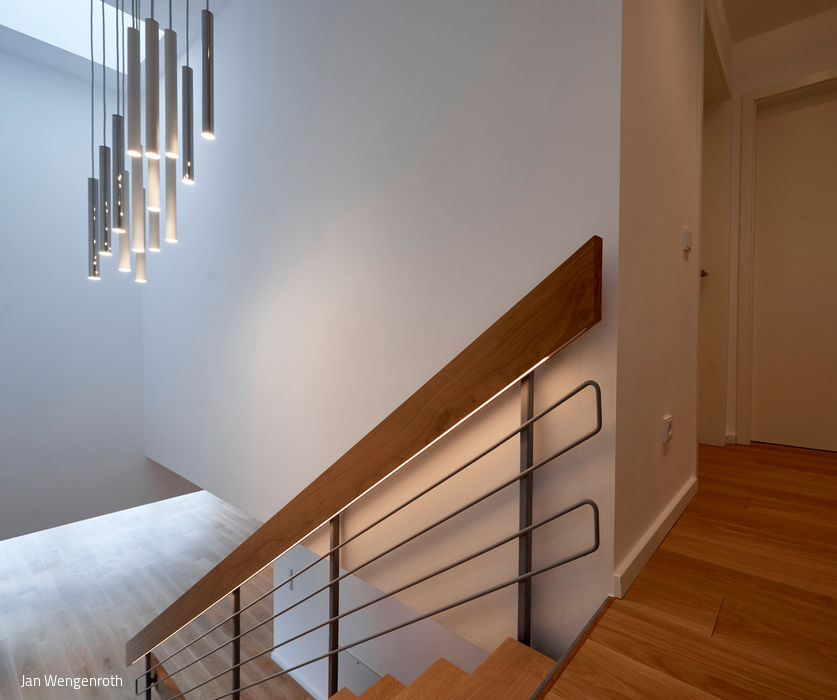
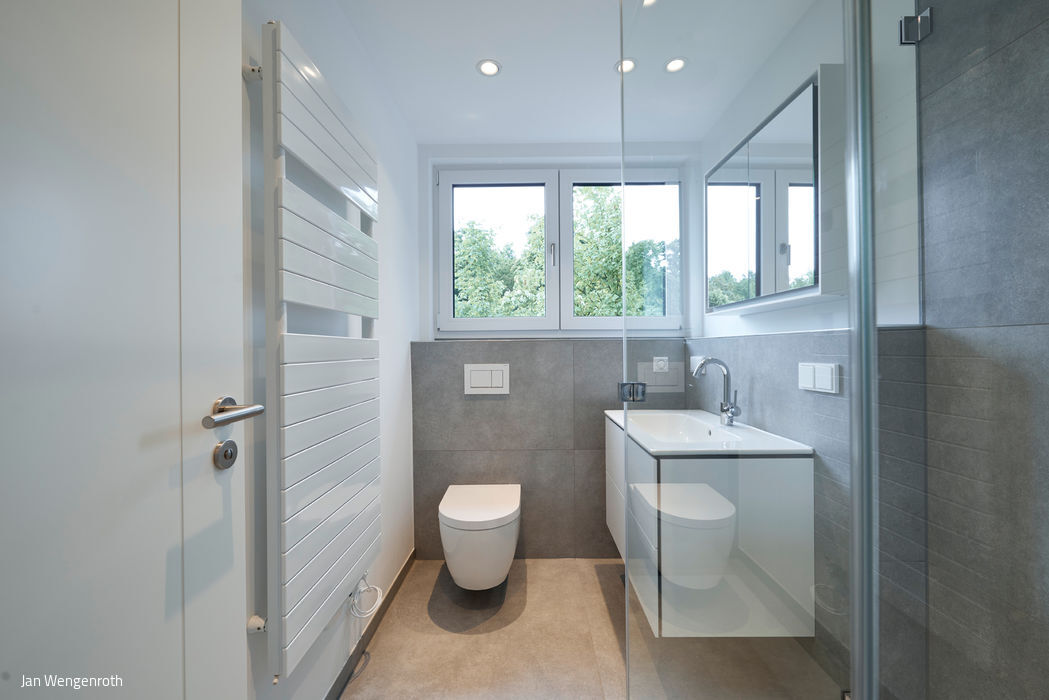
For all its contemporary design, the building had its share of challenges. The glazed indoor pool on the terrace—offering sweeping views across the Rhine Valley—had deteriorated badly and required dismantling. Other forward-thinking features, like the concealed internal roof drainage system, had developed structural damage. The polystyrene and wood wool insulation panels also needed attention. Then there was the structural puzzle: the original architect had been frugal with steel reinforcement, a constraint that complicated later modifications. The three-story structure underwent complete renovation—only the internal staircase was carefully restored as a nod to its mid-century origins. The redesigned floor plans now work far more efficiently. The upper level, featuring three bedrooms and two bathrooms, comfortably accommodates two children plus a parents' suite with an ensuite bath and dressing room. Below, the terrace level expanded into a generous open-plan kitchen, dining, and living space by capping the former pool with a concrete slab—while still preserving that floating sense of openness through the expansive panoramic window cantilevered above the base level. The basement level now houses a guest bedroom with shower, home office, sauna, and mechanical systems. The building's outer shell—originally a concrete and pumice mixture—was upgraded with rock wool insulation and replastered. All windows were replaced throughout. The sections embedded into the hillside were sealed with injection and barrier plaster, then insulated from within using calcium silicate boards. To avoid overburdening the structure, the new floor screed—laid over radiant heating powered by an air-source heat pump—was engineered as a super-thin, high-density system. Even the solar thermal collectors had to go on the front façade; the roof simply couldn't handle the additional load or wind resistance.
Photography Credits:
Jan Wengenroth
www.wengenroth-photodesign.com
(Published in CUBE Cologne Bonn 04|23)


Sustainable and Natural
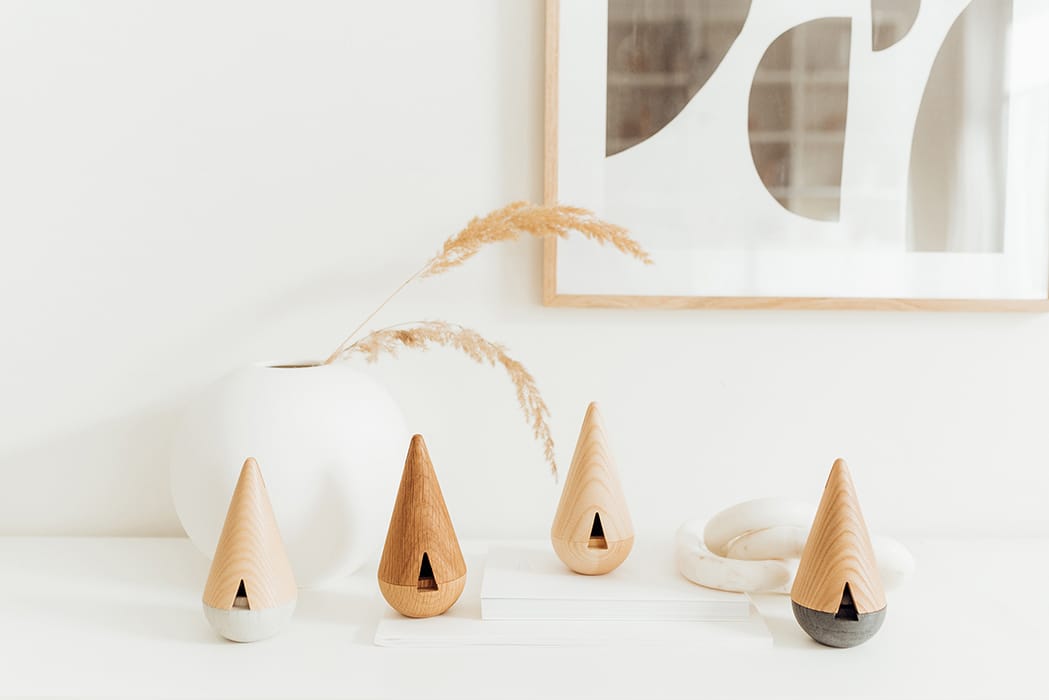
Erz&Mountain creates wooden home accessories with timeless, enduring design.

Furniture with a History
Where Sustainability, Design, and Function Converge

New Beginning Under One Roof
This modern building harmoniously combines work and living
Residential Quarter with Park
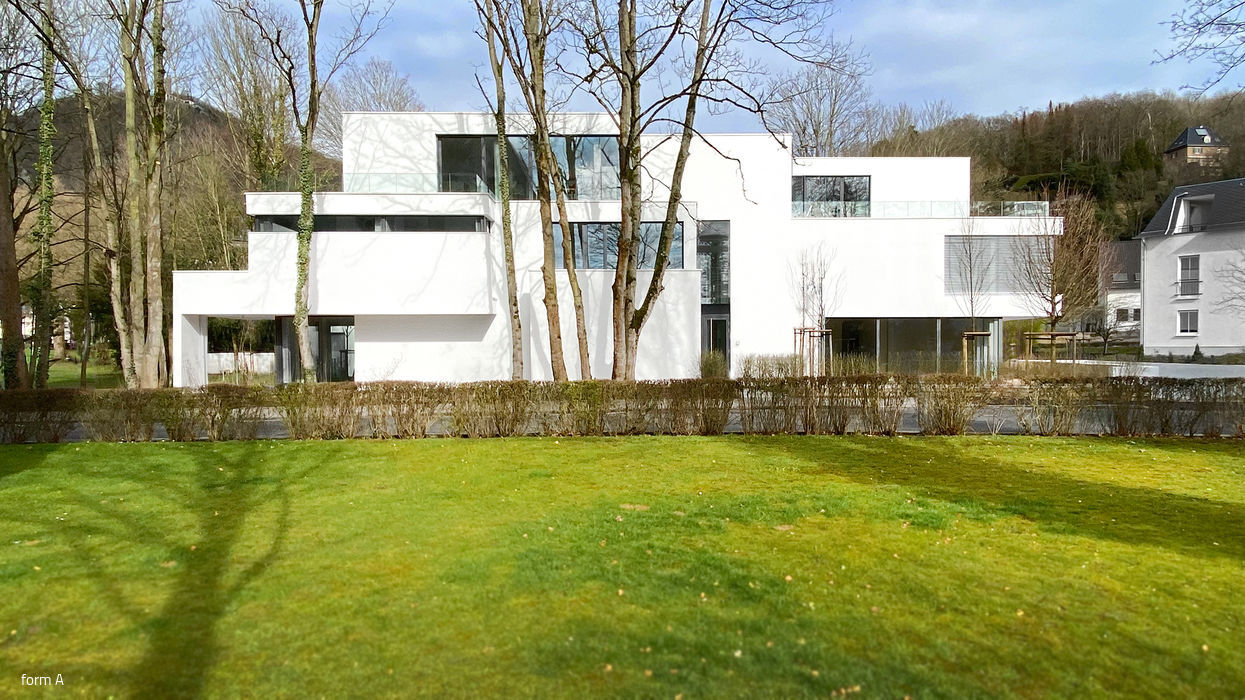
A residential building in Bad Honnef showcasing open, flowing floor plans that maximize views of the surrounding landscape.