


Living the Dream in a Historic Landmark
A historic villa in Oberhausen meticulously restored to heritage standards
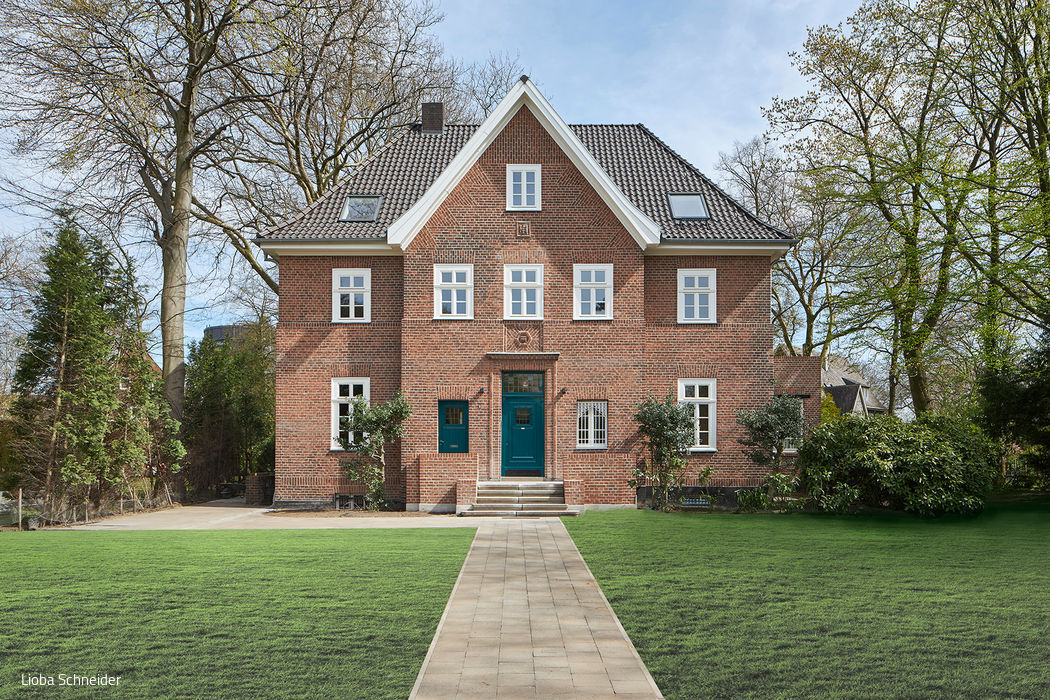
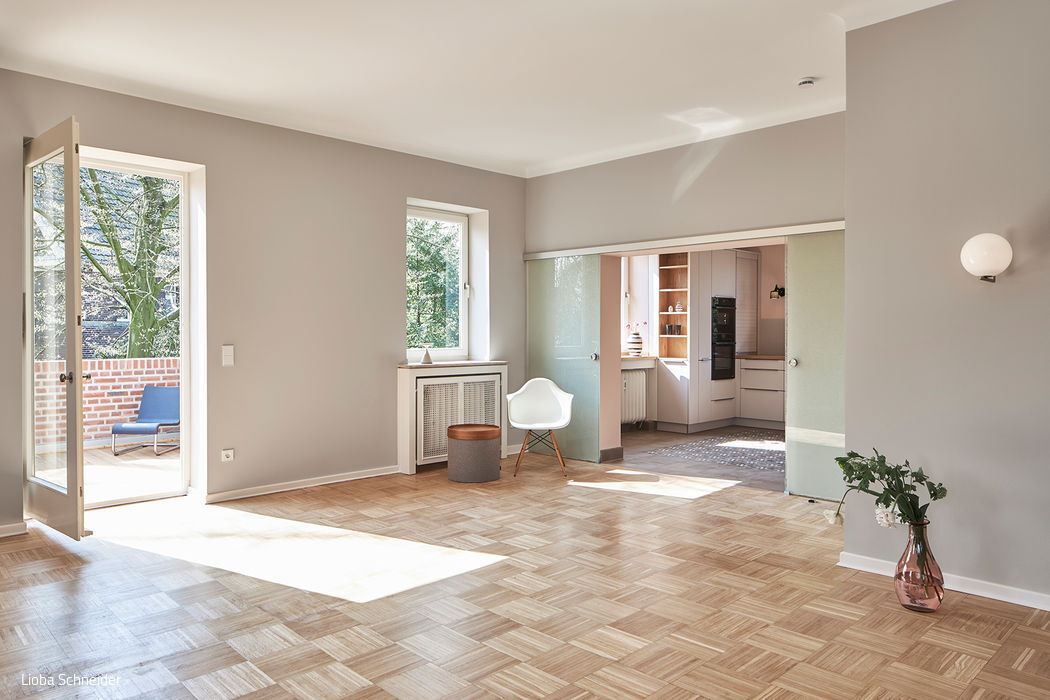
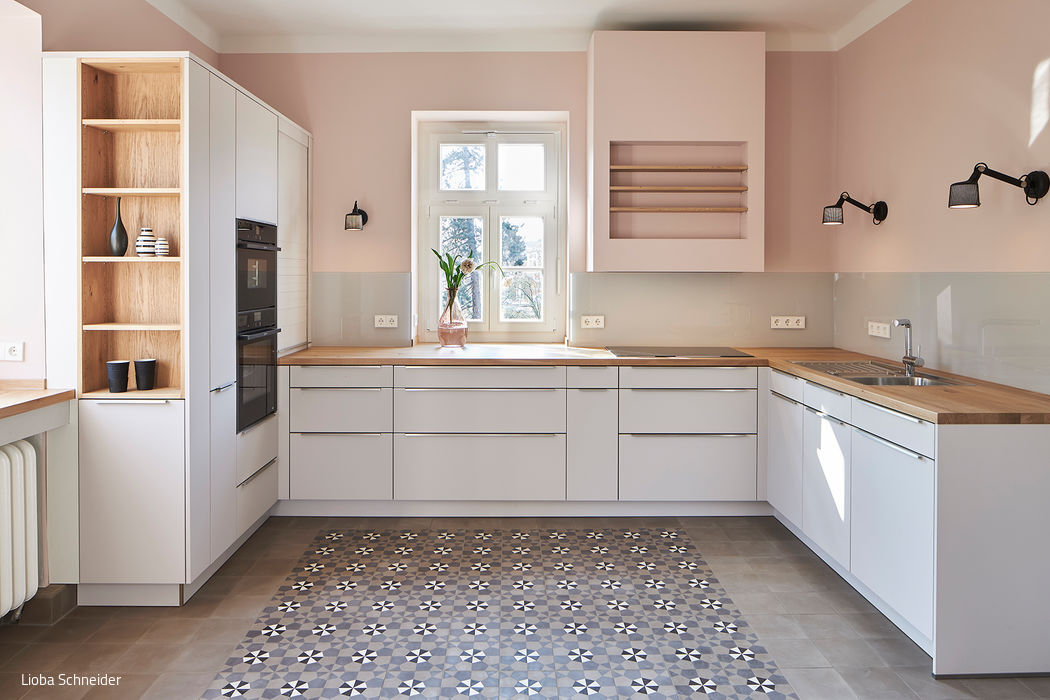
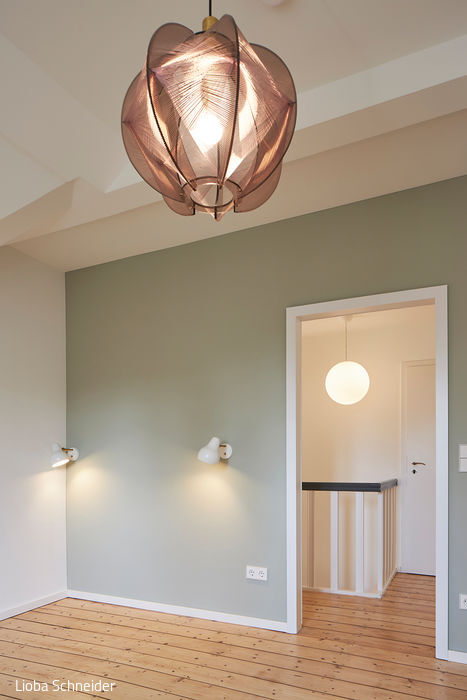
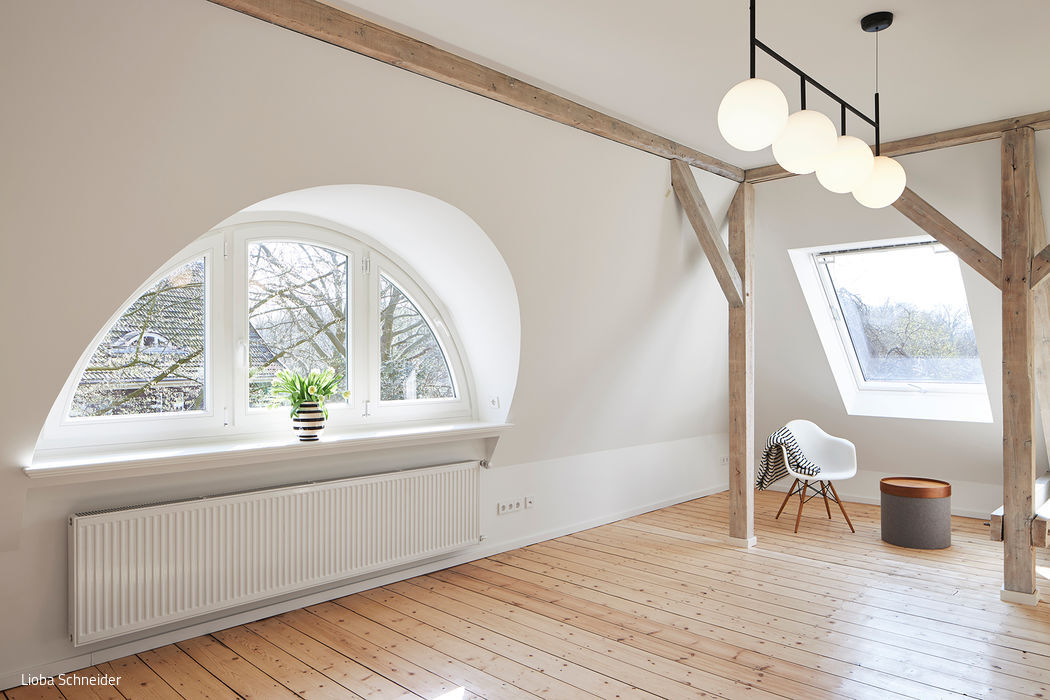
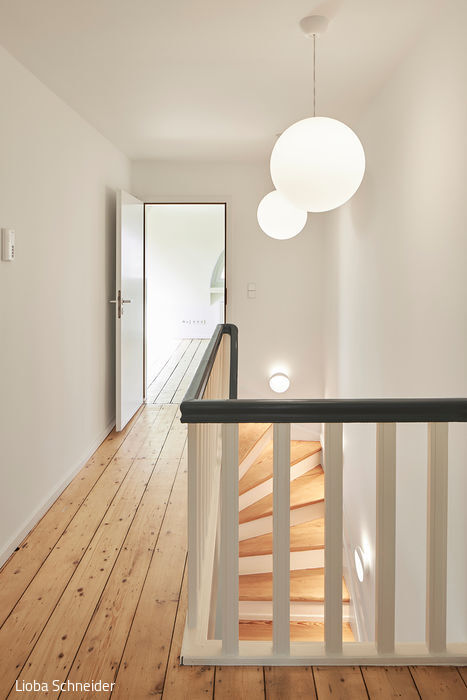
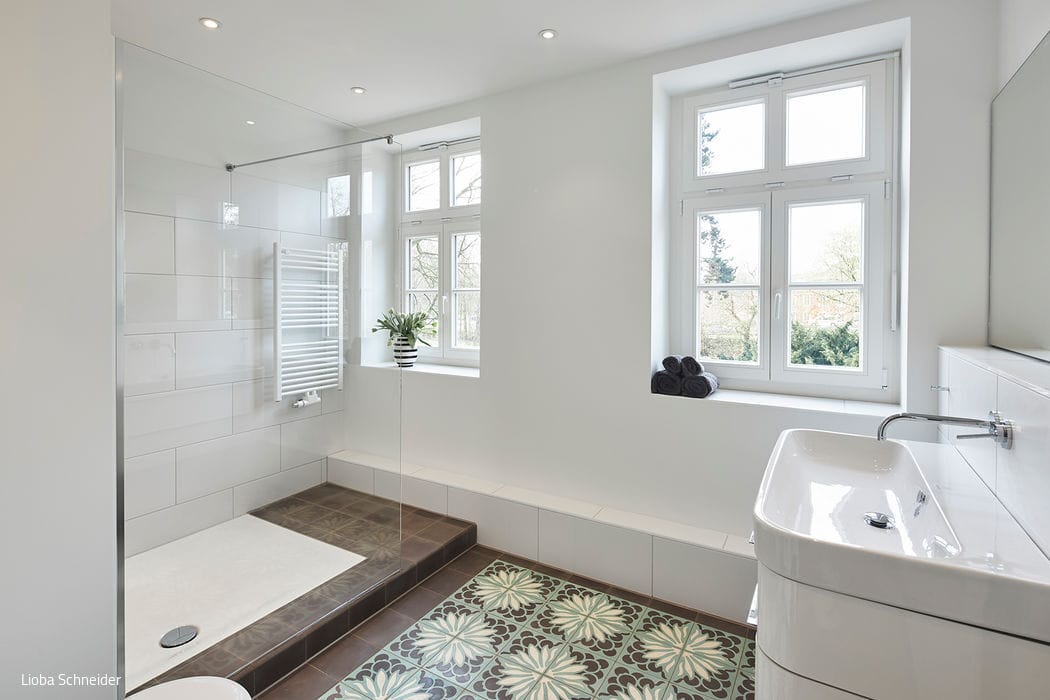
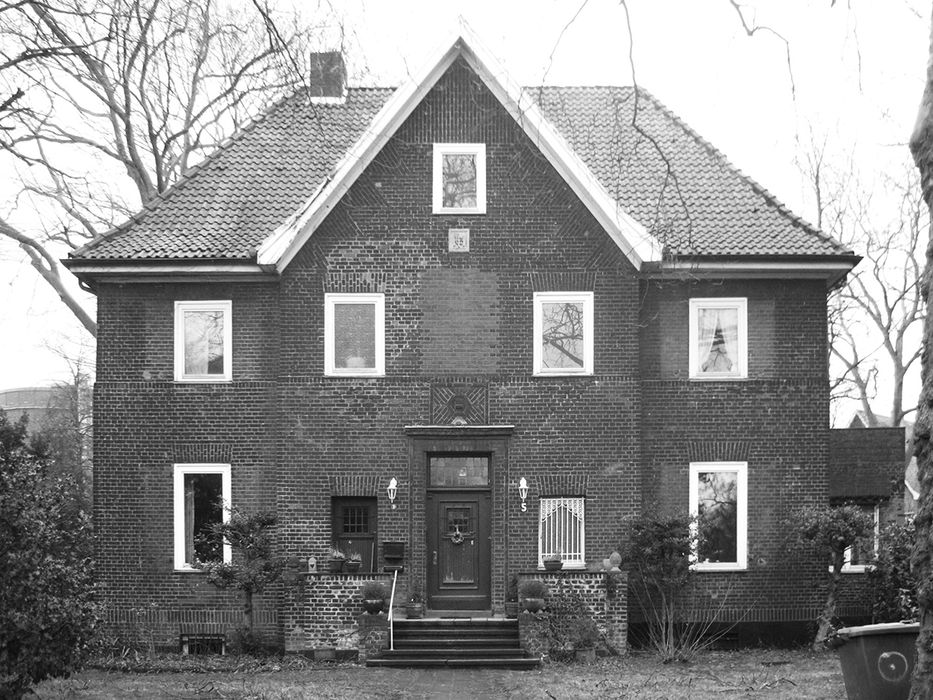
Built in 1913/1914, this Oberhausen villa sits within a settlement of exceptional urban planning and architectural significance—one that remains unparalleled throughout the Rhineland. Prof. Bruno Möhring masterfully conceived it as a "civil servant colony" for senior executives of the Gutehoffnungshütte steelworks, a legacy acknowledged in the city's official heritage designation. When Claudia Grotegut Architektur + Konzept took on the project, the challenge was clear: transform this single-family residence into a forward-thinking home for two families while preserving its park-like grounds. The solution proved elegant: one unit spans a single floor, the other stretches across two. The result is a two-family heritage villa that honors its original character on the outside while seamlessly accommodating modern living inside—a vision the owners embrace entirely.
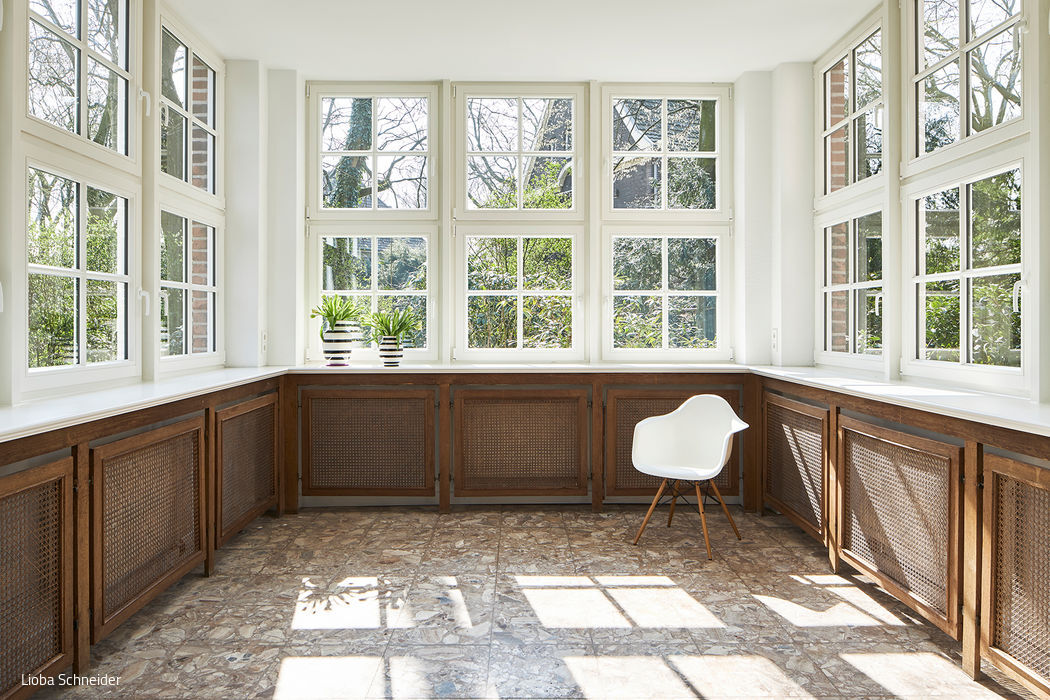
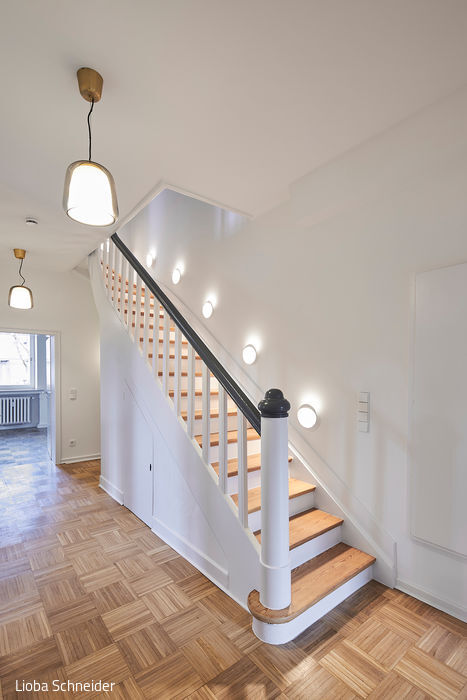
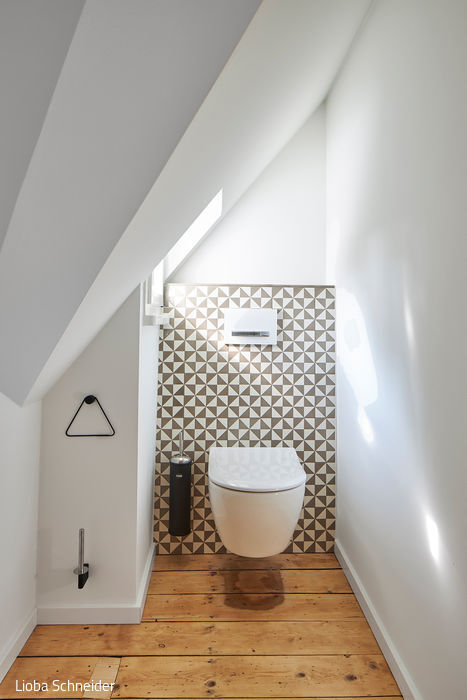
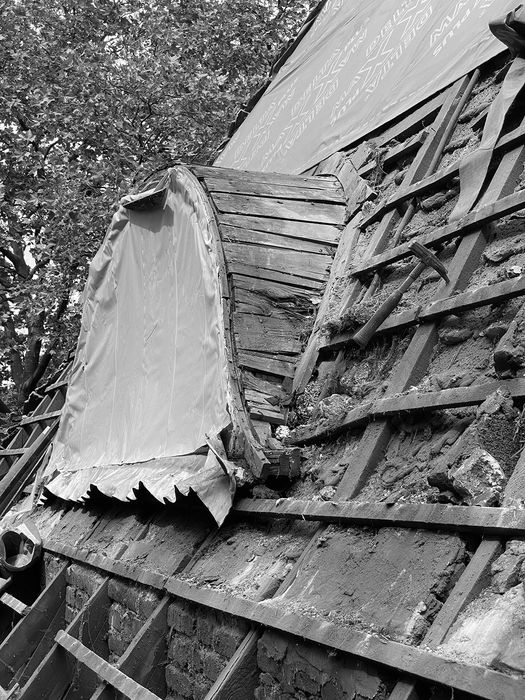
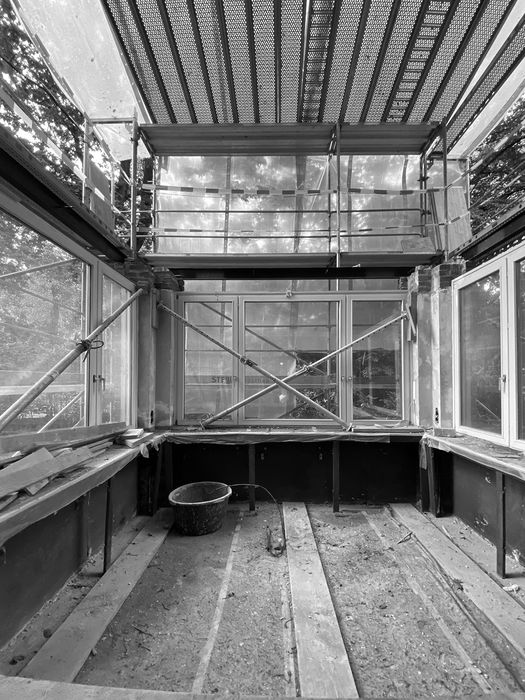
Grotegut's initial inspection revealed a well-cared-for exterior concealing significant structural challenges beneath. Close collaboration with the local heritage authority guided every decision. The façade underwent specialized low-pressure cleaning to restore the exposed brickwork to its former glory. Every detail required approval—from the precise material and color of the façade joints (a water-struck coal clinker combined with an Otterbein mortar mix) to the painstaking replication of each original window. Using a profile template, craftsmen captured the exact dimensions of the existing windows, allowing them to faithfully recreate the sills, transoms, and glazing bars. Today, the windows gleam in heritage-compliant white, with decorative beam supports and grilles finished in graphite black. Equal care informed the interior renovation. Lime-based plasters were specified for the walls, while the original stairwells gained a fresh color scheme conceived by the architect. Among the most complex undertakings: completely removing and re-pouring three ceiling sections. These areas required full scaffolding enclosure to ensure weather-independent execution. Such intricate work—new concrete ceilings, reconstructed masonry, and comprehensive restoration—demanded the combined expertise of heritage-specialized contractors and the architectural firm. The project received funding support from North Rhine-Westphalia's Ministry for Regional Identity, Communities, Building and Gender Equality. Inside, the owners chose contemporary refinement. Kitchens were custom-designed and tailored to their specifications; bathrooms were crafted to individual requirements. Future-proofing came through roof insulation, window replacement, and new mechanical systems. A soil assessment revealed an opportunity: the drainage strategy was reimagined to direct rainwater toward on-site infiltration rather than the sewer system—a choice that nourishes the property's mature trees and open spaces.
Photography Credits:
Lioba Schneider
www.liobaschneider.de
(Published in CUBE Ruhrgebiet 01|24)
A Fresh Vision and New Purpose
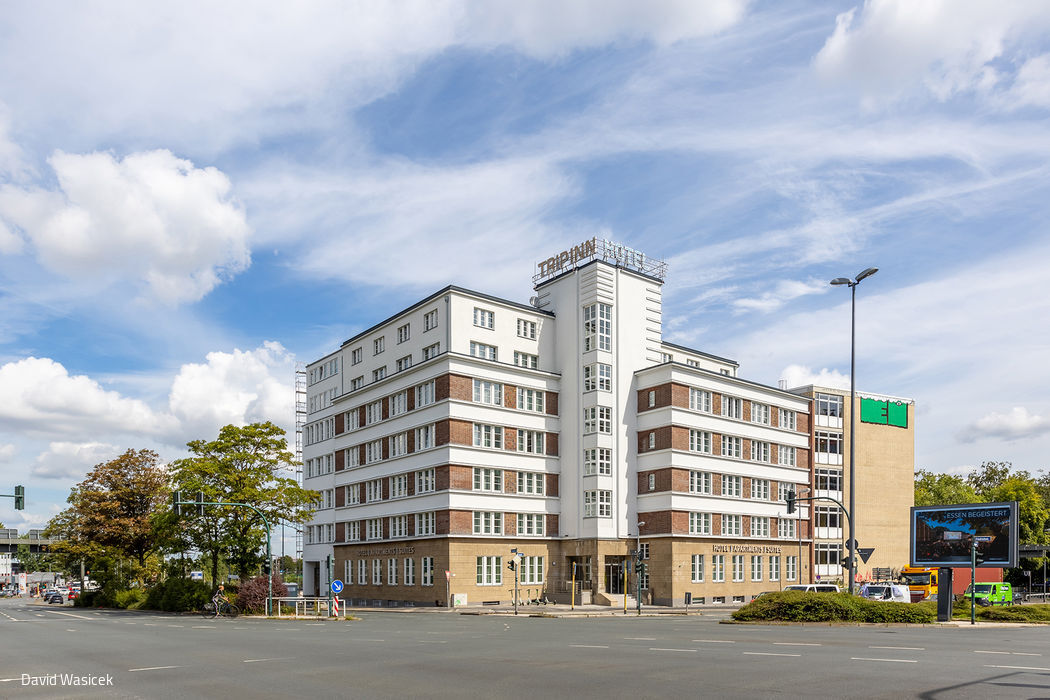
Essen's iconic Osram House: painstakingly restored and architecturally reimagined.
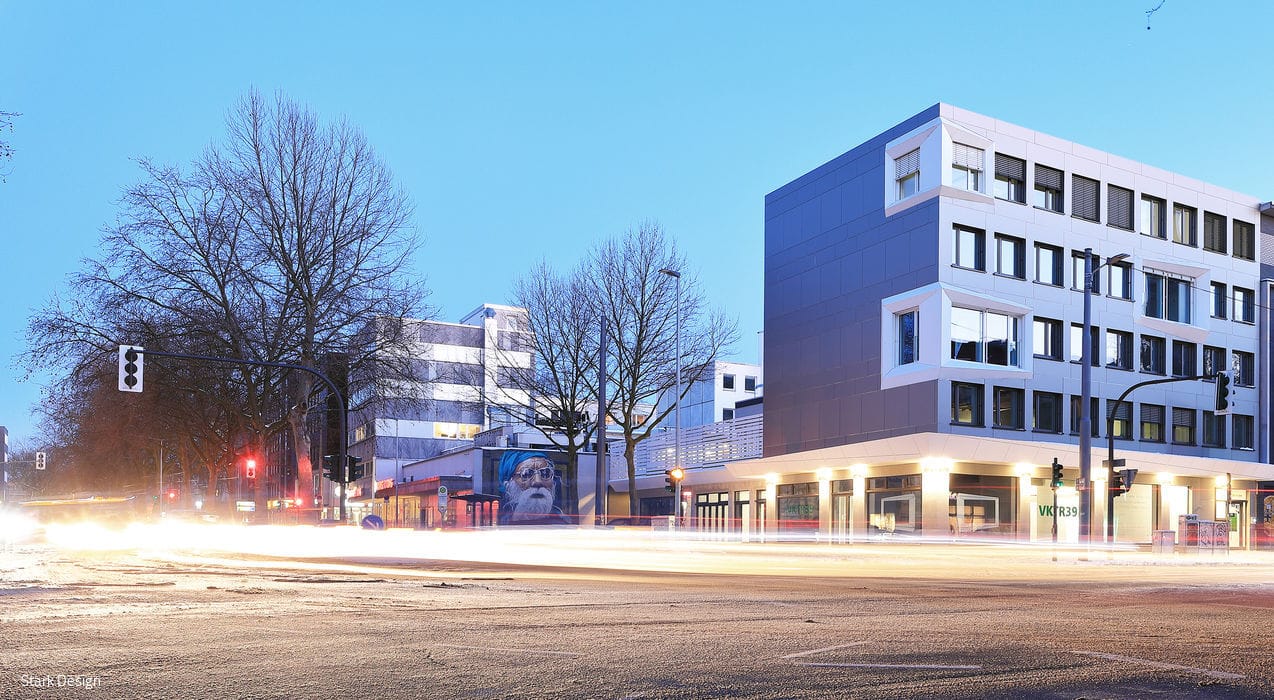
A fresh landmark in the urban landscape
An office building in Bochum shines in new splendour after its revitalisation
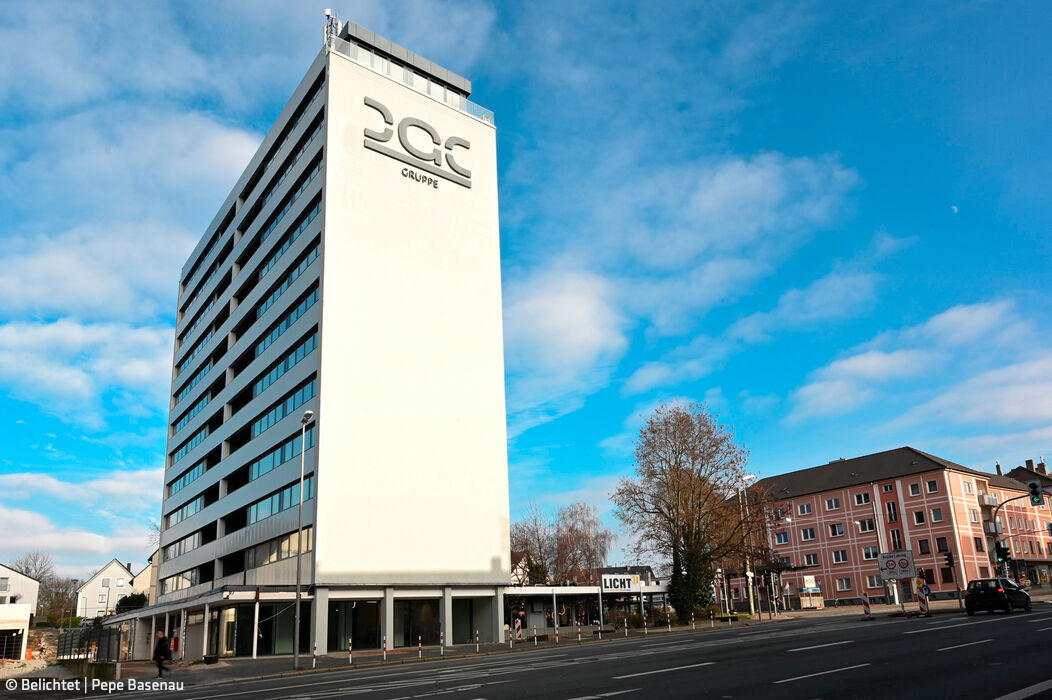
Extending the Building's Lifespan
From overlooked high-rise to Bochum's most coveted address
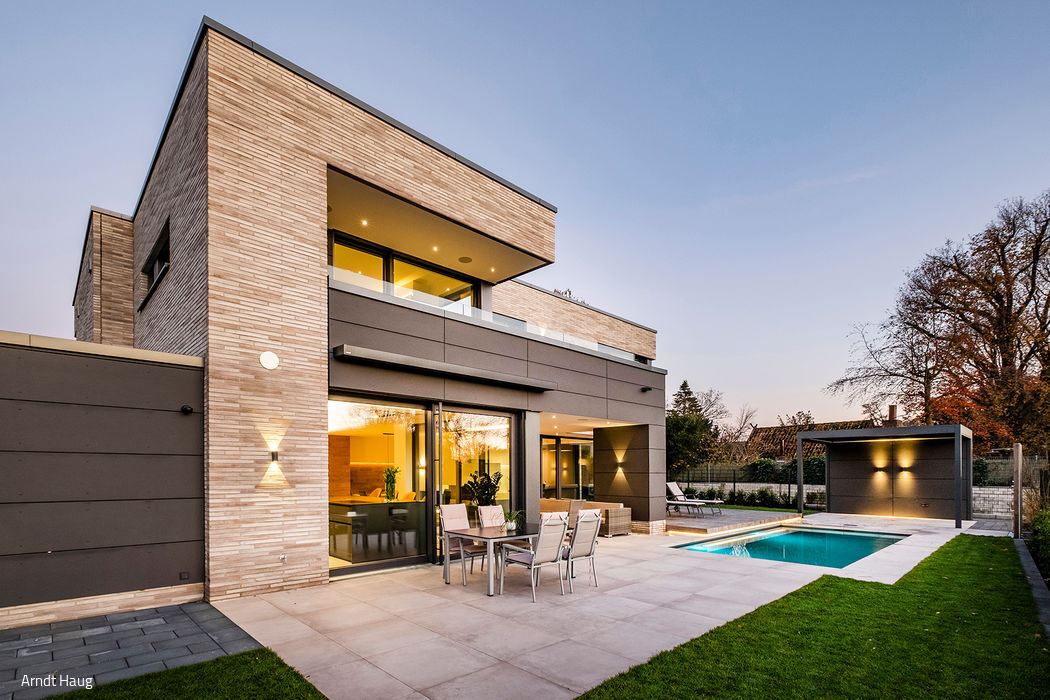
The Perfect Family Home
The Ideal Home: Modern and Inviting, Sustainable and Smart