


A Space for Young Makers
Where creativity flourishes and young minds discover the craft through hands-on play.


Designed by architect Jan Hormann, the St. Pauli Building Workshop is a space where children's creativity flourishes and they discover the craft world through hands-on play. Conceived as part of a green corridor restructuring project, the new facility sits within the park, offering generous outdoor space. The Hamburg Altona district office commissioned the project. From the earliest design stages, the team incorporated feedback from local government bodies and insights from the community's young users. During workshops, neighborhood children brought their visions to life through drawings and models.
Developing an architectural language that resonates with both children and park visitors was central to the design—one that draws on classic gabled houses to establish a distinctive identity for the building. The workshop's fence traces an organic path through the park's trees, with larch cladding defining certain sections and concrete elements doubling as benches and planters. When the gates open, the outdoor area flows seamlessly into the park. The floor plan embodies this philosophy of openness and welcome: the entrance hub—with its cloakroom and restrooms—acts as a bridge between the common area and workshop, while also functioning as an accessible threshold between the forecourt and rear outdoor space. A multipurpose room flexibly extends the common area or serves the office for family consultations and meetings. Positioned toward the forecourt, the office maintains visual oversight. Terrace doors throughout the interior blur the boundary between inside and outside. A standout feature for children is the "hayloft" above the entrance—an open gabled room that serves as both hideaway and gathering place.
The structure employs prefabricated cross-laminated timber, erected in just days. The rough-sawn larch façade comes from wood sourced through Hamburg Altona's district forestry office and milled at its on-site sawmill. The choice of wood for the façade came early in planning—early enough to allow the selected trees to be felled, milled, and properly dried before installation. This sustainable material creates not only a warm interior climate but also a nurturing environment where children feel safe to play and learn.
Photography:
Jan Hormann
(Published in CUBE Hamburg 02|24)


Landscape in Focus
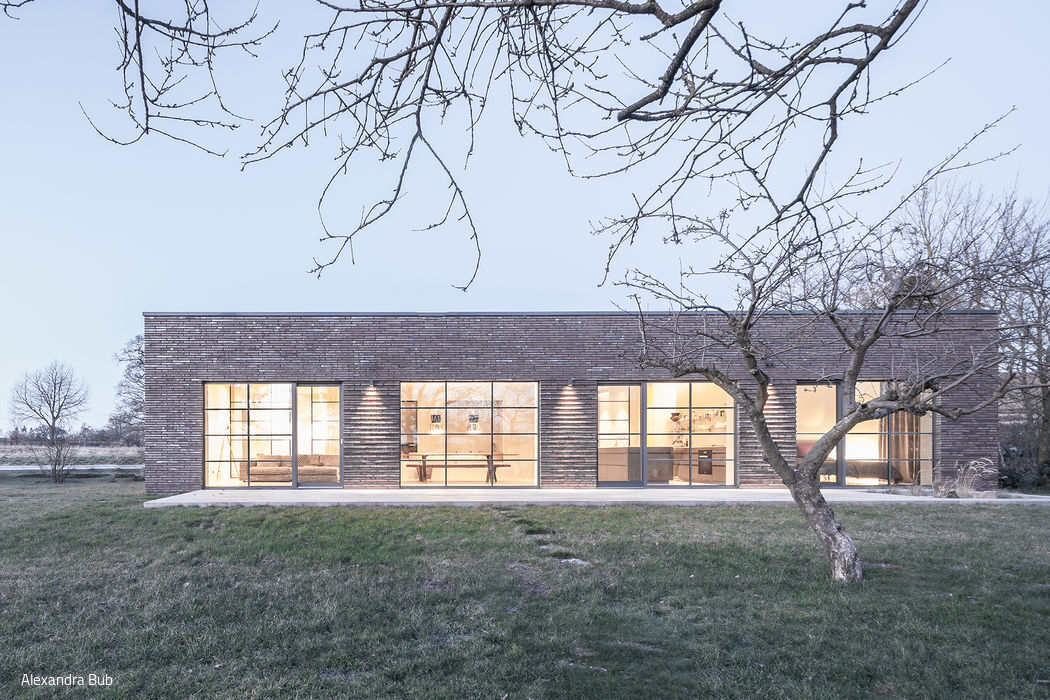
A Bungalow Sanctuary in Nature's Paradise
A New Hub
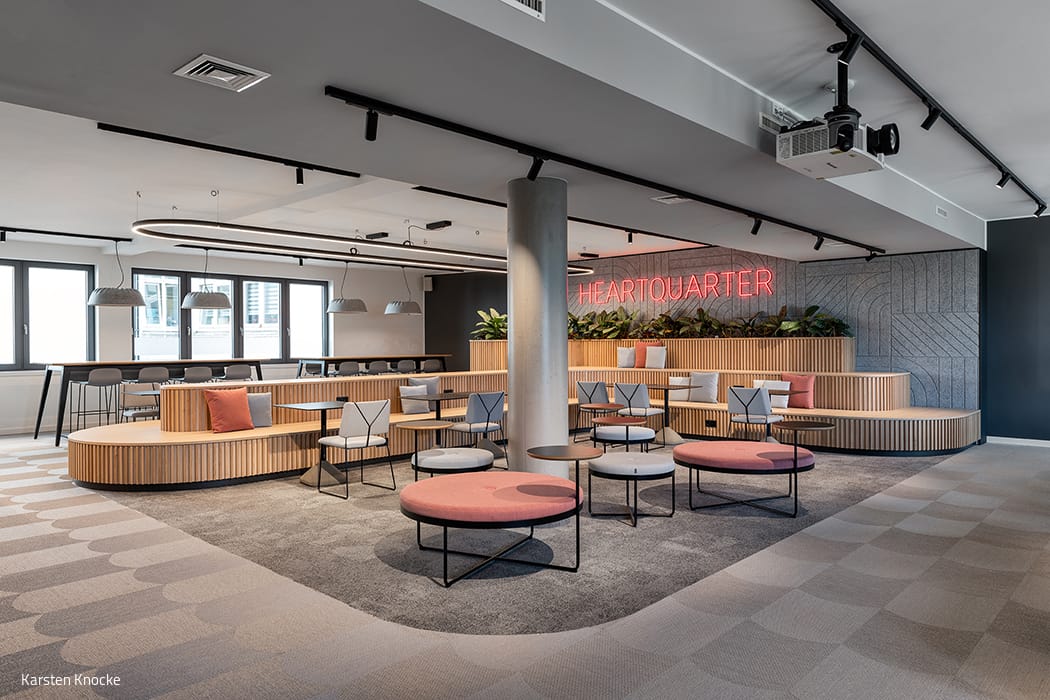
Reimagined spaces for New Work culture: creating an inspiring workplace
Spatial Experience Roofscape
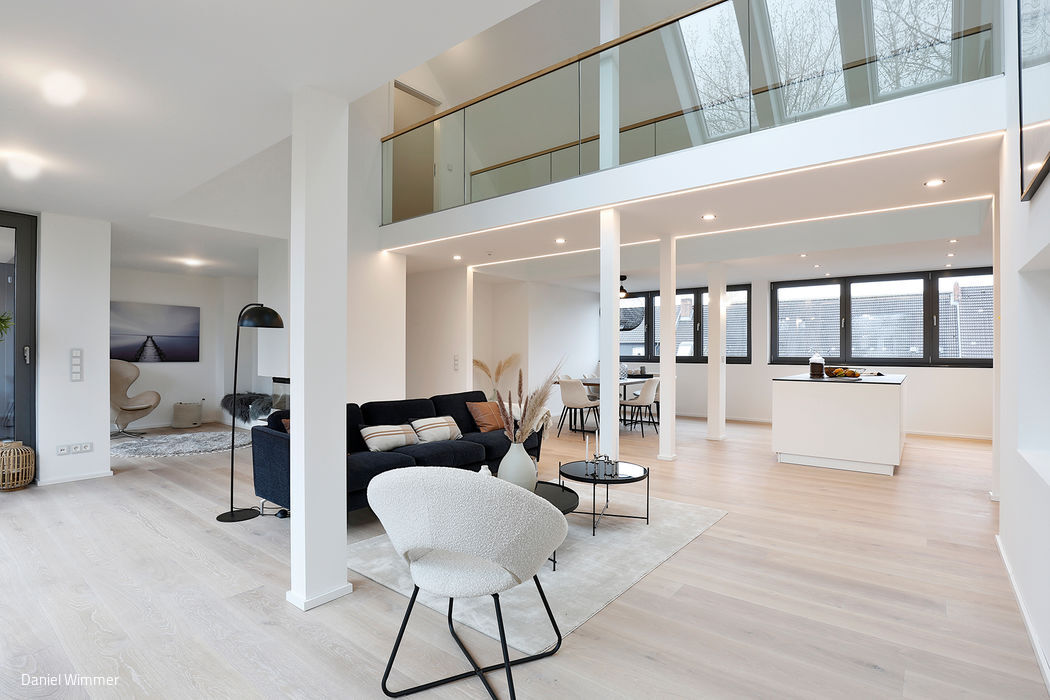
A Harvestehude Roof Extension: Exemplary Adaptive Reuse
New Work Sustainably
Flexibility and Environmental Responsibility: Design Principles