


Courtyard building with integrated green spaces
A residential building in Oberbilk that promotes through-living while remaining affordable
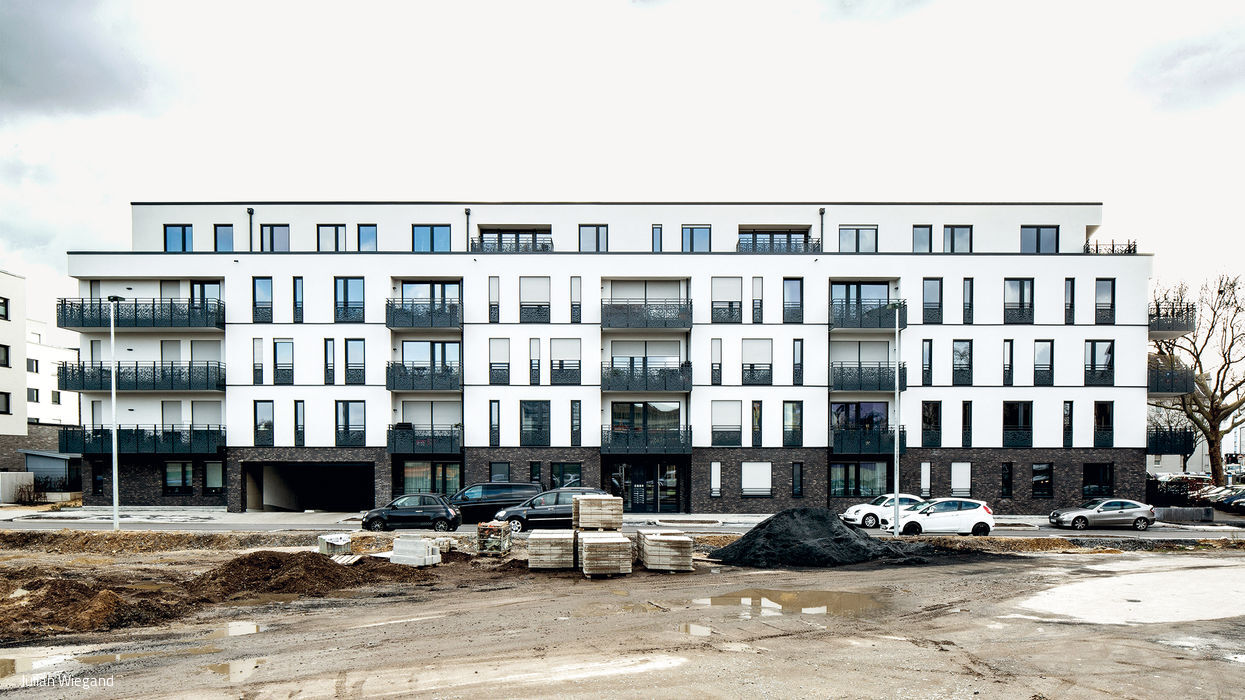


The new residential quarter "Schöffenhofe" is located on the former freight rail yard Lierenfeld, southeast of Düsseldorf's main train station. While iron and steel industries once defined this district, Oberbilk is experiencing significant transformation today. With the construction of new district and regional courts and the emergence of new residential areas, a mixed-use neighborhood has developed that continues to gain appeal through its proximity to the city center. The so-called "Hofhaus" on Mindener Straße marks the gateway to this new quarter. Ehricharchitekten from Düsseldorf designed this building, which encompasses 8,800 m² of residential and usable floor space. The result: 74 comfortable and at the same time affordable apartments that appeal equally to younger and older generations, thanks to their barrier-free design features.
The mix of 2.5-, 3.5-, and 4.5-room apartments with high-quality finishes is 40 percent publicly subsidized or price-regulated. The four-story building mass, which concludes with a stepped-back top floor, groups itself on all sides around a verdant courtyard that serves residents as outdoor communal space—a place for gathering, exchange, and community. Children's play areas enhance the quality of this semi-public exterior. Opening toward the east, residents have direct access to the neighboring district park, which features additional play and recreational areas as well as an adjacent daycare facility. The "Hofhaus" possesses a clear architectural language that contributes to the district's identity. The contrasting color palette of the materials used and the horizontally oriented line composition underscore the building's exterior presence. Balconies and loggias with delicate railings articulate the light stucco facade, which distinctly contrasts with the base story in brick. In terms of floor plan organization, the "Hofhaus" is predominantly conceived as a three-unit-per-floor layout, with each of the six stairwells serving three apartments per story. Integrated elevators enable barrier-free access throughout. The apartments are largely designed to allow "through-living" from the street side to the courtyard within the shared living, dining, and kitchen area. Twelve apartments are additionally accessible and dimensioned for wheelchair users. Each residential unit includes a parking space in the naturally ventilated basement, bike storage, and dedicated storage room. For visitors, additional bike parking is provided in the front courtyard area. Energetically, the building meets EnEV 2016 standards and was constructed to the KfW Efficiency House 55 standard.
(Published in CUBE Düsseldorf 04|20)

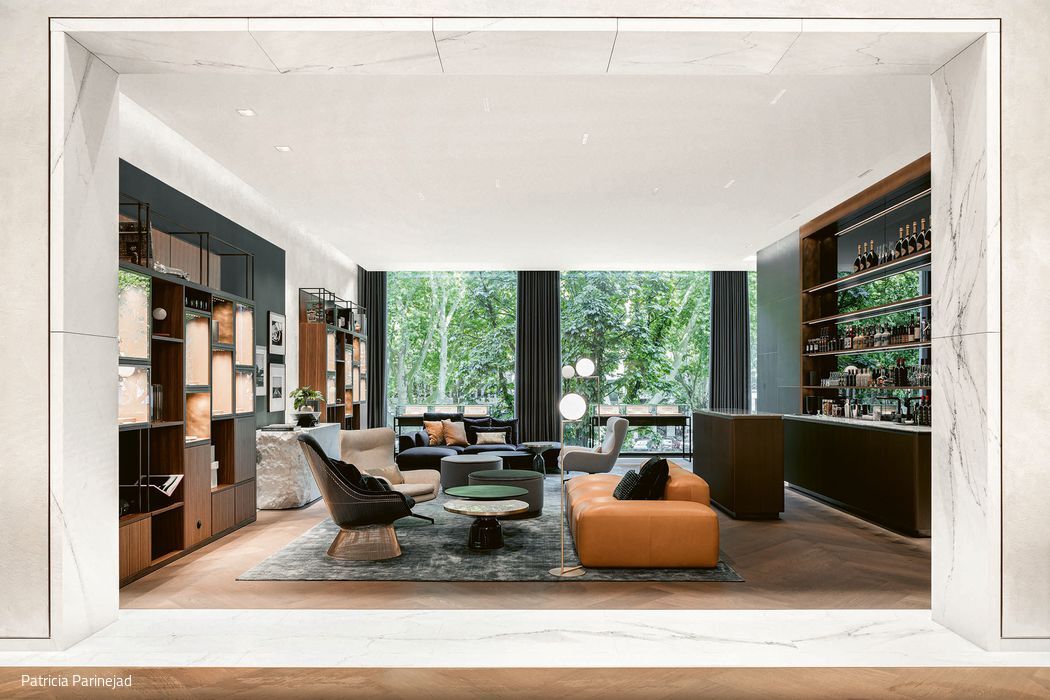
Comfort Redefined at Luxury Level
The Bucherer flagship store embodies refined elegance—a sanctuary where luxury and lived-in comfort converge.
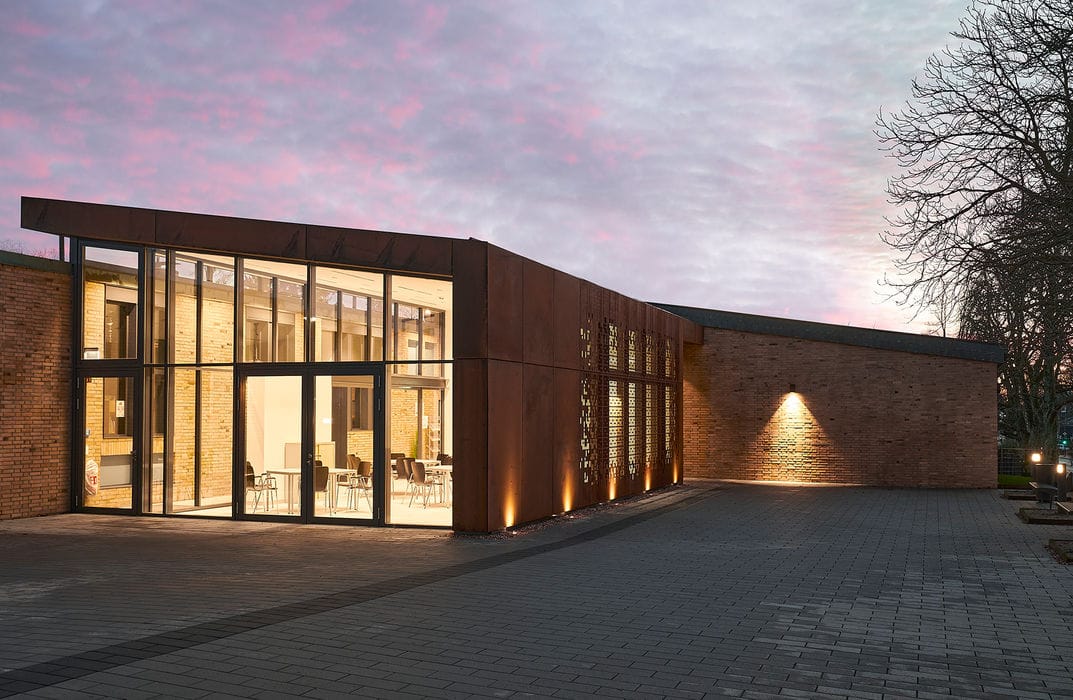
From Community Hub to Neighbourhood Centre
A Community Centre Reimagined: Extension and Renovation
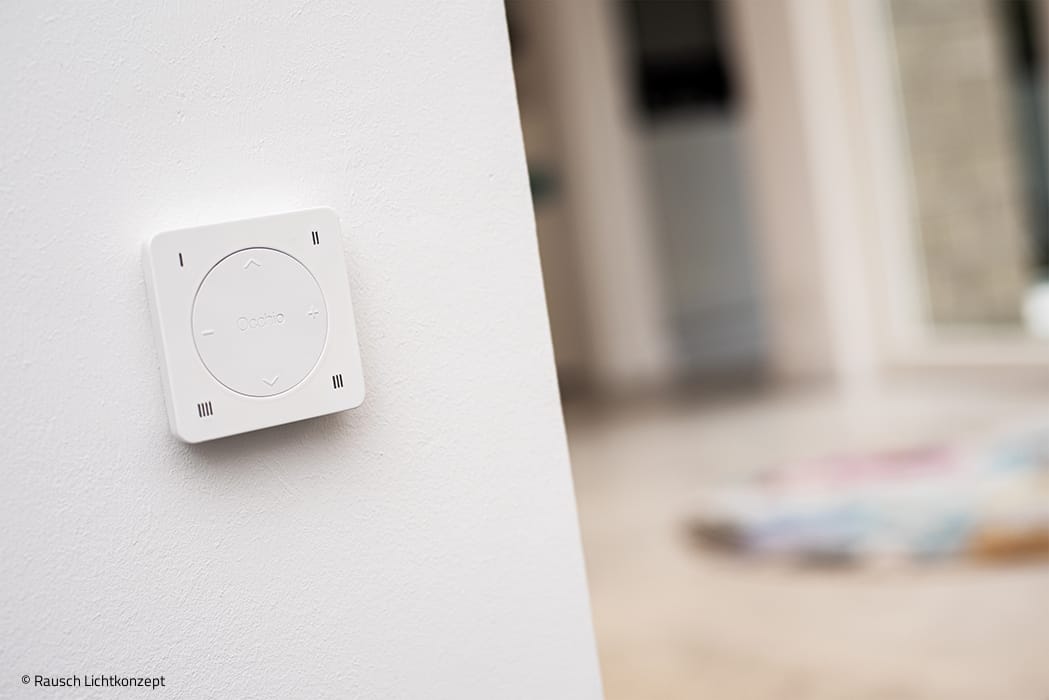
Master the Light in Your Own Living Space
Smart living – intuitive control with Occhio air

Modern Learning Environment
A Secondary School Extension in Ratingen Designed Around Educational Innovation