


Revitalized Historic Fabric
Meerbusch's historic town hall has been sensitively modernized and expanded while respecting its protected status.
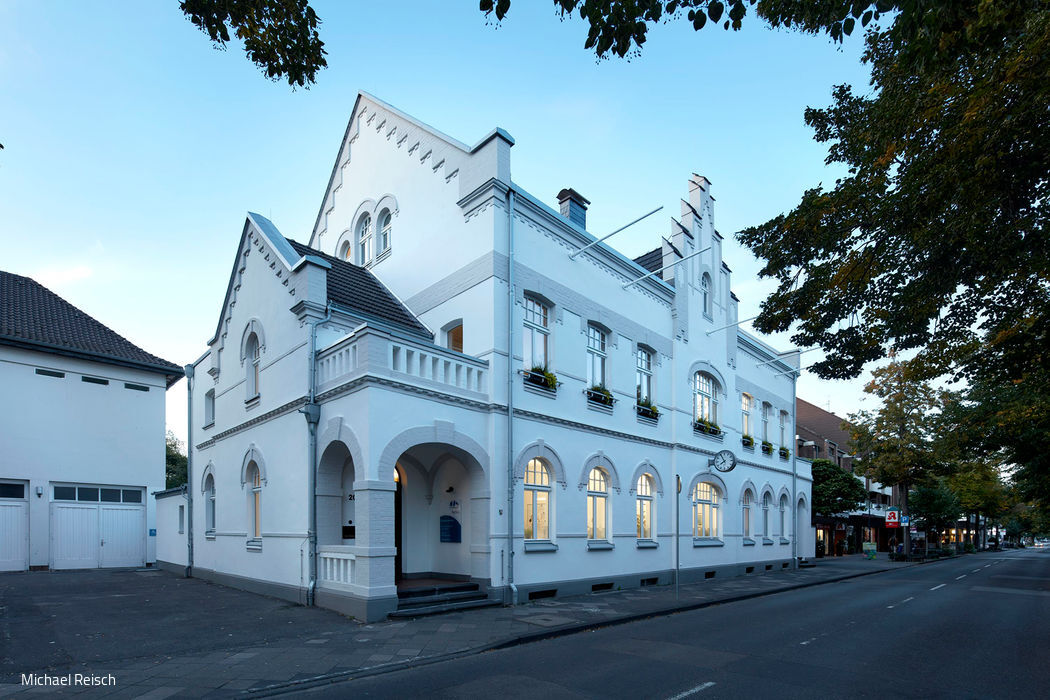
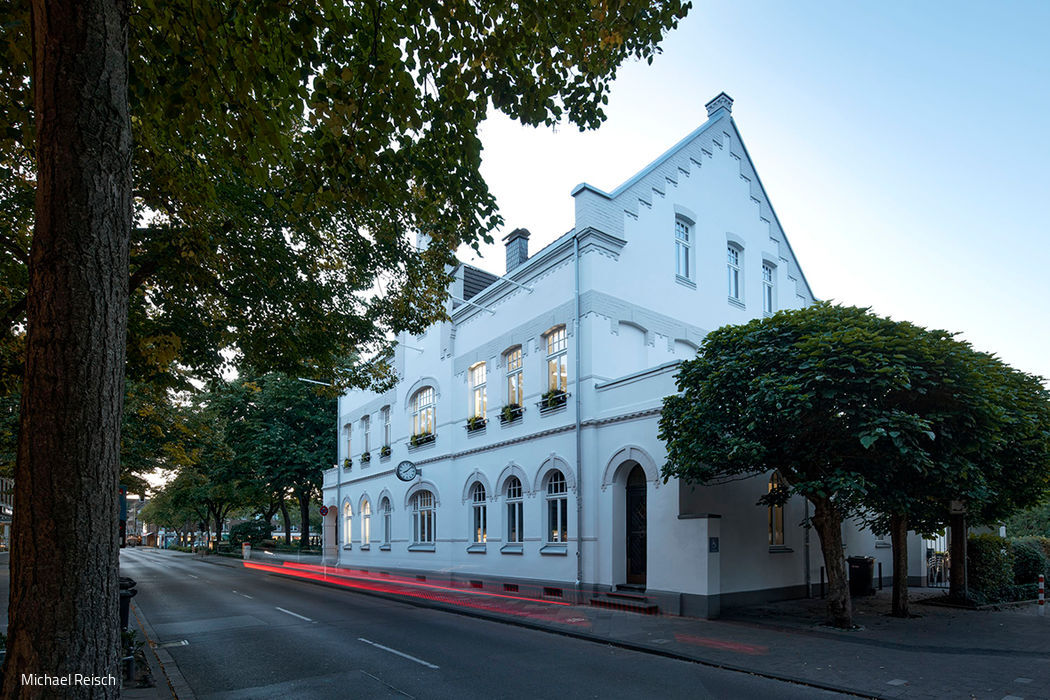
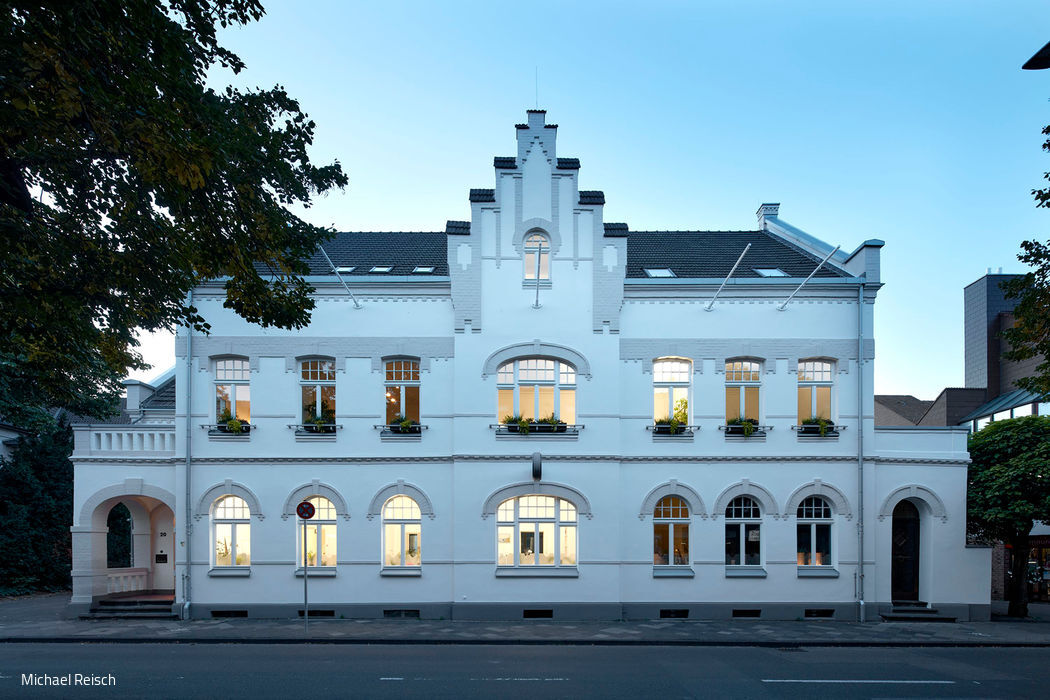
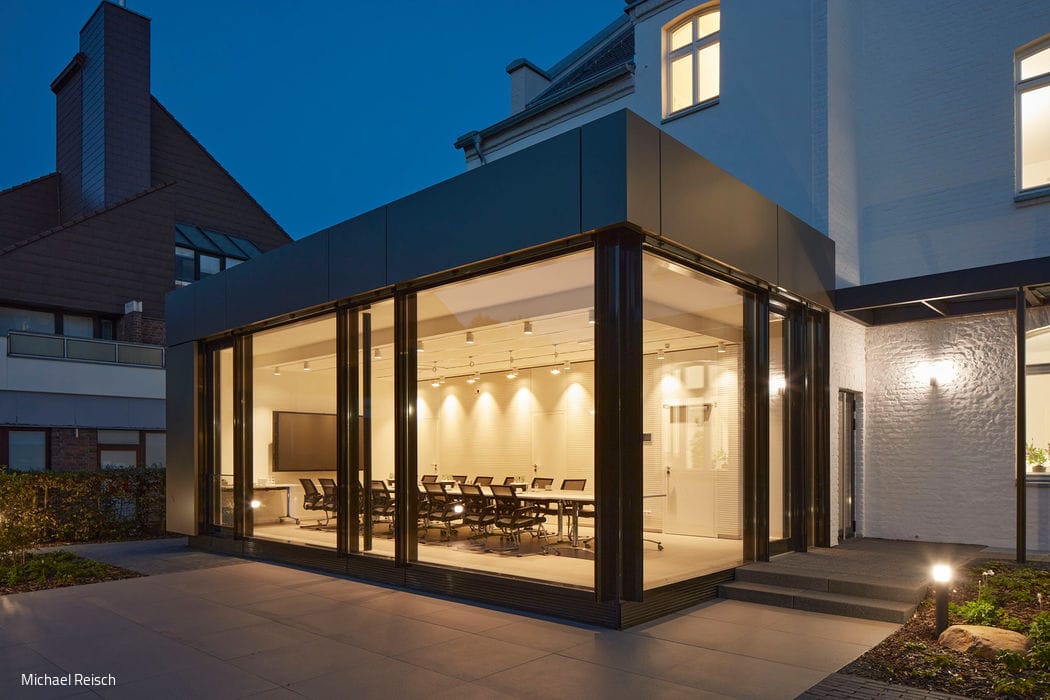
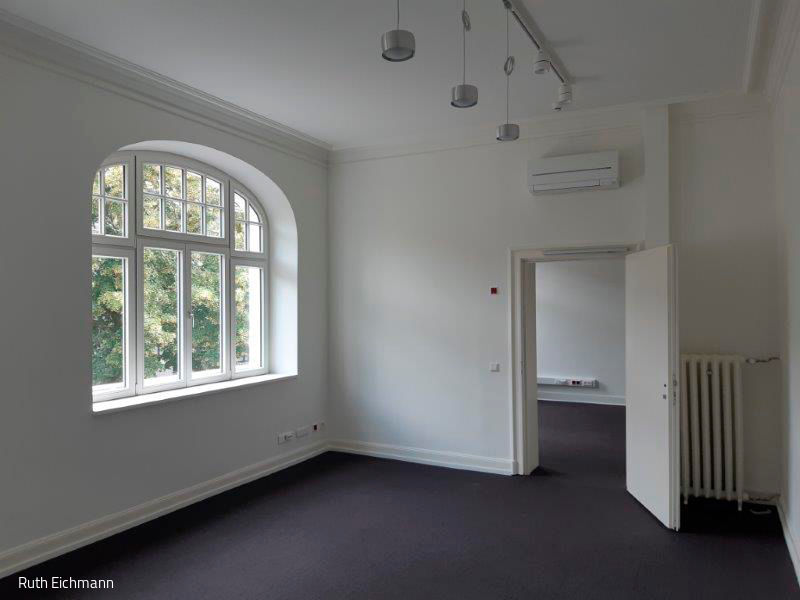
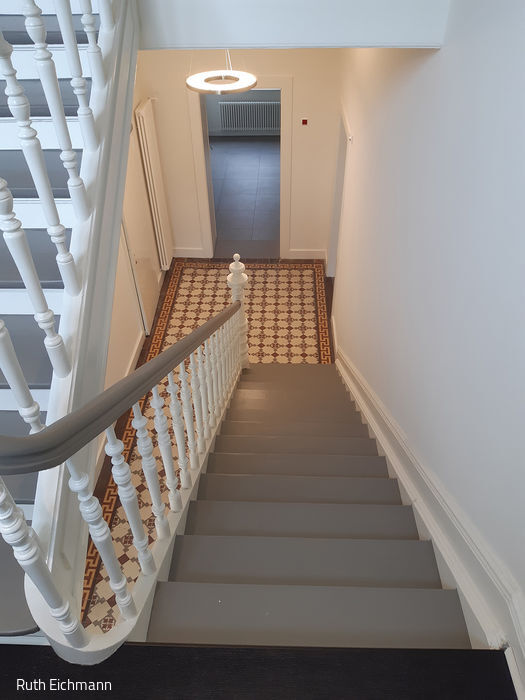
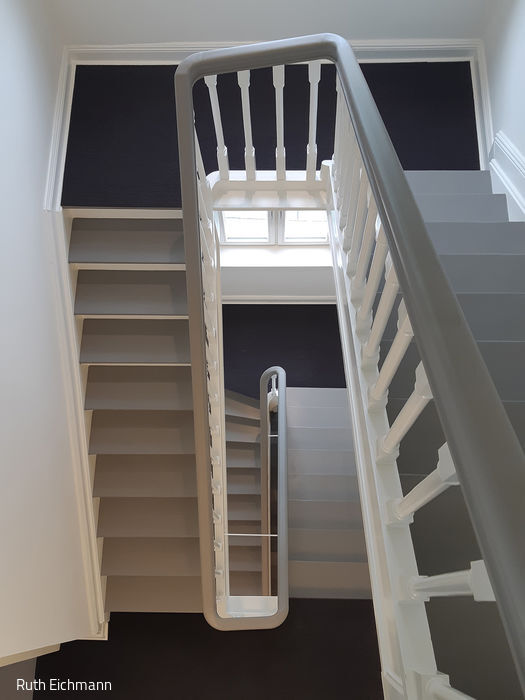
The town hall on Dorfstraße in Meerbusch-Büderich stands as both symbol and testament to the city's growth. Built in 1902 from designs by Düsseldorf architect C. Hövel, this historic structure features a distinctive stepped gable and lower side pavilions. Situated beyond the original village center, it unified the administrative functions of several merged communities—effectively becoming the seed for modern Meerbusch. What began as the mayor's residence and office evolved through successive renovations (first in 1911, most recently in the 1980s) into a full municipal administrative center. E2 Architekten of Meerbusch took on the challenge of bringing the complex into the 21st century while honoring its protected heritage status. The project required balancing contemporary municipal operations with rigorous conservation standards. The approach proved successful: the original historic fabric has been carefully restored and revealed, achieved in part through selective demolition of later additions.
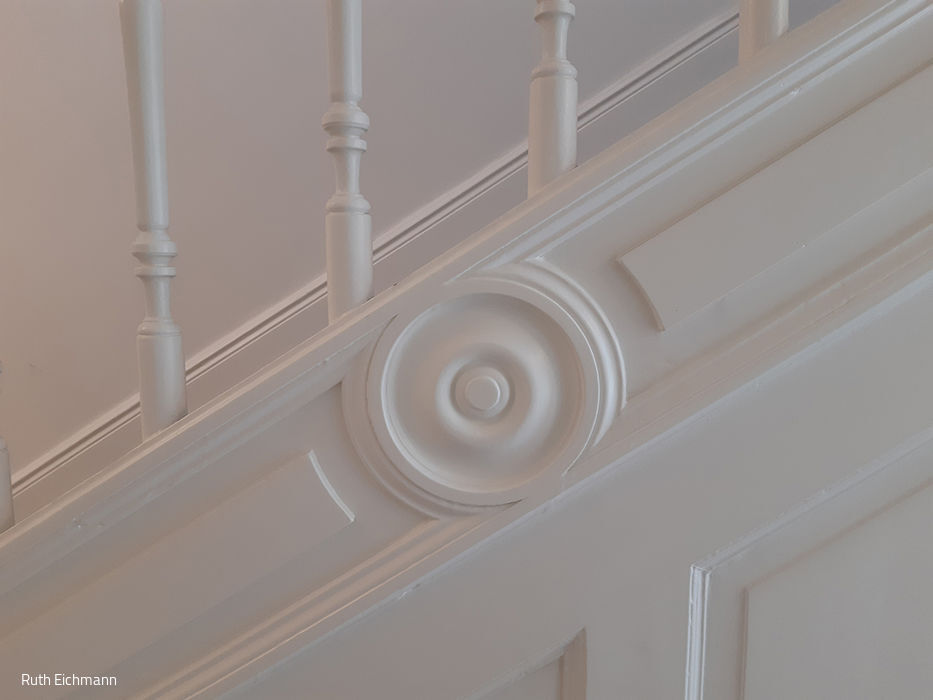
Across two stories and a full attic level, the main building now accommodates the mayor's suite and various municipal departments, from economic development to communications. Wooden beam ceilings throughout demanded meticulous reinforcement to satisfy modern acoustic and fire safety standards. A new climate control and ventilation system ensures efficient air circulation across administrative spaces. Beyond these technical upgrades, every care was taken during restoration to preserve the building's original character: stucco details, wall ornaments revealed beneath historic wallpaper layers, period flooring, and entrance doors were thoughtfully restored wherever possible. The ornate wooden staircases spanning both historic stairwells and original cast-iron radiators received equal attention—carefully refurbished and returned to service, now fed by district heating.
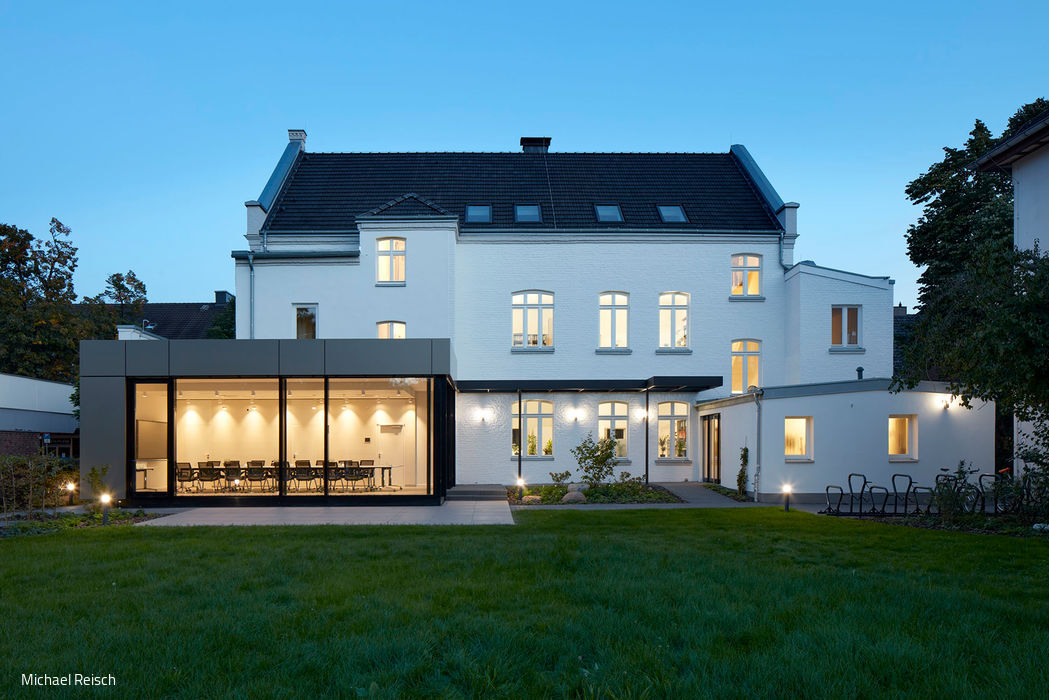
To fully restore the building's original proportions, a clumsily designed two-story rear extension from 1959—originally housing the traffic authority—was carefully removed. In its place rises a refined single-story glass pavilion containing an intimate conference hall. Distinctly contemporary in materials and finish, this new wing opens generously toward the town hall garden through a shaded glass facade while maintaining full accessibility via an integrated design approach. Equipped with modern audiovisual technology, the space seamlessly accommodates council sessions and public events.
Photography Credits:
Ruth Eichmann
Michael Reisch
www.michaelreisch.com
(Published in CUBE Düsseldorf 04|21)
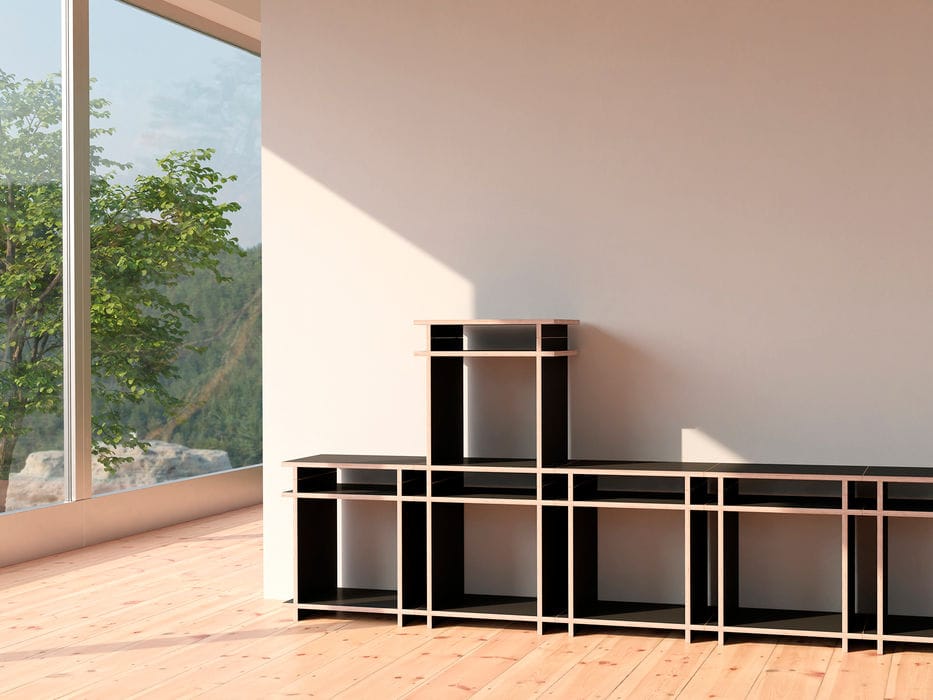
Sustainable and Minimal
"Less is Future"—this principle shapes every aspect of KIYO's design and production.
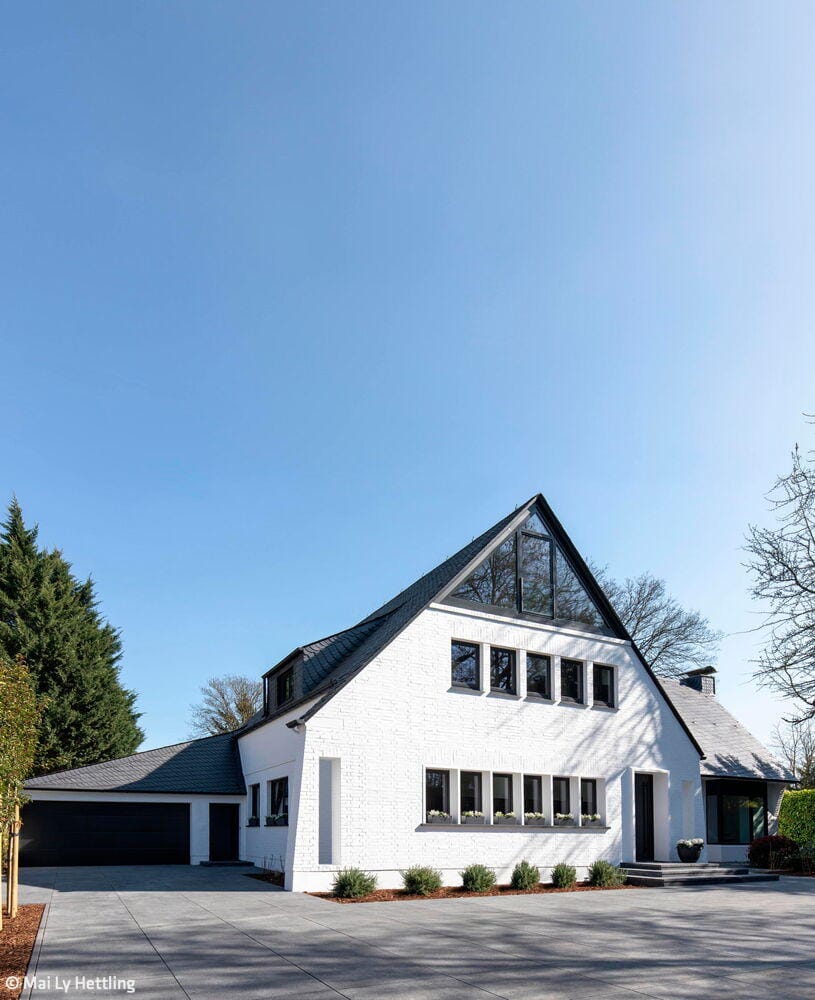
Revitalized Through Contrast
A heritage villa reimagined—meticulously restored and redesigned with timeless elegance.
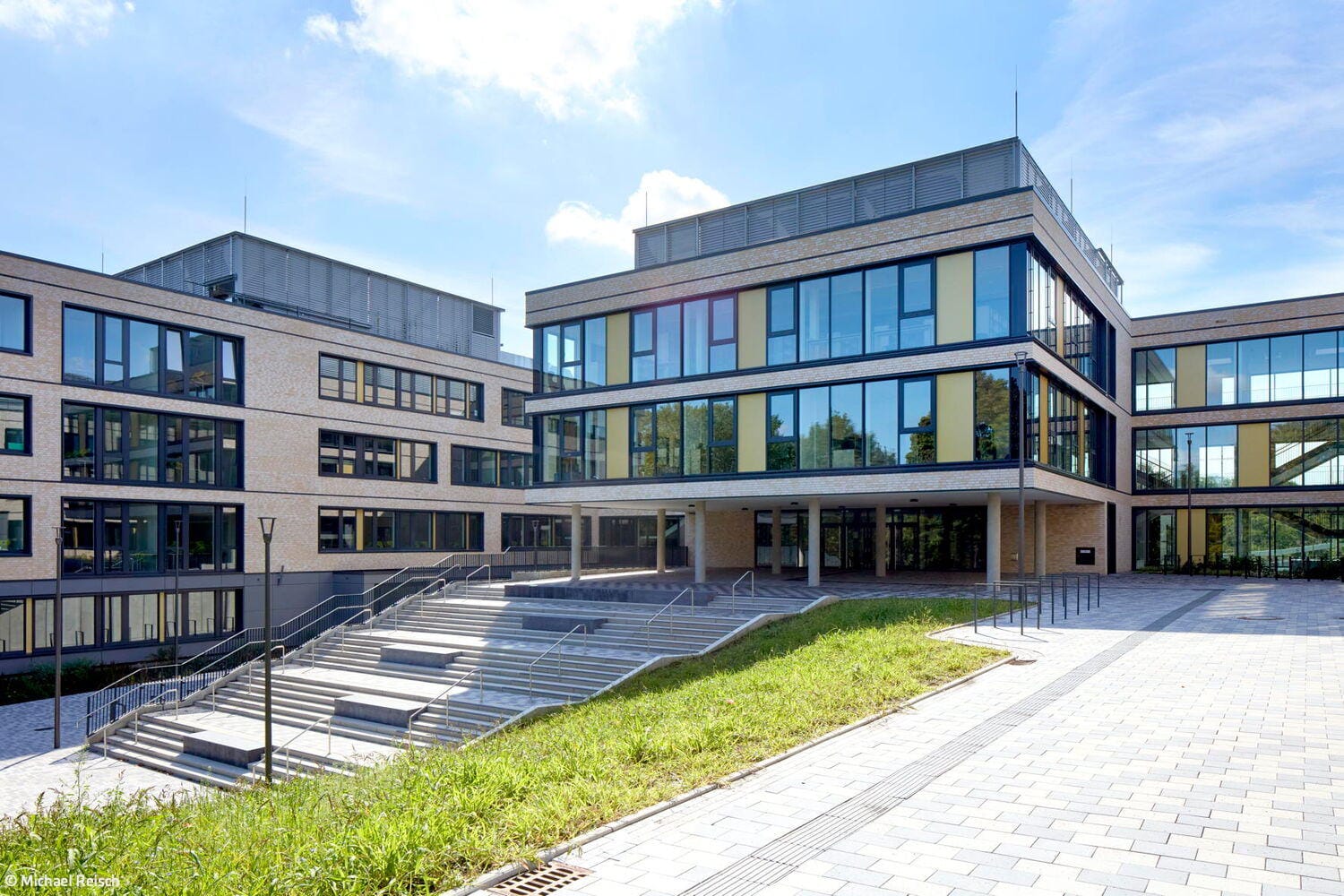
Clear Structure in Record Time
A comprehensive secondary school in Velbert harnesses the hillside topography and embraces a cluster design approach
Generous Monolith
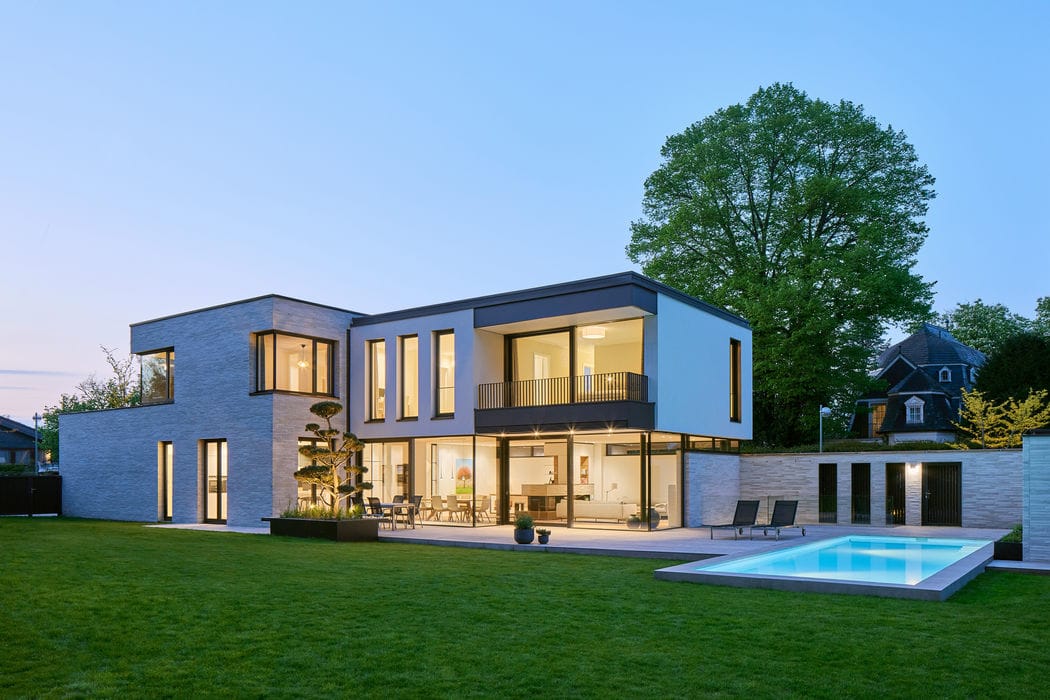
A single-family home that thoughtfully engages with its urban setting