


Concept over commerce
Frizz23: A pioneering model for creative enterprise
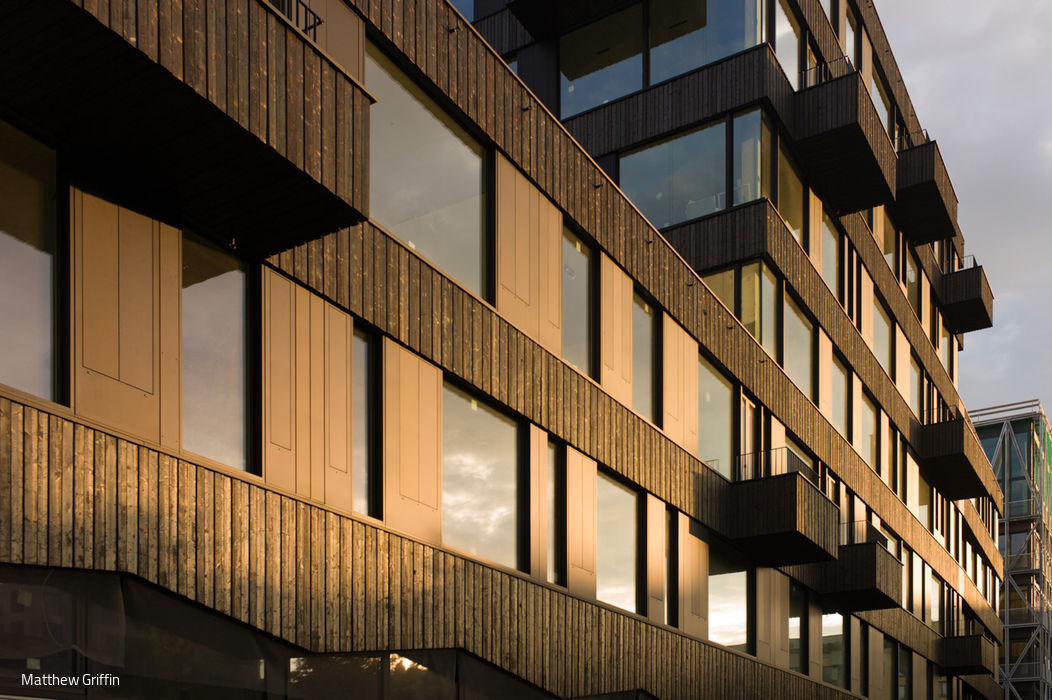


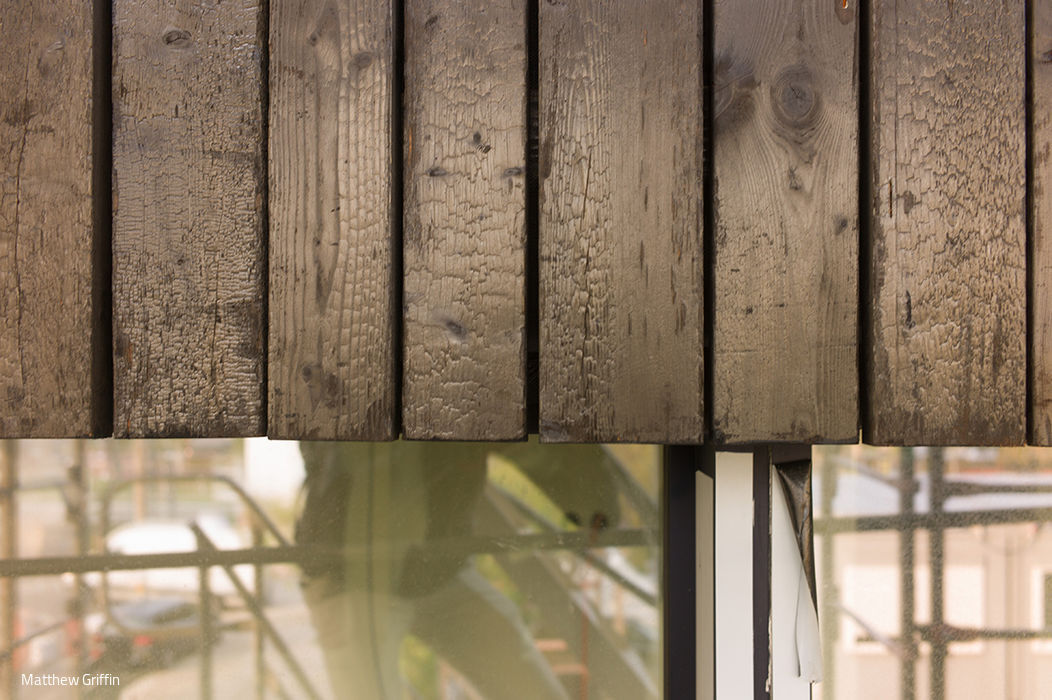
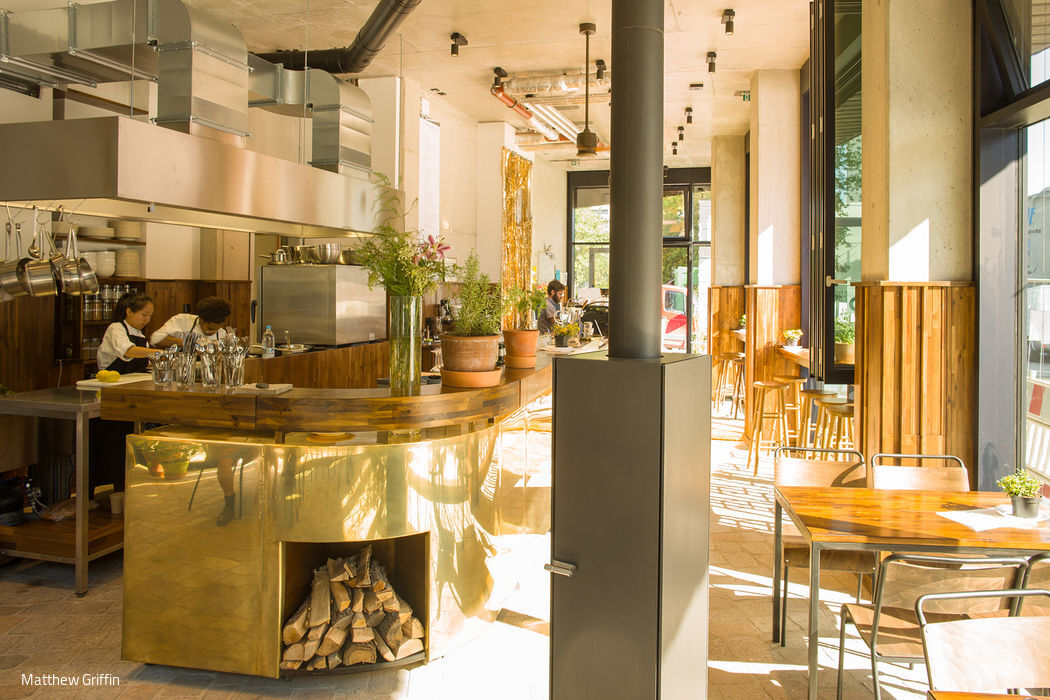
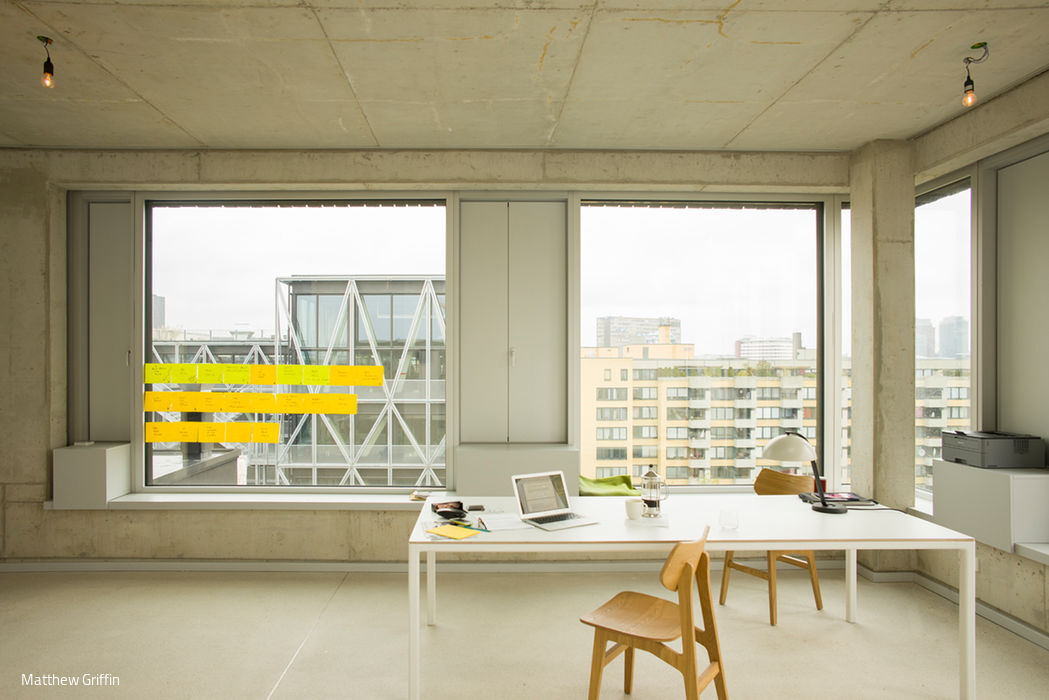
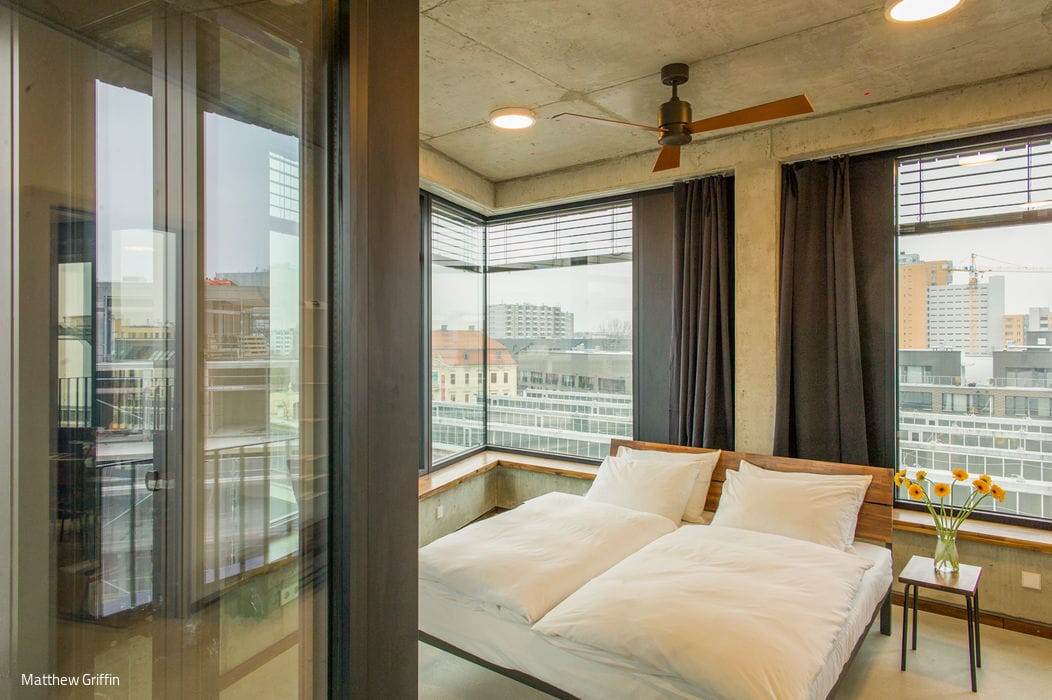
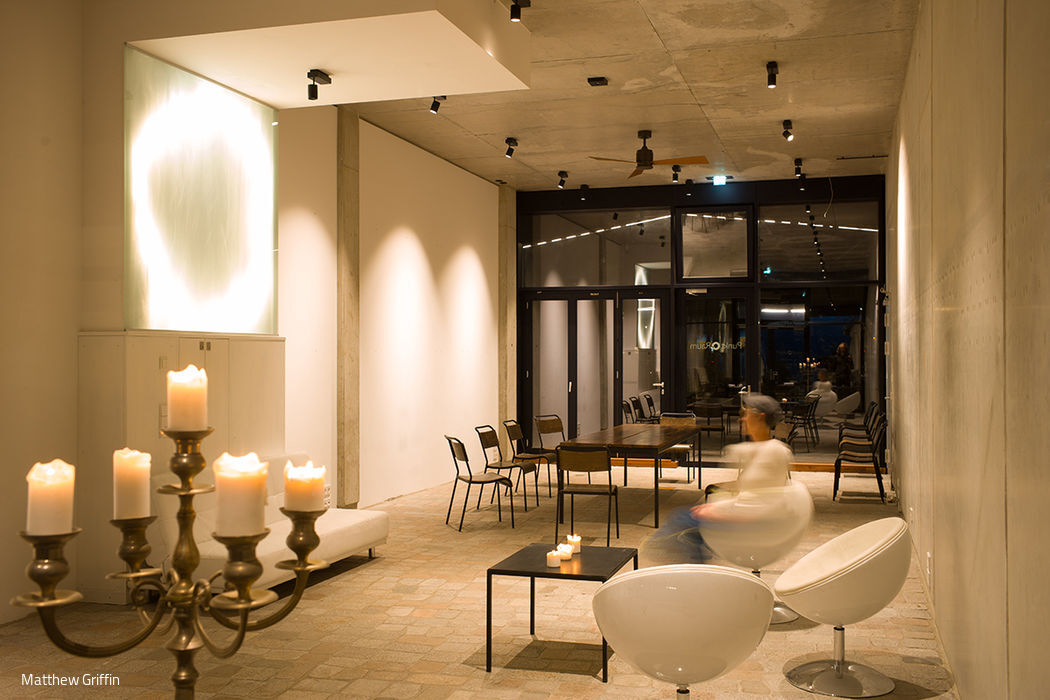

Concept over commerce – that was the driving principle behind Frizz23, the first commercial building developed as a cooperative venture. Taking inspiration from residential cooperative models, where multiple small developers pool resources to create larger housing projects, Frizz23 applies this same collaborative approach to commercial real estate. The city-owned site sits opposite the Jewish Museum, adjacent to Mitte's historic flower market hall. In a first for Berlin, the land was awarded not to the highest bidder, but to the strongest concept. Deadline Architekten's winning proposal championed a mixed-use space dedicated exclusively to small-scale creative businesses, artists, and educational enterprises – addressing a critical challenge: the displacement of independent craftspeople and micro-businesses from city centers. Yet urban vitality depends on precisely this mix of work and living spaces. The planning process was genuinely collaborative. All stakeholders – potential tenants, neighbors, district officials, and city representatives – shaped the design from the outset. "Planning moved remarkably quickly," recalls Britta Jürgens of Deadline, "which is remarkable given the architectural complexity we achieved." Frizz23 emerges as a sculptural monolith, positioned between the new Taz building to the west, the urban plaza to the east, and the Jewish Academy and Besselpark to the north. Its varied facade heights echo the rhythm of a living city – a layered composition of carbonized larch wood and metal. The ground floor opens to the public with shops and a café, while above, tenants enjoyed unprecedented control over their spaces: specifying exact square footage (ranging from 27 to 280 m²), positioning windows, and determining balcony placement. Multi-story maisonettes offered further flexibility. Recognition followed: Frizz23 was shortlisted for the prestigious DAM Prize among Germany's 28 best buildings and nominated for the European Mies van der Rohe Award.
While Deadline's founders acknowledge their vision of openness and spatial efficiency wasn't fully realized – an understandable outcome given the pioneering complexity of the undertaking – Frizz23 remains a landmark achievement. It charts a new course for cooperative commercial development and, judged by the groundswell of interest, has inspired similar ventures across the city. The project deserves acclaim not merely for its architectural merit, but for pioneering a collaborative building-group model for commercial space, executed through genuine partnership among developers, neighbors, district officials, city representatives, and independent experts.
Photography Credits:
Matthew Griffin
(Published in CUBE Berlin 01|21)





House by the Lake
Refined geometry, striking presence
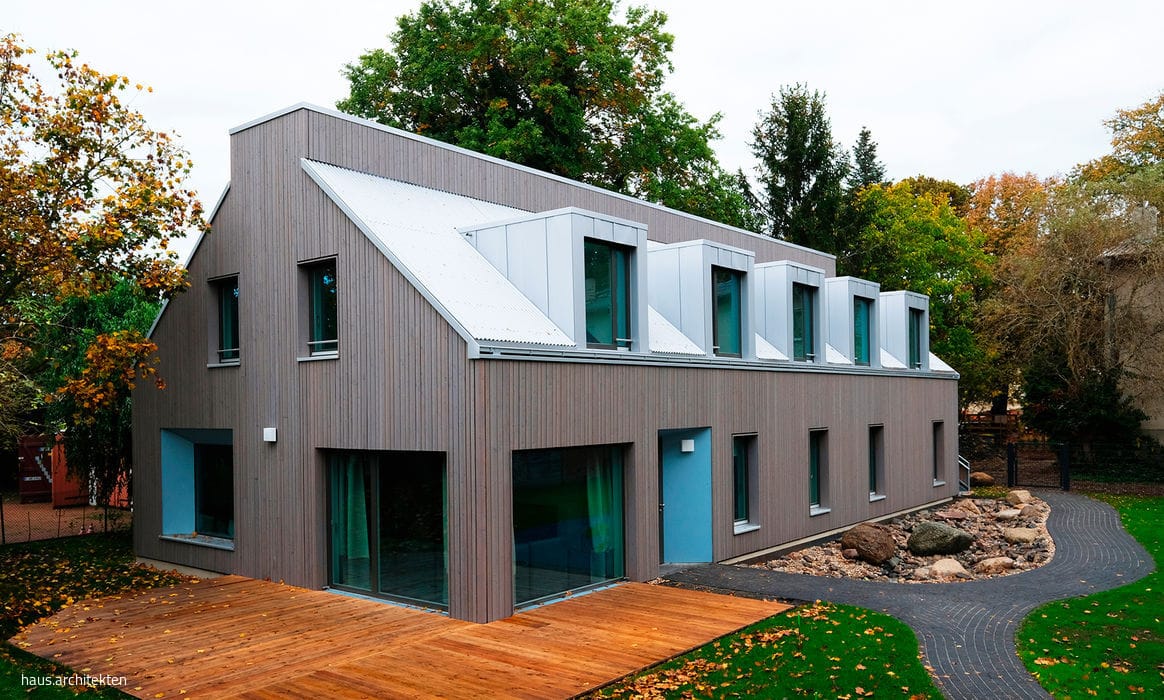
Jona's House
An unassuming, purposeful timber-frame residence designed to house two groups of five children each
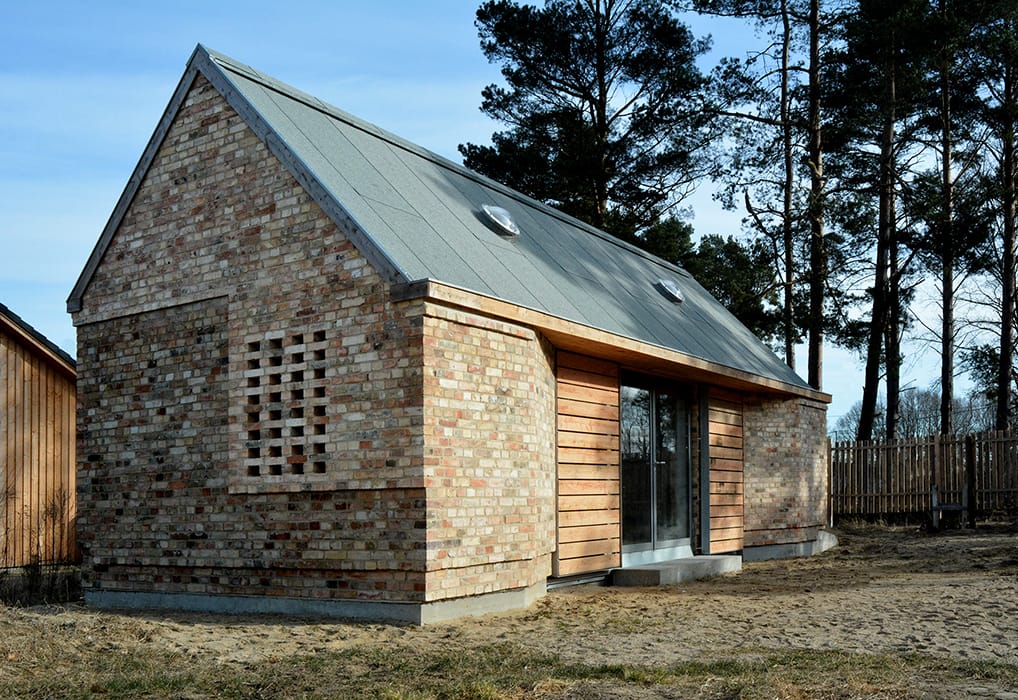
The timeless house
A Primal Brick House in Marienwerder
From Necessity to Virtue
An Overlooked Attic Transformed into a Refined Mansard Apartment