


Modern Work in Historic Halls
Industrial Heritage Transformed: A New Office Landscape for Carlsen Verlag
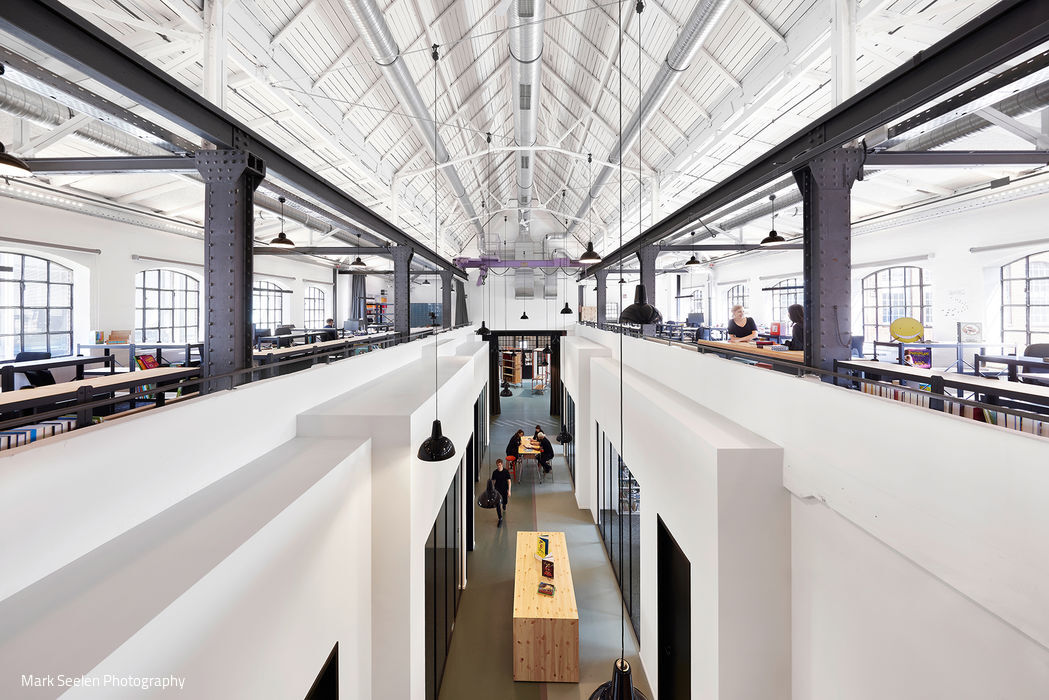
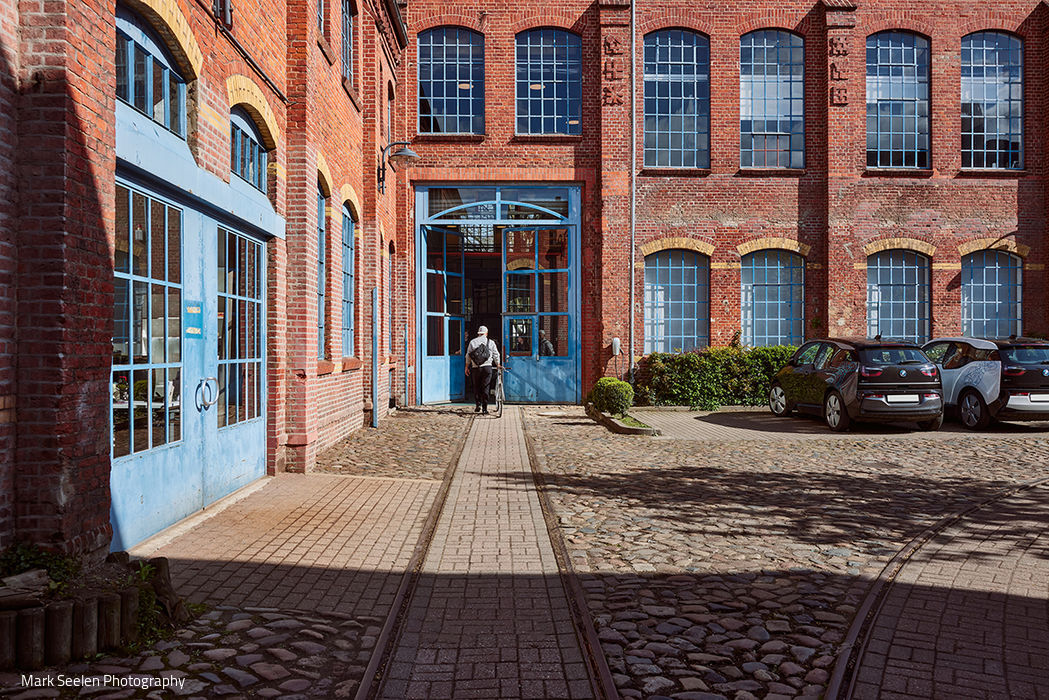
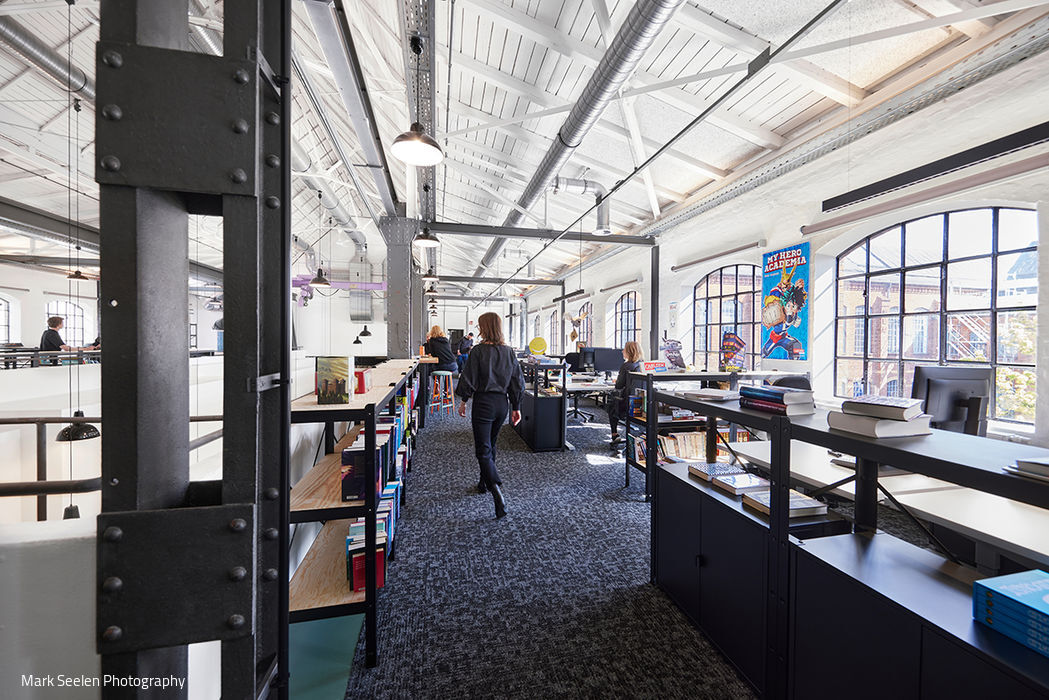
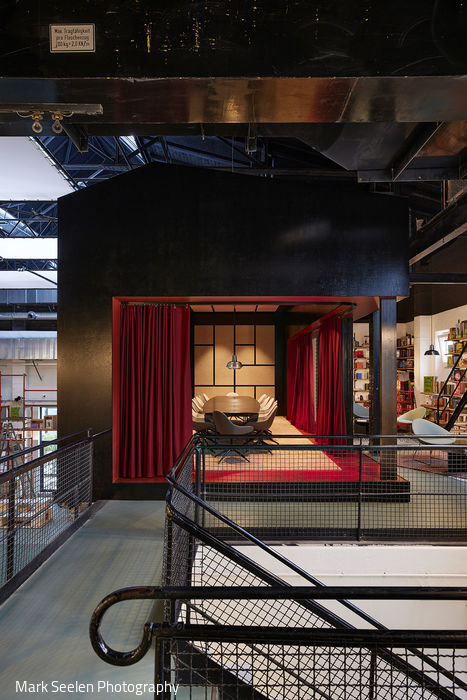
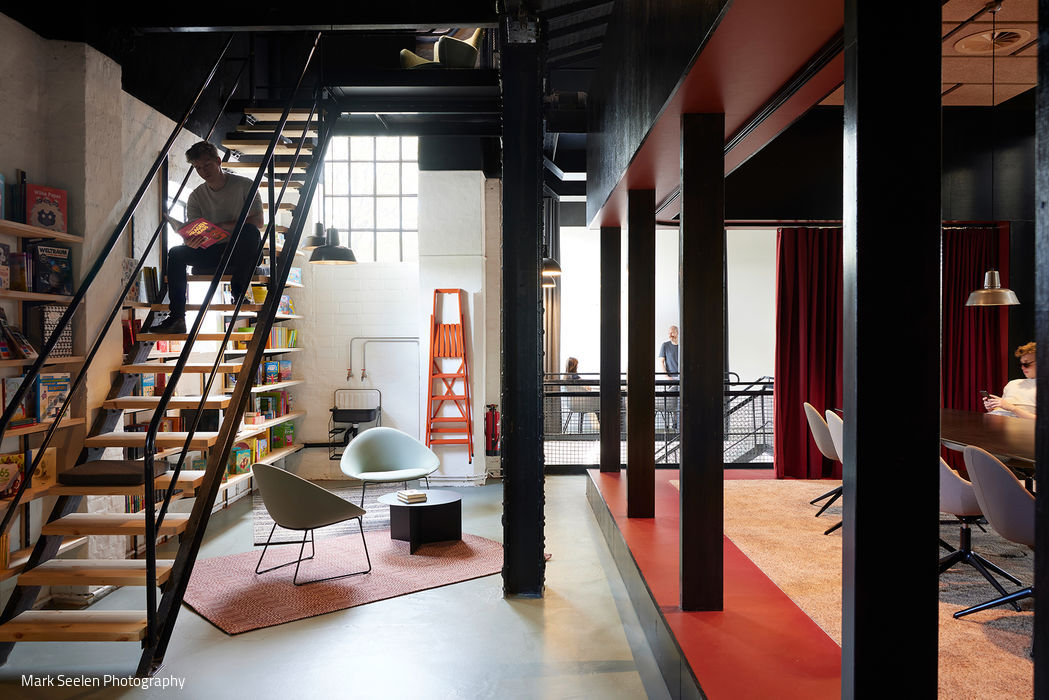
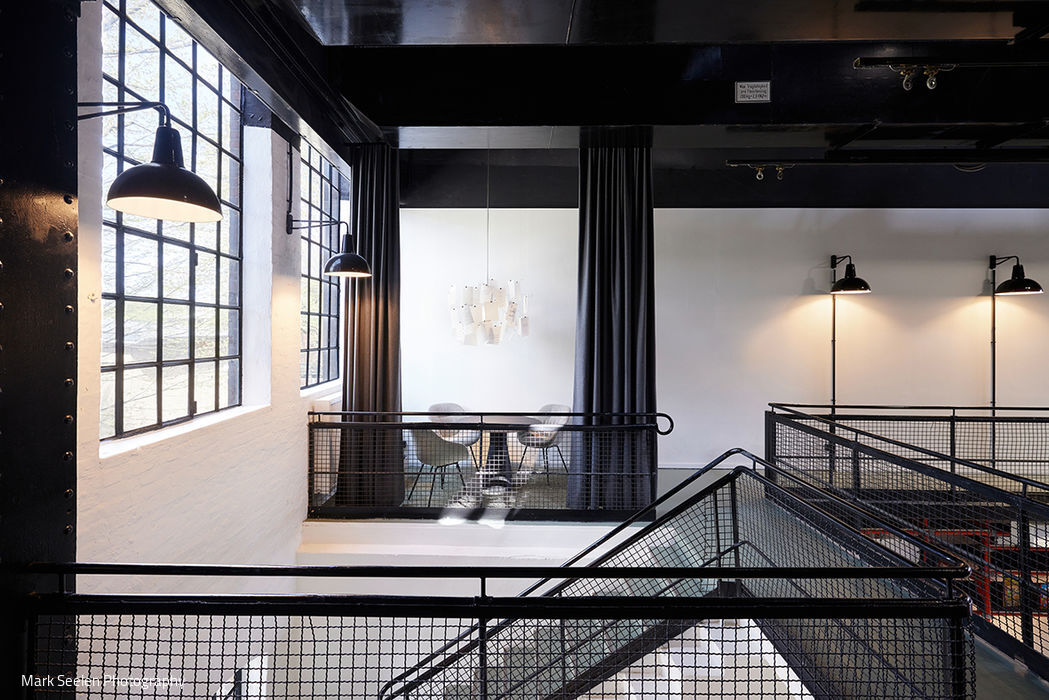
Within the nearly 120-year-old former Gutmann machine factory in Ottensen, Berlin-based de Winder Architekten have reimagined office space for Carlsen Verlag. This new workplace forms part of an expanding publishing campus at Völckersstraße 20, extending the company's headquarters with a neighboring location. The architects faced a significant challenge: converting the complex, disparate hall structures into an efficient office environment for approximately 70 employees. Through thoughtful, restrained interventions, the industrial heritage of the halls remains legible while seamlessly accommodating contemporary work practices.
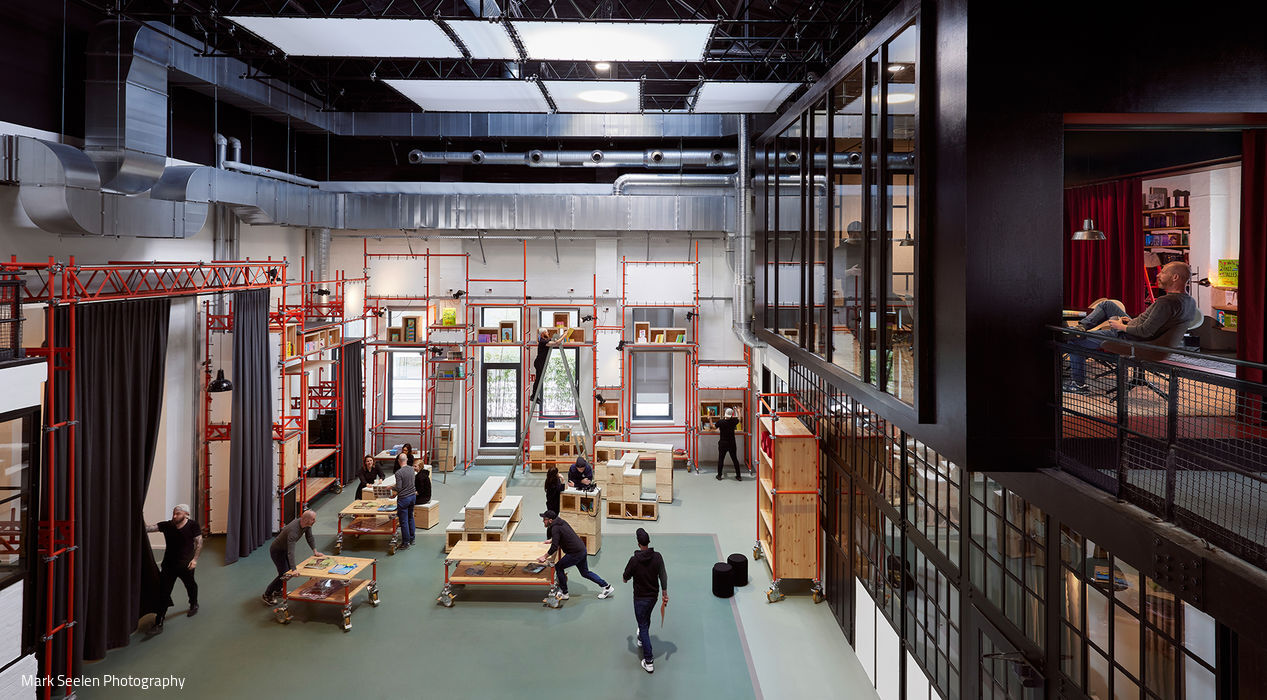
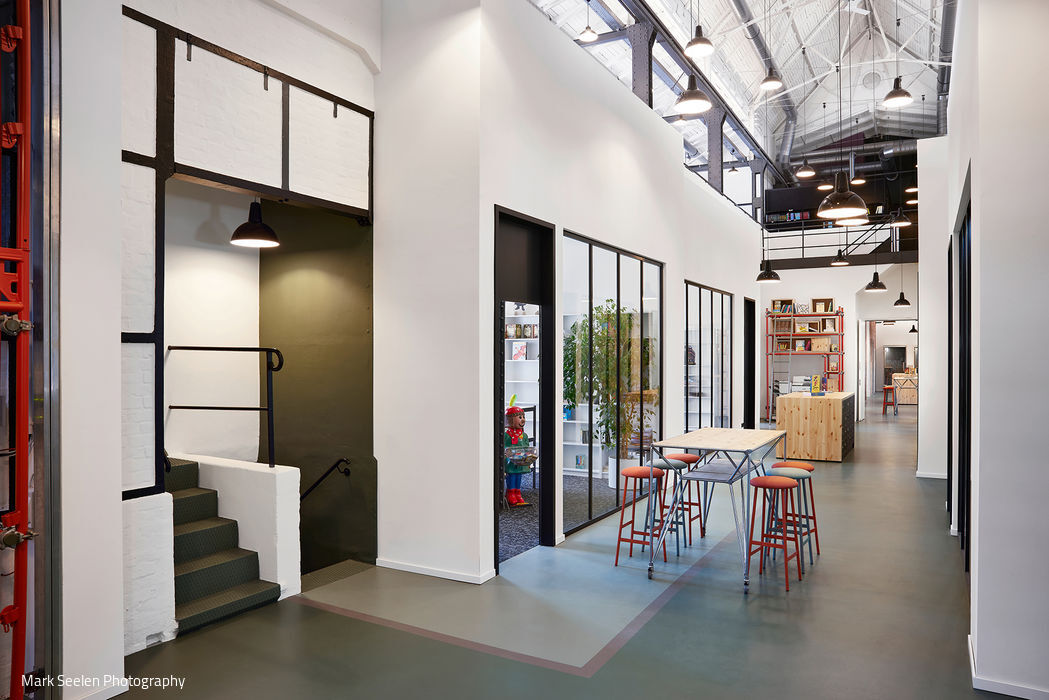
The two-storey office layout comprises two interconnected sections: a generous volume with soaring roof structure, and a smaller hall that serves as a side extension and hosts the main entry. From here, a dynamic "promenade" unfolds—a 35-metre corridor lined with staggered office pods that rise to gallery level. These adaptable units accommodate individual, paired, and team workstations while enabling informal encounters and maintaining visual continuity with the expansive hall beyond. At the core sits an approximately 230-square-metre "marketplace"—a flexible event and collaboration hub, subtly defined by a graphic green floor treatment that echoes industrial aesthetics and orchestrates distinct functional zones. Translucent curtains allow controlled daylighting. The flooring graphics extend throughout the promenade as a unifying design thread. A distinctive feature—inspired by the building's industrial past—comprises three walls of floor-to-ceiling red scaffolding frameworks that define the space and enable dynamic configurations. These structures accommodate flexible seating, temporary workstations, and integrated storage; they house the library and technical infrastructure while supporting hanging systems and backlighting options for printed panels in diverse event scenarios. The upper level accommodates permanent gallery workstations, an intimate open studio for the communications and marketing teams, a library lounge, and a glass-walled conference room for up to 16 people that projects into the event space below. A continuous circulation gallery offers compelling sightlines down to the ground floor, enriching spatial experience.
Preserving the hall's distinctive character, the architects uncovered and thoughtfully restored historical traces of its industrial past. Vintage control mechanisms, operator panels, ghost markings of former wall and window openings, and remnants of overhead crane systems now form an integral, atmospheric layer of the contemporary design. The colour palette similarly honors this heritage: the original industrial greens and reds discovered on-site permeate the entire building, complementing a restrained palette of white and grey that defines floors, textiles, and finishes throughout the office areas.
Photography Credits:
Mark Seelen Photography
www.seelenplus.com
(From CUBE Hamburg 03|22)
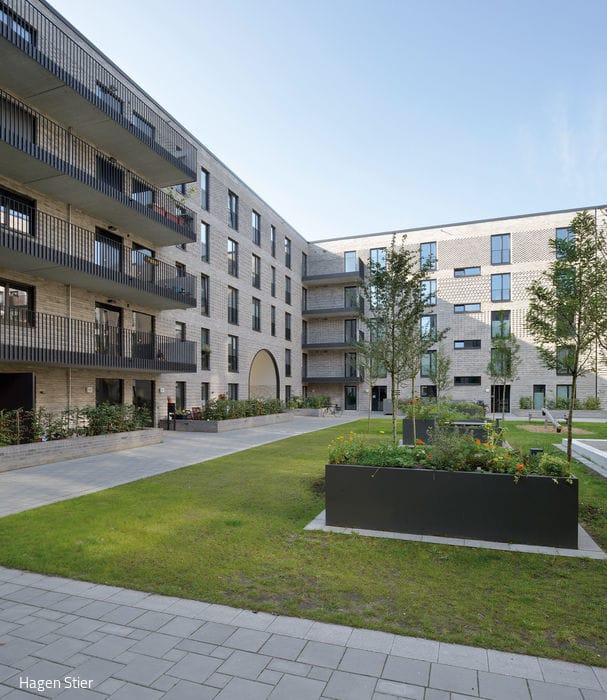
Hamburg loves brick
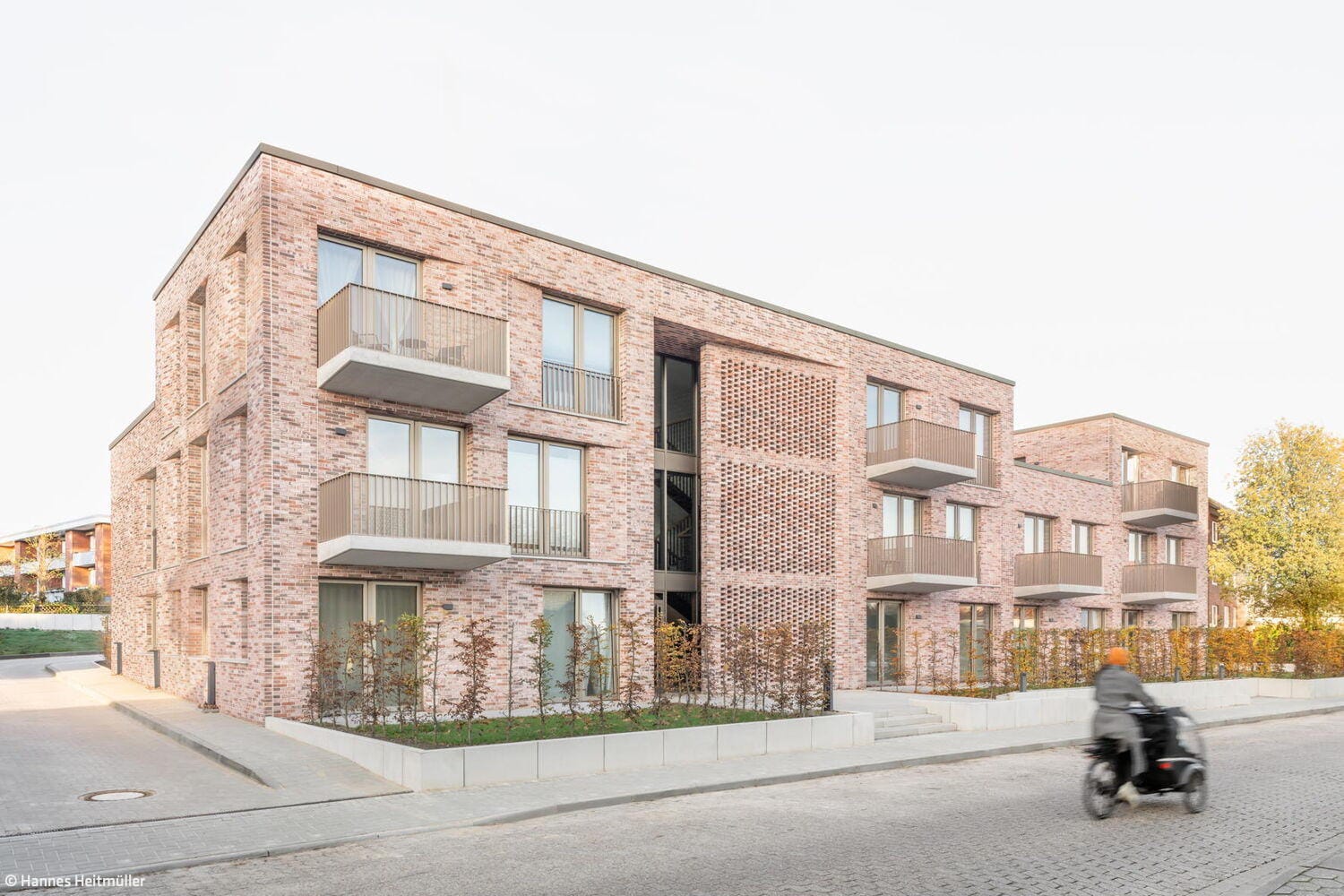
Pergolenviertel buildings reimagine historic neighbourhoods
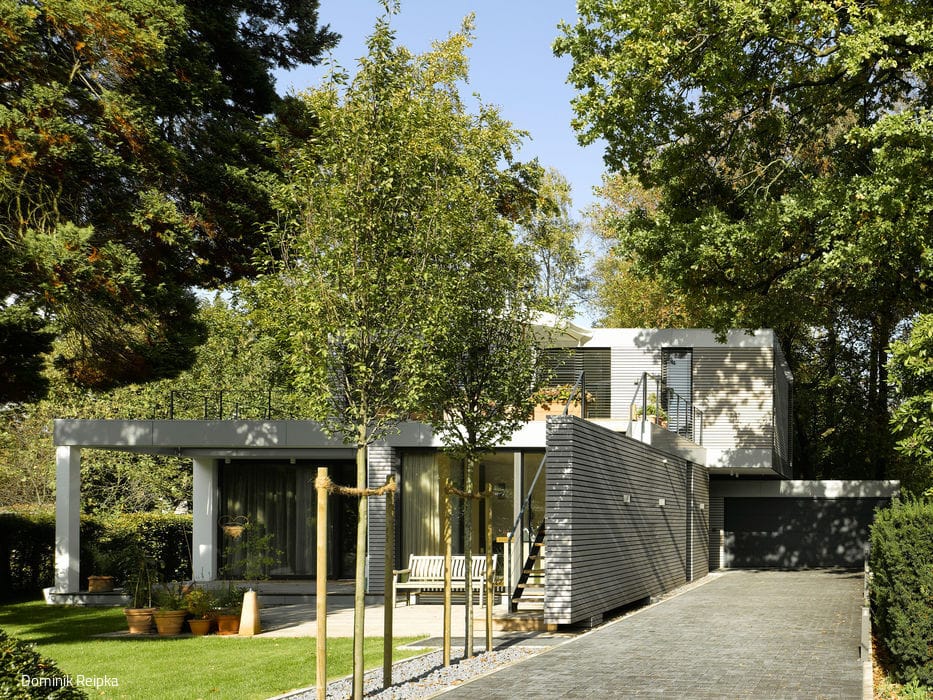
Future Retirement Residence
How do you reinvent home when the nest empties?
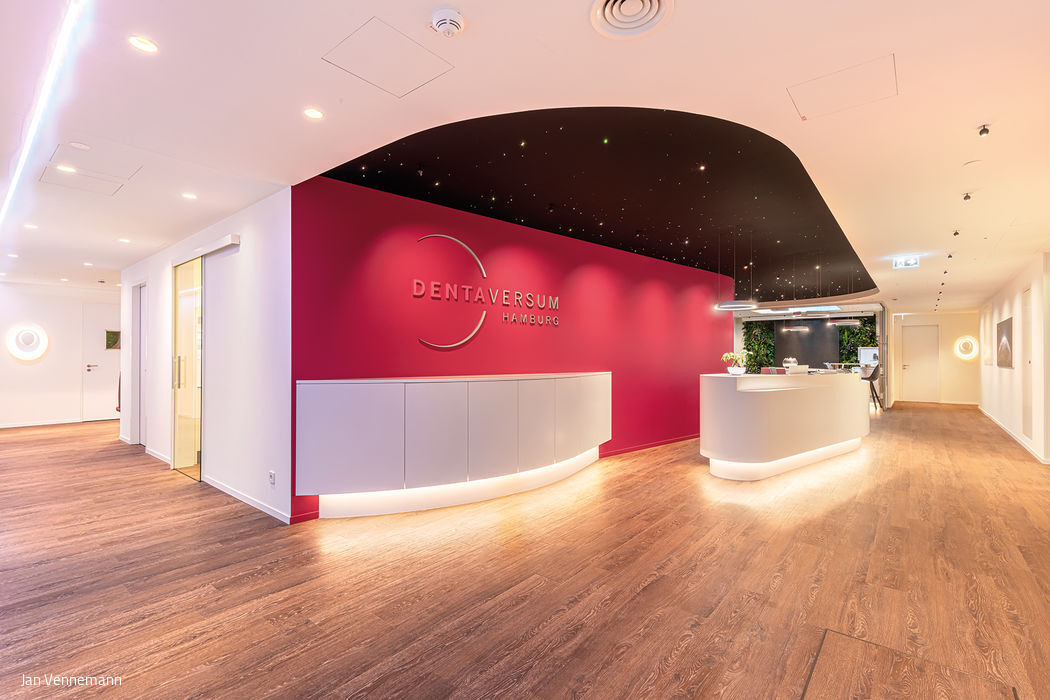
The Whole Universe
Comprehensive Lighting Design: Supporting Patients and Practice
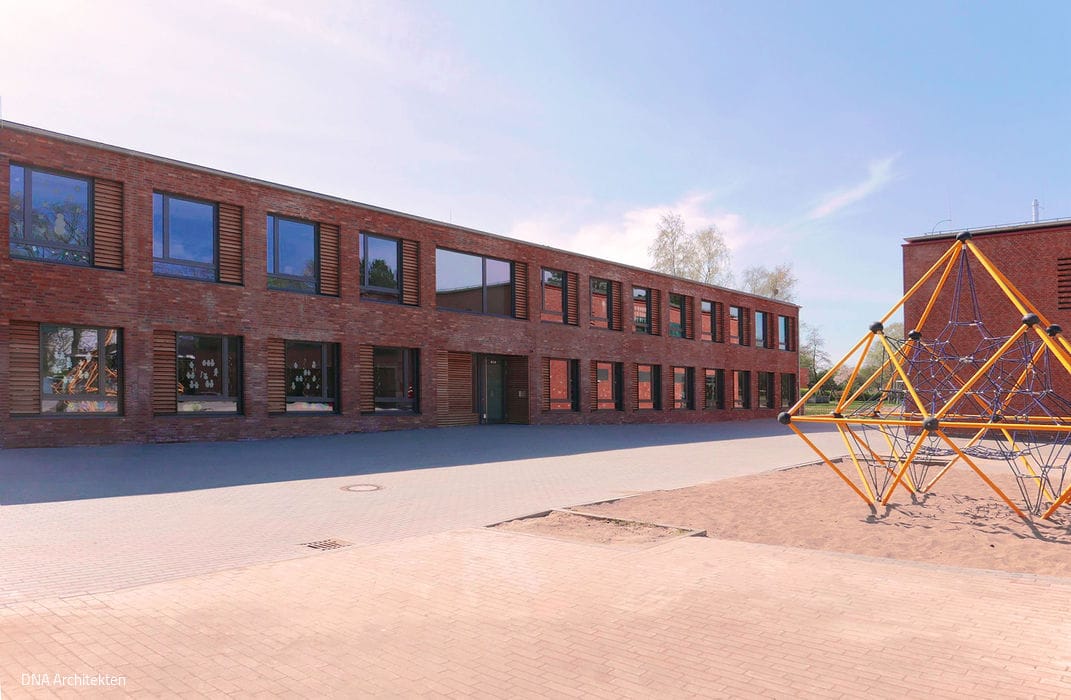
Reimagining Primary Education
The Hamburg Classroom: modular, flexible, and sustainably built