


The City's Living Room
The new library at Forum Velbert welcomes visitors of all ages
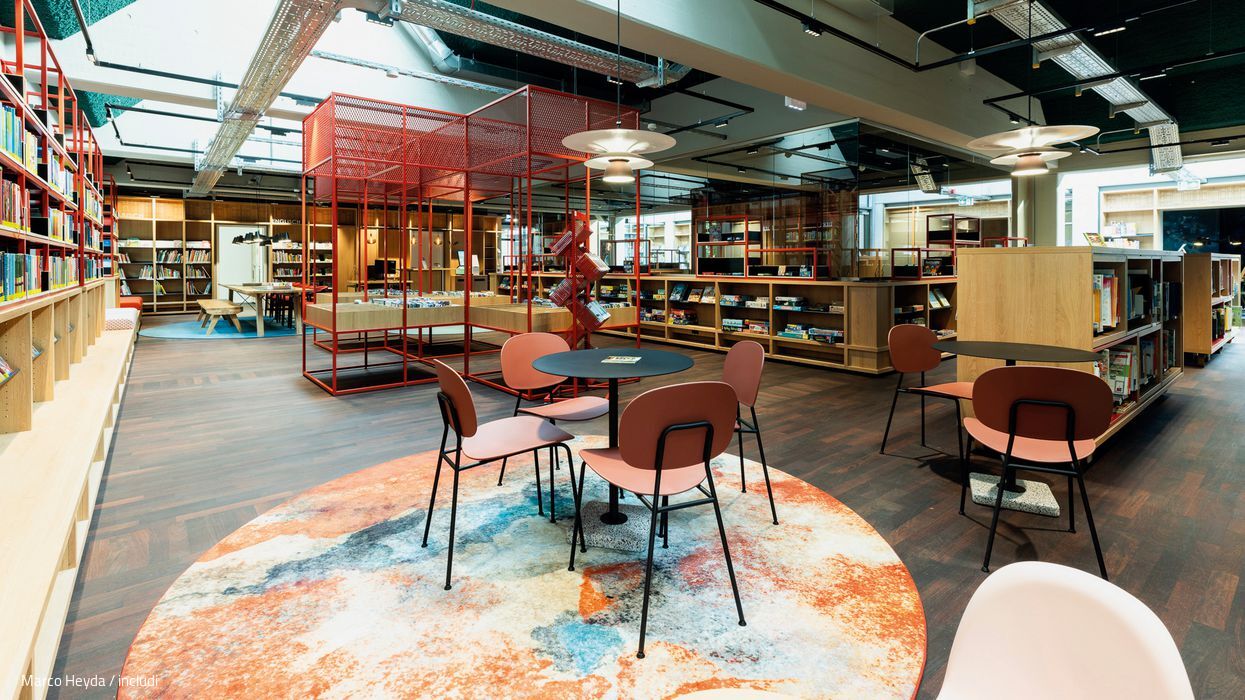
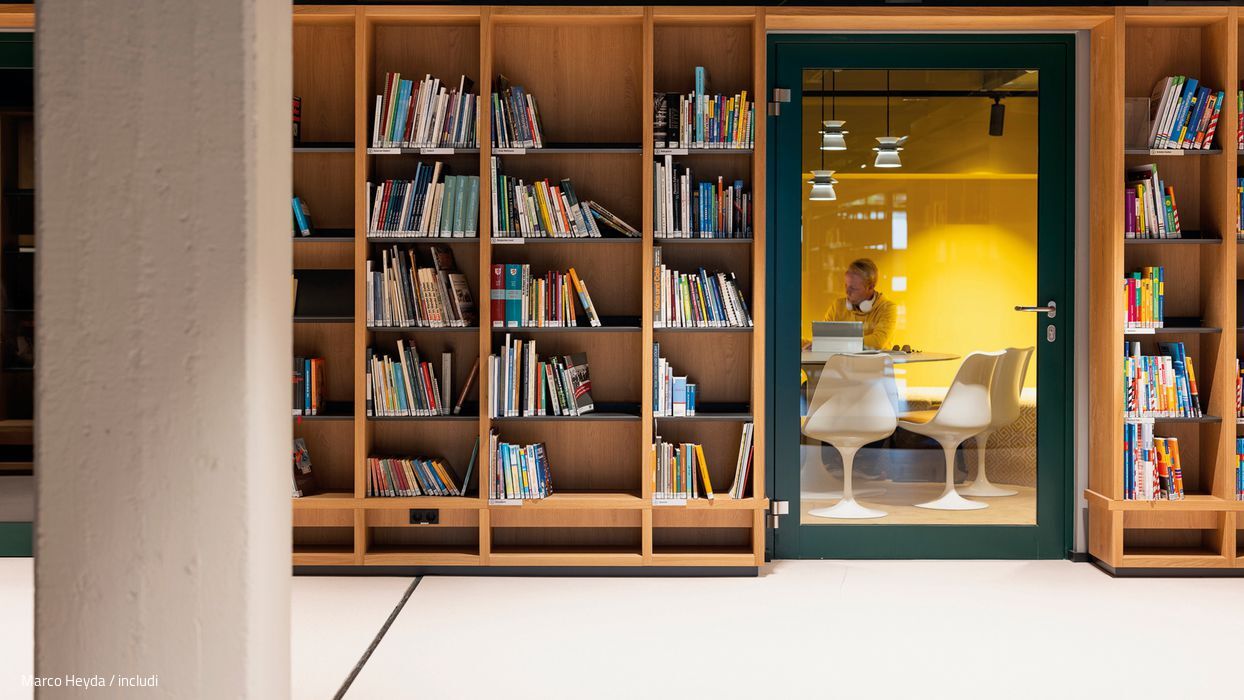
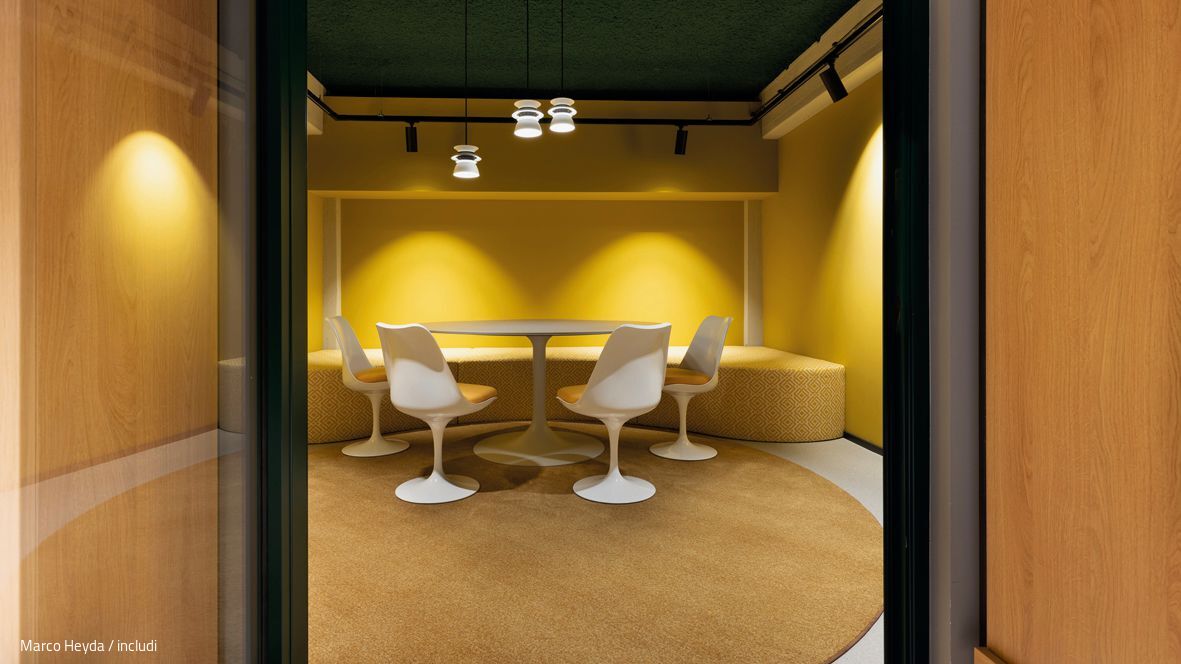
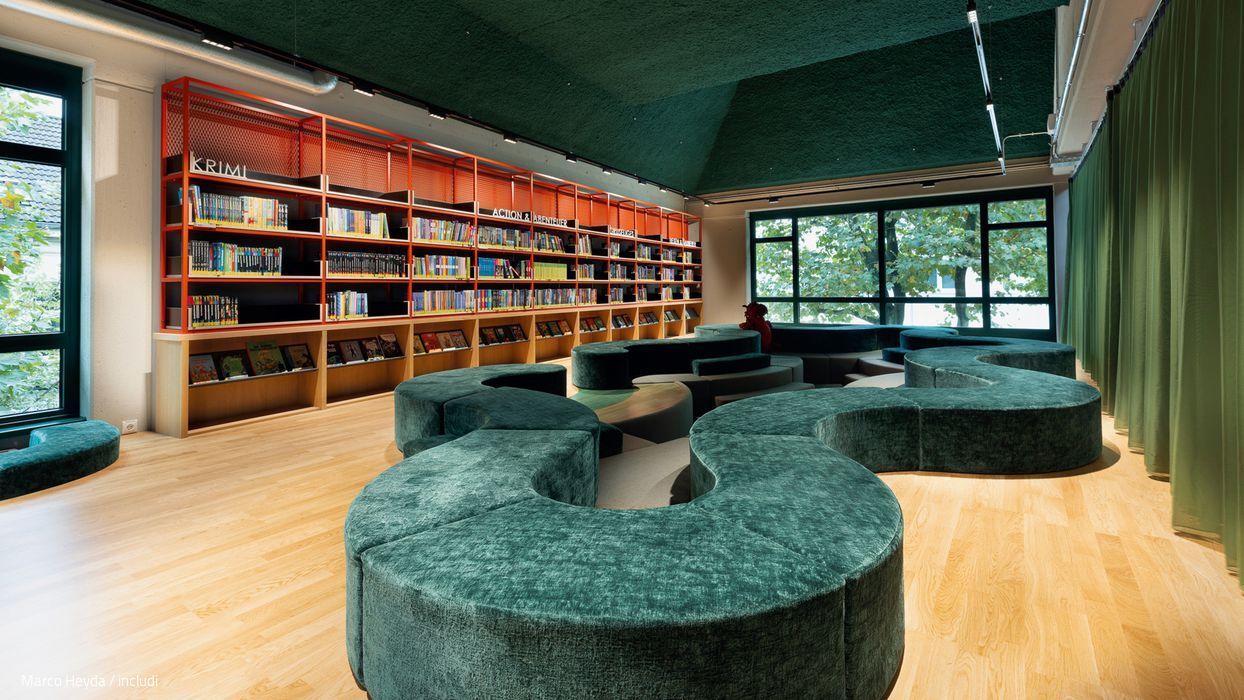
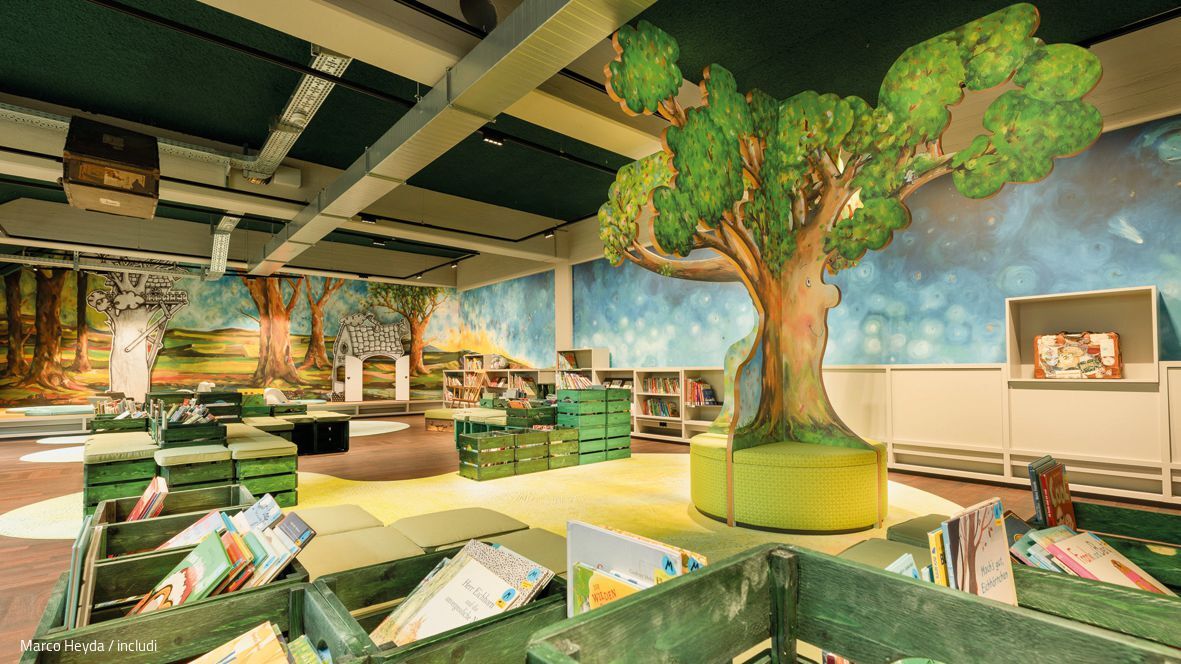
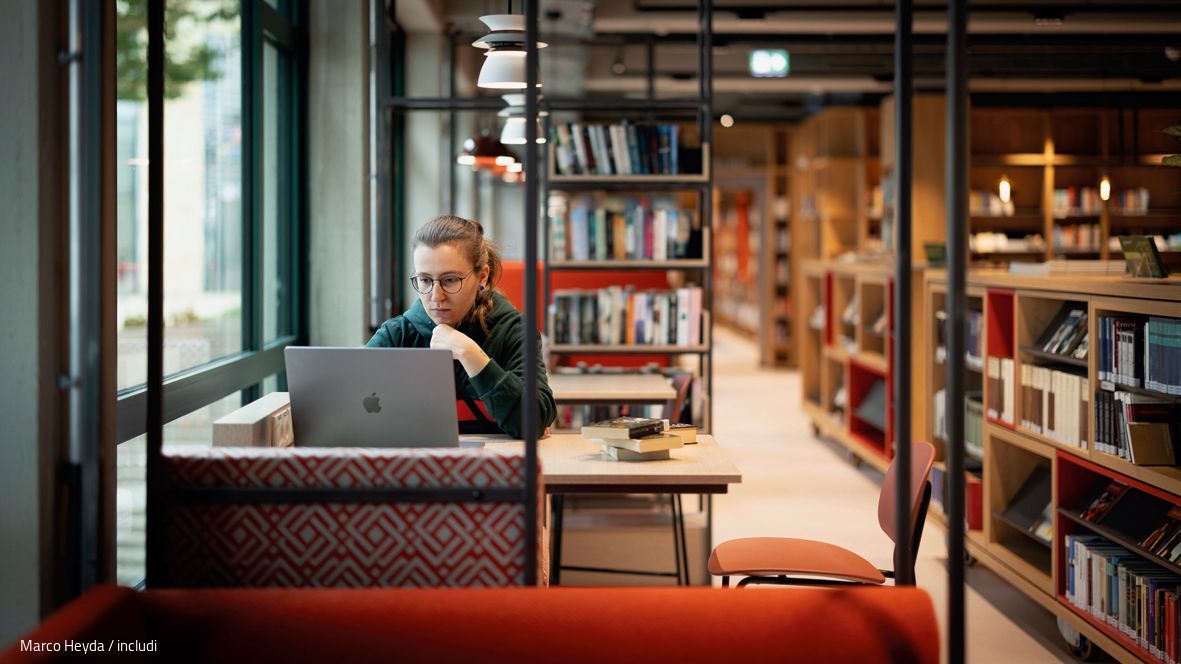
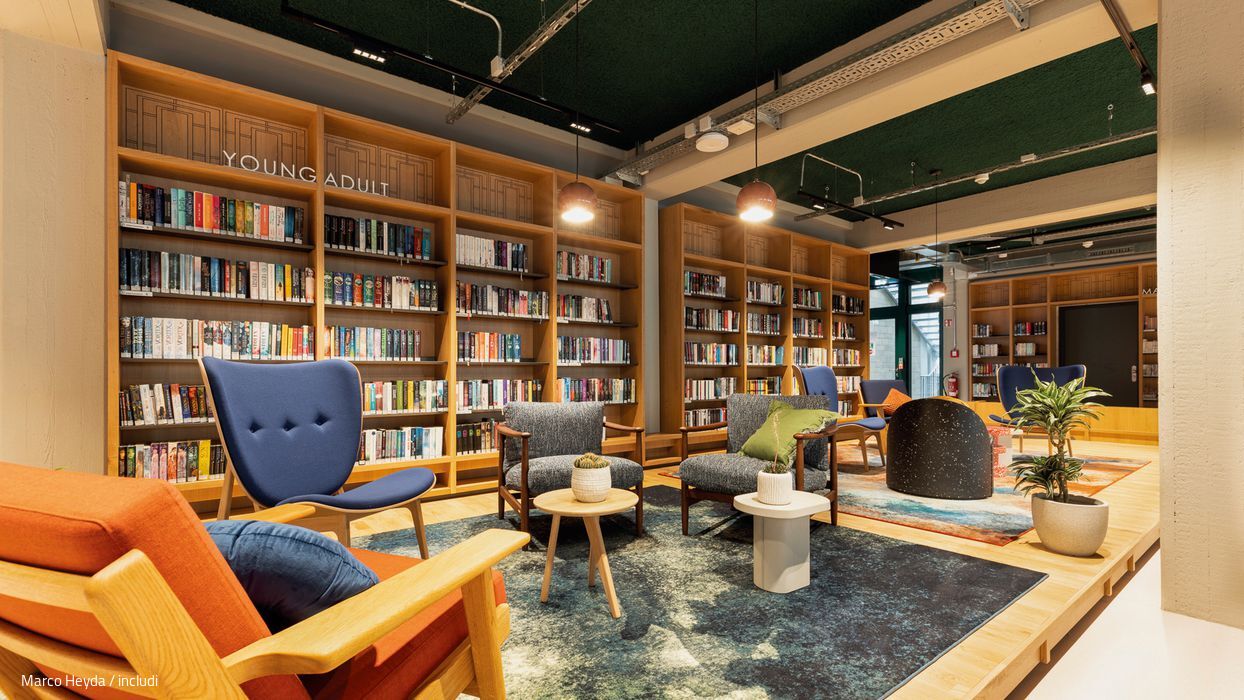
At the newly redesigned Forum Velbert, the library serves as a vital hub. Dutch interior architect Aat Vos and his team at includi transformed this 40-year-old library into something extraordinary—a vibrant gathering space with its own distinctive architectural identity. Operating as a "third place," the library completes Forum Velbert's cultural and educational mission, positioning itself as a welcoming destination for everyone in the community.
Spread across three floors, the 1,860 m² of library space invites visitors on a voyage through distinct worlds. The entrance level features the marketplace—home to the information desk, ticketing system, and lockers. Beyond lies the Reading Zone, a spacious retreat with a performance stage and workshop rooms. The upper floor showcases the imaginative Children's World, complete with a diverse media collection, play net, and creative studio. The whimsical "Polli-Olli" universe—featuring a duck pond and mini slide for the youngest guests—springs from the imagination of Velbert-based author and illustrator Anja Dreier-Brückner, who also designed the library's beloved mascots. The basement celebrates learning, exploration, and play with non-fiction collections, an expansive MakerSpace, four study studios, and a GamingBox for console gaming. A rotating "James Bond Door" bookcase adds an unexpected touch of magic.
Includi's interior design honors the building's original 1980s architecture and character. Existing skylights and green window frames were thoughtfully preserved and woven into the new scheme. Strategic use of color, materials, and flooring defines distinct zones, each with its own personality. A curated blend of materials and furnishings—including modern design classics—creates a nostalgic yet contemporary feel. Bold color palettes set different moods, while casually arranged seating areas evoke the warmth of a living room, encouraging both quiet browsing and social connection. The lighting design draws from American light pioneer Richard Kelly's principles of perception-oriented design. Dating back to the 1950s, Kelly identified three key functions of light: illumination for visibility, accent light to draw the eye
Photography Credits:
Marco Heyda
www.heyda.nl
(Published in CUBE Ruhrgebiet 01|24)

Unlocking Potential in Existing Stock
A modest suburban house reimagined as a bright, generously proportioned home
Another Architectural Jewel
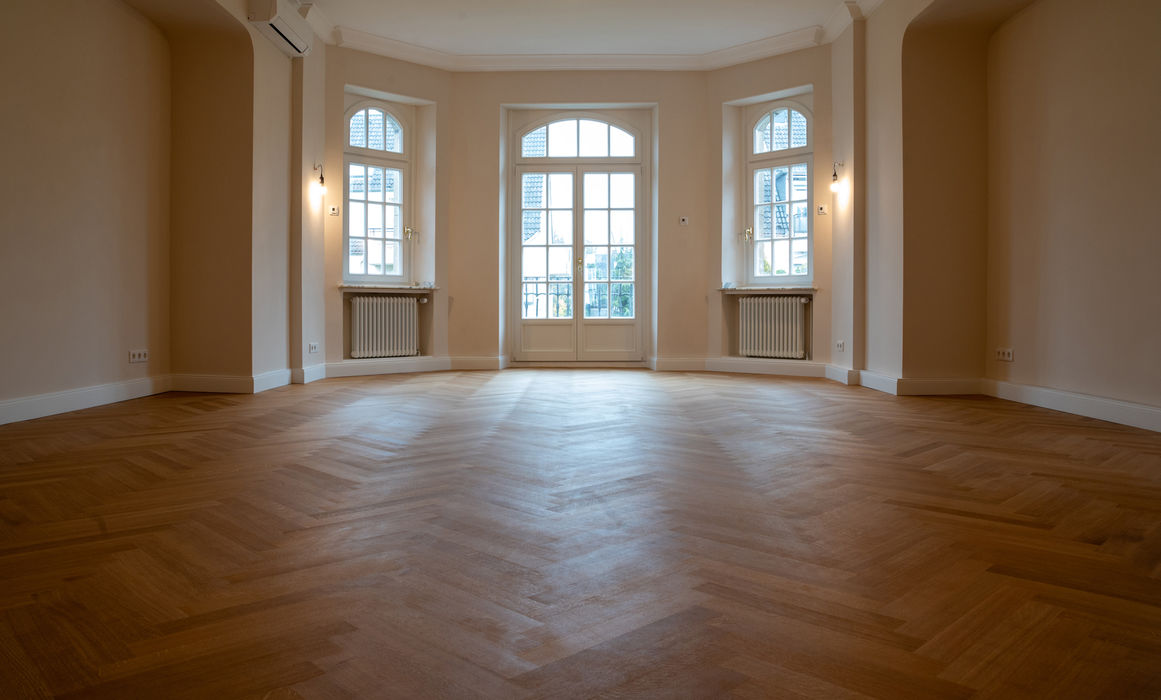
A Sandstone Villa's Elegant Restoration: The Bel Étage in Essen's South End
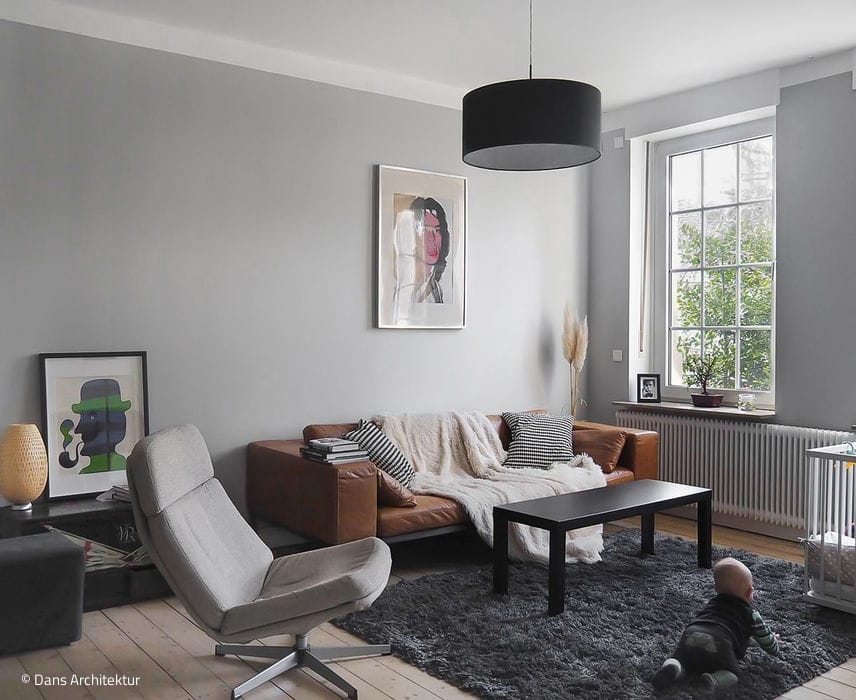
Historic Character Meets Contemporary Design
Well-thought-out colour and surface concepts harmonise with the Wilhelminian style.
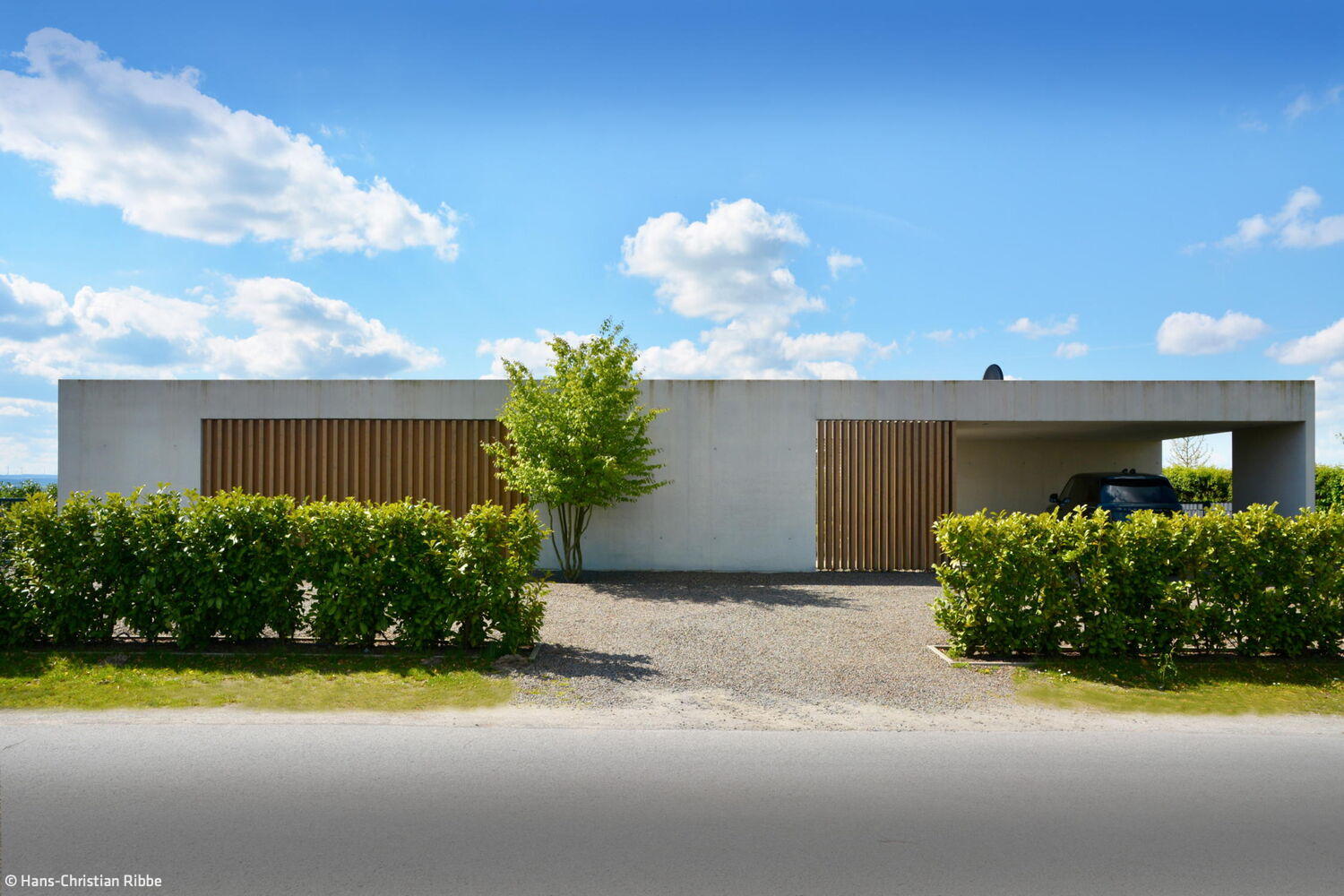
Concrete Meets Wood
Nestled in nature, the bungalow reveals its true character from within.