


Designing for Well-Being
The office reimagined: hotel, inspiration hub, innovation lab, experimental space, and wellness sanctuary
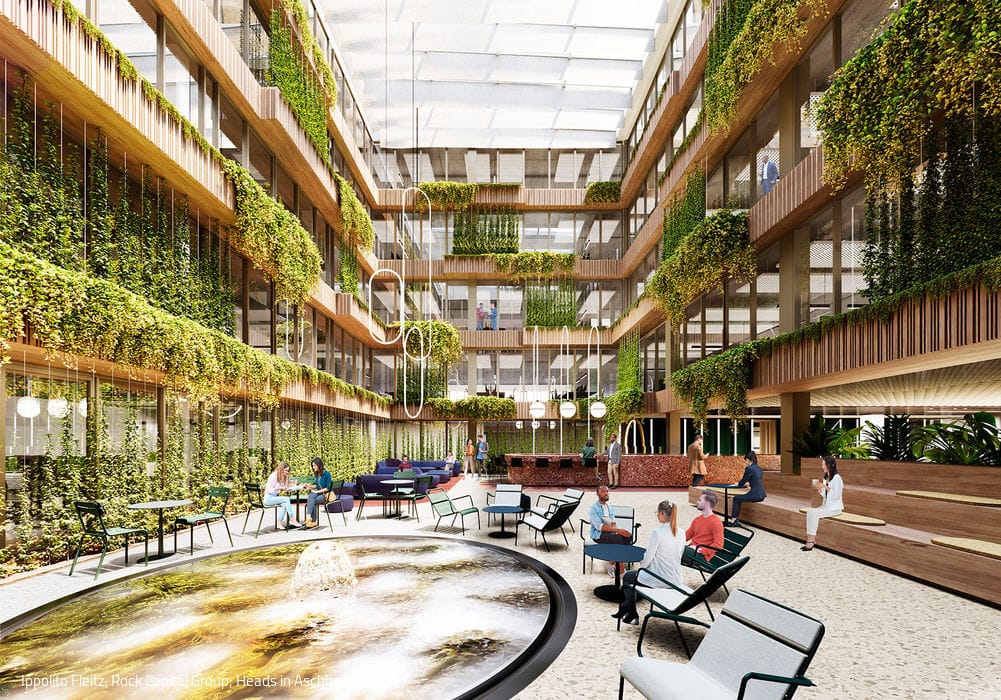
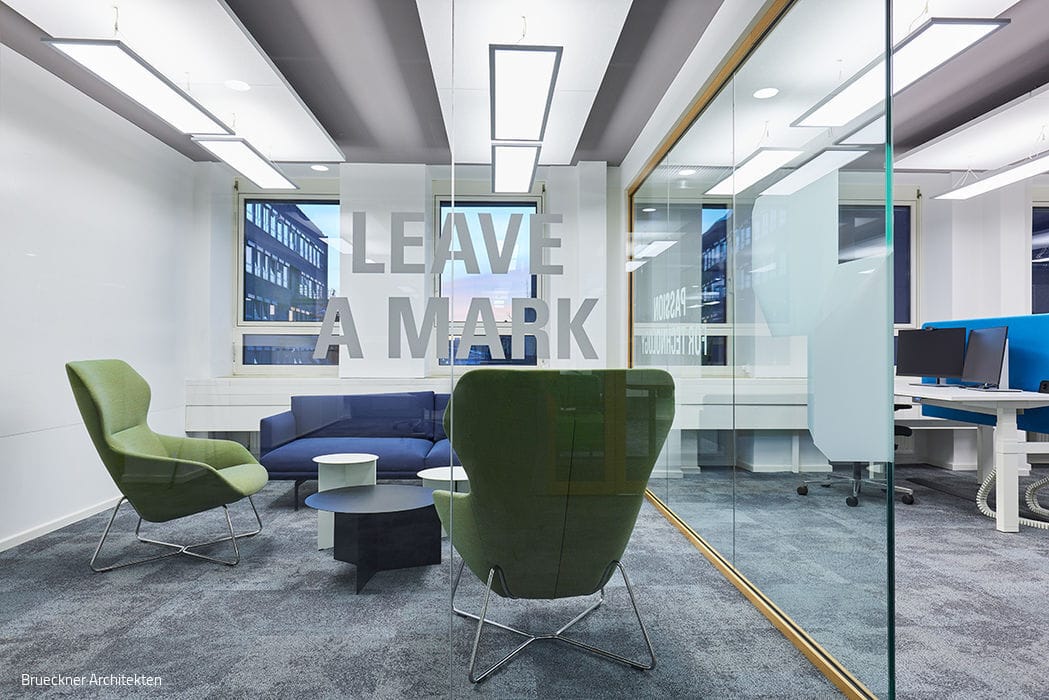
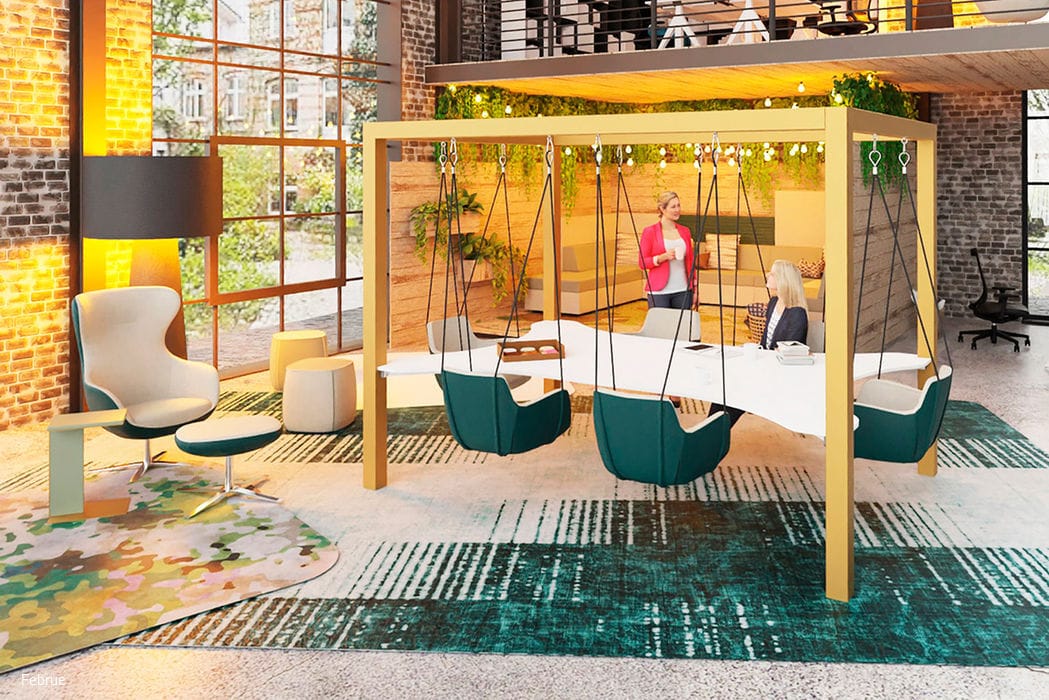
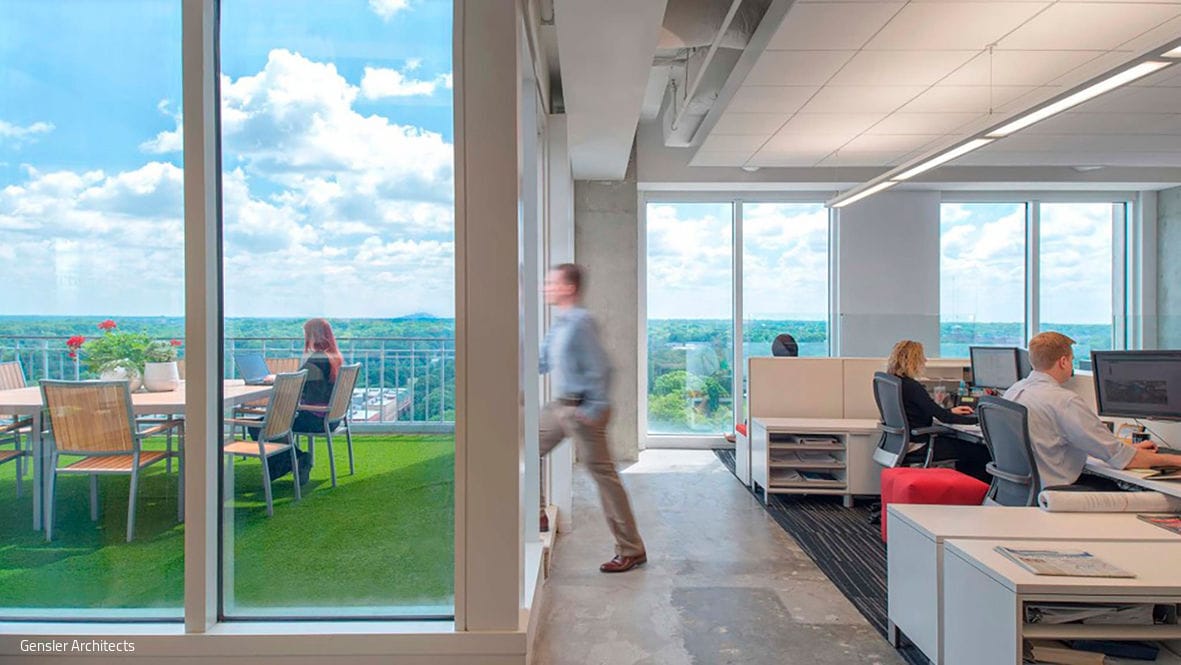
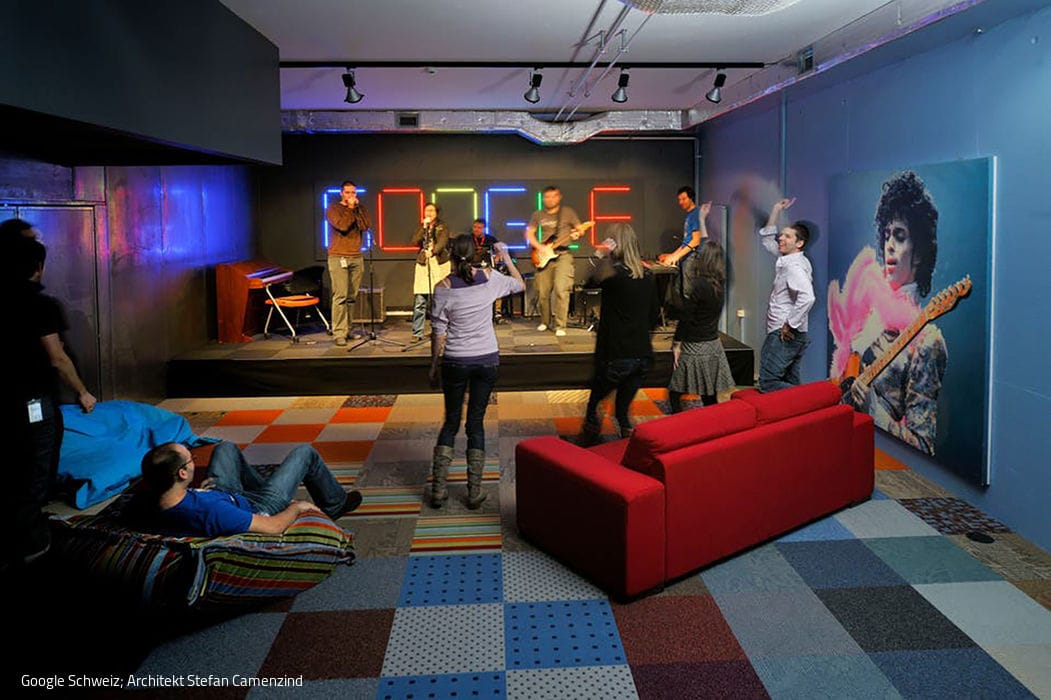
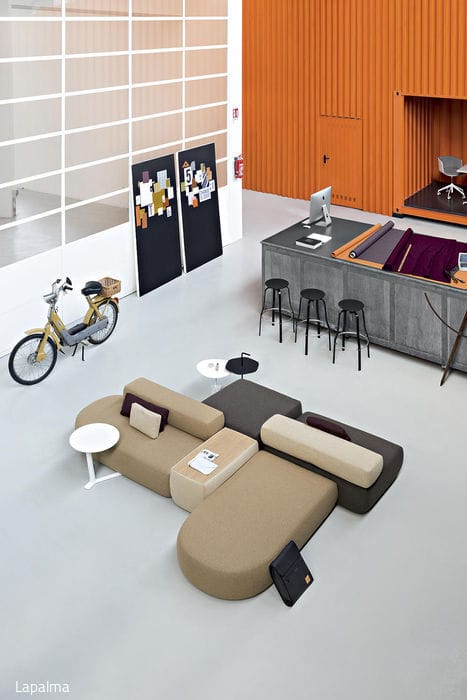
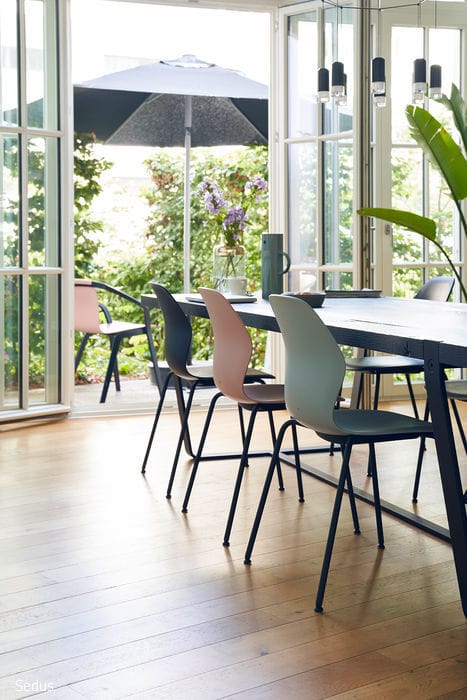
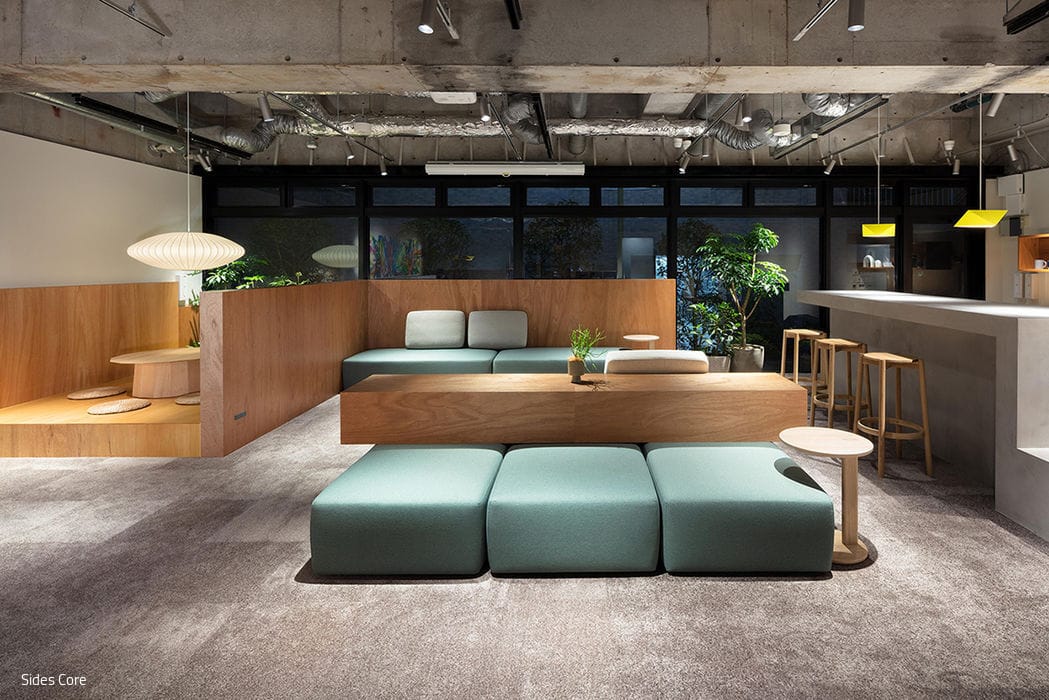
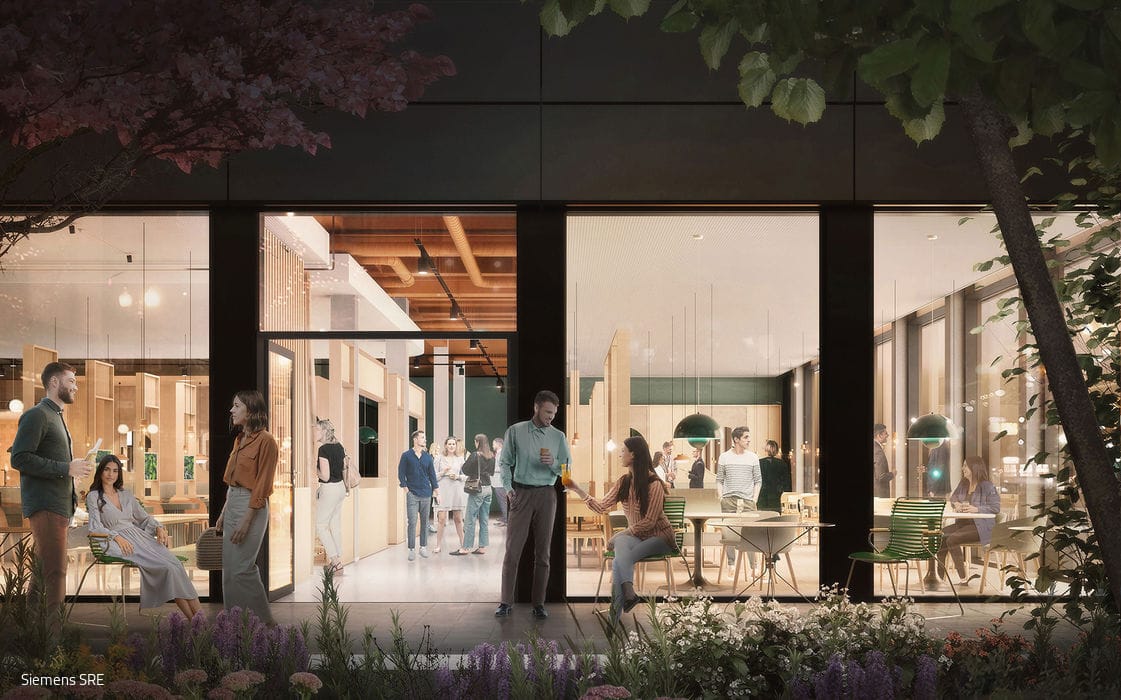
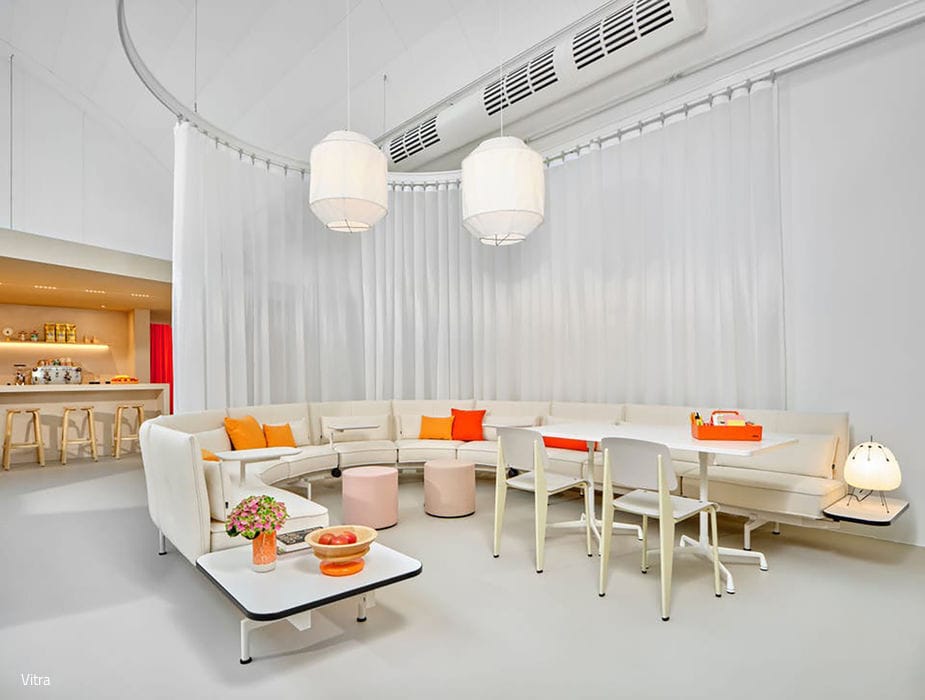
Let's challenge our definition of the office itself. Consider this: in the future, we might simply say "I'm heading to the hub to meet with..." rather than "going to the office." The workplace is already evolving—office environments increasingly resemble residential spaces, transforming into creative hubs where people exchange ideas, collaborate, and innovate together. It's not far-fetched at all. Ask any expert in workplace design, and they'll confirm a clear consensus: tomorrow's thriving workplaces will prioritize interaction, possibility, and communication. Terms like "meeting places," "spaces of opportunity," and "communication zones" are becoming standard vocabulary in this conversation.
Prof. Jan Teunen, Cultural Capital Producer and Managing Director of Teunen Concepts, argues that the future office must evolve into a cultural space. But this requires two things: genuine attention to human interaction and thoughtfully designed environments that support well-being. Each company will need to chart its own path, but the smart move is to involve employees in that design process. When teams see their needs reflected in the workspace, they don't just feel valued—they work in an environment that actually resonates with how modern workers want to operate. And that matters: well-being unlocks energy and drives the productivity every organization seeks. To make this work, hybrid work should become the default. The data is clear: most workers prefer a 2:3 or 3:2 split—either two days in-office and three remote, or the reverse. More significantly, a new reality is emerging: focused work happens best at home; collaboration and communication need the office. This demands flexible, multi-purpose spaces designed around real needs—with room to experiment. We need to eliminate the usual culprits: noise, poor lighting, inadequate air quality. Take Aschheim's Immune Office in Germany: they installed hospital-grade ventilation systems. The result? Superior air quality, and combined with biophilic design and proper humidity, respiratory illnesses dropped by more than half. Lighting, too, is critical—modern spaces must satisfy not just functional needs, but emotional and biological ones.
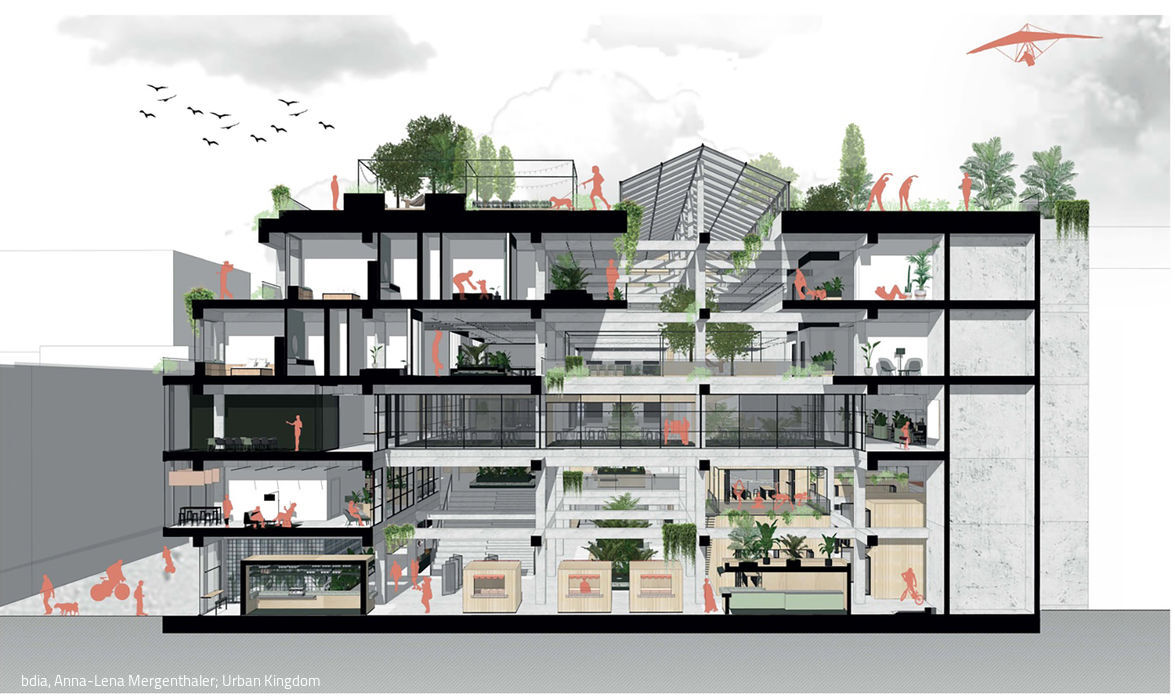
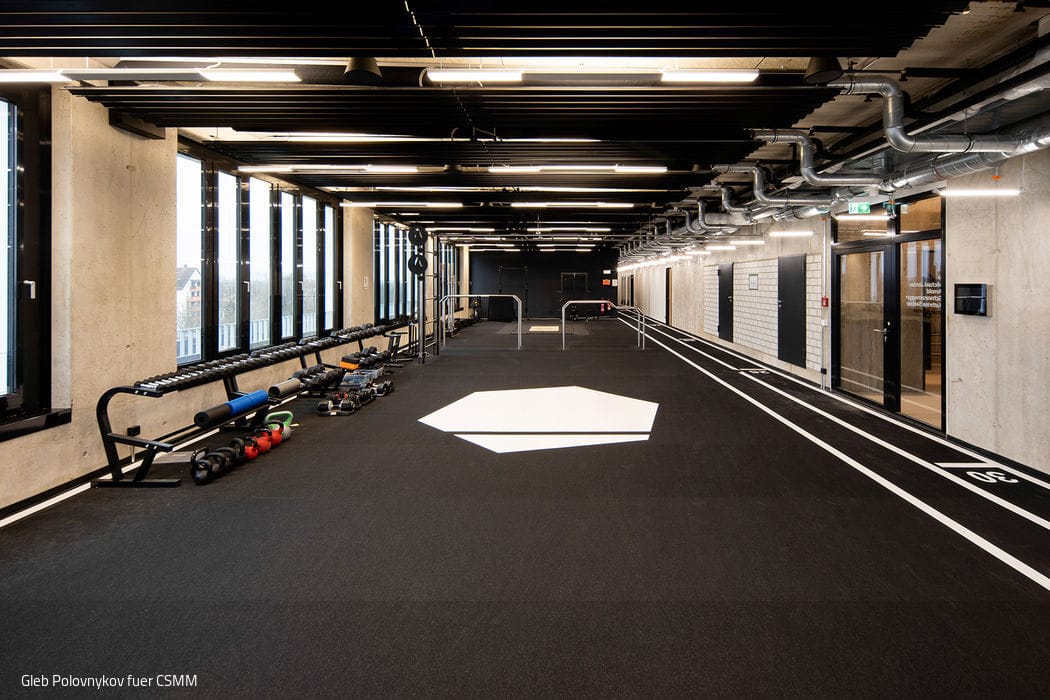
The Immune Office concept brings together health, comfort, and thoughtful design—creating spaces that foster both well-being and a stronger work culture. Roche, the Basel pharmaceutical company, exemplifies this approach. In their "Tower 2" building, an entire floor is dedicated to "well-being & recharge"—where employees can meditate, rest, or practice yoga. The rest of the space reads like a luxury hotel: workstations are called "armchairs," "focus rooms," or "kitchens." This same philosophy shaped "Urban Kingdom," this year's winning design by Anna Lena Mergenthaler, which earned her the Gesundbüro–The ActiveOffice Award from Eurocres. Her five-story vision for the future workplace challenges convention and pushes the integration of work and life to new heights. In the years ahead, we'll see many variations on this theme—but they'll all share one conviction: people are a company's greatest asset.
(Published in CUBE Inspire 01|22)

The Audi Architect Benefit
Audi Special Offer (Gottfried Schulz Essen)