


A house that breathes
This multi-storey timber building in Haltern am See sets a standard not just for North Rhine-Westphalia
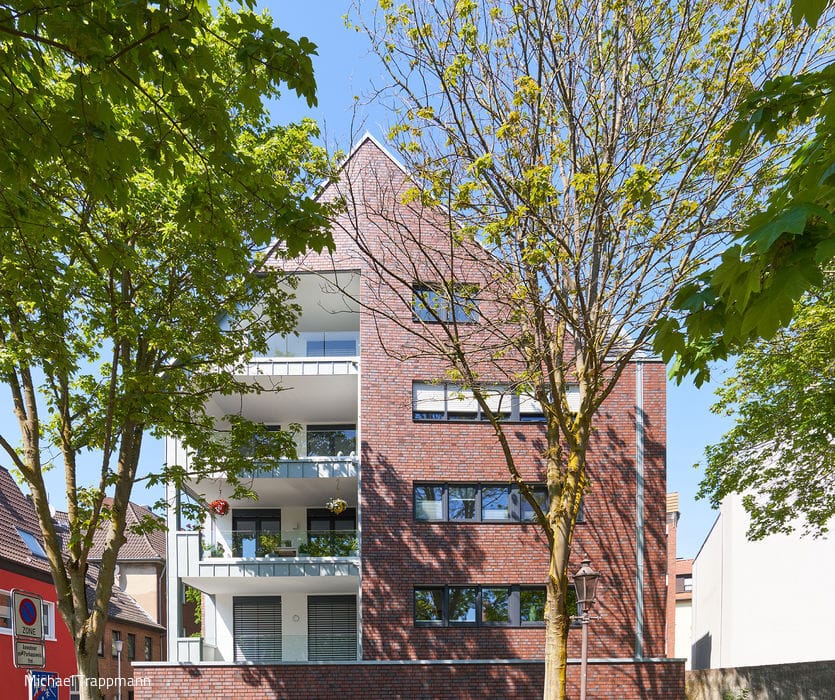
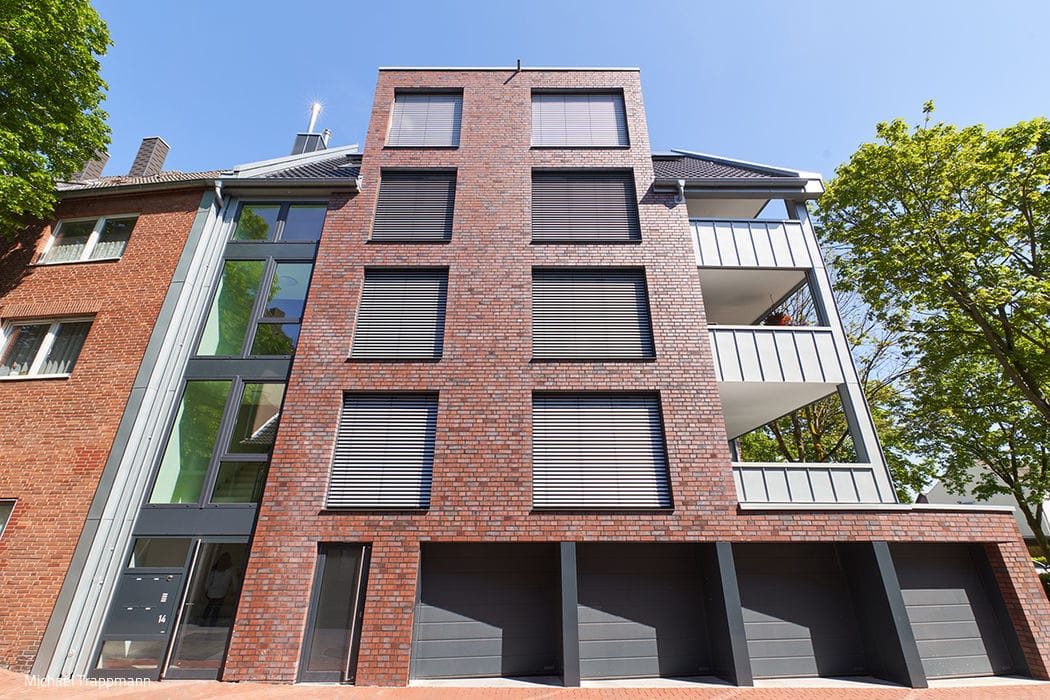
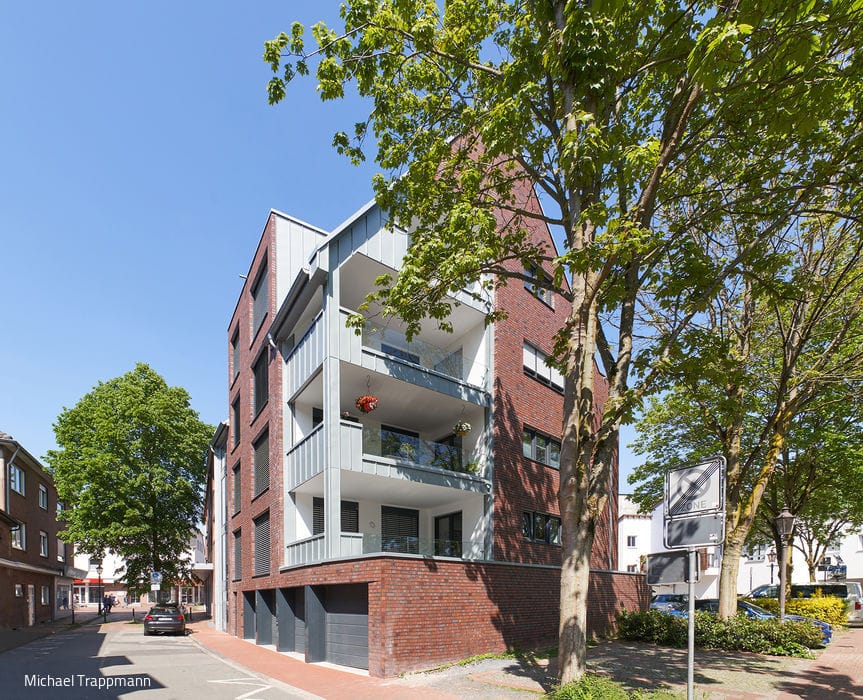
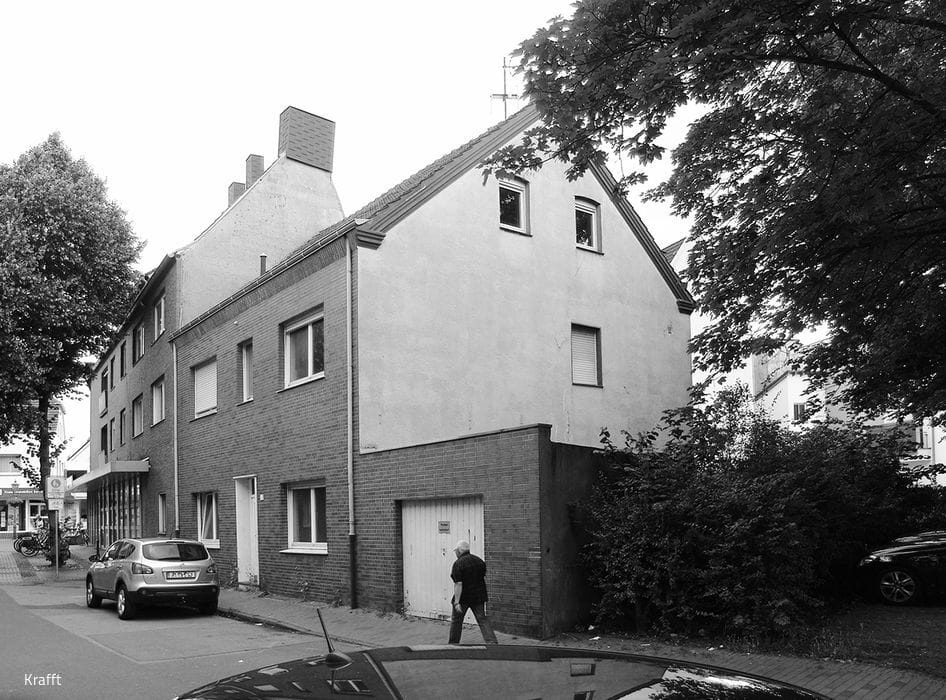
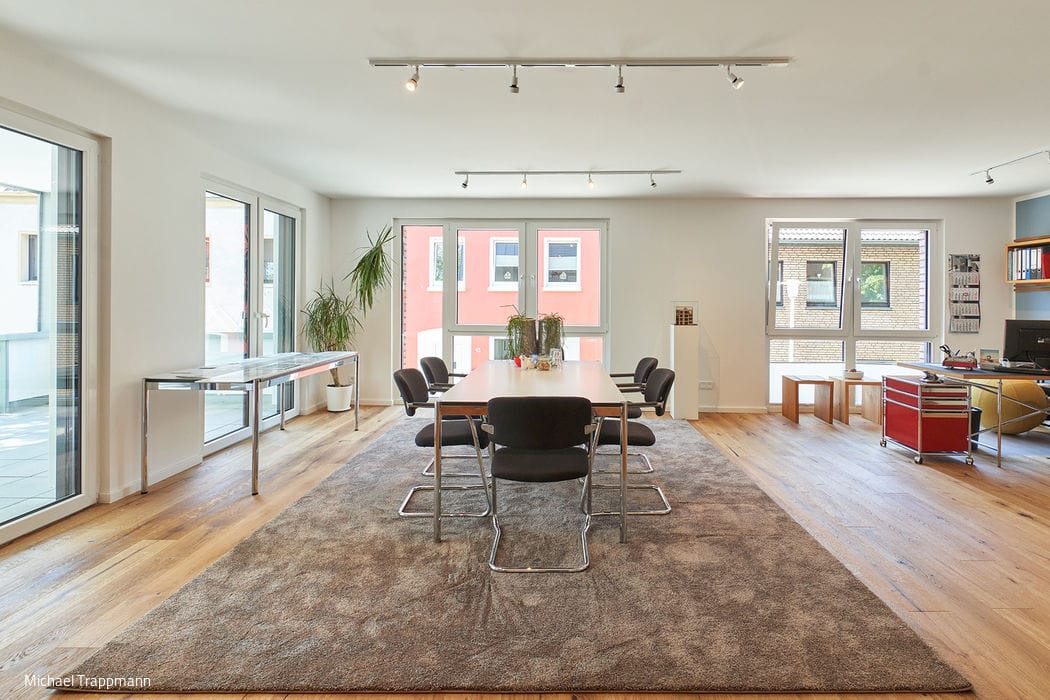
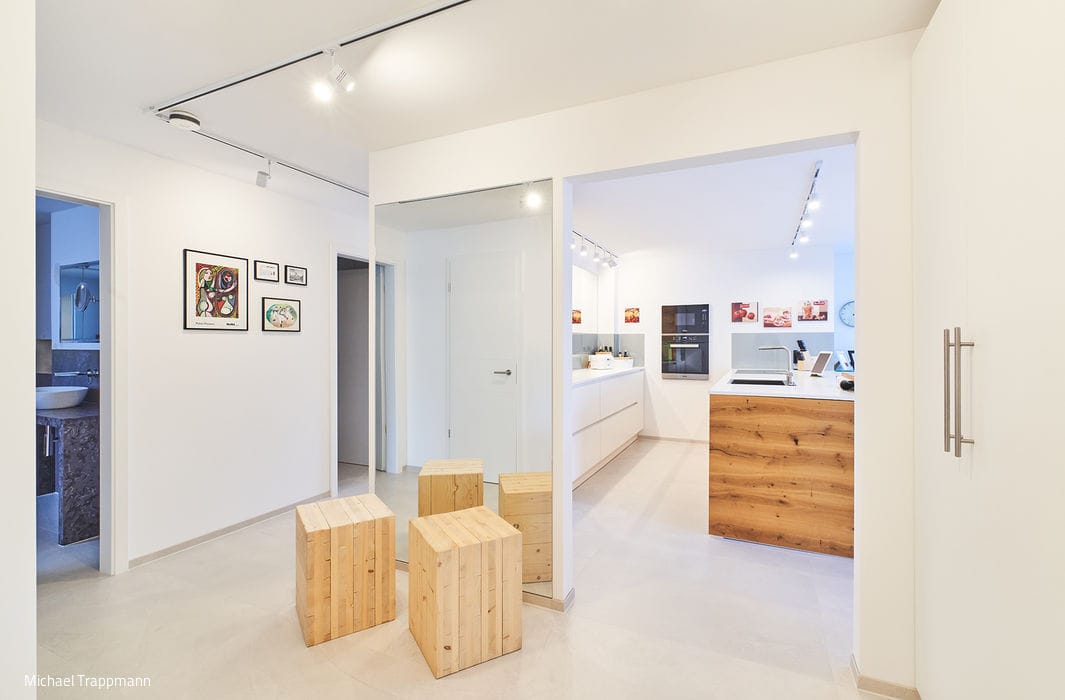
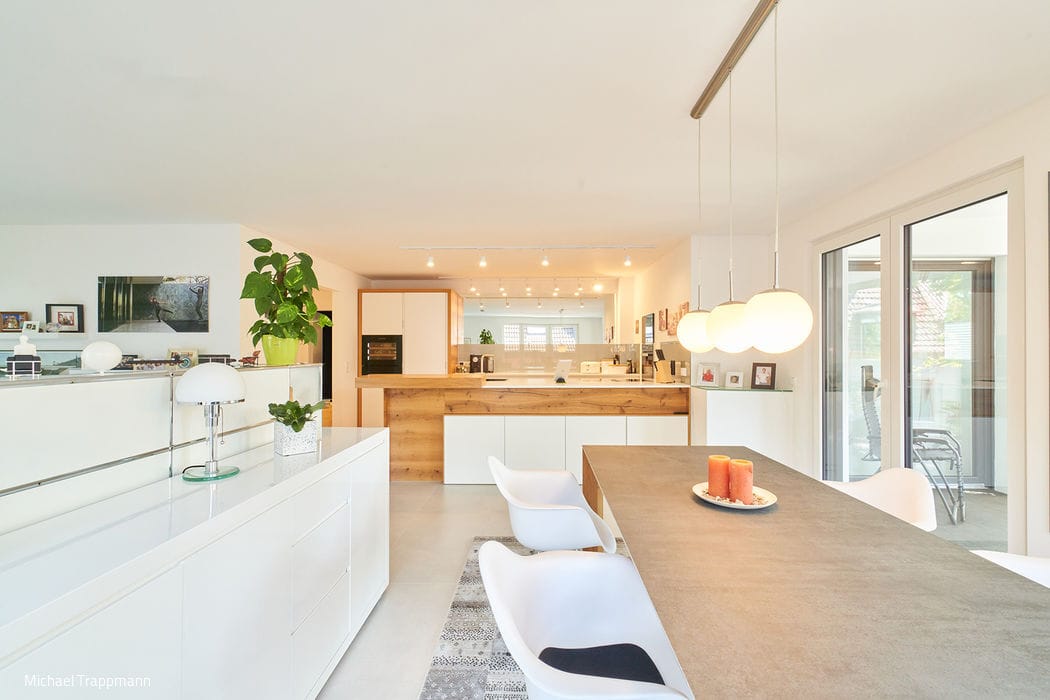
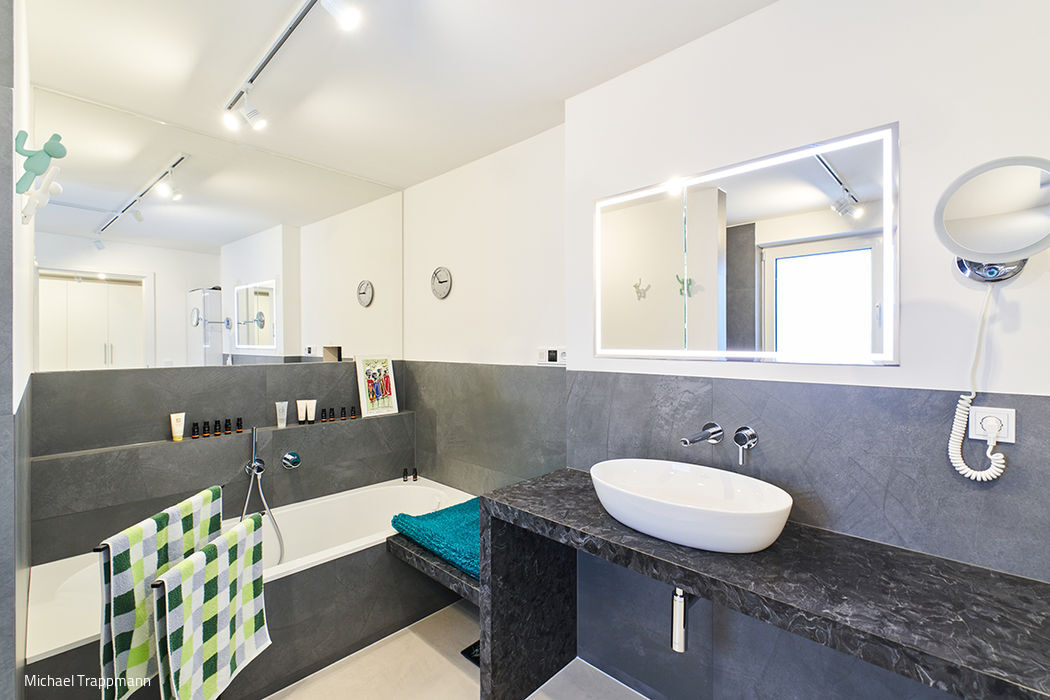
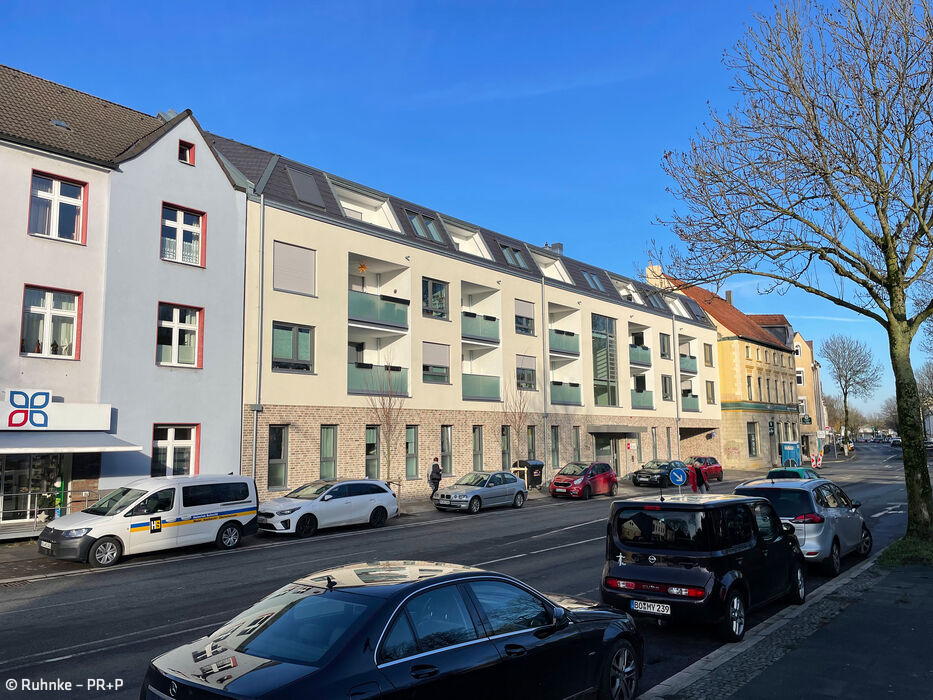
At first glance, there's nothing unusual about this clinker-clad house at Gänsemarkt in Haltern am See—its true distinction lies hidden within. What the eye cannot perceive, however, becomes tangible in the living experience: this multi-storey structure was built using solid timber construction, creating a healthy and remarkably comfortable indoor environment. This building method remains exceptionally rare, with only a handful of examples worldwide—in Stuttgart, England, Australia, Norway, and Austria, where Vienna has boasted an 80-metre solid timber high-rise since 2018. It wasn't until mid-2018, when North Rhine-Westphalia adopted new building regulations, that timber construction up to 22 metres in height was permitted.
Architect Carsten Krafft and planning firm 3Grat were genuine pioneers when they moved into their self-designed solid timber building with their office partners Bernd and Maike Berse in 2019. The project employed 121 tonnes of timber, incorporating 174 prefabricated elements of laminated spruce as structural walls and floor slabs, all supported by a foundation of 200 linear metres of concrete piles. The timber had already made an impressive journey: harvested and processed in Austria, cut to specification in Bavaria, then assembled in Haltern. Thanks to precision milling and pre-cutting, the entire timber shell—including the roof—was completed in just ten days, substantially faster than conventional construction. The trades—carpenters, plumbers, and electricians—also benefited from accelerated installation schedules. Externally, clinker cladding protects the timber from weather exposure, while interior walls feature "Greenline" gypsum fibre boards, combining structural durability with exceptional building biology standards. Though the timber structure remains hidden from view, residents experience its full benefits: ecological integrity, breathability, superior moisture regulation, and outstanding thermal and acoustic performance. The development comprises four apartments, each with generous loggias, refined bathrooms, radiant floor heating, individual gas condensing systems, triple-glazed windows, an elevator, underground parking with power outlets, and generous storage. Critically, no harmful chemical treatments were used throughout the building, and full accessibility—both to and within the structure—was incorporated from the start.
Photography Credits:
Michael Trappmann
www.mt-fotos.de
(Published in CUBE Ruhrgebiet 02|20)

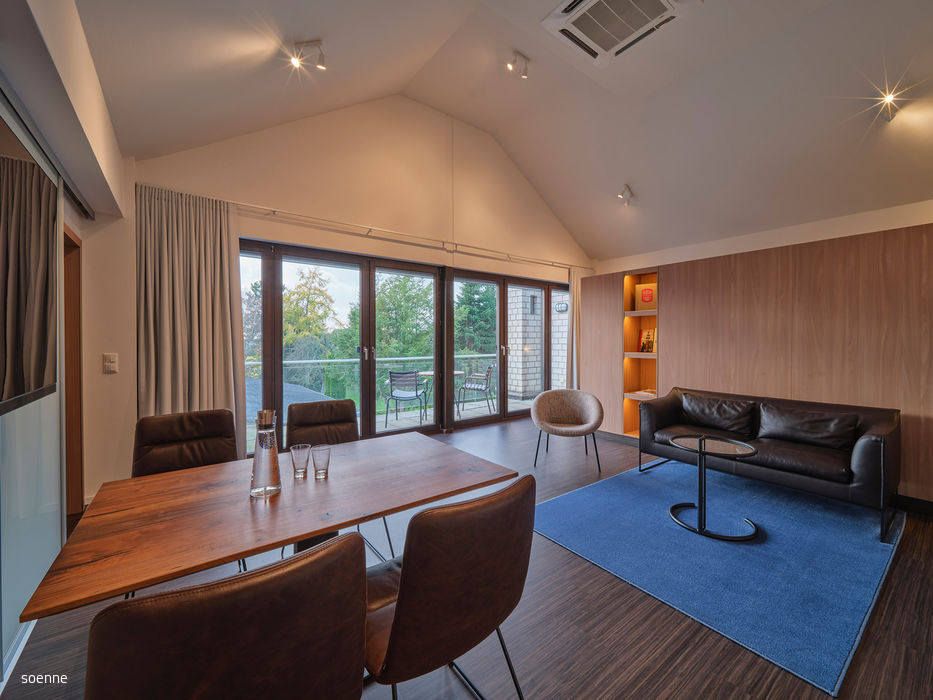
Artist Suites
Southern Essen hotel honors its famous artist ancestor with three distinctive suites
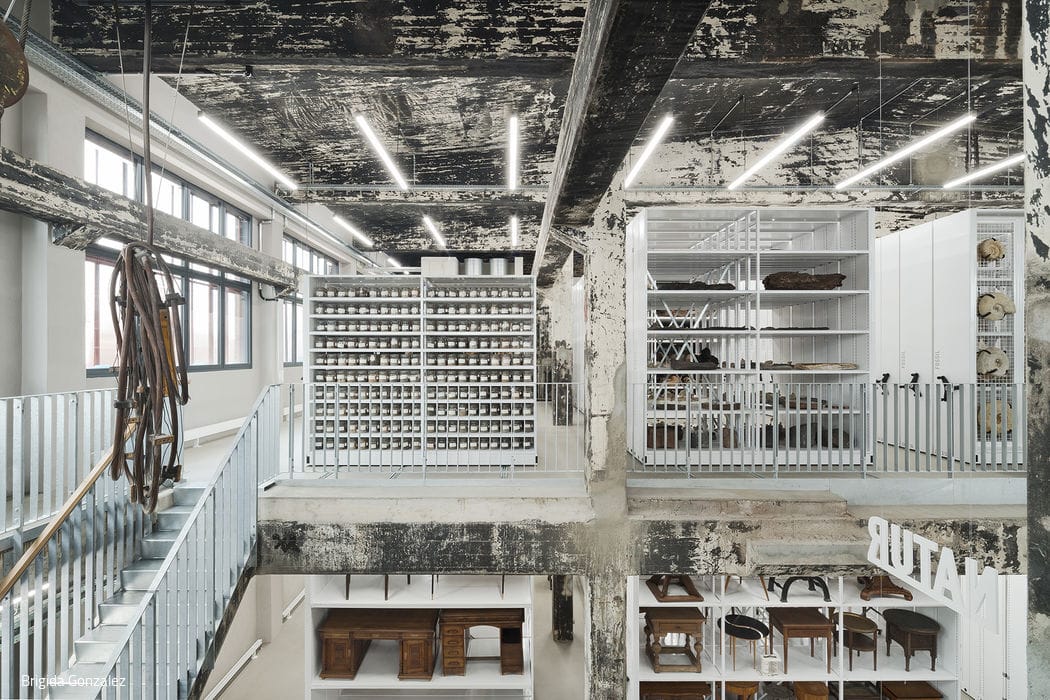
Simple exterior – impressive interior
The Zollverein salt factory has been reimagined as the Ruhr Museum's exhibition depot.
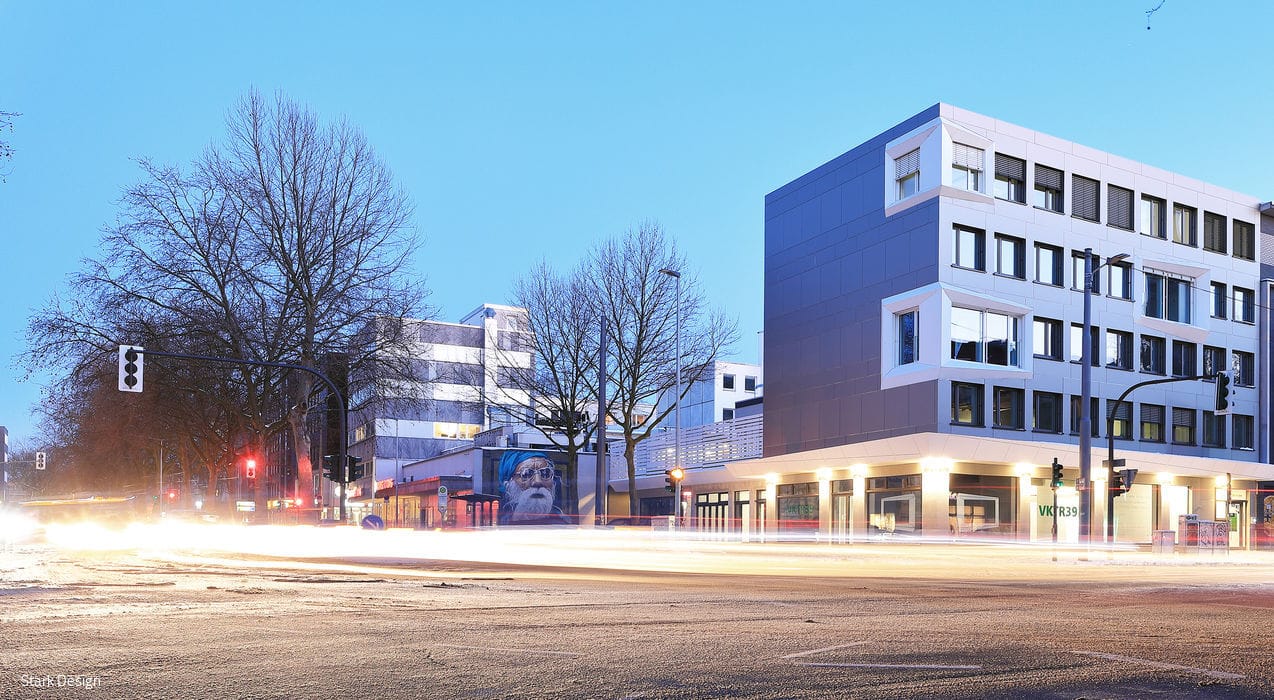
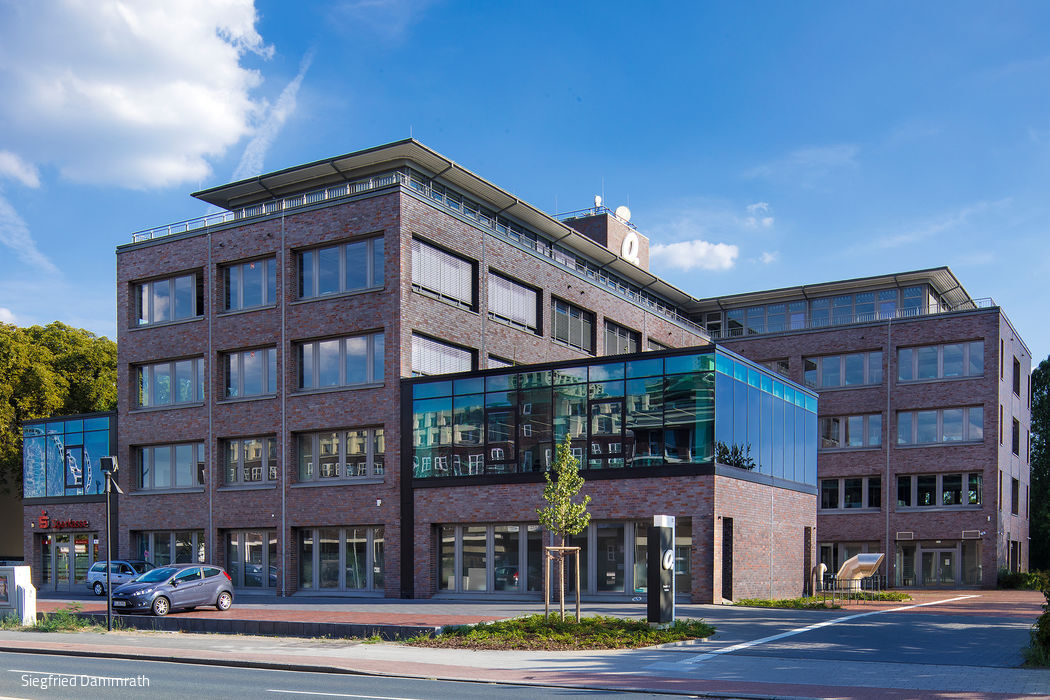
A New Urban Landmark
An office building in Bochum shines in new splendour after its revitalisation
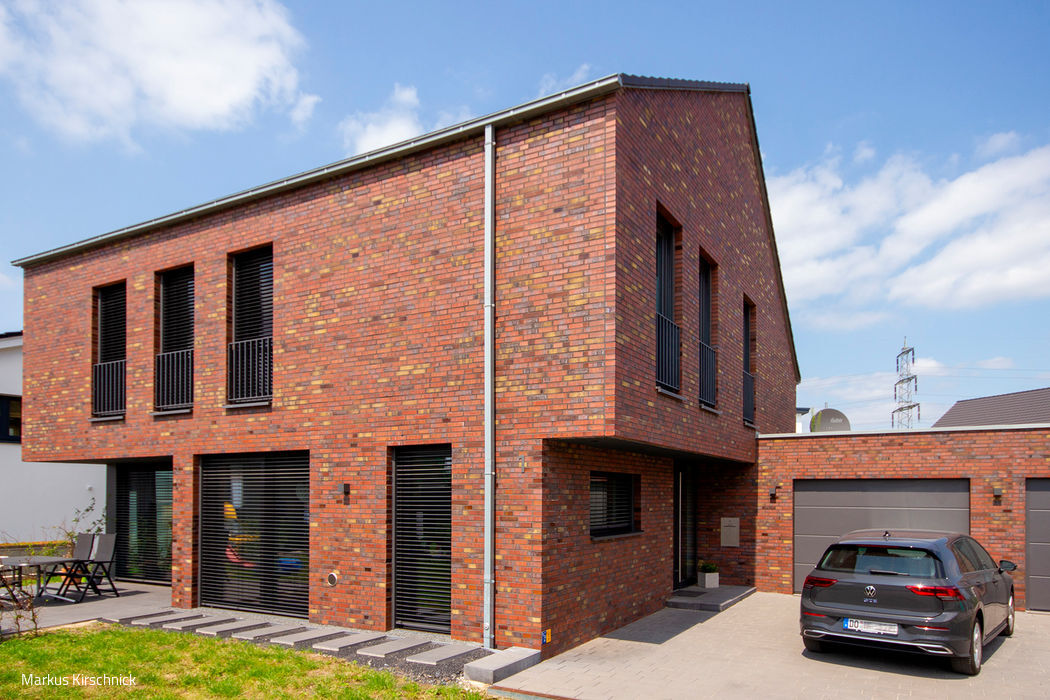
Boldly Angled
A detached home: balancing rigor and refinement