


Welcoming crowds with grace
Expanding a cultural centre with elegance—lightweight extensions and verdant landscapes
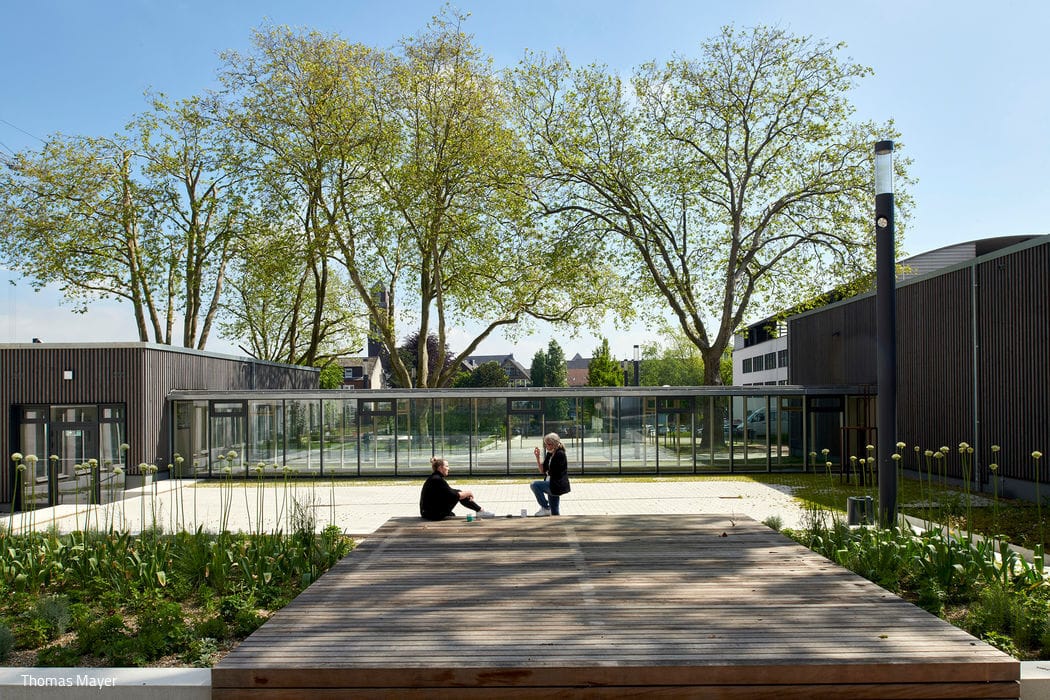
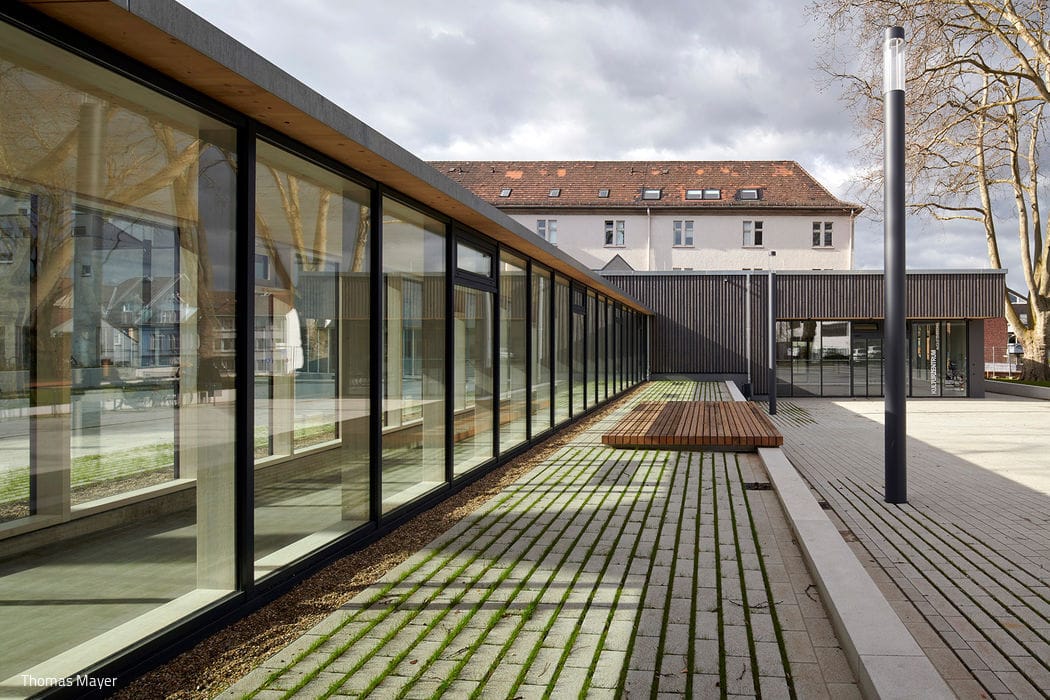
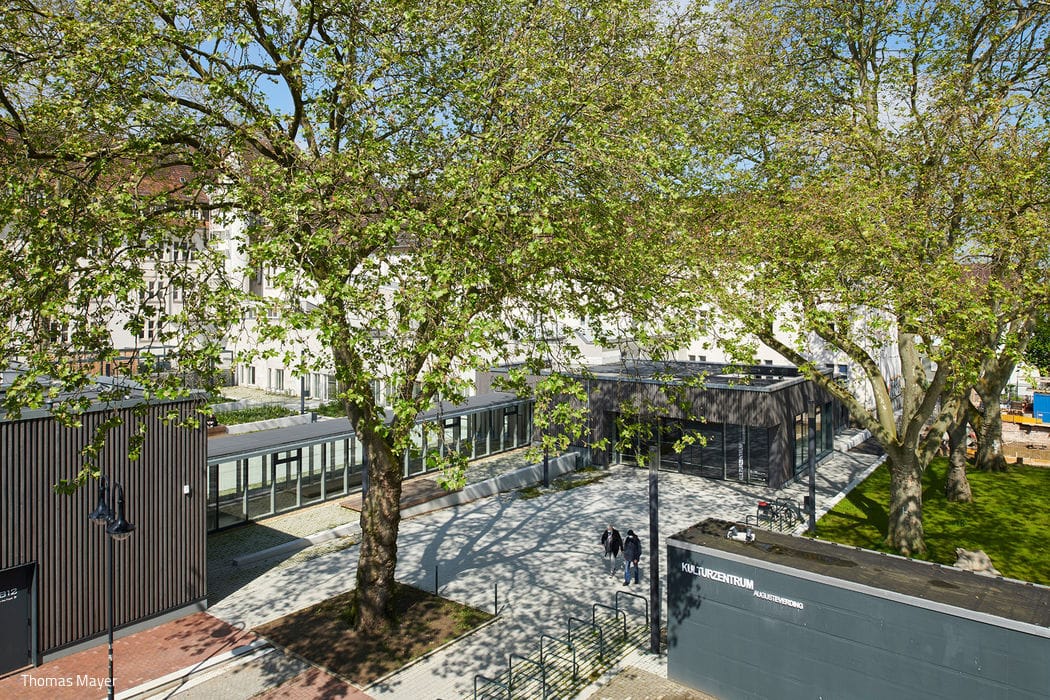
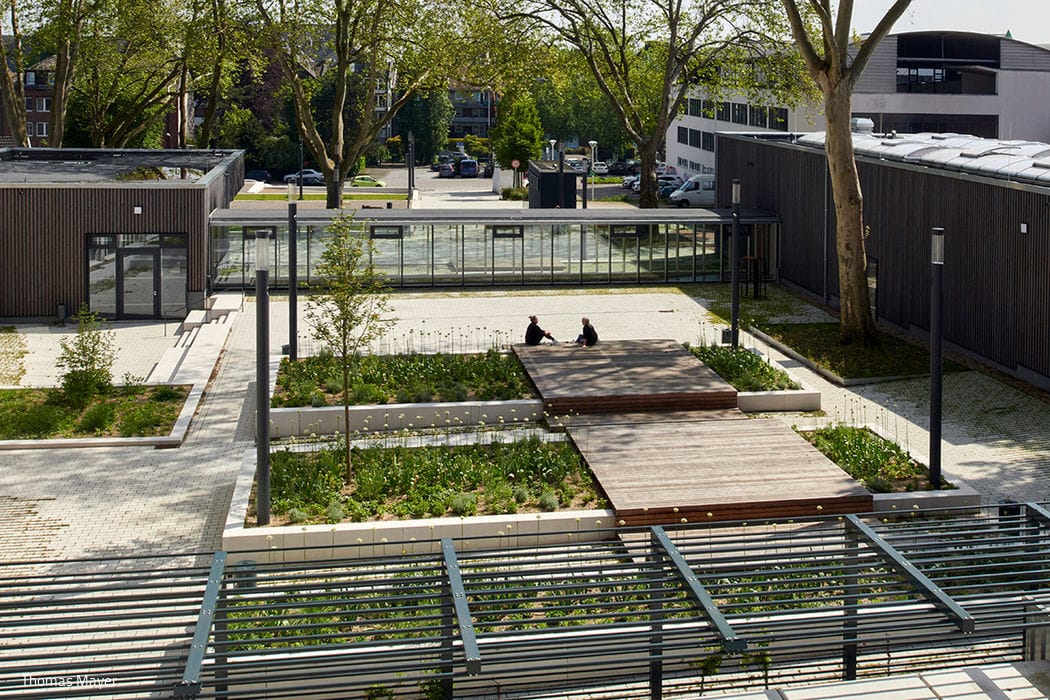
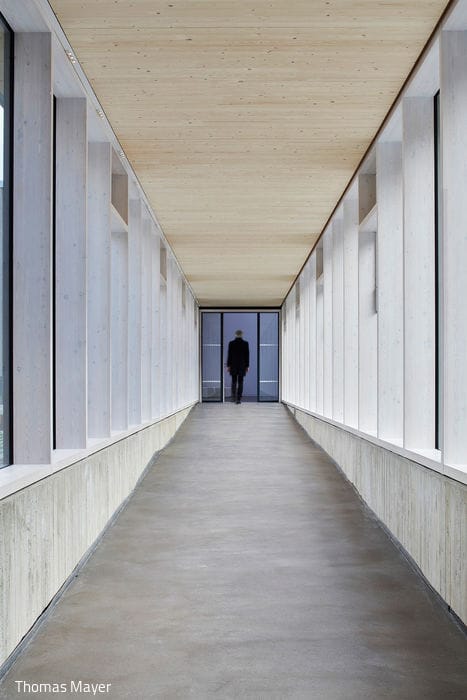
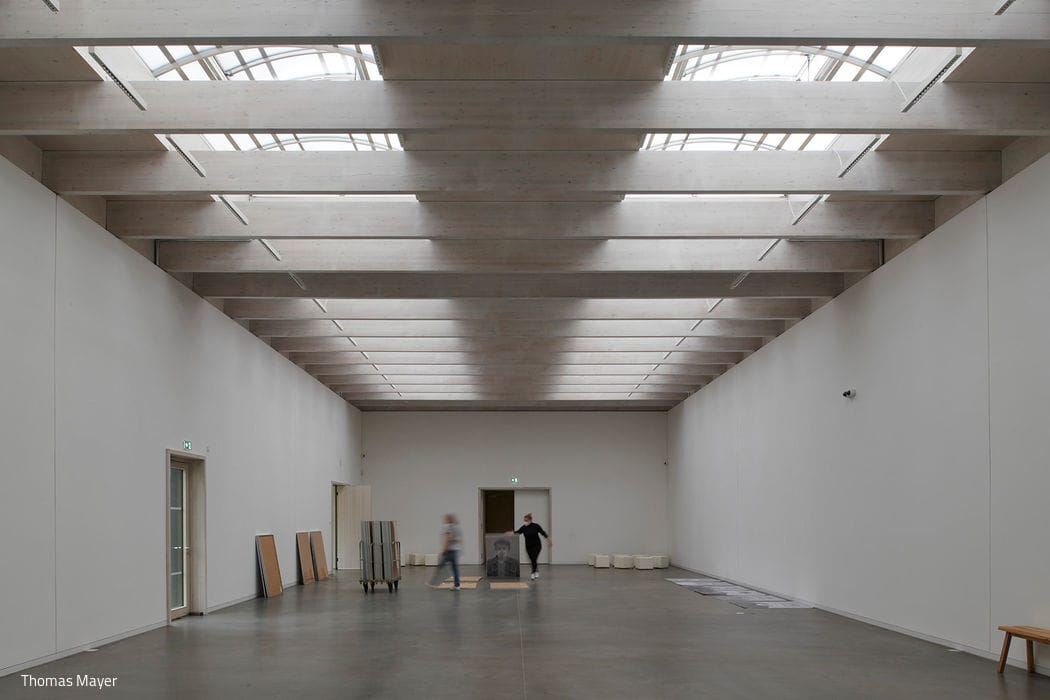
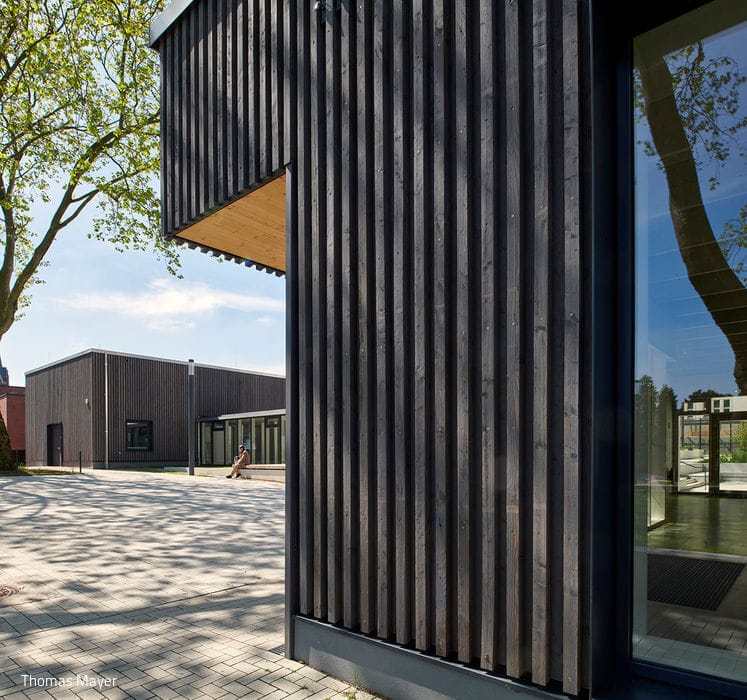
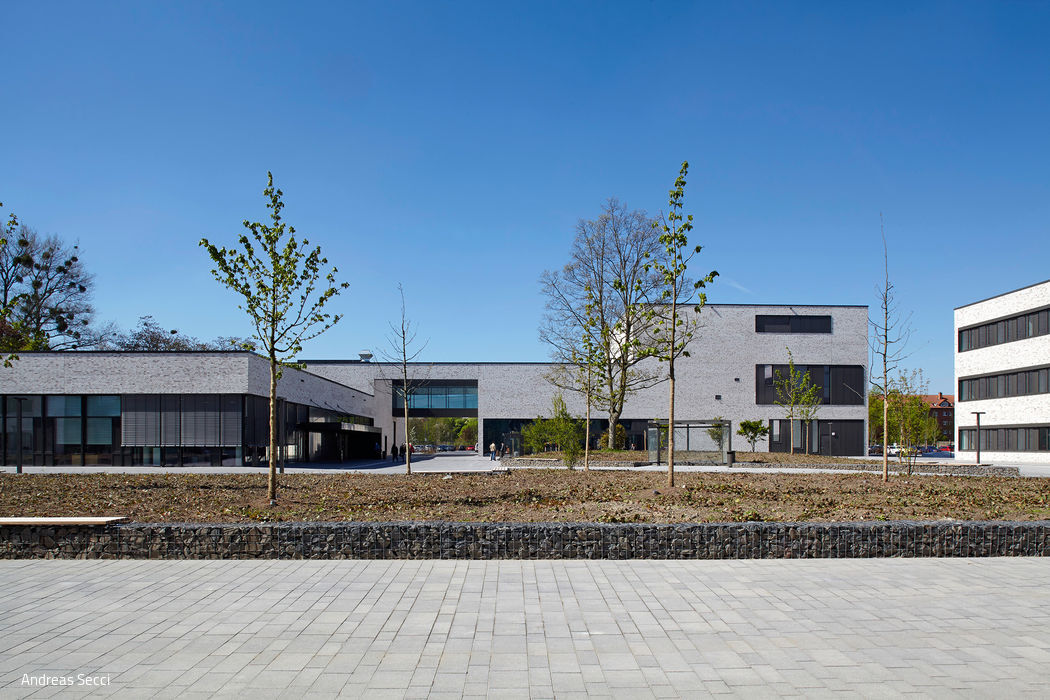
Housed since 1991 in a Wilhelminian-era building originally constructed as a boys' gymnasium in 1910, the August Everding Cultural Centre has undergone significant transformation. A decision to realign the municipal cultural forum and add an extension has revitalized what was once an unattractive rear entrance on the former schoolyard. Böll Architekten of Essen designed a self-contained architectural ensemble characterized by its lightness and refinement. Working in collaboration with the Oberhausen planning group on the exterior spaces, the project delivers exceptional quality of space and diverse possibilities for use.
The expansion comprises four distinct structures. A generous foyer and intermediate building connect directly to the existing rear entrance, while the new forum is accessed via a glass corridor. Architect Achim Pfeiffer describes these "pavilions in the park"—and they achieve precisely what he intended: they provide visual contrast to the imposing Wilhelminian structure while allowing the cultural centre to integrate gracefully into the surrounding landscape. Together with the forecourt, they extend a warm welcome to visitors. The glazed foyer, unobstructed by fixtures, embodies an open, welcoming spirit. Practical functions—cloakroom, restrooms, and box office—occupy the intermediate building, keeping the foyer pristine and uncluttered. A glass corridor marks the transition to the forum, offering dry passage while serving a vital urban design function: it knits the expansion into a cohesive whole, transforming the once-unremarkable schoolyard into a vibrant gathering place. The result works both ways—drawing people inward to the exhibition spaces and outward to the landscape. Where the foyer is transparent, the forum presents a closed façade, its light filtered through skylights. A single glazed door carefully frames a view of the cultural courtyard and connects interior to exterior. Support spaces—storage and offices—line the rear of the skylight hall.
Once dominated by asphalt parking, the courtyard has been partially depaved and redesigned as a fully accessible public realm. Uniform clinker paving connects a network of pathways through the meeting courtyard. Mature and newly planted trees, lawn areas, terraces, a sculptural folded timber deck for seating and lounging, water channels, and boules courts combine to create a compelling destination for rest and recreation.
www.boellarchitekten.de
www.planergruppe-oberhausen.de
Photography Credits:
Thomas Mayer
www.thomas-mayer-photo.de
(From CUBE Ruhrgebiet 03|21)

The Training Campus Expands
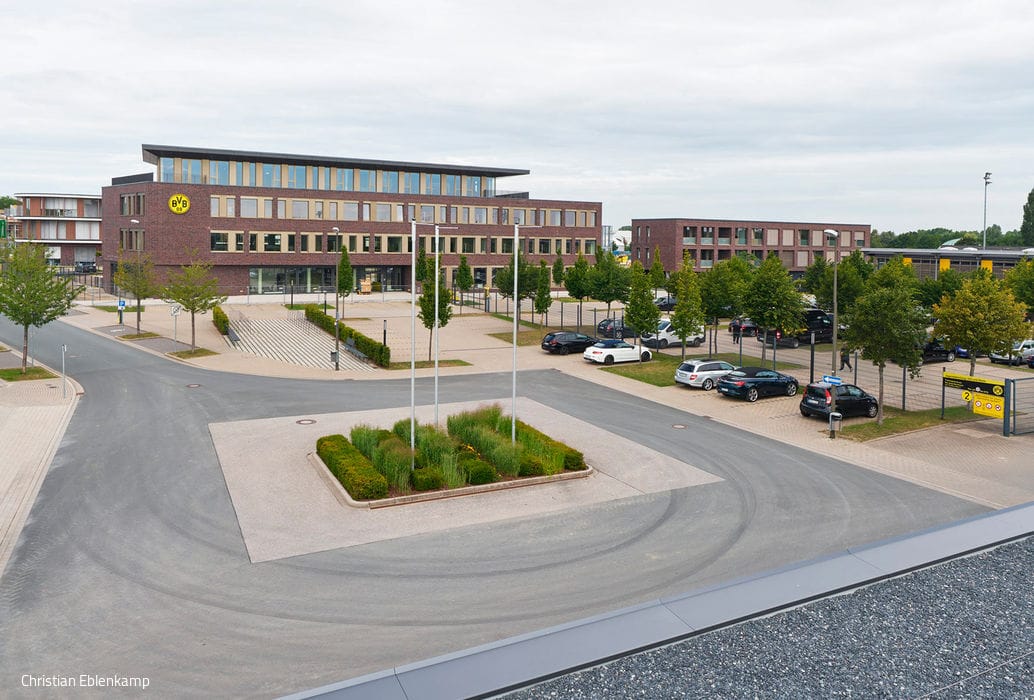
Sports Office and Multipurpose Facility for BVB
Stripped to Its Essence
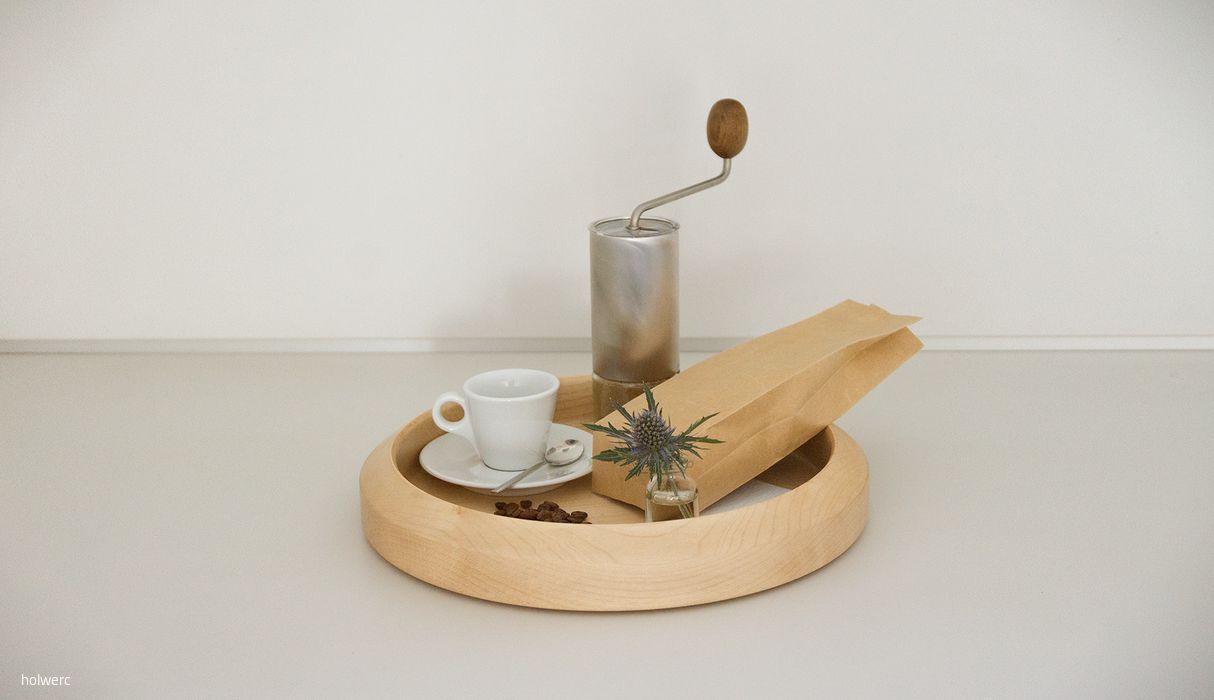
Driven by a passion for wood, Simone Dargel founded her label holwerc.
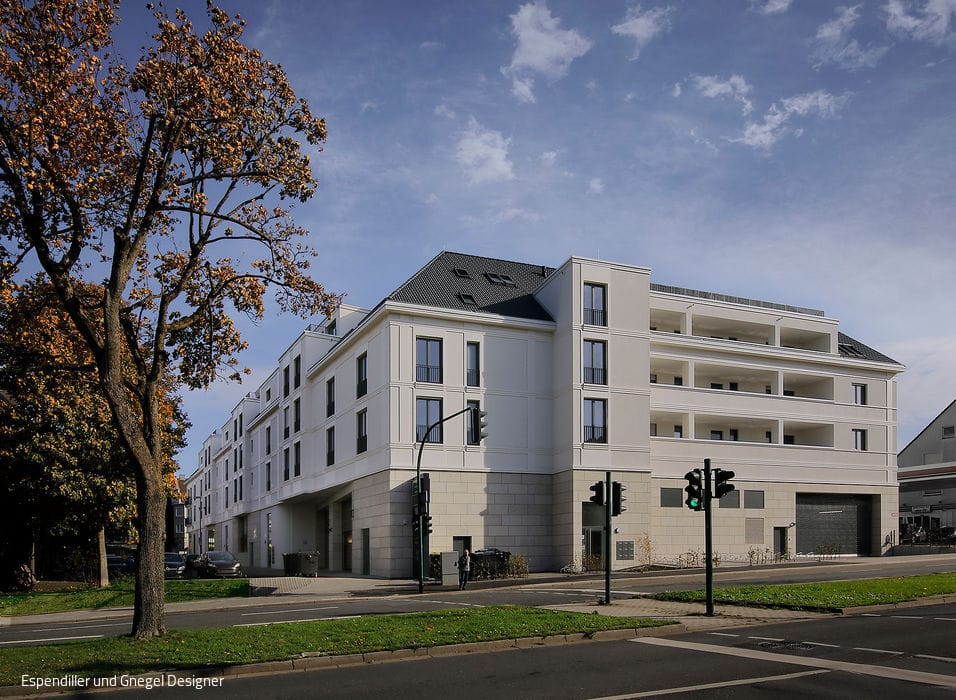
Charmingly integrated
Bredeney Residential Complex: A Model for Intelligent Development on Existing Urban Land
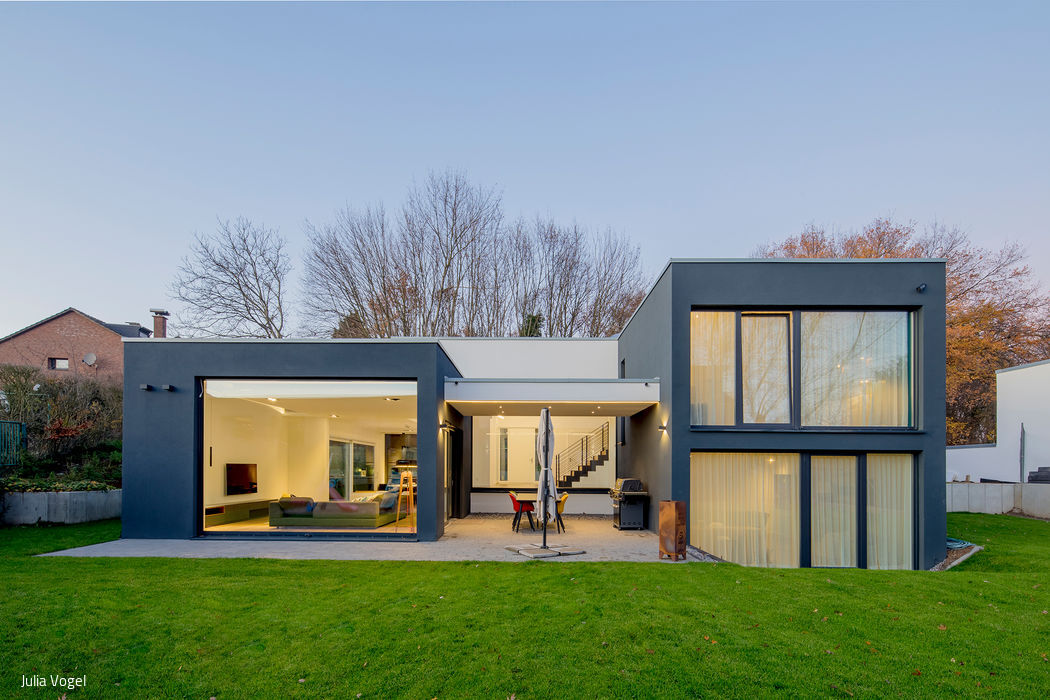
A Split-Level Loft
A single-family home that captivates through openness and a dynamic interplay of multiple levels