


A hotel with unmistakable character
This Stuttgart design hotel—a masterfully converted 1960s building—is a bold architectural statement
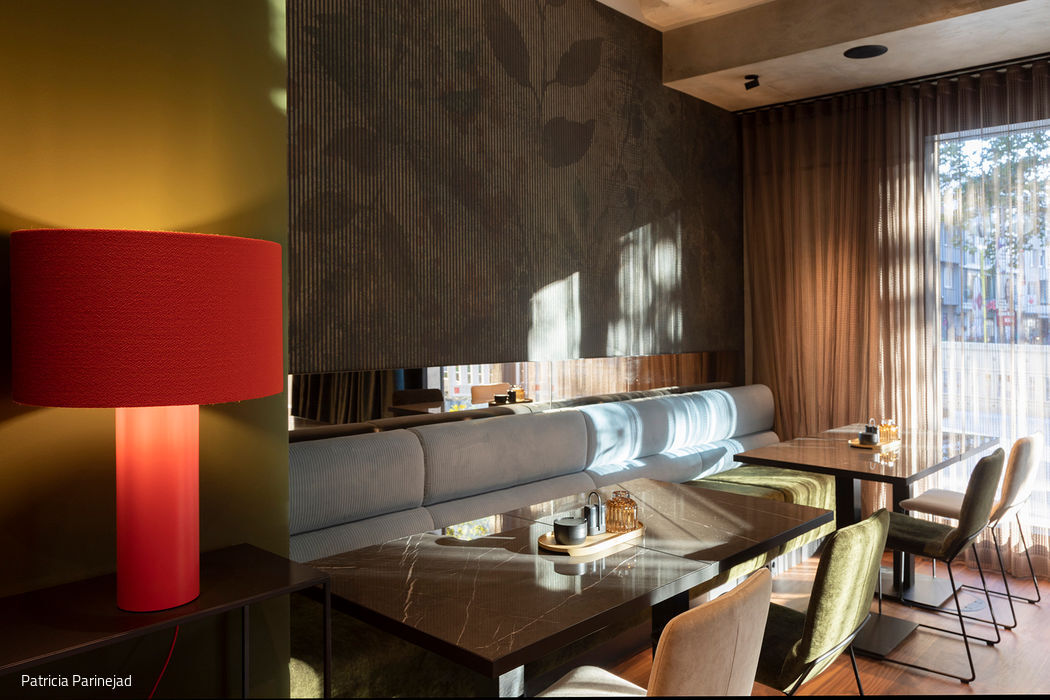


Blocher Partners has demonstrated true transformation: within four years, they reimagined a stark 1960s administrative building into a bold, expressive landmark. Strategically positioned, it forges a compelling bridge between Stuttgart's city centre and historic old town. Inside, visitors encounter unexpected design moments that create emotional resonance, while every detail speaks to design enthusiasts worldwide.
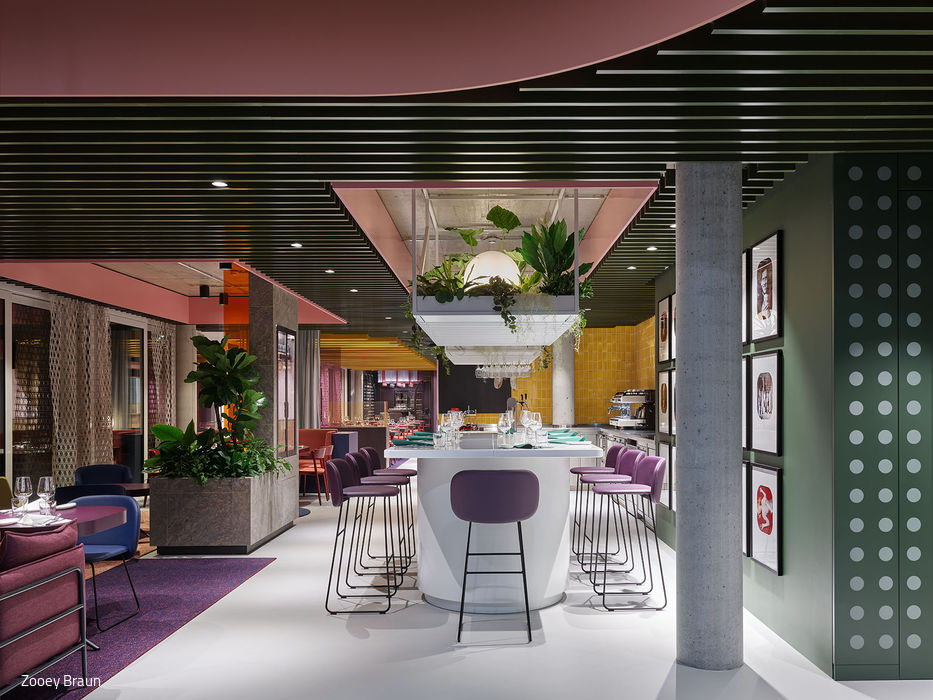
Named EmiLu—after the owner and her daughter—this independent hotel was the winning entry in a prestigious facade competition. Blocher Partners collaborated closely with owner Petra Luise Bräutigam on both the exterior and interior design, honouring sustainable principles by preserving the building's original structure. The façade's horizontal window bands create visual calm while classic details echo the surrounding context; floor-to-ceiling openings introduce lightness and elegance. Perforated metal panels frame the windows, projecting refined aesthetics outward while casting captivating patterns of light throughout the interior. Every corner reveals meticulous design thinking. The moment you enter, your gaze settles on the verdant reception desk—a sculptural piece of engineered stone that anchors the space. A vibrant colour palette flows through the entire hotel, anchored by Petra's carefully curated collection of mid-century furnishings. The adjacent Fritz breakfast restaurant invites the public in, blending authentic 1960s pieces with contemporary design. The 90 rooms and suites feature walnut parquet flooring and marry bold colour schemes with vintage and design classics, complemented by a sophisticated lighting strategy that pairs designer luminaires with bespoke fixtures. The sixth floor showcases Lennarts, a fully glazed rooftop lounge on two sides with stunning panoramic views—the hotel's crowning moment. The first floor houses flexible meeting spaces that double as co-working areas, while wellness and fitness facilities occupy the basement level.
Photography Credits:
Patricia Parinejad
www.patriciaparinejad.com
(Published in CUBE Stuttgart 04|21)
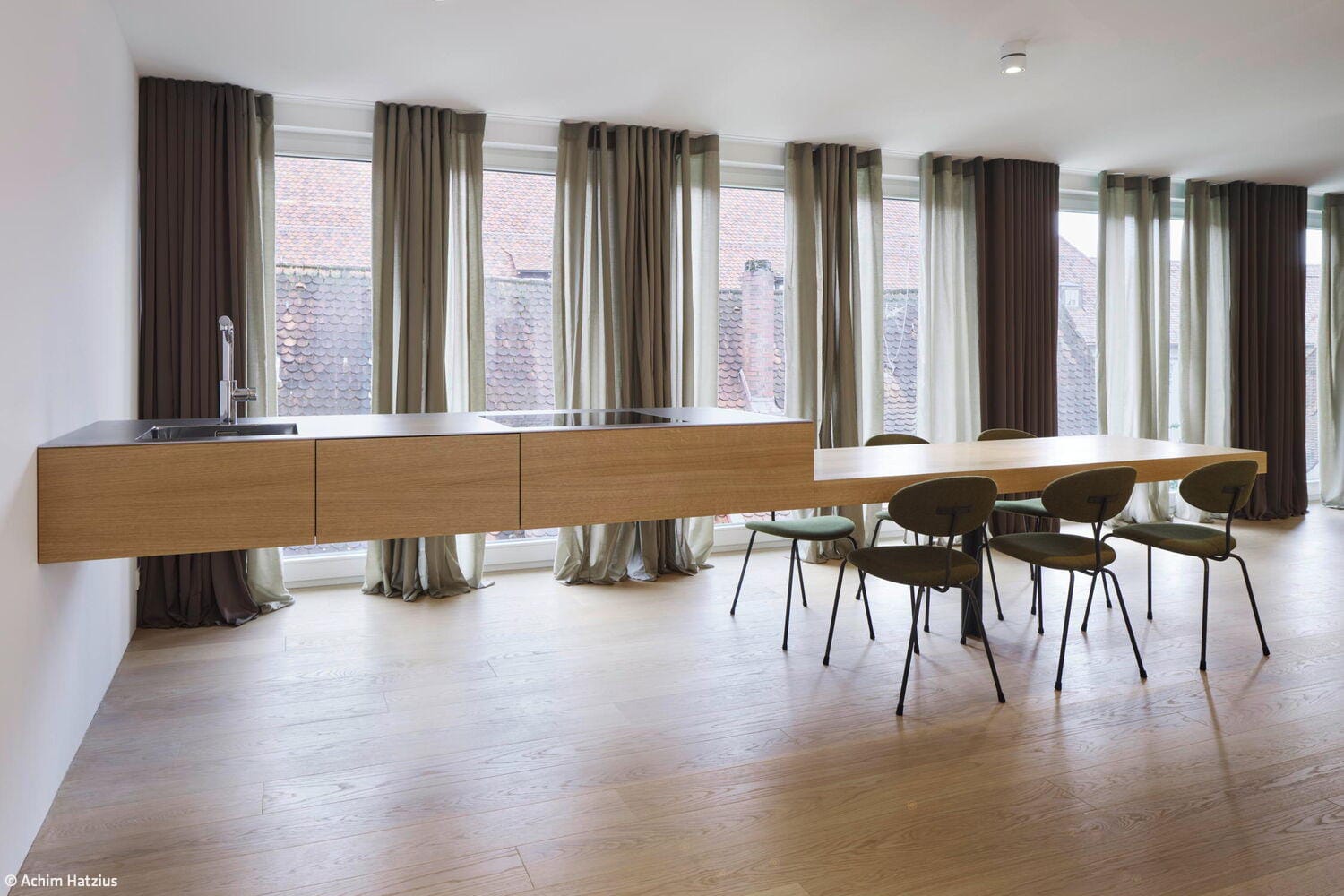
In the Stork's Nest
A listed attic space is transformed into a modern retreat
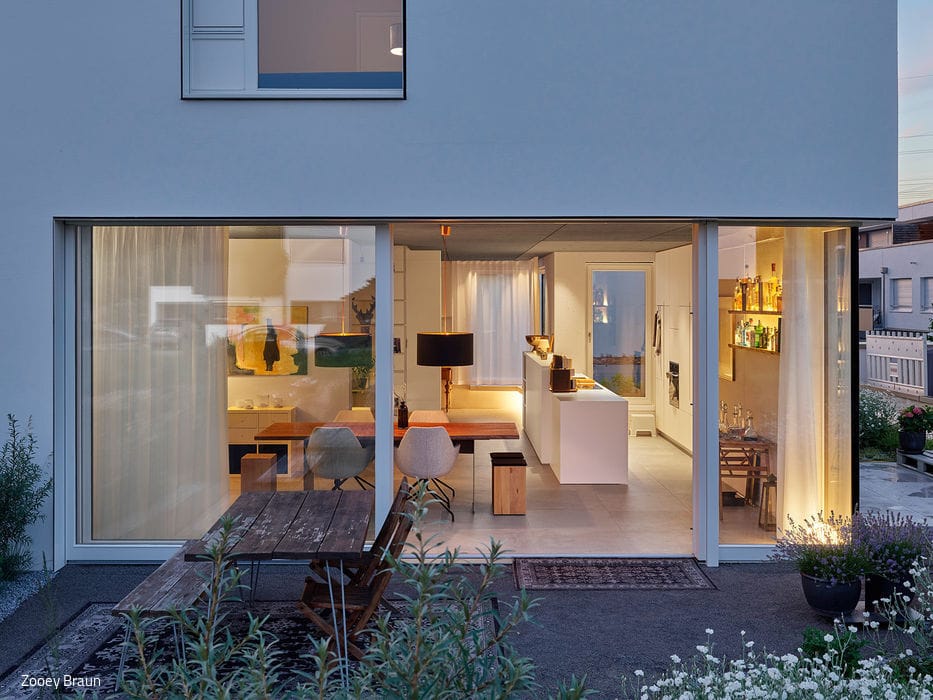
A Model Worth Following
Semi-detached house: two rental units in a compact footprint
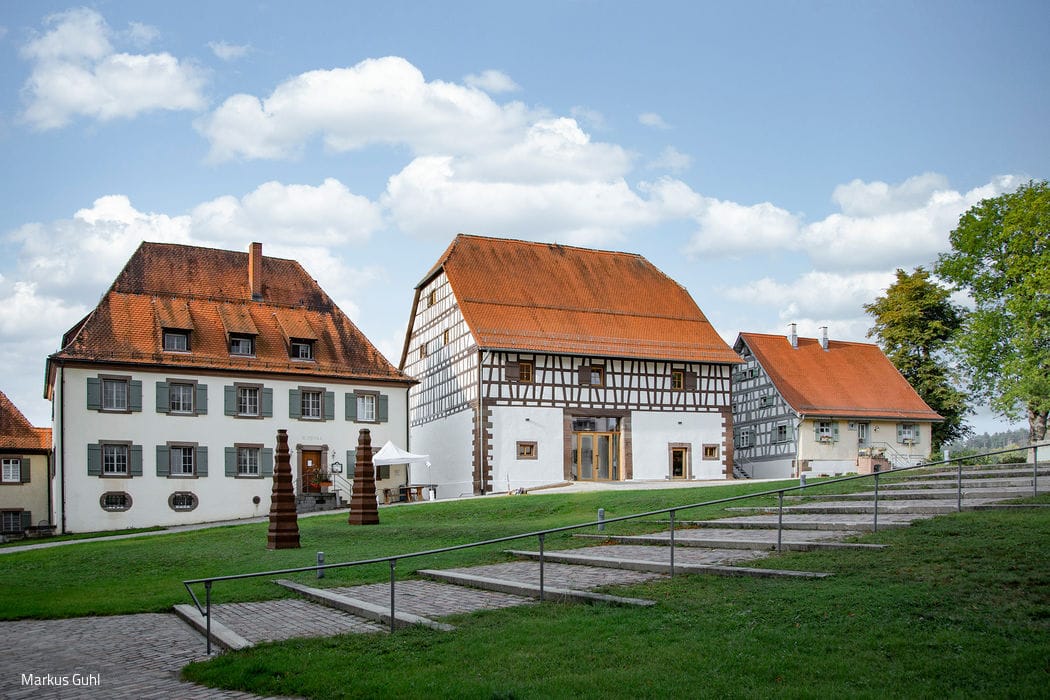
Adaptive heritage spaces
An 1824 barn reimagined with restrained intervention—now a vibrant centre for gathering.
Flexibly Modular
Office Buildings Tailored to Distinct Requirements