


Preserved through change
Renovation as a statement of modern living: light-flooded, open, elegant
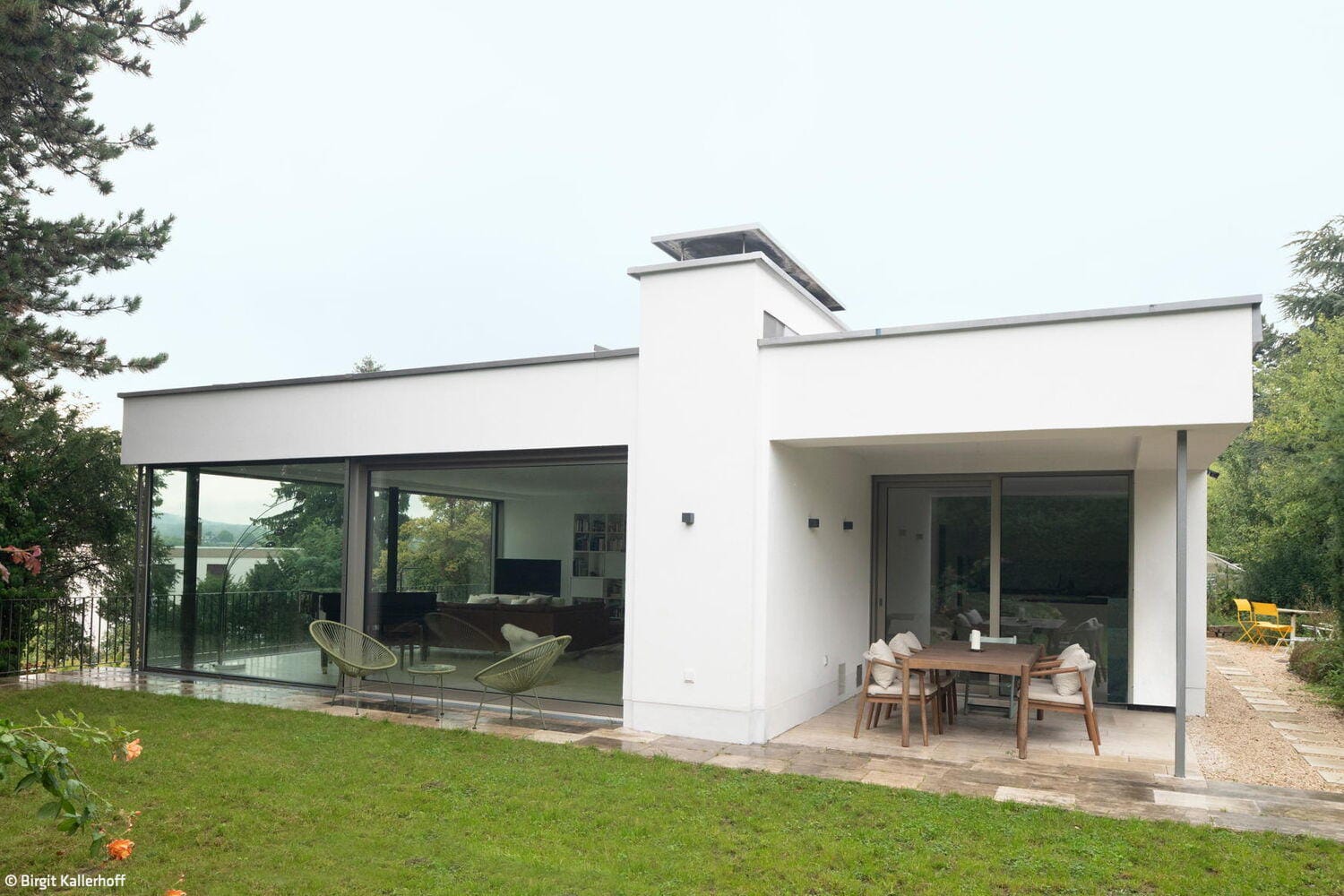
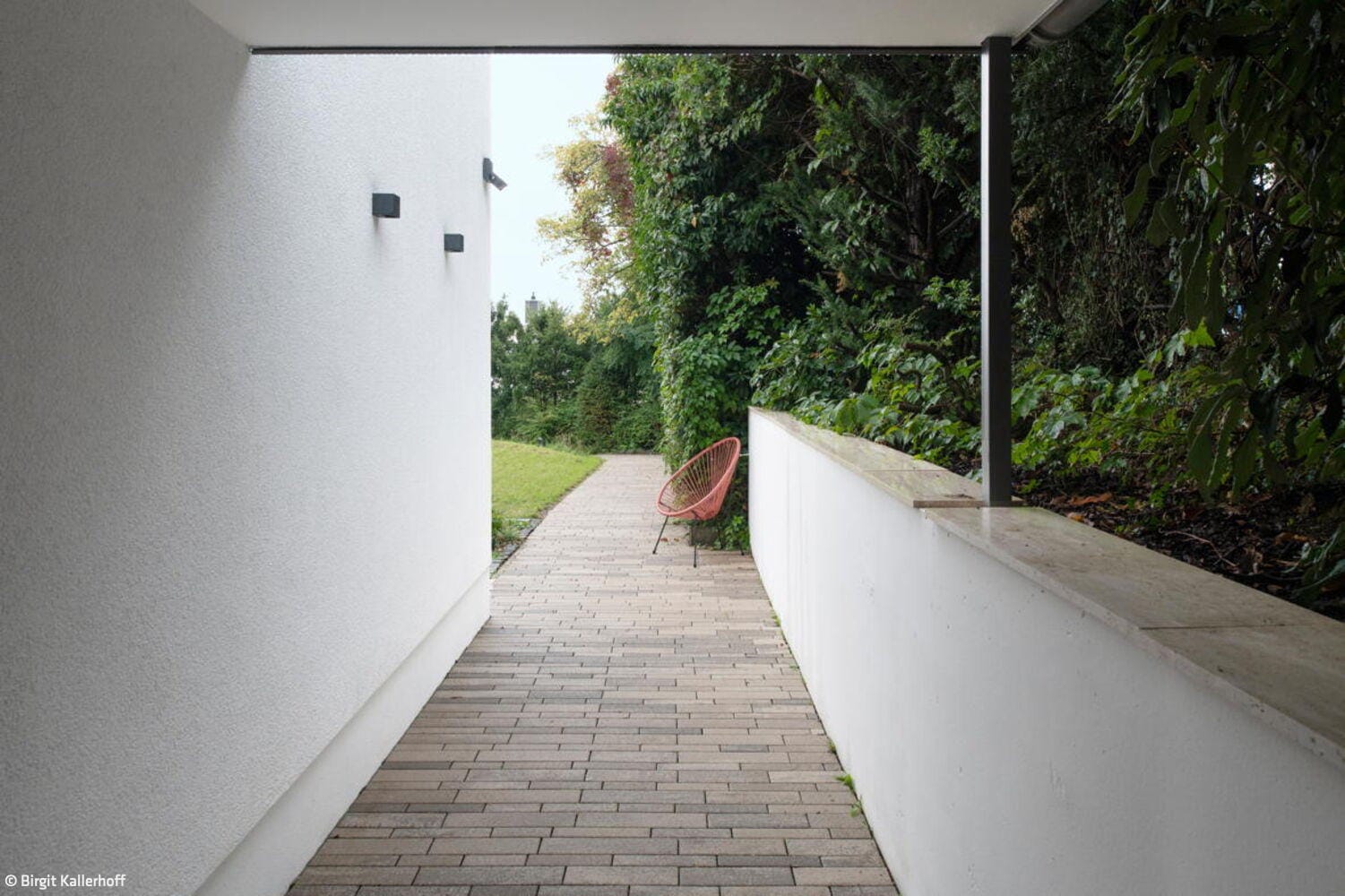
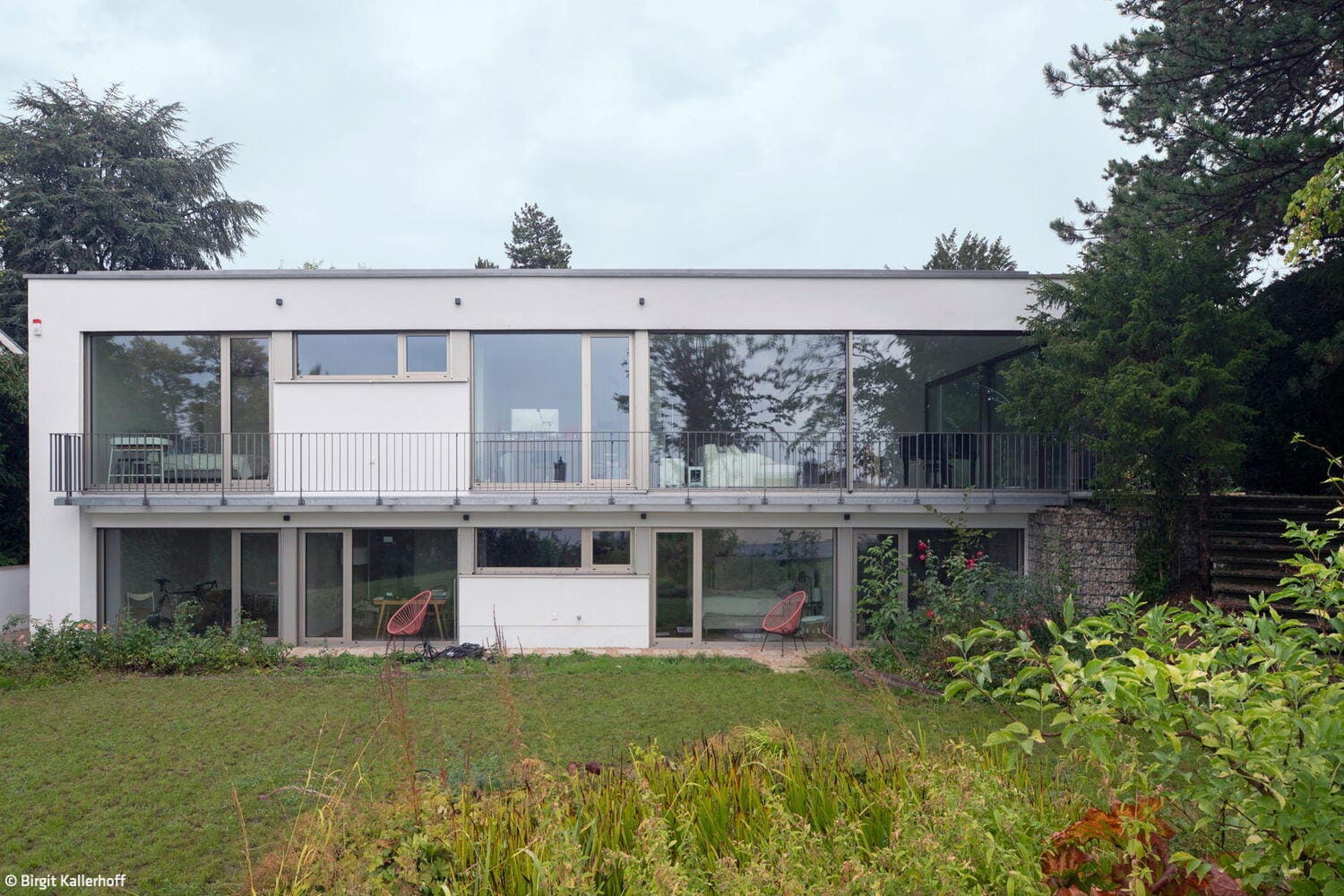
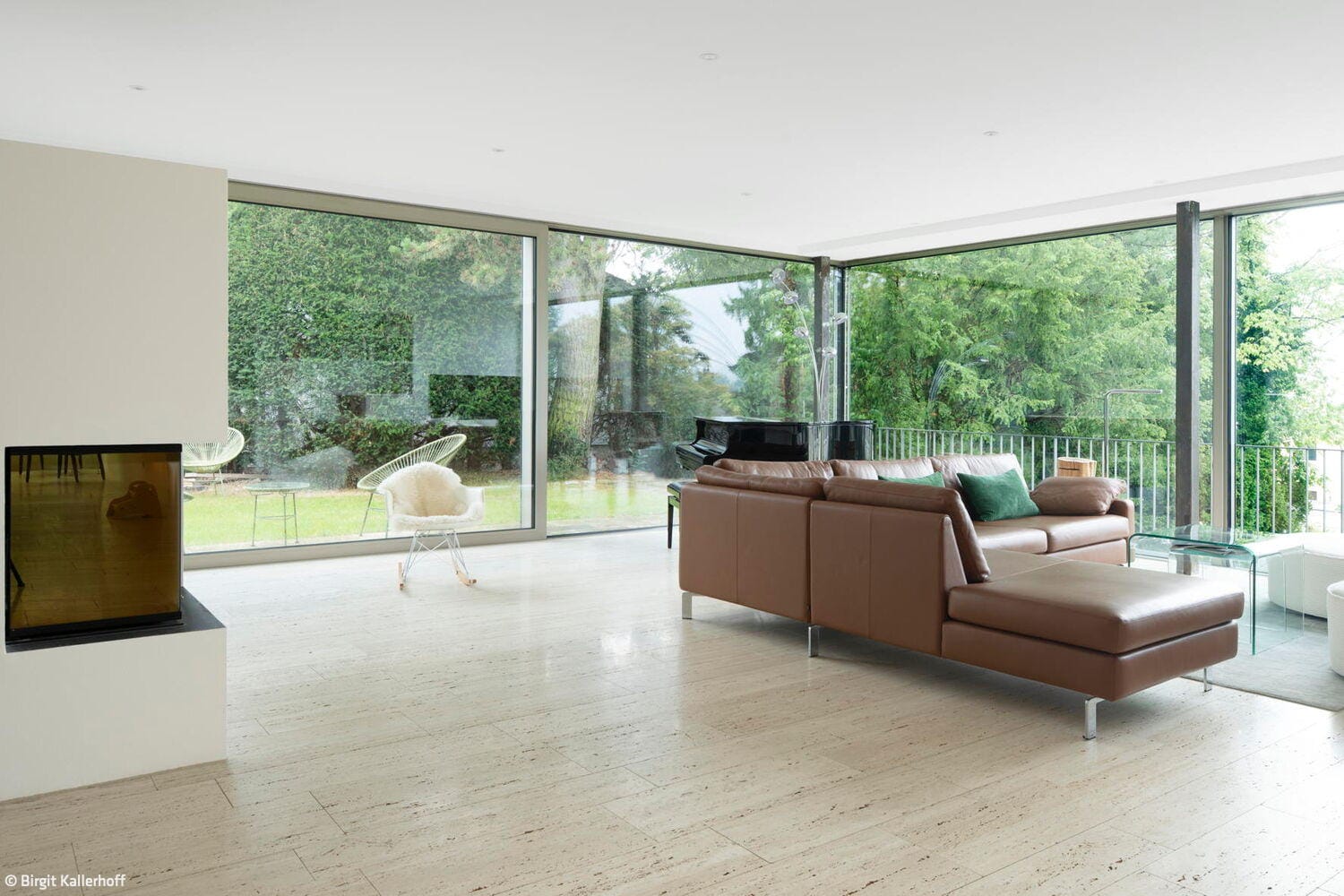
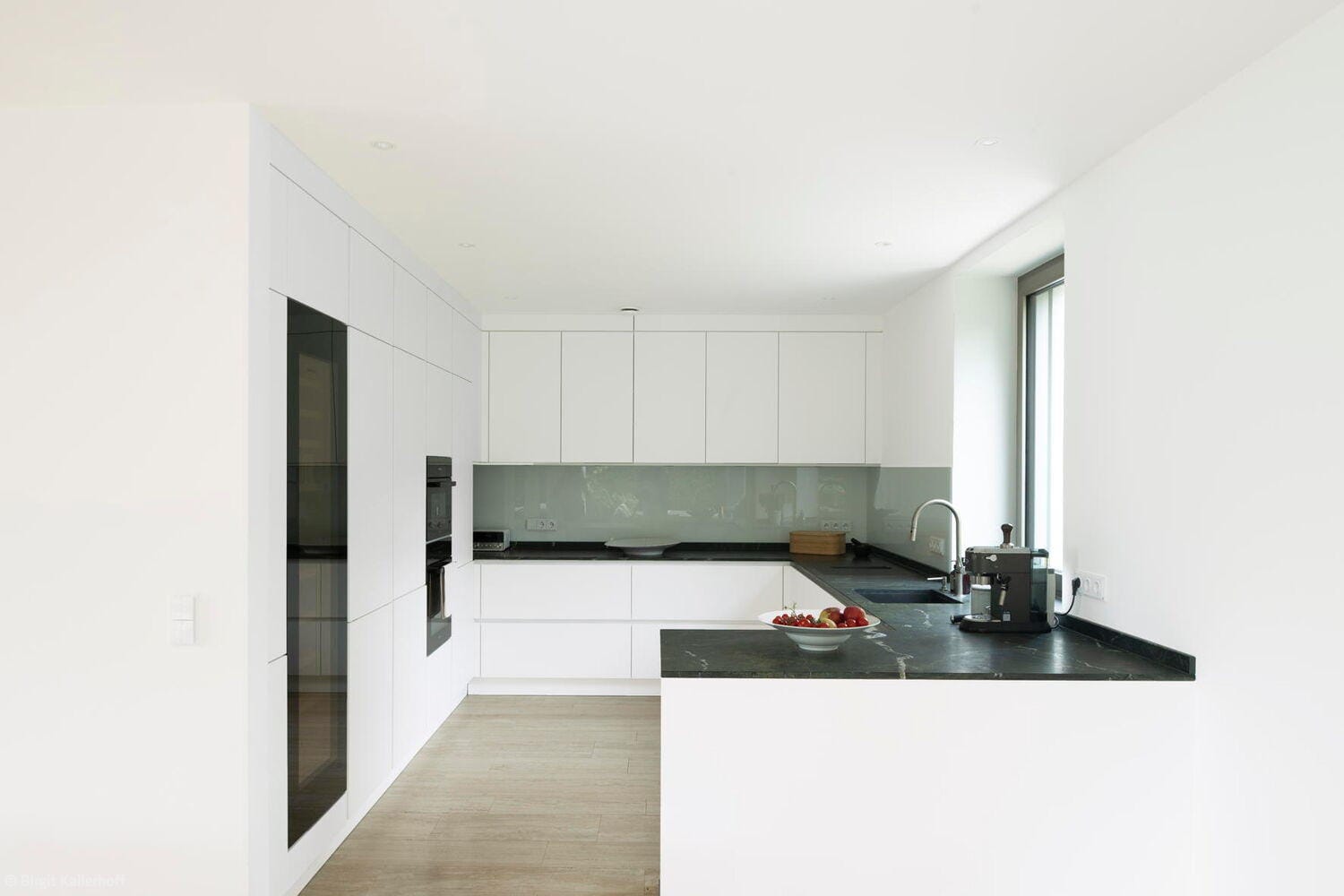
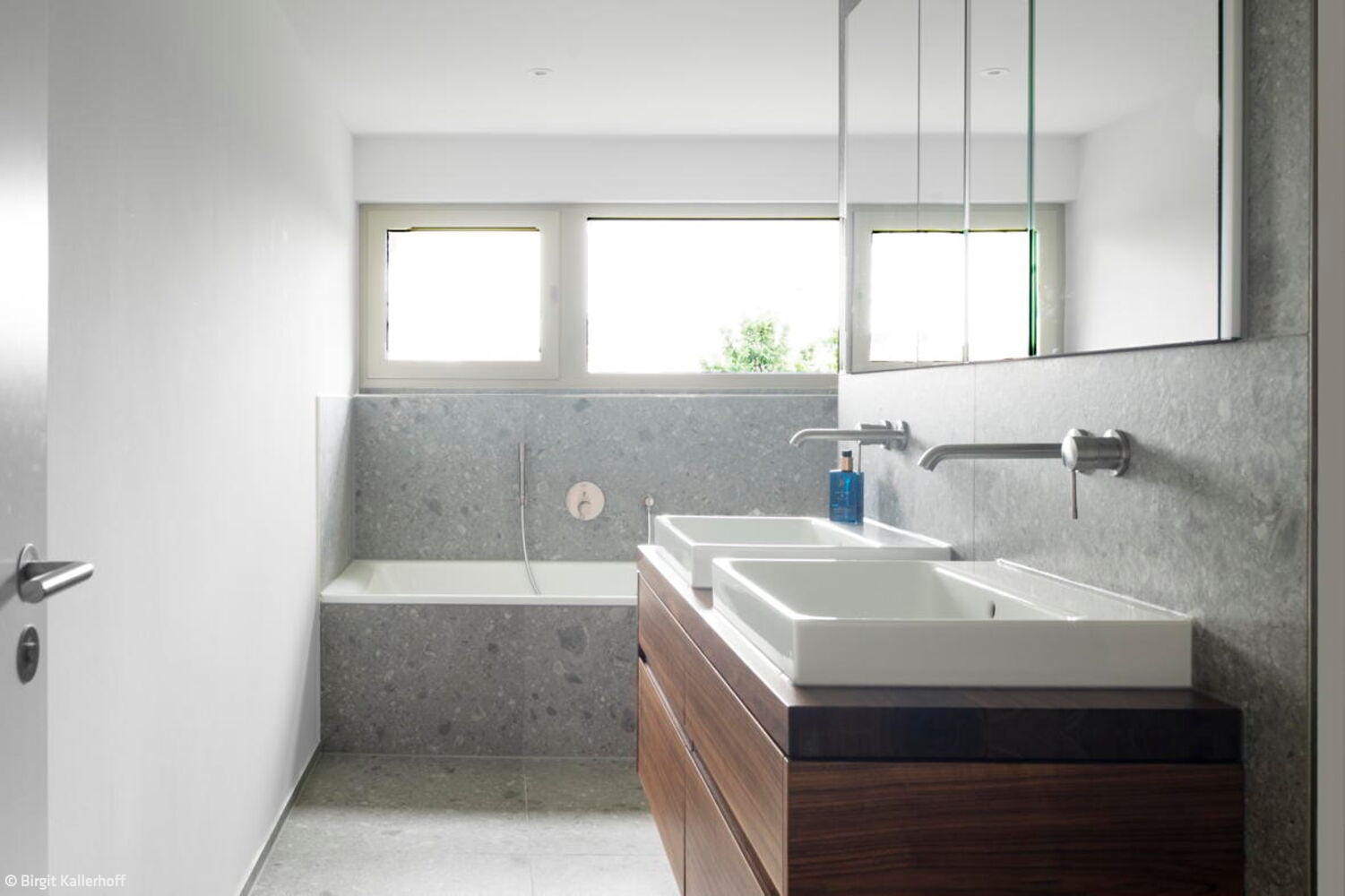
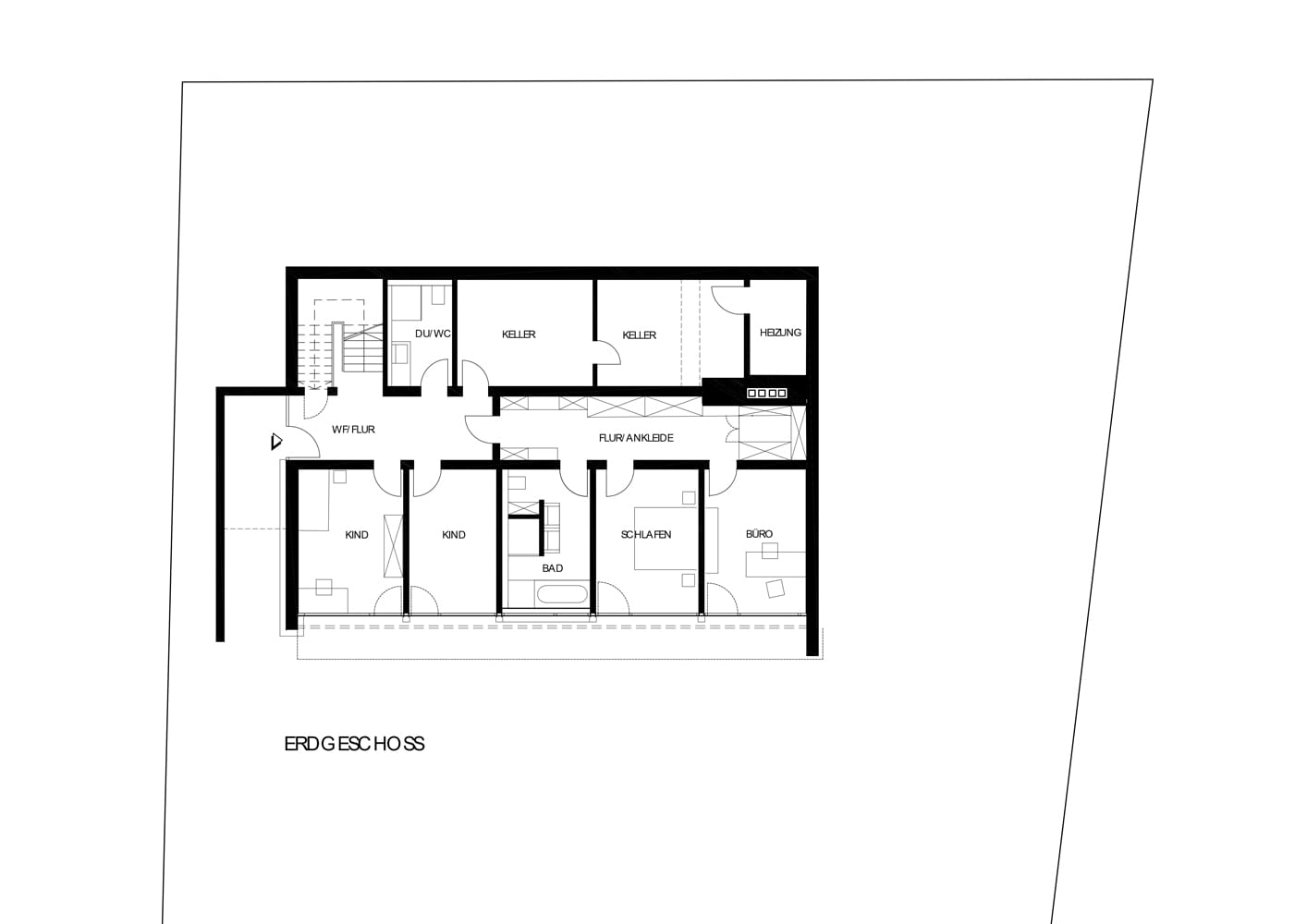
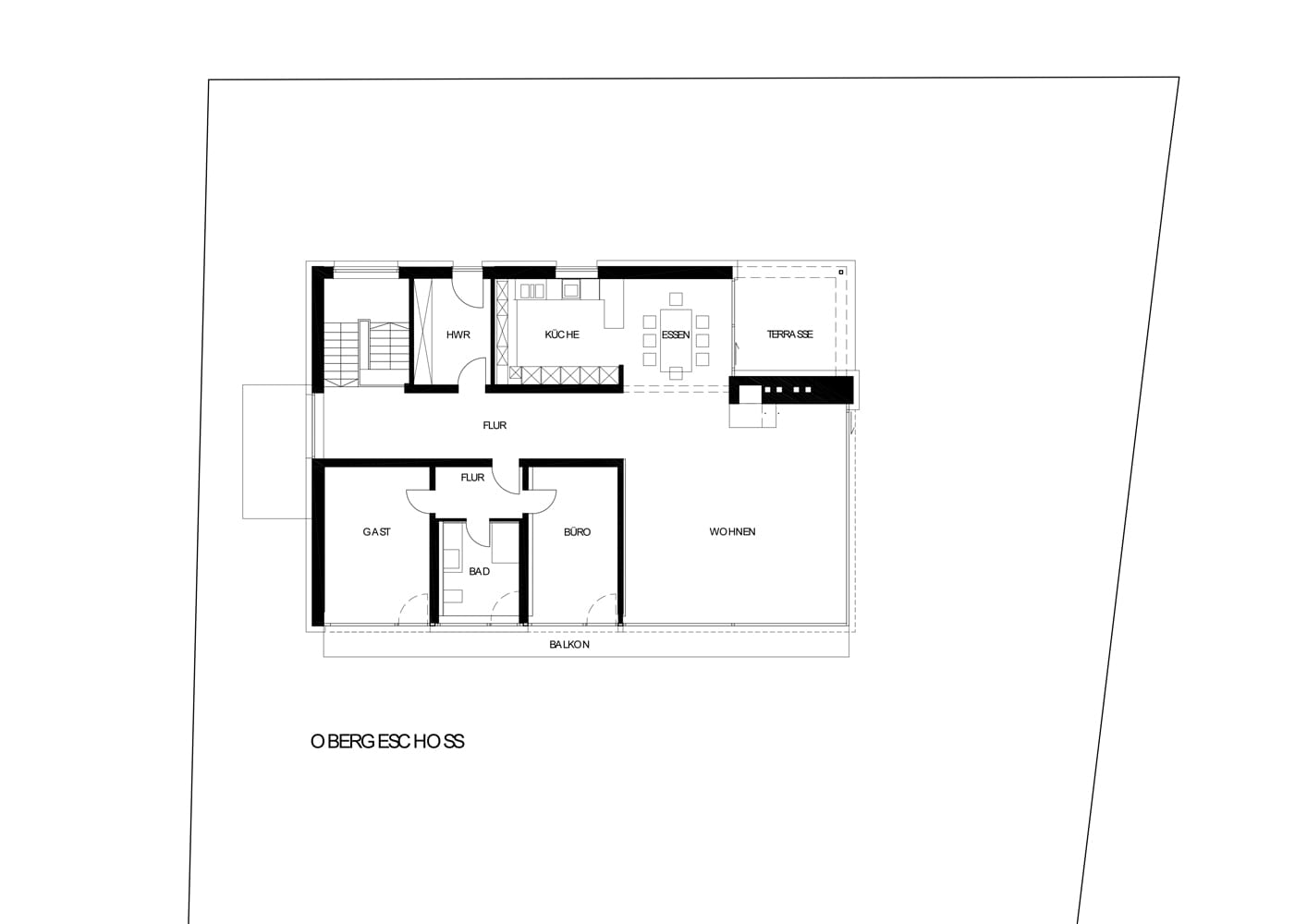
A house from the 1960s that, at first glance, is reminiscent of the clean lines of Richard J. Neutra or Mies van der Rohe's Barcelona Pavilion: large glass surfaces, horizontal window bands, wide-spanning rooms, an almost weightless connection between inside and outside. This detached house, designed by Frankfurt architect Friedrich Rath, has now been brought into the present with great sensitivity by Guckes & Partner Architects.
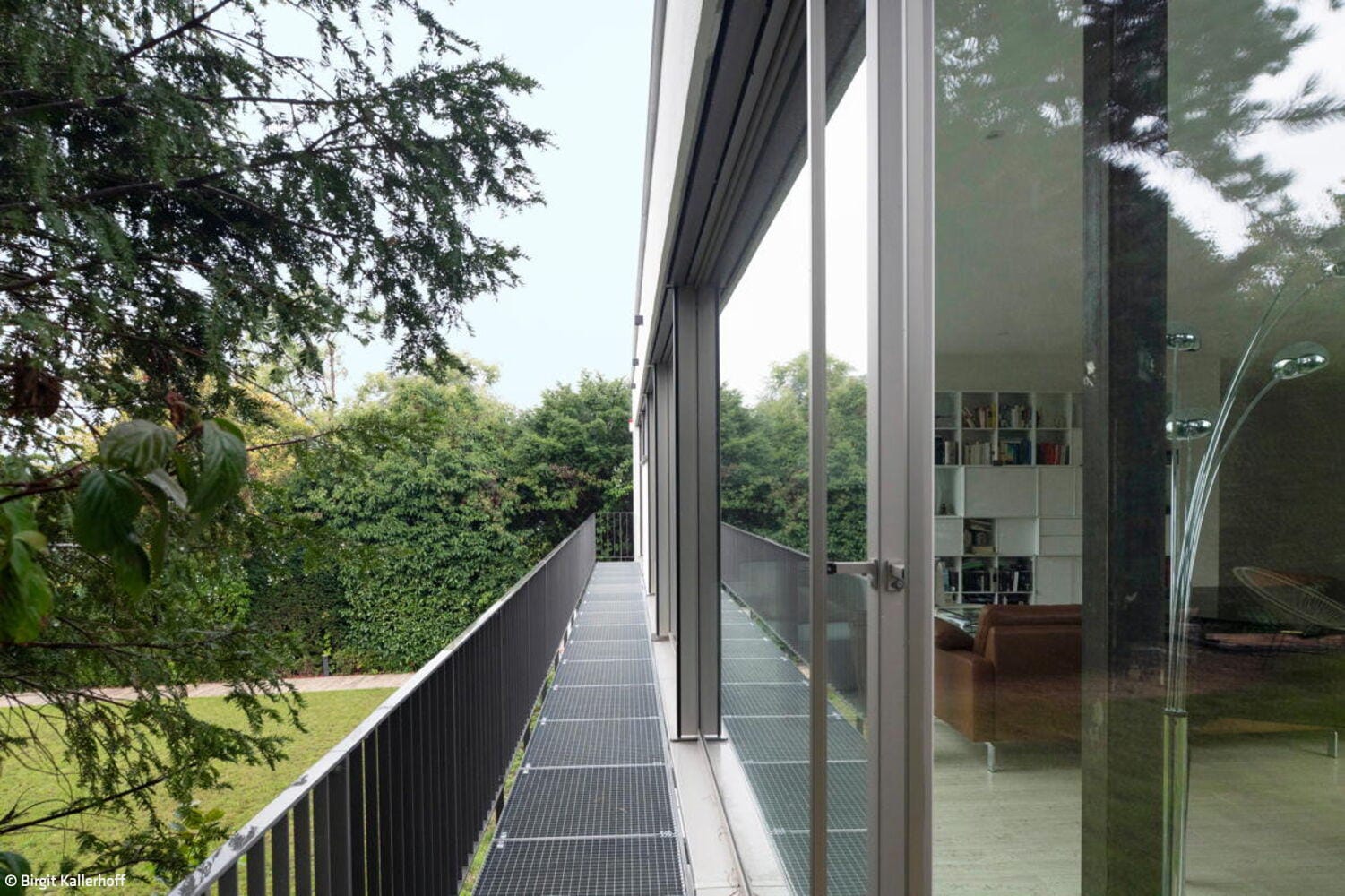
The owners had fallen in love with the timeless architecture: the interplay of light and shadow, the openness of the floor plan, the natural way in which the living space and garden flowed into one another. But after decades of intensive use, the splendour of modernism had faded. The challenge was to bring the house up to date in terms of technology and energy efficiency without losing its characteristic appearance. The architects approached this task with a clear guiding principle: preservation through careful transformation. Instead of reinventing the building, its architectural core was exposed and reinforced. From the outside, the clear, horizontal structure was retained. The old aluminium windows with single glazing were replaced by filigree metal frames with triple glazing – including integrated slats that provide shade without disturbing the elegant rhythm of the façade. The former cantilevered balcony, a structural weak point, was replaced by a slim, thermally separated steel construction with grating: light, transparent, committed to the spirit of modernism.
Inside, it is clear to see how old and new elements intertwine seamlessly. The continuous natural stone flooring made of travertine – once a symbol of luxurious living in the 1960s – has been largely preserved. It now extends from the living room to the terrace, as originally intended, connecting the rooms to form a flowing whole. New ceiling heating systems replace the old floor convectors and provide cosy warmth without compromising the generous room height.
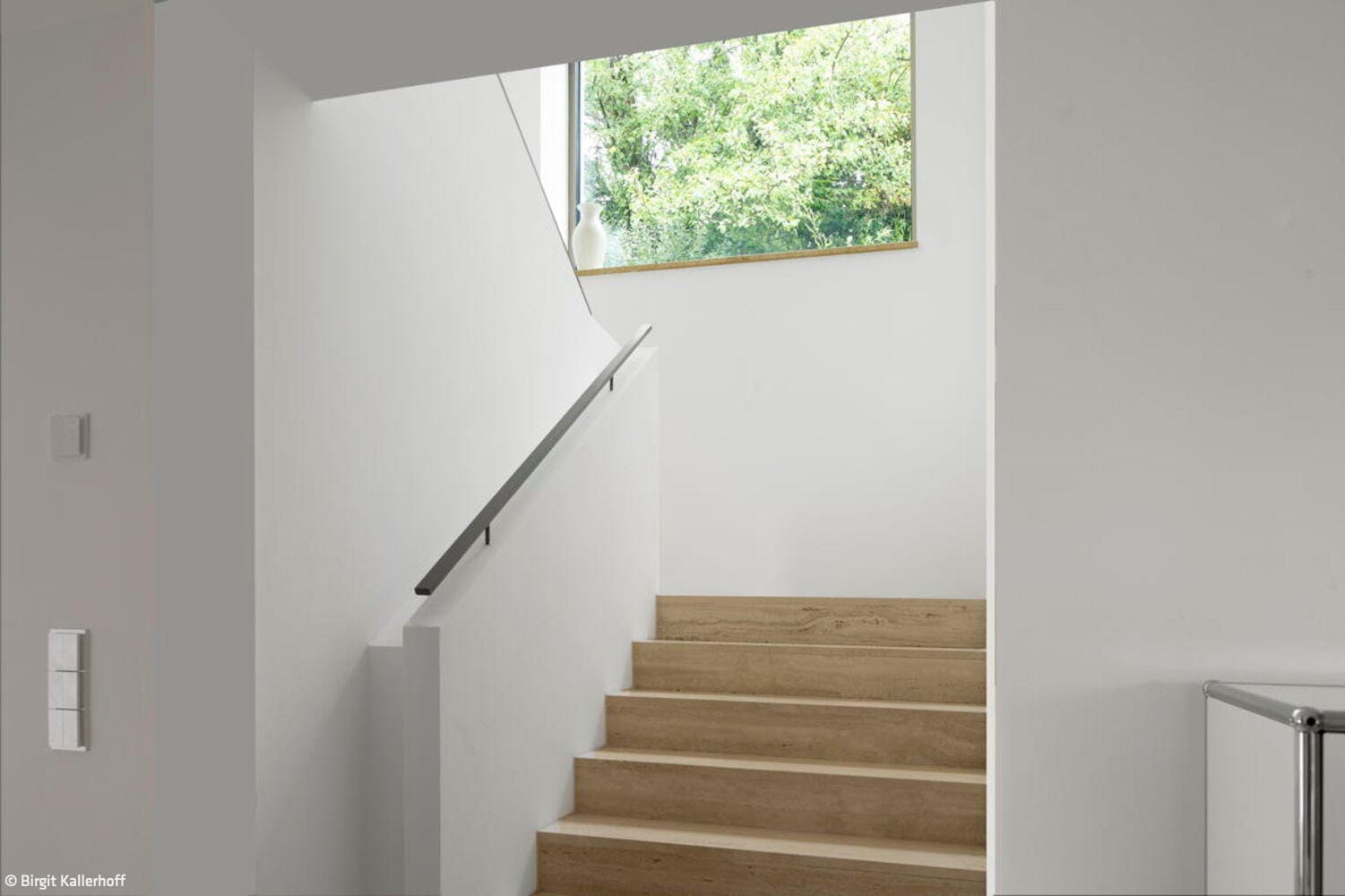
The basement, originally used as an office, was also integrated into the living space. A newly designed staircase provides access to the garden, and a large window above the landing allows light to flood into the entrance area. This creates a feeling of space and openness even in the lower rooms. The building has been completely refurbished in terms of energy efficiency: a heat pump, central living space ventilation and a photovoltaic system bring it up to KfW EE 55 standard. The tank of the former oil heating system has been converted into a cistern for watering the garden. Mineral external insulation and the gently sloping metal roof with a narrow edge profile ensure that the austere flat roof look is retained.
Photos:
Birgit Kallerhoff
www.fotokallerhoff.de
(Published in CUBE Frankfurt 04|25)
Connection & Focus
Creating Space for Community and Transformative Learning
Emotional & Bold
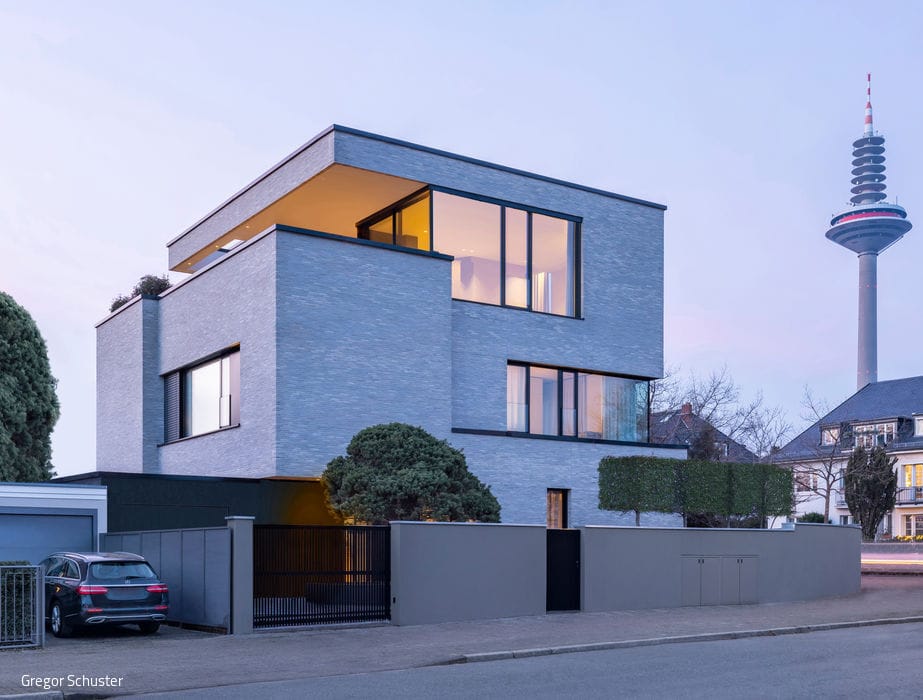
Dream Home: Where Timeless Design Meets Contemporary Expression

A Fresh Perspective
Reimagining a Medical Practice: Where Function Meets Warmth
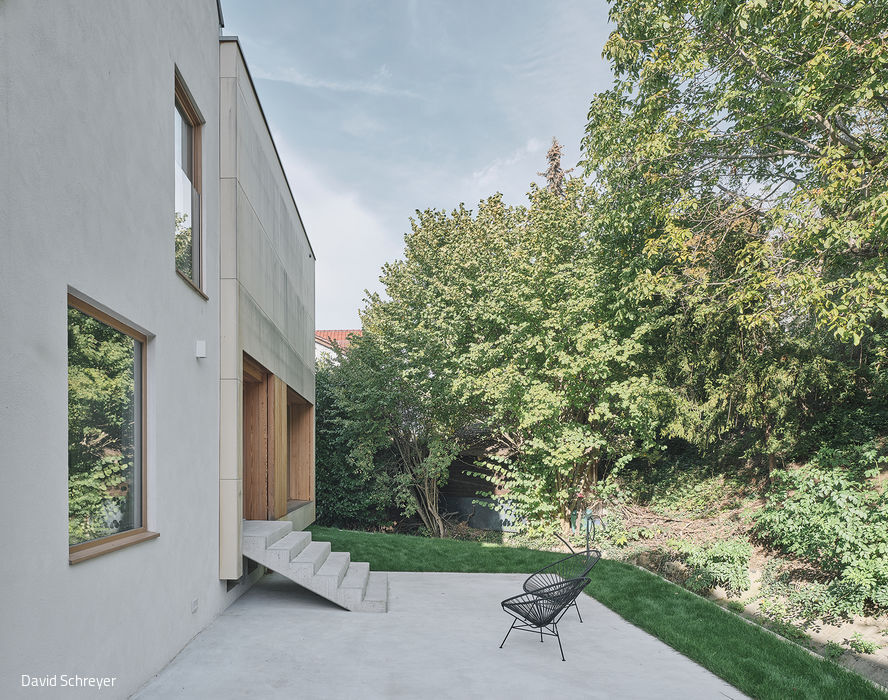
Masterfully Connected
A wooden extension gives new life to a 1950s family home.