


Sculptural Architecture
Hybrid residence thoughtfully nestled into the hillside

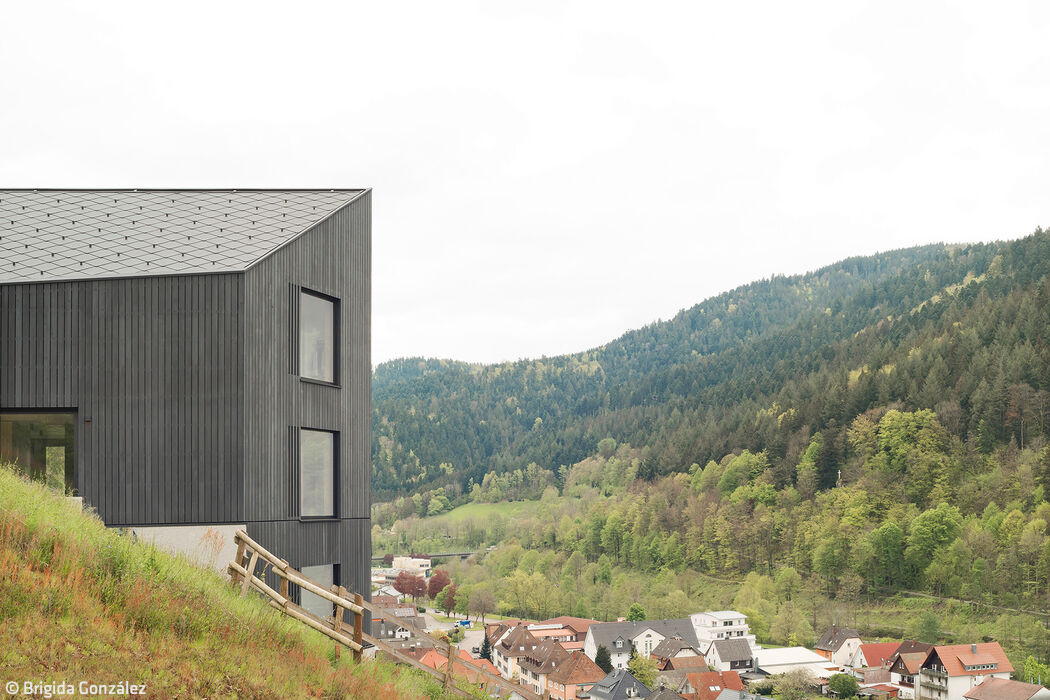
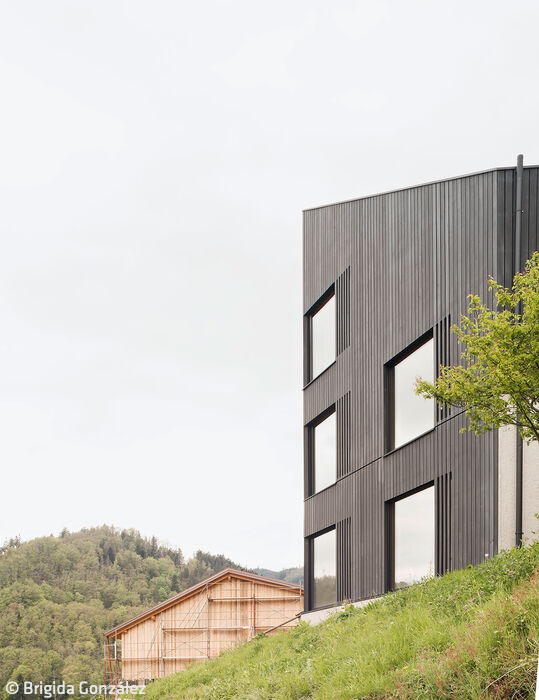
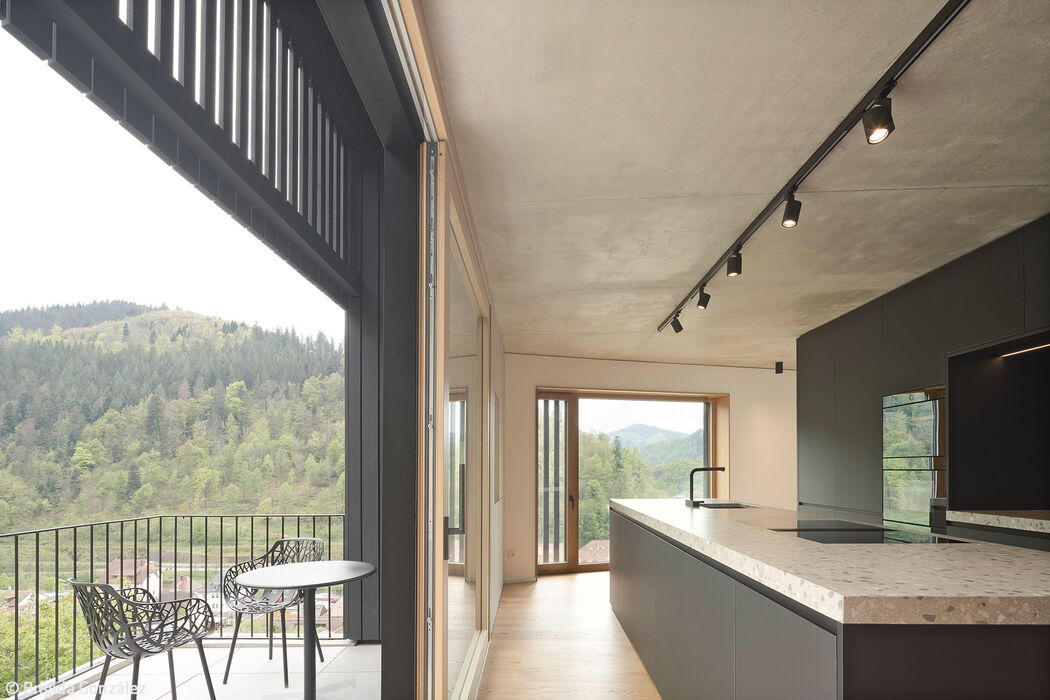
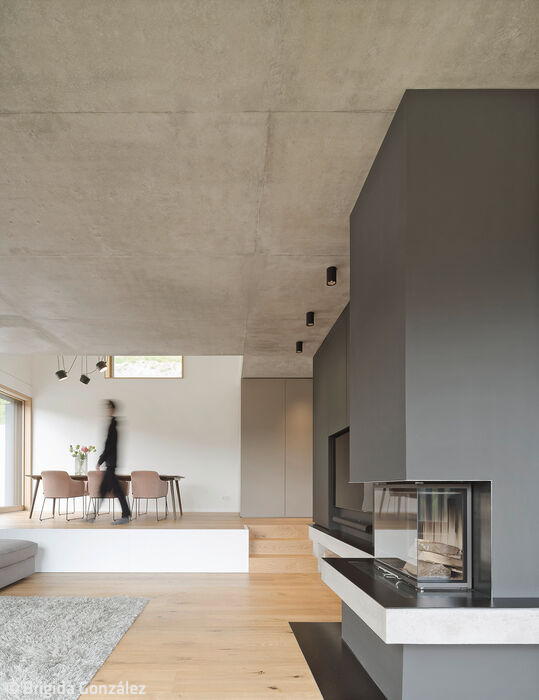


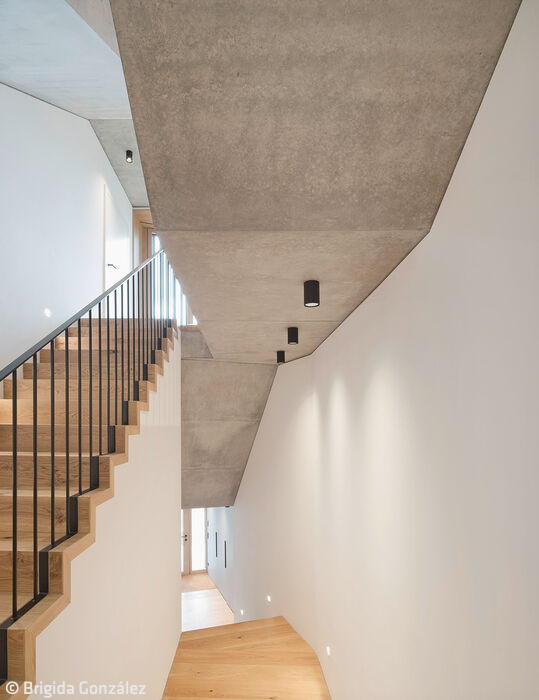
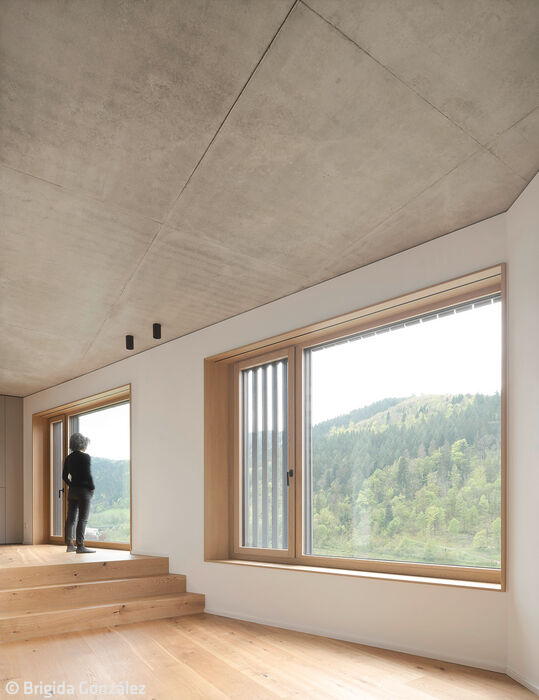


The view across two Black Forest valleys is breathtaking. The client was captivated at first sight by this extraordinary hillside plot in such a commanding location. He acquired it with a clear vision: to build a home that would frame these exceptional vistas from every room. Röing genannt Nölke Architekten, tasked with planning and executing the project, made a deliberate choice to position the residence at the plot's highest point. This decision served multiple purposes—ensuring unobstructed valley views, maximizing distance from the access road and its turning area, and crucially, minimizing earth excavation and topographical disruption. The underground entrance with integrated garage provides the sole connection to the access road. The plot's edge location opens up unobstructed views of the unspoiled landscape on three sides.
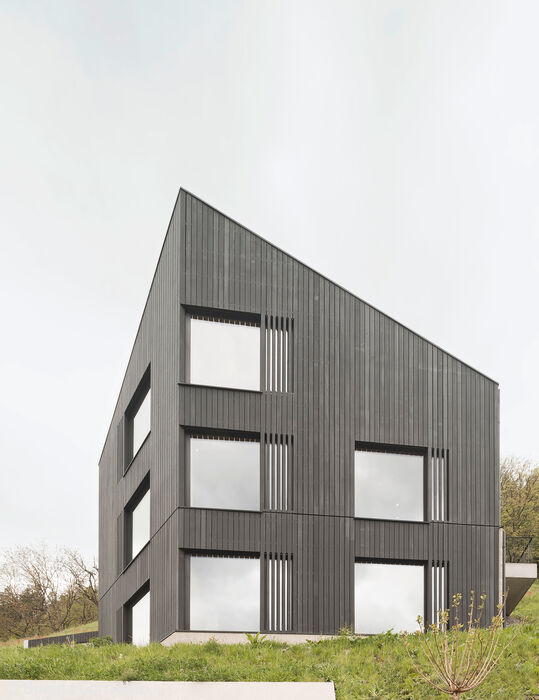
The design reinterprets regional building traditions through a contemporary lens. The residence is built as a hybrid structure—reinforced concrete and timber—unified by a bold commitment to black as the defining color. Above a massive concrete plinth, striking black-stained white fir battens dominate the façade. Black extends throughout: metal railings on the balcony and slope bridge, window and door frames, roofing, solar shading, and interior fixtures. Walking through the house becomes an experience itself—a sculptural journey. Entering into the hillside and ascending through the spaces, split-level sections create spatially dynamic sequences that follow the steep terrain's natural contours. Each movement through the house reveals new vistas across the two Black Forest valleys, making the landscape part of the living experience. The split-level approach was also a pragmatic choice: it allows the structure to sit securely on bedrock while minimizing ground disruption and respecting the slope's existing geometry. The roof's polygonal form echoes the floor plan's geometry and seamlessly transitions to the building code's required gable roof. The challenging geology demanded innovative solutions—the architects anchored the structure deep into the rock face, ensuring stability while counteracting hillside pressure. Tight construction conditions on the steep site led to the selection of prefabricated timber construction methods. A service lift and passenger lift—the latter easily retrofitted—ensure accessibility across all life stages and living situations.
Living space: 220 m²
Plot size: 750 m²
Construction timeline: 15 months
Construction method: Hybrid timber construction (solid masonry combined with timber frame)
Photography:
Brigida González
www.brigidagonzalez.de
(Published in CUBE Stuttgart 03|24)
Custom Solutions
Wolfgang A. Lüchow and Andreas Macke design products and lighting that matter
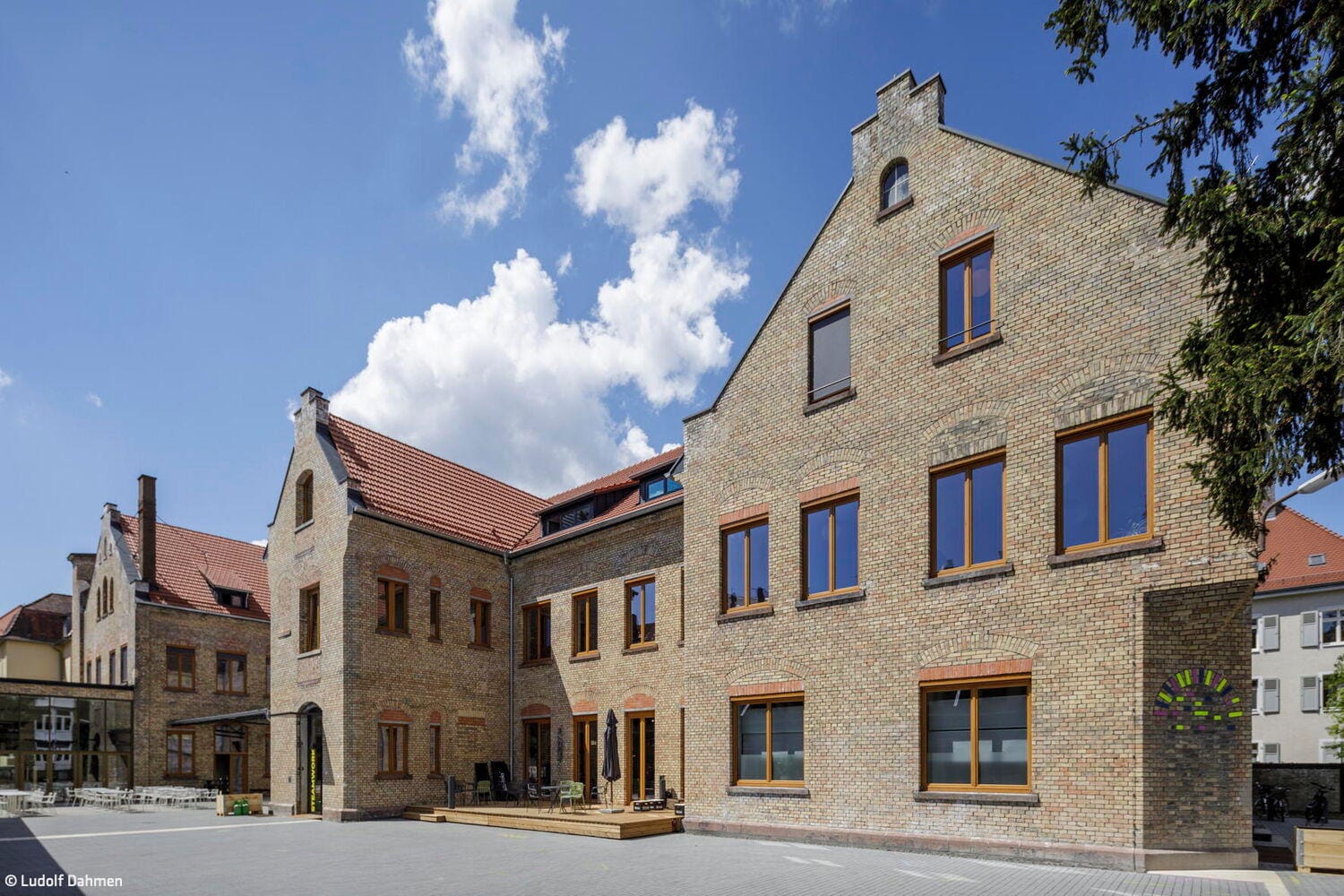
Einen Ort wiederbelebt
Revitalisierung der alten Dampfschreinerei schafft Coworking-Spaces und neuen Treffpunkt im Quartier

A Differentiated Prelude
A family home that maximizes space, harnesses natural light, and blurs the line between indoor and outdoor living in an urban setting
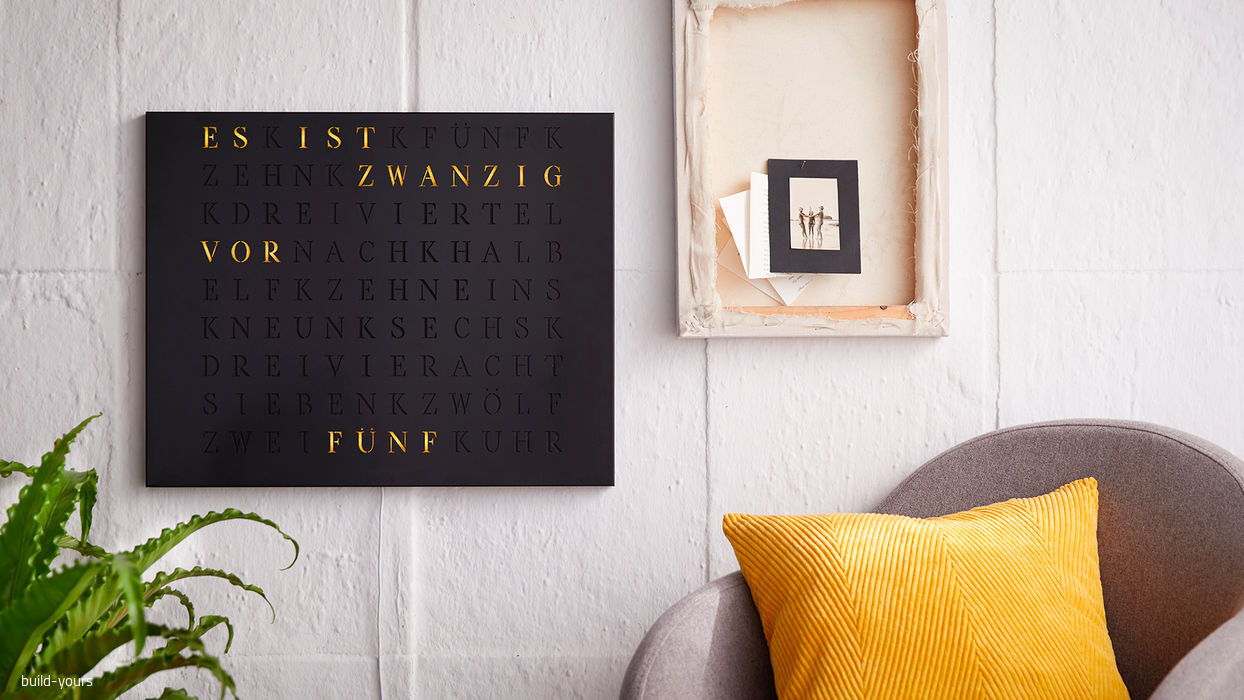
Custom Design
Frithjof Maschke: Designing Products That Spark Curiosity About Technology