


Lightness Restored
The renovated theatre opens itself to the city anew
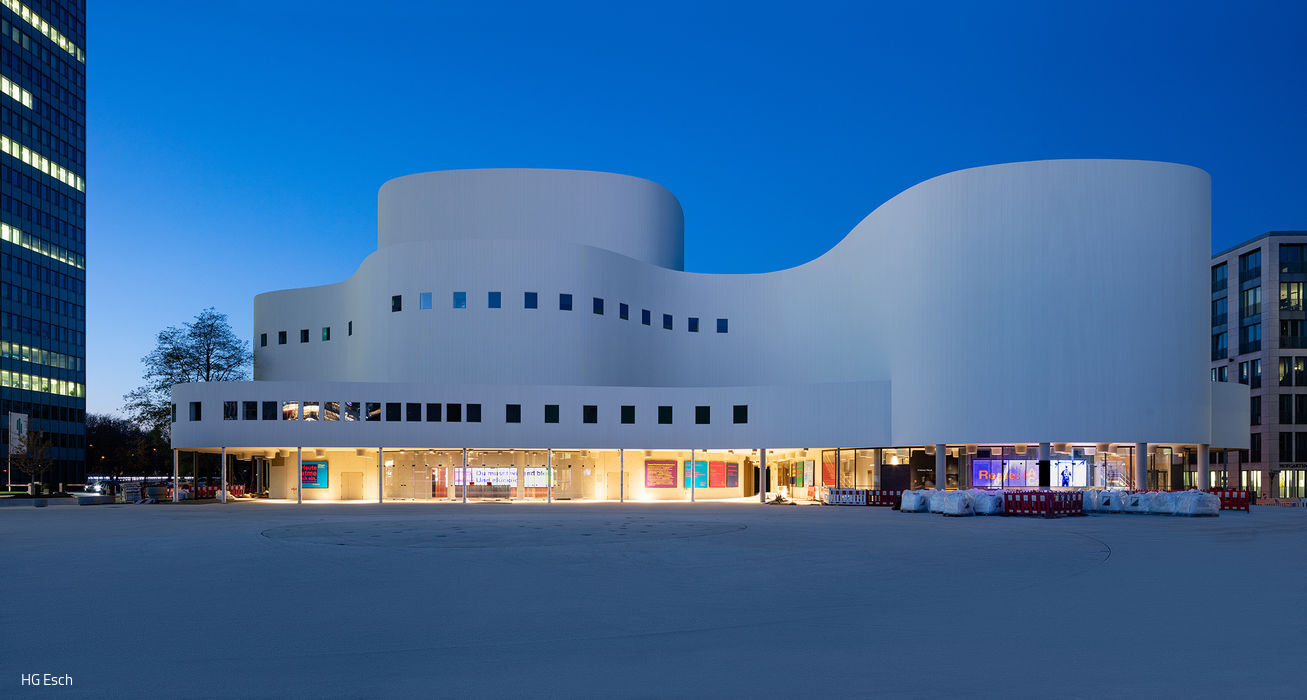


Bernhard Pfau's theatre, constructed between 1965 and 1970 following a major international competition in 1960, stands as one of post-war architecture's most significant ensembles alongside the neighbouring Dreischeibenhaus. Celebrated for its organically curved form, the building has earned its place as a modern architectural icon. The Düsseldorf-based firm ingenhoven architects has now undertaken a comprehensive restoration that honours this landmark status.
During the 1950s and 1960s, architect Bernhard Pfau (1902–89) was among the most influential figures in modern post-war architecture—a movement whose reach extended far beyond the Rhineland. In Düsseldorf, where conservative and traditionalist attitudes initially dominated the building authorities after the Second World War, Pfau's progressive vision faced considerable resistance. This pattern persisted even as the city later attempted to preserve its modern heritage: his achievements were frequently overlooked. Several of his most significant works, including the House of the Glass Industry near Jägerhof Palace, fell victim to insensitive later renovations. Others disappeared altogether—like the early high-rise study building near the state parliament. The renovation of the theatre presented an opportunity to break this troubling cycle. Every intervention demanded sensitivity to the architectural legacy and, despite necessary technical upgrades, the protected building fabric required rigorous respect. The distinctive white aluminium façade and roof—now verdant with vegetation—along with all public-facing spaces, lighting, and furnishings underwent meticulous restoration. Contemporary additions are modestly expressed in matte black. Dutch designer Petra Blaisse crafted bespoke curtains for the interior cladding that both screen and connect. The most significant structural intervention was reimagining the main entrance—essentially reweaving the theatre into the city's fabric. Pfau's original scheme situated the entrance at the Hofgarten, but it was later shifted toward the Gustav-Gründgens-Platz by building commissioner Friedrich Tamms, without restructuring the interior layout accordingly. The temporary ticket kiosk that never truly belonged was demolished and replaced by an elegant glass pavilion on the plaza. A new glass vestibule now properly organizes the entrance sequence. Inside, bronzed foyer glass gave way to clear glazing, opening unobstructed views through the building and beyond to the Hofgarten's magnolias—a connection finally made visible.
Photography Credits:
HG Esch
www.hgesch.de
(Published in CUBE Düsseldorf 01|22)
Sensitively modernised
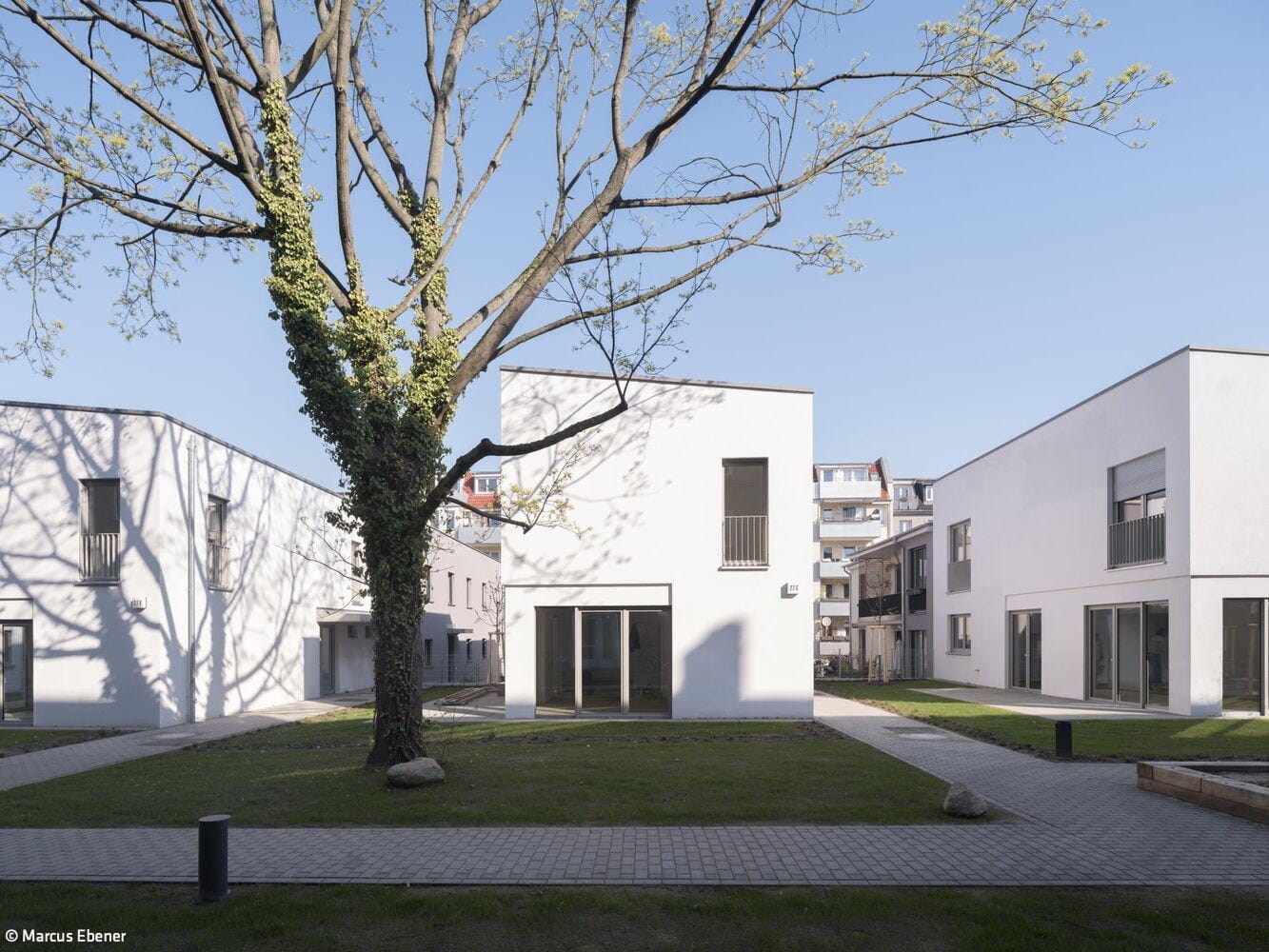
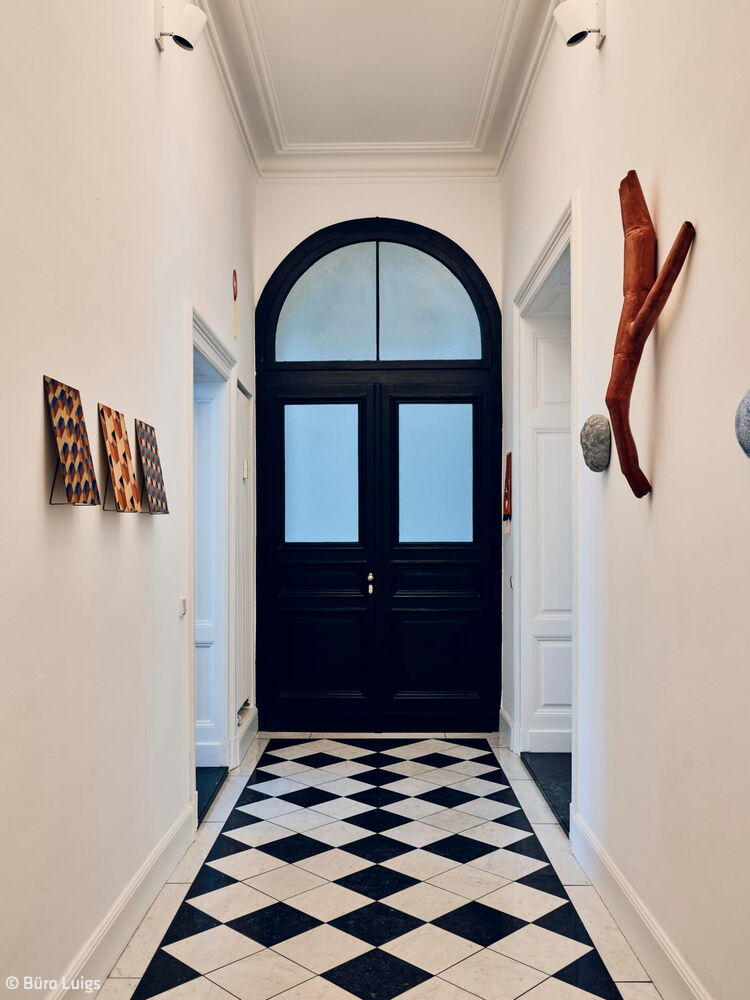
A heritage townhouse in Unterbilk reimagined as a bespoke living and working environment.
Connected Creative Campus
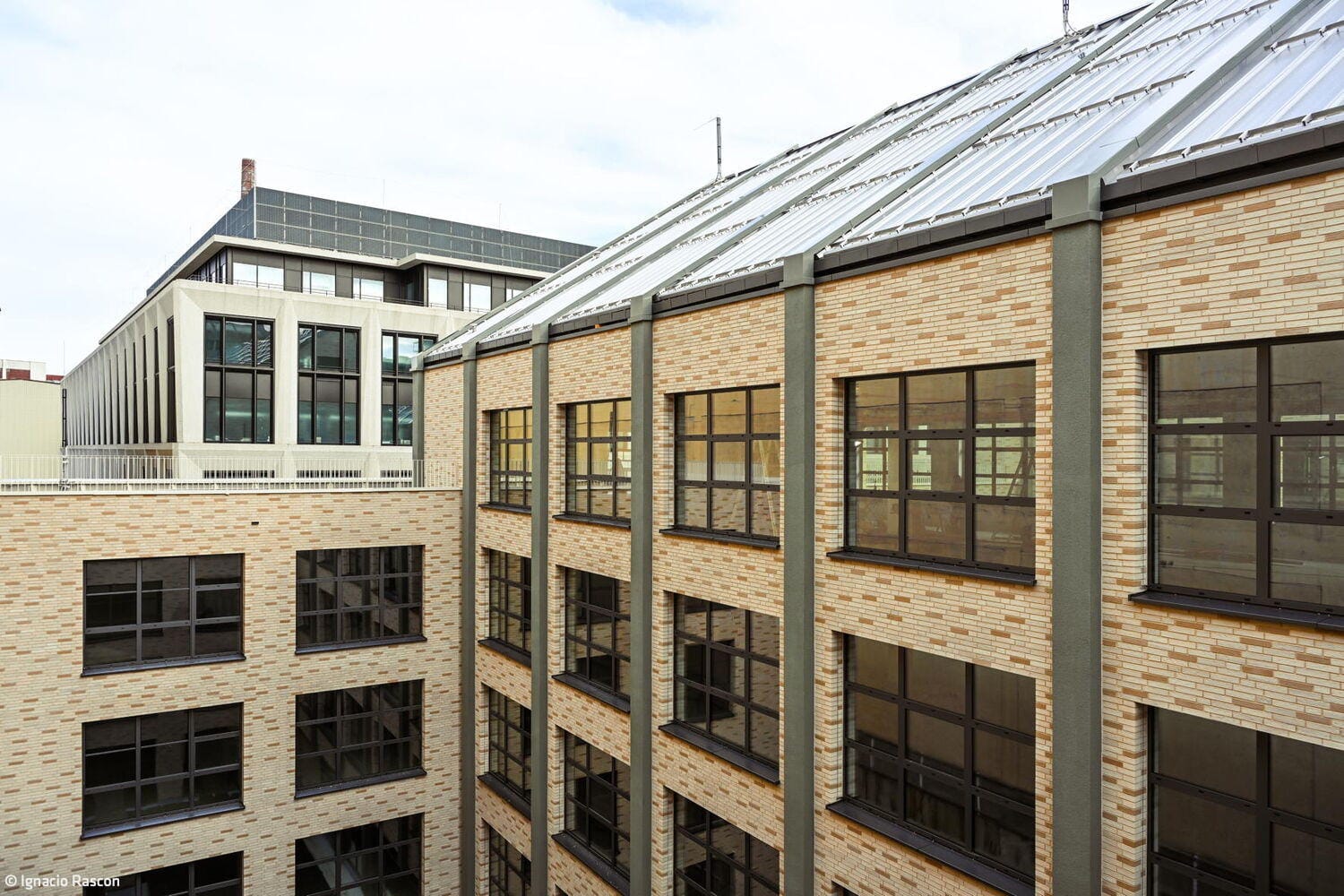
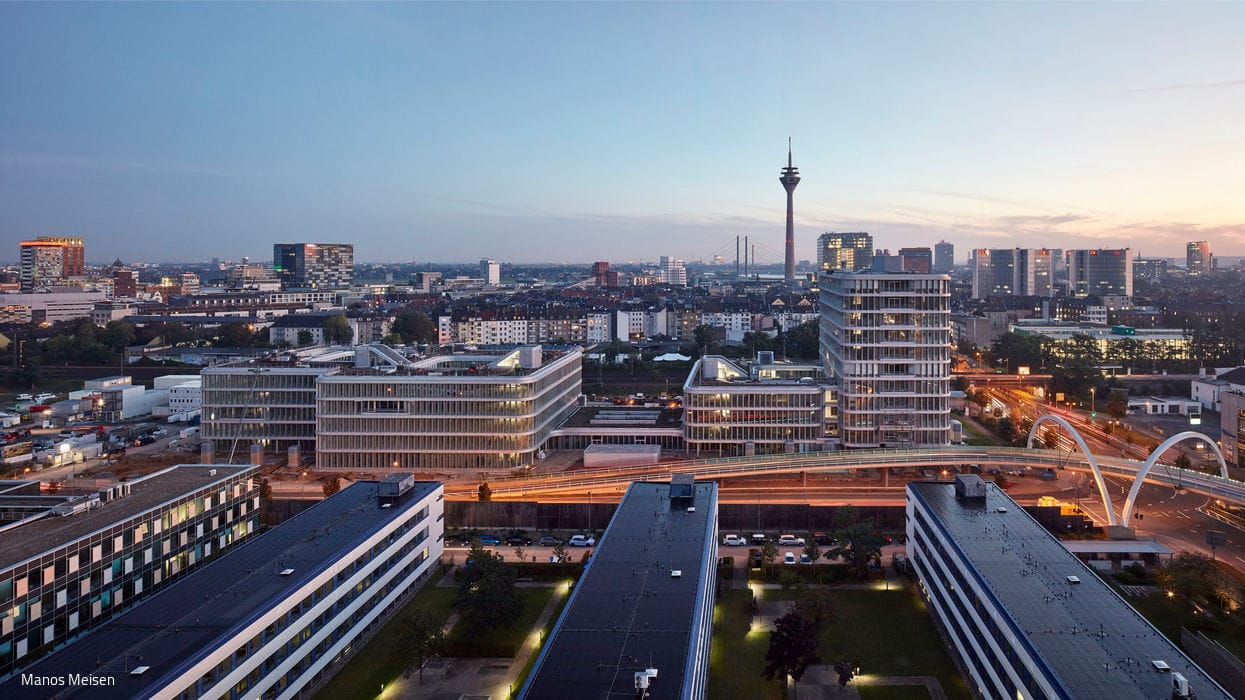
Mizal offers a highly flexible working environment at the entrance to the Media Harbour.
Thoughtful renewal
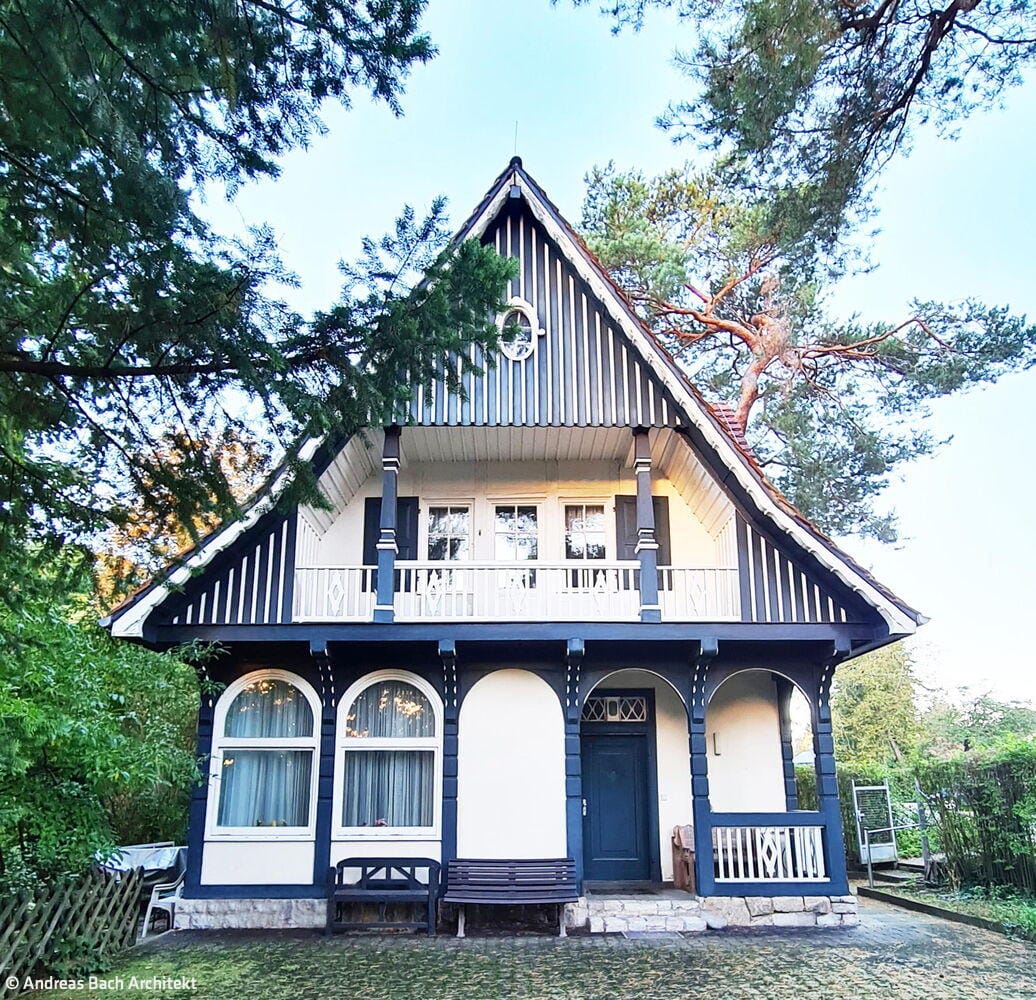
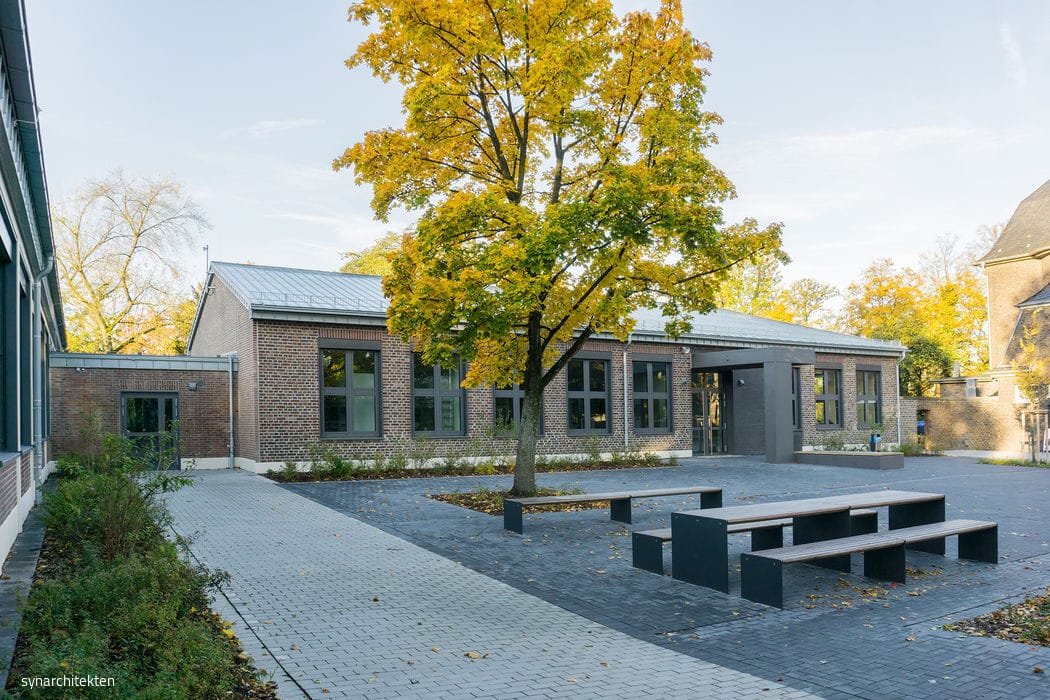
Marie Curie Grammar School in Neuss-Furth has completed a comprehensive modernization of its science wing.
Sustainable Transformation
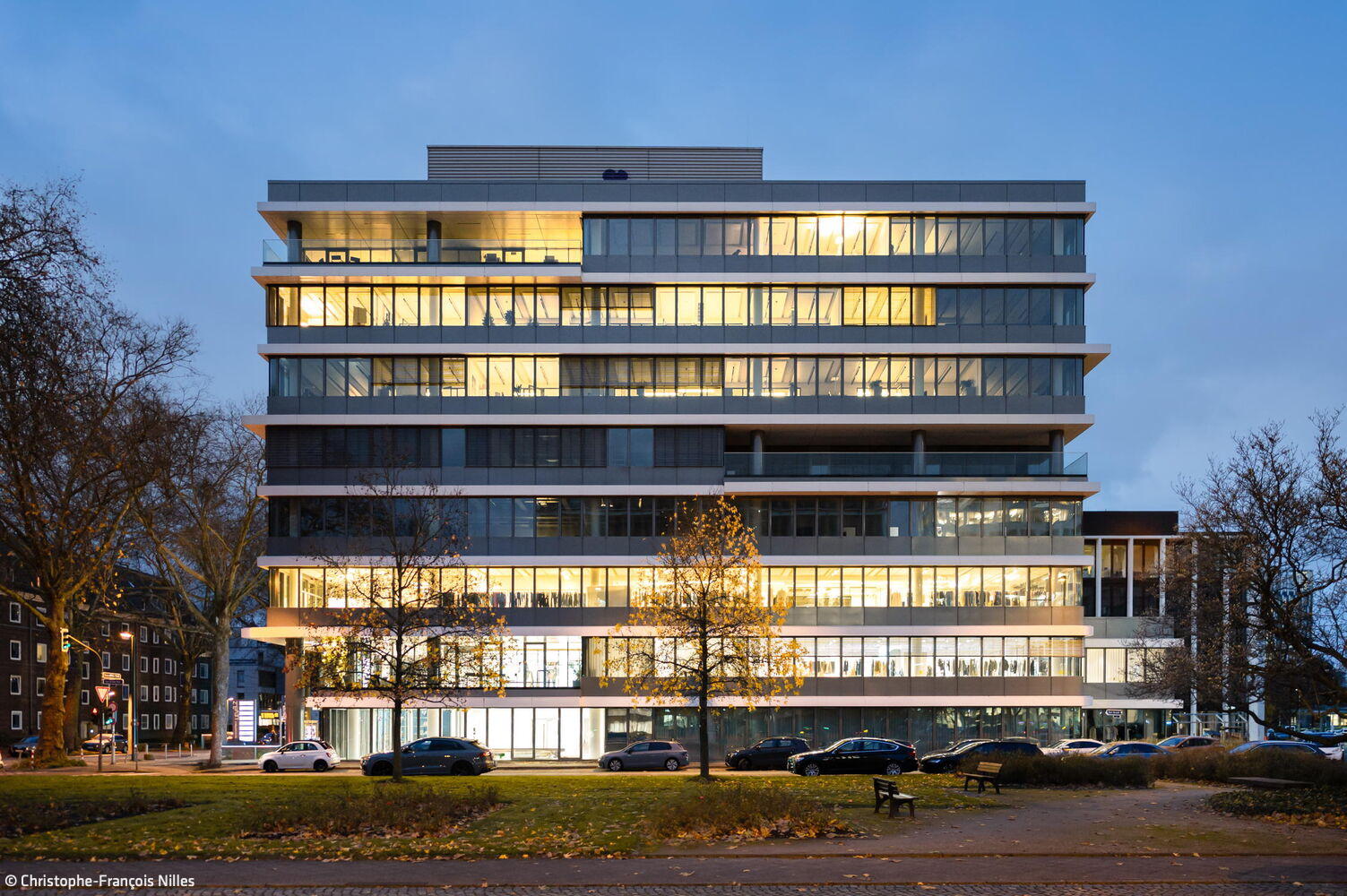
Golzheim showroom centre evolves into a sophisticated office building