


From Farm to Holiday Haven
Renovation breathes new life into historic farm buildings
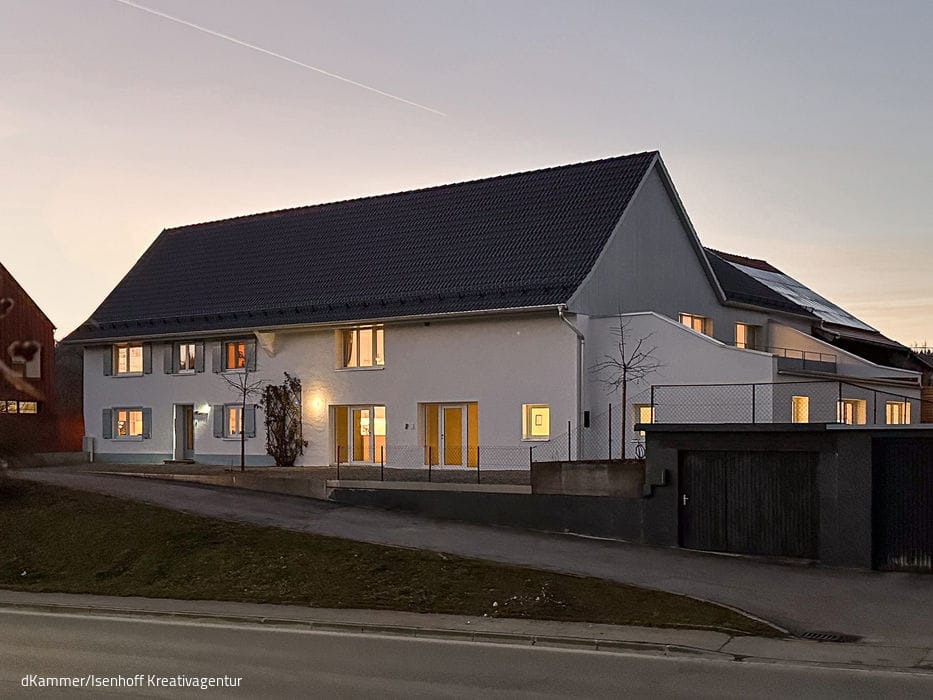
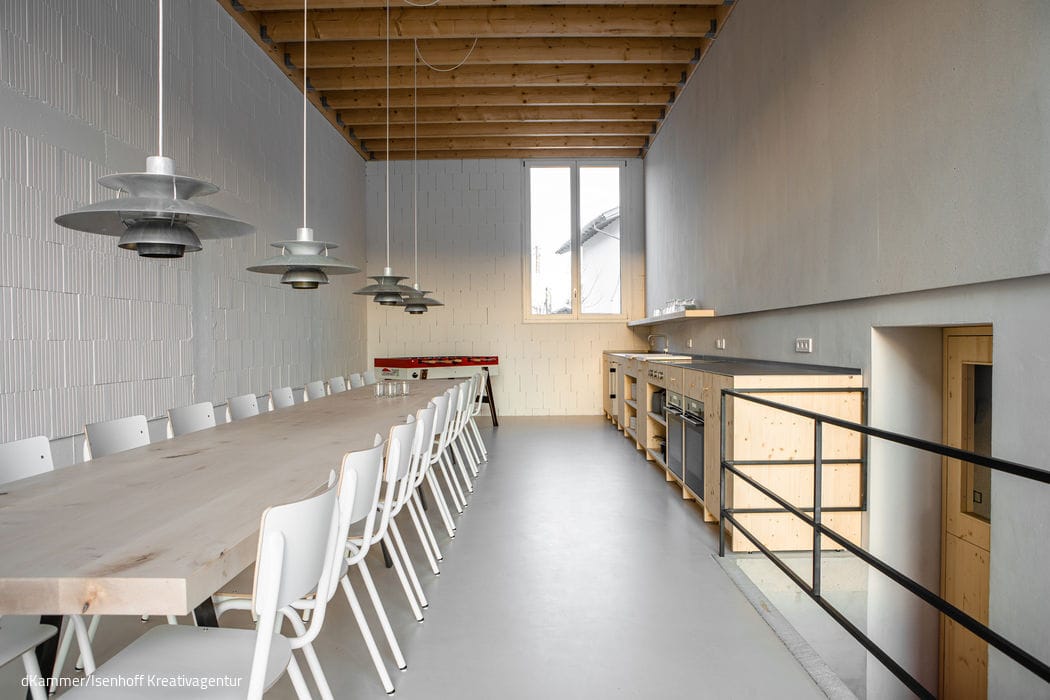
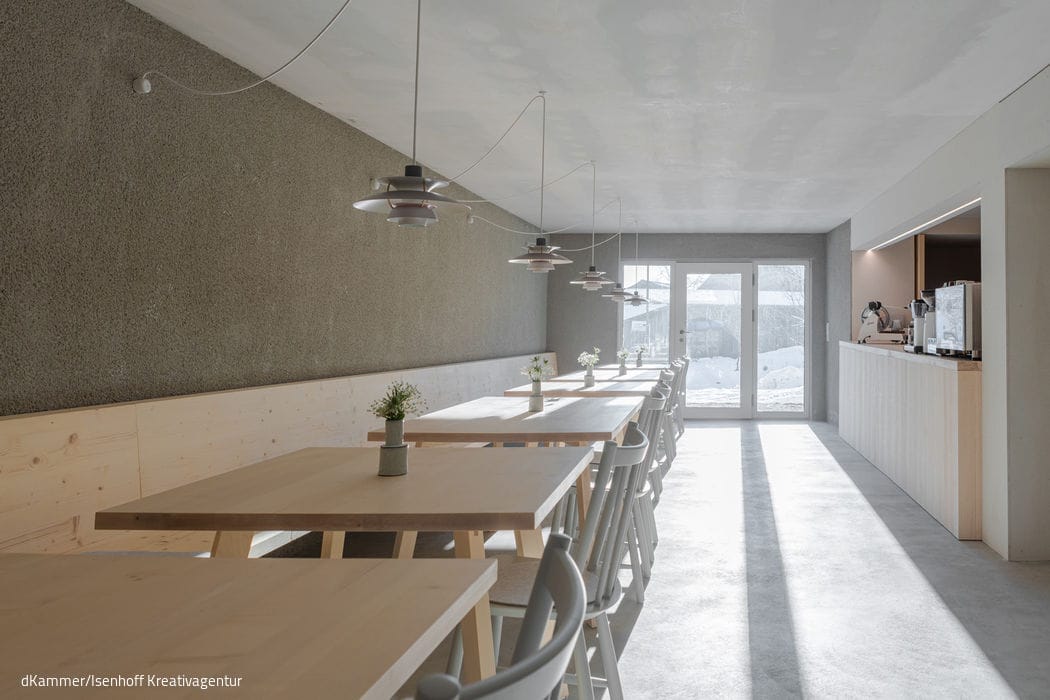
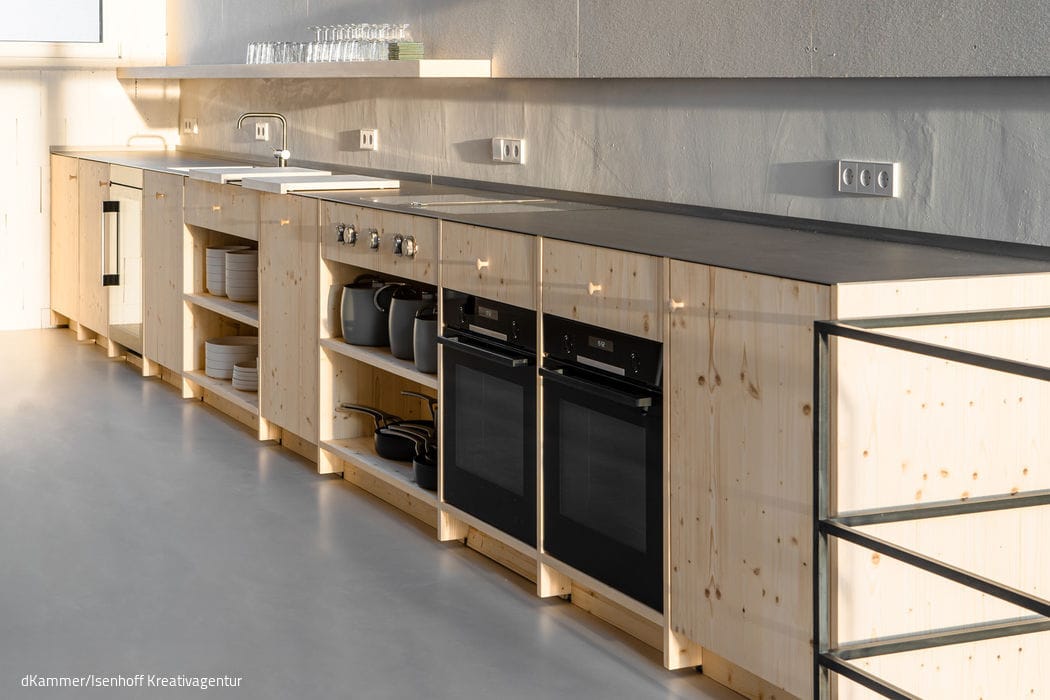
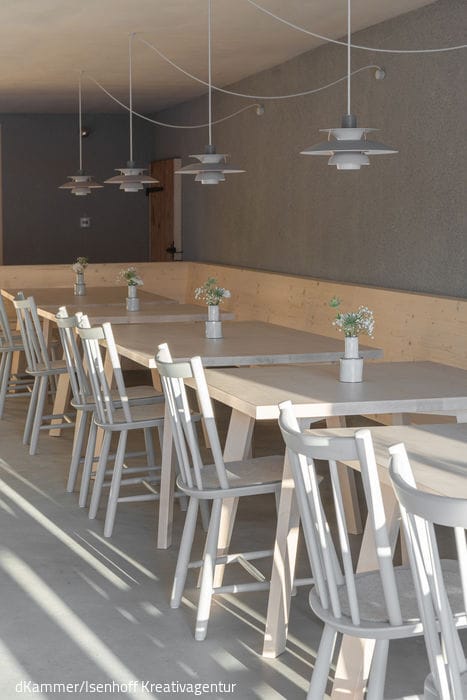
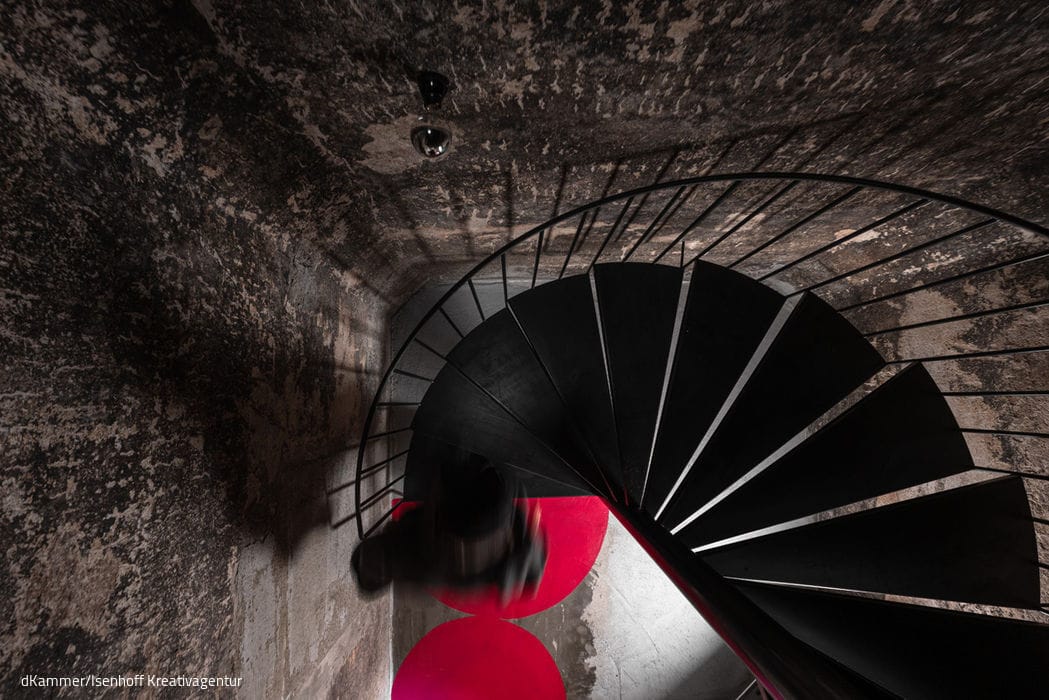
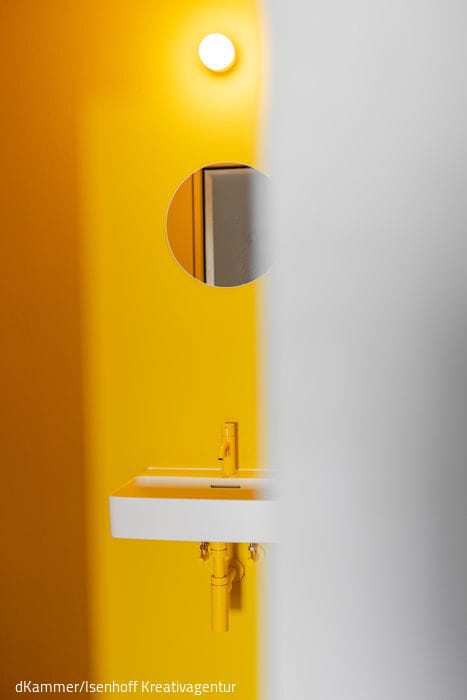
Sometimes a farm's size doesn't fit the market; sometimes there's no one to take it over. This farmstead was no exception—the family eventually abandoned their sideline agricultural operation. The challenge became clear: what to do with the existing farm buildings? The owners began by building a new residence, the "red house," then converted the vacant original homestead into guest rooms. The concept evolved naturally: why not develop the entire property as a holiday destination? What started as a modest experiment quickly proved its appeal. Guests embraced the concept, encouraging the owners to expand further—adding more vacation apartments in the former stable and hayloft. Working alongside architect Alexander Nägele and his team, they crafted a thoughtful renovation strategy. The goal was twofold: preserve the farmhouse's authentic, understated character while unlocking its hidden spatial potential and meeting modern hospitality standards. The transformation is remarkable. The two-storey barn's threshing floor now hosts a versatile gathering space for conferences and celebrations. The stable houses two vacation apartments flanking a flexible corridor. The milking parlour has become an intimate breakfast room with a small kitchen and service counter. The former hayloft, accessed via a staircase through the silo, accommodates three additional apartments in varying sizes. Throughout the project, the owners prioritized restraint—keeping structural changes minimal and designing in ways that allowed them to contribute their own labor and family help. The material palette reflects this philosophy: simple, natural elements like wood, lime plaster, hemp limestone, and brick. Wherever possible, existing components were repaired and repurposed. The result speaks for itself. By thoughtfully integrating existing structures and materials, the team created spaces that are simultaneously functional and deeply atmospheric. White-washed chambers in the stable, wooden stalls in the hayloft, the atmospheric staircase within the silo, soaring communal spaces opening generously to the garden, intimate breakfast nooks with low ceilings, and refurbished residential quarters—each element contributes to a timeless character that seamlessly weaves old and new together.
Photography Credits:
d'Kammer/Isenhoff Creative Agency
www.isenhoff.de
(Published in CUBE Munich 01|24)
Solid Concept – Refined Design
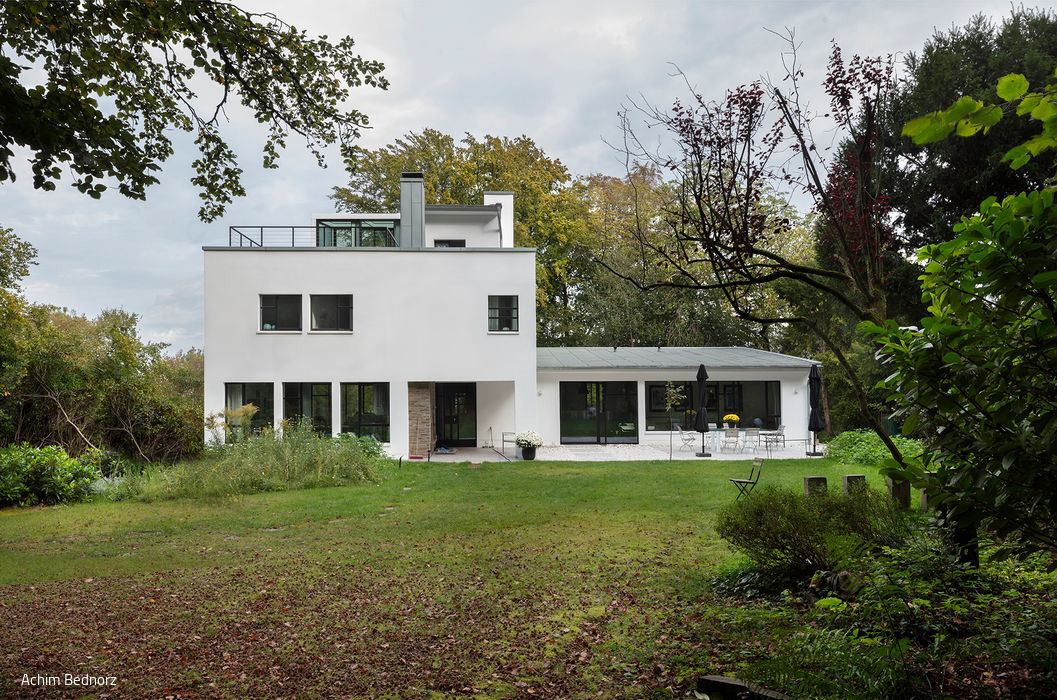
A Cologne residence distinguished by the precision and harmony of its every detail.
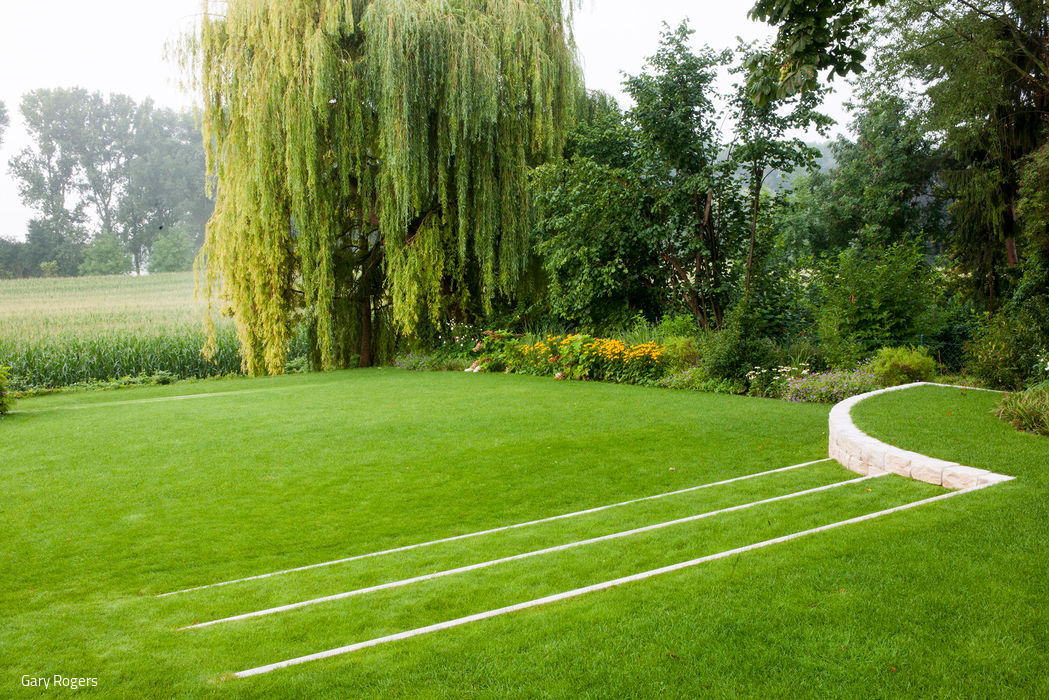
Naturally expansive views
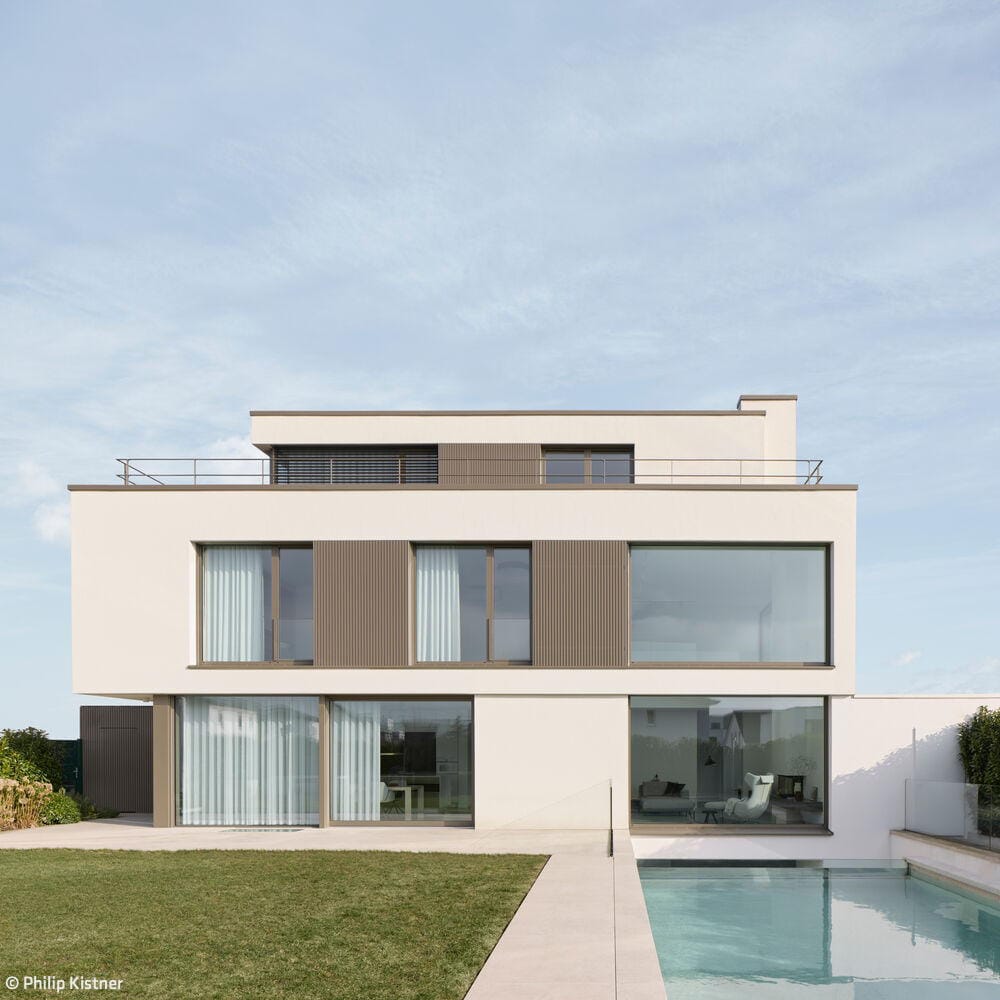
A minimalist villa's garden dissolves gracefully into the Rhine floodplain landscape.
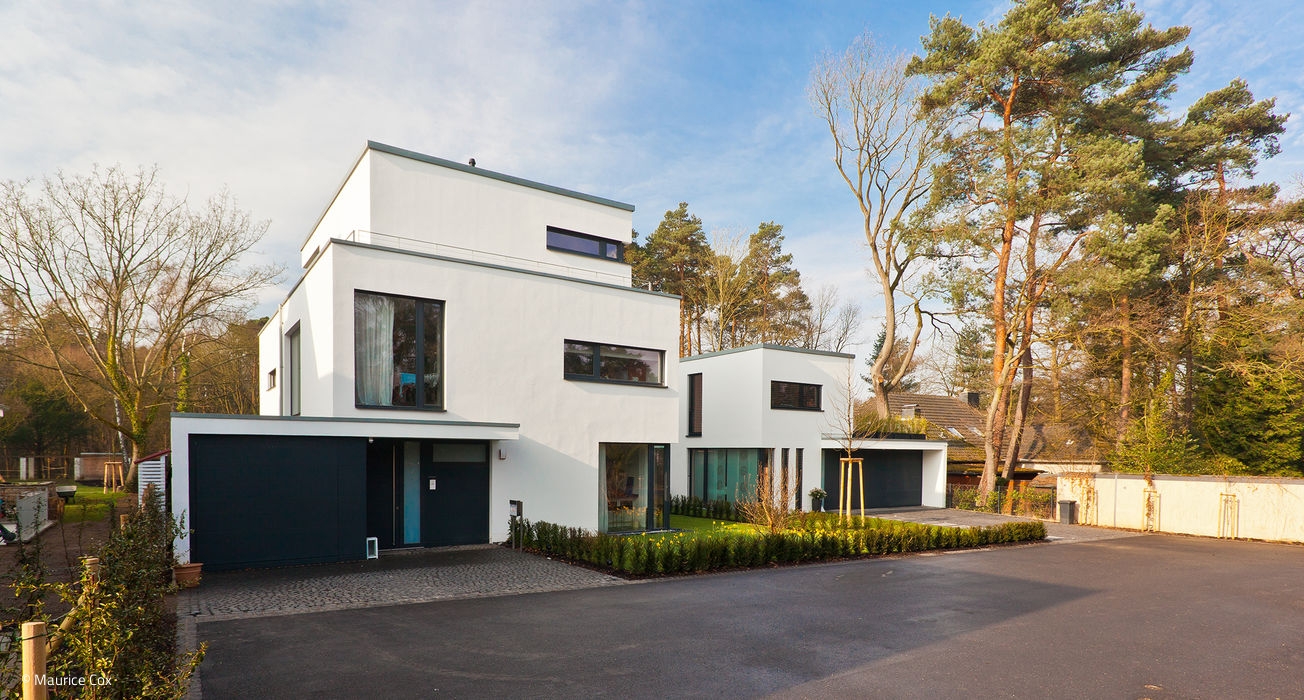
One Space, Four Lives
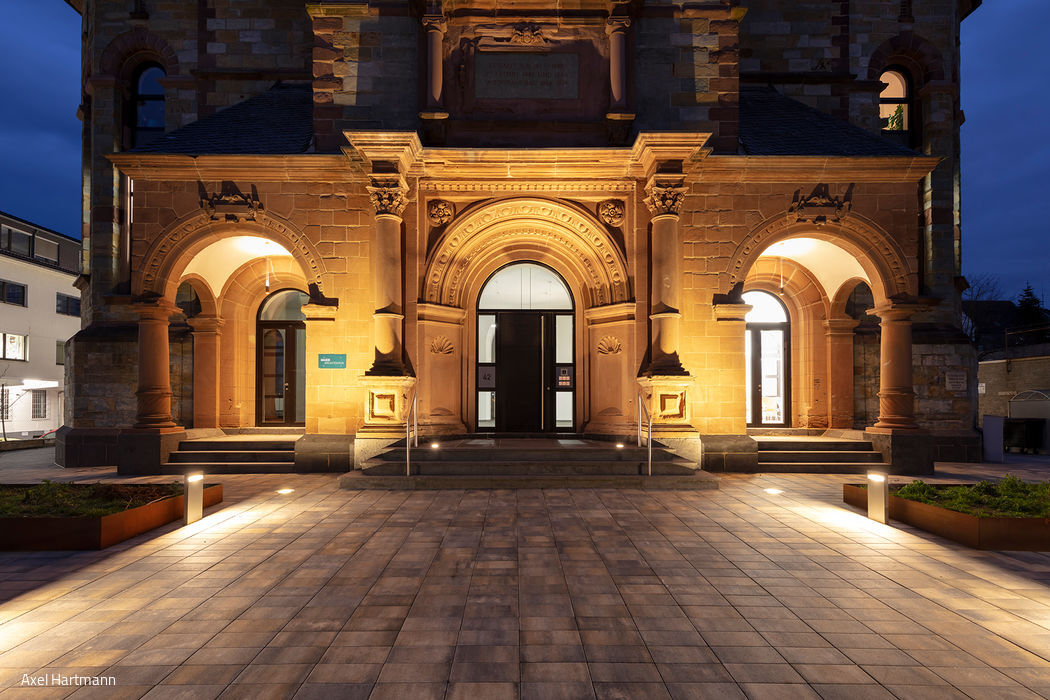
Historic charm meets contemporary design: a protected villa thoughtfully complemented by custom new homes.
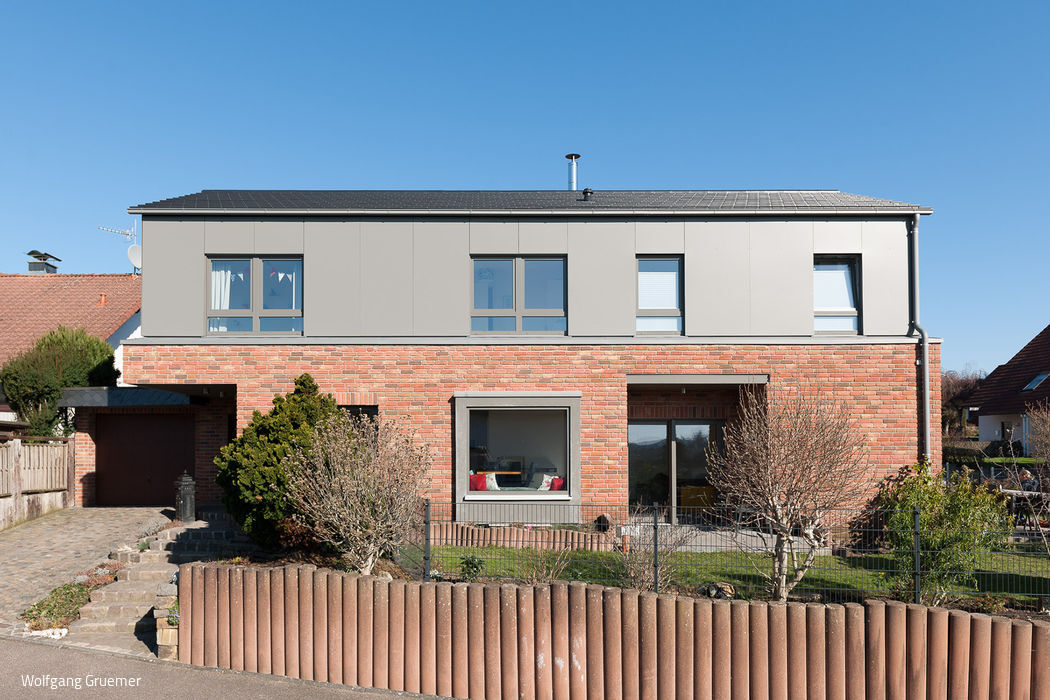
Old and New in Harmony
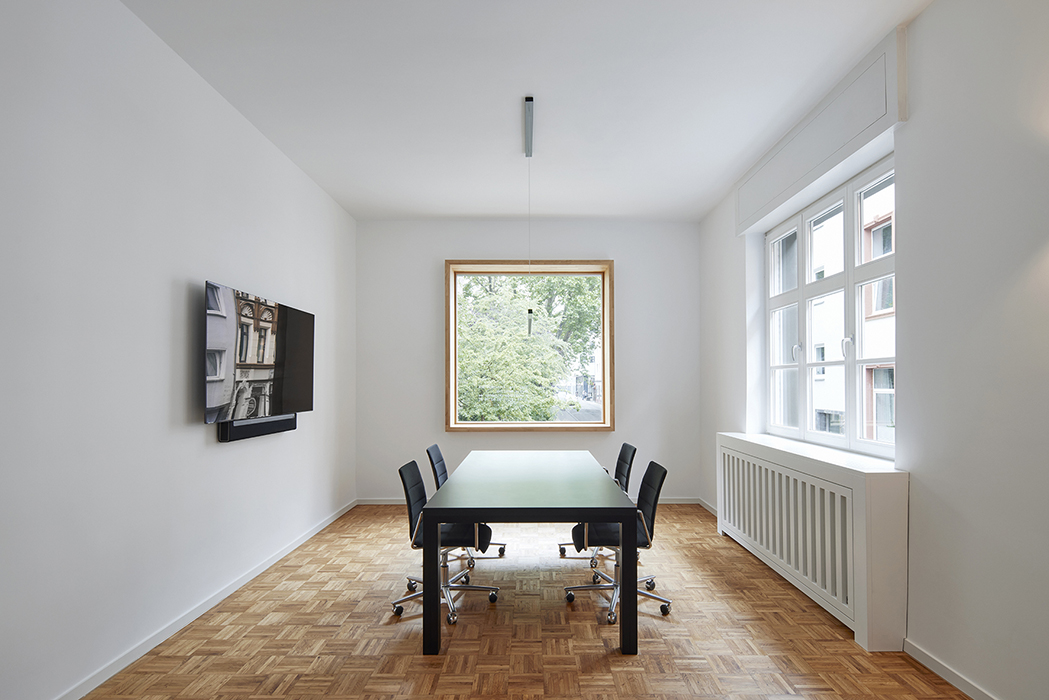
A conversion that completely transforms a home's character while keeping its structural core intact.