


Facade Preserved
Smart densification preserves urban character while creating new homes
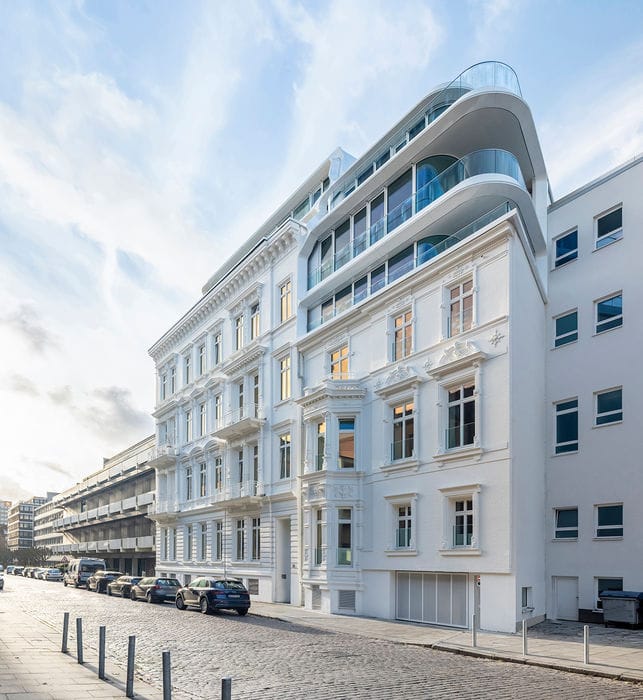
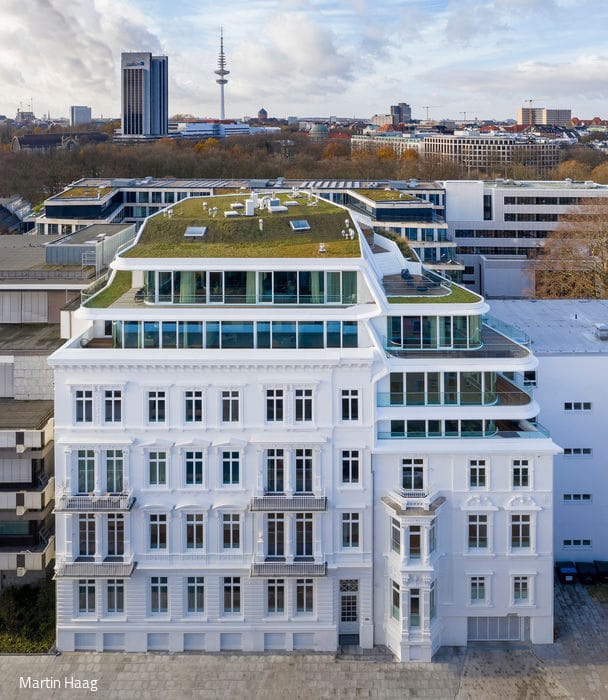
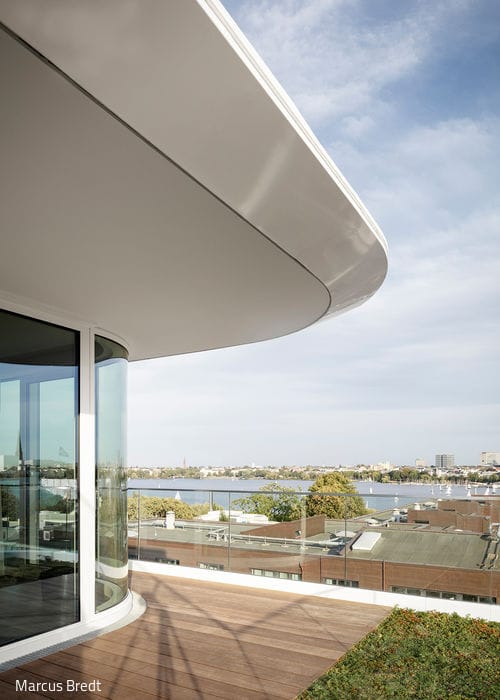
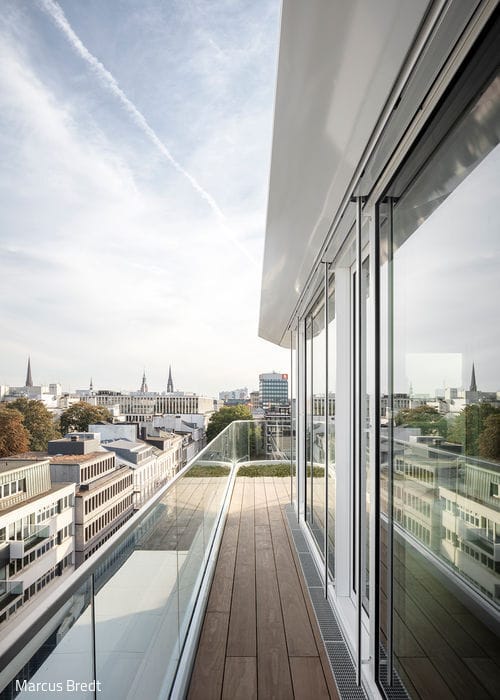
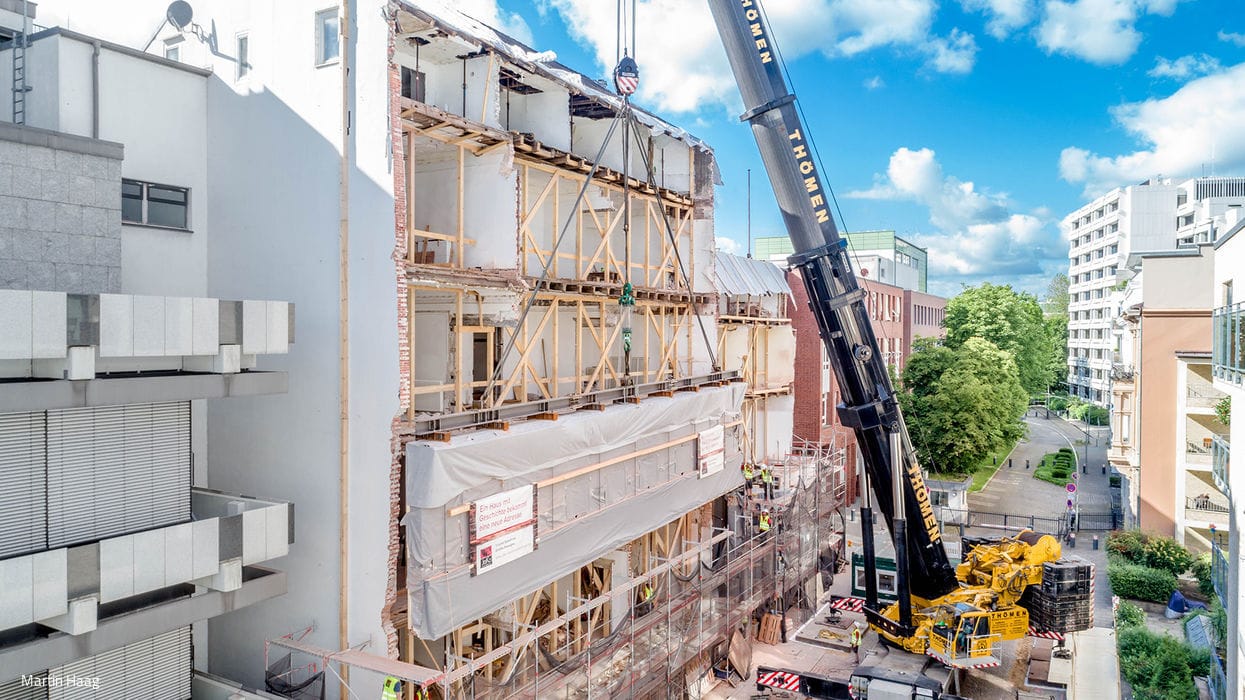
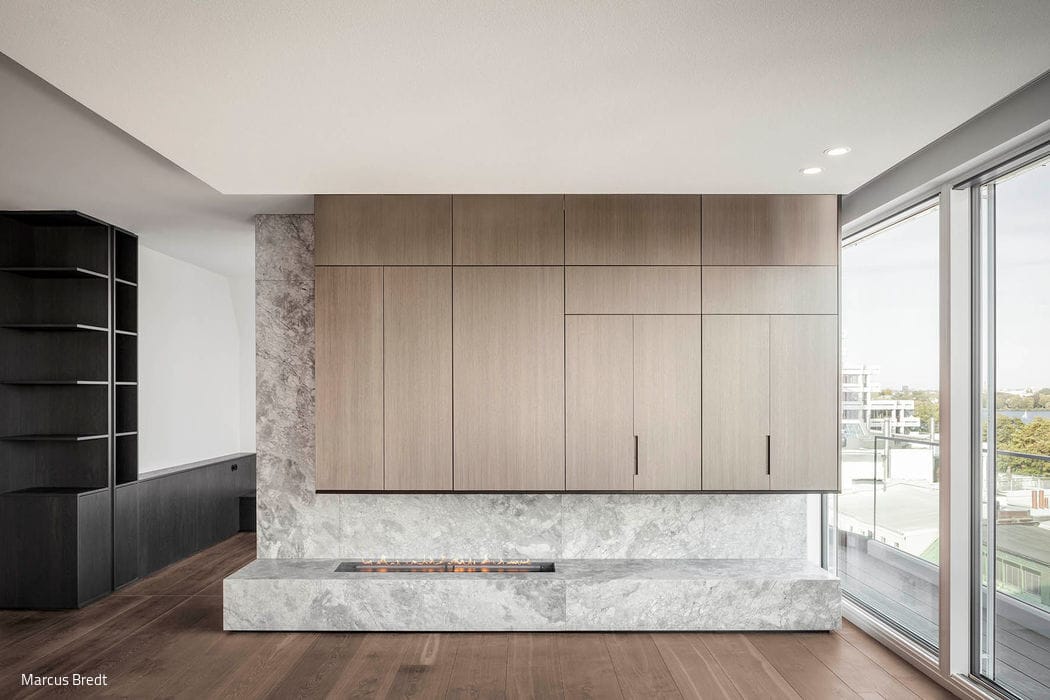
Built in 1878 and 1889 by architects Hugo Stammann and Gustav Zinnow, these two adjoining Warburgstrasse buildings weren't technically protected monuments. Yet BAID architects and their forward-thinking client, BPN-Bauplan Nord, recognized the historic façades as an essential identity marker worth preserving. The city agreed. For architect Jessica Borchardt, the challenge was balancing meticulous restoration of the existing façades with a distinctly contemporary new building behind them—creating modern architecture that honours its heritage rather than hiding it.
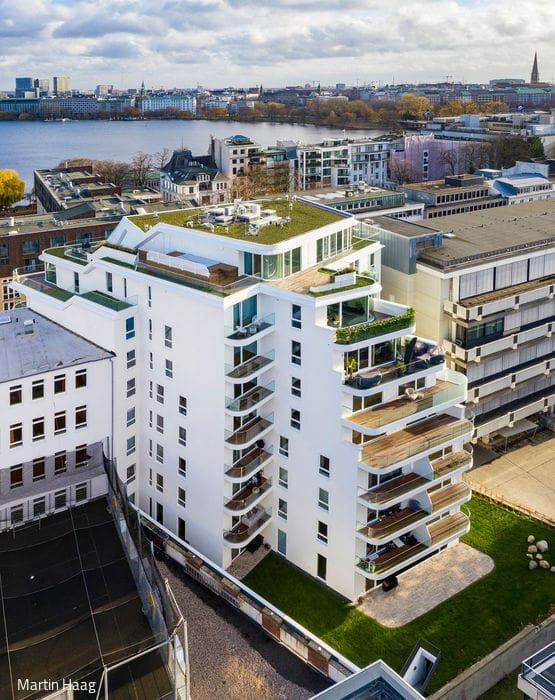
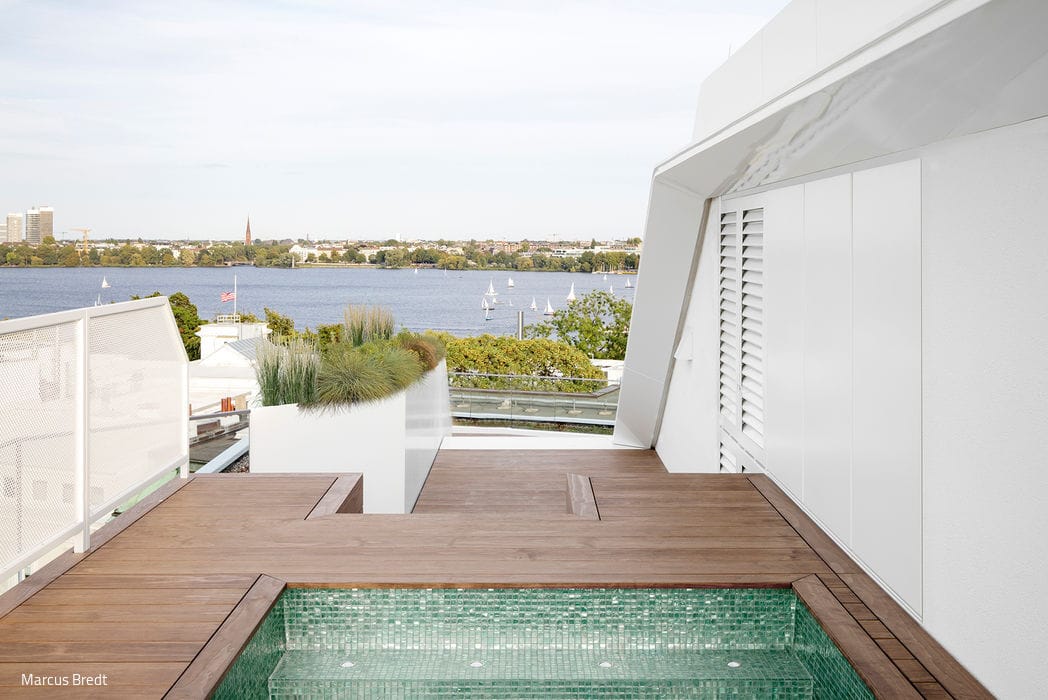
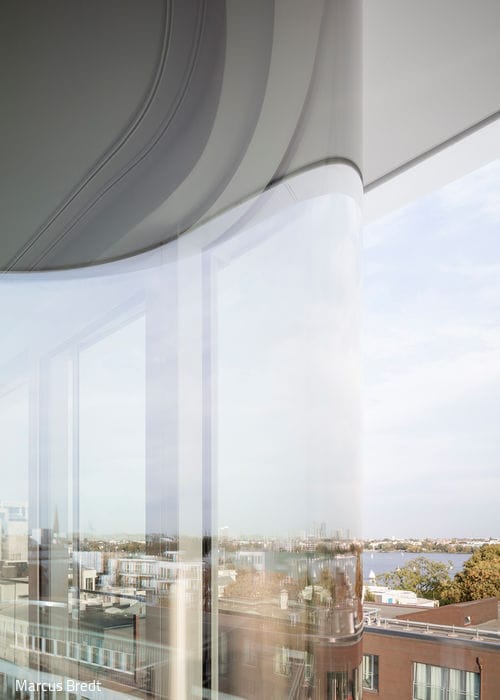
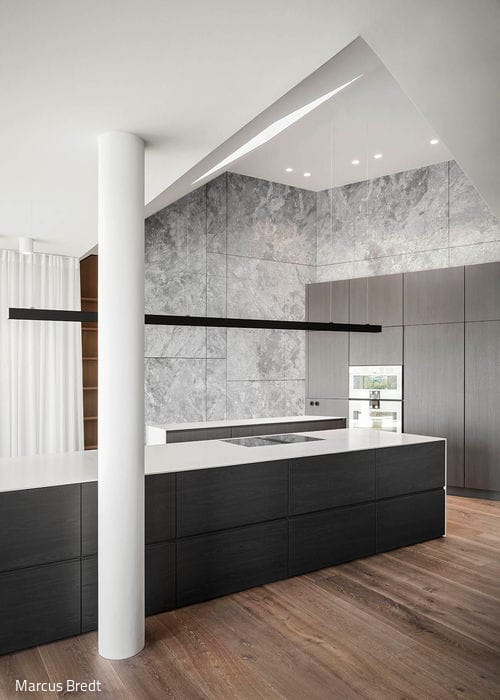
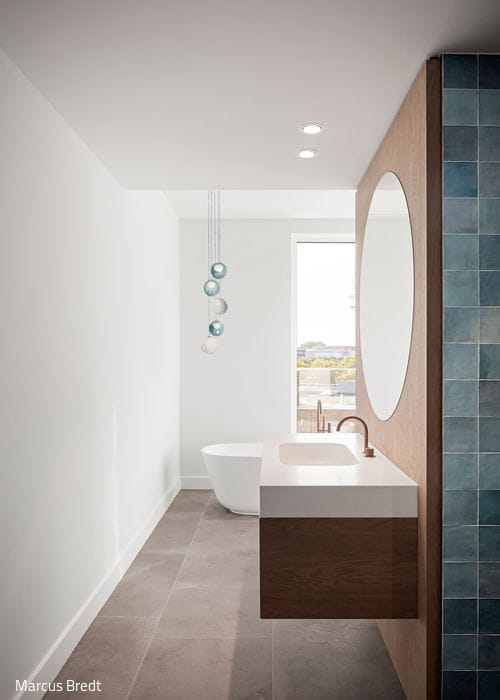
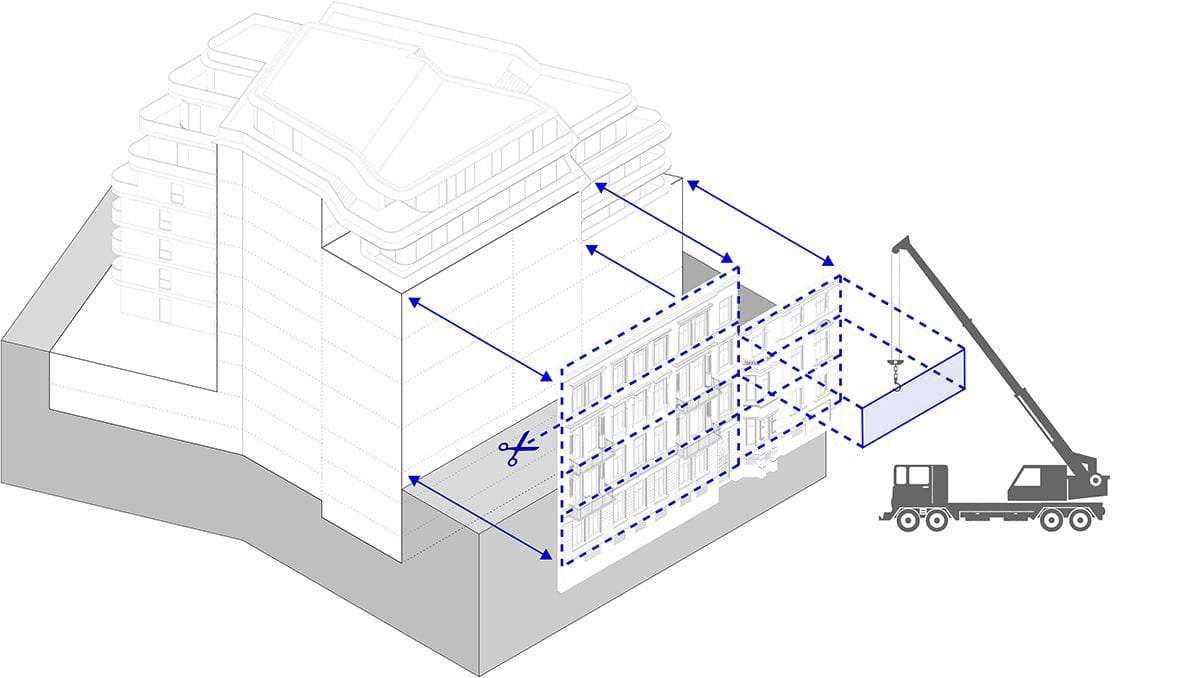
The site's tight constraints ruled out conventional façade preservation techniques. Instead, the team chose to relocate the façade entirely. JaKo Baudenkmalpflege, specialists in historic preservation, meticulously dismantled the double-shell brick structure into sections spanning up to 21 metres long and 5 metres high, transported them, stored them carefully, and painstakingly restored them before reassembly once the new building was complete.The result? Significantly more living space behind those historic walls. Forty-two varied apartments—mostly barrier-free—range from compact studios at 40 m² to spacious family homes up to 200 m². The crowning jewel is the penthouse, sprawling across the top two floors with 300 m² of space and sweeping 360-degree views across the city. Floor-to-ceiling glazing with curved glass elements floods interiors with daylight, while the street-facing units begin at mezzanine level. Floor heights reach up to 4 metres, carefully matched to the historic façade's proportions. On the courtyard side, nine storeys rise with split-level entries providing ground-floor garden access.The client made a conscious choice from day one: create housing for everyone, not just the privileged. Six units operate as subsidised housing with long-term rent protection—designed and finished identically to all others, with no visible distinction.The building's true signature is its contemporary crown. With dynamically curved lines and a lightweight glass-aluminium skin, the upper storeys assert their modernity confidently without overwhelming the historic base. From these heights, residents enjoy magnificent vistas across the nearby Alster, the city's rooflines, and even the Elbphilharmonie. The irregularly folded, planted roof landscape—partly accessible—shapes the terraces.BAID designed the interiors of seven units with deliberate restraint and refinement: natural stone, dark timber, bronze details, and towering marble wall panels reaching 5.50 metres high define both the generous entrance hall and the residential spaces it inhabits.
Photography Credits:
Martin Haag
www.hafencitystudios.de
Marcus Bredt
www.marcusbredt.de
(Published in CUBE Hamburg 03|21)

In Good Hands
The guiding principle: diagnose, treat, and inspire.
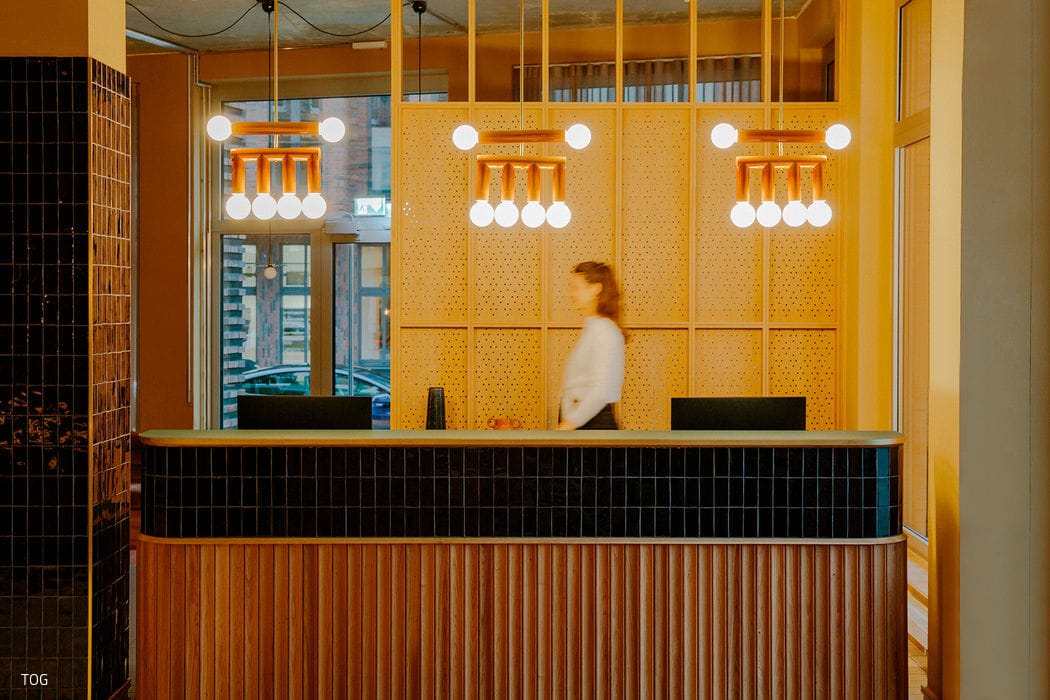
Urban Journey Through Interior Space
A flexible workspace shines through thoughtful interior design
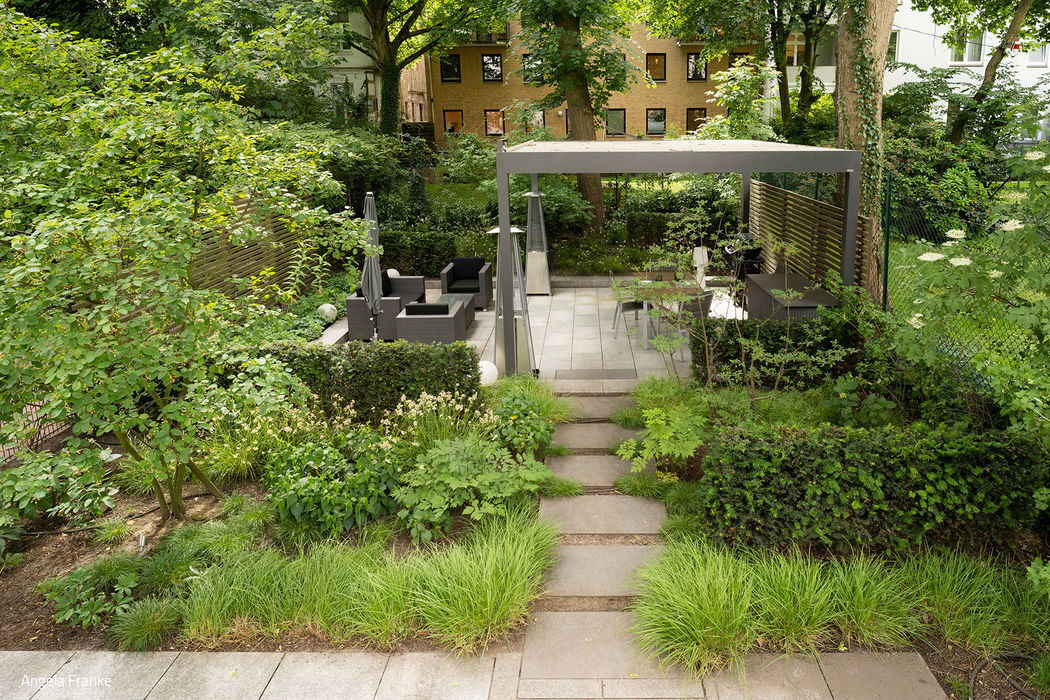
Green Zest for Life
A remarkable urban garden emerges from a tight, shadowed space.
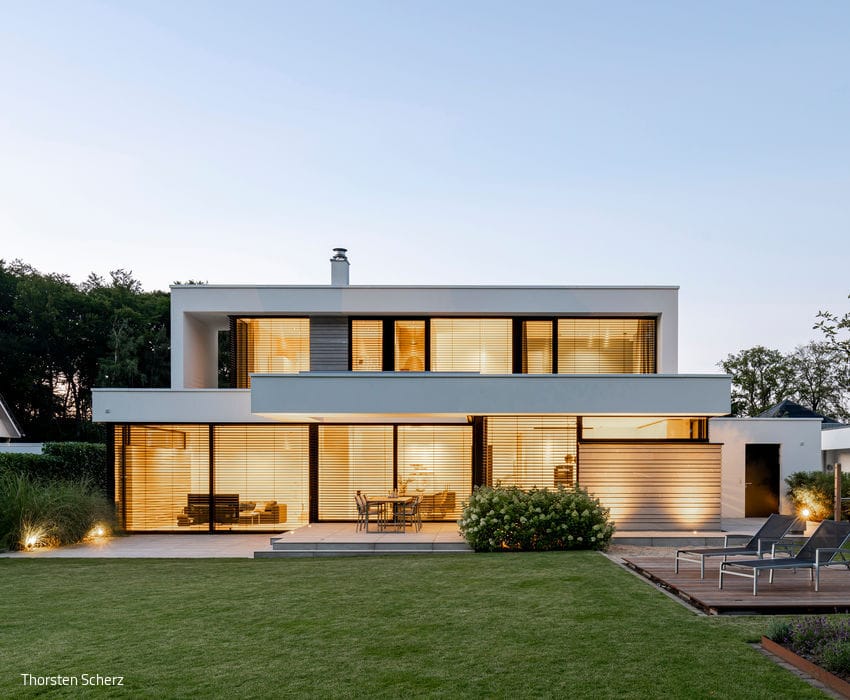
Clean Forms Against a Verdant Backdrop
Luminous, Dynamic Spaces with Expansive Views