


Interplay of Planes
A dynamic composition of walls and ceiling planes in a generous Taunus villa
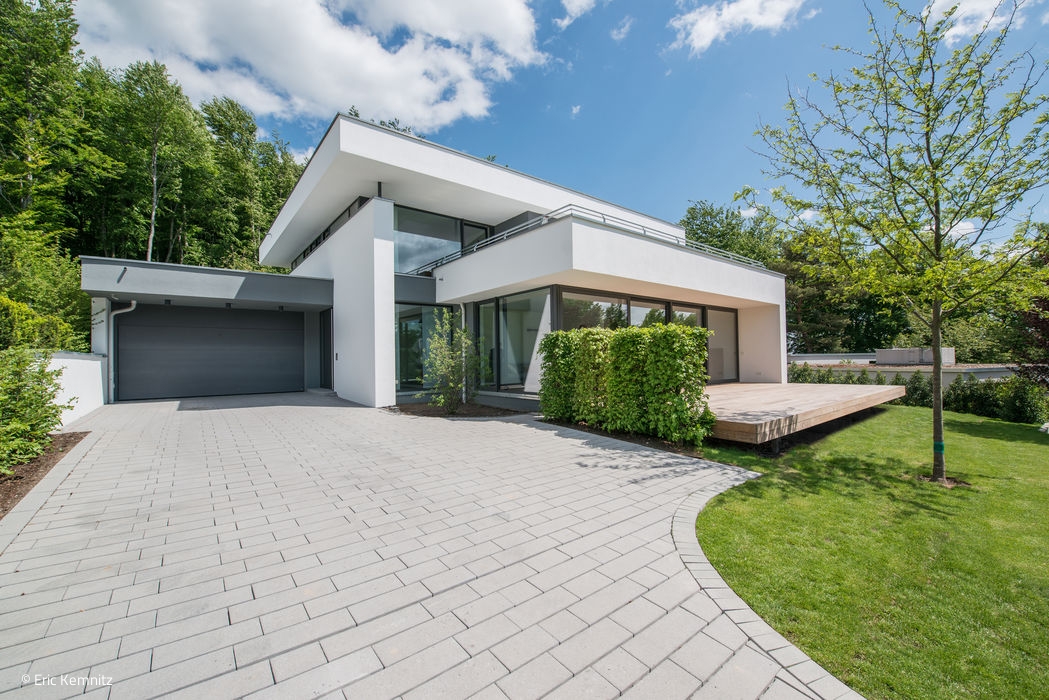
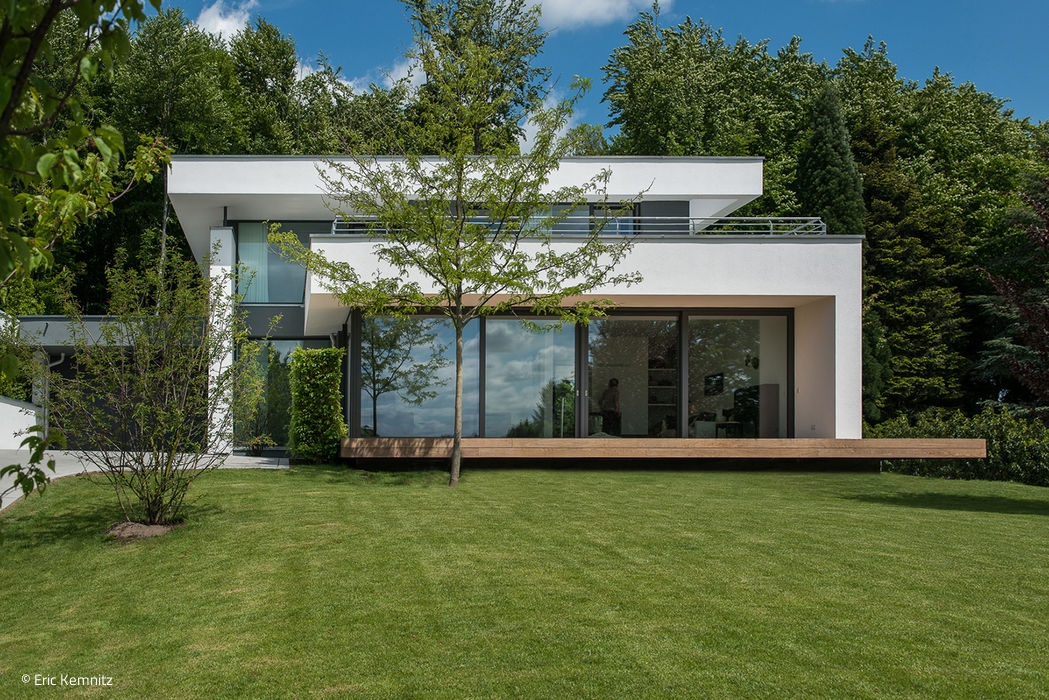
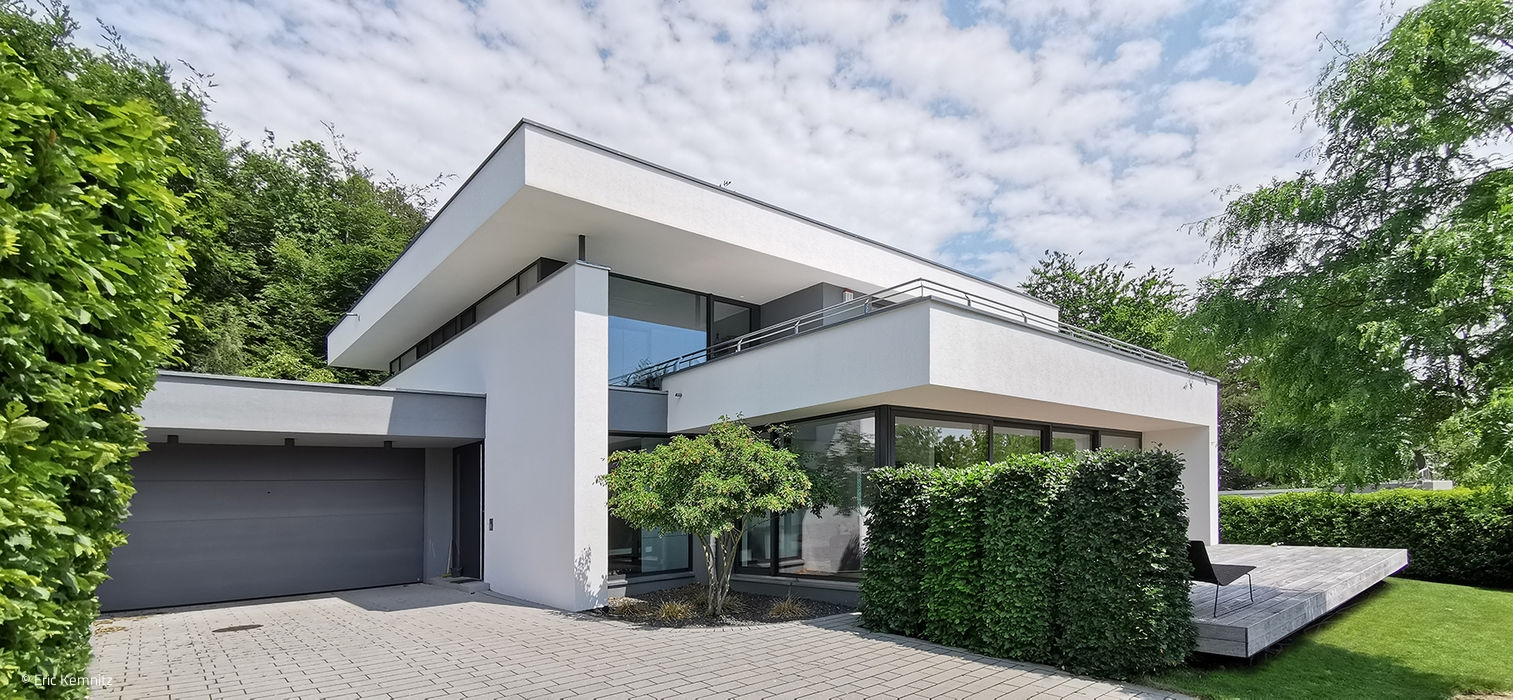
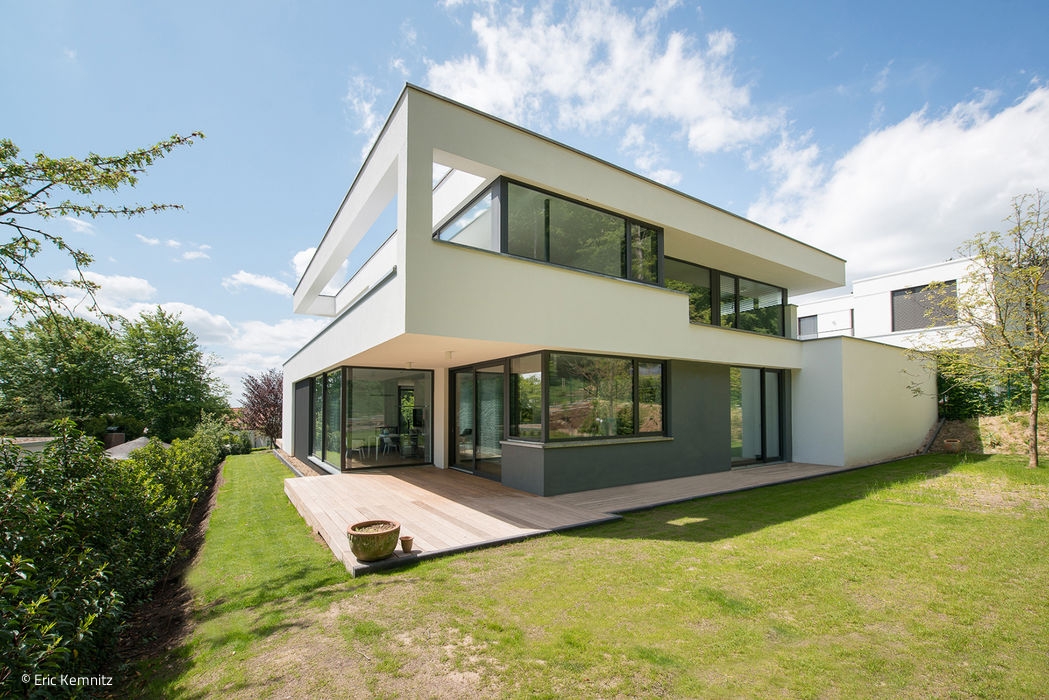
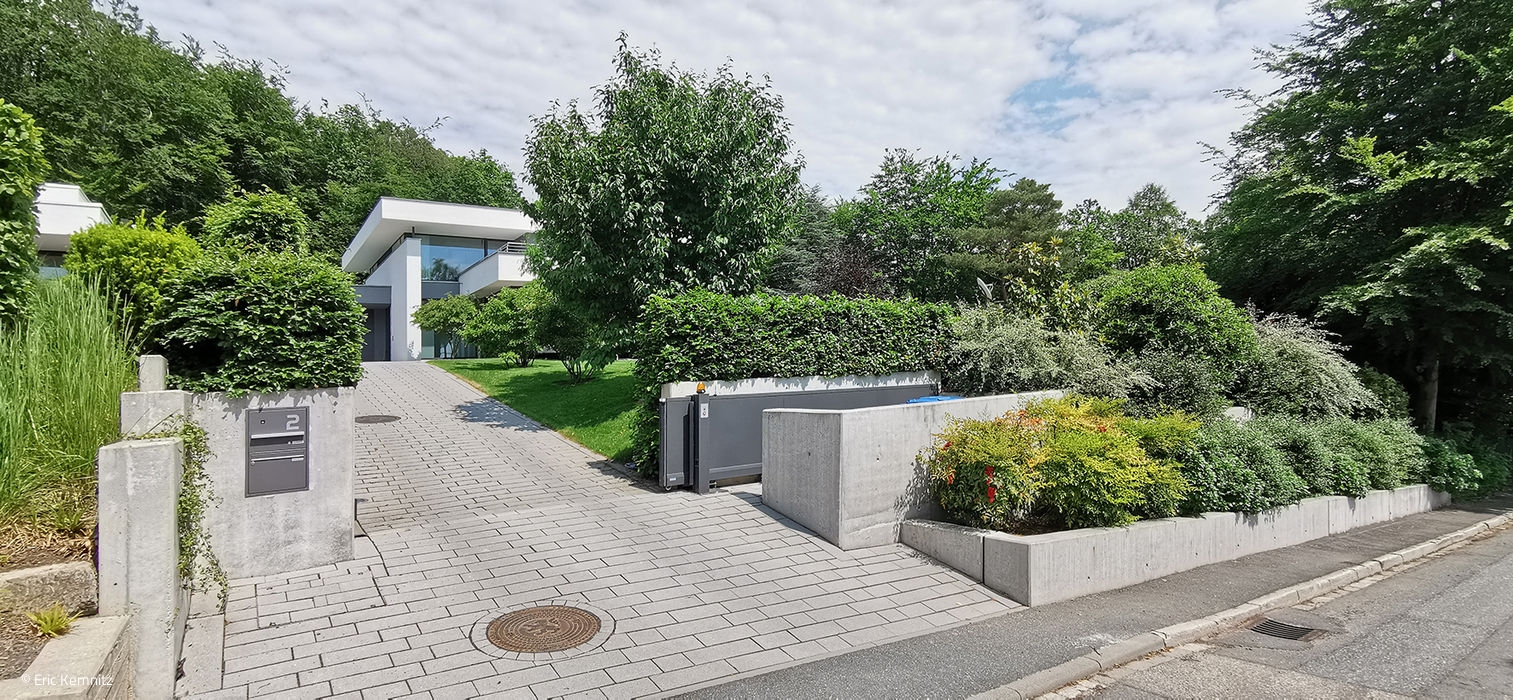
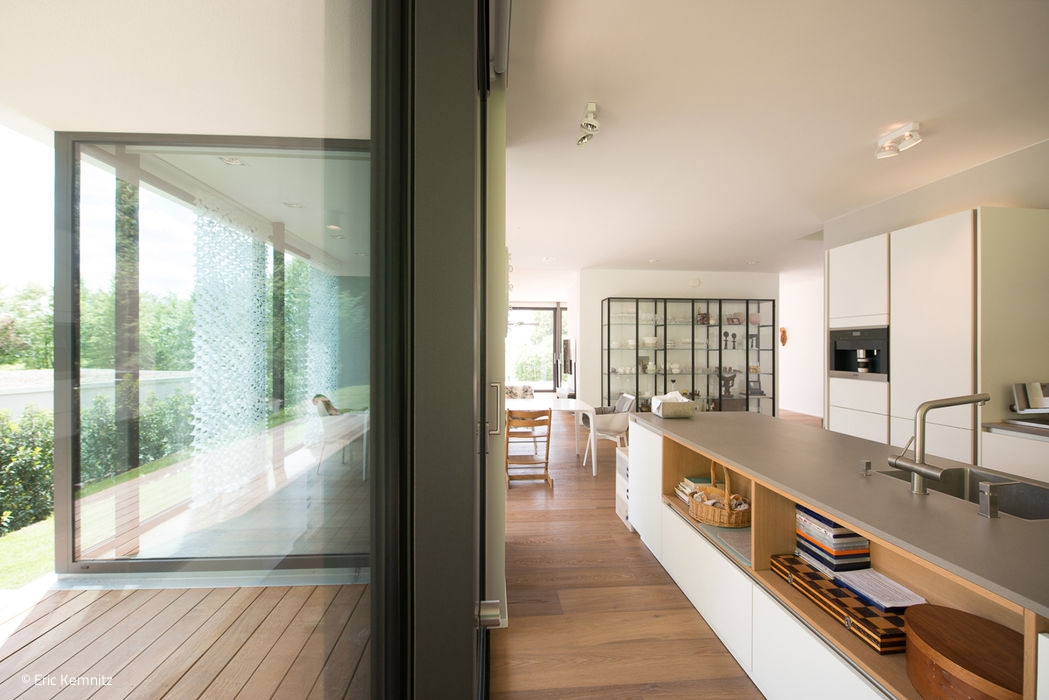
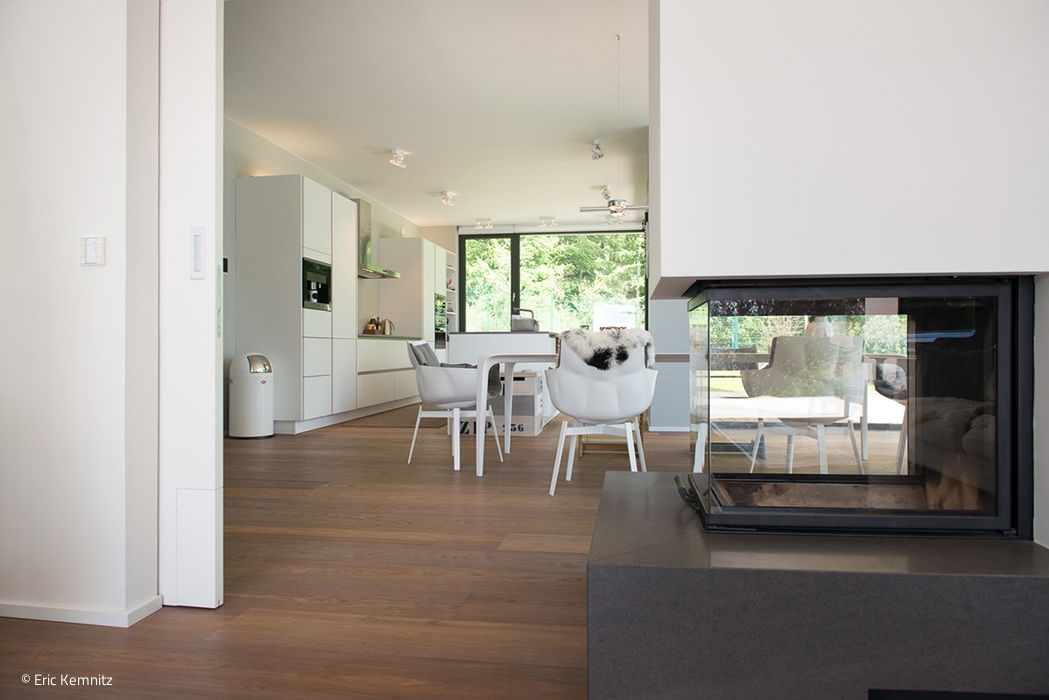
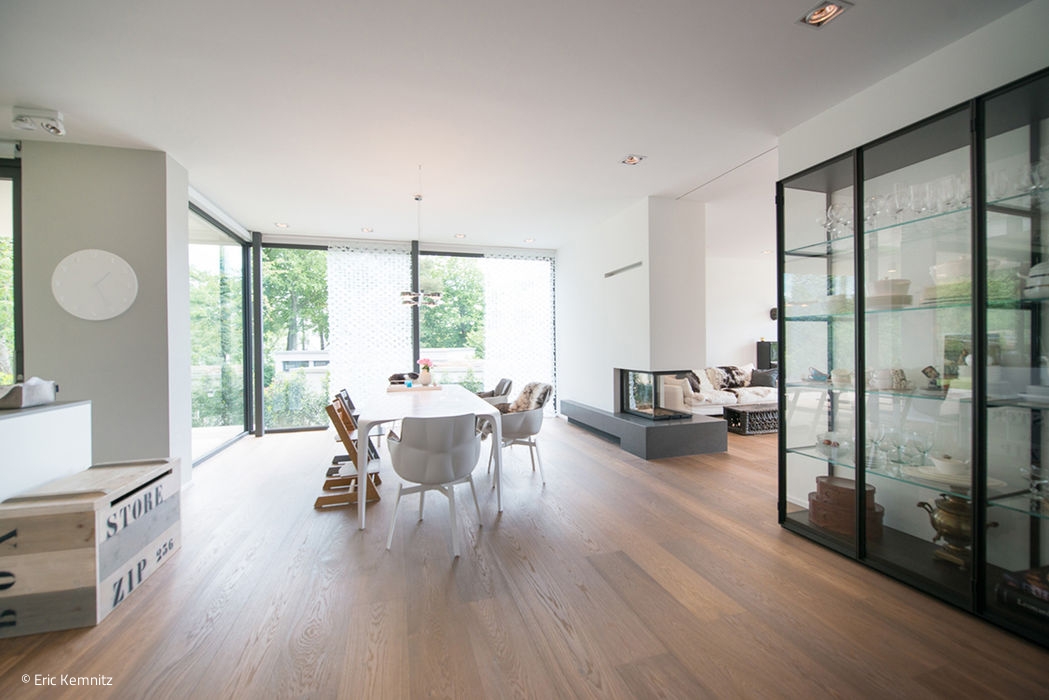
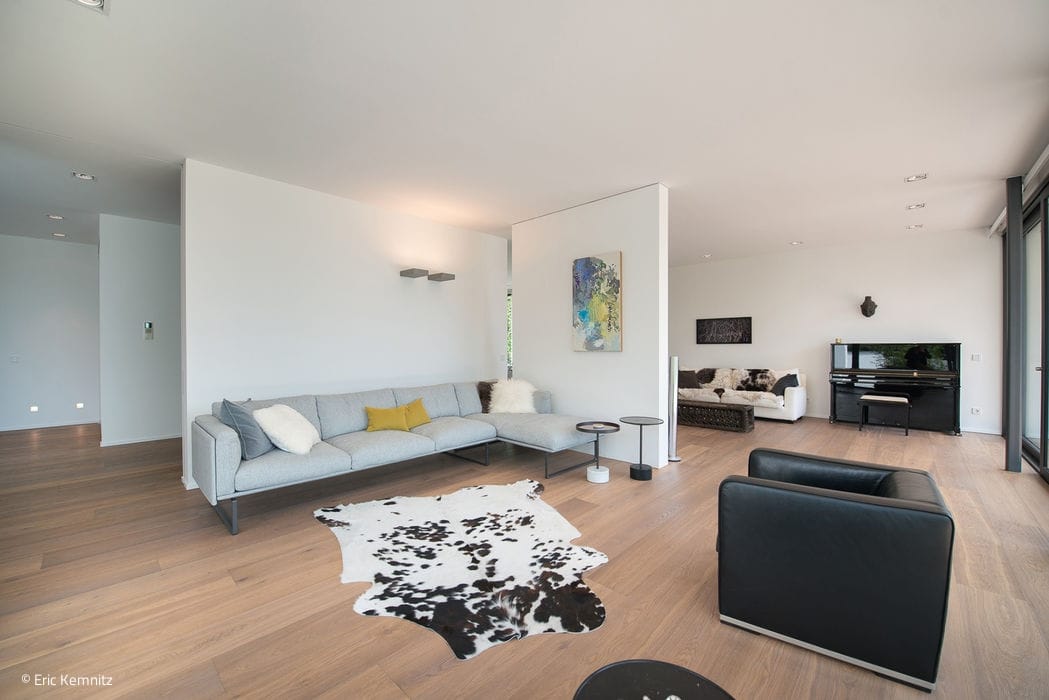
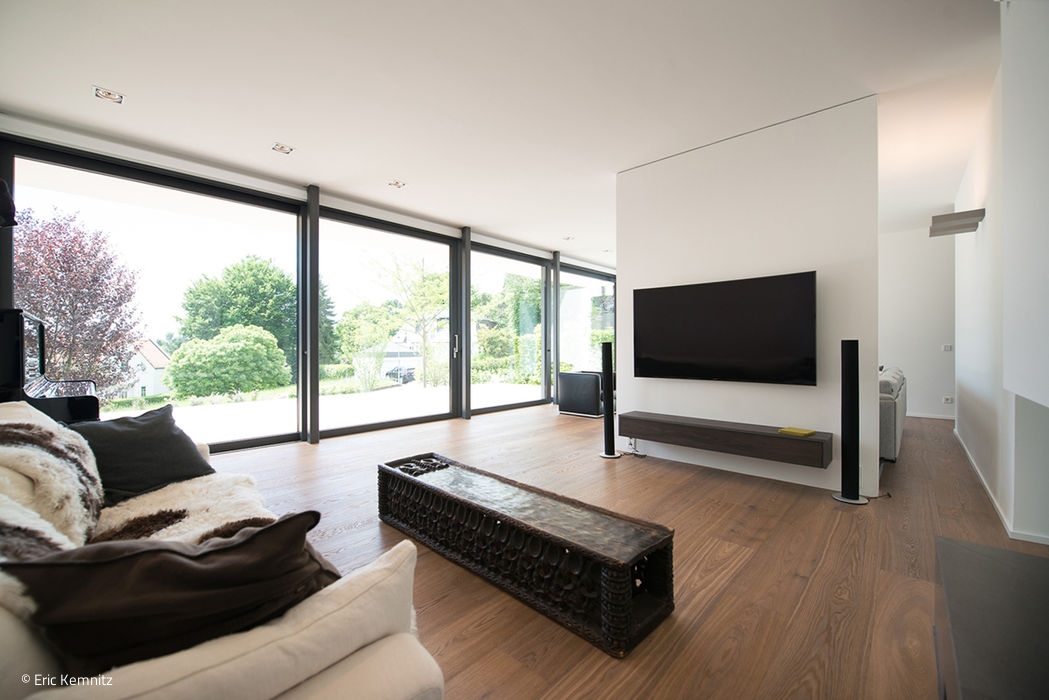
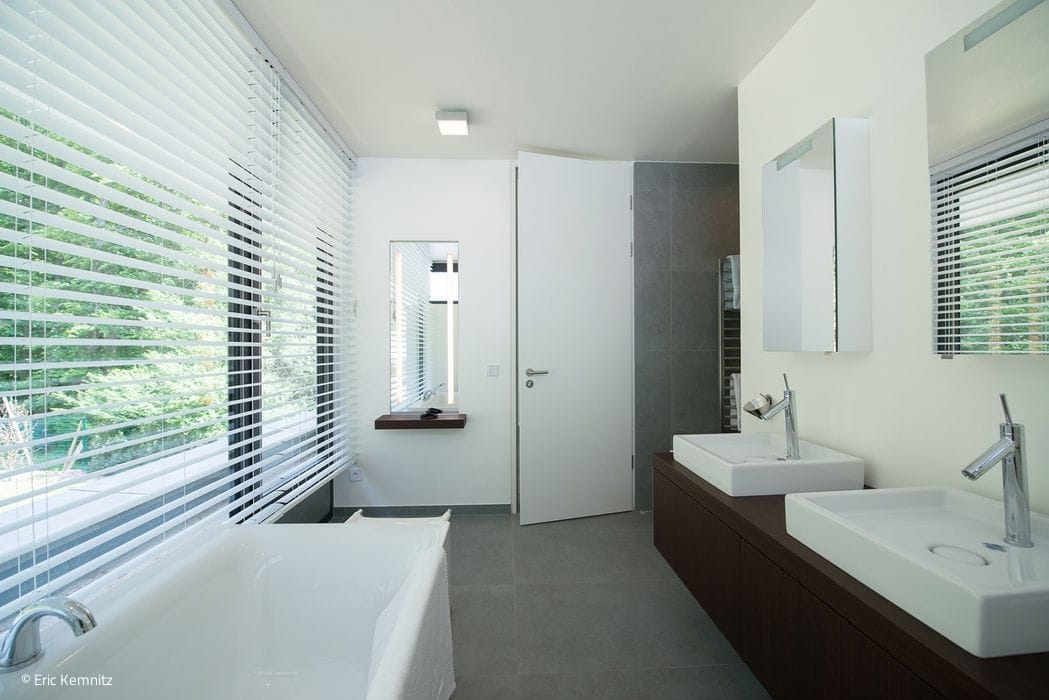
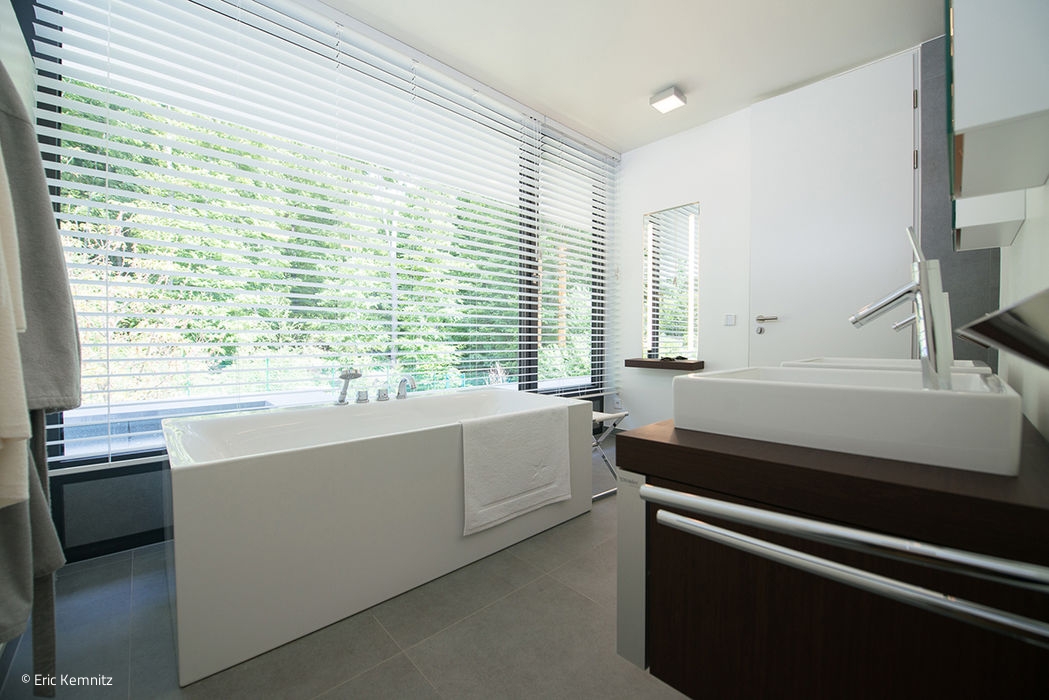
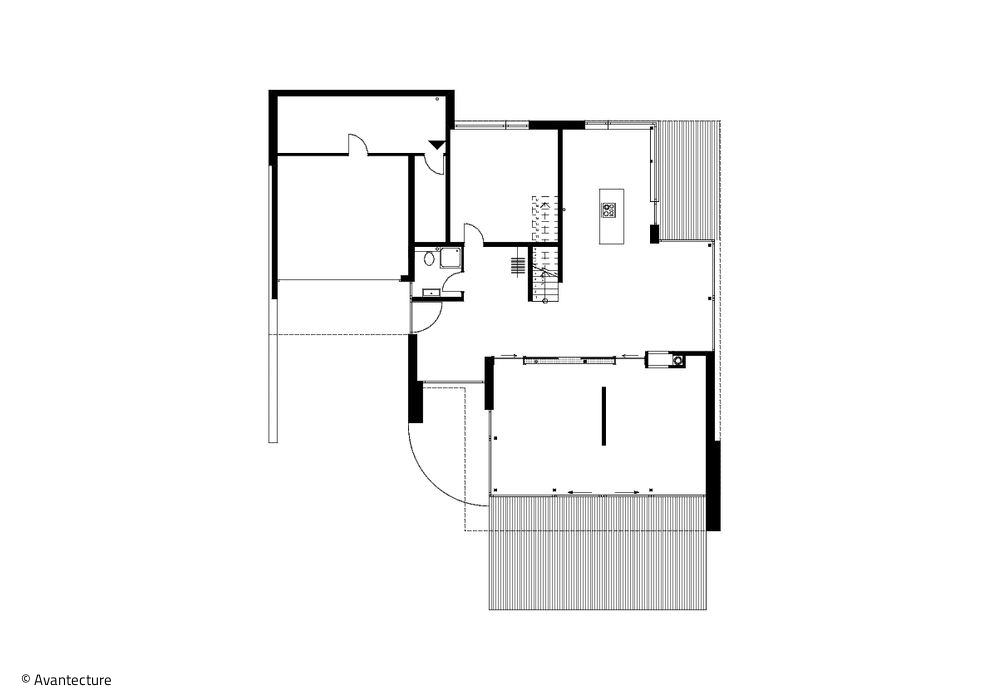
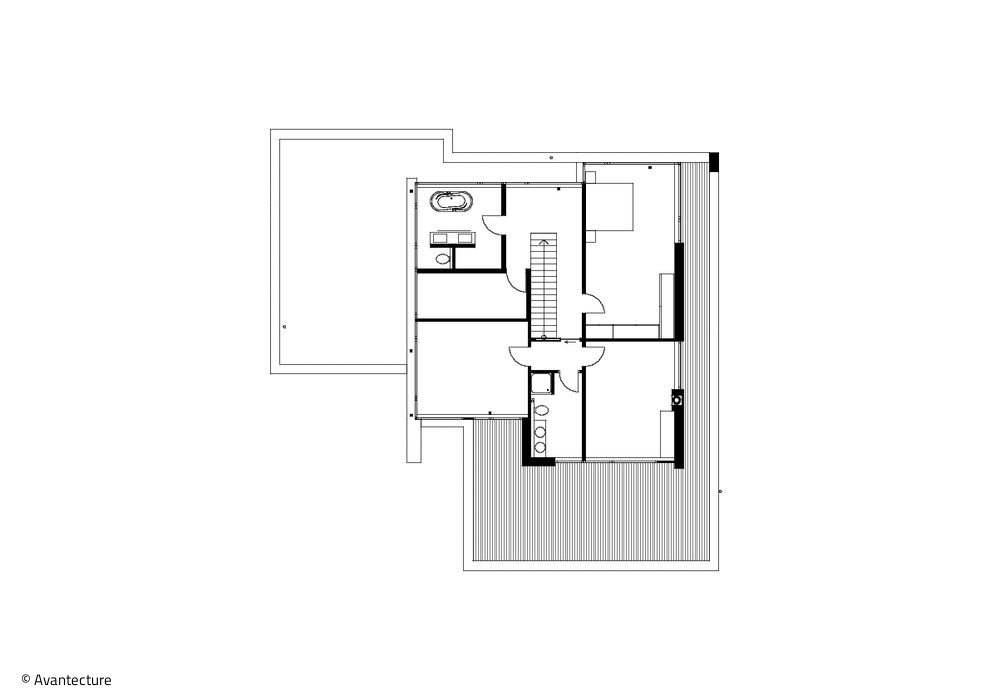
On the outskirts of Bad Soden, a four-person family found their dream home perched beautifully on a hillside. To the north lies the magnificent Taunus forest; to the south and west, sweeping views stretch across the valley toward Frankfurt. The family cherishes this rare combination—proximity to the city yet surrounded by an almost rural tranquility. This distinctive sense of calm became central to the design brief. Working with Hanspeter Heinze, managing director of architecture and construction firm Avantecture, the clients articulated their vision with clarity: a contemporary flat-roof structure with refined, compelling geometry that radiates composure without resorting to flashy spectacle."We established the interplay of walls and ceiling planes as our central design concept," Heinze explains. These elements are arranged in alternating axes and directions, interlocking purposefully while strictly serving functional needs. With the family providing the spatial program, the result speaks for itself—what they describe as "a harmonious architectural expression that is both restful and striking, with an almost timeless modern sensibility."
The upper floor showcases an overhanging roof slab on all sides, simultaneously providing shade and functioning as a generous terrace canopy. The ground floor centers on the living realm—a semi-open tapestry of kitchen, dining, and living spaces thoughtfully arranged. A fireplace serves multiple purposes: warming the kitchen, dining area, and a reading nook while its flickering flames animate the space. A wall plane echoes the overarching design theme while discreetly separating the serene seating area from the media zone. A second wall plane defines the boundary between the living space and the generously proportioned kitchen-dining area. Two concealed sliding partitions allow for flexible circulation. When closed, one of these floor-to-ceiling dividers meets the fireplace's edge—a detail elegantly refined to complement the fireplace profile.
To reinforce the restrained architectural language, the architects employed a carefully calibrated reduction in materials throughout. 3D interior visualizations proved instrumental—not only articulating how architectural elements perform visually, but also guiding the selection of surfaces and finishes through photorealistic rendering.
Living space: 332 m²
Plot size: 1,200 m²
Construction timeline: 12 months
Construction method: solid Poroton masonry with reinforced concrete and steel supports
Energy strategy: heat pump with mechanical ventilation and heat recovery
Photography Credits:
Eric Kemnitz
www.eric-kemnitz.com
(Published in CUBE Frankfurt 02|20)
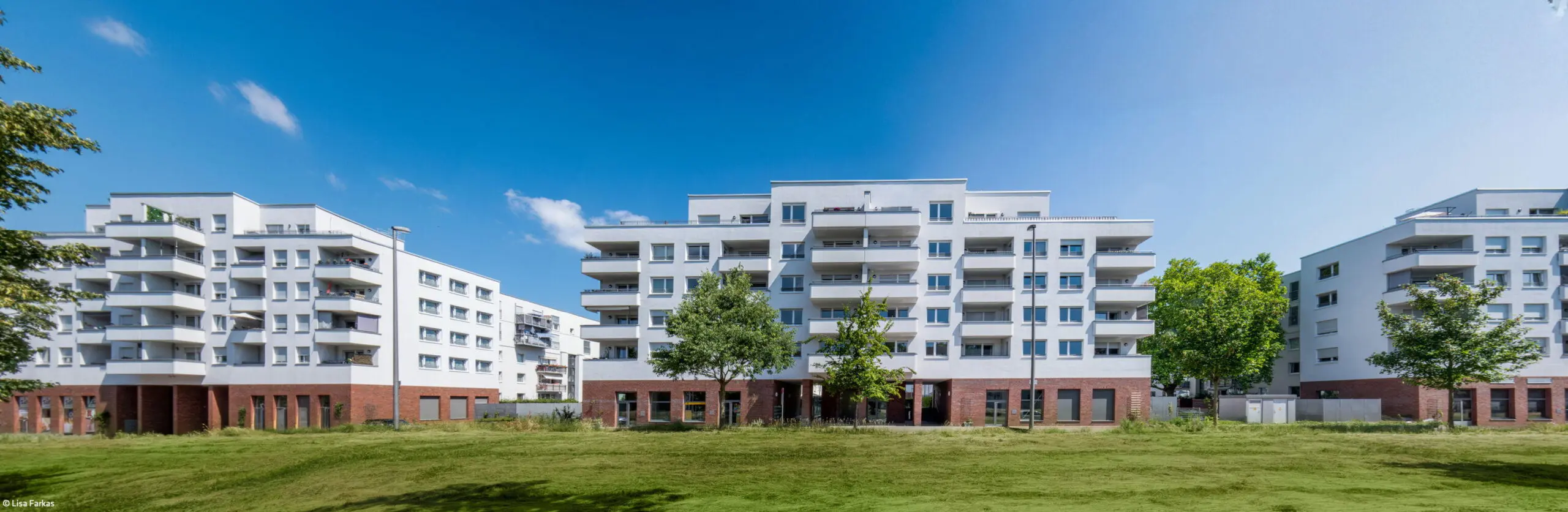
Serial, Social, Urban
The Ginnheimer Platensiedlung demonstrates how sustainable density can be achieved responsibly
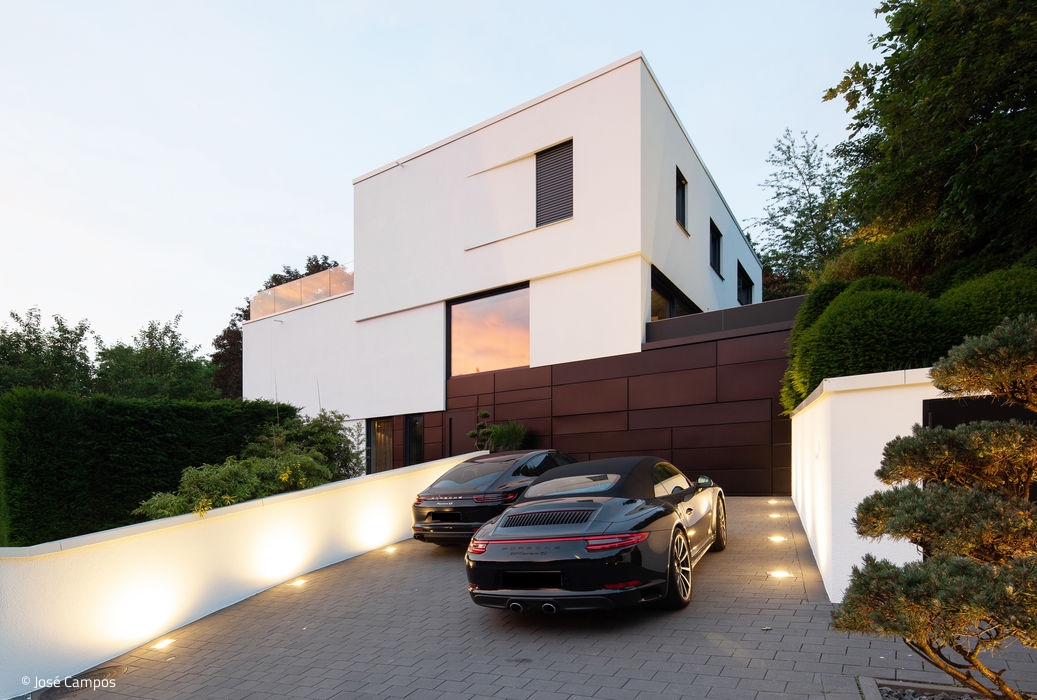
Two into one
Gabled roof house for two parties becomes a villa with castle views
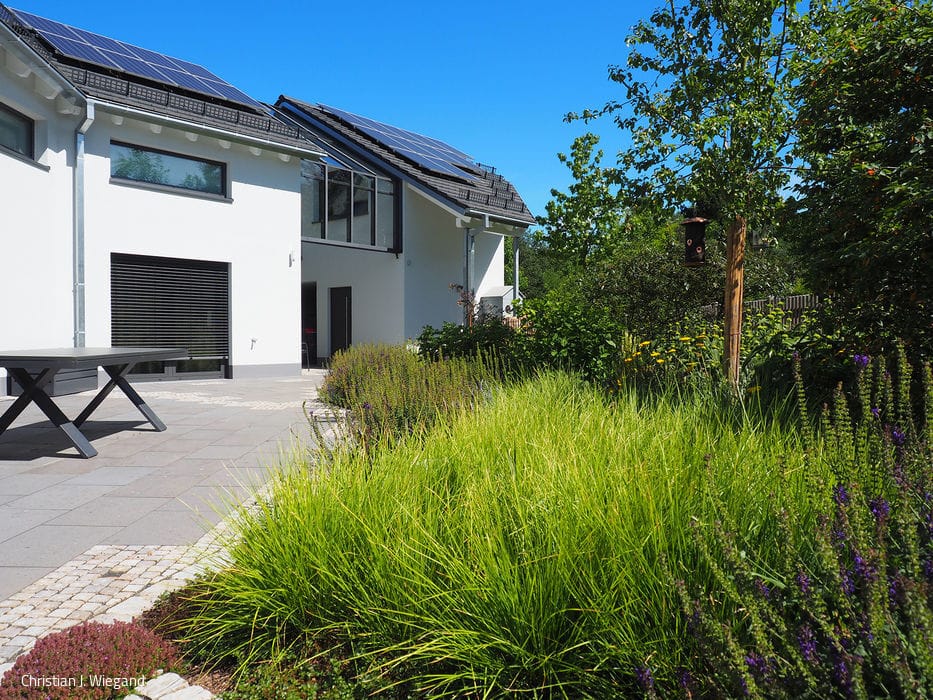
Low-maintenance sanctuary
A Climate-Smart Garden on Sloping Ground
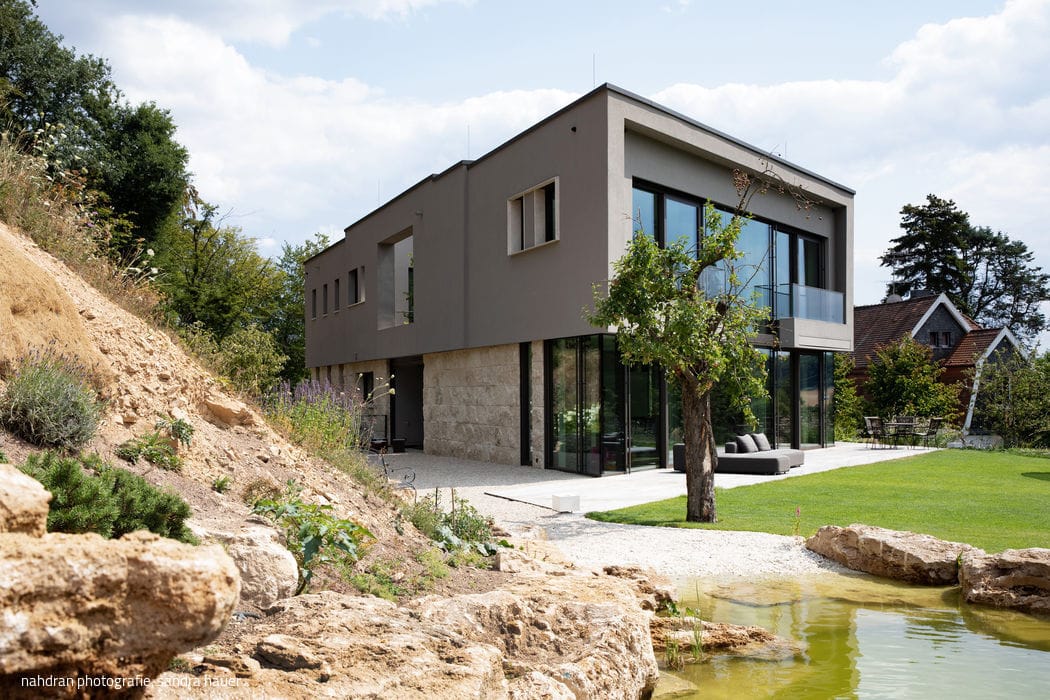
A Clever Twist
A Taunus Villa That Disappears Into Its Landscape