


Stacked
A contemporary home that respectfully integrates into a historic setting
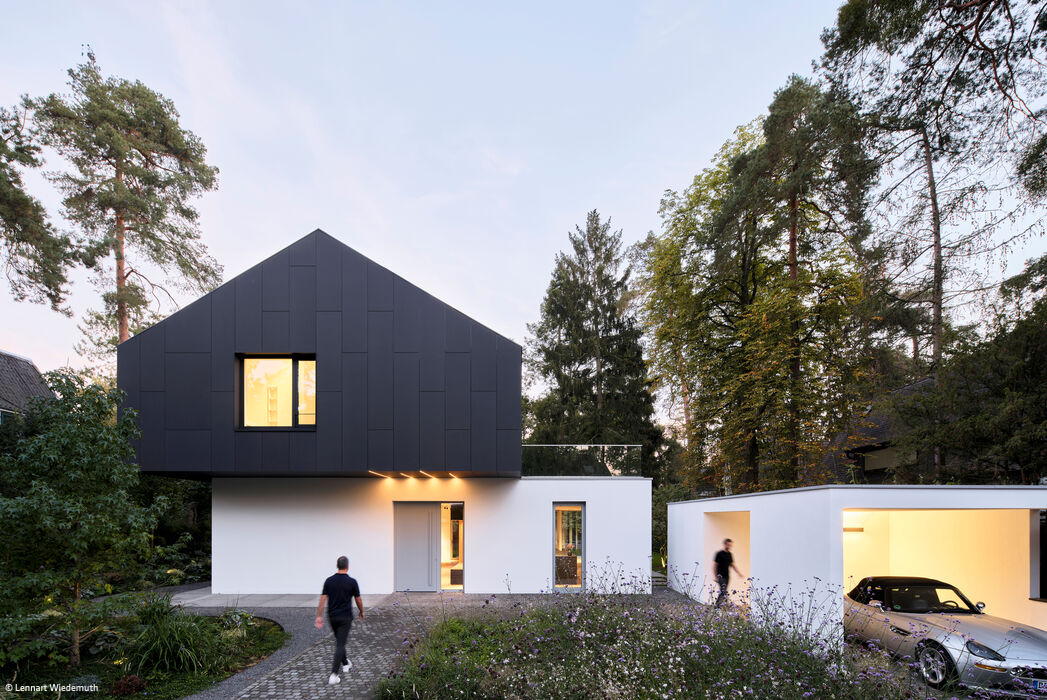



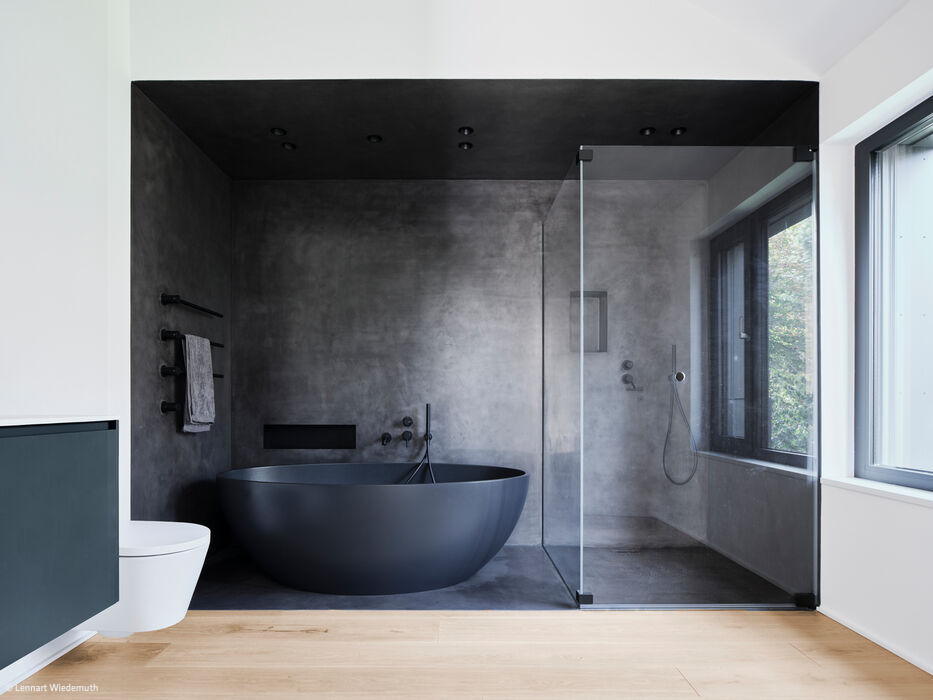


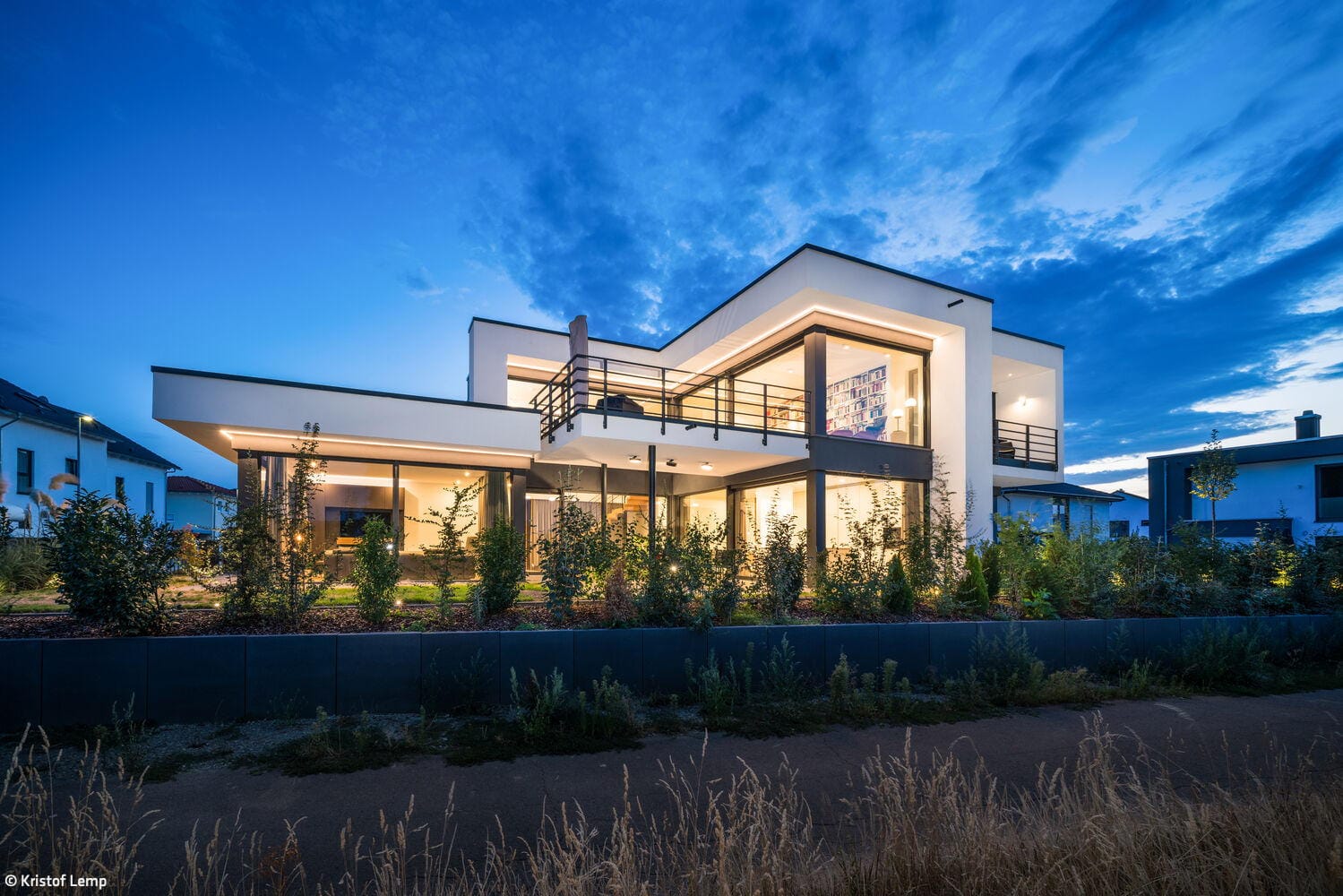
The villa enclave near Eberstadt showcases a diverse range of architectural styles spanning from the late 19th century through World War II. Naturally, the area is home to several heritage-protected villas designed by acclaimed architects including Fritz Becker, Heinrich Metzendorf, and Peter Müller. When introducing new construction in such a context, sensitivity to the existing character is paramount. Darmstadt-based architect Daniel Krafft navigated this challenge skillfully for his clients. The upper floor of the new residence—which appears to sit layered atop the structure—features a traditional gabled roof that not only creates visual continuity with neighboring landmarks, but also reflects the restrained color palette and refined proportions throughout. "Our vision was to develop a design that sits thoughtfully within its historical context while providing all the comforts of contemporary living," explains Daniel Krafft.
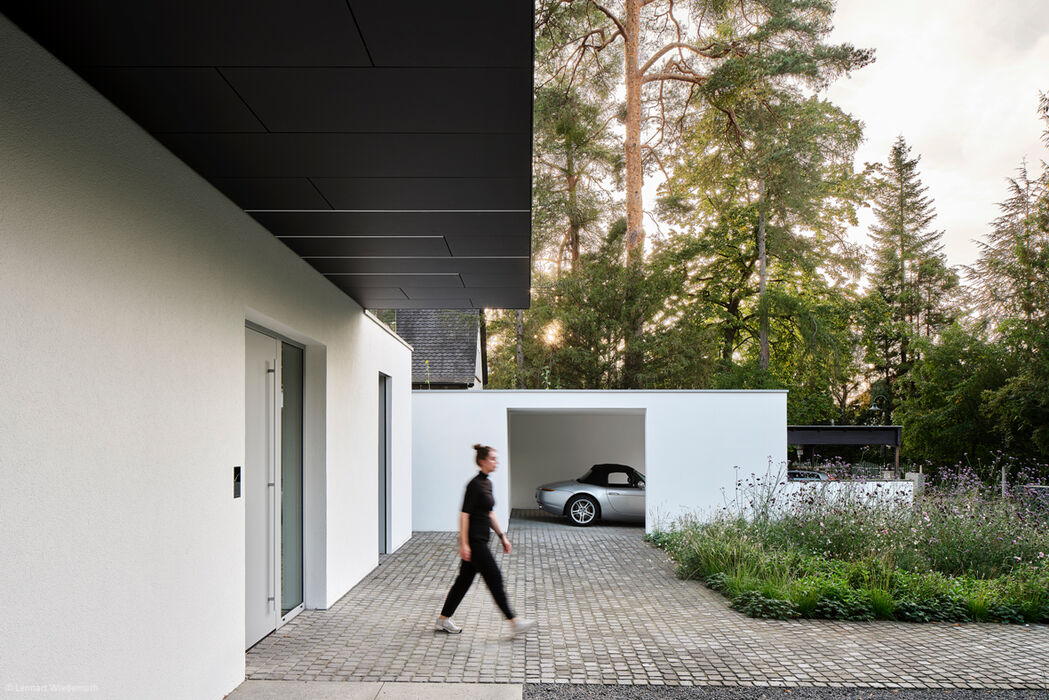
The building comprises two staggered volumes, differentiated by contrasting materials. This offset arrangement creates a sheltered entrance on one side and a covered outdoor space to the east. To achieve the floating effect of the upper story, the architects executed the structural shell with meticulous precision, strategically recessing the ceiling line to produce the desired visual separation.
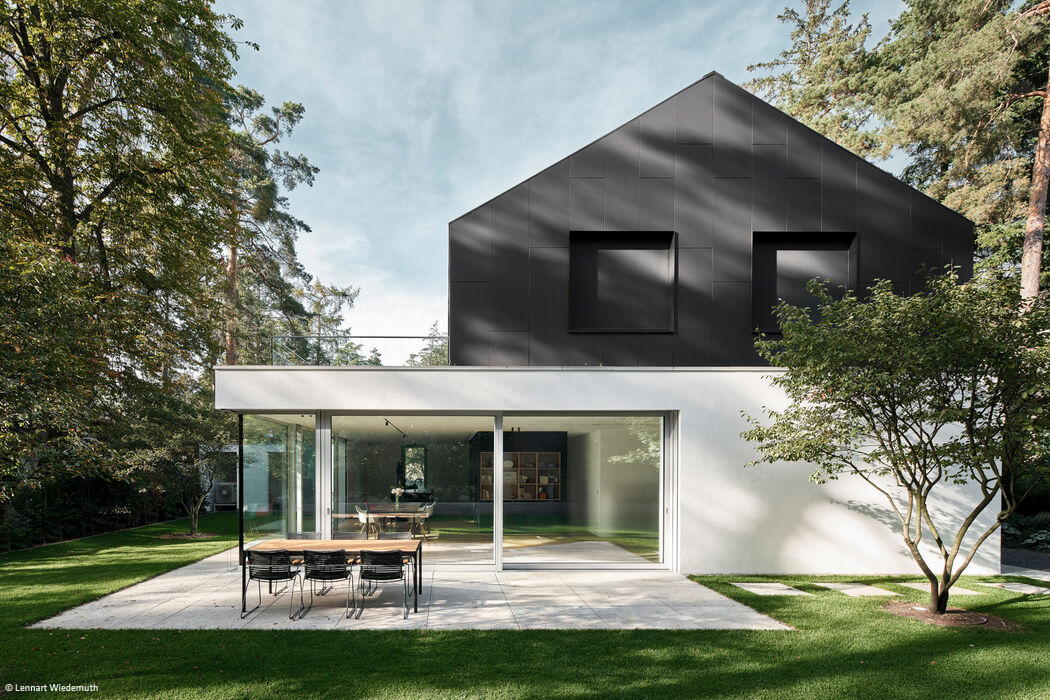
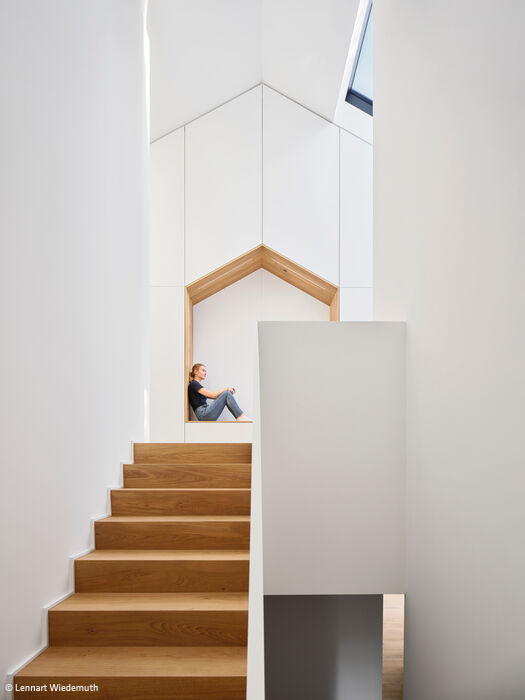
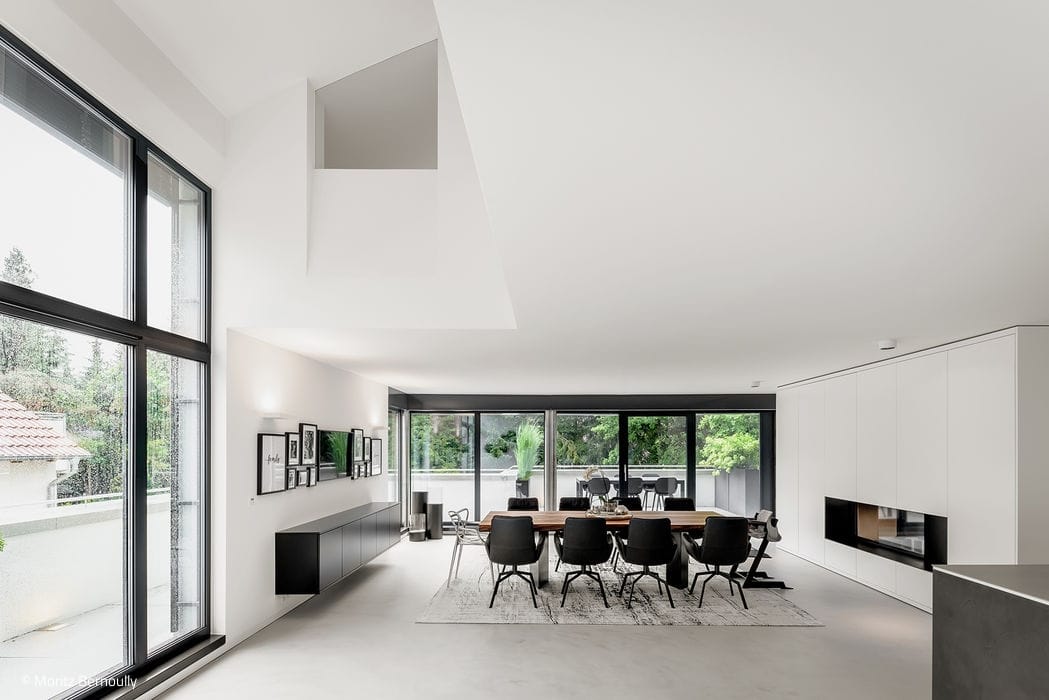
The ground floor, housed in the white volume with its flat roof, opens generously toward the garden to the south. This open-plan living level accommodates the kitchen and dining area, library, bathroom, and home office. Here, the boundary between inside and outside practically dissolves—expansive glazing seamlessly connects interior to exterior, so opening the sliding doors feels like stepping directly into nature. The room-within-room concept (where the kitchenette and storage share a unified backdrop) proves equally compelling, as does the soaring stairwell with its gallery overlooking the space. The upper floor, capped by its gabled roof, wraps around in black fiber cement panels—functioning as a fifth facade. This treatment creates both visual cohesion and a sense of sheltered privacy. Appropriately, this zone houses the intimate retreats—bedrooms and bathrooms—spaces designed for comfort, restoration, and peace.
Living space: 304 m²
Plot size: 951 m²
Construction period: 16 months
Construction method: Solid masonry
Energy concept: Air-source heat pump + heat recovery ventilation
Photos:
Lennart Wiedemuth
www.lennartwiedemuth.com
(Published in CUBE Frankfurt 02|24)

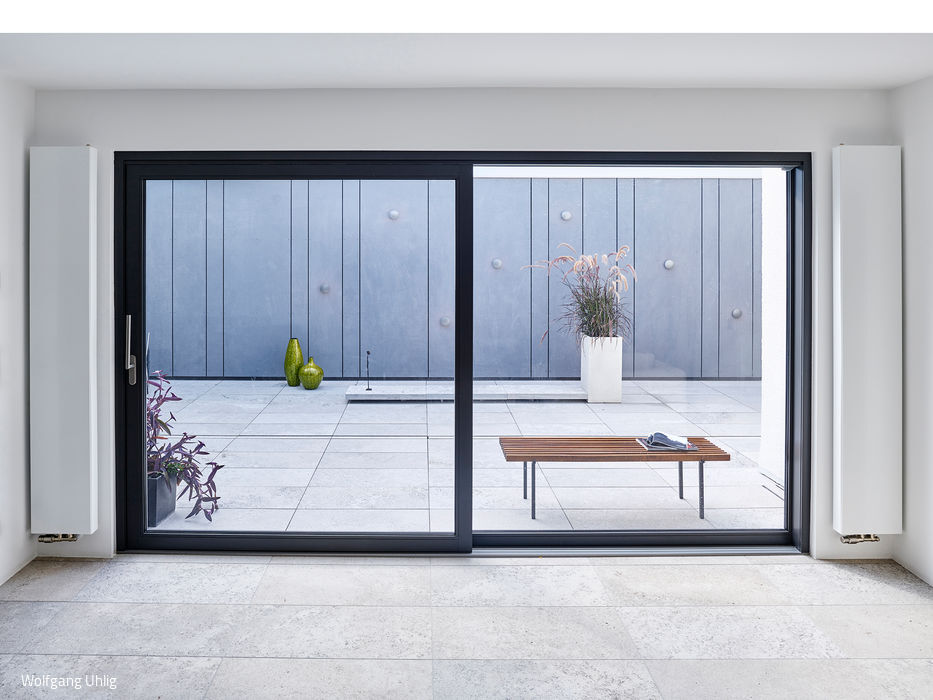
Elegant & Enduring
A 1970s terraced bungalow transformed: architectural and energy-efficient renewal

Elegant & Comfortable
Passive House Hotel: Where Cosmopolitan Sophistication Meets Intimate Comfort
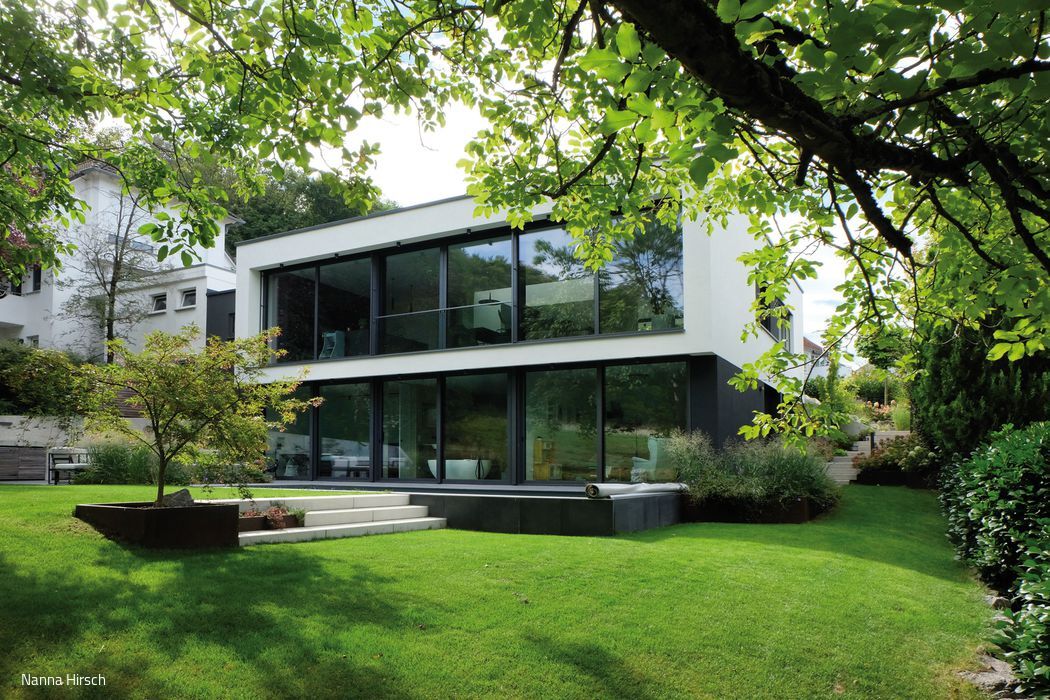
Views into Nature
A dream home shaped by constraints
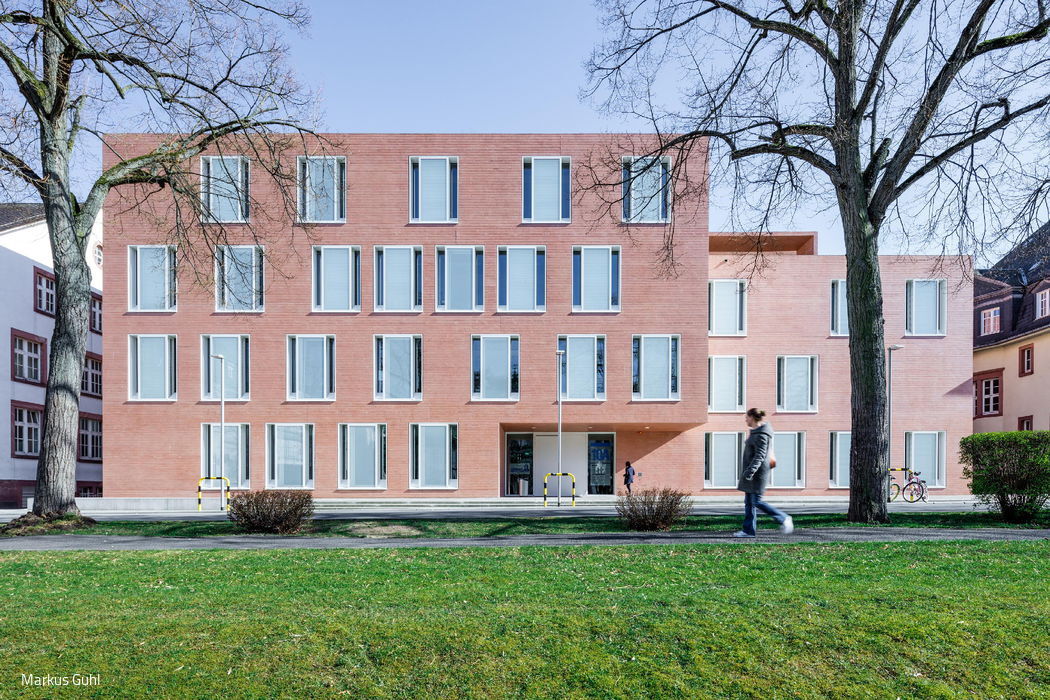
Understated Elegance
A compact new building that elevates the learning experience for future physicians