


Making Every Square Meter Count
Adaptive Reuse: A Functional and Refined Solution for a Family Home
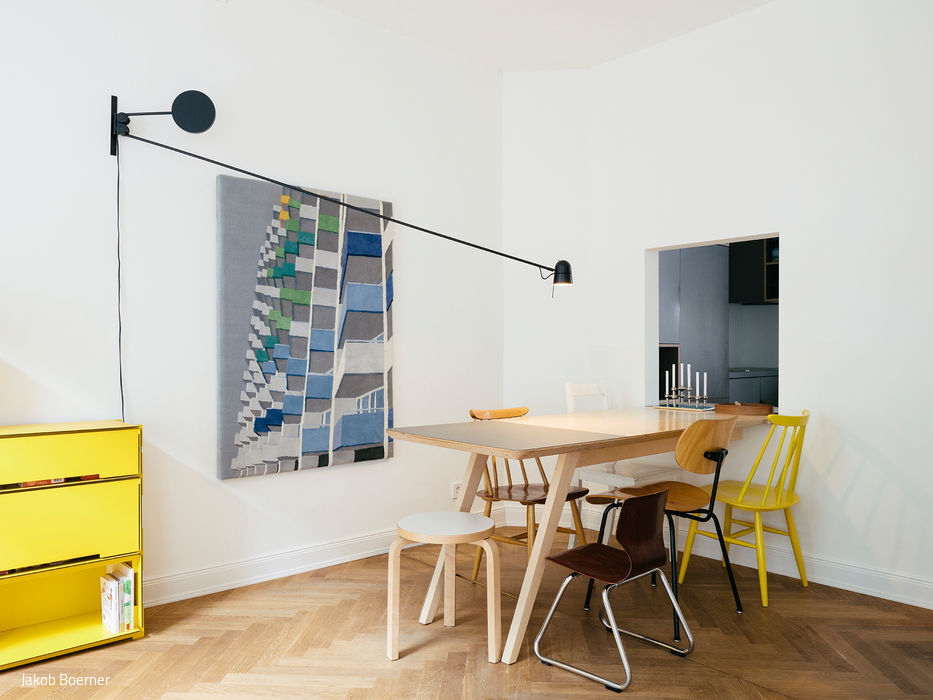


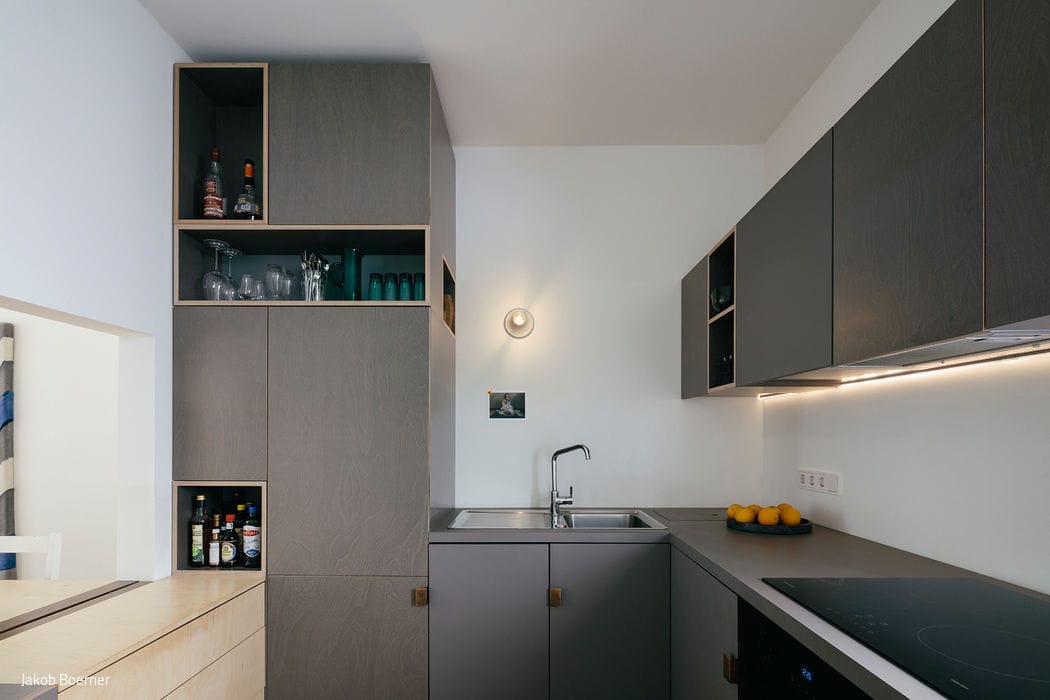


Built between 1890 and 1902, the Falkenried Terraces in Hoheluft-Ost stand as a testament to progressive housing design. The complex originally comprised 20 four-storey structures lining the streets—housing 124 apartments and 20 ground-floor shops—alongside 89 compact residential buildings arranged in double rows with 534 apartments. These "terraces" were conceived according to the most progressive hygiene standards of their era, specifically designed for workers and their families. Each unit offered approximately 30 m² of living space. Though partially damaged during the war, the entire ensemble has been protected as a historical monument since 2013.
By creatively merging two stacked terrace units of 32 m² each, the Ratschko architectural studio transformed the space into a vibrant home for a family of four. The resulting 64 m² maisonette skillfully accommodates both current needs and future lifestyle changes. The renovation demanded a delicate balance: honoring the building's protected status while thoughtfully integrating contemporary living standards and efficiency. All building systems were updated. Rather than simply removing walls, the architects strategically created openings to reimagine the spatial flow, repositioning the kitchen, bedrooms, and living areas to serve multiple purposes within each zone. The staircase becomes far more than a circulation element—it functions as both sculptural "furniture" and architectural statement, actually expanding the sense of space rather than consuming it. The result is a sophisticated spatial sequence offering residents genuine freedom: open and intimate atmospheres coexist, while private and semi-public zones adapt fluidly to their needs. Strategic furniture pieces emerge as defining architectural elements, serving both aesthetic and practical purposes.
The apartment's design philosophy is refreshingly honest—proportions echo natural relationships, while contemporary materials and finishes engage thoughtfully with the existing fabric. Every element was precisely calibrated for its intended use and built to endure. The materials chosen are selected with longevity in mind; they're meant to develop character and patina over time, gaining richness with age and use. As architect Kai Ratschko notes: "Through thoughtful preservation and repurposing of the original structure, combined with refined interventions, we've created an exceptionally livable home. Achieving this same quality through conventional new construction would have demanded significantly more square footage and substantially higher costs."
Photography Credits:
Jakob Börner
www.jakobboerner.com
(Published in CUBE Hamburg 04|20)
A Break with a View
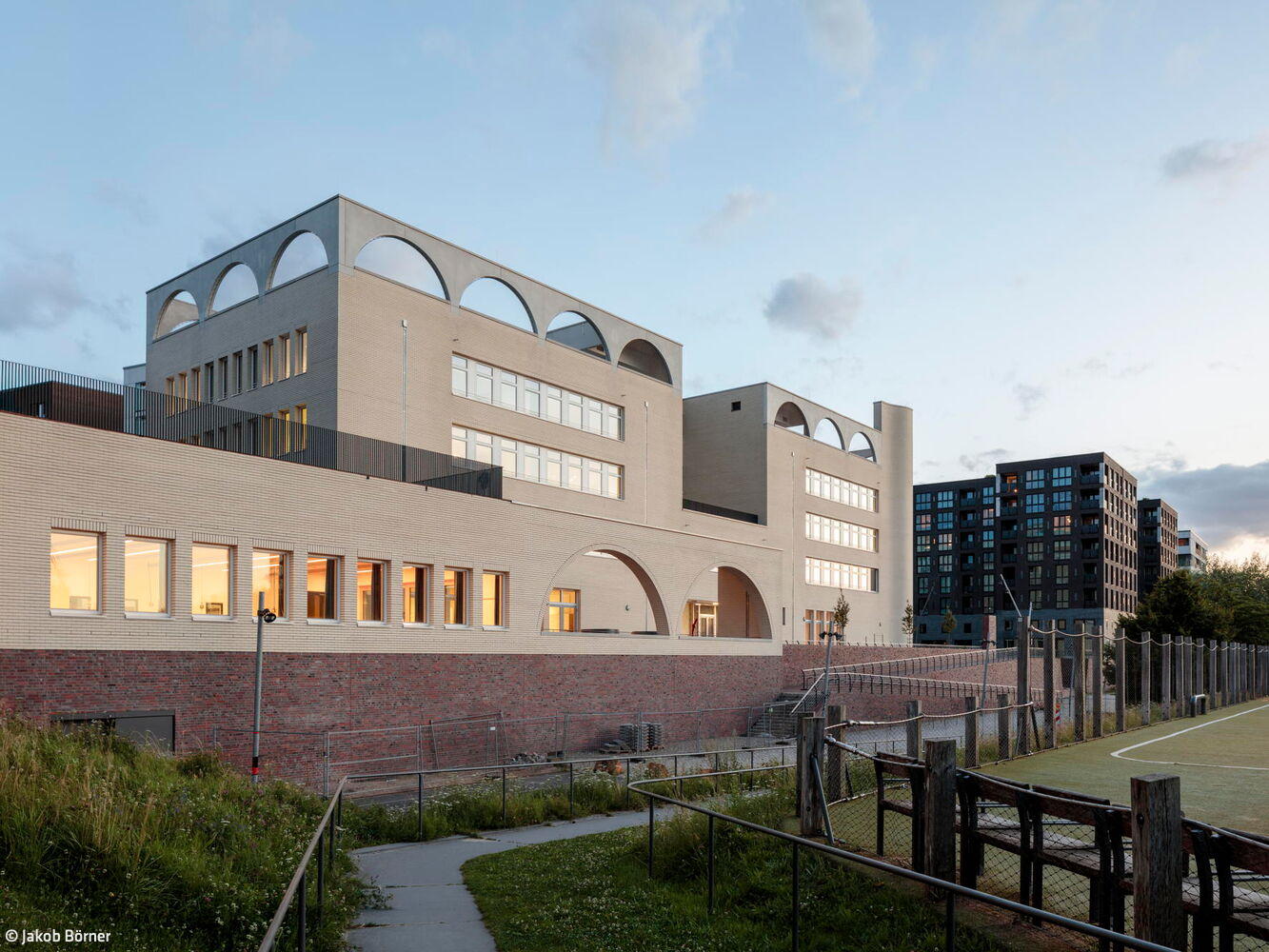
The Am Baakenhafen primary school anchors this densely populated neighbourhood.
A Place for Recovery
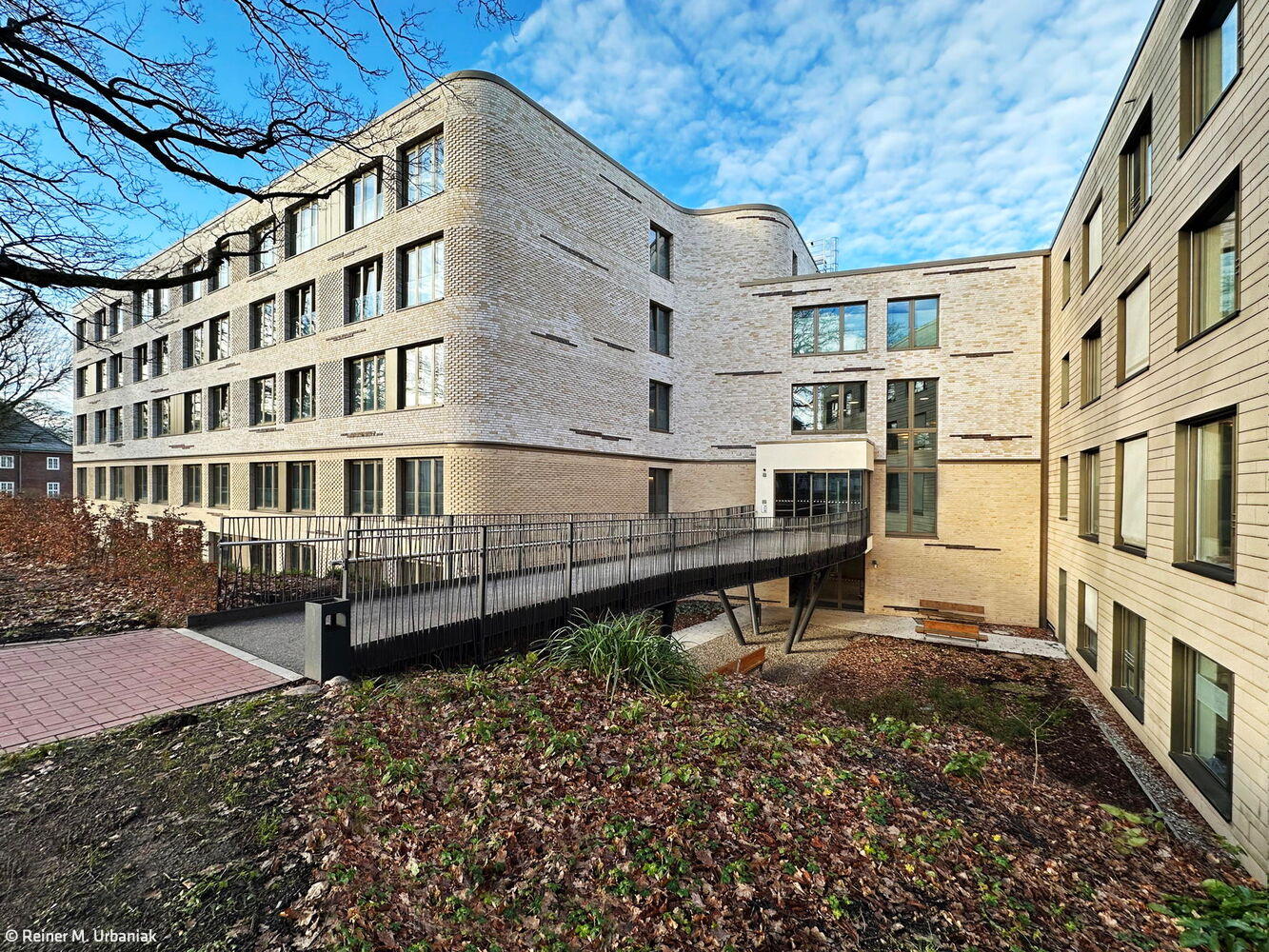
When architecture serves healing
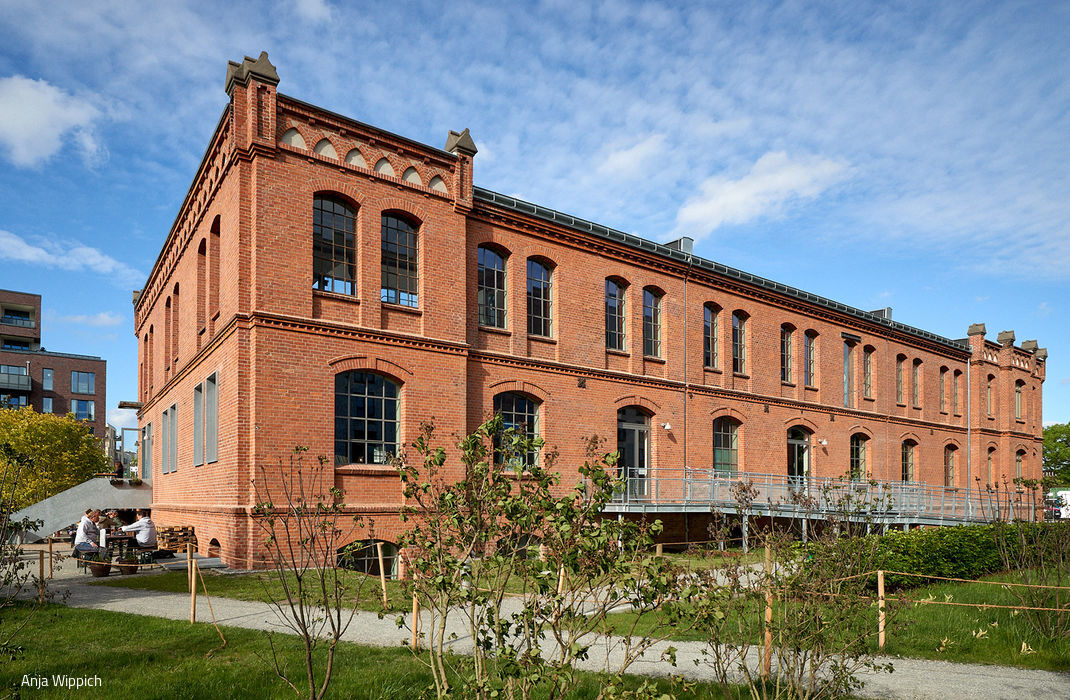
Vibrant Central Hub
The Kleiderkasse—a heritage-protected building in Mitte Altona—has been thoughtfully restored and now serves multiple community purposes.

A Smart Choice
Renovation Over New Construction—How Smart Planning Fulfilled a Homeowner's Vision