


Workspaces with a Tea House
Functional Minimalism Meets Japandi Design
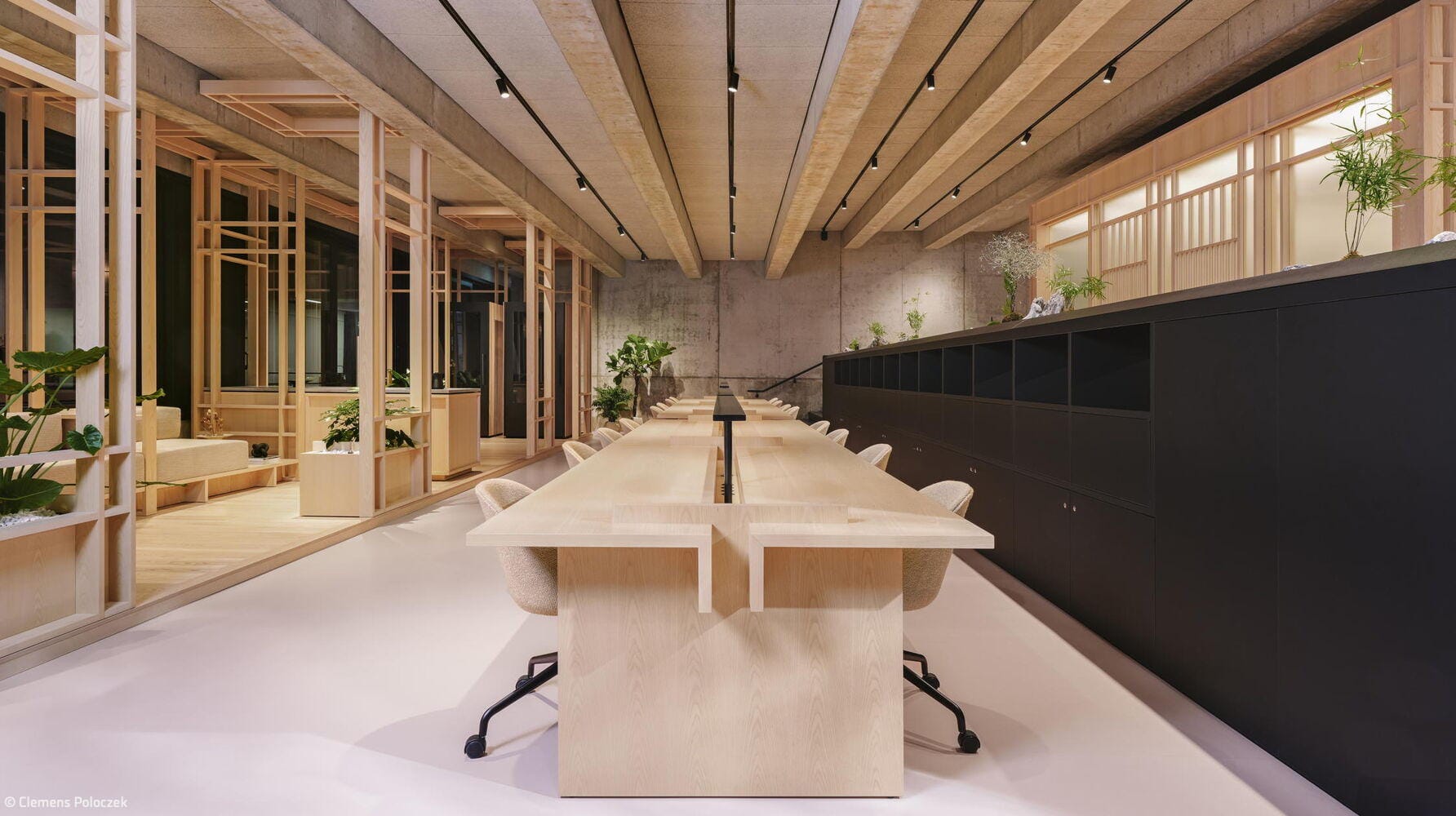
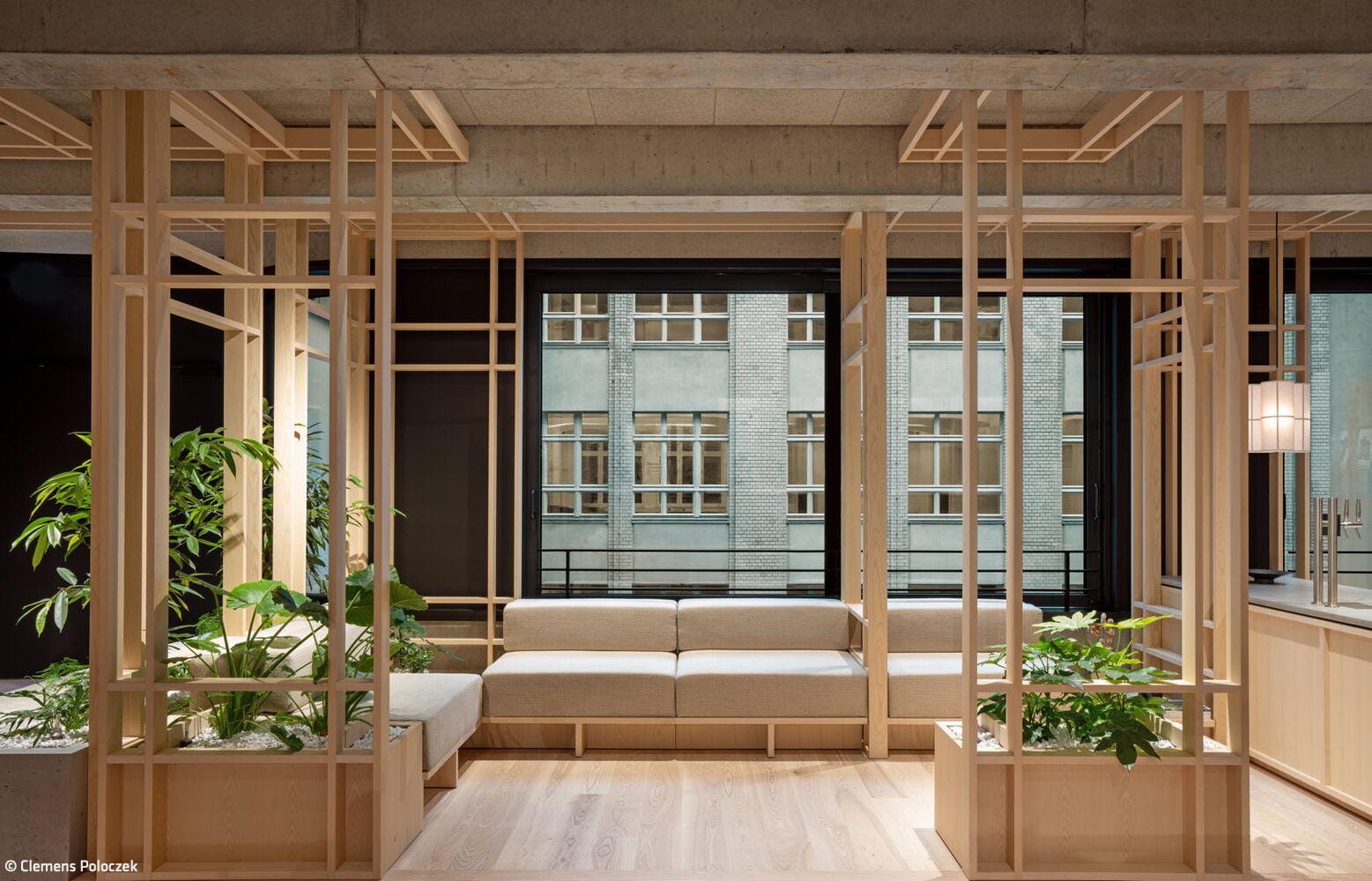
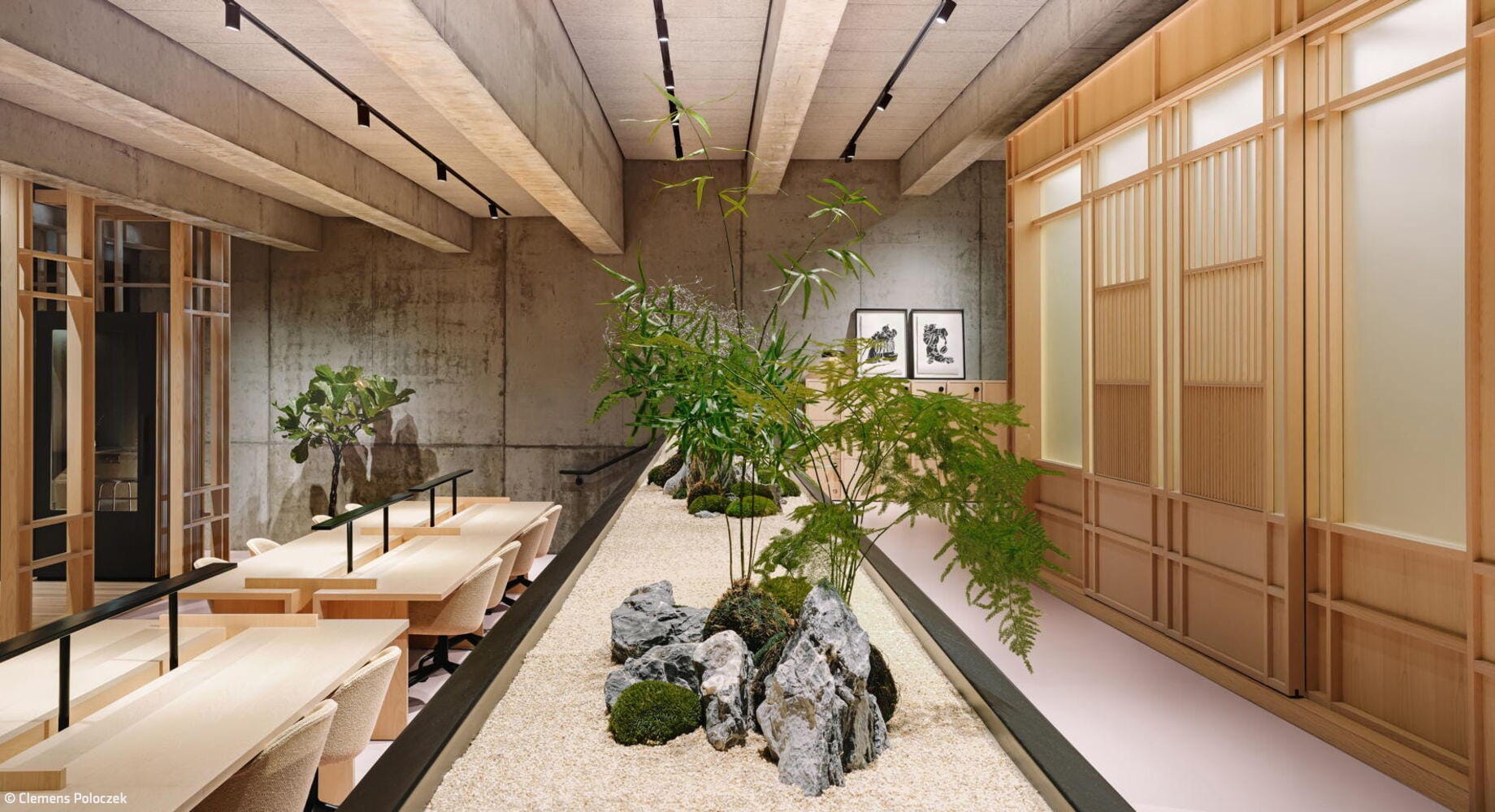
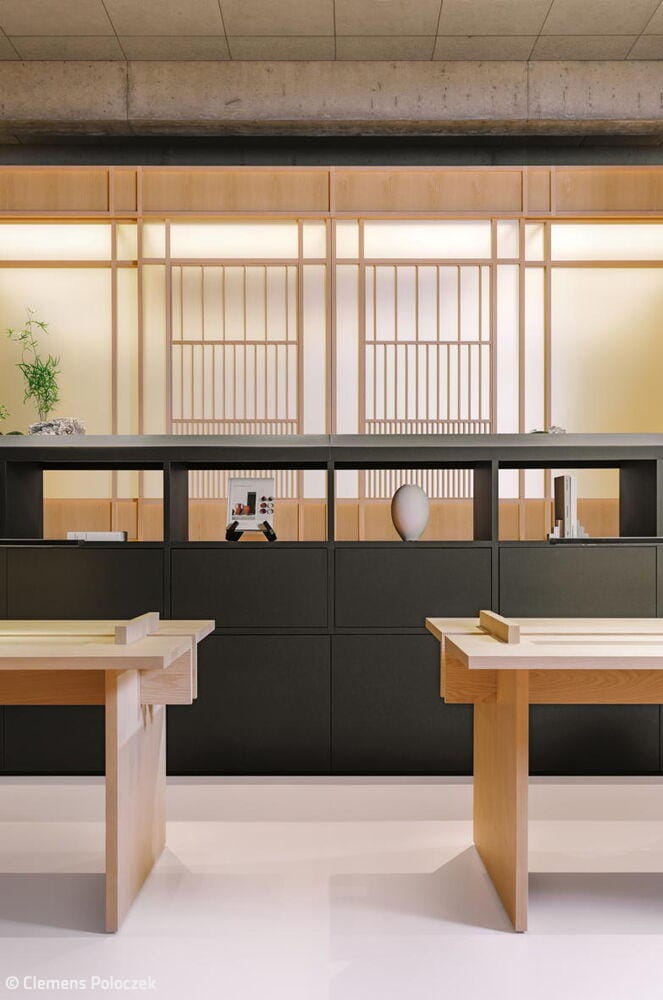
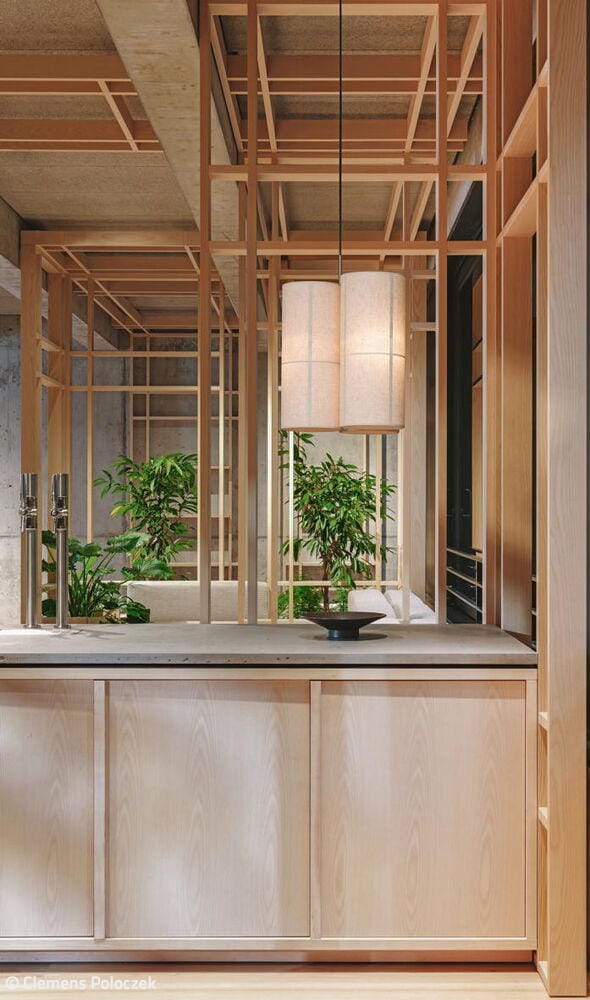
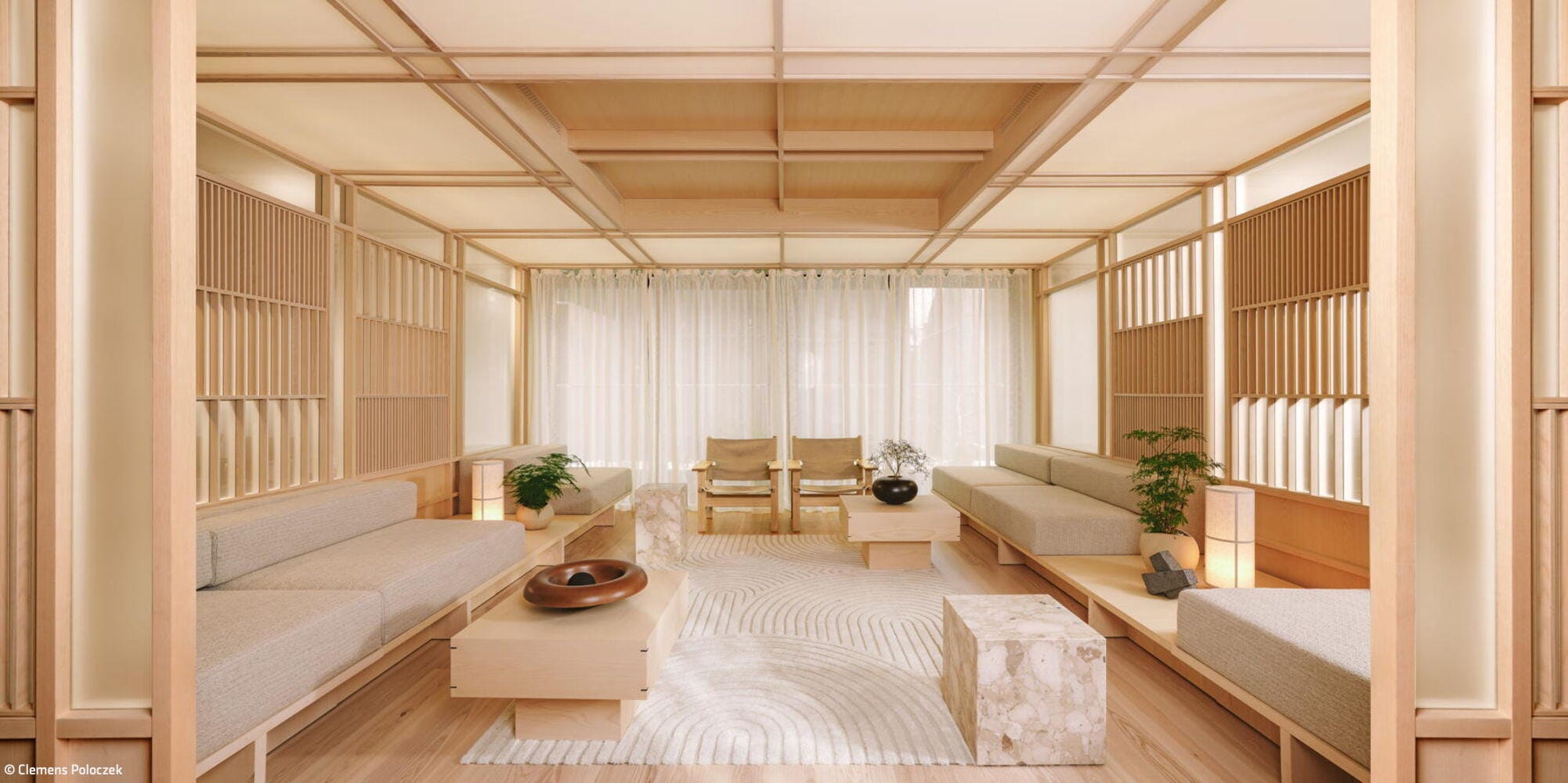
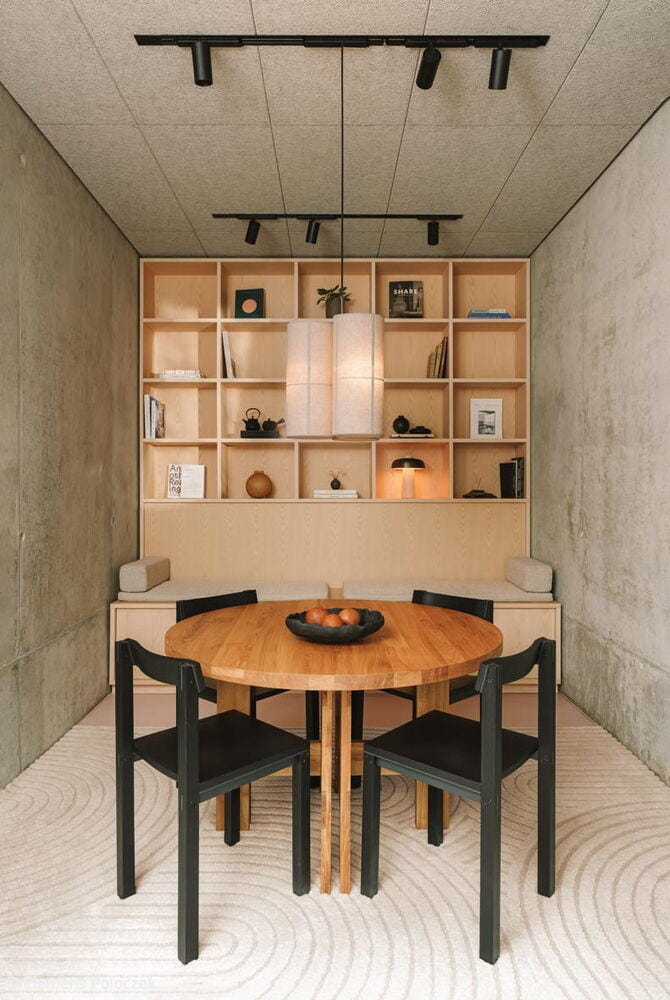
Nestled between Mitte and Prenzlauer Berg, AchtBerlin is an office complex that houses the new headquarters of Paper & Tea. The project exemplifies a harmonious balance between functionality and contemporary design, creating a distinctive visual identity that reflects both disciplines.
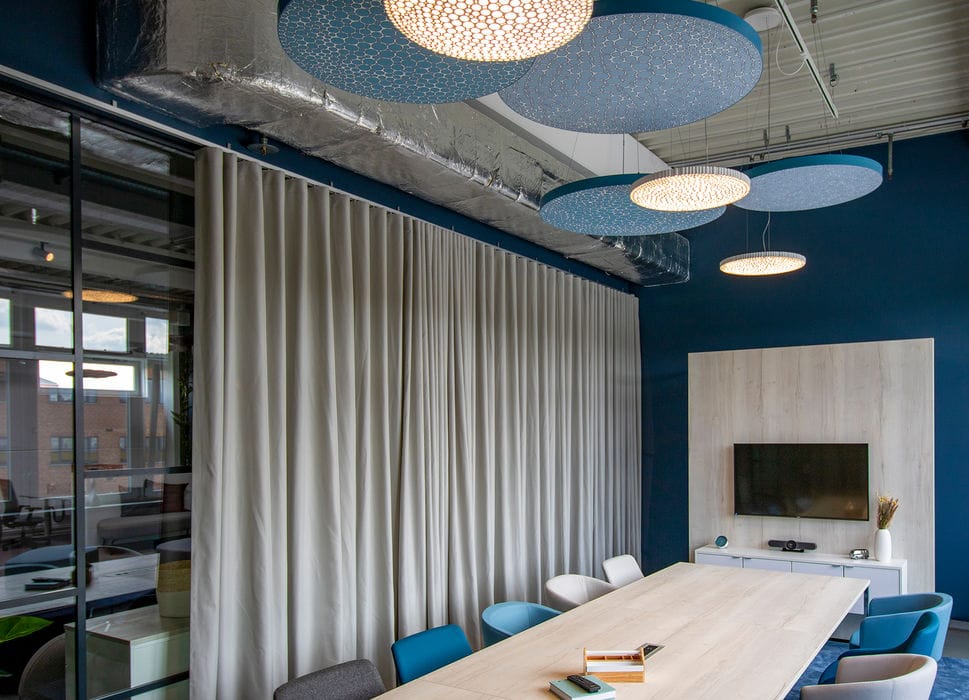
Schwitzke Górski partnered with the Paper & Tea brand studio to craft a fresh interior concept that captures the essence of the brand. The design is rooted in Japandi philosophy—a blend of Scandinavian and Japanese aesthetics that achieves a minimalist yet inviting atmosphere through clean lines and natural materials. Paper & Tea, a young company bridging Japanese tea traditions with Berlin's vibrant contemporary culture, operates branches across Europe. The new headquarters were envisioned as a dynamic hub where teams from different departments could converge, collaborate, and share ideas. The result is a space where tea culture and modern work environments coexist seamlessly. Having collaborated with Paper & Tea for years on visual merchandising and retail concepts, the Krakow-based designers took on this project as a direct private commission. The brief called for a creative workspace featuring shared desks, a communal table, and well-equipped training rooms—all functioning as a brand showroom that would welcome both clients and staff into an environment reflecting the company's values and philosophy. The design strategy prioritized flexibility and connection, introducing inspiring spaces anchored by a tea bar, thoughtfully designed relaxation zones, a dedicated tea house, and verdant retreats. The primary constraint came from the building's existing structure: the prestressed concrete ceiling panels prohibited drilling, requiring all installations to stand independently. Additionally, the existing pink vinyl flooring and raw concrete walls had to remain intact. These limitations sparked innovative solutions: free-standing ash wood constructions, particularly the delicate framework defining the lounge and tea house areas.
Photography:
Clemens Poloczek
www.clemenspoloczek.com
(Published in CUBE Berlin 04|25)
Concept Over Commerce
Frizz23: Pioneering Commercial Cooperative
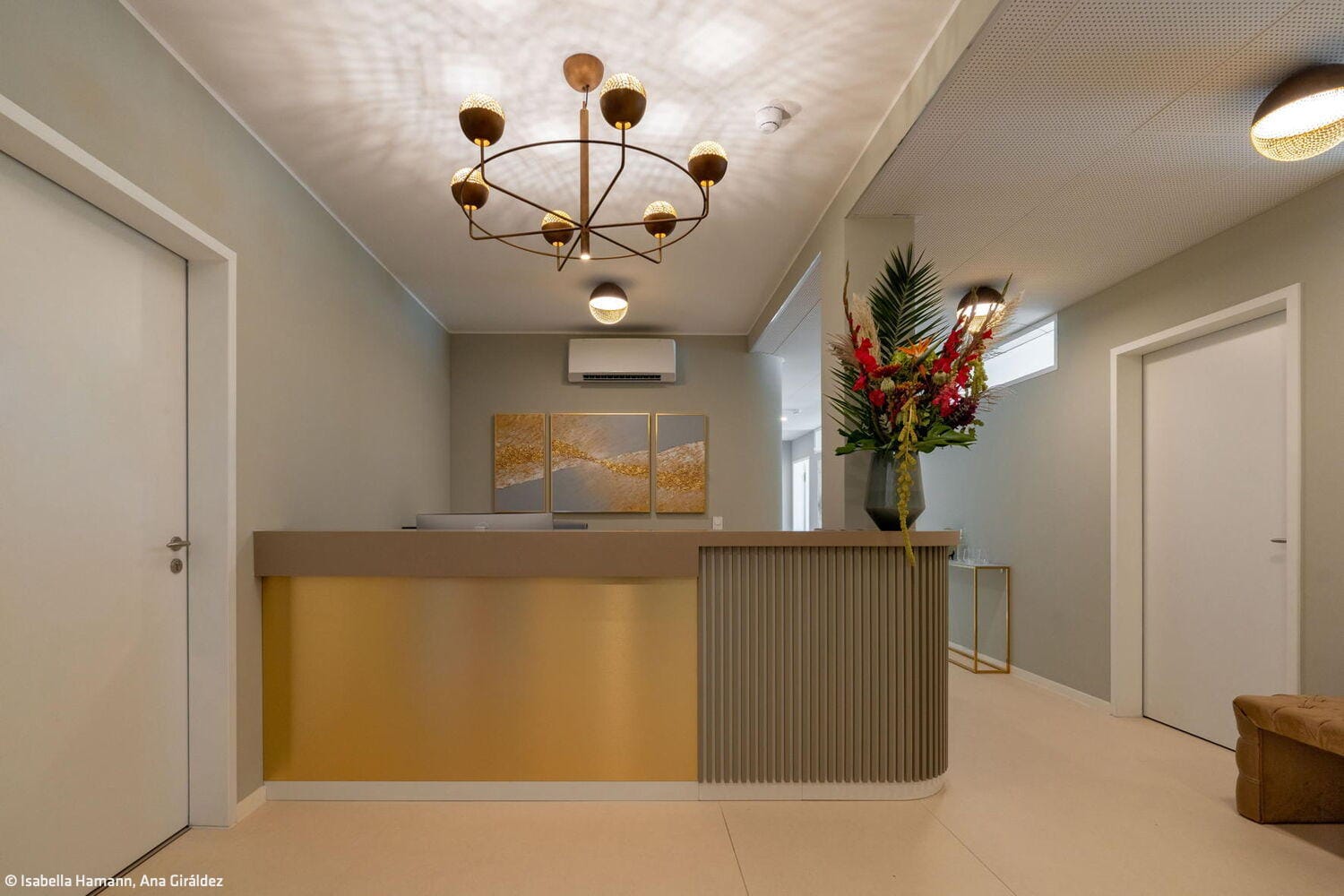
Harmony with an Eye for Detail
Color concepts and art installations for compelling medical practice spaces in Moabit

Thinking Ahead
Potsdam's Think Campus I–III: A Growing Hub for Research and Innovation

Interactive Campus Building
The BerlinBioCube: Where Architecture Meets Light Design