


The Seasonal House
A house that transforms with the seasons – expanding in summer, contracting in winter
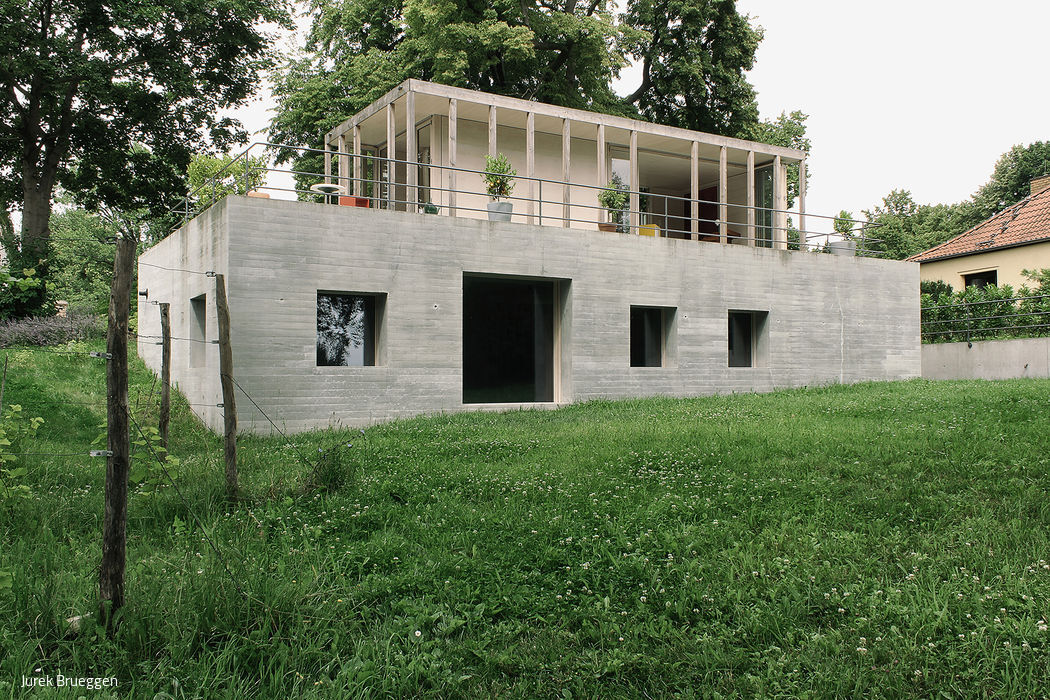


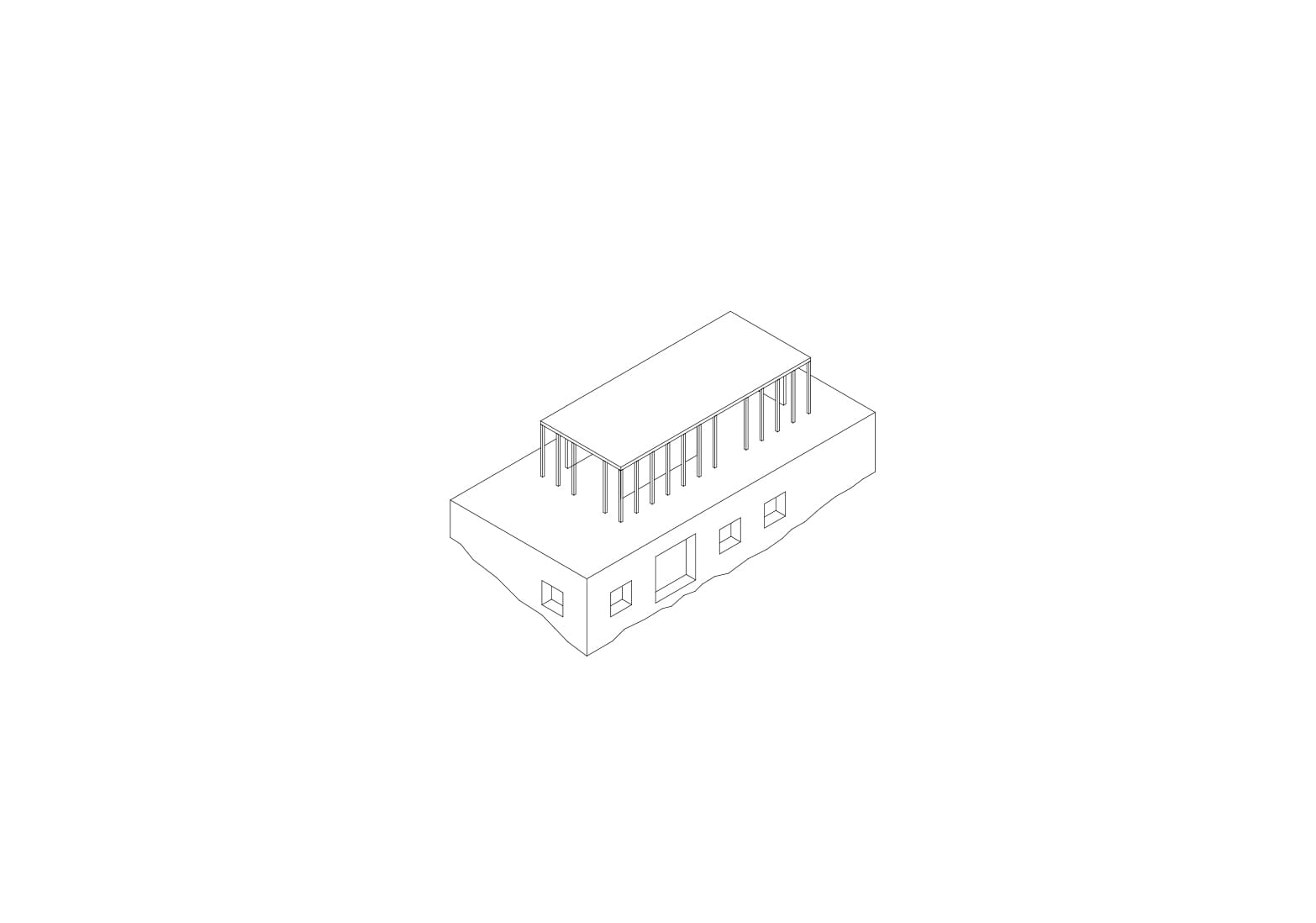
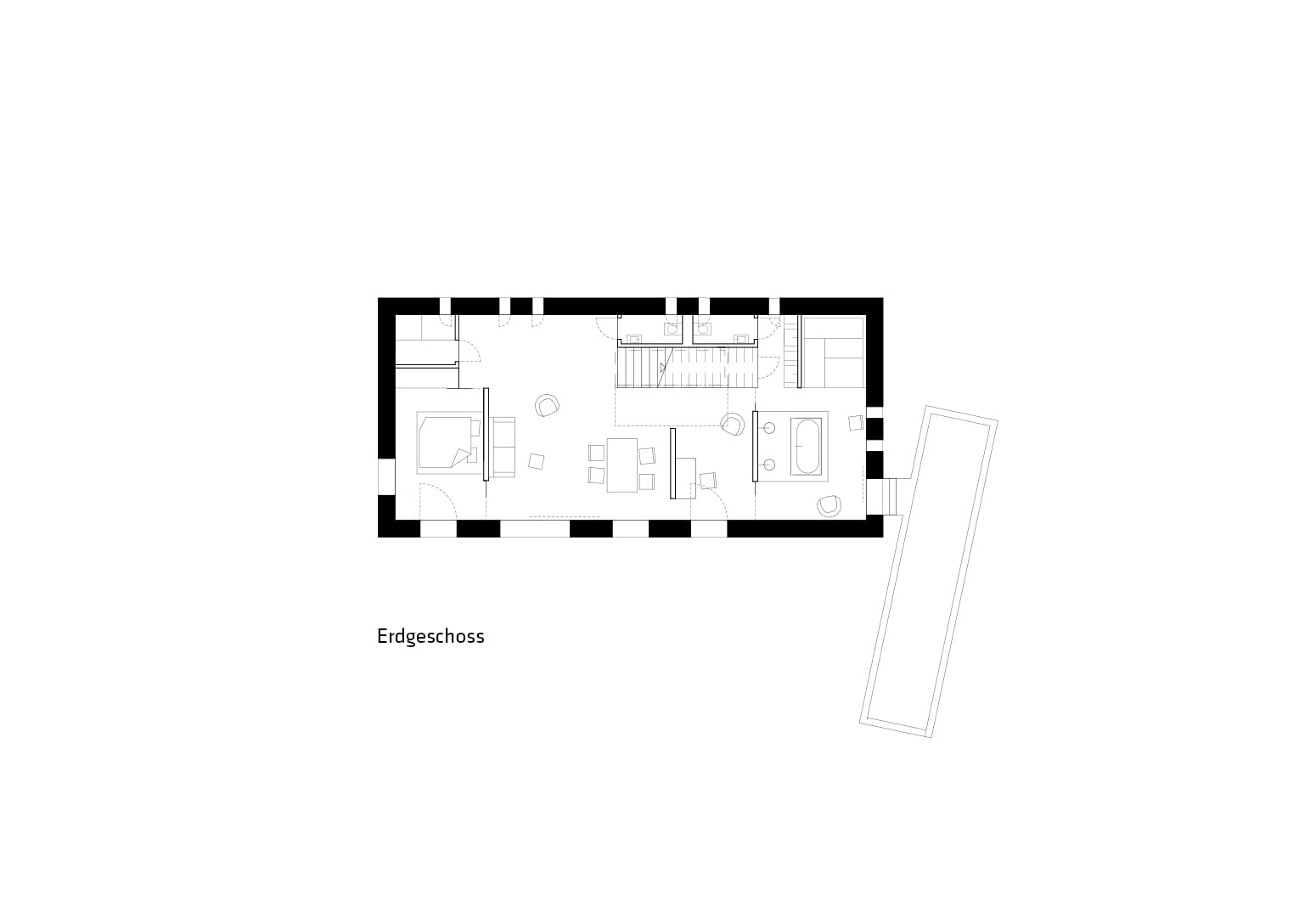
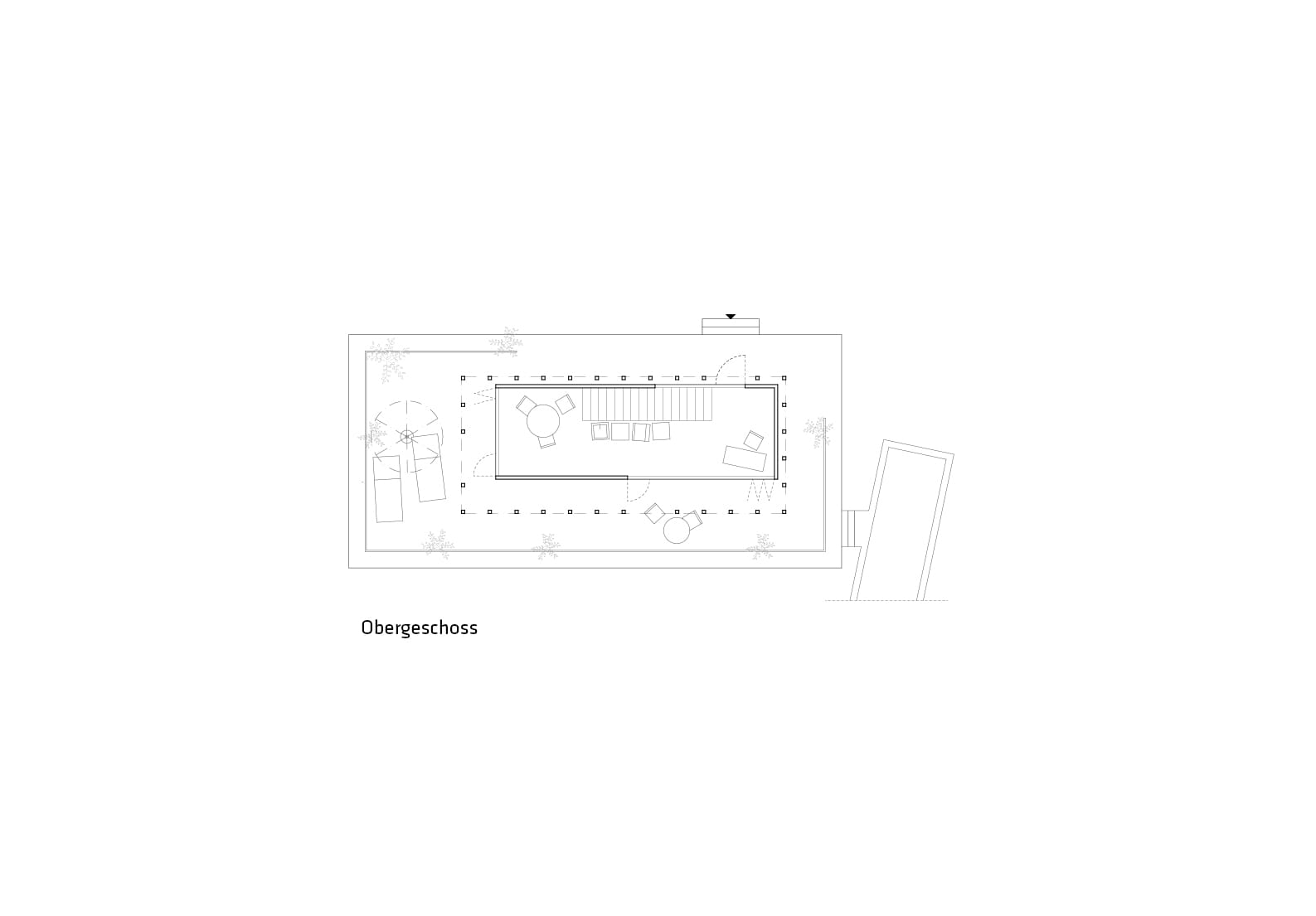
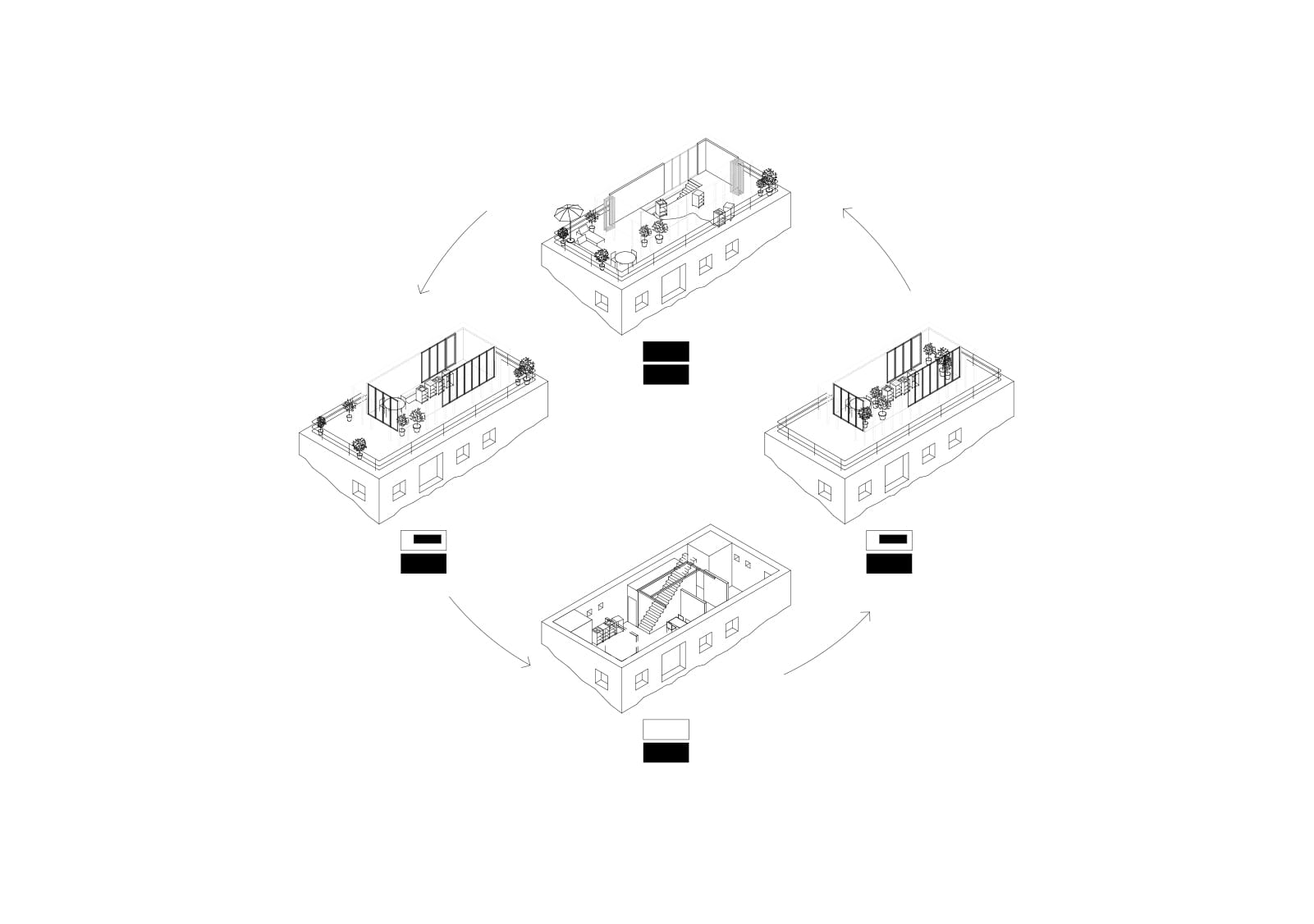
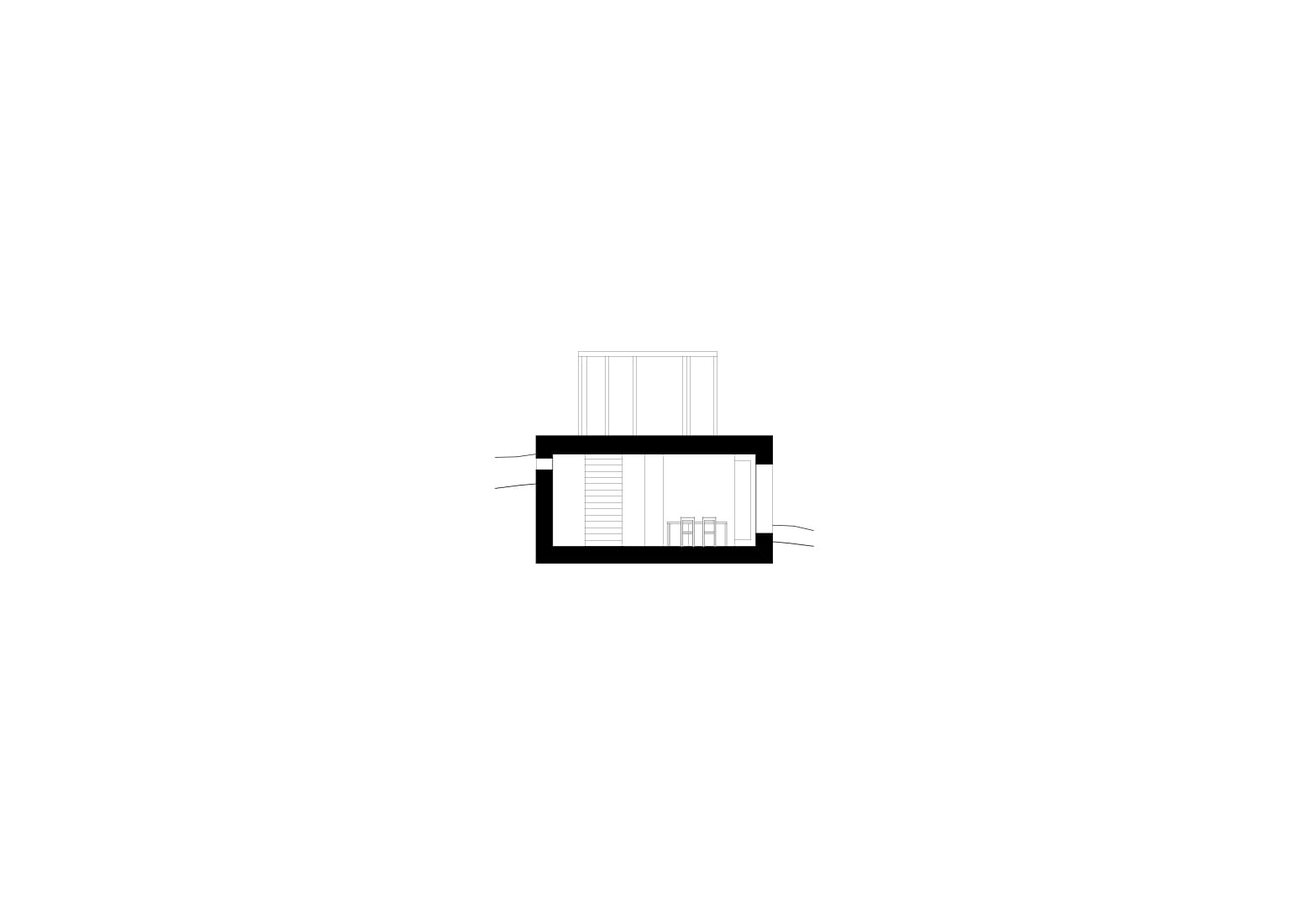
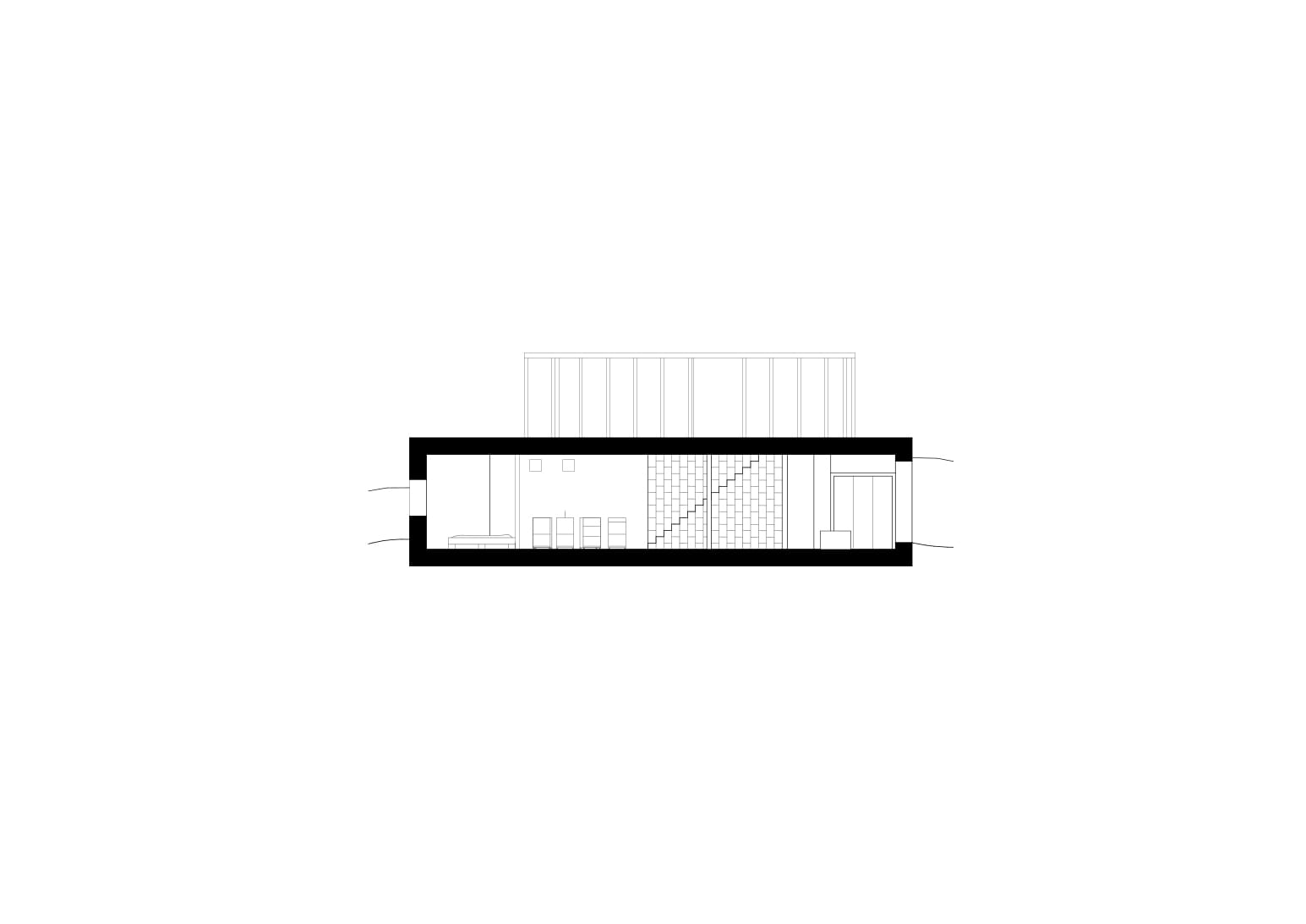
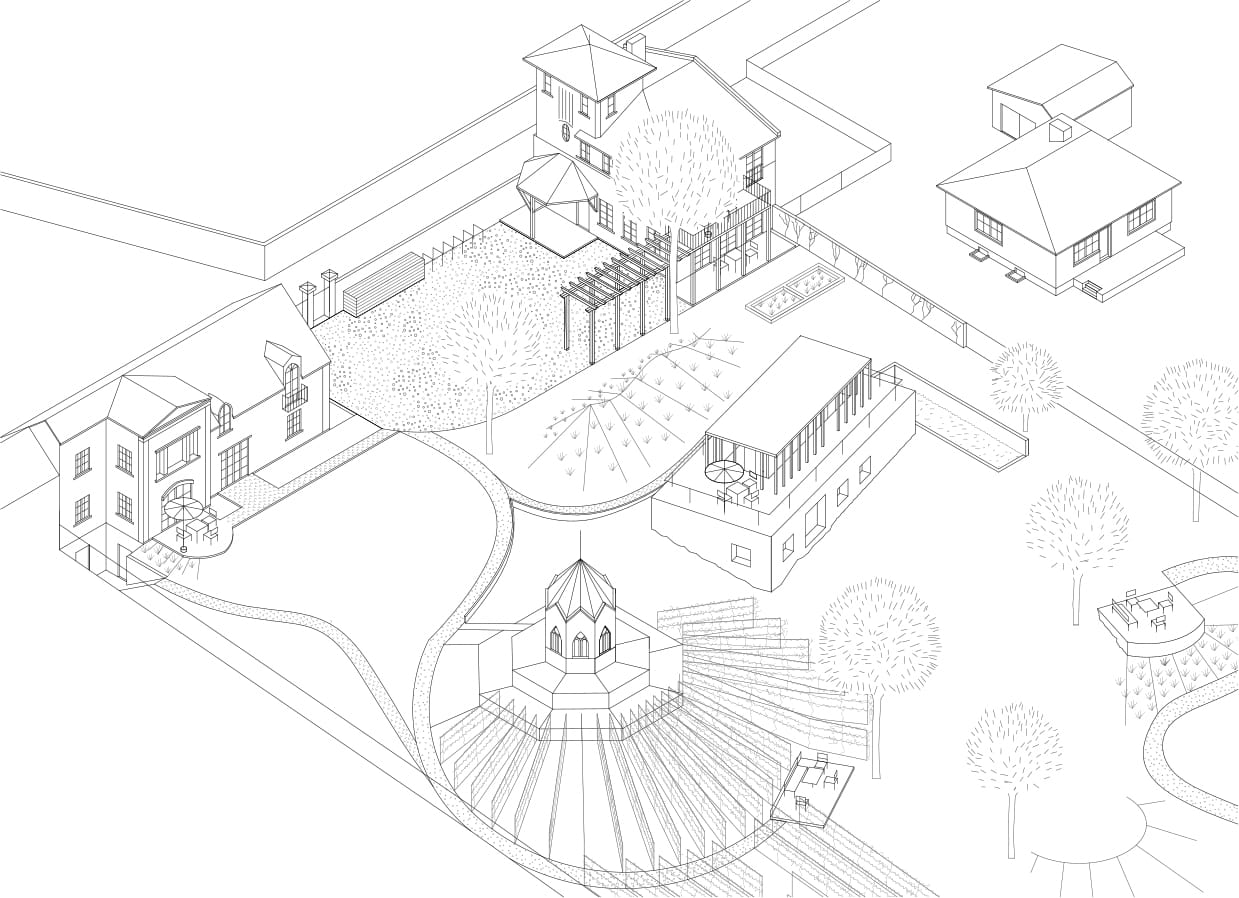
Nestled in the Havel River lies an island, home to the charming old town of Werder. This picturesque destination – with its iconic windmill, winding streets, and annual tree blossom festival – draws visitors from Berlin and Potsdam alike and holds official status as a state-recognized health resort. Yet it was here, of all places, that architects Jurek Brüggen and Sebastian Sailer unveiled an extraordinary residential design that captured international acclaim, earning both the "Houses of the Year" distinction and the "Best Architects" designation.Positioned at the island's highest point, the house stands in stark contrast to its eclectic surroundings: a neo-Gothic belvedere, a GDR-era bungalow, an Art Deco villa, and a neoclassical stable building. In this heterogeneous composition, the architects placed a deceptively simple yet ingeniously refined architectural statement. The design features a stark rectangular concrete base – its wooden formwork still visible – crowned by a wooden pavilion on a flat roof.Built into the slope, the ground floor enjoys earth protection on three sides, a reference to an ancient building technique the architects celebrate through the project's name: the Seasonal House. The living space fluctuates with the seasons: 170 m² in summer, 85 m² in winter, and approximately 115 m² during spring and autumn.Inside, the raw concrete walls retain their formwork markings, creating an honest material expression. Free-standing wooden walls organize the interior into distinct zones. The staircase doubles as a two-sided bookshelf, its spines creating an ever-changing pattern. The upper level – essentially a summer residence – connects to the lower floor via a horizontal sliding window that opens in warm months and closes during winter.A mobile kitchen adapts to each season's requirements, while a railing system preserves open terrace space around the pavilion. In summer, residents enjoy an airy retreat overlooking the Havel; in winter, the sealed pavilion becomes a greenhouse for plants, warmed by heat rising from below. Spring and autumn allow flexible use of both levels.The insulation strategy focuses solely on the concrete base, as the surrounding earth provides natural thermal protection on three sides. This ingenious approach minimizes resource consumption, reduces construction and heating costs, and delivers remarkable climate efficiency – proof that thoughtful design can harmonize human comfort with environmental responsibility.
www.jurekbrueggen.com
www.kosaarchitekten.com
Photography Credits:
Jurek Brüggen
(Published in CUBE Berlin 04|21)

Harmonious Composition
A Detached Home with Clean Lines and Thoughtful Design in the Garden City of Frohnau

Anchor Point "House in the Park"
Modular Hybrid Timber Construction: A Model for Socially Conscious Architecture

Square Harmony
Berliner Sparkasse's new home has arrived
From Signal Box to Studio
The world of cooking in a special place