


Historic Structure, Modern Addition
Gertrudshof Industrial Building: War-Damaged Site Fully Restored
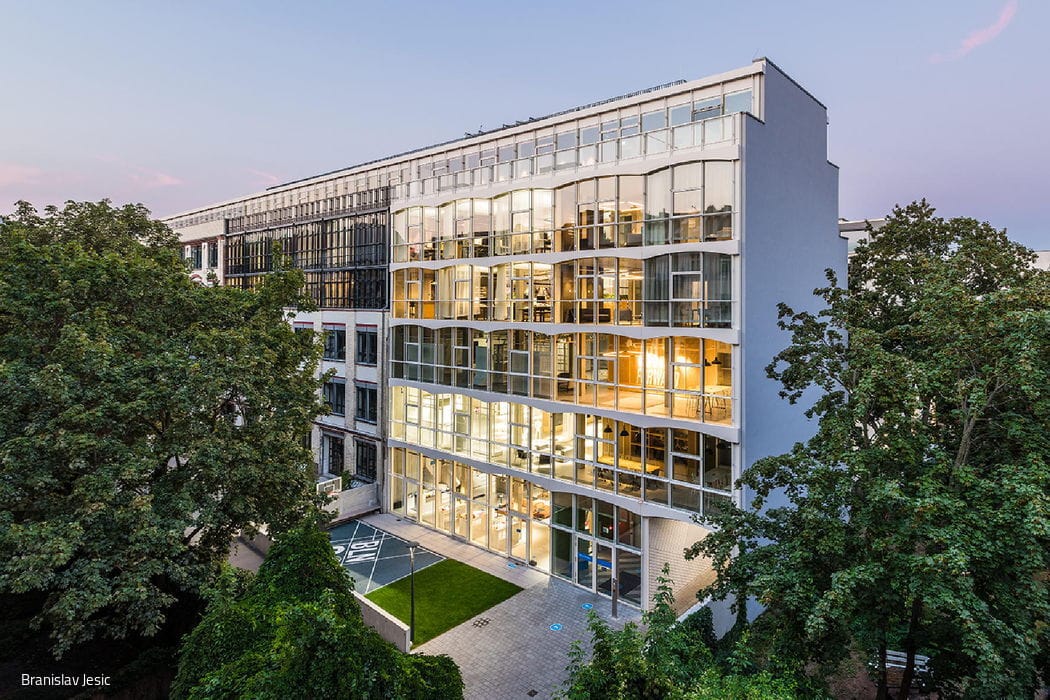
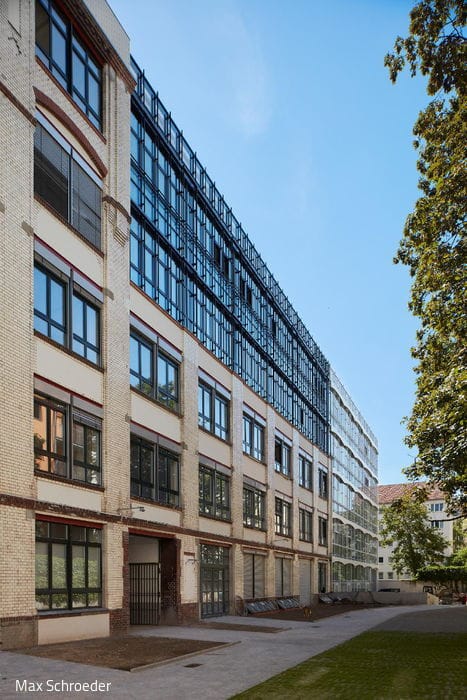
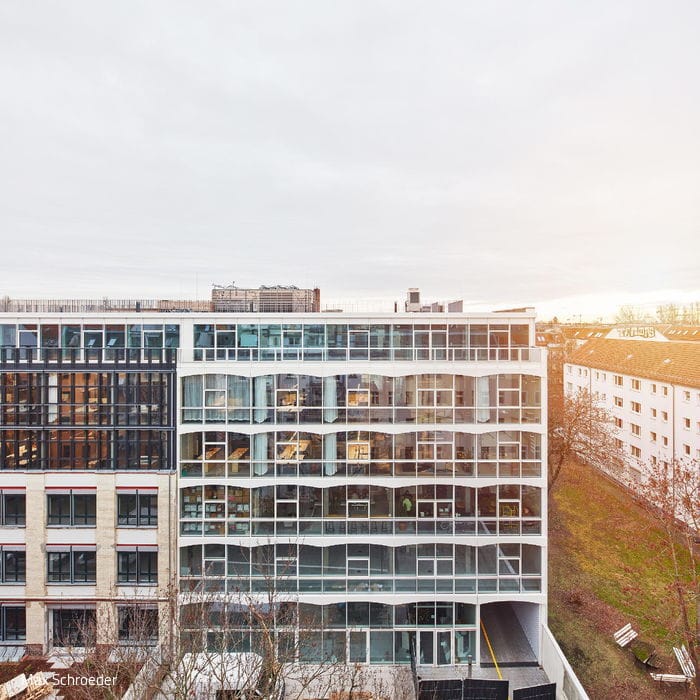
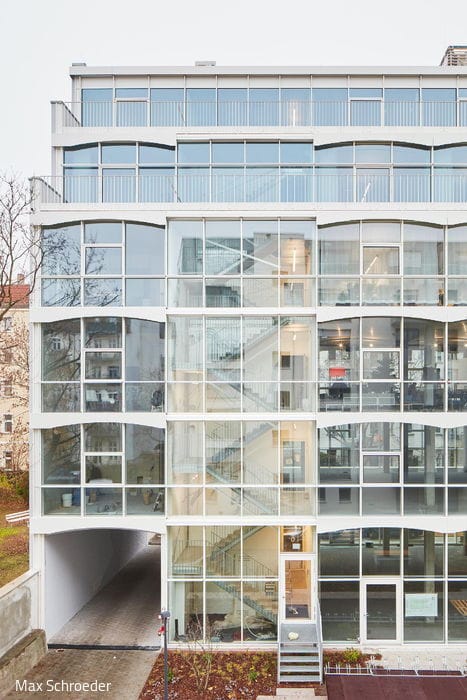
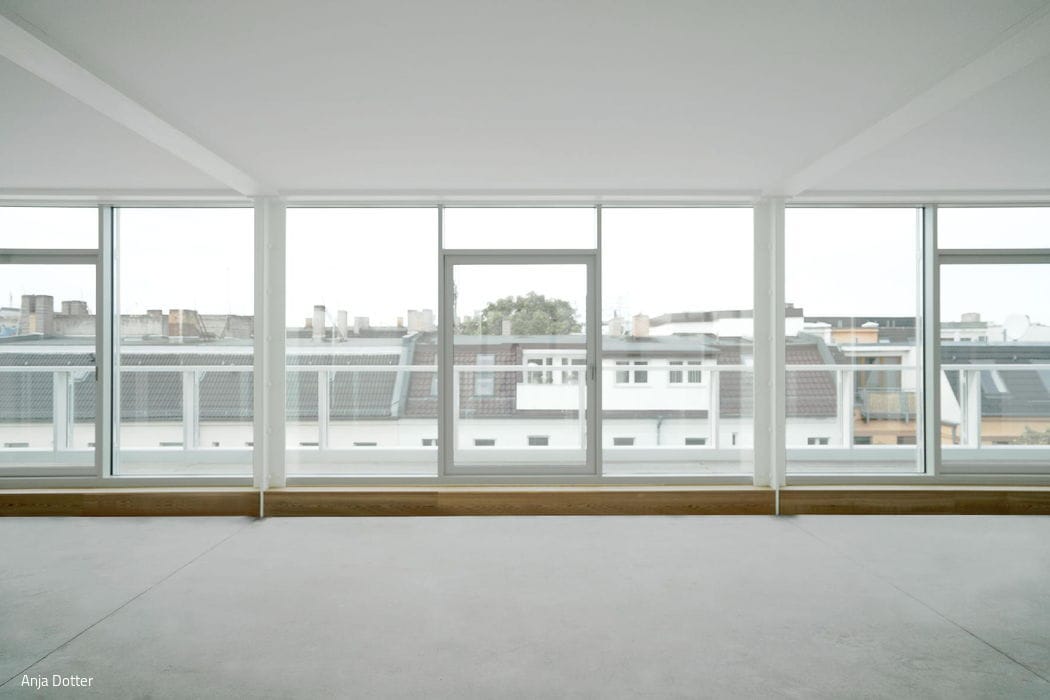
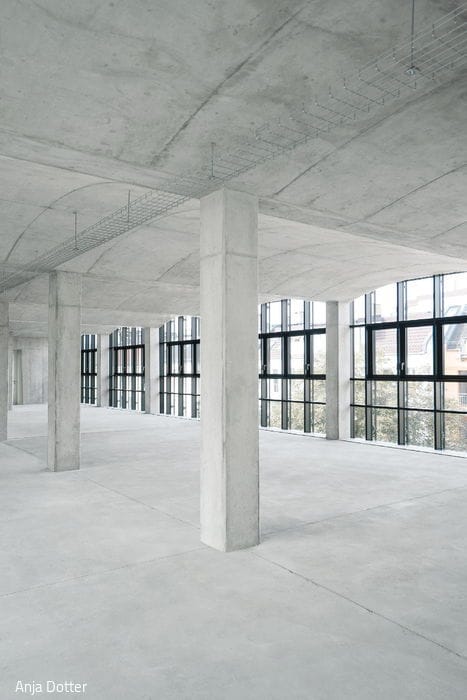
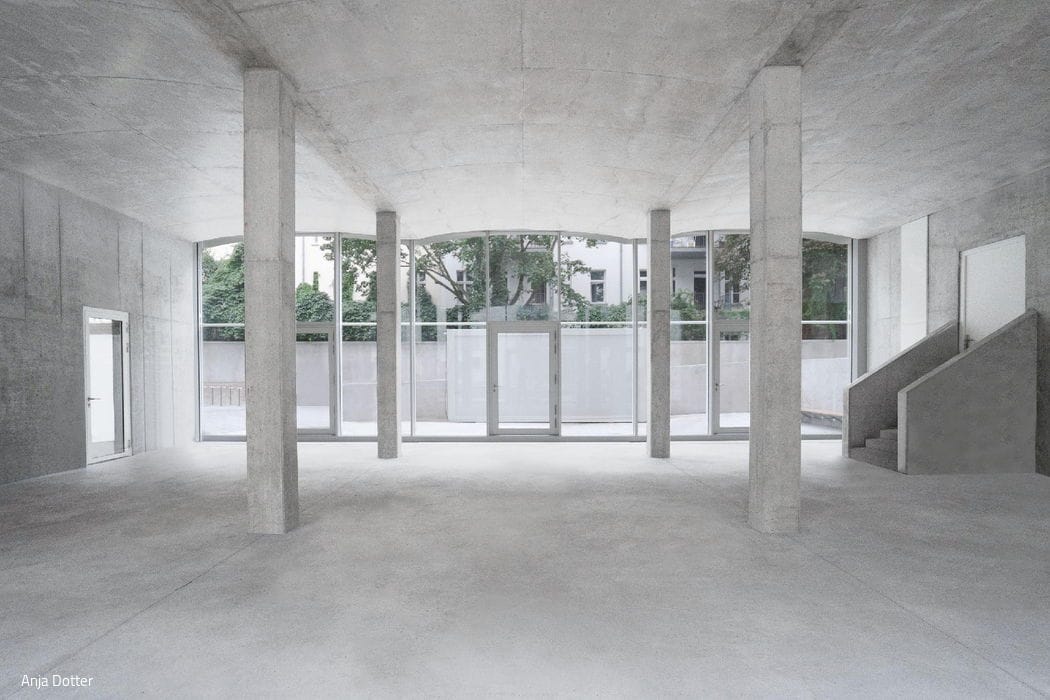
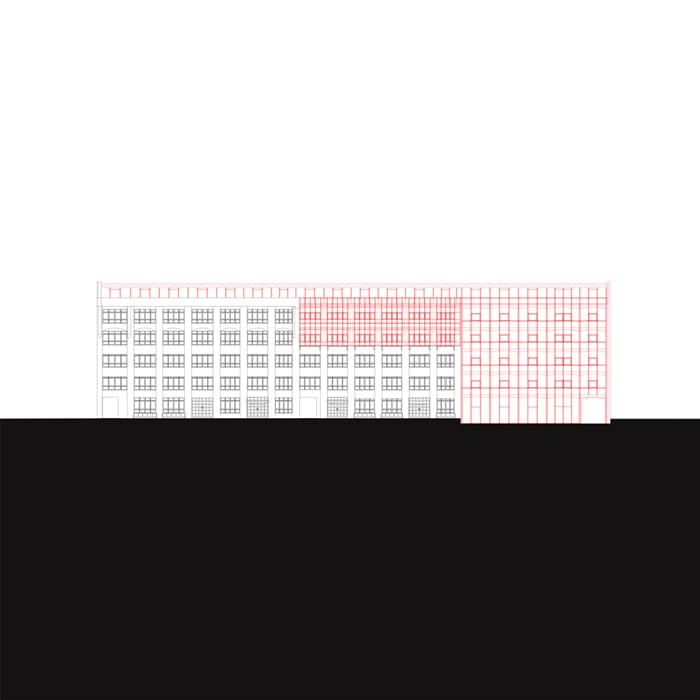
The landmark Gertrudshof industrial building in Friedrichshain bore the scars of heavy bombing during World War II. Of its three original sections, only one survived intact; the second was partially destroyed, and the third was entirely razed. In 2019, a development team partnered with two Berlin-based architectural practices—Studio Julian Breinerdorfer and Rimpau Bauer Derveaux—to undertake a comprehensive reconstruction of the entire complex.
Originally home to a carpentry workshop, the building now serves as Nike Europe's new headquarters. The intact northern façade underwent meticulous restoration, deliberately preserving visible traces of wartime damage as historical testimony. Inside, the brick vaults were carefully sandblasted and rehabilitated. The partially compromised middle section received a new upper level with concrete vaults, replacing its original masonry curves. The new black façade profile echoes the historical pattern of the original glazed brick exterior. The entirely destroyed eastern wing was reconstructed as a reinforced concrete structure with an extensively glazed façade composed of oversized window elements, complete with concrete vault ceilings. The external solar shading system is concealed behind white façade panels that trace the geometry of the concrete vaults. A new roof extension unifies the three sections and now functions as an accessible roof terrace, constructed with lightweight steel supports and wood to minimize weight.
Ecological responsibility shaped every detail of the design. To minimize energy consumption, the team eliminated mechanical ventilation entirely. The textile sun protection system and the thermal mass of the concrete substantially reduce cooling demands. Window glazing incorporates solar protection coatings, while automated night-time ventilation provides fresh air circulation. The flat roof functions as a retention system, collecting rainwater in storage boxes and releasing it gradually into the sewer network. Rooftop vegetation further captures and manages moisture.
www.julianbreinersdorfer.com
www.rimpaubauerderveaux.com
Photography Credits:
Anja Dotter
Max Schroeder
www.max-schroeder.com
Branislav Jesic
www.branislav-jesic.com
(Published in CUBE Berlin 03|21)

Historic Splendor Restored
Historic Showrooms and Sales Spaces—Restored to Their Original Character

Recycled Industrial Heritage
The Historic Osram Courtyards Transform into a Mixed-Use Development
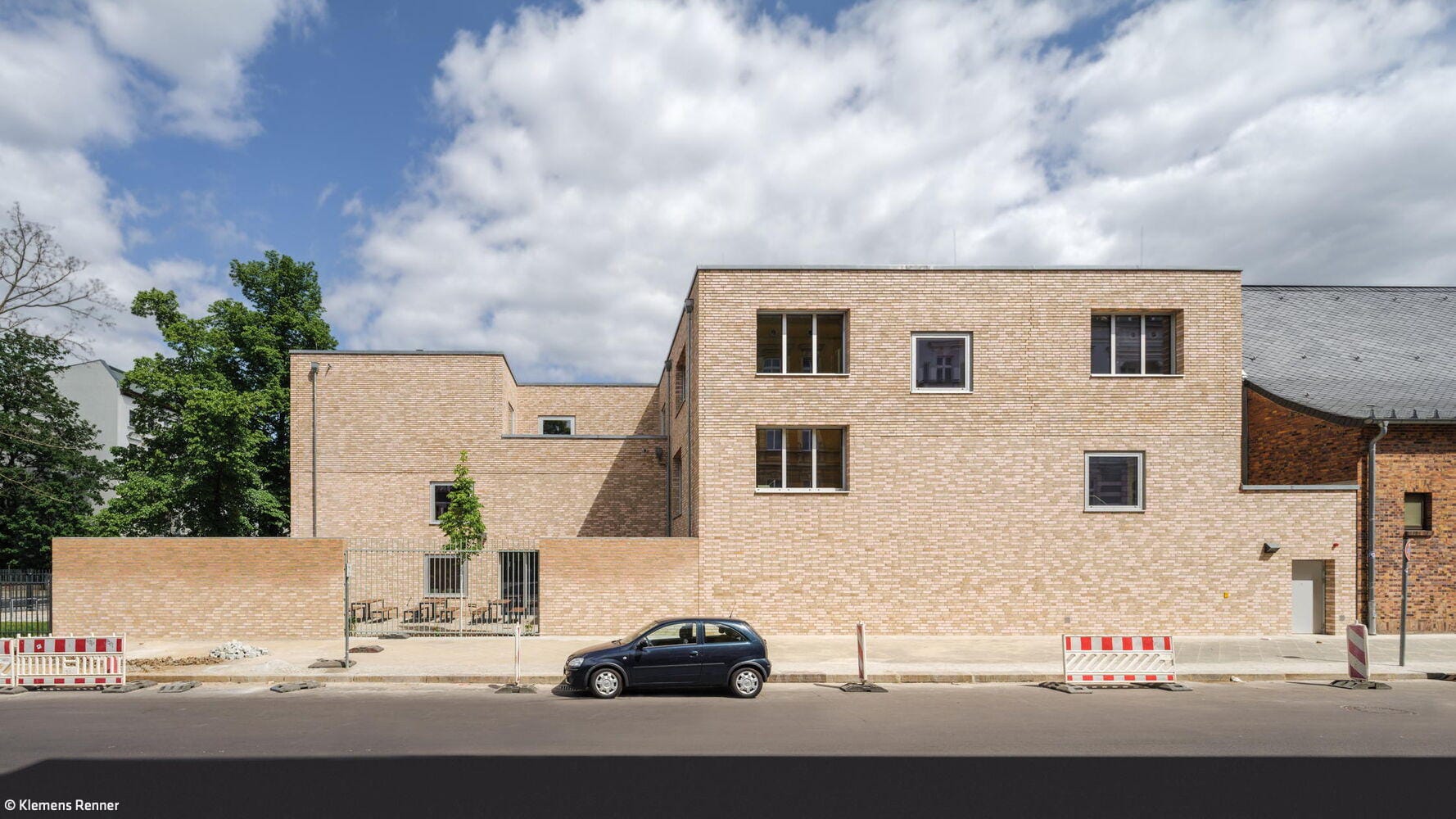
New Meeting Place for Kids
The ‘Neue 18’ – a youth leisure centre in Spandau’s Neustadt district

Talent Intuition Calling
Gisbert Pöppler is highly sought after for creating distinctive, memorable interiors.