


Luminous—destined for patina
Sustainable renovation and roof extension create sophisticated urban living space
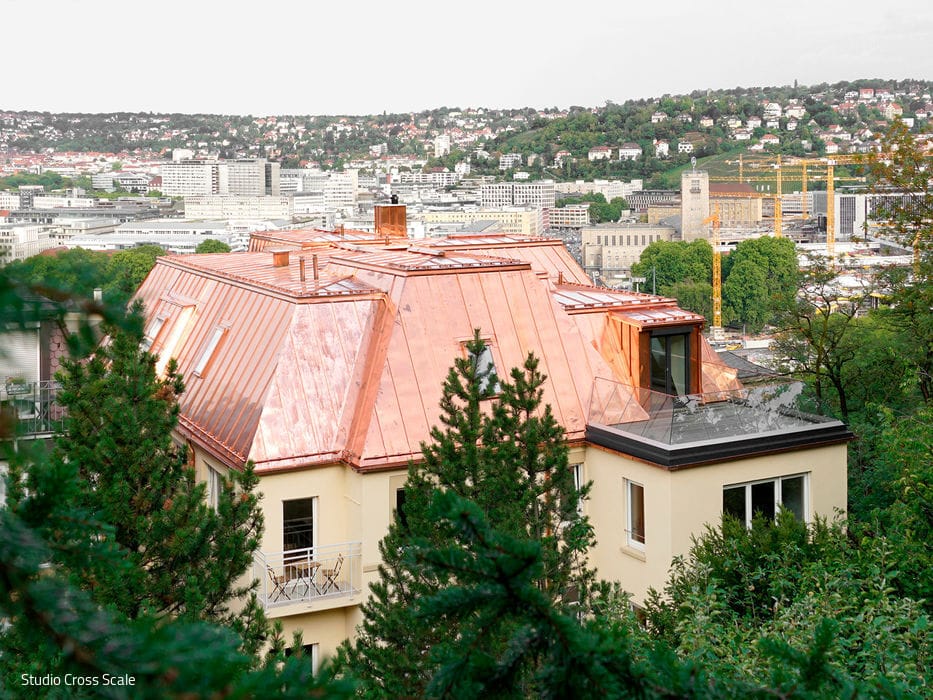
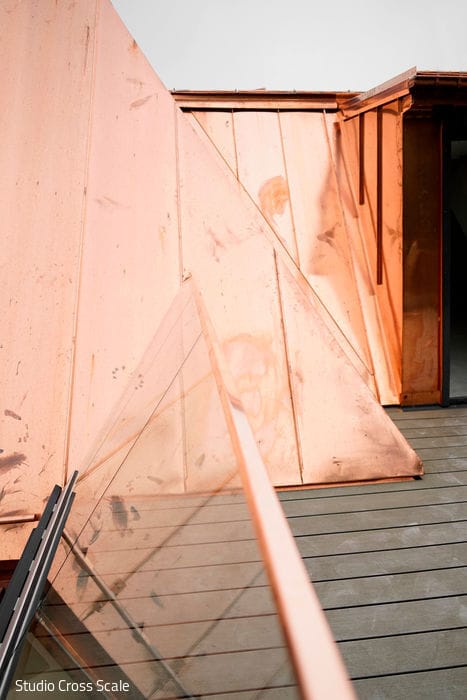
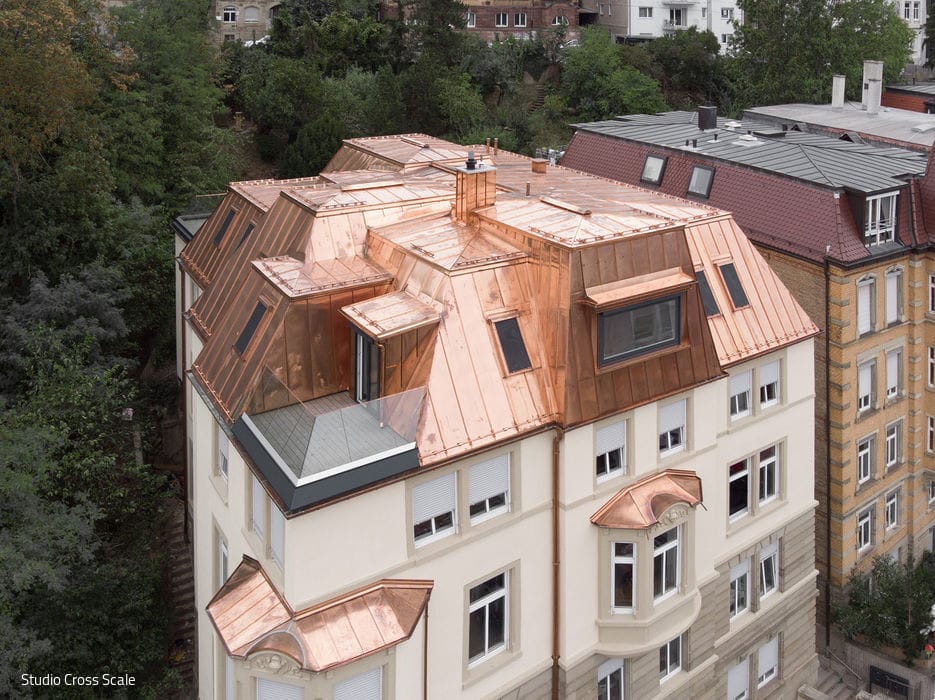
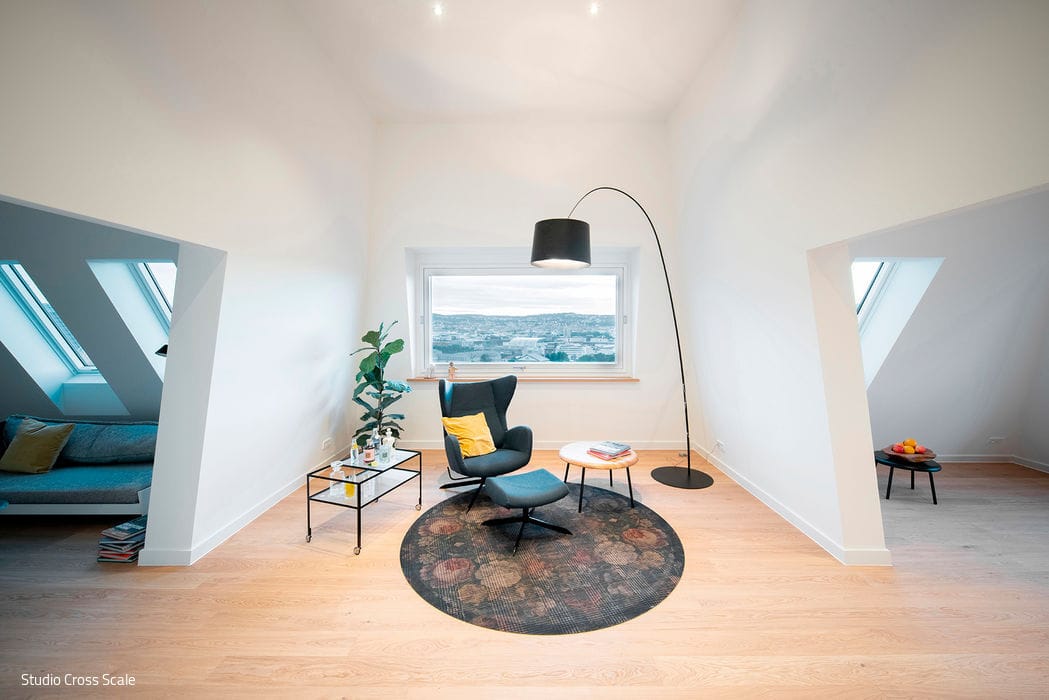
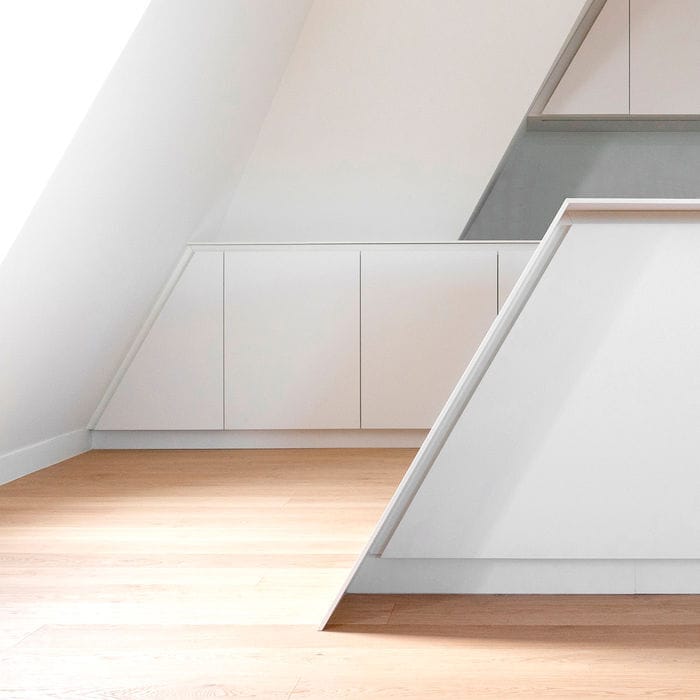
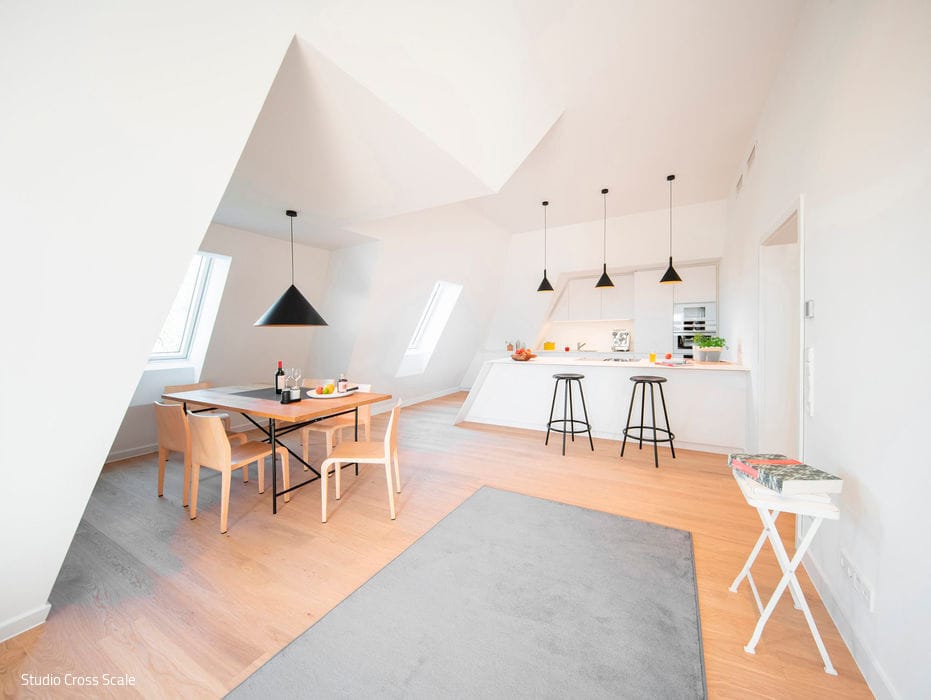
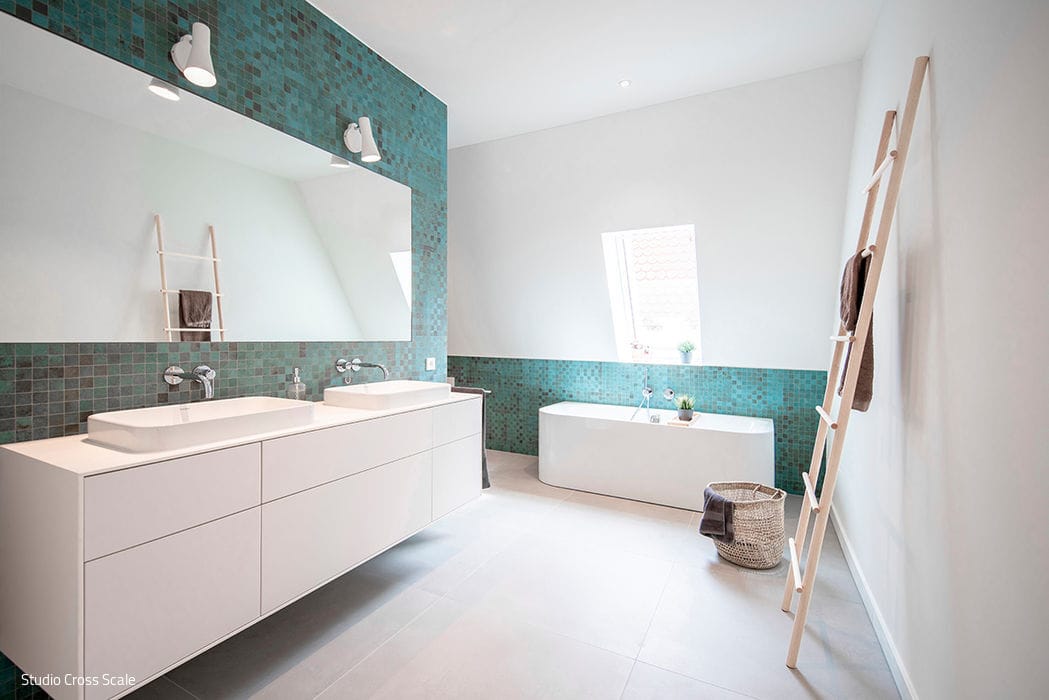
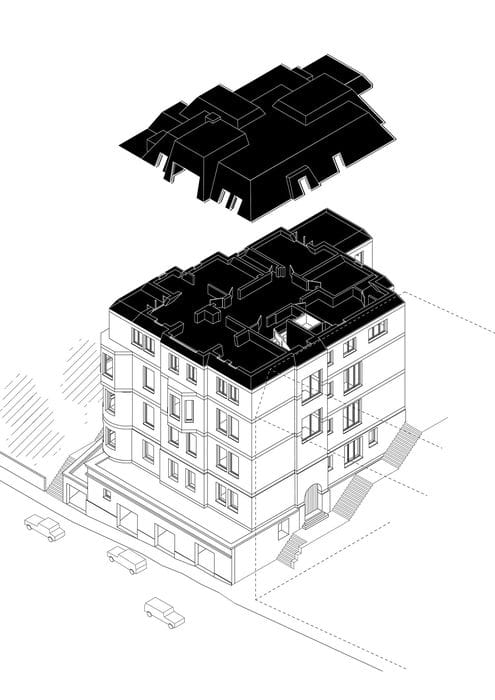
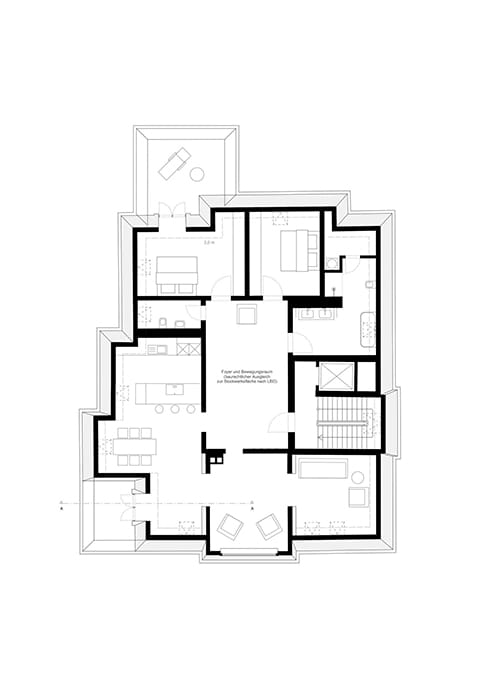
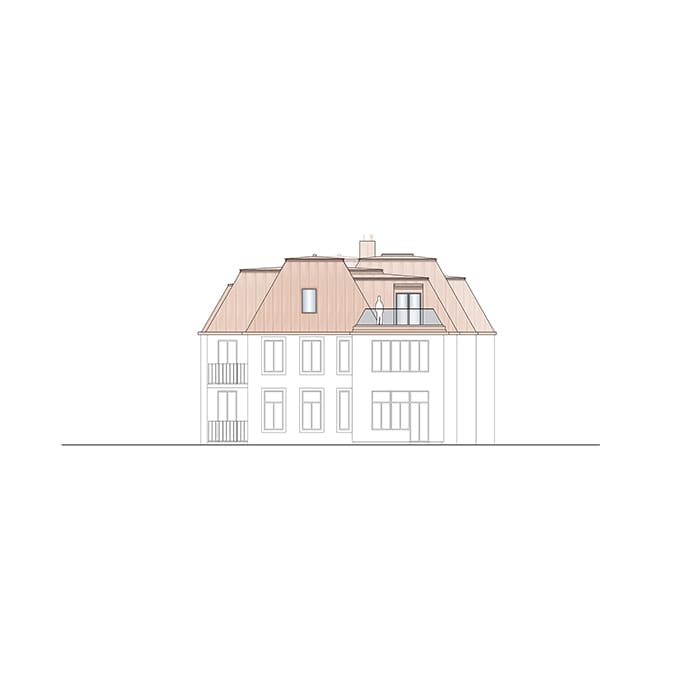
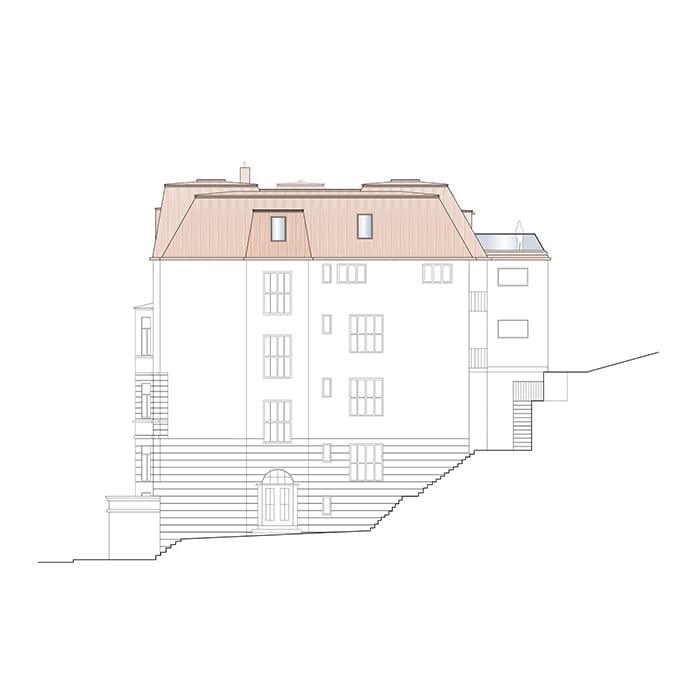
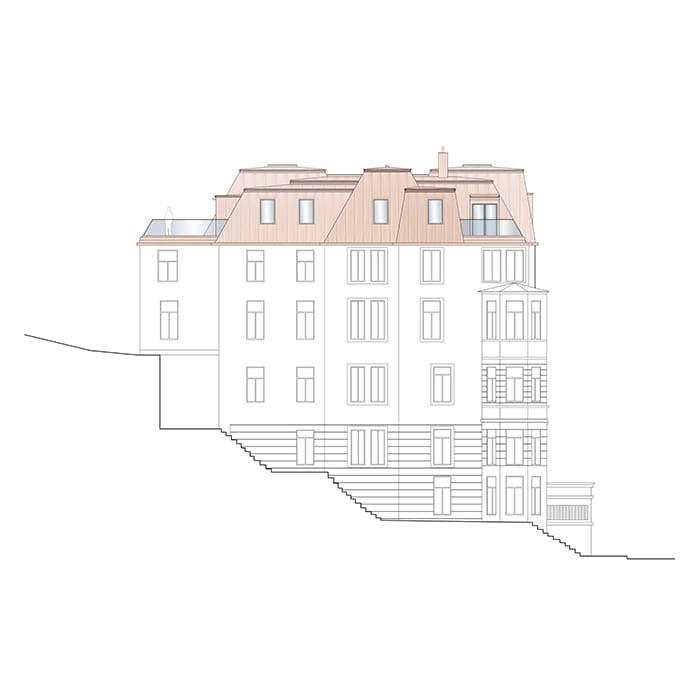
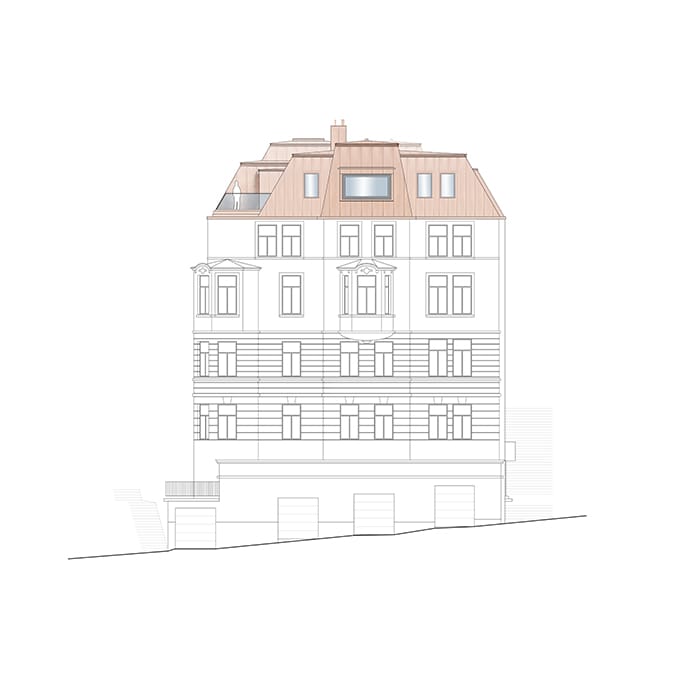
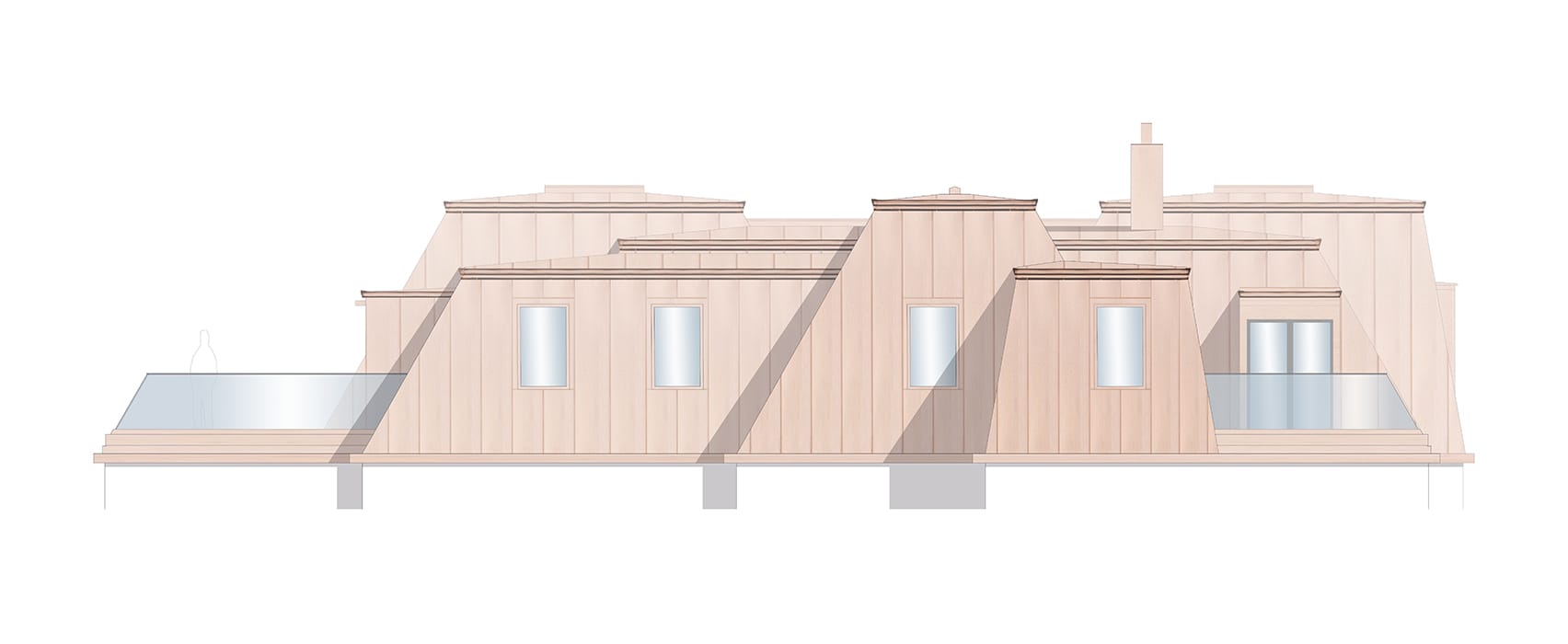
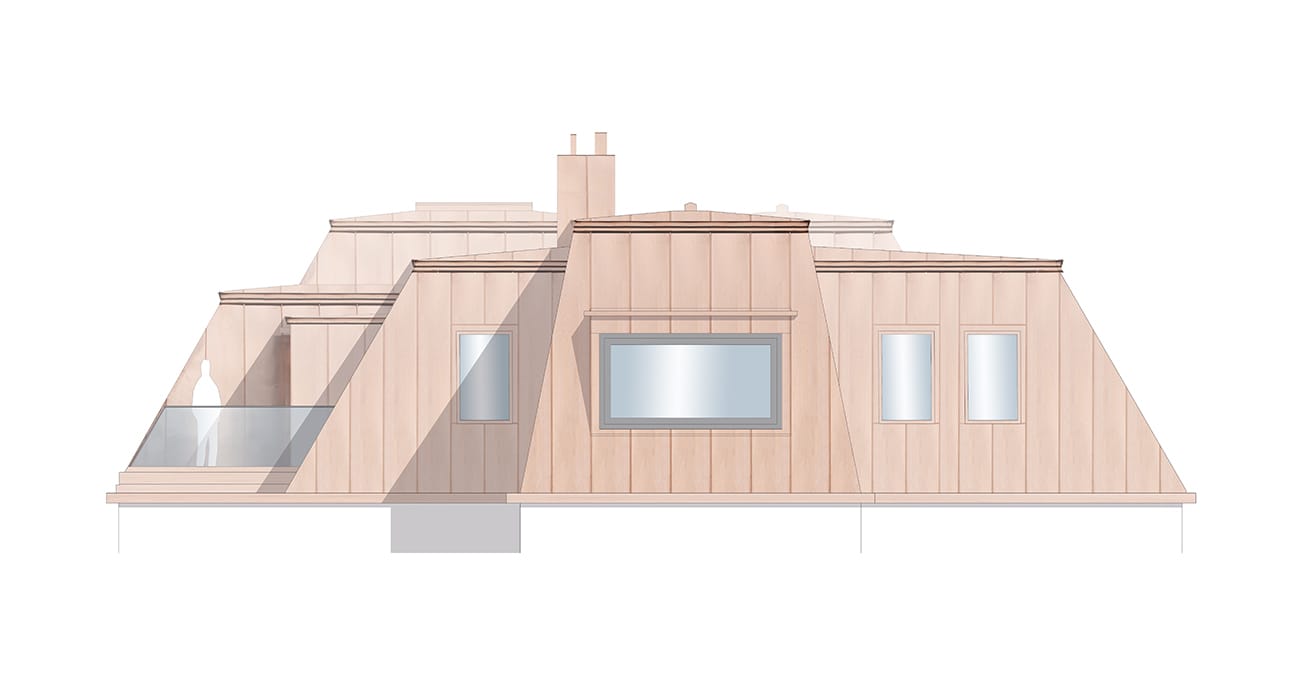
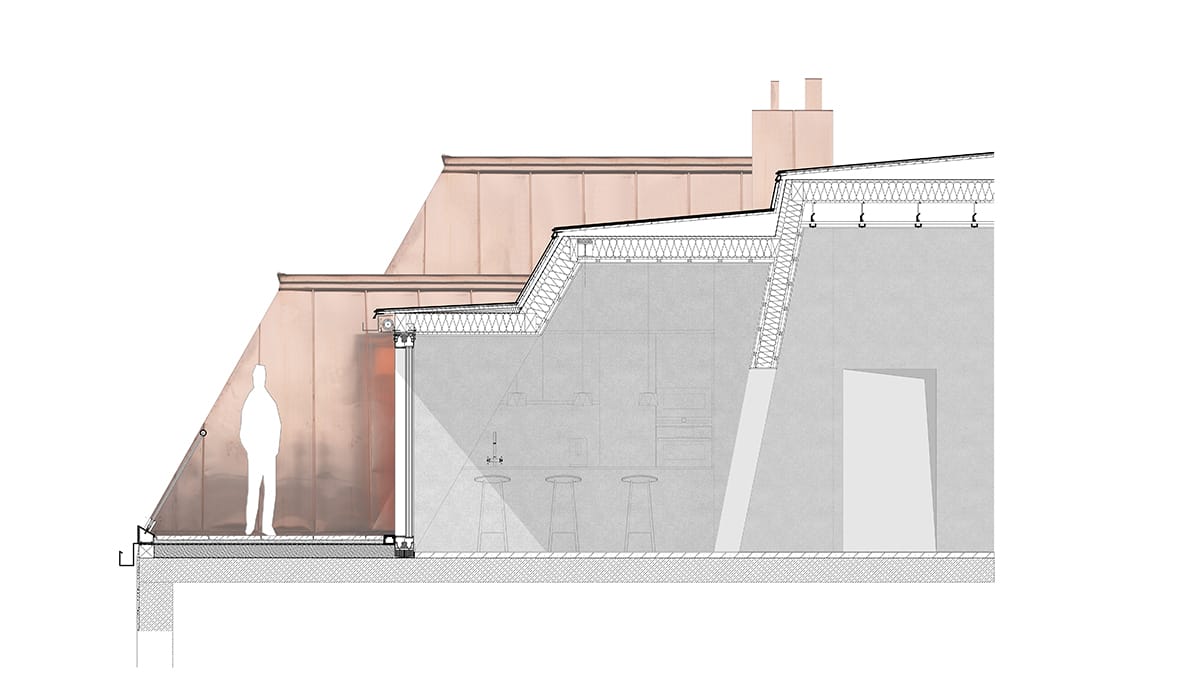
Where a gleaming copper roof now crowns a 170 m² apartment with two terraces overlooking the city, there once stood a hastily constructed 1950s gabled roof. The owner of this 1894 Gründerzeit building entrusted architect Sascha Bauer of Studio Cross Scale with its expansion and energy-efficient transformation. Given the pressing demand for urban housing, the strategy was clear: preserve the existing structure while thoughtfully adding new living space. The provisional roof gave way to a new structure that carefully balances historical context with contemporary building codes—and articulates what architects call the "fifth façade." Clad in copper, this new roofscape will gradually develop the natural patina that ties it gracefully into the hillside building ensemble. The planners were adamant: the extension had to be executed with traditional craftsmanship and built to last. A timber frame with recycled cellulose insulation—no adhesive composites—supports a standing-seam copper shell. This layered approach accommodates natural movement across changing climatic conditions. As a cold roof with a ventilated cavity, it sheds excess heat and condensation, ensuring durability for decades. Should decommissioning ever be necessary, every component—timber, insulation, copper—can be separated and recycled. The heating system presented its own challenge. Years of reliance on coal, oil, electricity, and gas needed to give way to sustainable energy. The solution had to meet building codes without compromising the historic sandstone façade. Photovoltaics were ruled out on aesthetic grounds; geothermal energy proved impossible due to the traffic tunnel below. Instead, a biogas-powered combined heat and power plant sits in the basement, capturing waste heat for space heating while feeding surplus electricity back into the grid for neighboring residents. Bicycle and car charging stations complete the picture. Inside, the ground and first floors house renovated commercial spaces; the second floor was converted into two apartments; the third floor apartments were thoroughly modernized. A new seven-story elevator now ensures barrier-free access throughout. Notable details survive from earlier interventions—the linoleum staircase flooring, iron railings, and original windows remain, anchoring the building to its past.
Photography Credits:
Studio Cross Scale
(Published in CUBE Stuttgart 01|22)
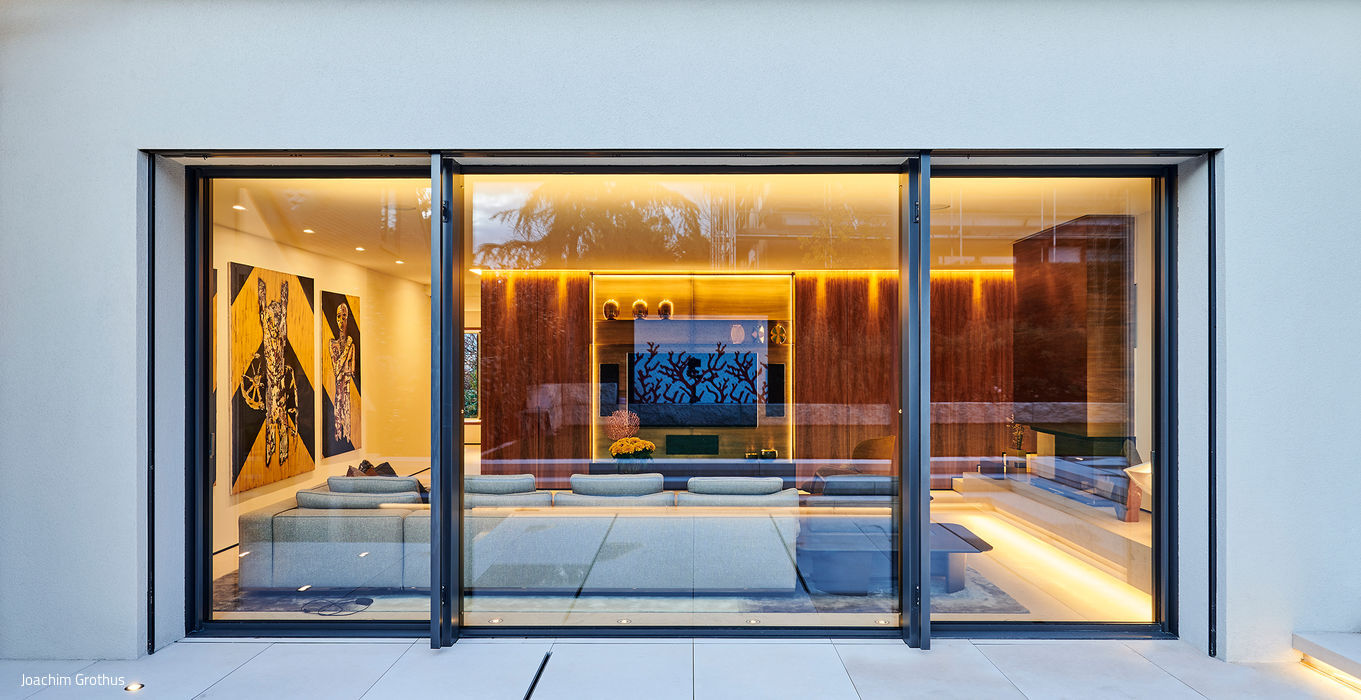
Colour, form, and light
A renovated 1980s residence with refined lighting design
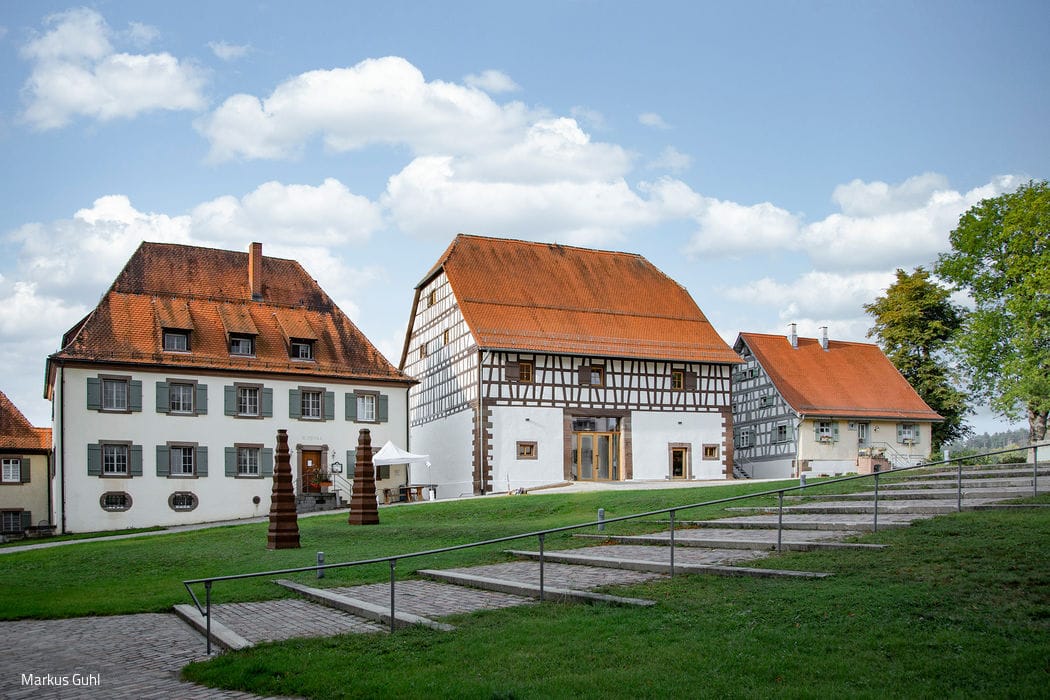
Adaptive heritage spaces
An 1824 barn reimagined with restrained intervention—now a vibrant centre for gathering.
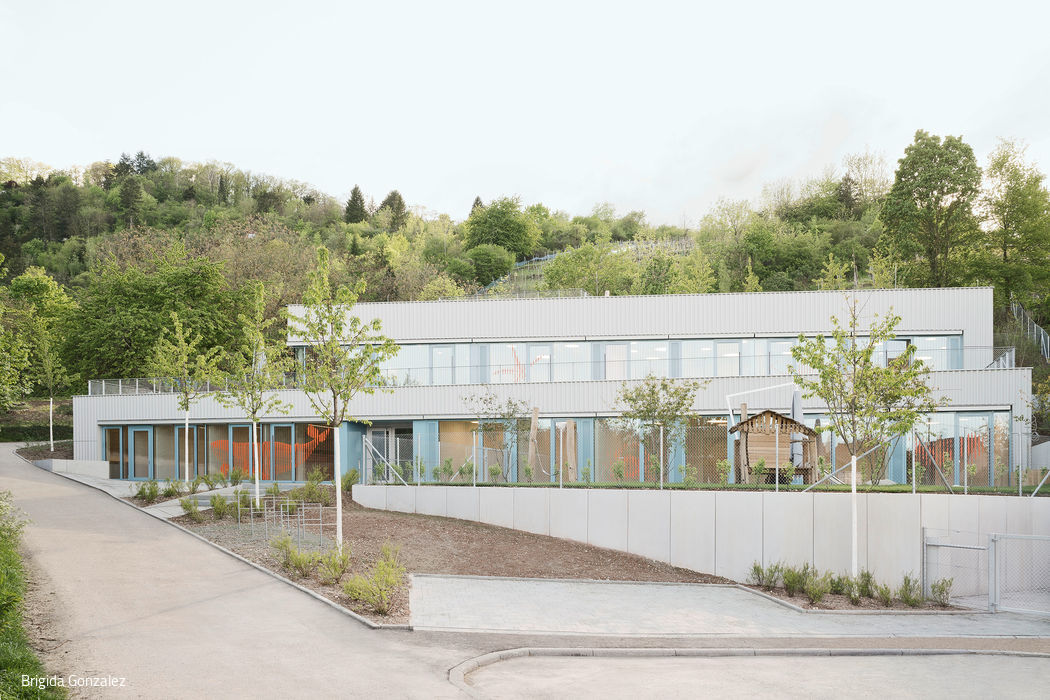
On the Sun Deck
A daycare centre that integrates naturally into the hillside landscape, creating nature-inspired play spaces with expansive views.
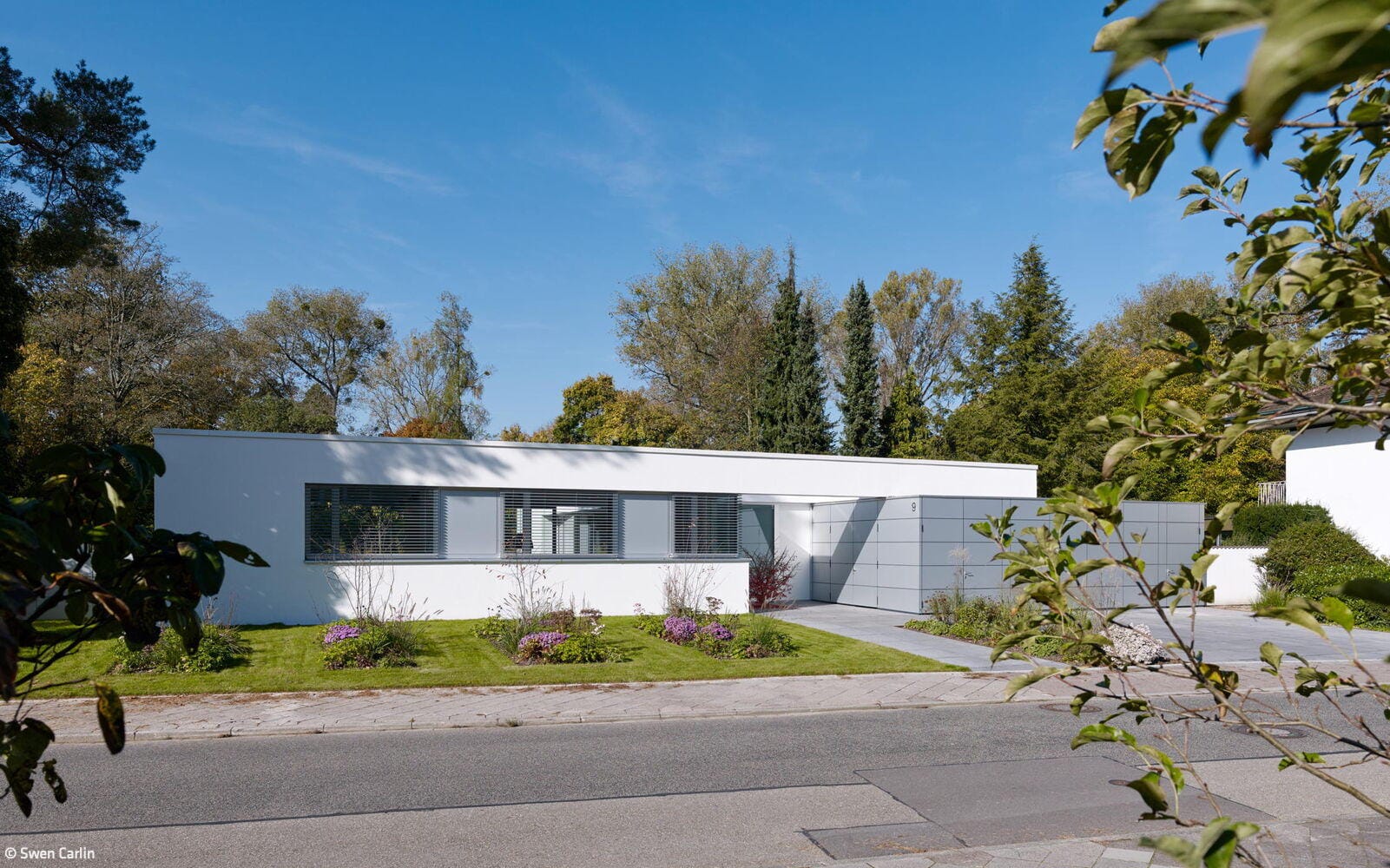
Grounded Elegance
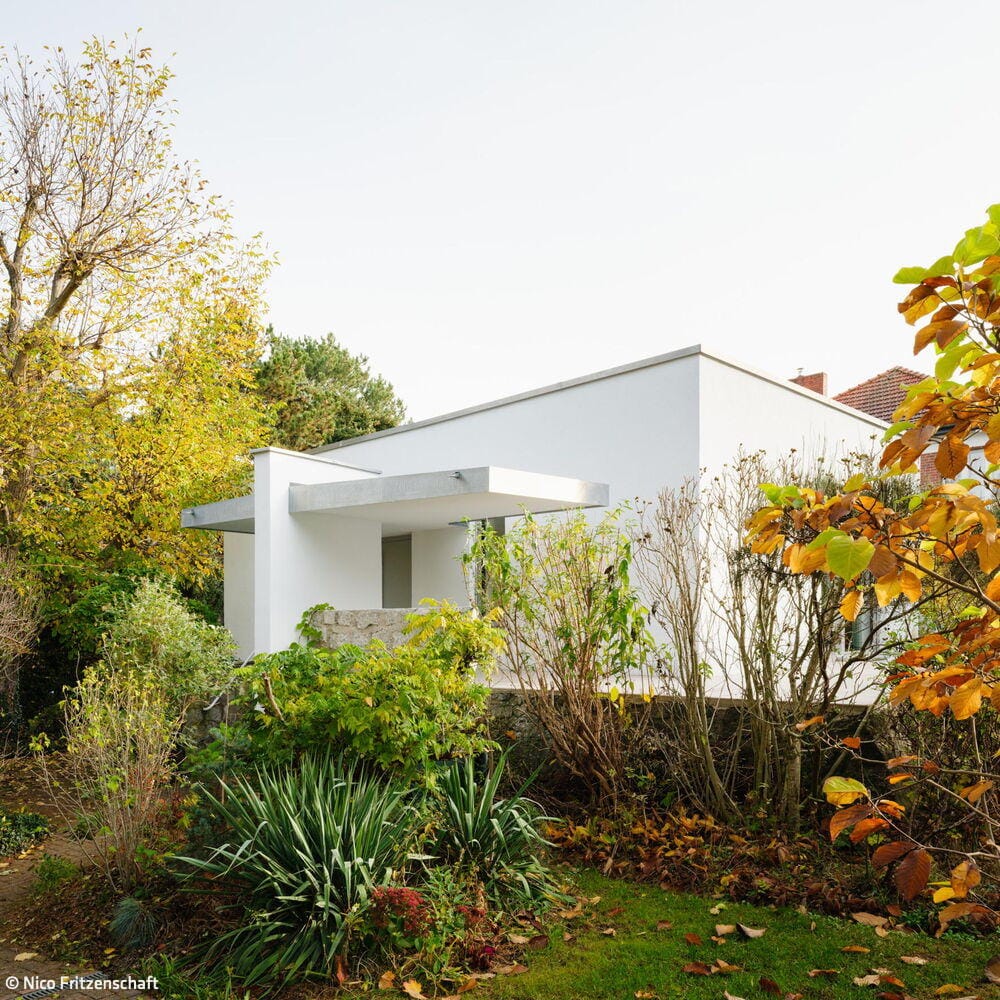
Angular bungalow anchored on a plinth with courtyards that define a protected garden sanctuary