


A Self-Assured Monolith
The new Remchingen Town Hall emerges as a striking modern civic building
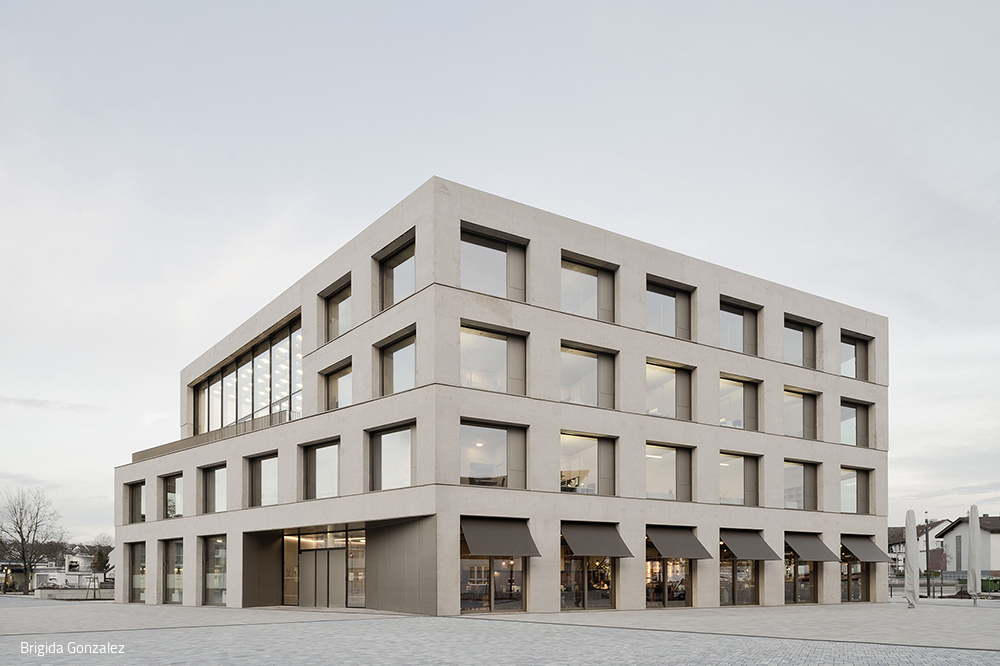
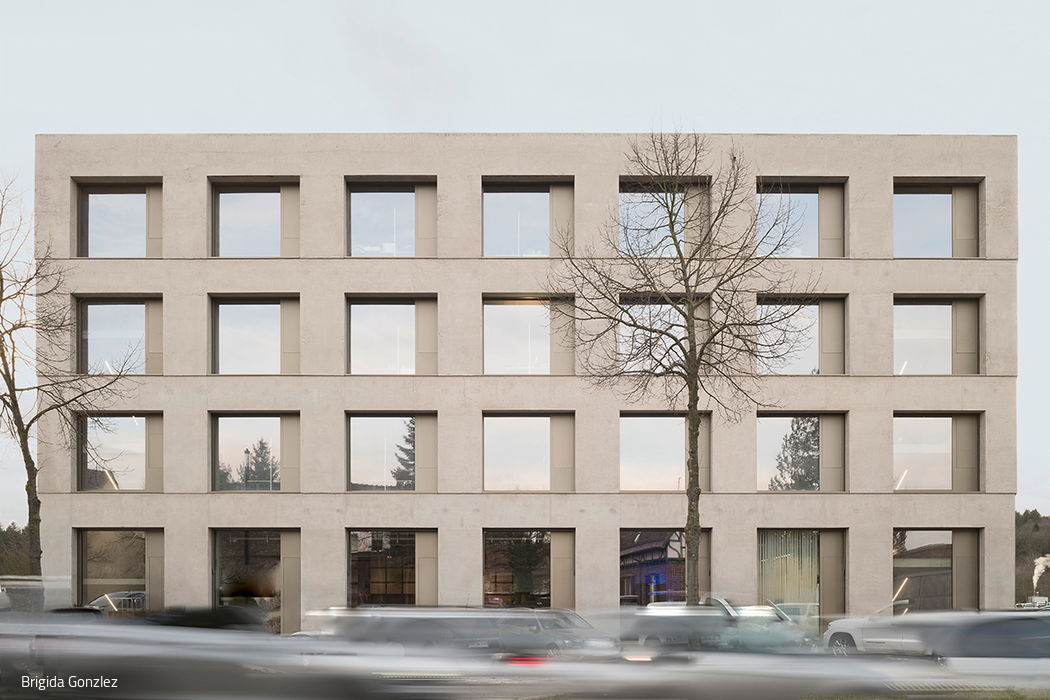
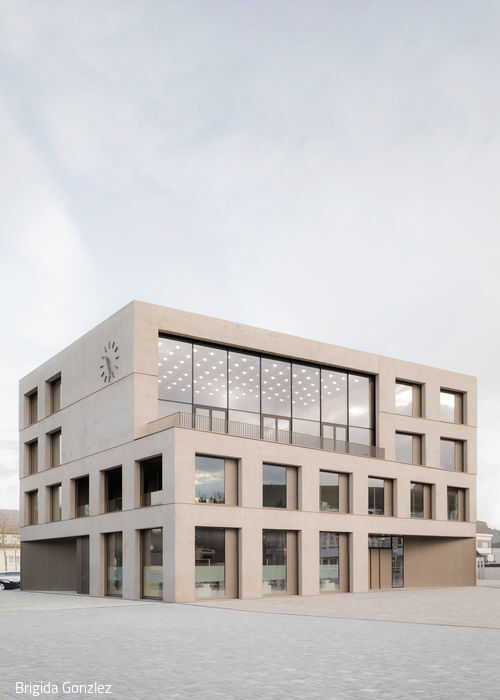
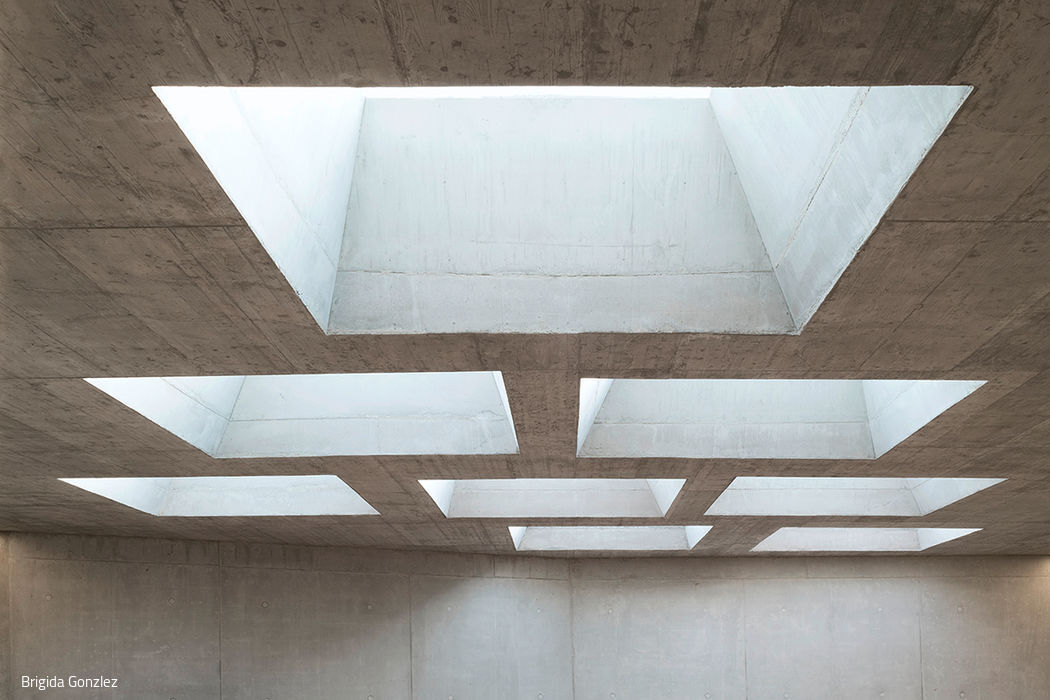
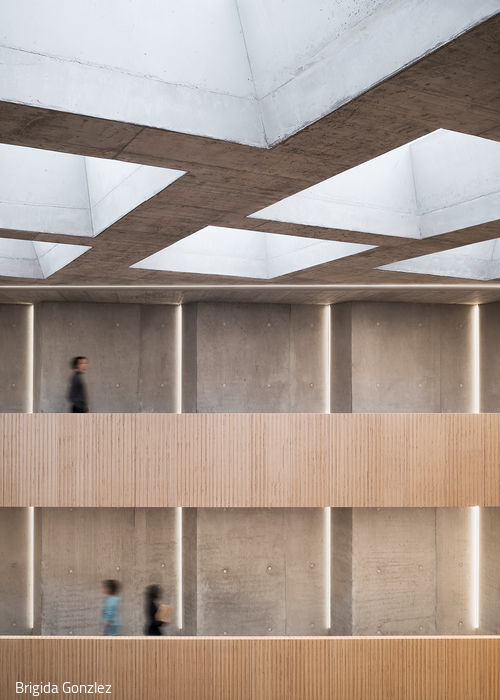
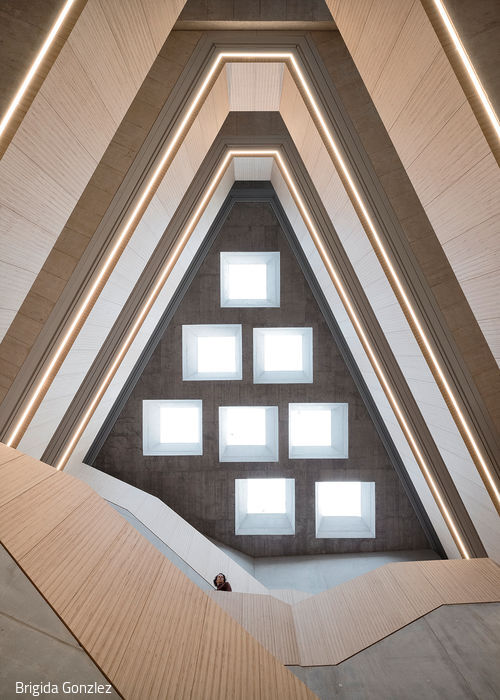
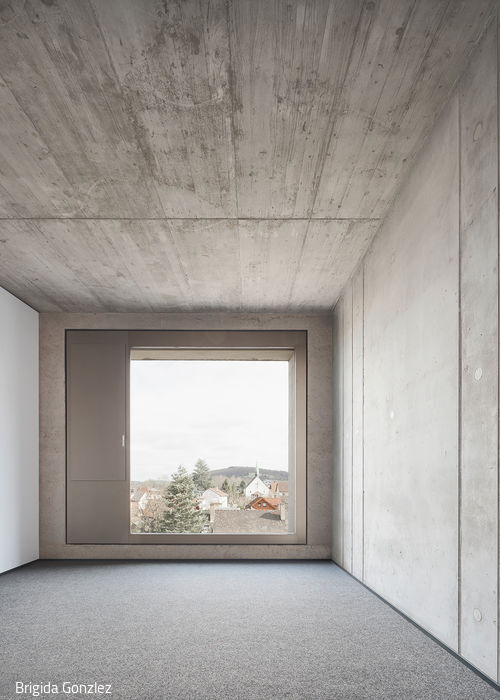
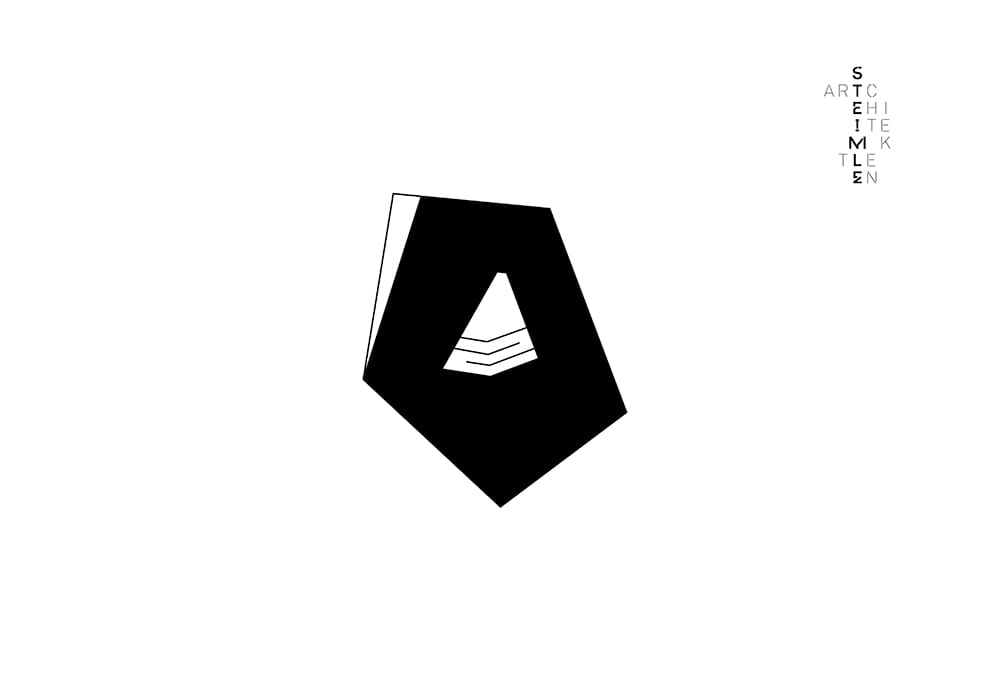
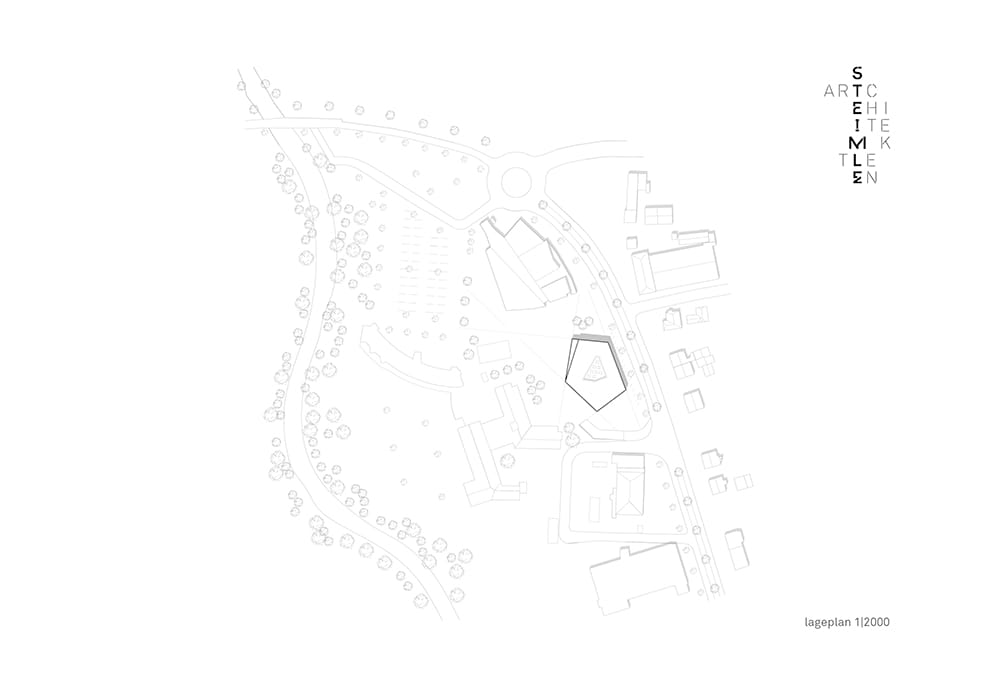
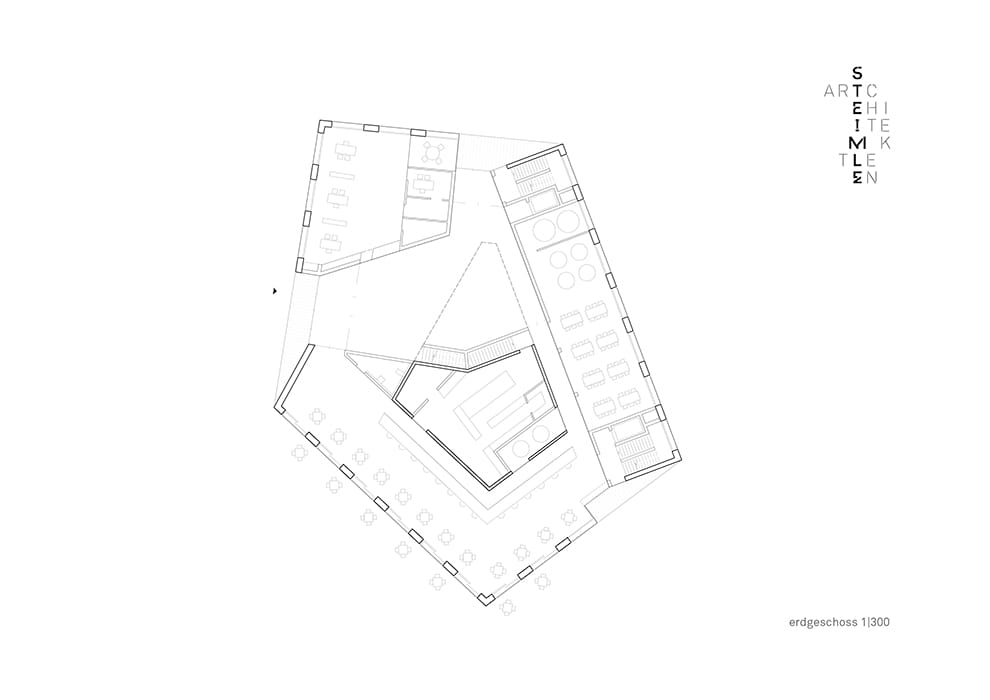
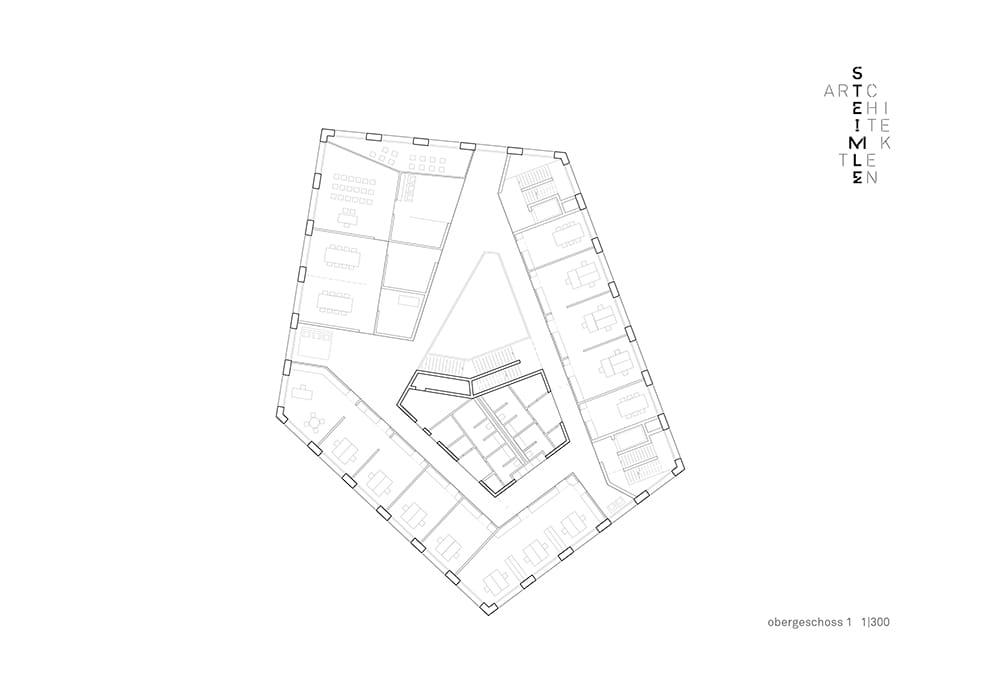
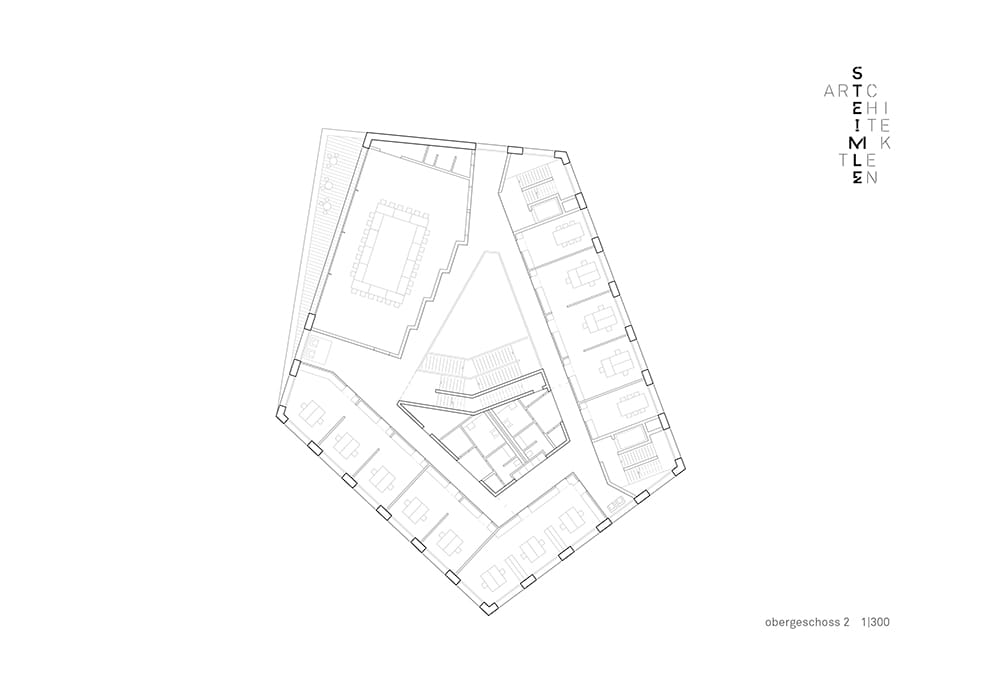
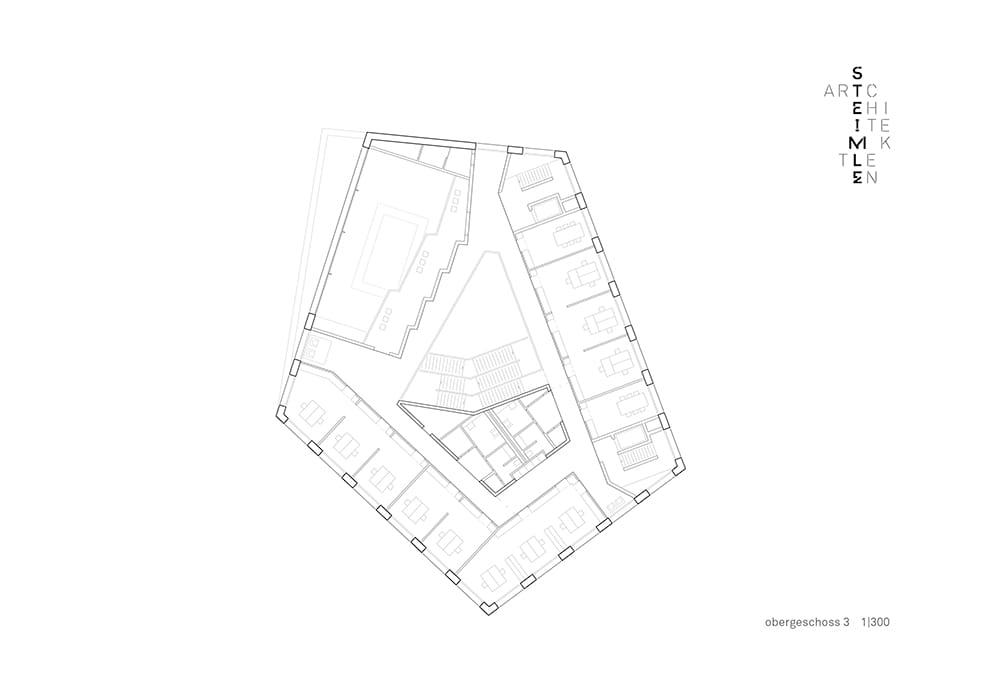
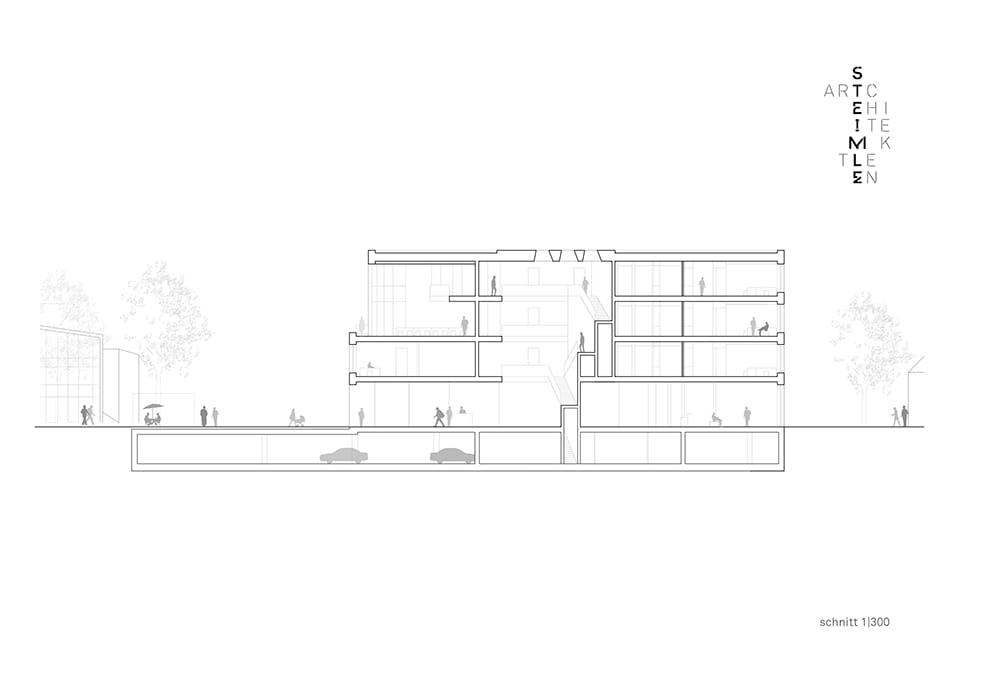
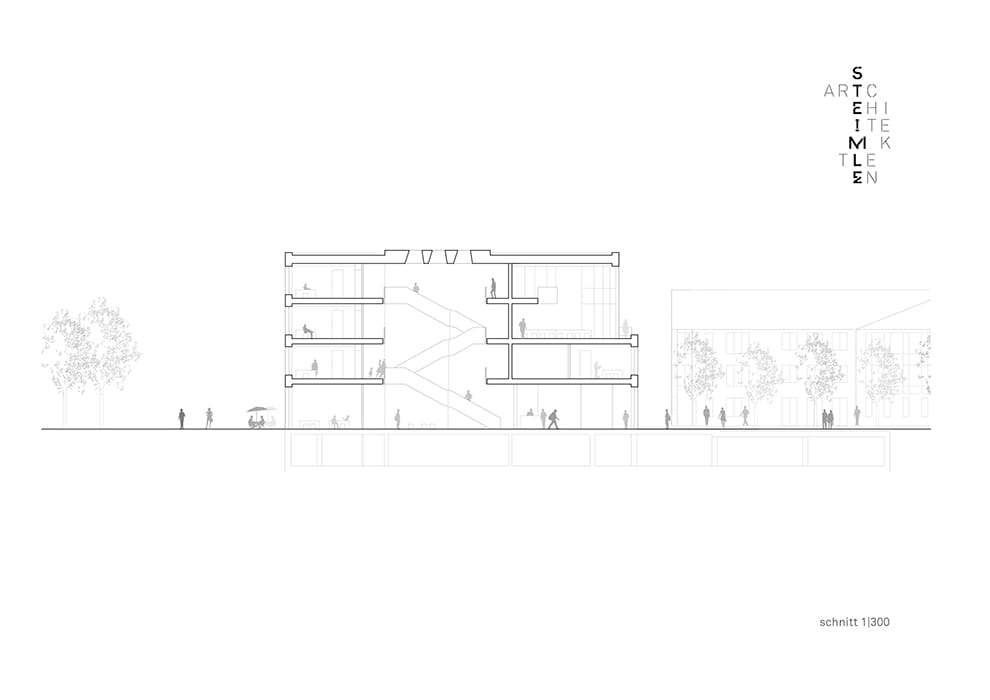
Situated prominently between the B10 federal highway and the green spaces of Schlossbad and Pfinz, Remchingen's new Town Hall—designed by Stuttgart-based Steimle Architects—commands attention as a striking and confident civic landmark. Clean lines and rhythmically spaced square windows define its façade of pigmented exposed concrete. The recessed upper floors on the west side and the interplay of extended windows at ground level and before the council chamber lend this solid monolithic structure, completed in 2020, an unexpected lightness and distinctive character.
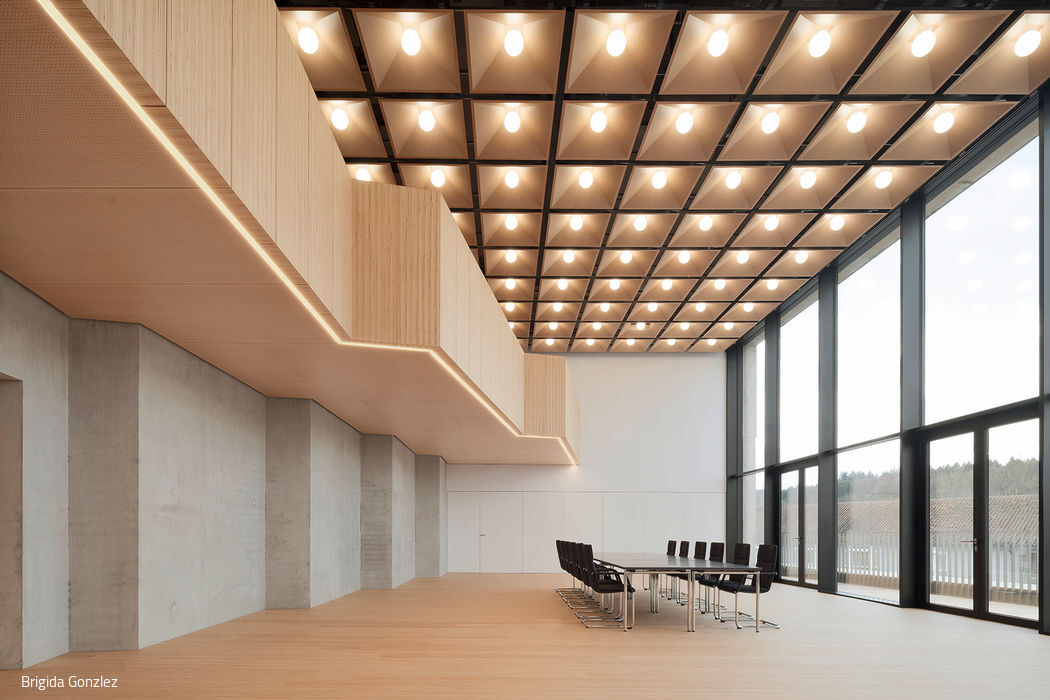
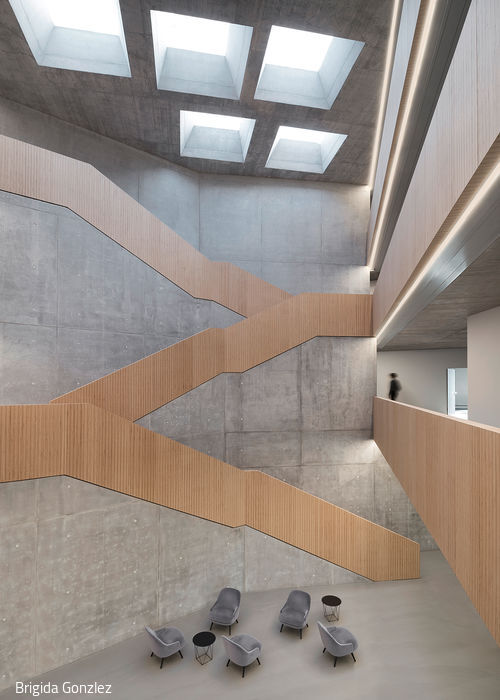
Worth noting: this pentagonal urban structure has no back façade. Conceived as a "mediator" between existing structures—the Remchingen cultural hall and nursing home—it bridges the gap between them seamlessly. The building's form responds precisely to the spatial dynamics around it, anchoring a new civic center for Remchingen through its architectural presence. Open to the public realm, it functions as both a citizens' house and a vibrant hub for community exchange. Like a massive stone, the multifunctional structure of solid insulating concrete sits confidently on the well-proportioned plaza. Even from the outside, its varied functions read clearly: the ground floor houses the foyer with citizen services and an expansive dining area; the first floor features the new wedding hall with its city loggia; and the second floor contains the impressive two-story council chamber, oriented toward views of the nearby Pfinz. Inside, natural light floods through generously, welcoming visitors with an interior geometry that mirrors the exterior façade—including square skylights that frame views of the sky. To embody the spirit of an open public house, the spaces flow continuously around an imposing exposed concrete atrium, creating a unified spatial experience.
A six-step open staircase with two landings rises from here to the upper floors, its counterflow design creating dynamic movement. The palette is deliberately restrained—parquet in the wedding hall, concrete-grey flooring throughout the remaining spaces, and stoneware tiles in the foyer. All wall and ceiling surfaces showcase exposed concrete, which combines seamlessly with light timber elements—stair stringers, galleries, and platforms—to create a cohesive architectural expression.
Photography Credits:
Brigida González
www.brigidagonzalez.de
(Published in CUBE Stuttgart 03|21)

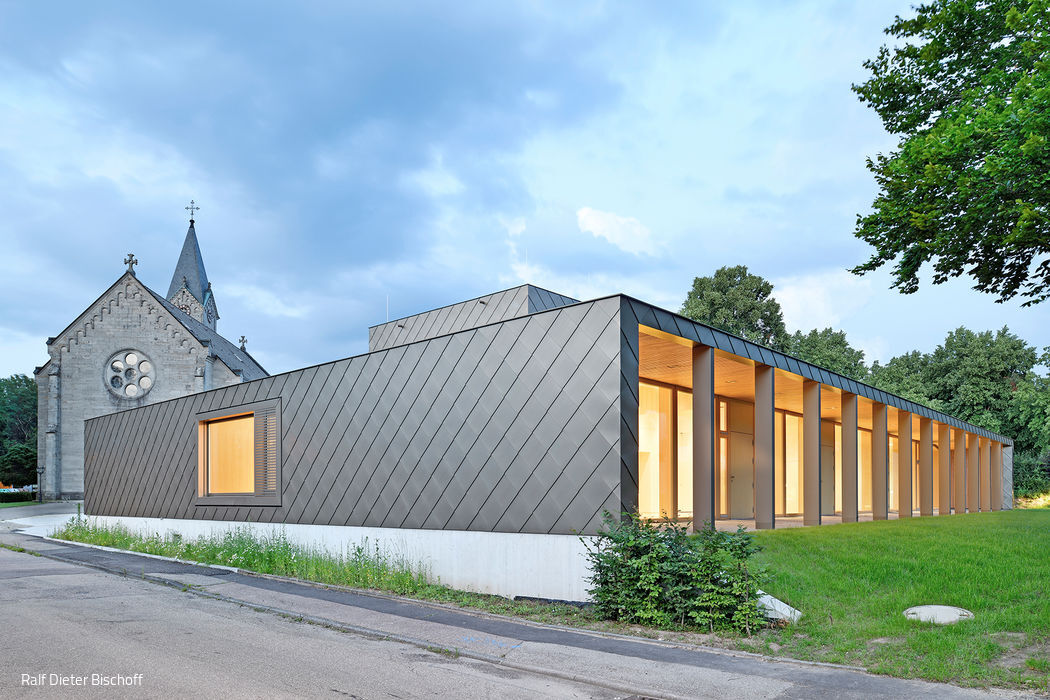
Order and Connection
A Sculptural Timber Structure with Metal Cladding Becomes the Focal Point of a Parish Community
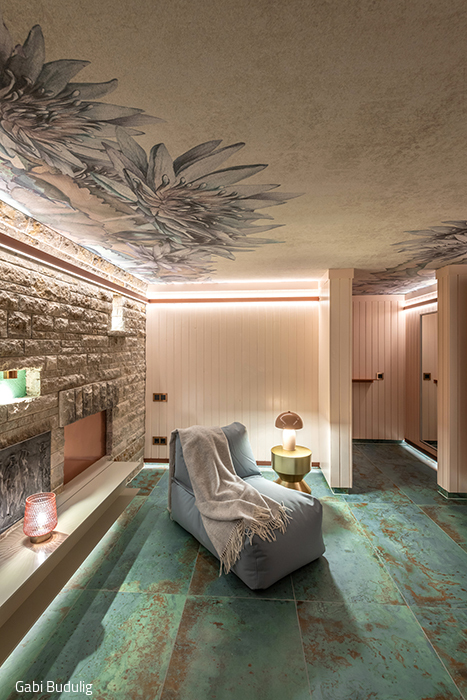
Escape and Unwind
A 1960s private sauna evolves into a sophisticated wellness retreat
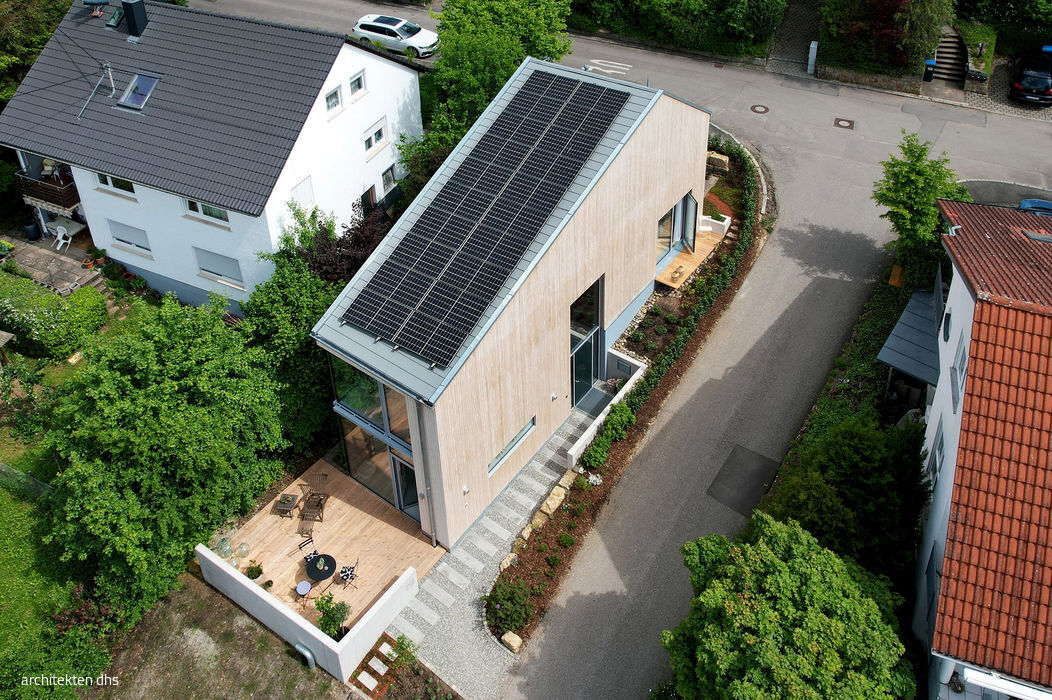
Narrow Elegance
A single-family home that transforms the site's extreme constraints into unexpected spatial richness.
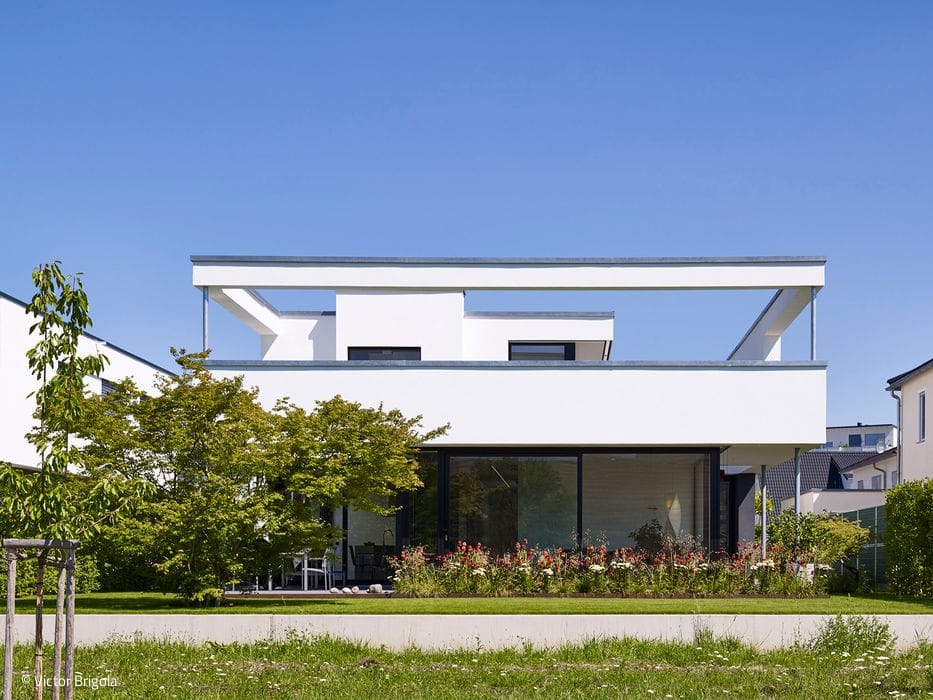
Living with Vision
A new single-family home balancing privacy with prospect – sheltered spaces and expansive views