


Less is more
The new Reinoldi Secondary School in Dortmund positively influences the learning environment
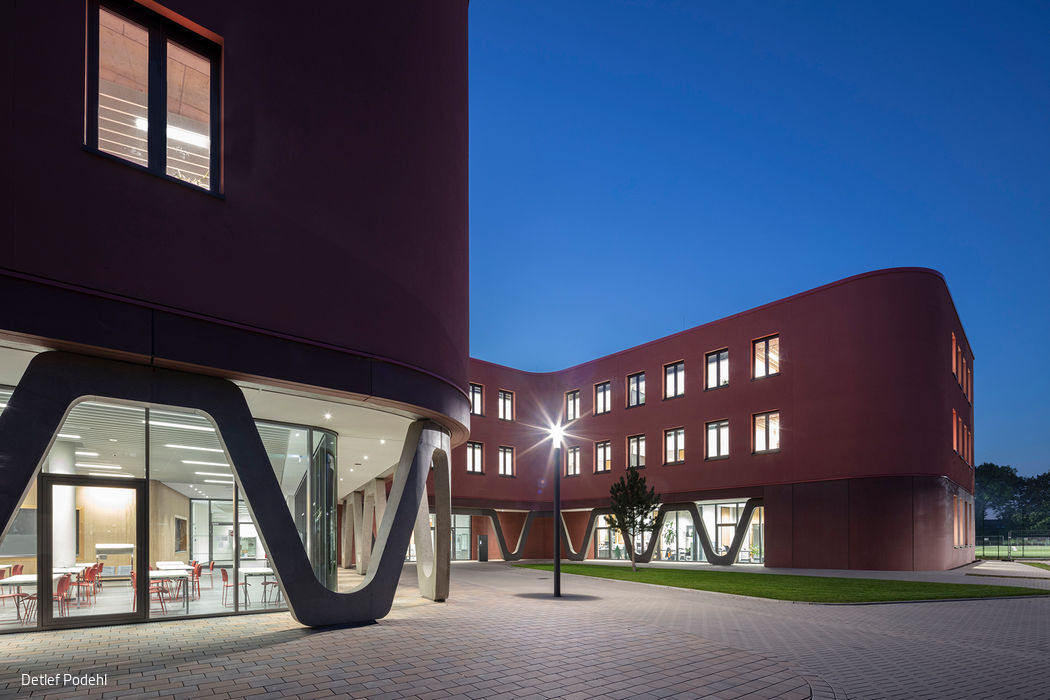


Evolving pedagogical approaches and new interpretations of teaching methods prompted the City of Dortmund to evaluate both the site and the aging main building of Reinoldi Secondary School—which had been expanded multiple times over the years—in terms of future viability. The analysis concluded that a new building was necessary and the existing structure should be demolished.
The newly conceived U-shaped building by architectural firm SSP presents itself invitingly toward the schoolyard, yet is positioned further back on the campus grounds, away from the street. Together with the two existing gymnasiums and the science wing extension, the new main building forms a unified urban ensemble. The complex is articulated—visibly expressed through its façade and materiality—in the vertical dimension. The foyer, cafeteria, and recreation center form a multifunctional communication hub on the ground floor. The new school administration area connects directly to this open forum. The two upper floors house 18 classrooms with individual and collaborative spaces organized in contiguous clusters. The corridors gradually expand into conical independent learning zones and lead toward a central patio garden. The upper floor features a library with views across the campus and a roof terrace overlooking the adjacent fields and woodland, both serving as outdoor learning areas. Beyond the first educator (teacher) and the second educator (fellow students), the building itself functions as a crucial third educator, profoundly shaping the new learning environment. Another foundational principle is "grey to green," which previously informed the concept for the reconstruction of Dortmund-Westerfilde Secondary School. This framework addresses how cities, neighborhoods, buildings, spaces, open areas, as well as communication, experience, and creativity should be conceived and designed going forward. The dialogical "grey to green" principle might also be described as "as-is and to-be." The central questions are: What "is" the current state, and what can develop from it? What is worth preserving, and what should change in the future? Sustainability and forward-thinking vision, in all their dimensions, stand at the center. The Reinoldi Secondary School project demonstrates why less can indeed mean more, particularly when examining the raw area and volume metrics side by side. The original building encompassed 36,700 m³ compared to the new structure's 21,800 m³. Key spatial measures—including footprint, gross floor area, and circulation space—have been reduced by more than half in the new design, while paradoxically providing more usable space through the forum, cafeteria, and school administration facilities.
Photography Credits:
Detlef Podehl
www.podehl.com
(Featured in CUBE Ruhrgebiet 04|20)
Individual Intimacy
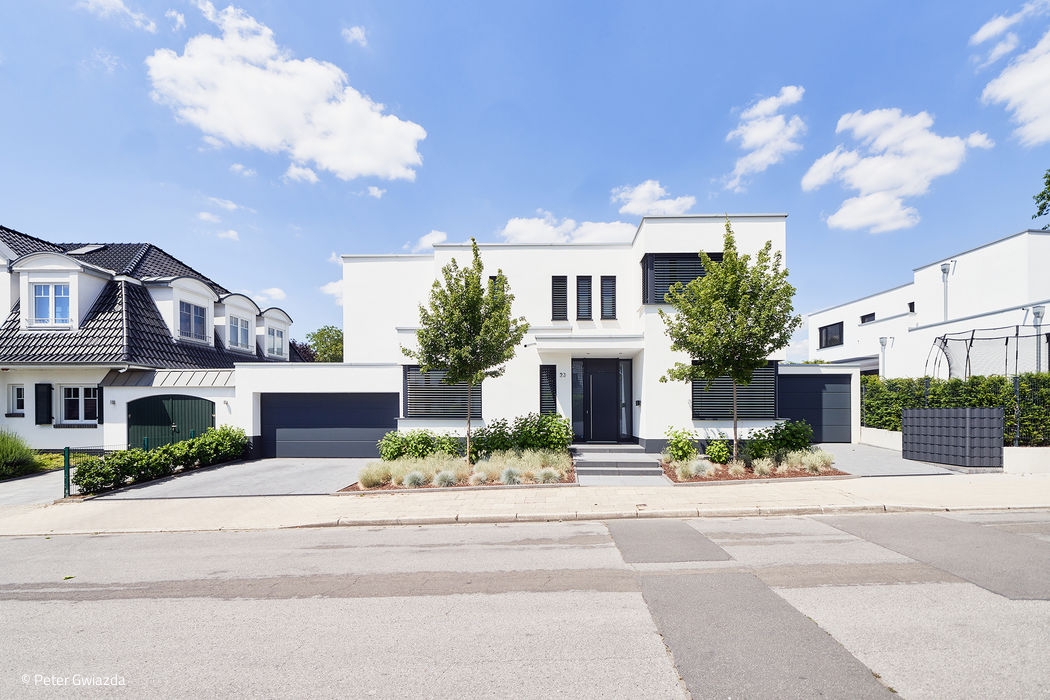
Two Distinct Houses in Essen-Kettwig Create an Integrated Urban Ensemble
Designed for Leisure
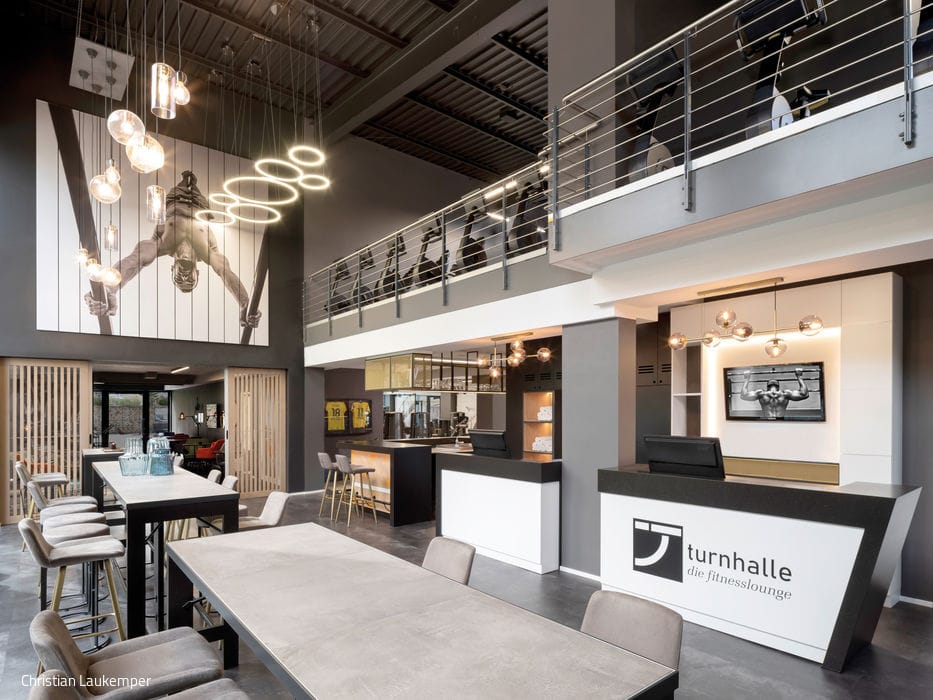
Dortmund Fitness Lounge Reimagined as a Wellness and Performance Destination
Thoughtful Staging
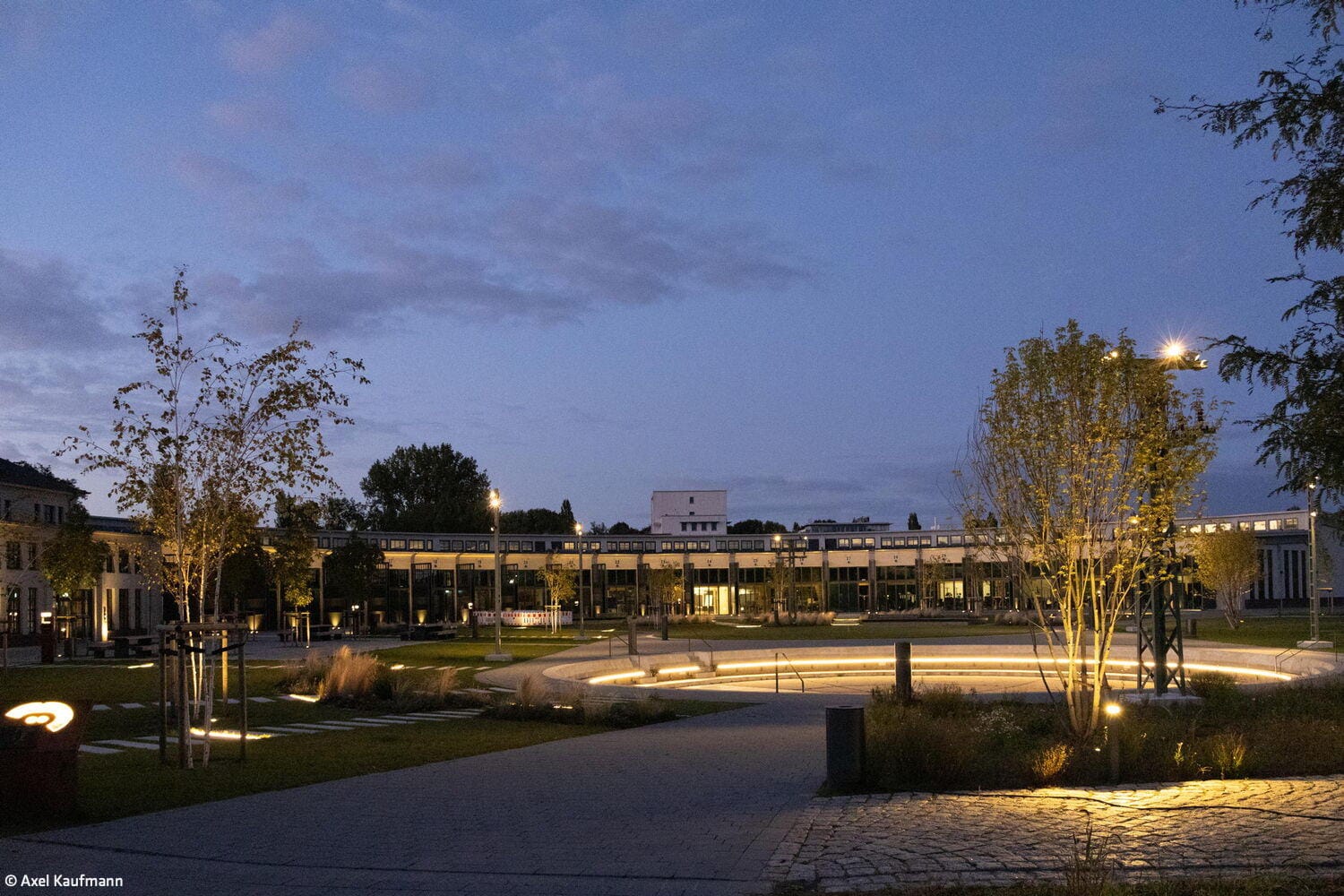
Sophisticated lighting design illuminates the transformation project in its best light
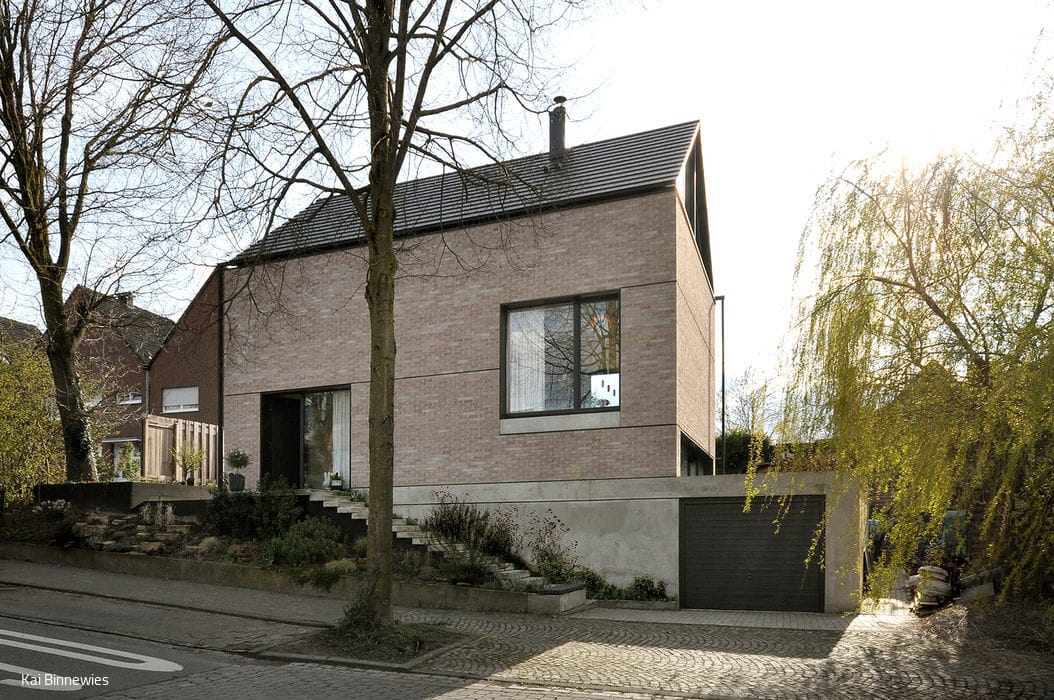
Small Footprint – Bold Vision
A Family Home Challenges Conventional Design