


Swift & Connected
A wooden nursery that balances openness with warmth and shelter
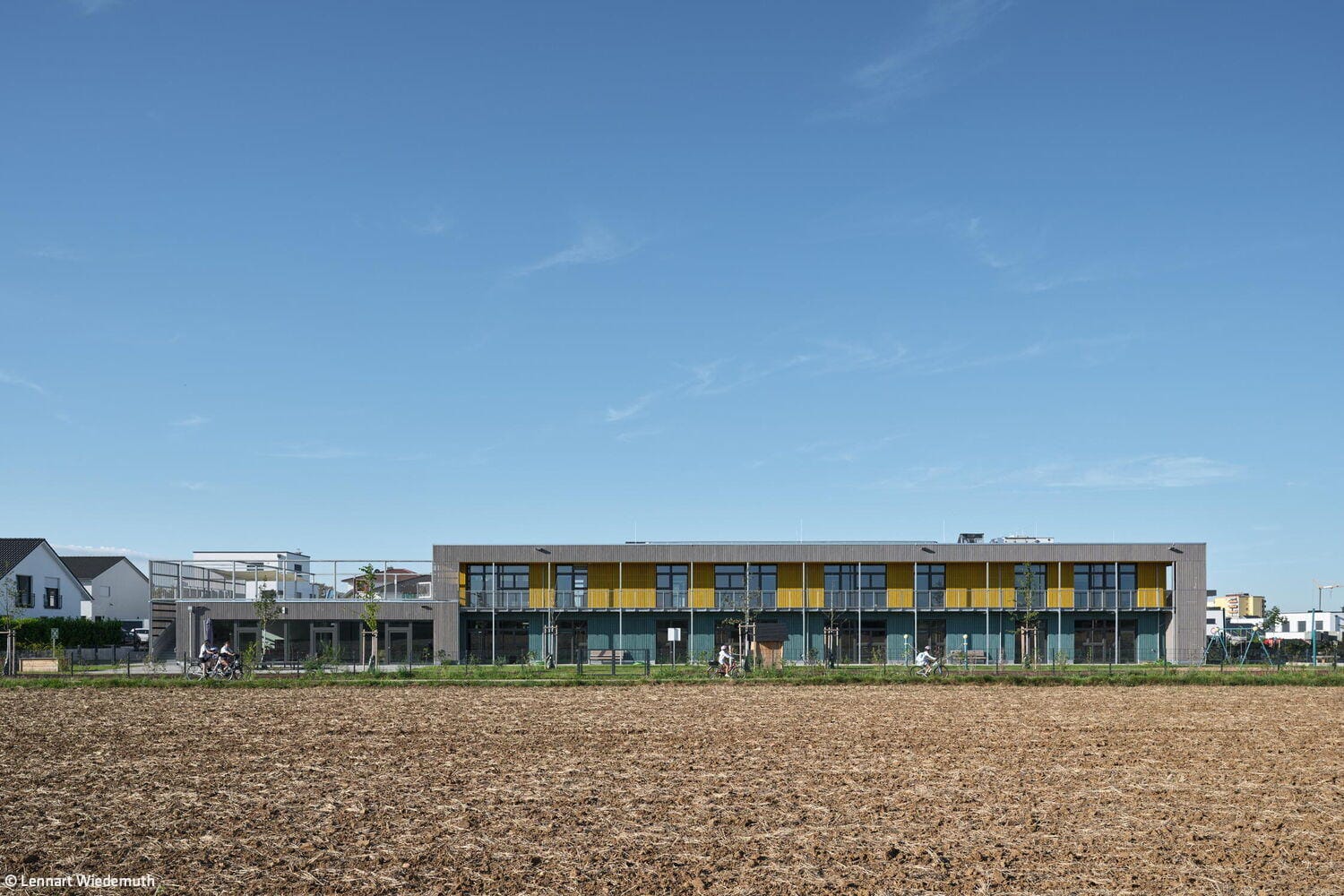
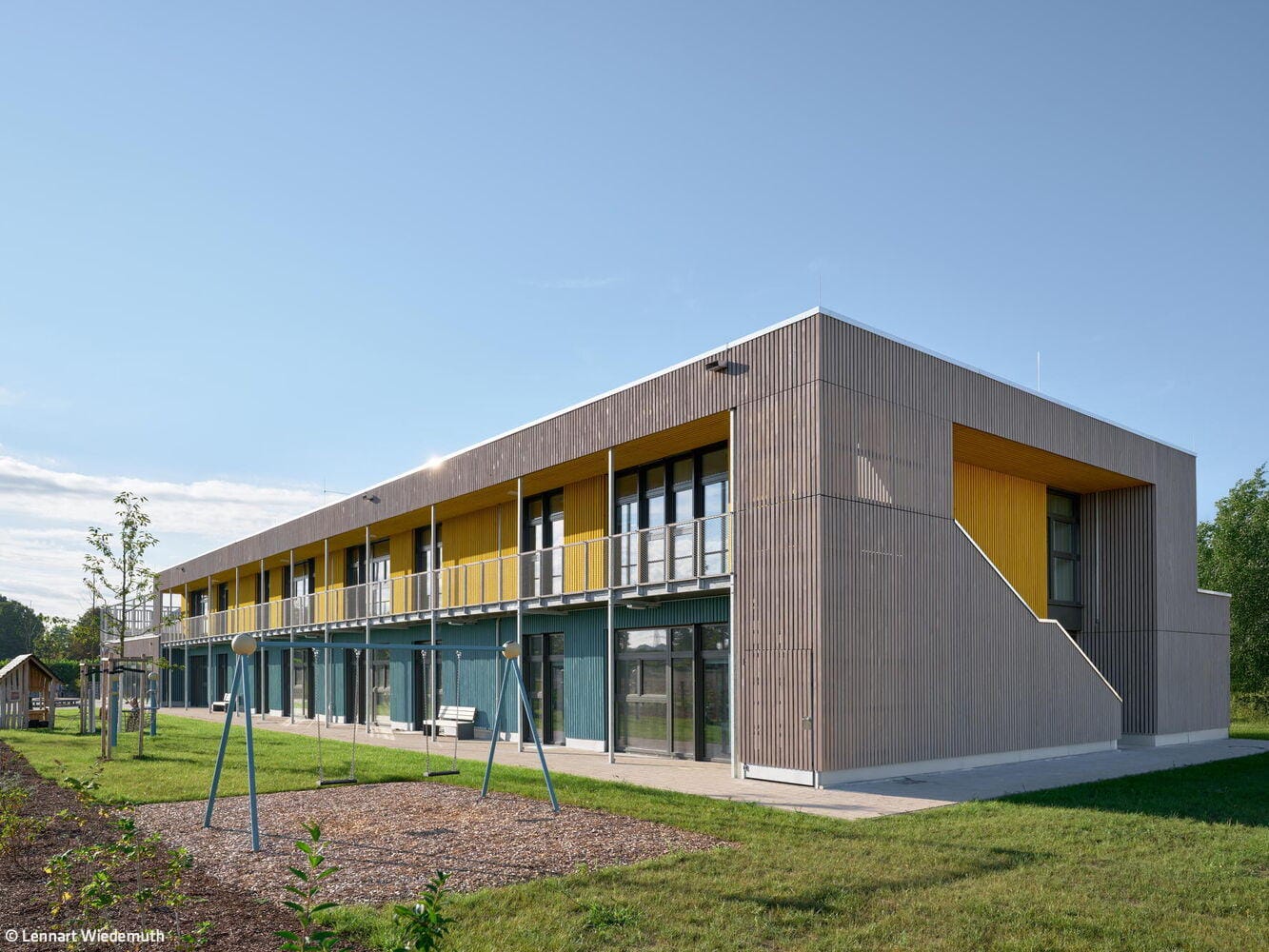
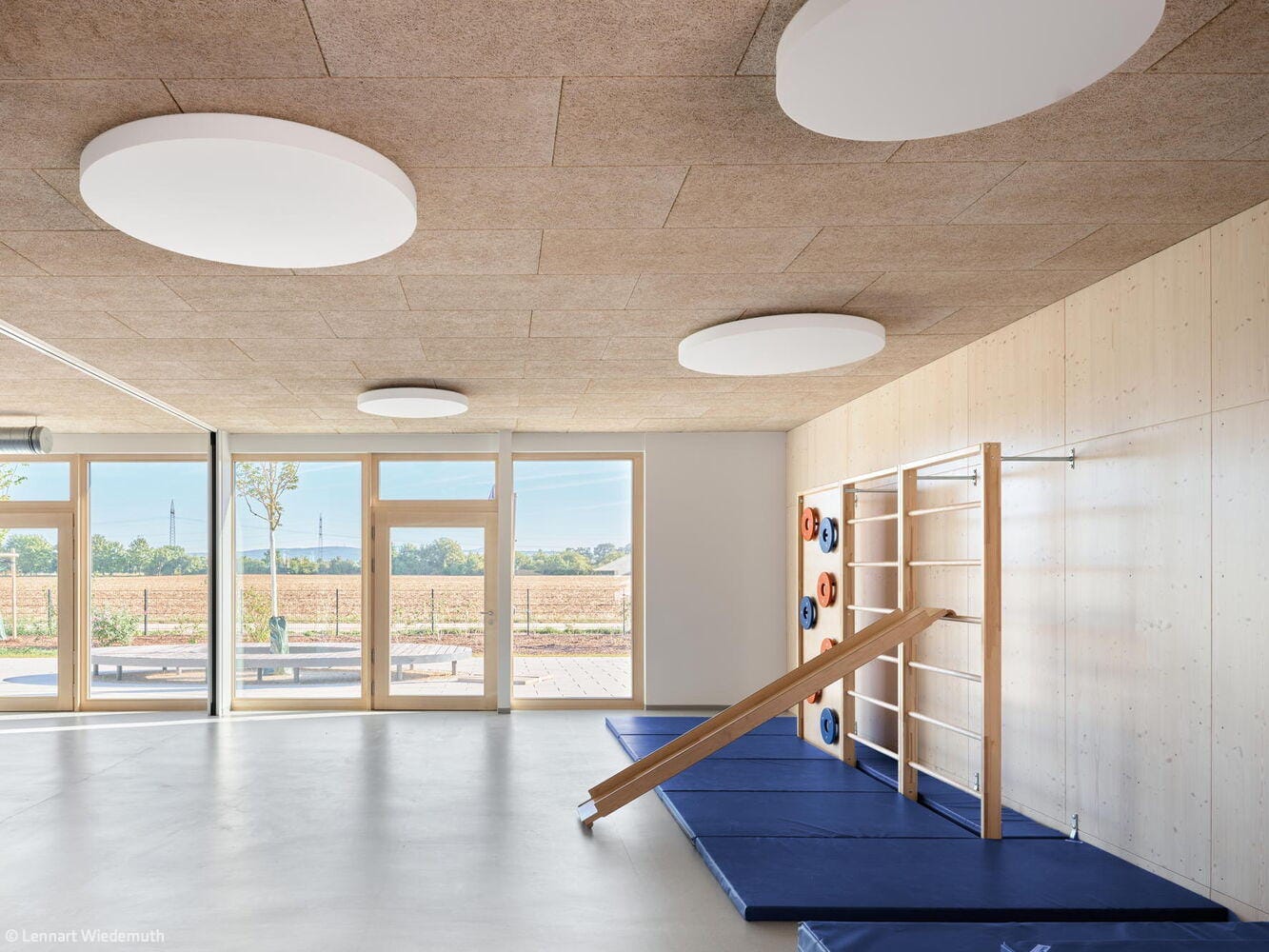
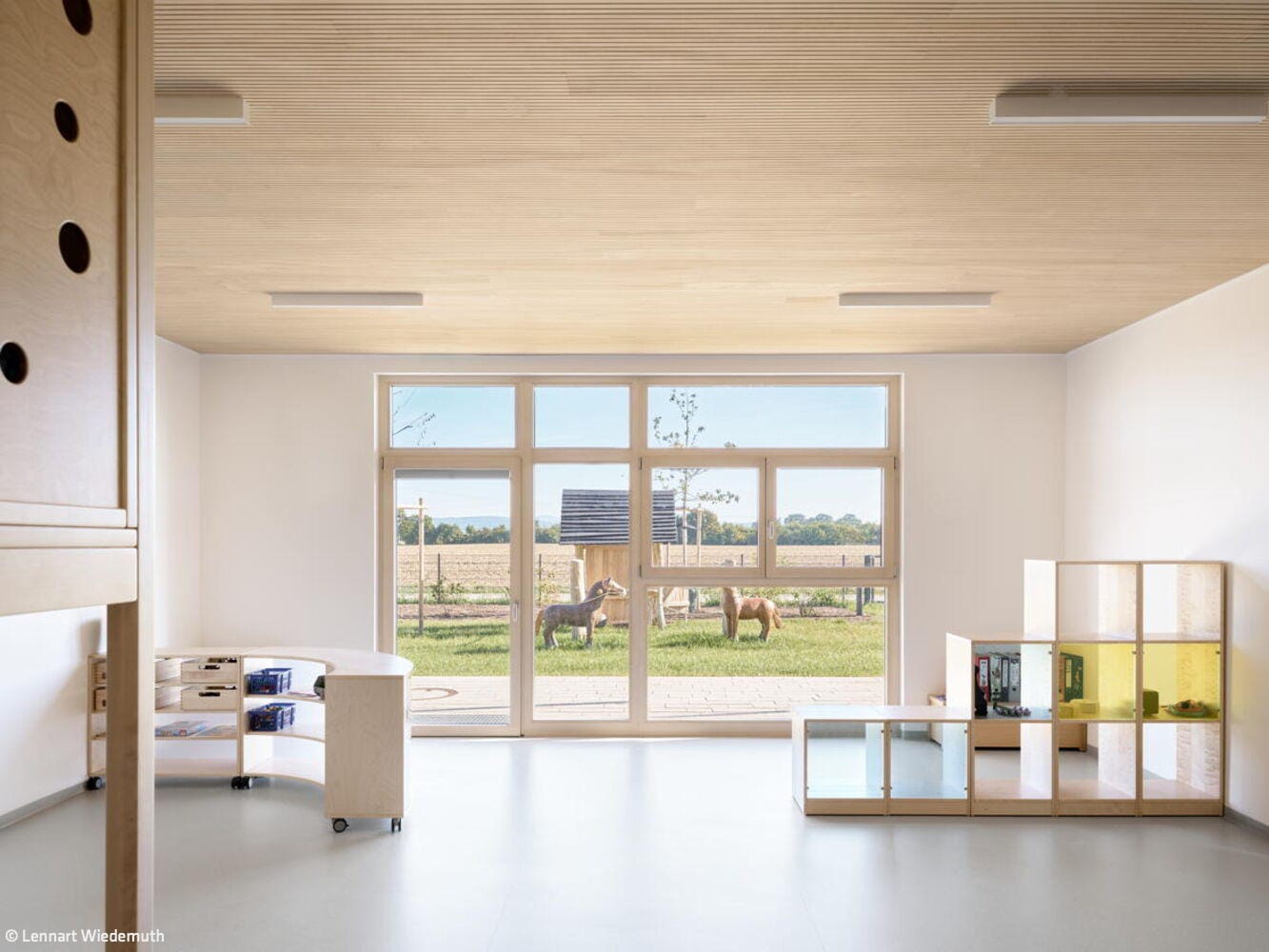
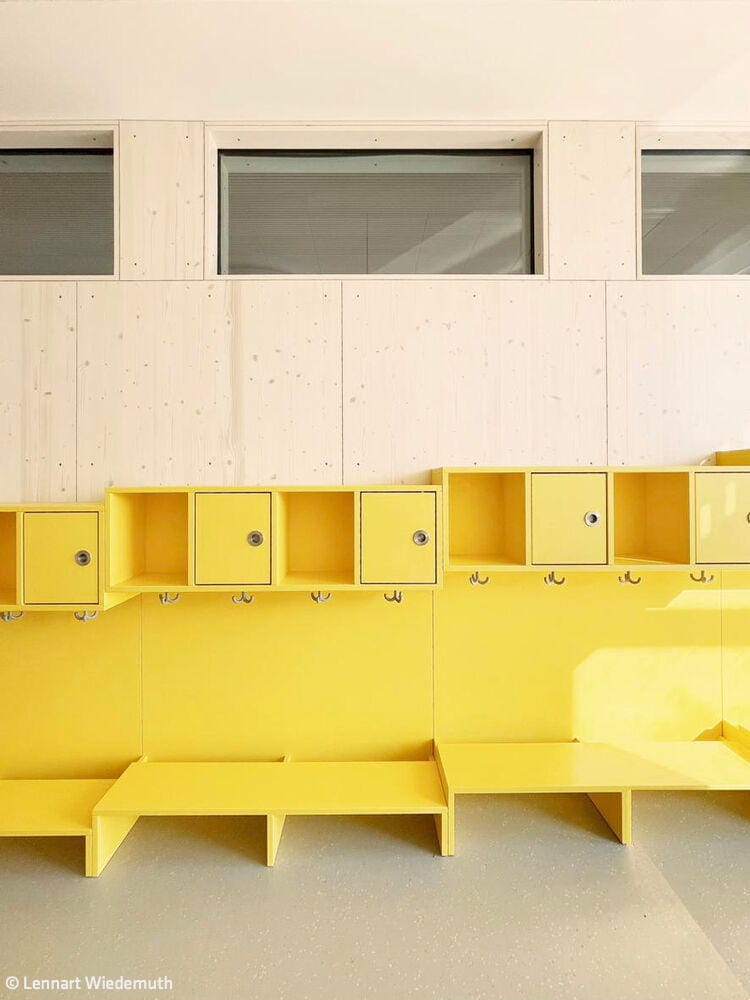
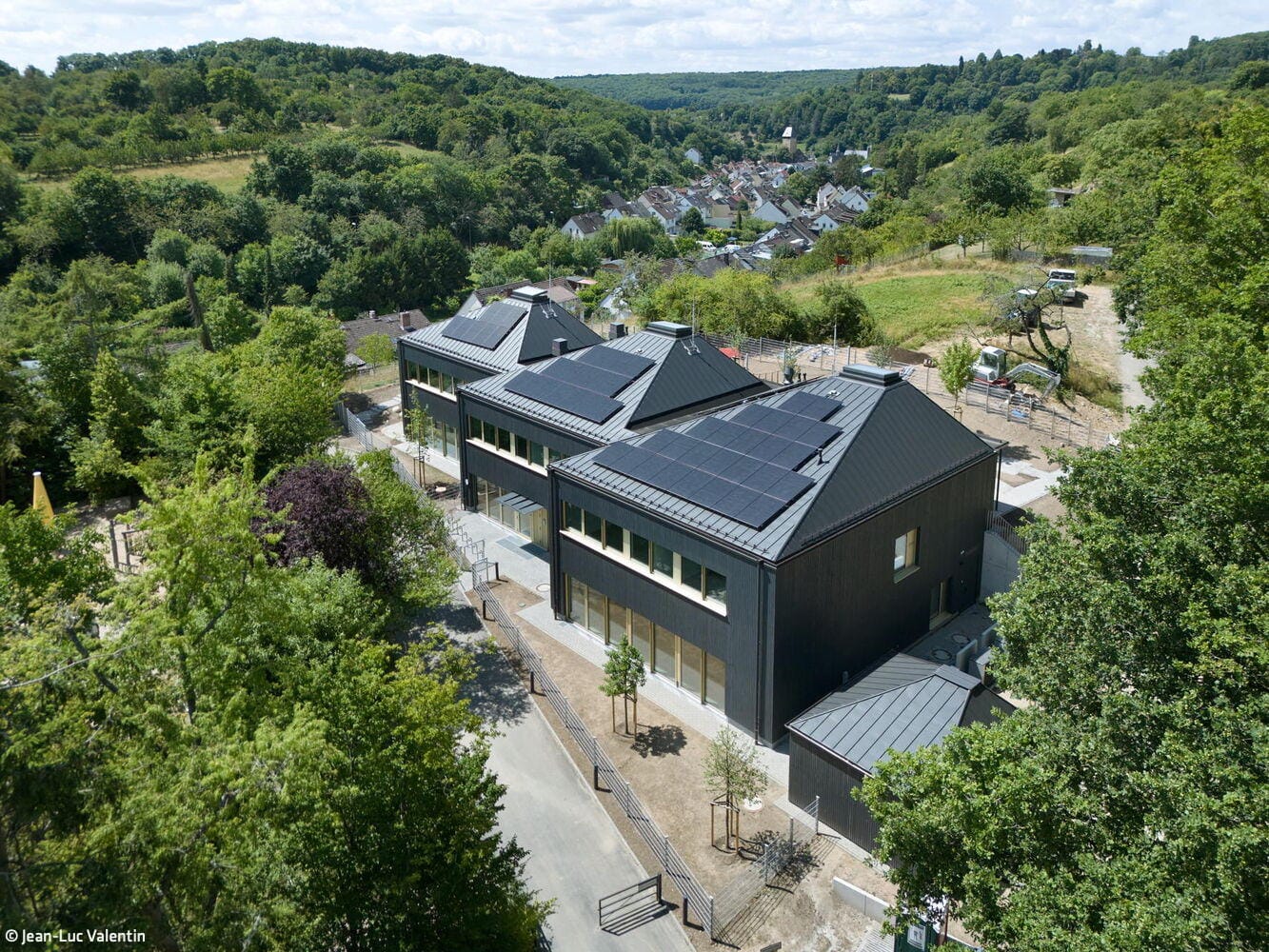
Nestled in a newly developing residential area of Hochheim am Main, the Storchennest daycare centre embodies a thoughtful synthesis of nature, community, and sustainability. This two-storey building by mz³ architekten ingenieure accommodates six groups—four on the ground floor and two nursery groups upstairs—while establishing a compelling statement for contemporary timber construction.
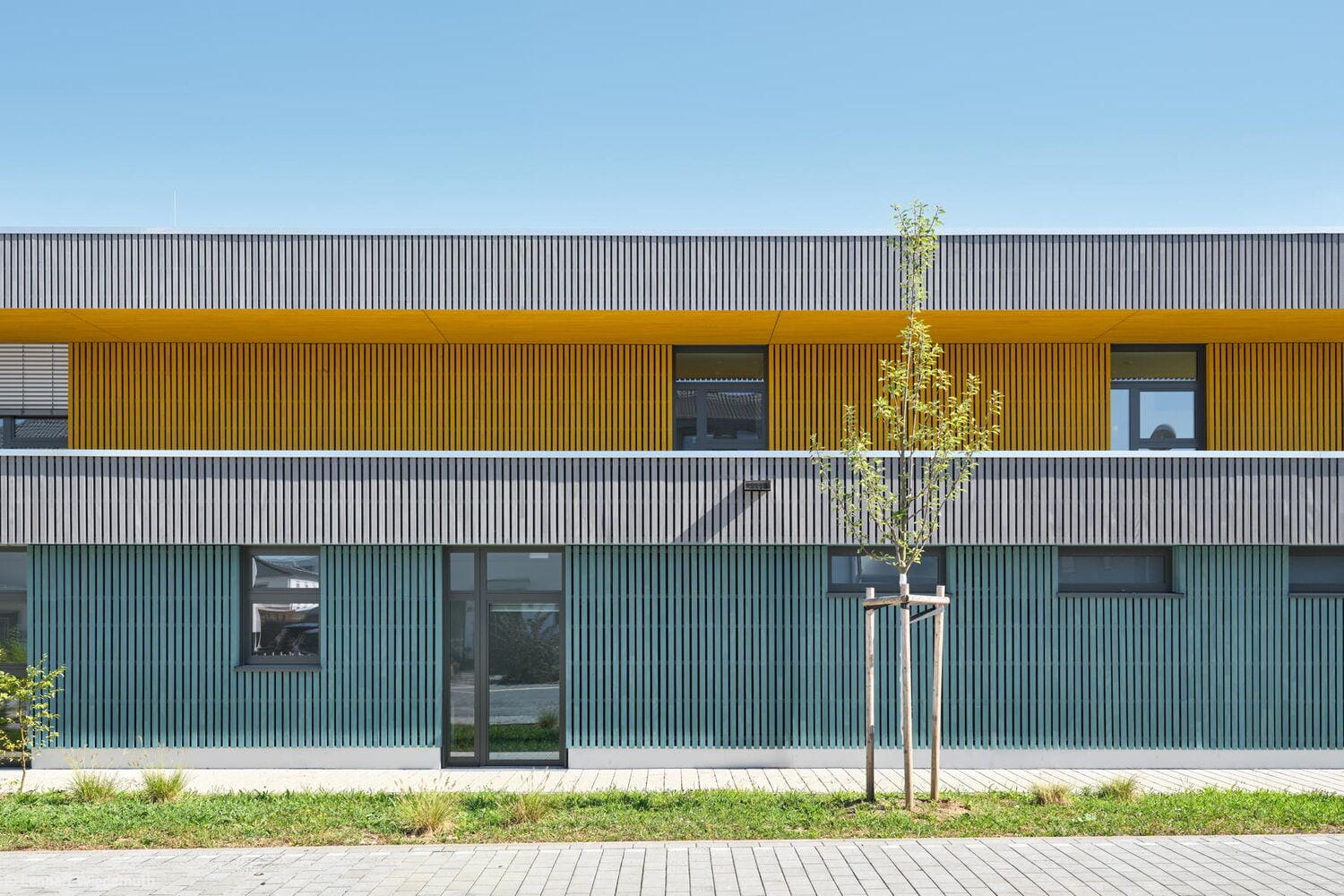
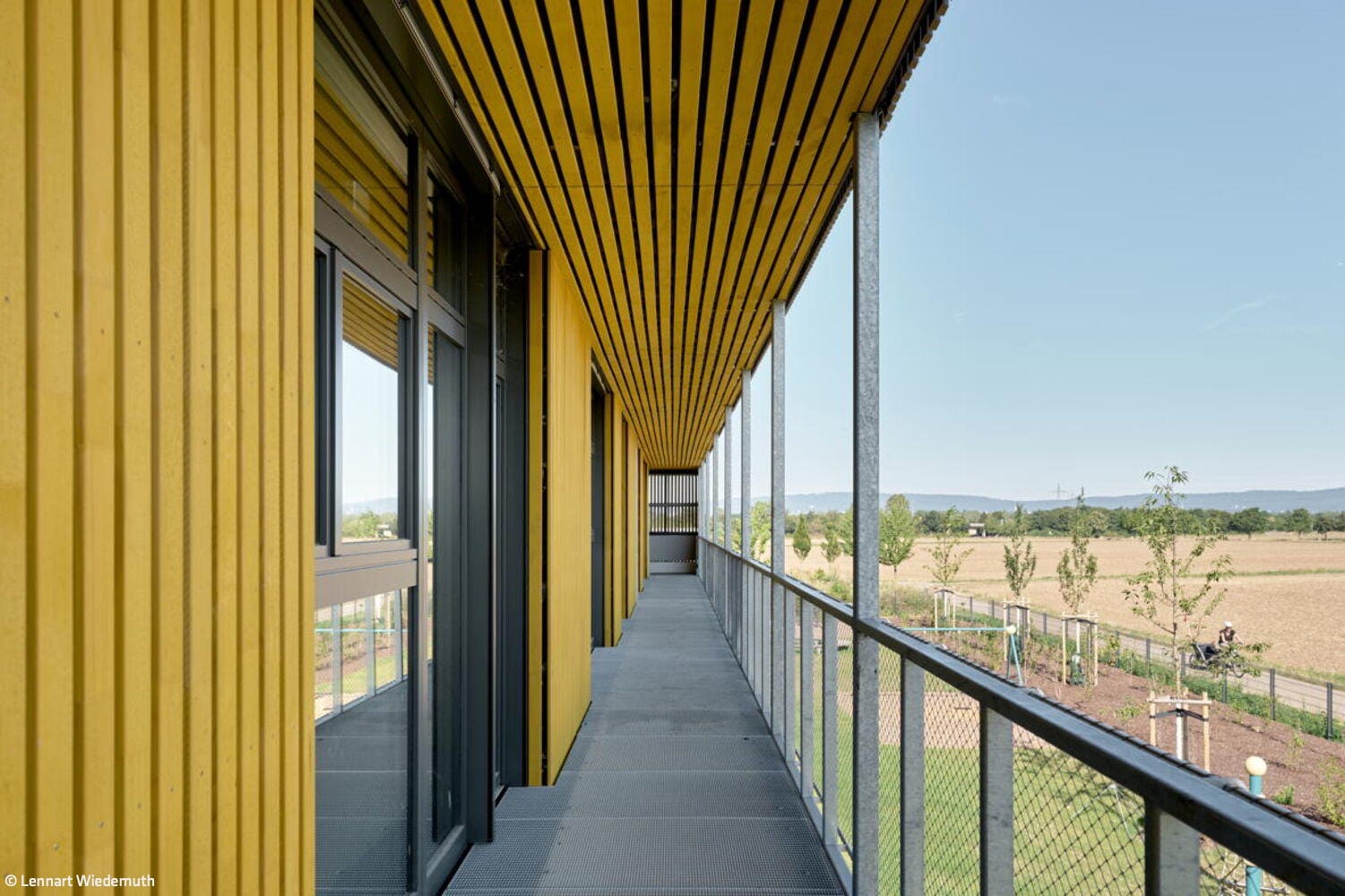
The urban planning strategy alone demonstrates a commitment to contextual scale and integration: despite its substantial footprint, the building settles gracefully into its intimate surroundings through carefully proportioned façade sections and colour-differentiated timber cladding. Large windows frame views toward the surrounding fields, offering children direct engagement with nature and establishing a rhythmic dialogue between light, landscape, and daily experience. When the development plan restricted the project to a single full storey, the architects transformed constraint into opportunity: a generous roof terrace above the ground floor now serves as a protected outdoor space for the nursery groups. What began as a regulatory limitation evolved into genuine architectural gain—an additional play area offering expansive views and extending outdoor engagement across two distinct levels. Inside, the timber-based design language continues: exposed timber walls, acoustic ceilings, and renewable linoleum flooring create a warm, deeply sensory environment. The ground floor houses all shared facilities: a dining hall with a fresh-cooking kitchen and a flexibly divisible multipurpose space adaptable for gatherings and movement activities. Administrative offices occupy the upper floor.
The timber frame system—executed with a high degree of prefabrication—enabled rapid construction while minimizing acoustic and environmental impact on the surrounding neighbourhood. Energy performance is equally exemplary. Built to KfW-40+ standards with sustainability certification, the building harnesses geothermal energy and photovoltaics, while a heavily insulated envelope keeps energy consumption minimal. That Hochheim initially favoured a modular steel container solution speaks volumes about the planning evolution: the architects' holistic vision—uniting speed, sustainability, and architectural integrity—ultimately prevailed. What began as pragmatic necessity crystallized into a thoughtfully composed building: functionally refined, yet radiating genuine warmth and belonging.
Photos:
Lennart Wiedemuth
www.lennartwiedemuth.com
(Published in CUBE Frankfurt 04|25)
Welcome to the roaring twenties
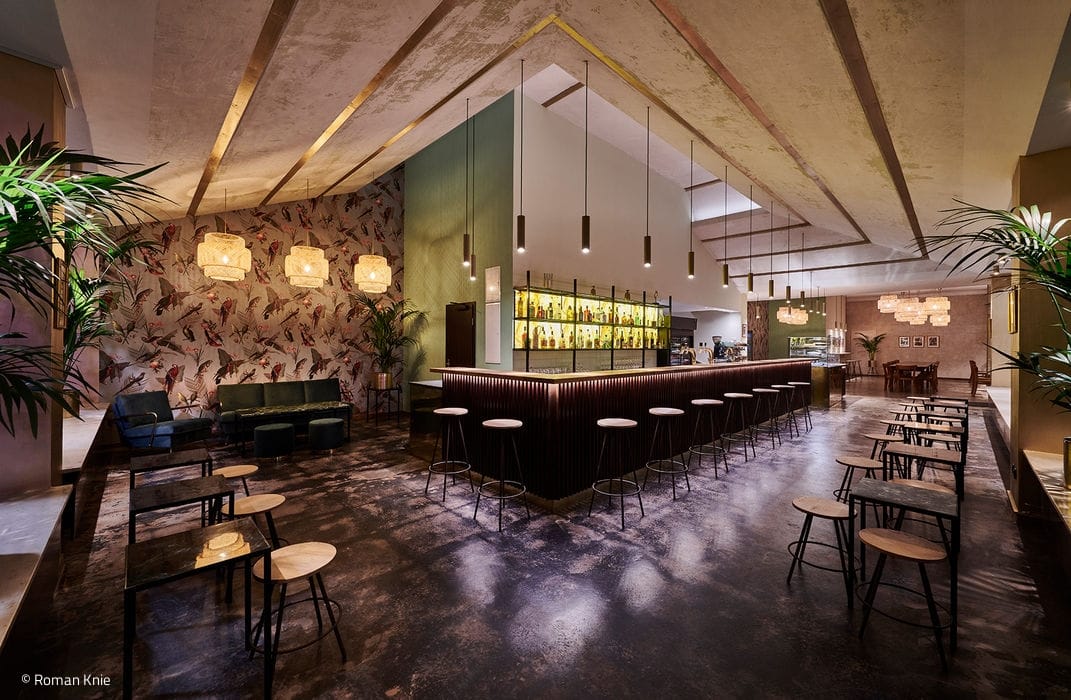
The elongated bar is the soul of the space.
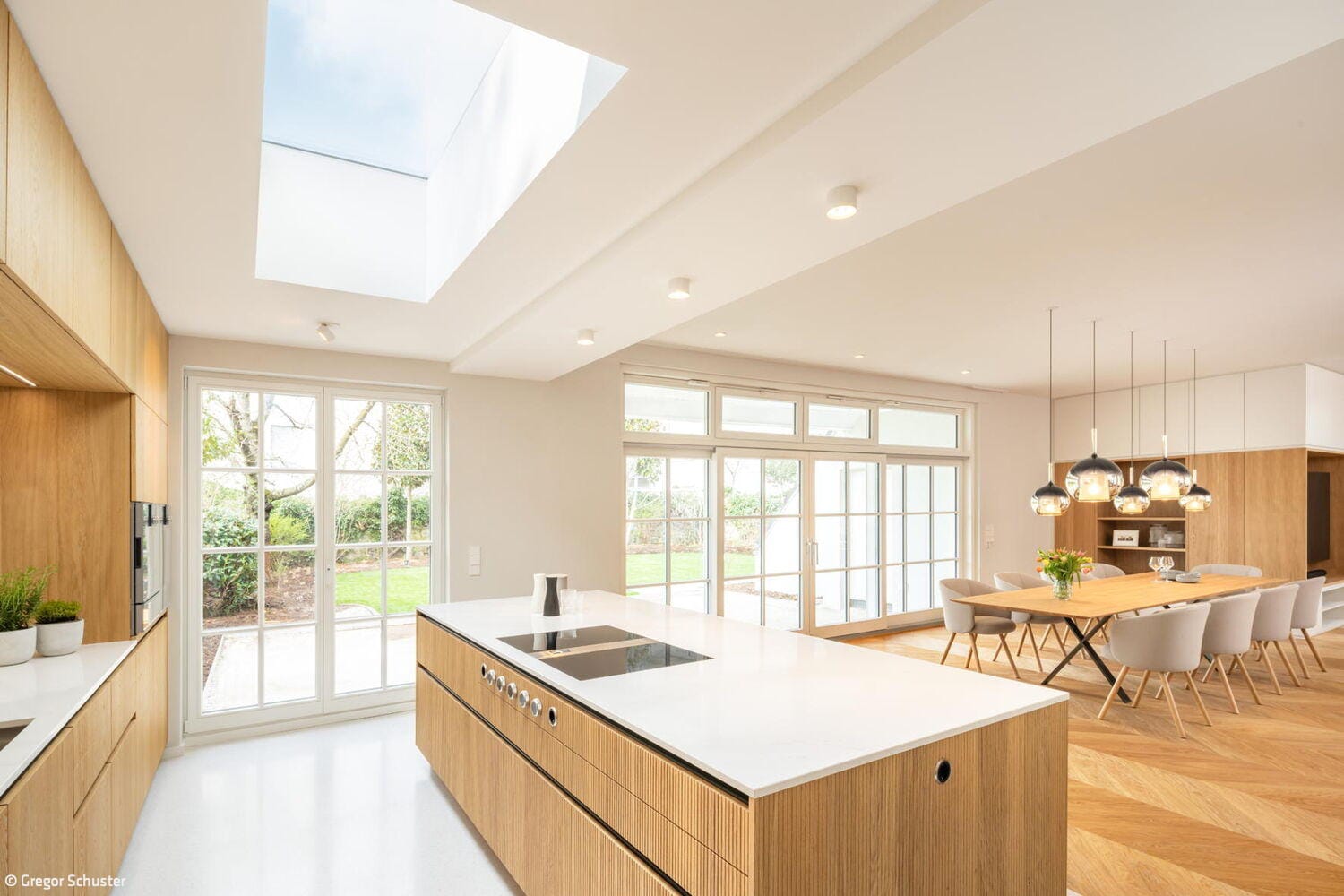
Light as Quality of Life
Renovation Breathes New Life into Home: Light, Openness, and Energy Efficiency
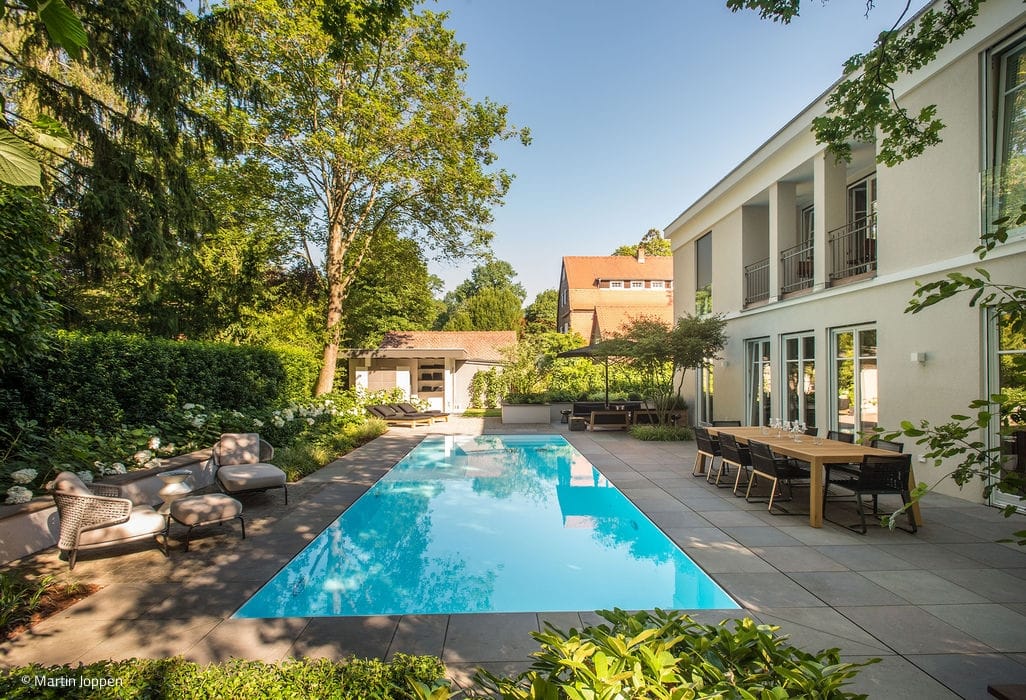
Adapted to Light Conditions
A striking urban garden that seamlessly balances form and function
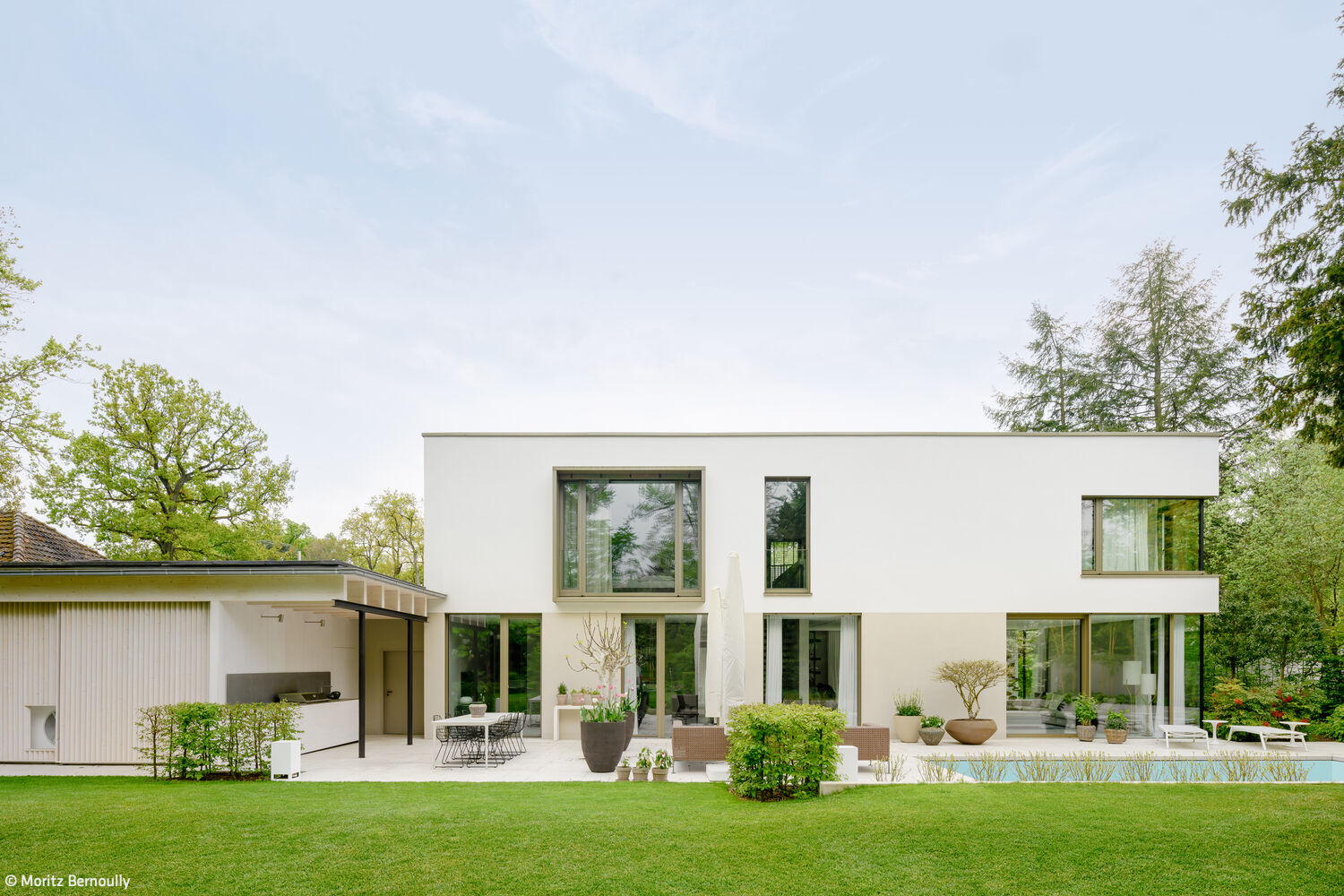
California Summer Day
California Spirit in the Rhine-Main: How One Villa Brings West Coast Living Home