


A Clear Vision
Heritage-Sensitive Renovation in Königstein: Honoring the Past While Building the Future
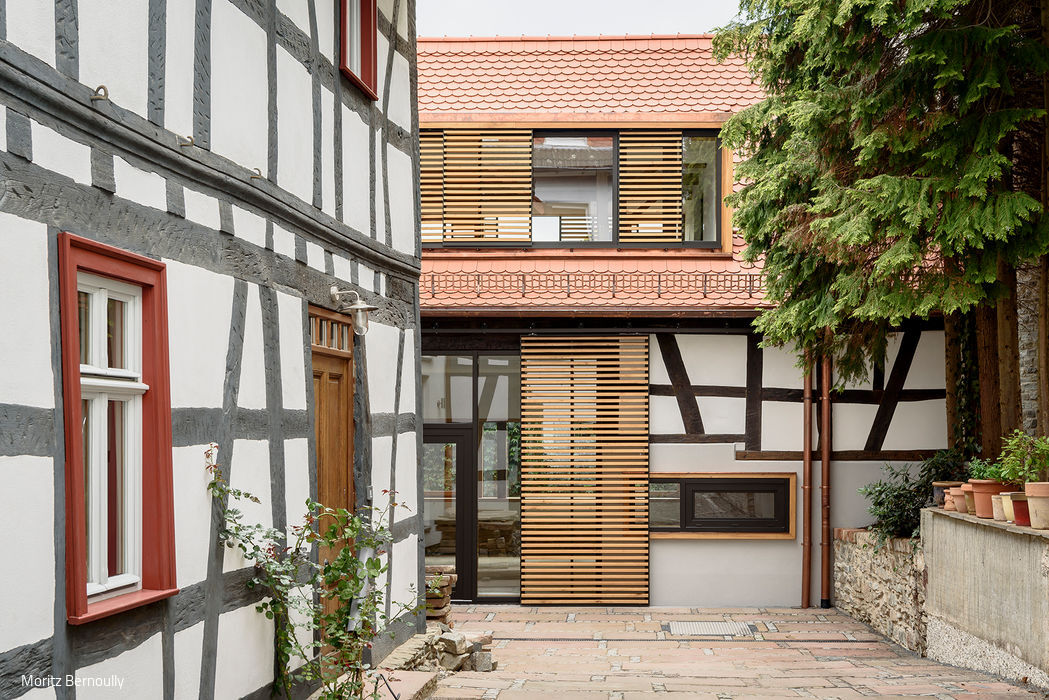


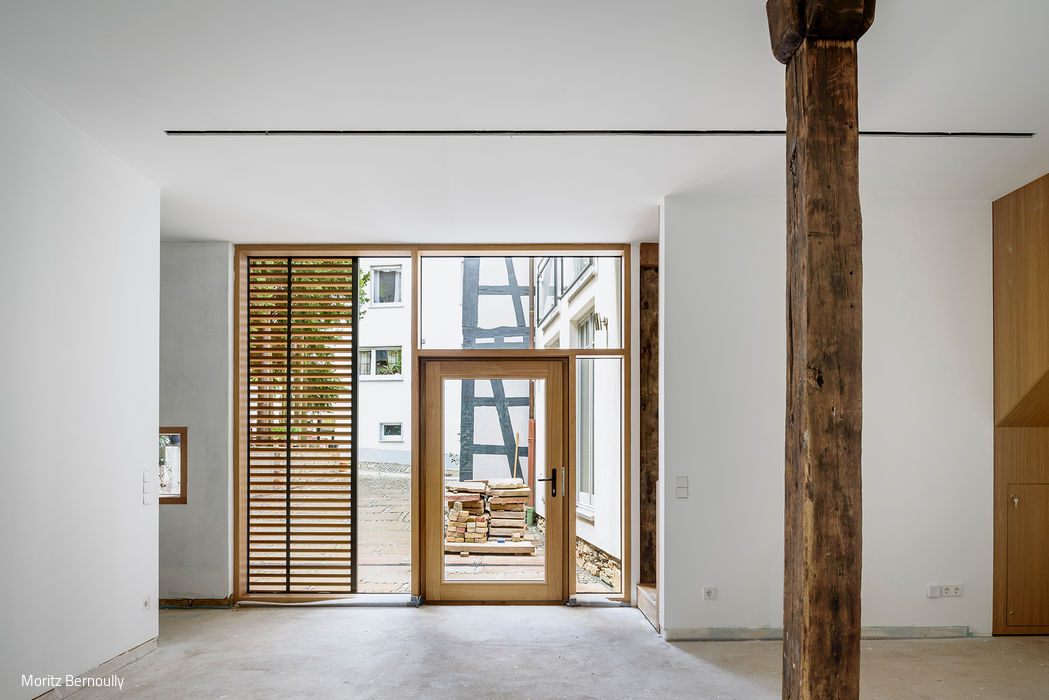
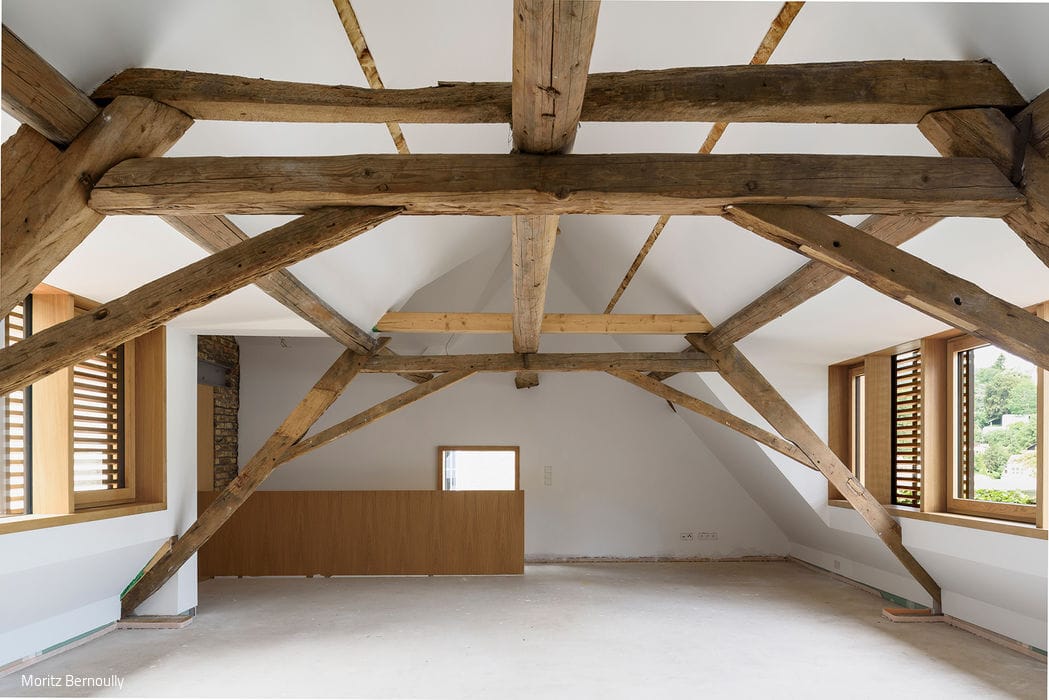
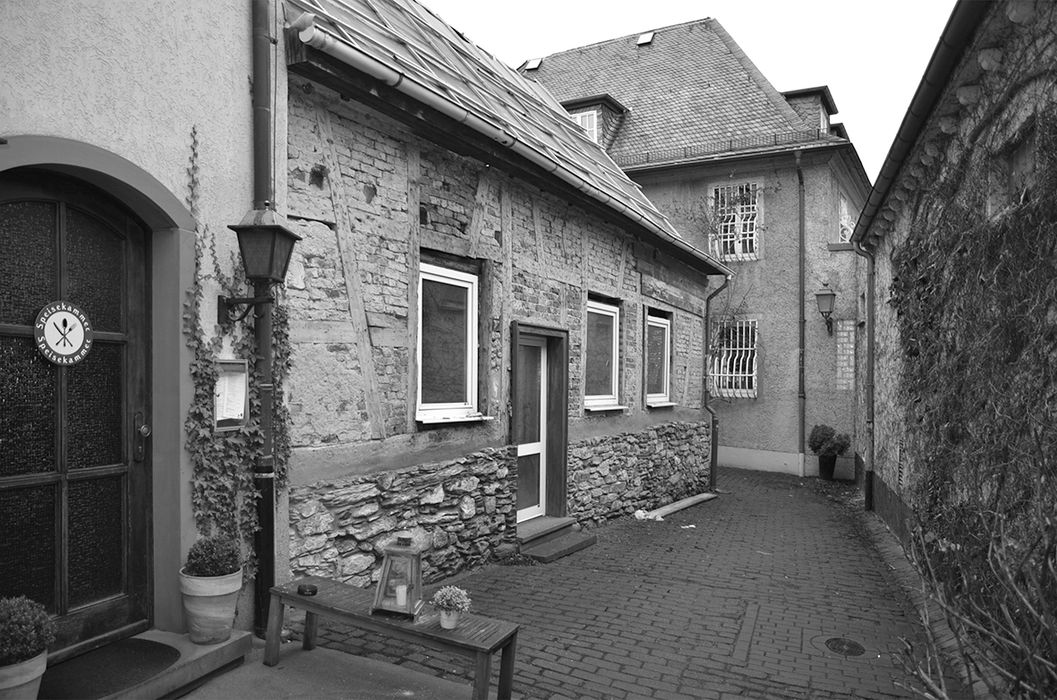
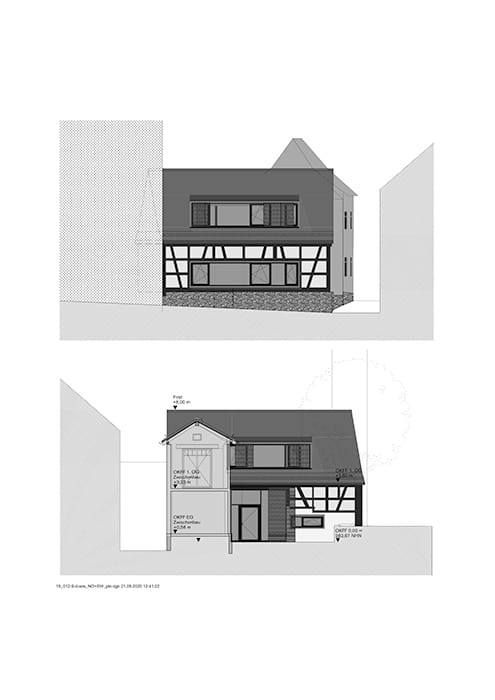
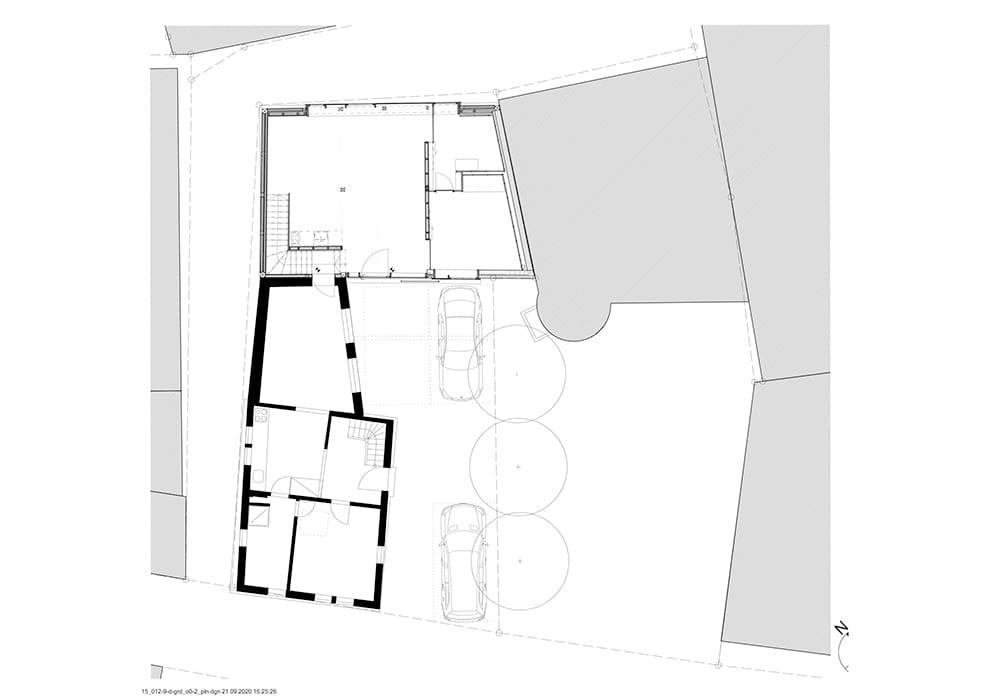
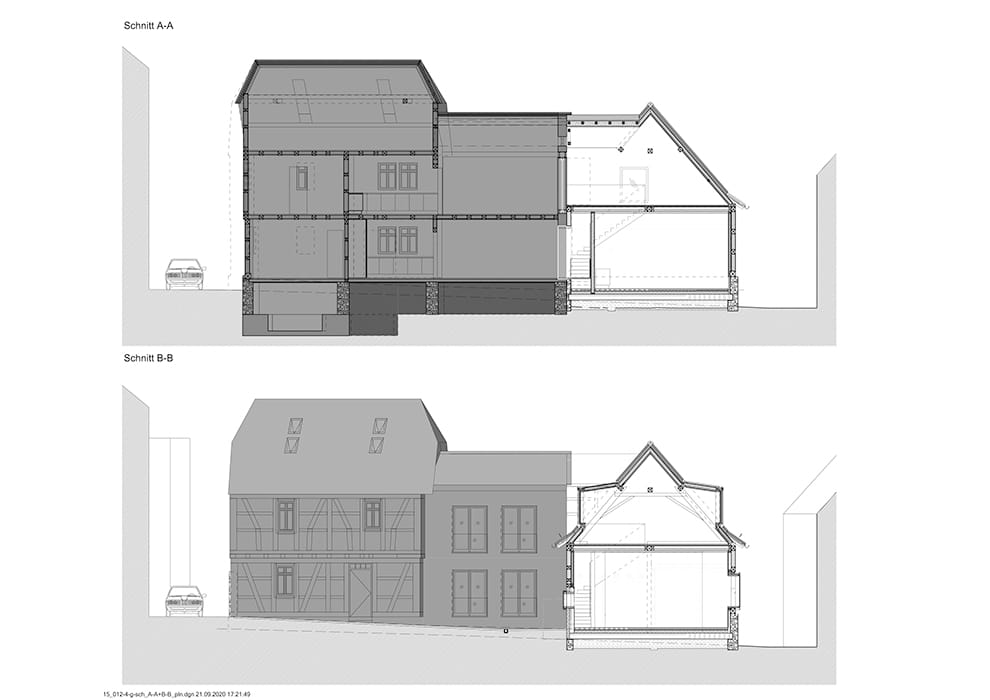
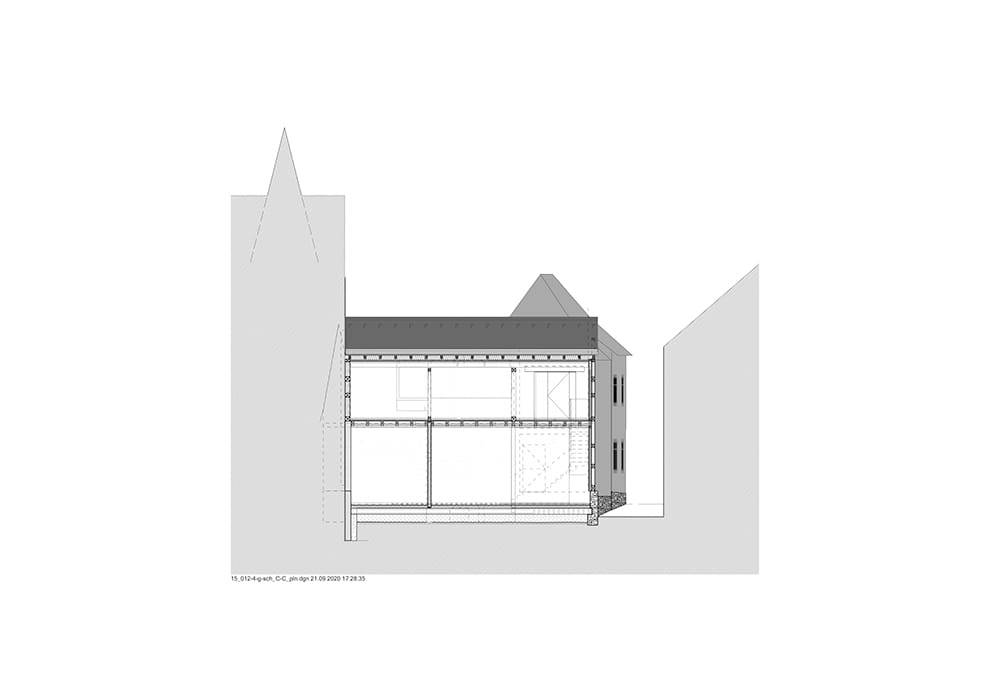

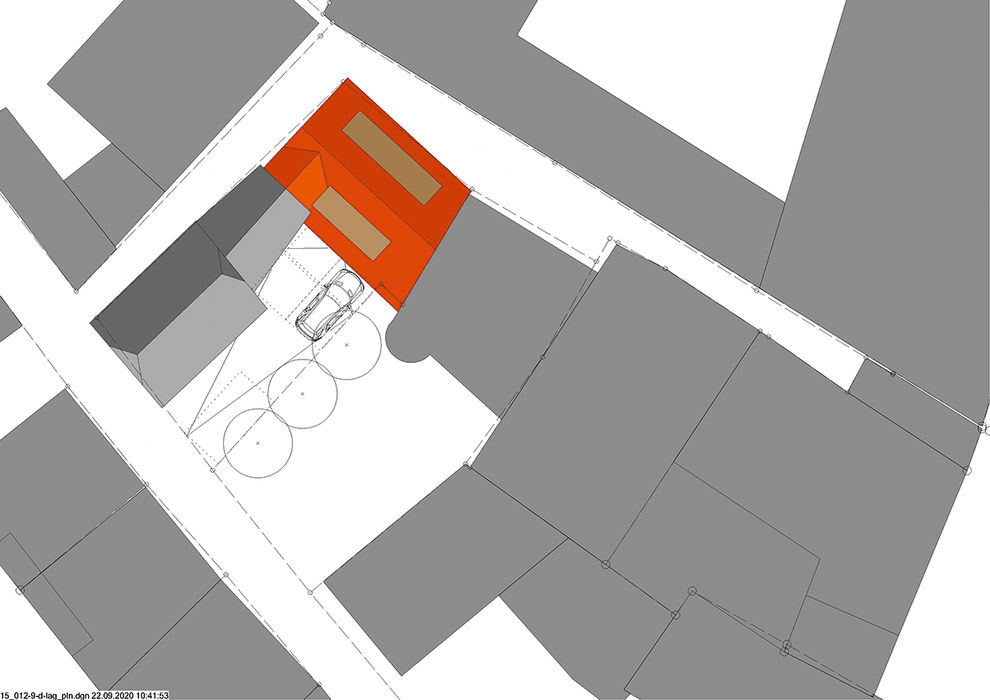
Scharrer Architektur has transformed an outbuilding of an 18th-century half-timbered ensemble into a vibrant multi-generational home. Situated in Königstein's picturesque old town, the three-building ensemble has been a protected heritage site since 2005—a designation that shaped every decision the architects made. The challenge was particularly complex: the single-story annex showed signs of crude interventions from decades past that had compromised its original integrity.
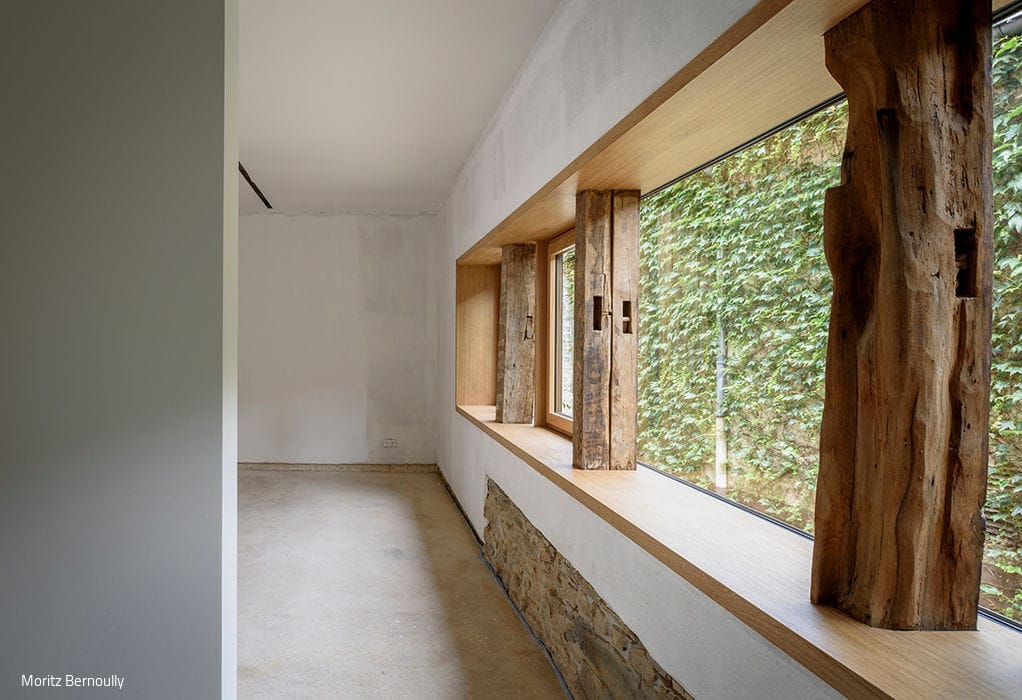
The goal was ambitious yet precise: convert the outbuilding into a two-story residence while respecting heritage standards. This required installing new structural elements, meticulously analyzing every component, and removing non-original timber pieces. The architects embraced a disciplined concept: preserve and restore everything original to the building's era, while allowing contemporary interventions to distinguish themselves through clean, linear forms. This philosophy finds its most striking expression in the annex's continuous window band. "Rather than insert windows into existing openings, we created a single ribbon window that sits in front of the half-timbered plane," explains Berthold Scharrer. "It emphasizes the remaining vertical timber posts while flooding the interior with light and redefining the façade's visual identity." That same geometric logic extends to the roof dormers: the window band's proportions generate the dormer proportions, creating visual harmony and maximizing livable space. Since these elements departed from the town's design guidelines, the architects collaborated closely with the building authorities, heritage office, and municipal administration—all of whom championed the vision.
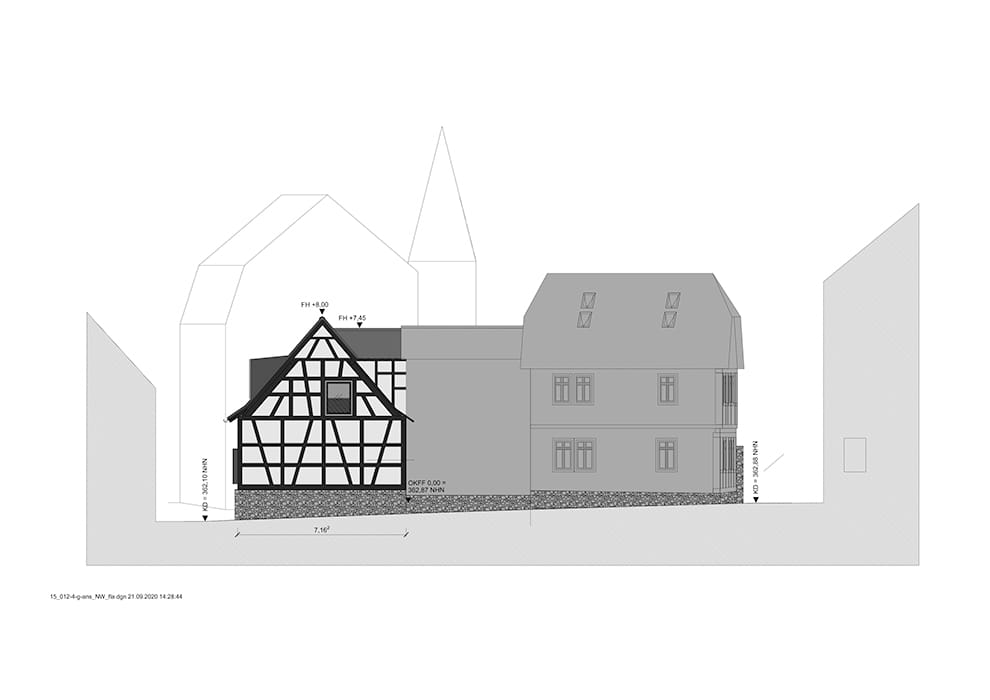
The architects deliberately chose not to restore the diagonal bracing that once reinforced the exterior timber walls. Instead, they built a vapor-permeable wall assembly above the existing stone foundations. Where needed, the cavities between timber beams in the gable wall were filled primarily with clay-based materials—a choice that naturally moderates interior temperatures, keeping spaces comfortable even during summer heat.
The diagonal bracing of the half-timbered exterior walls, which had been cut away in earlier years, was intentionally left unreplaced. Above the existing stone foundation courses, however, the team installed a continuous vapor-permeable wall assembly. Where necessary, the spaces between the timber frame members in the gable wall—traditionally called "Gefache"—were infilled primarily with clay-based building materials. These natural materials help maintain comfortable interior temperatures throughout the year, even during hot spells.
Photography Credits:
Moritz Bernoully
www.moritzbernoully.com
(Published in CUBE Frankfurt 04|20)
New Identity
The heart of the house is an open-plan living space combining lounge, dining, and kitchen in an inviting, expansive design that offers plenty of...
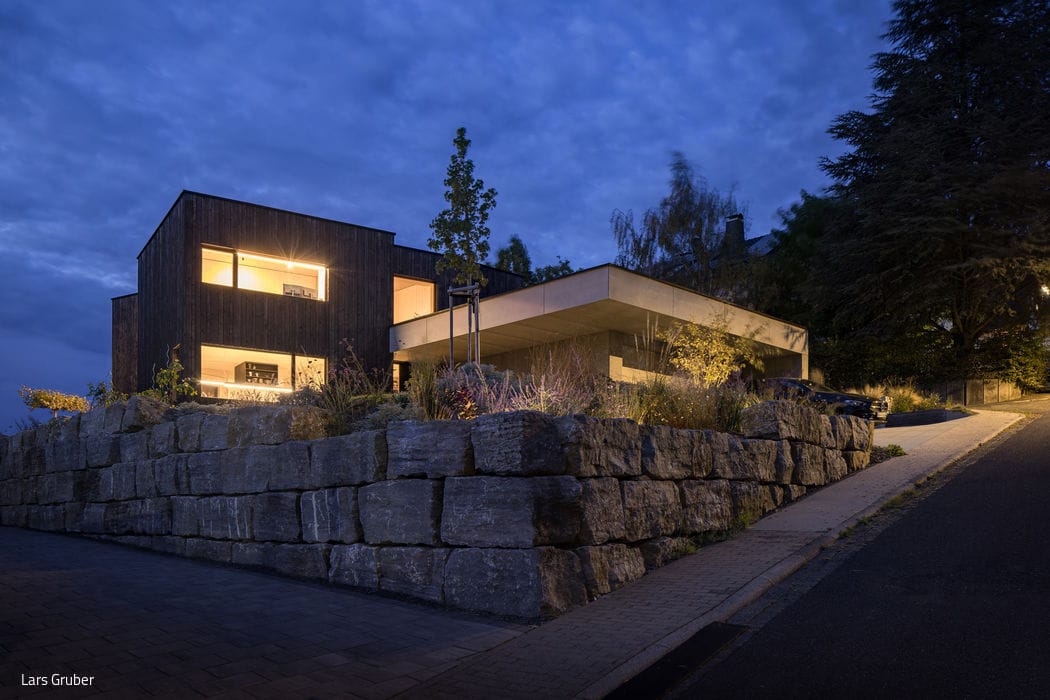
Unconventional Solution
Timber-Hybrid House: Framing Views While Preserving Privacy
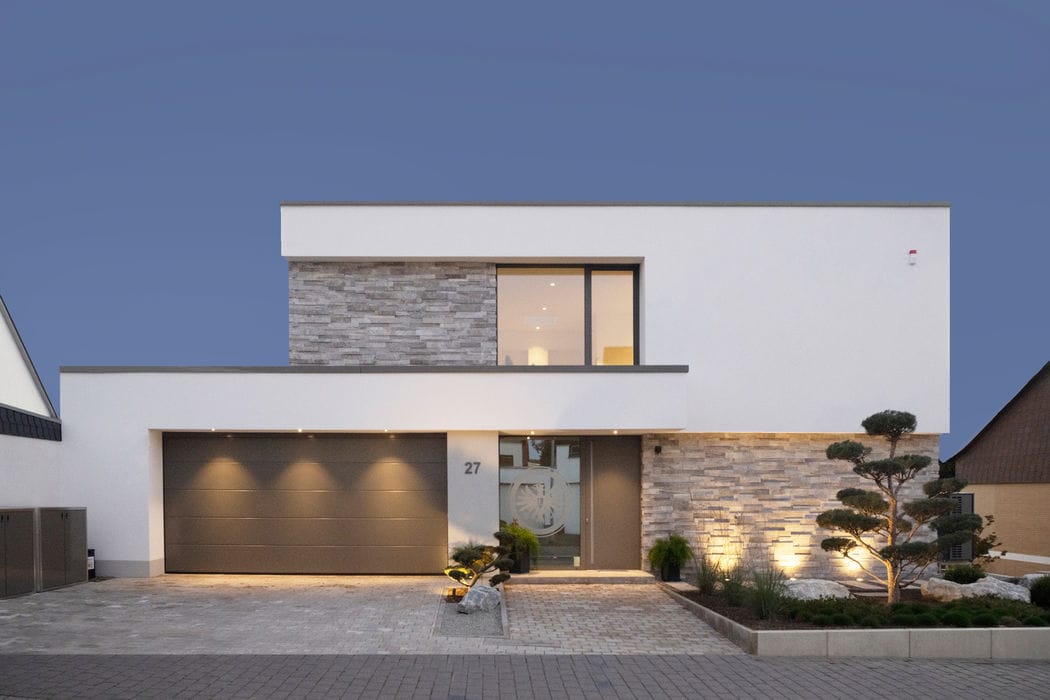
Living with a View
Bauhaus Elegance Meets Sloping Terrain: A Villa Masterfully Designed for Its Site
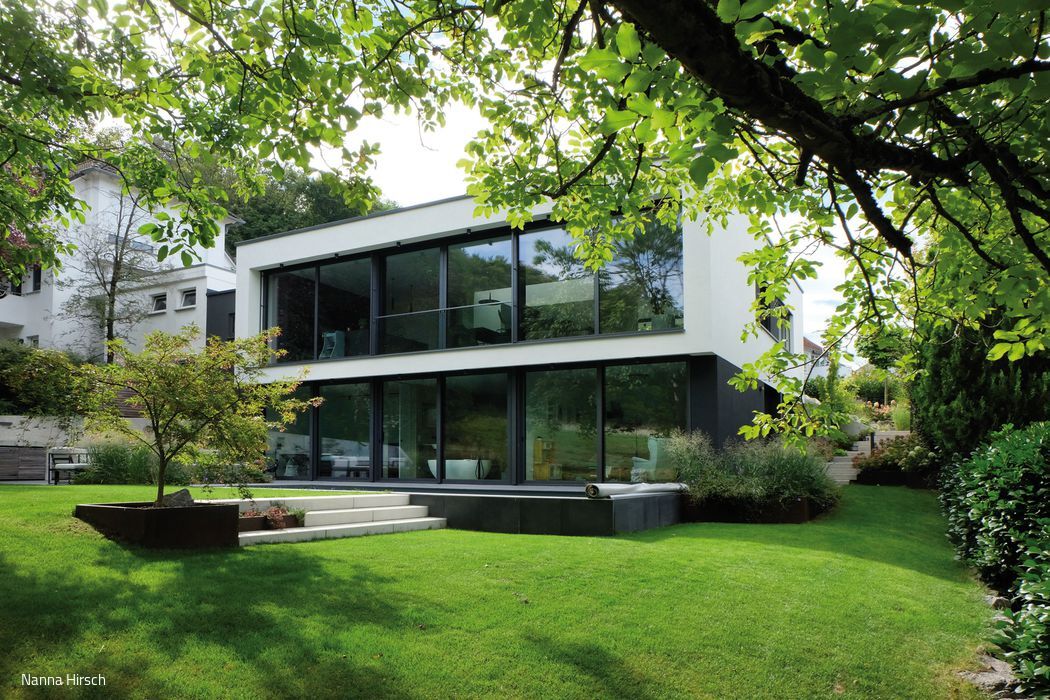
Views into Nature
A dream home shaped by constraints