


Reduction as Principle
Light designer Davide Groppi captivates with minimalist luminaires that merge elegant simplicity with technical sophistication
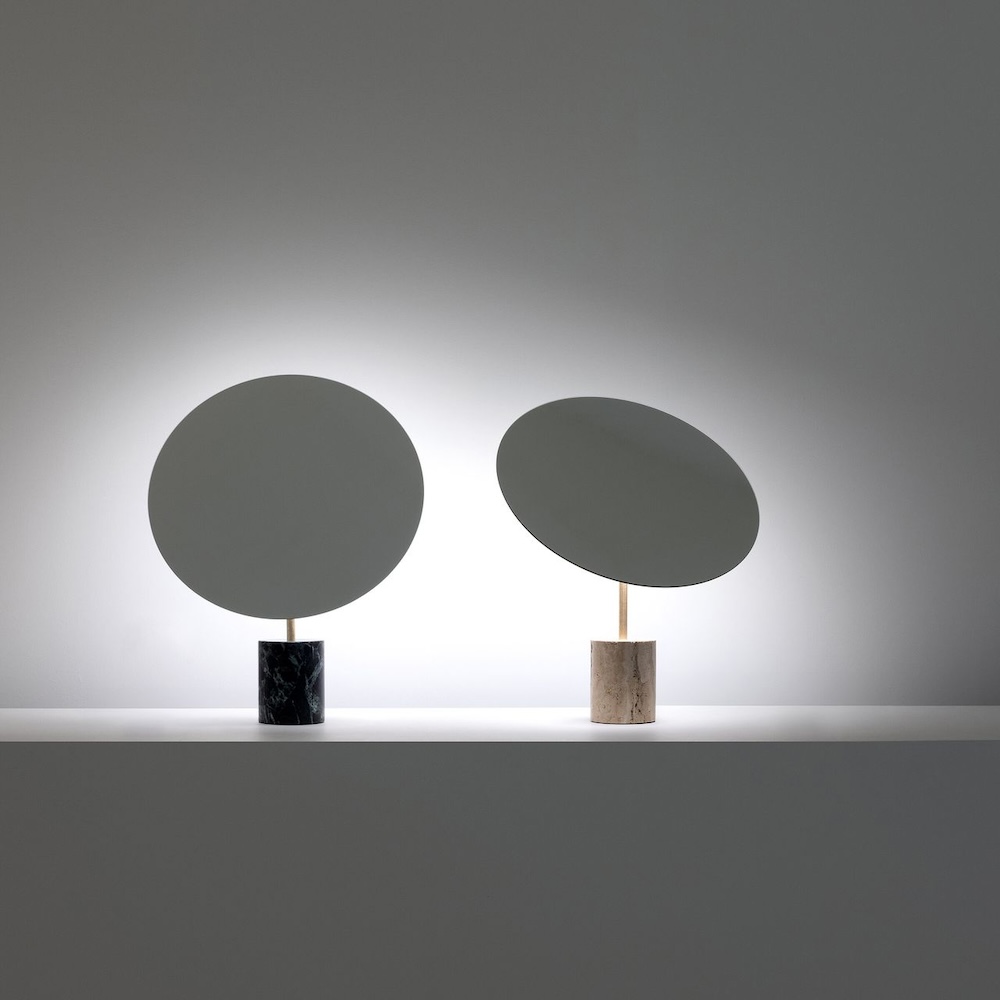
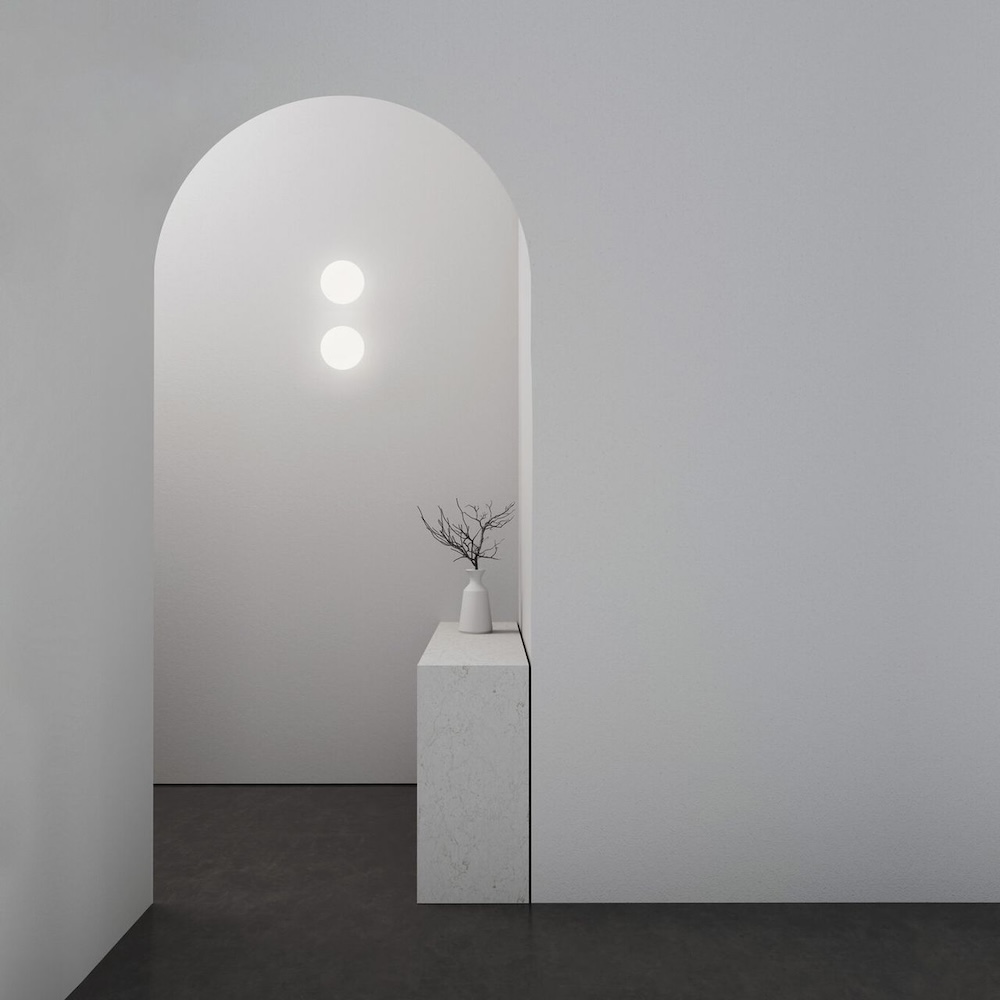
In the world of lighting design, Davide Groppi is known for his clean design language, technical mastery, and distinctly restrained aesthetic. The Italian designer creates luminaires stripped down to their essentials—and that's precisely what makes them so impactful. Minimalist and often nearly invisible, they inhabit a space rather than command it. Every form, color, and material is pared back to its core. The "Infinito" exemplifies this approach: a slender ribbon of light that can be strung across a room, functioning as an architectural element that defines space. It's not decorative—it's purposeful, yet visually arresting. Then there's "Nulla"—meaning "nothing"—and the design lives up to its name. There's no lampshade in sight. Light emerges from a tiny circular opening in the ceiling, illuminating rooms with quiet sophistication. "We've always been searching for absolute light," the Piacenza-based designer explains. "Light that comes from nowhere, almost sourceless. Every time we look at Nulla, we feel we couldn't improve it. Its sole purpose is to vanish, leaving all attention on what it illuminates."
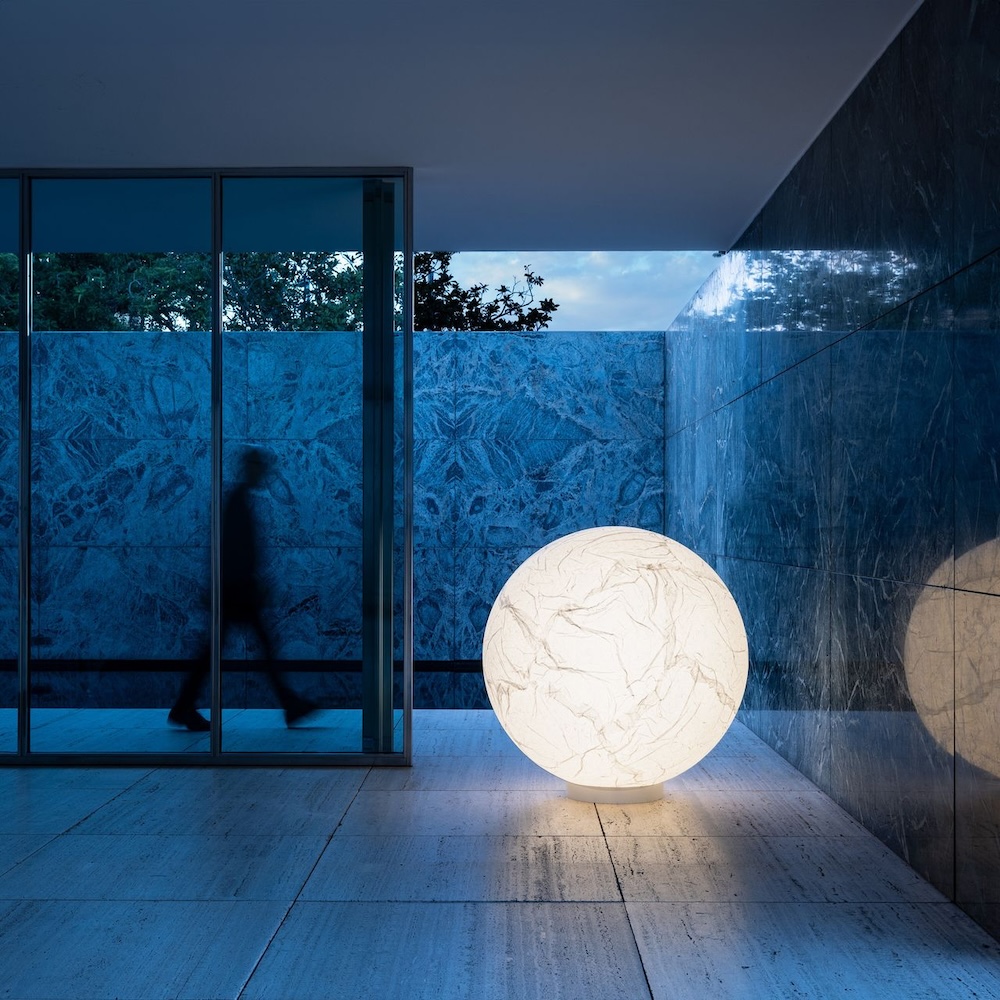
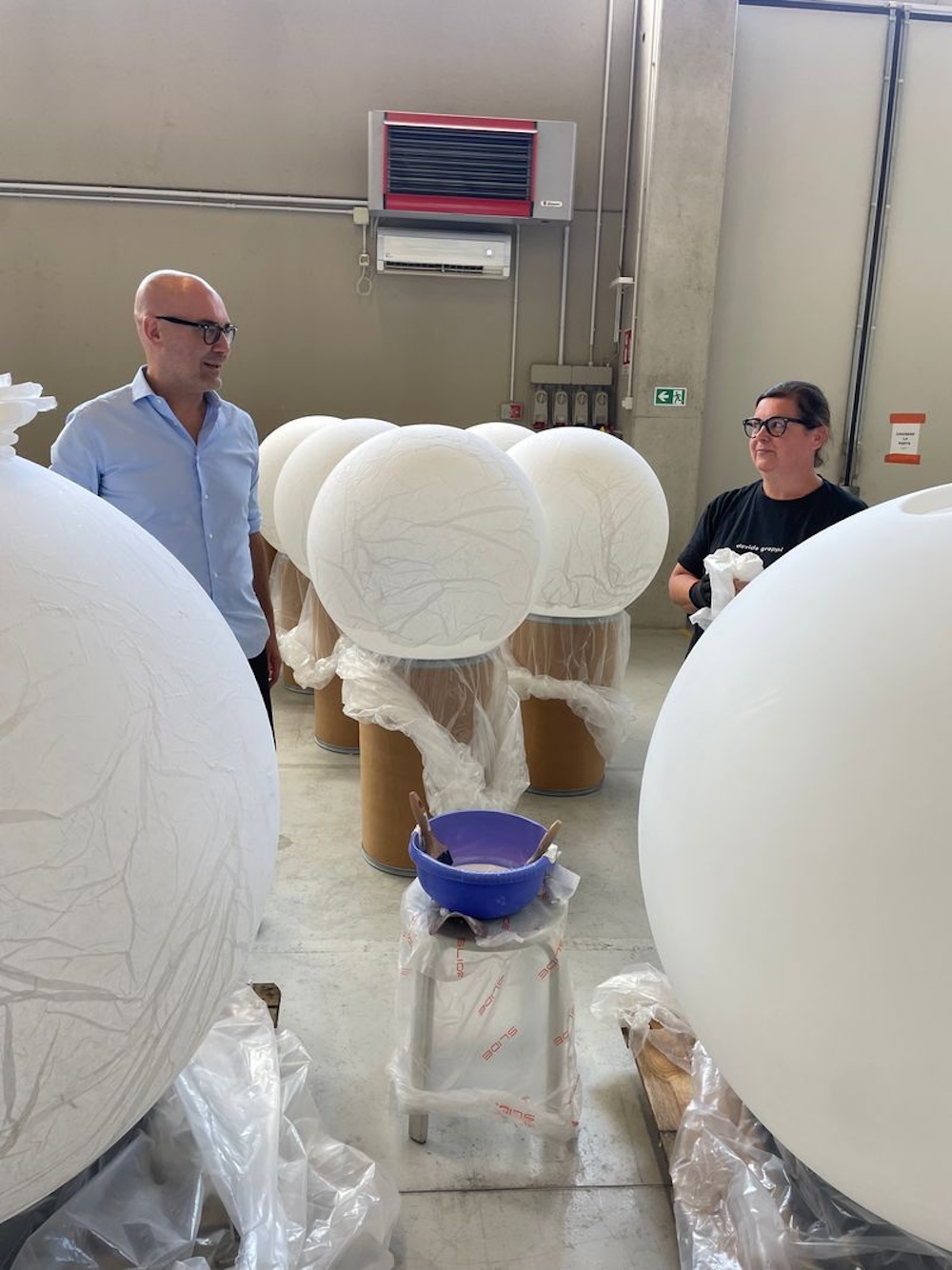
Yet Groppi's playful, witty side also emerges in pieces like his "Race Of Lights" wall fixture—an electrified slot car track where light bulbs become movable vehicles. And with his "Moon," he's made something magical real: a deceptively simple, brilliantly realized concept from 2005 that still enchants two decades later. Created in his Piacenza workshop—a sprawling industrial space housing both the manufacturing floor and an immersive lighting showroom—each Moon unfolds through meticulous craft. Italian-made plastic spheres, ranging from 60 centimeters to an imposing two meters in diameter, are layered by hand with Japanese washi paper. When lit, the textured surface mimics the lunar landscape—a piece of the night sky brought indoors.
The Groppi story began in the late 1980s, in a modest shop in Piacenza's historic center—a small Italian town near Milan. Here, a young Davide Groppi launched his career as a lighting designer, despite early ambitions to become a mathematician. Light won out, and his small venture quickly gathered momentum. From the start, he was captivated by Munich designer Ingo Maurer's work, visiting him repeatedly and developing similar ideas: experimental luminaires, often from reclaimed materials. Over time, Groppi forged his own signature: "architectural light"—illumination that orchestrates space, supporting it sometimes subtly, sometimes boldly. Today, 80 people work in his workshop, and the energy is palpable: serious craftsmanship, undeniable joy in the work. When Groppi walks through, faces light up. His calm, methodical approach—layered with Italian warmth and ease—resonates deeply with both staff and global clientele. Commissions have grown steadily: design-focused architecture firms, private residences, luxury properties, museums, hotels, restaurants, and Michelin-starred establishments all feature Groppi lighting. Some of the world's most celebrated chefs—Albert Adrià, Massimo Bottura, and others—have commissioned his concepts. Beneath their elegant simplicity lies sophisticated engineering: cutting-edge LED technology, fully dimmable, modular systems, and ingeniously compact designs.
A visit to the new Munich showroom is equally worthwhile: Spazio Esperienze at Unterer Anger 14, 80331 Munich—a collaboration with candela lighting—opened its doors in June 2025 and offers an inspiring glimpse into the world of Groppi lighting design.


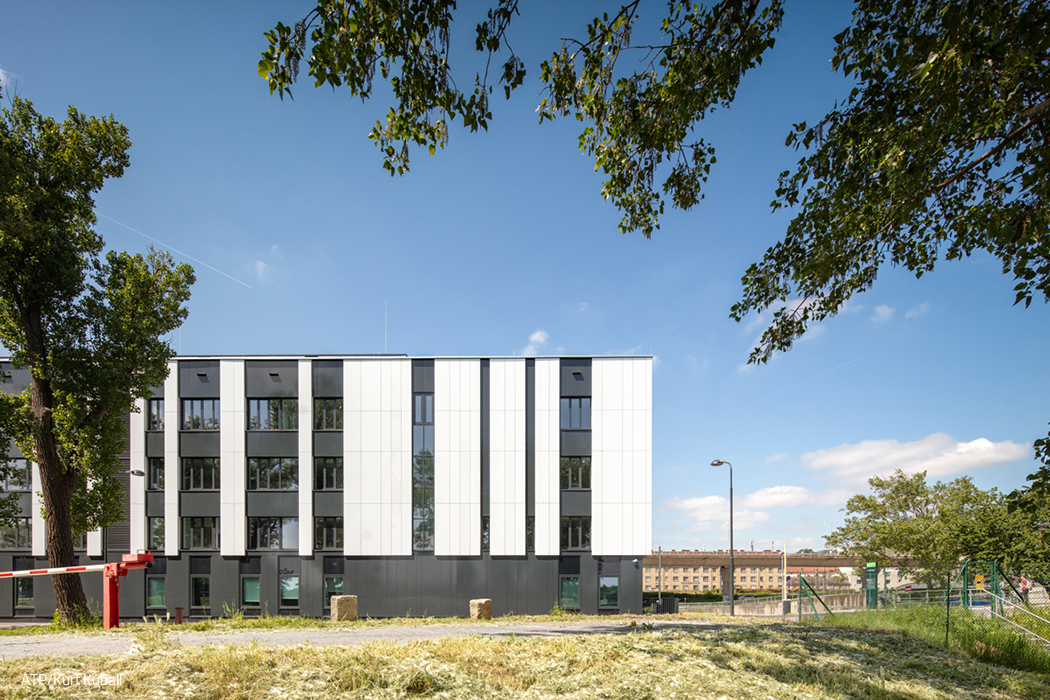
Studying Living Waters
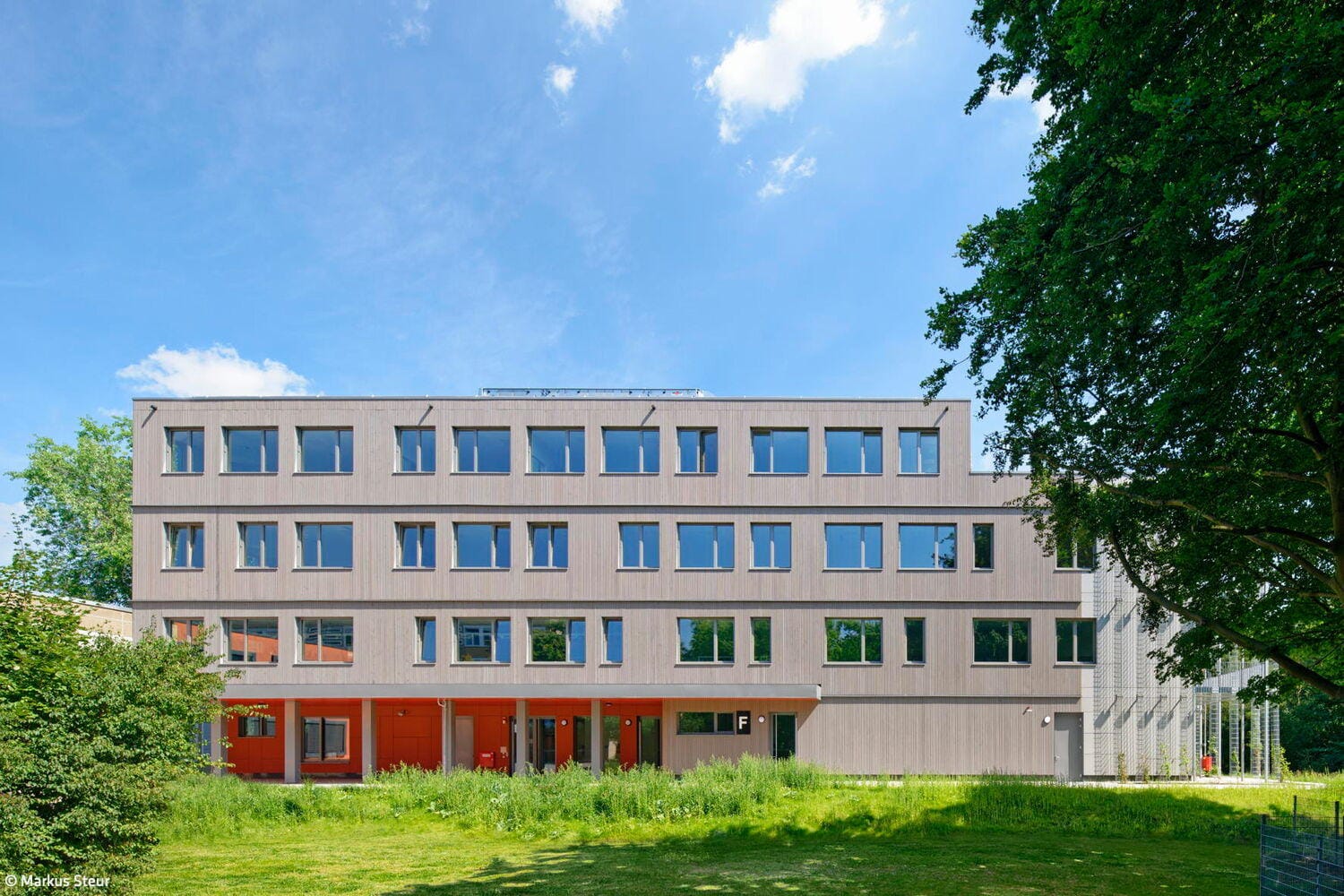
New Hydraulic Laboratory Prioritizes Sustainability
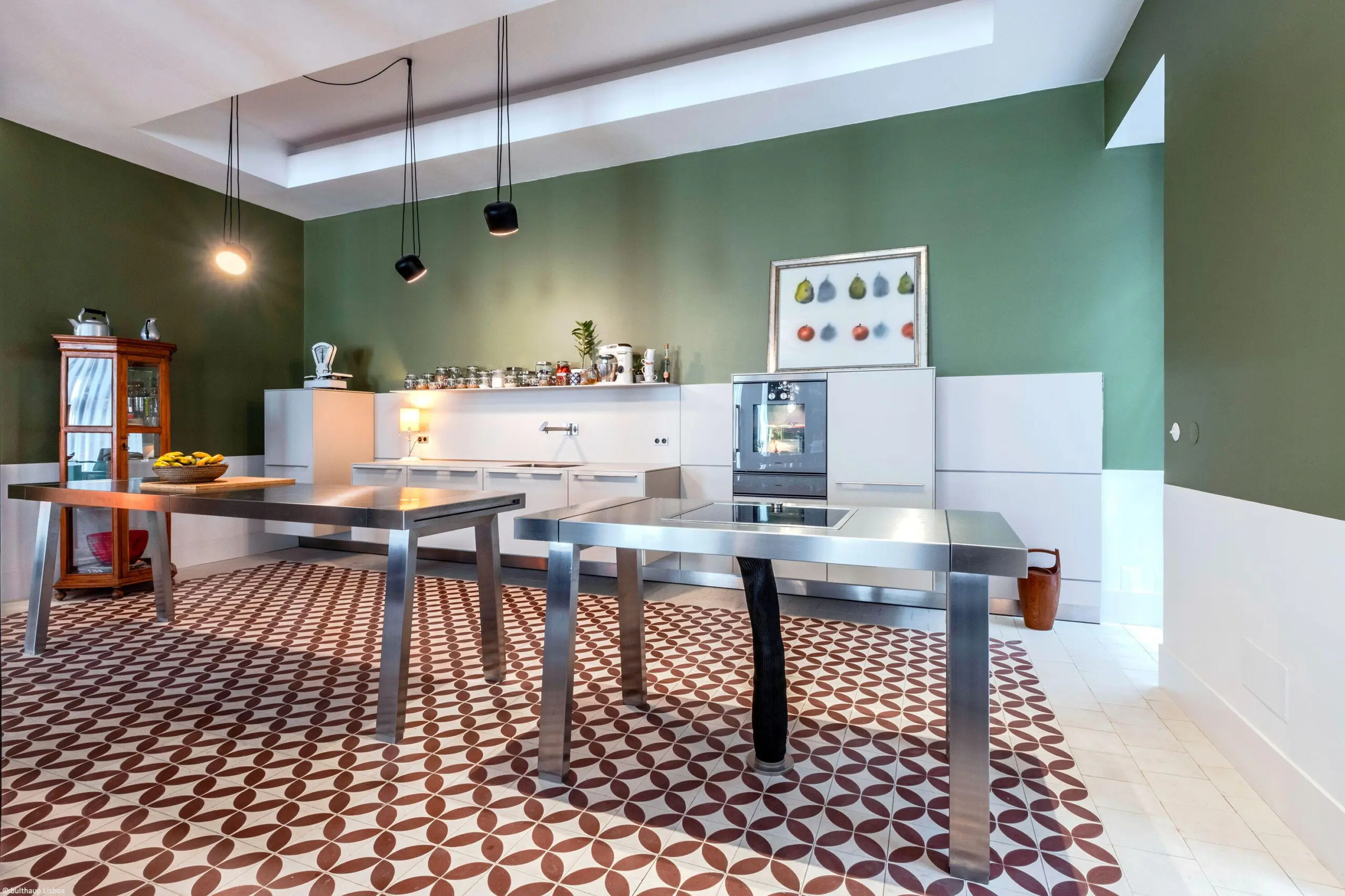
The Kitchen as a Hub for Connection
Design and function shaped around how people actually live.
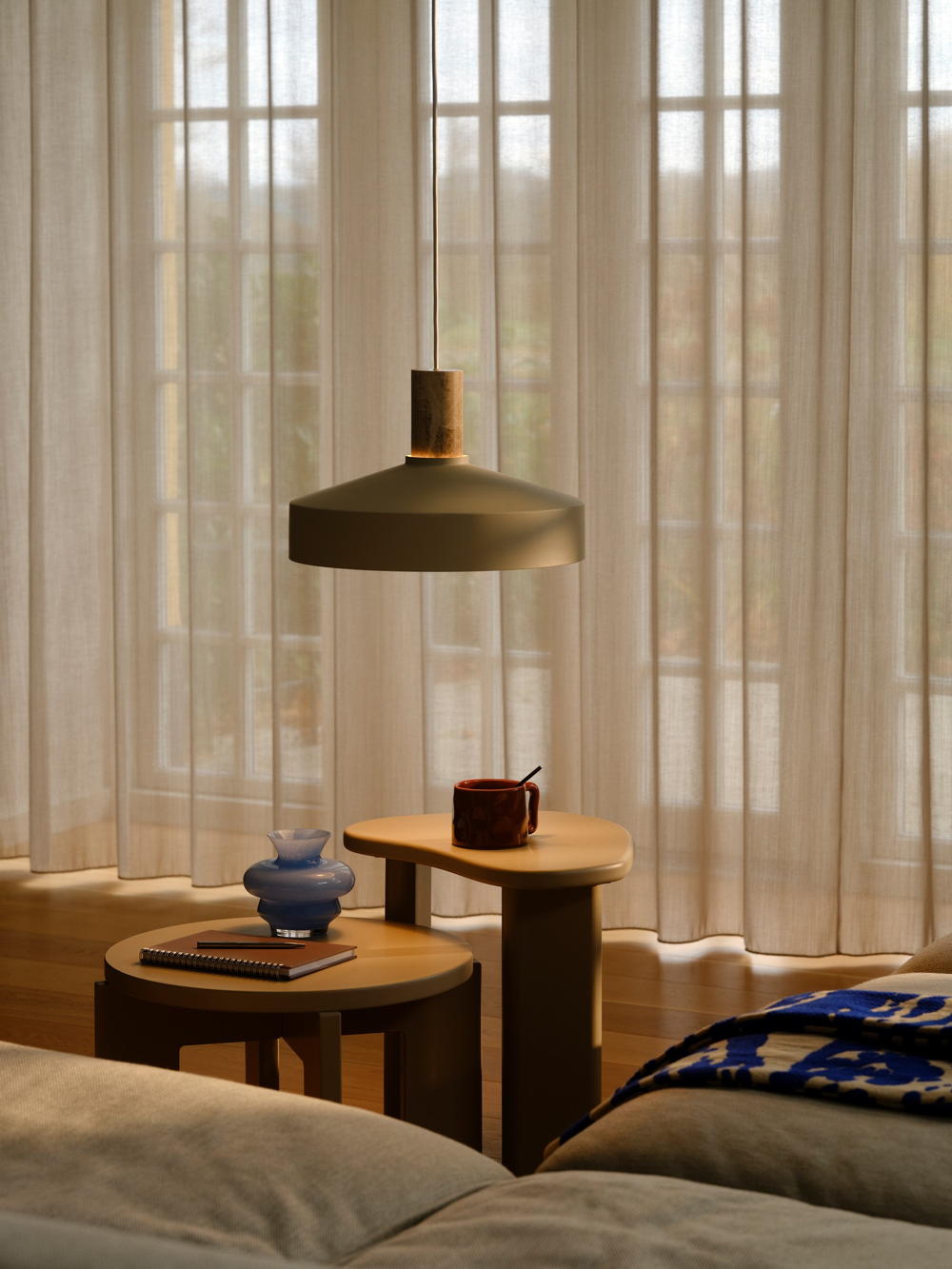
Precision in 3D
Says Who
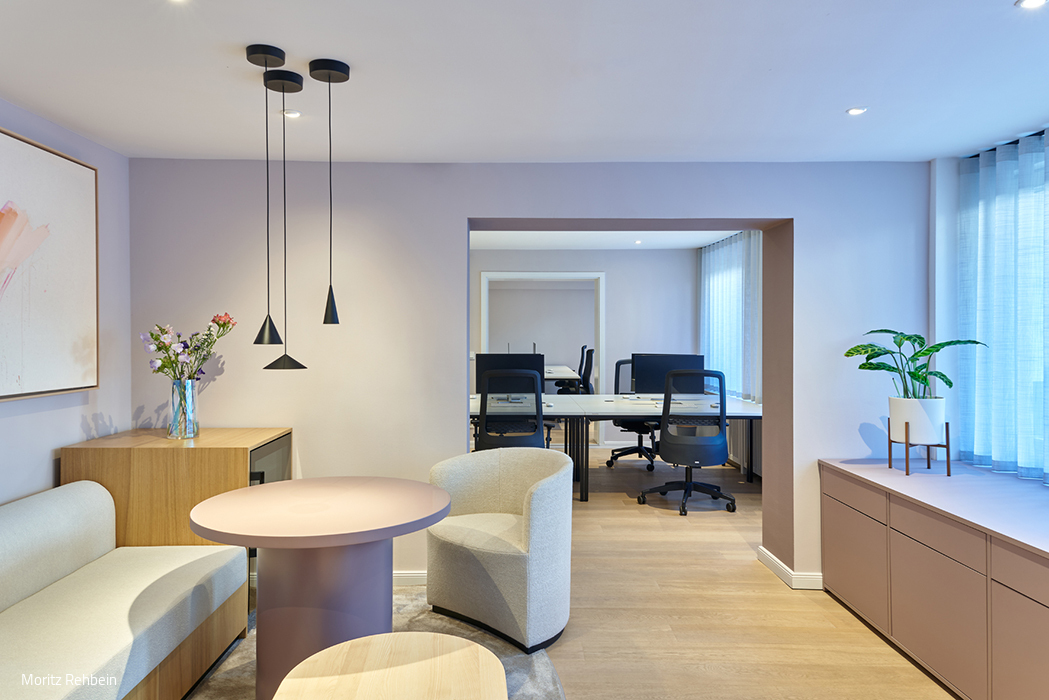
Monochrome, Clear, and Refined
A refined workspace in Rotherbaum