


Minimalist art in the garden
Purist garden of a villa on Lake Griebnitz
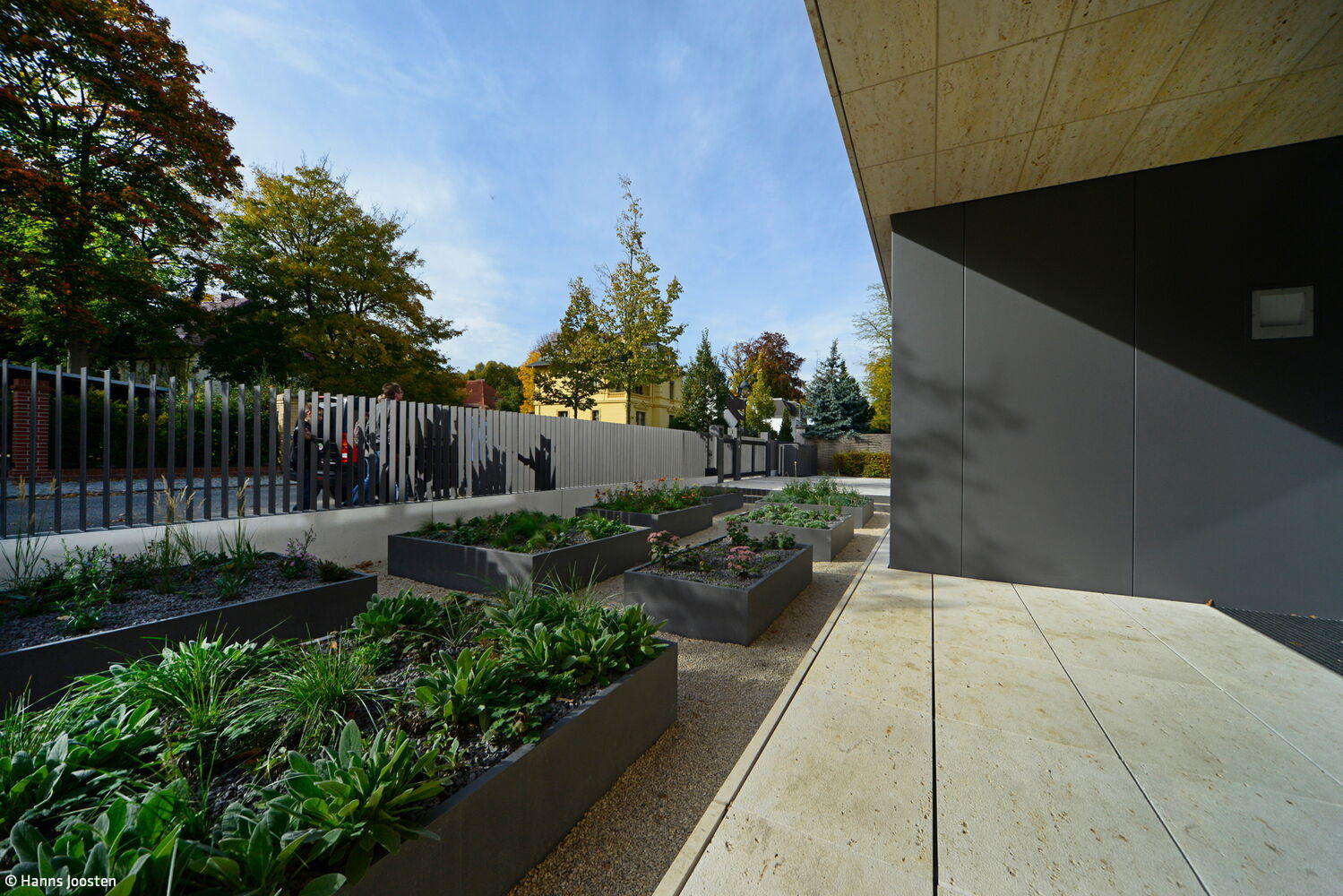
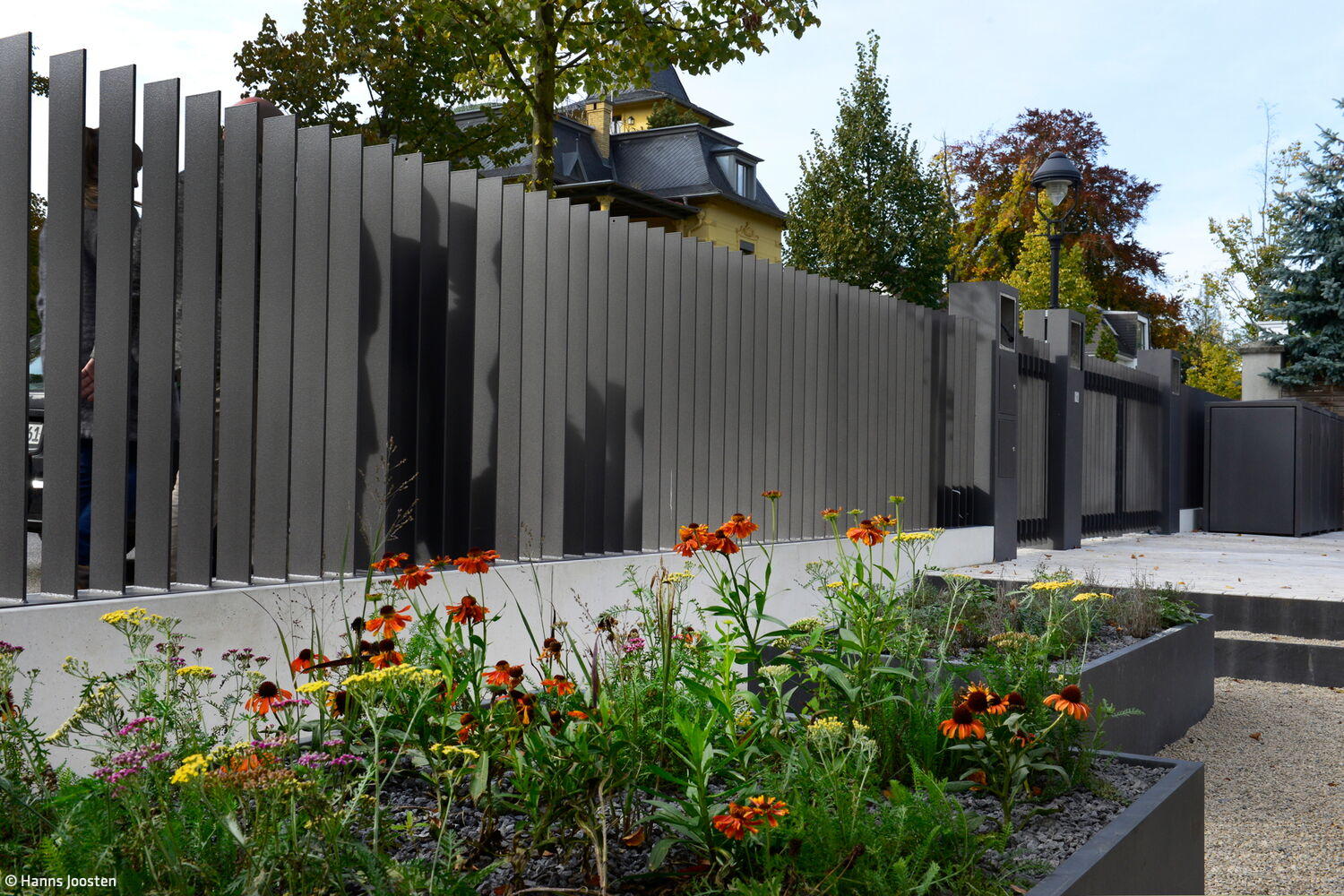
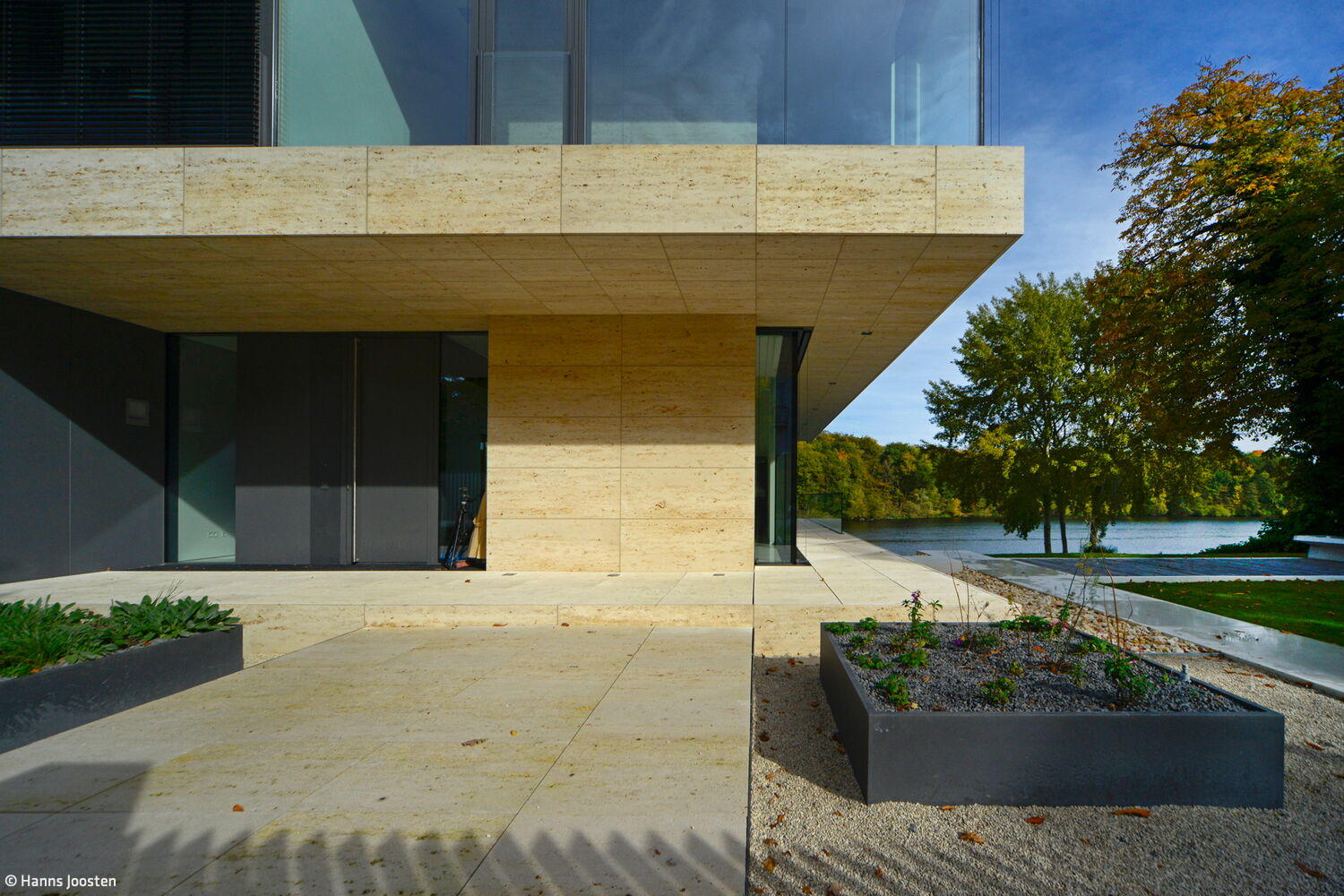
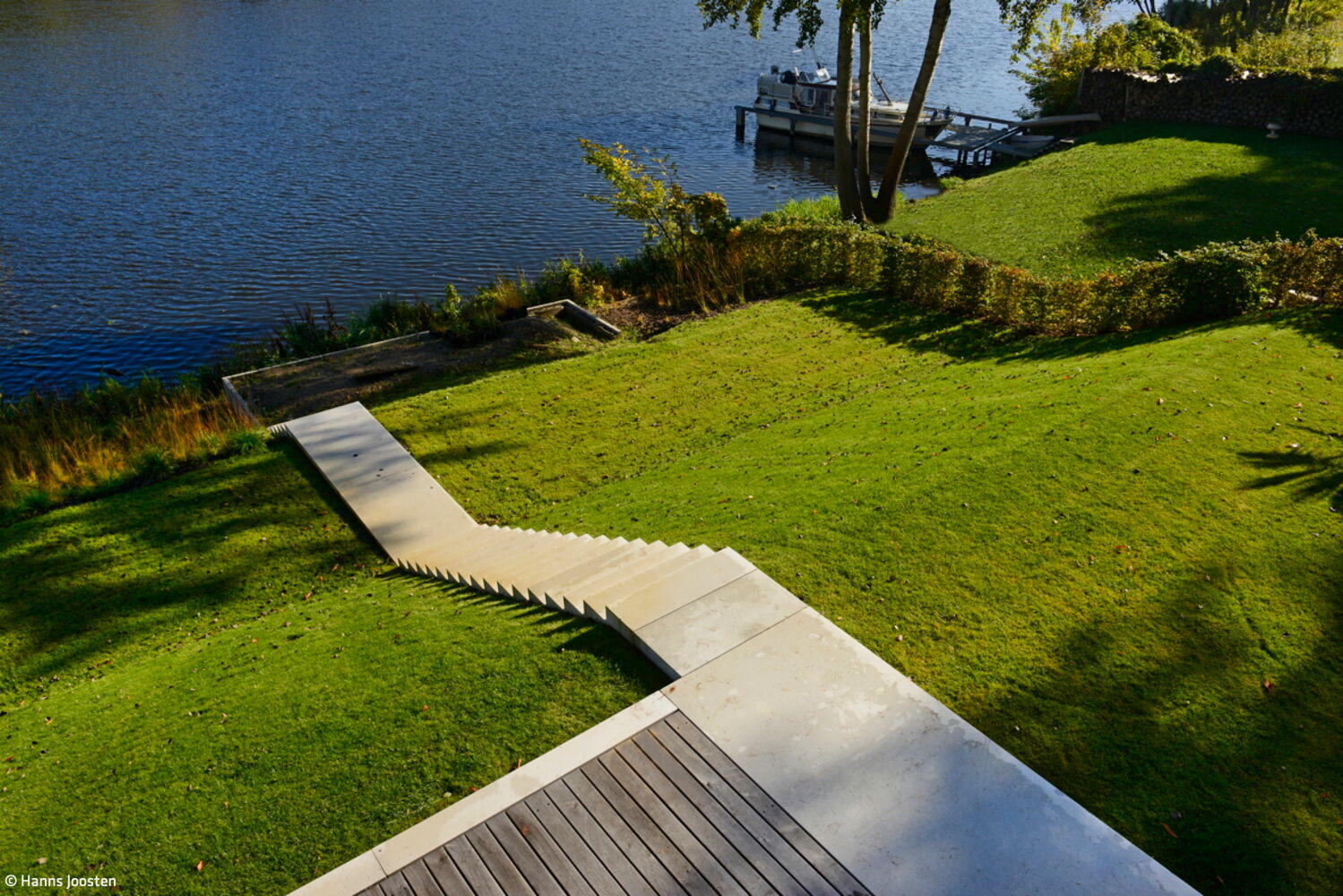
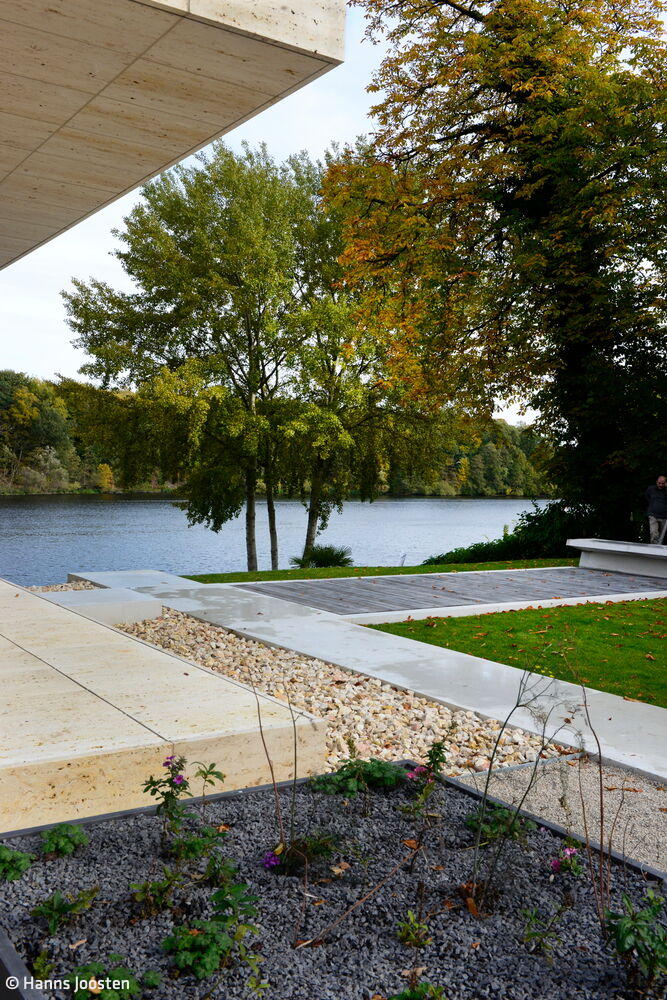
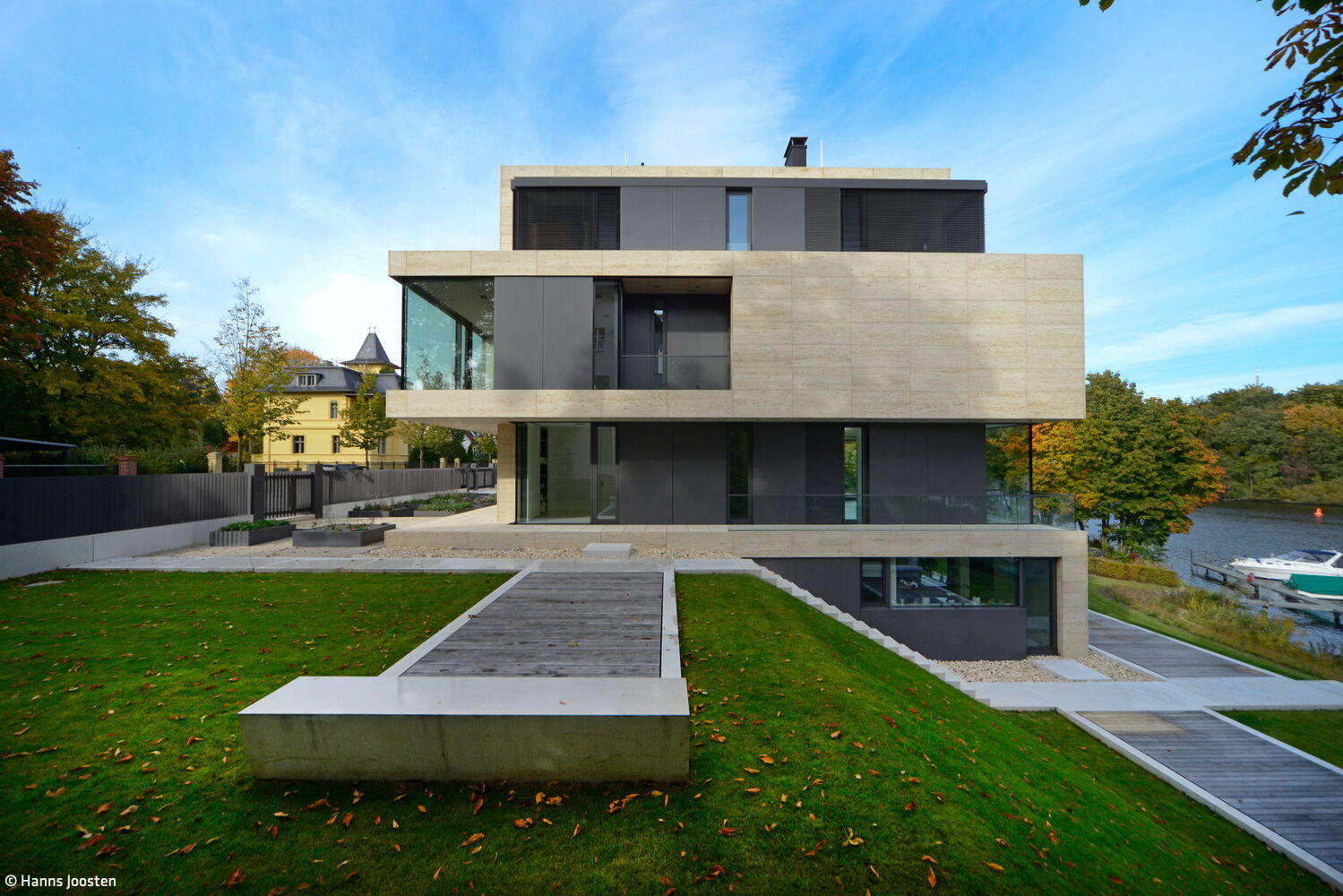
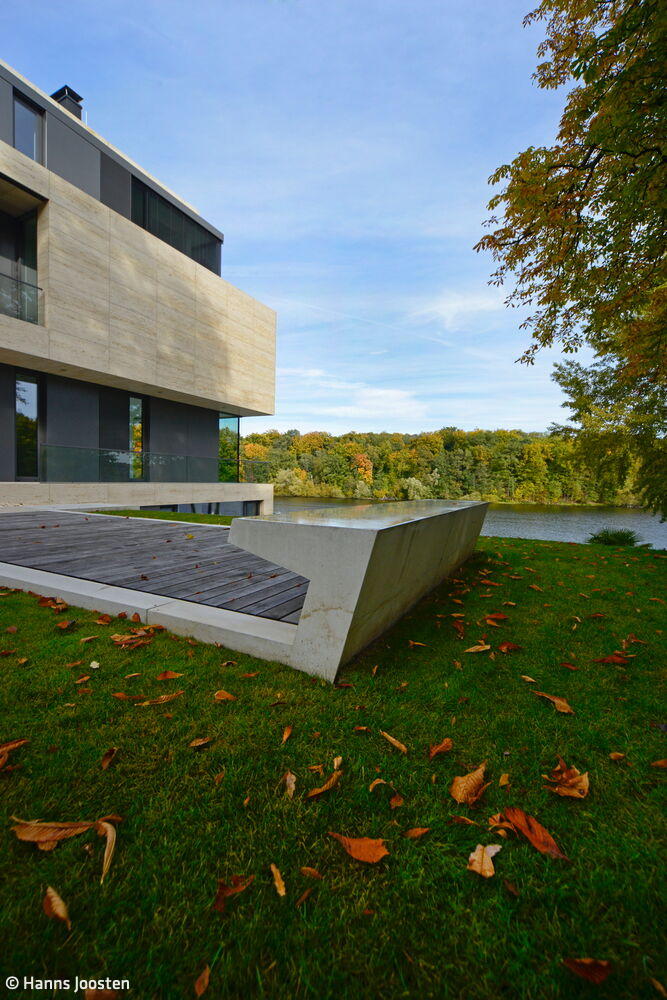
The property, situated in the traditional villa colony of Neubabelsberg, required a complete garden design. Like pearls on a string, these exquisite residences line the edge of Lake Griebnitz, most dating from the late 19th and early 20th centuries. In 1990, this richly layered landscape—shaped by generations of residents—was designated a UNESCO World Heritage site. At first glance, the new building's garden may seem spartan, but appearances deceive. The misreading stems from conventional expectations of what gardens contain: flower beds, pergolas, trees, and shrubs. This villa on Virchowstraße near Potsdam defies such conventions. Rather than a traditional garden, it presents a landscape design in perfect dialogue with the architects' bold modernism—concrete, glass, and geometric precision. Standing apart from its historic neighbors, this newcomer demanded an equally restrained aesthetic. The minimalist garden answers that call, stripping away ornamentation to reveal pure design essence. Conceived by Planorama Landscape Architects, this approach presents a genuine challenge: achieving contemporary elegance within a UNESCO-protected historical setting.
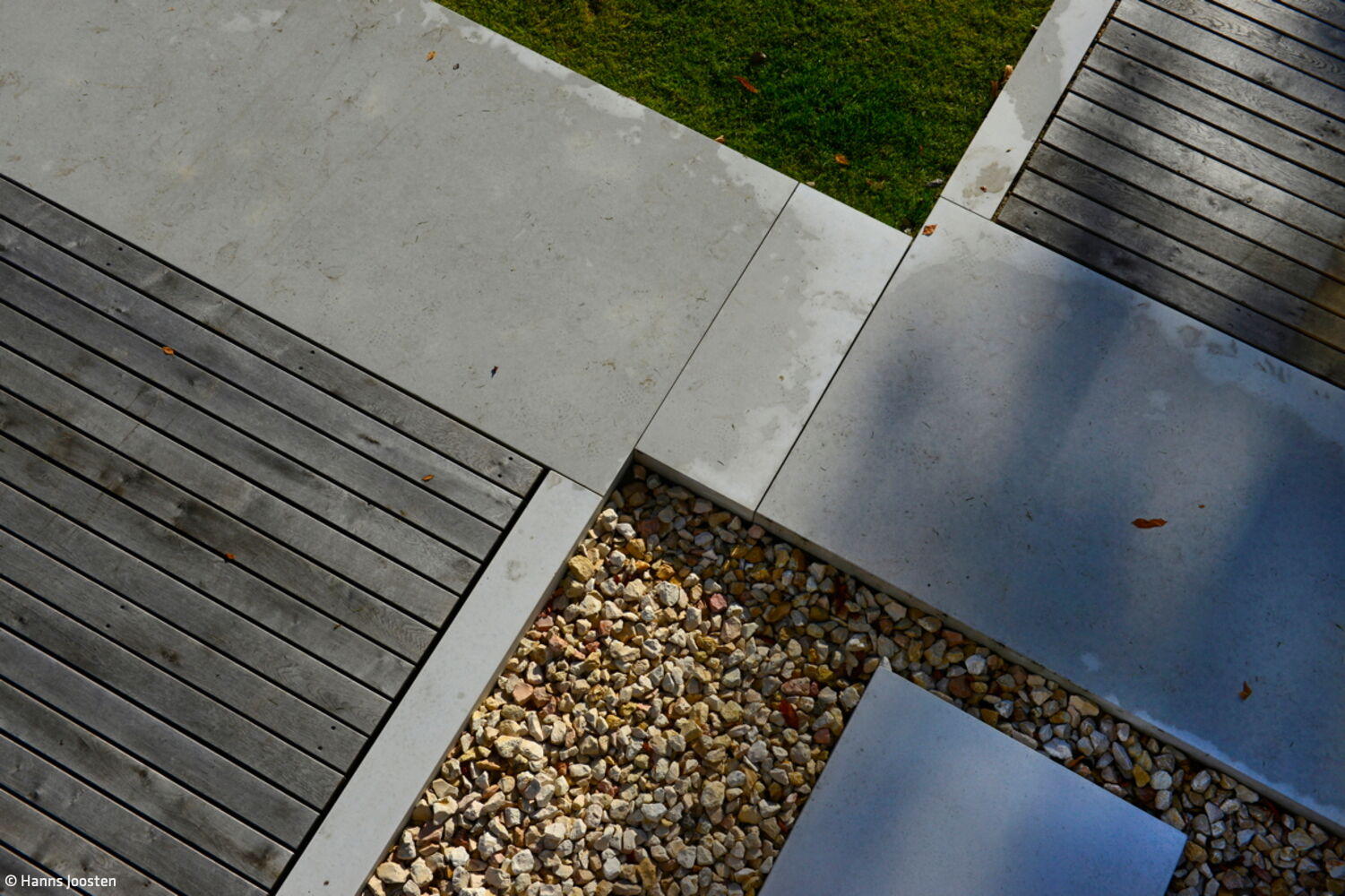
When planning commenced, the building's structure was already complete, and the site had been fundamentally altered—by the demolition of its predecessor and the excavation itself. Only the neighboring properties hinted at the original topography. Street-facing, the space offers minimal room for approach; toward the northeast and Lake Griebnitz, the land drops five meters. This dramatic slope demanded a solution: staggered terraces flowing organically downward. A sculptural white ribbon traces the house's perimeter—transforming into a staircase that descends to the lake's edge and landing. On the opposite side, a parallel pathway mirrors this gesture. Between them lies the "sunken garden": raised planters at building-base level create an intimate green sanctuary, brimming with roses, perennials, and ornamental grasses in a carefully composed composition. It contrasts sharply with the lake-side embankment, planted with ecologically valuable native grasses. The entire structure is set within a frame of pale limestone gravel and aggregate. Concrete-edged oak decking and concrete seating—minimalist in form—provide outdoor gathering spaces.
Photography:
Hanns Joosten
www.hannsjoosten.de
(Featured in CUBE Stuttgart 01|25)


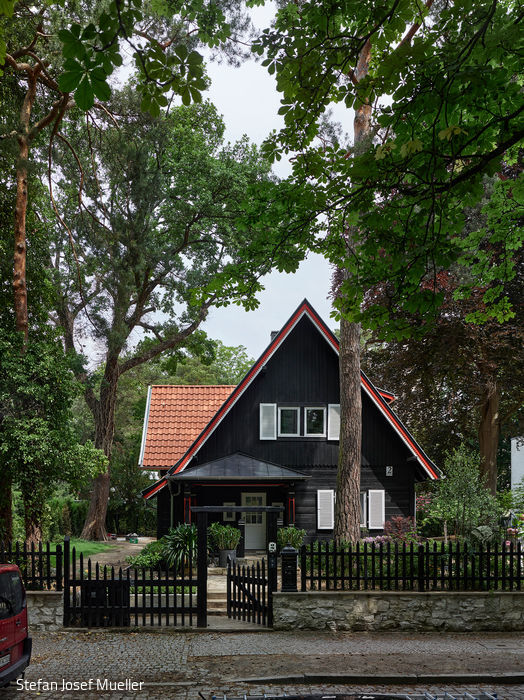
A Tribute to Emilie
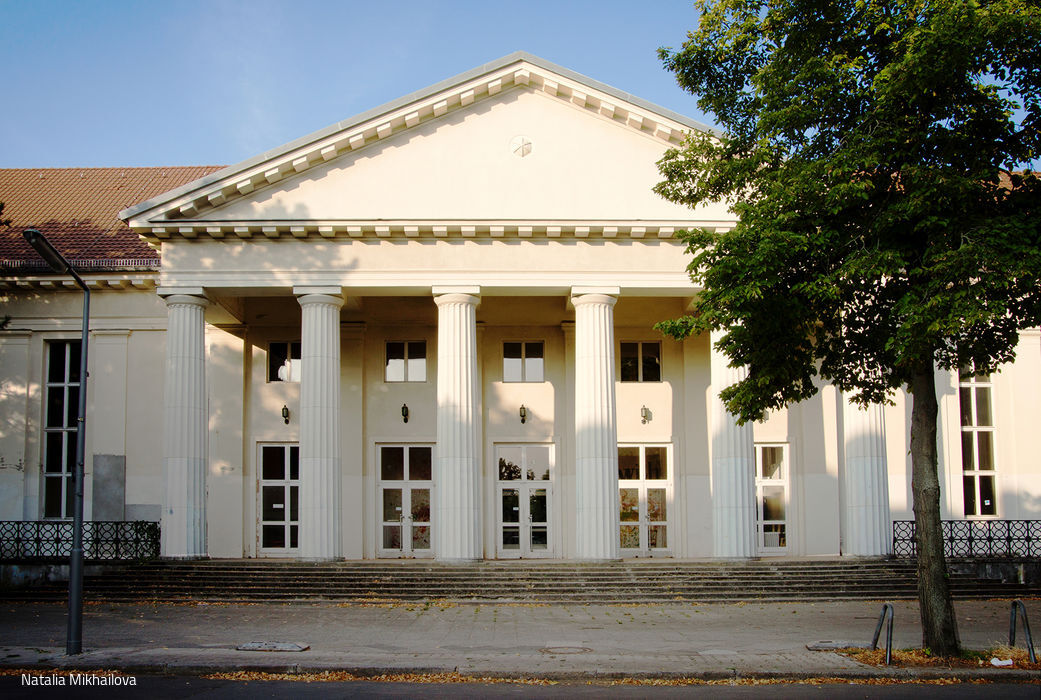
A heritage-listed building by architect Emilie Winkelmann has been thoughtfully renovated and extended.
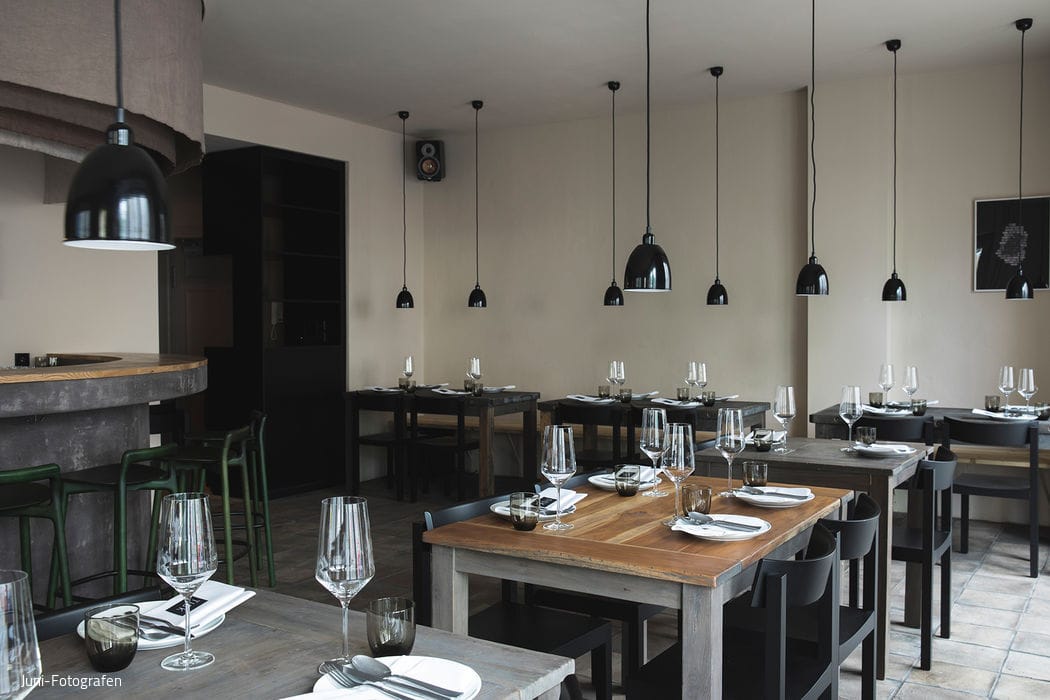
Elevated Dining, Honest Fare
Tucked away in Neukölln, a culinary destination for discerning palates.
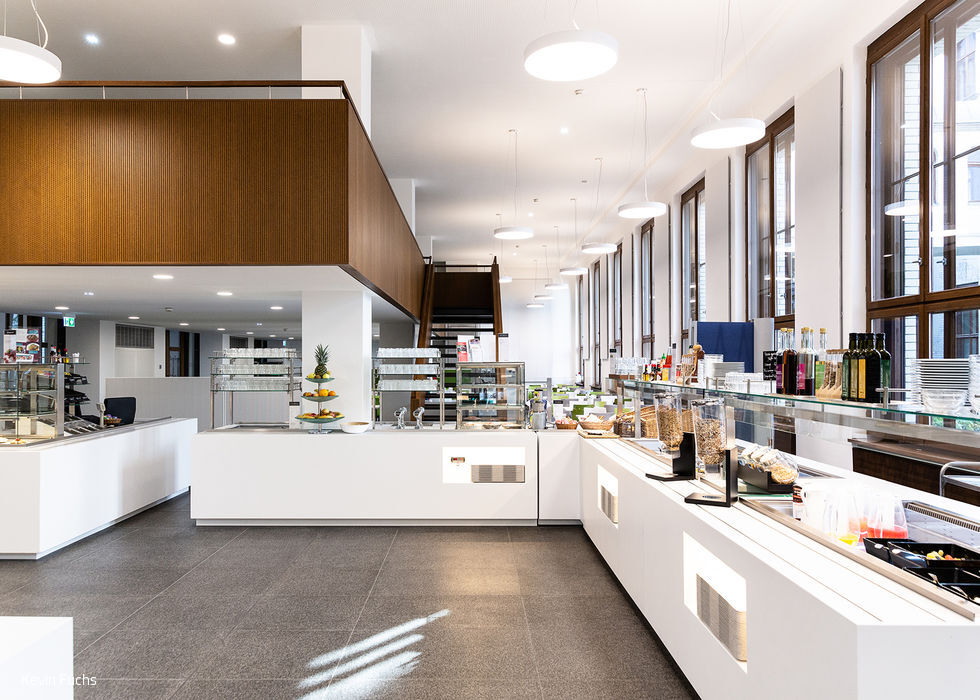
A Fresh Take on Downtime
Reimagining the KfW Bankengruppe's Canteen and Courtyard

Color: More Than Just Vibrancy
Atmosphere—whether in urban spaces, architectural design, or interior environments—profoundly influences human well-being.