


Understated Confidence
An eight-unit residential building rises on the site of a former office tower
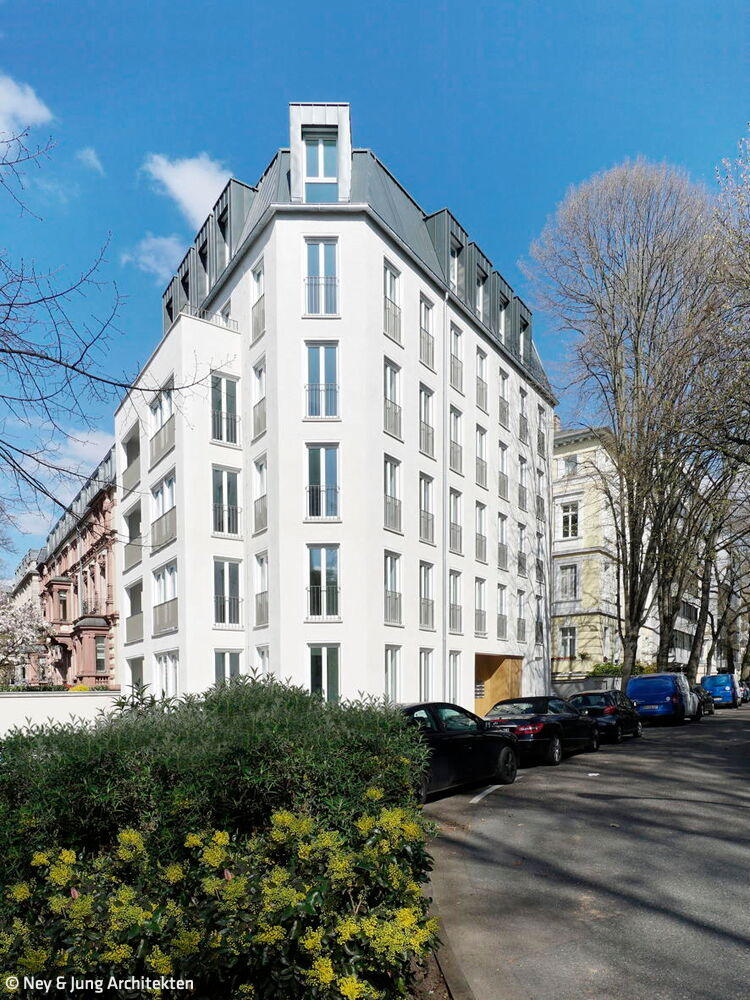
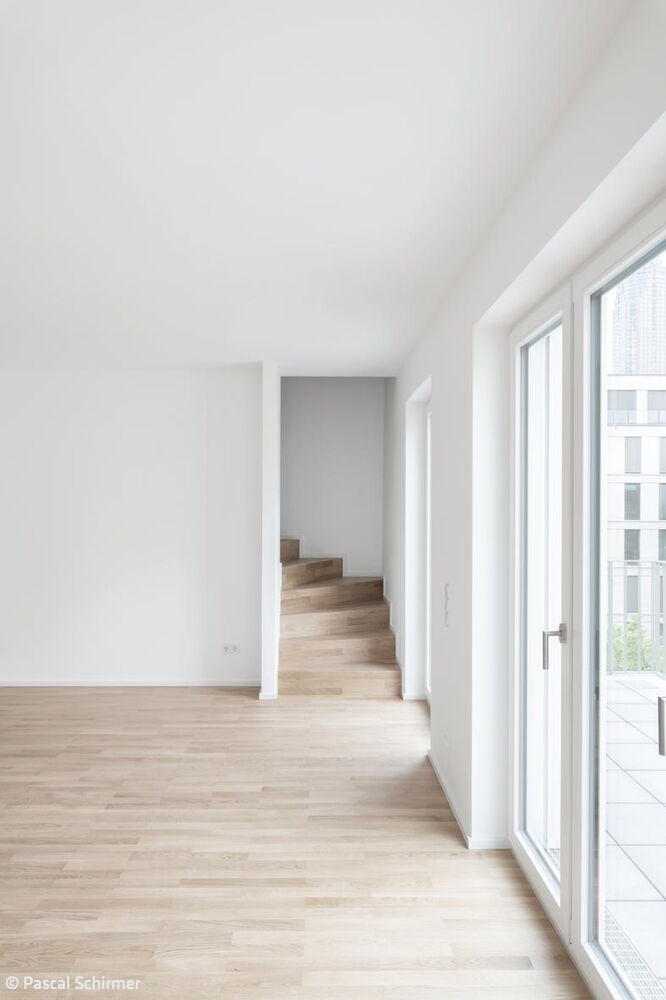
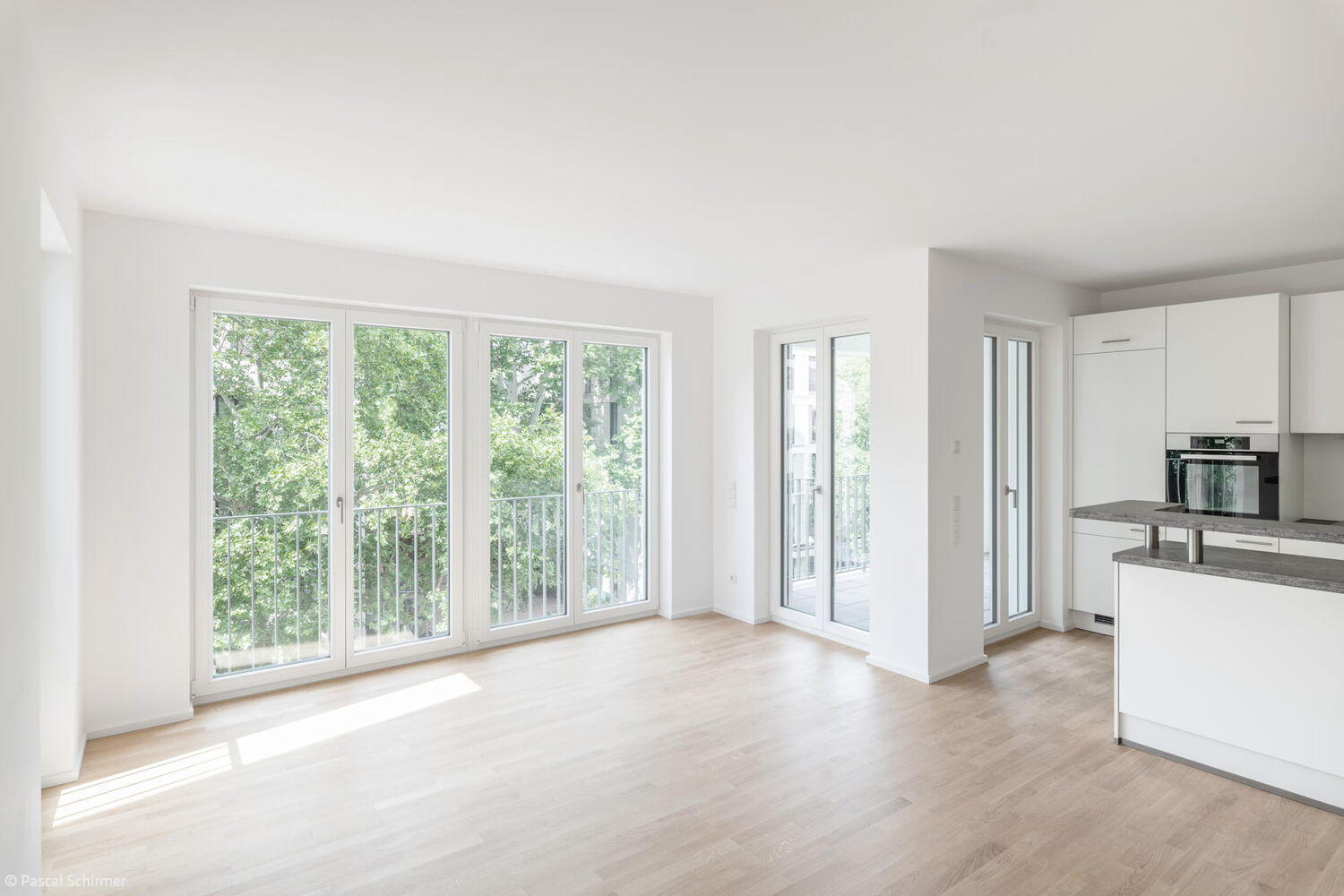
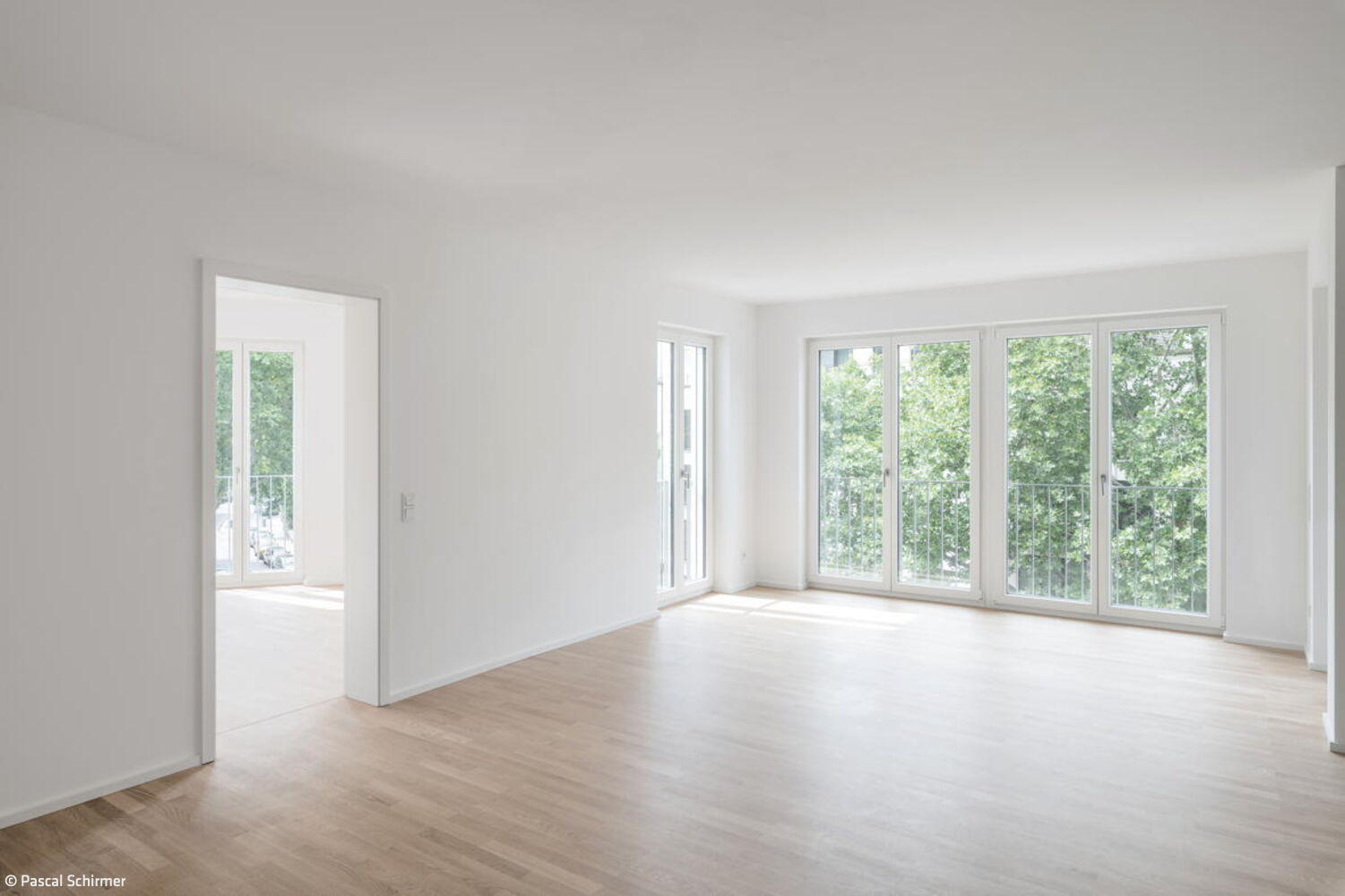
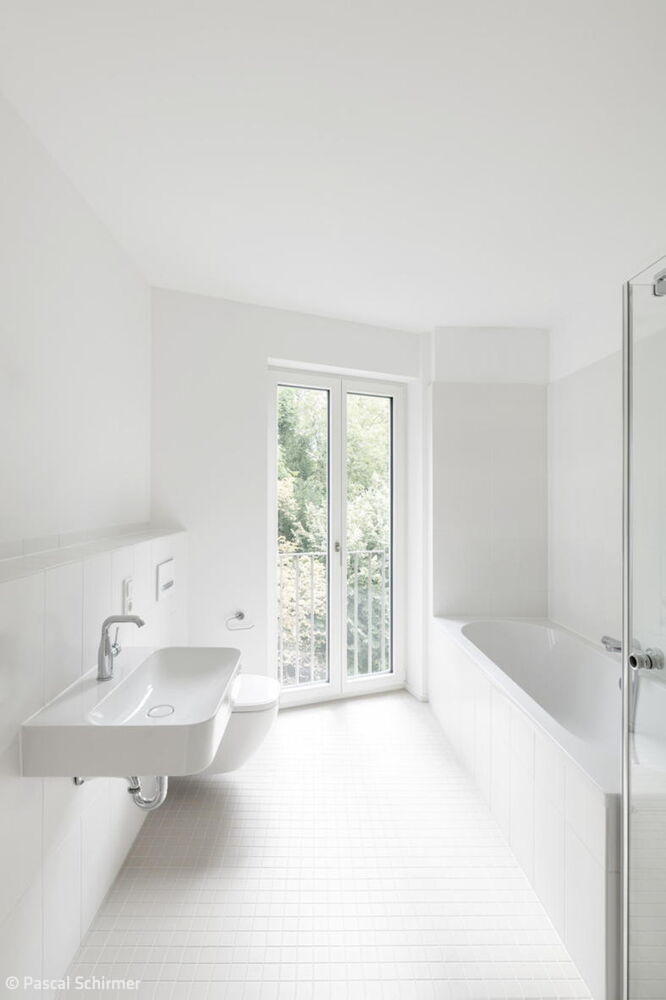
For years, a vacant 1960s tower dominated the corner of Lindenstraße and Westendstraße in Frankfurt—a prominent eyesore. Once an office building, it had become an urban monolith: too imposing, too tall, too forgettable. Now it's gone. In its place rises a residential building that embraces restraint—and gains strength from it.
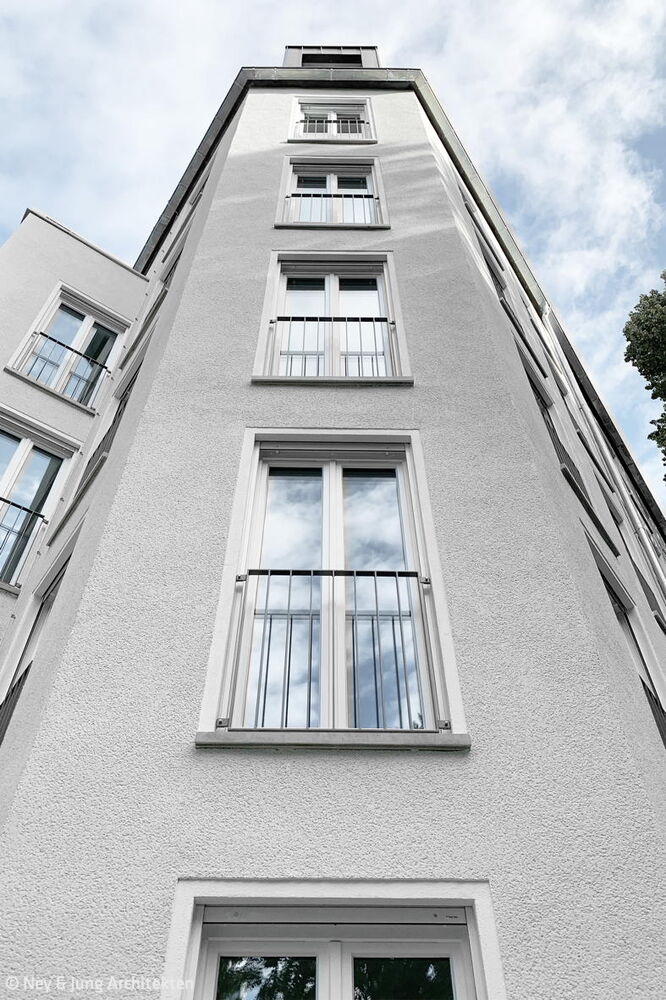
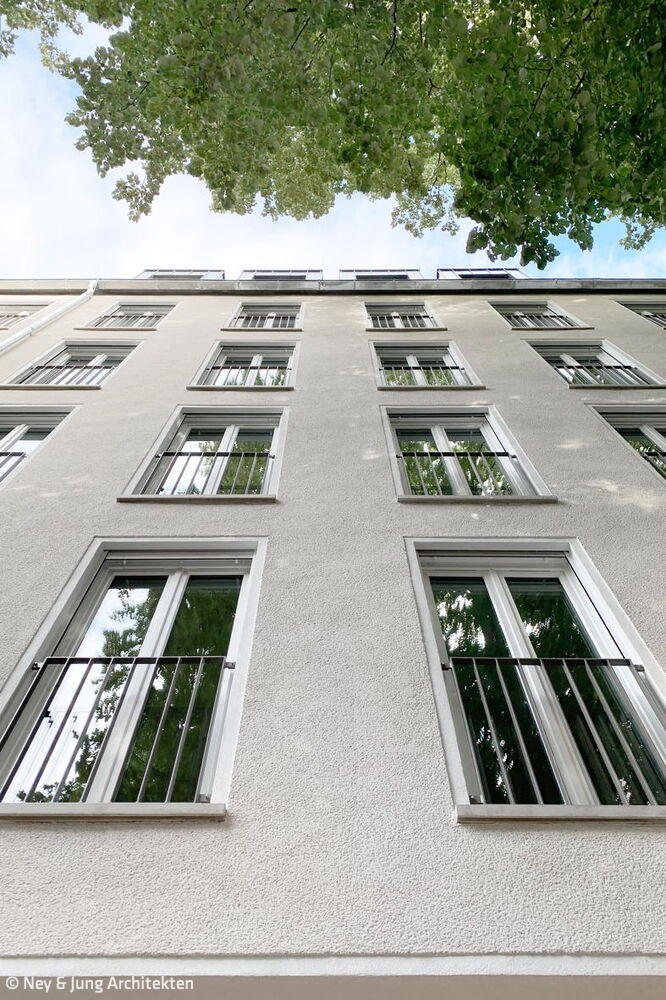
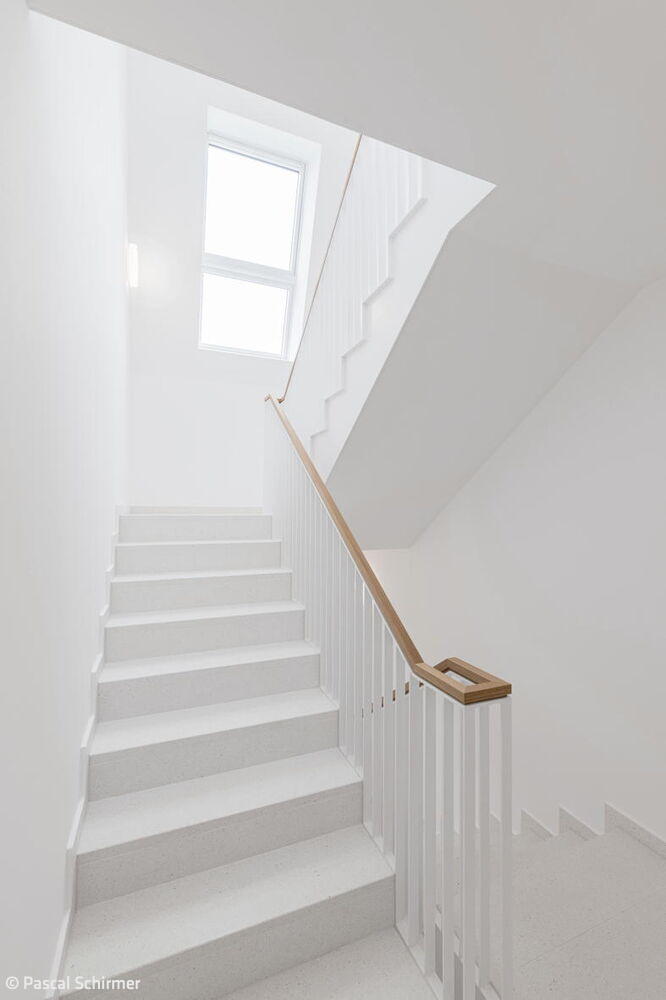
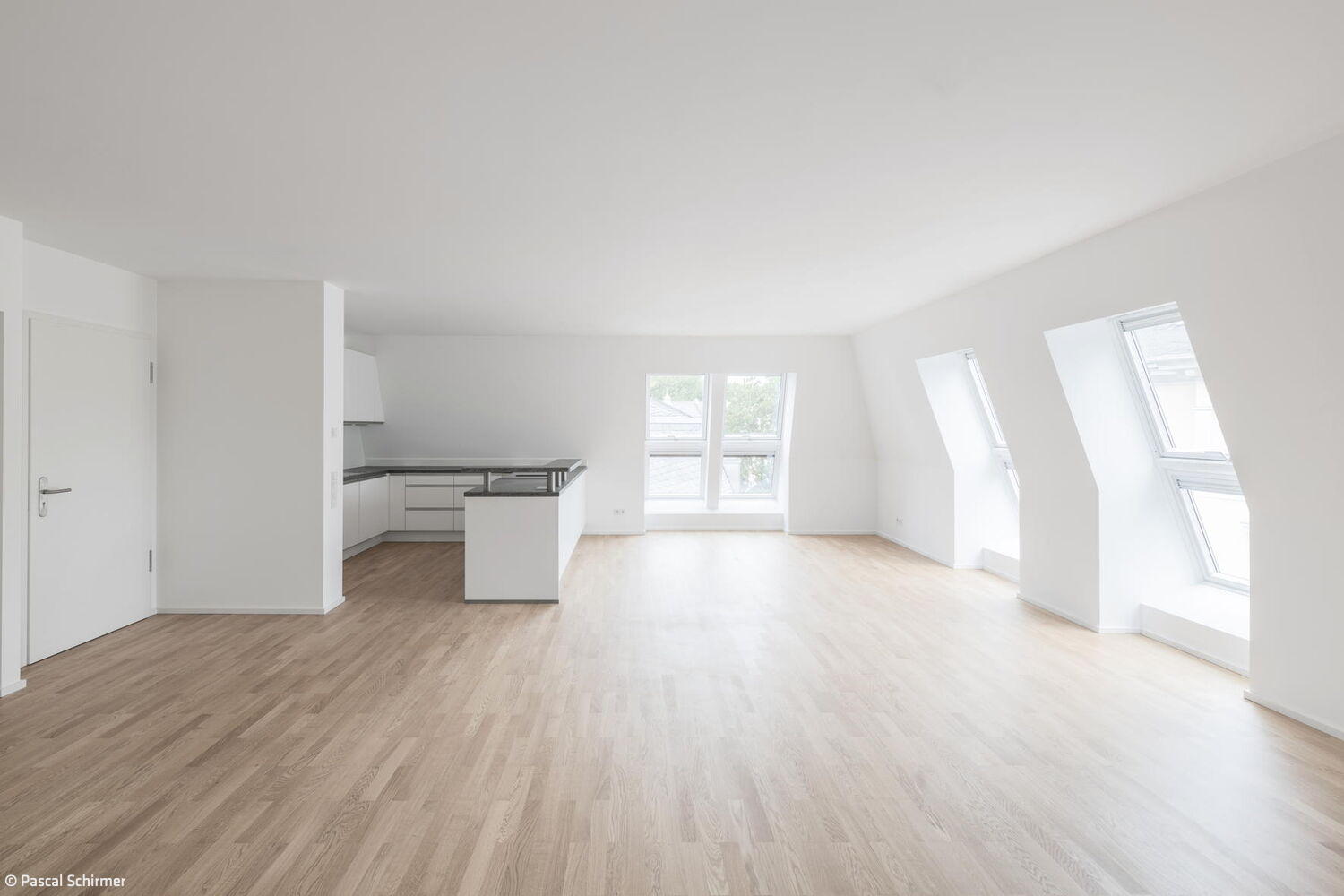
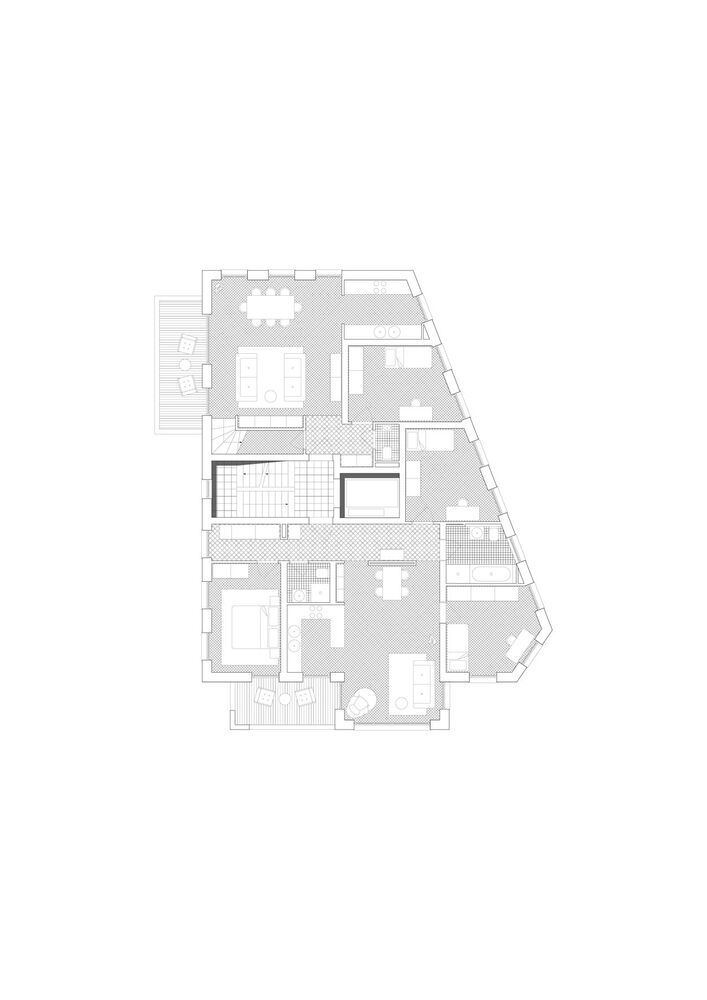
Designed by Ney & Jung Architects of Bingen for the Hubertus Wald Foundation in Hamburg, this new building represents far more than an urban planning correction. It thoughtfully responds to its historical and architectural context. Yet the path to this solution required careful consideration. Working closely with building authorities and heritage conservation officials, the architects navigated complex negotiations to achieve a single goal: a structure that honors the original perimeter block layout of the Wilhelminian era and respects the historic streetscape—while making a distinctly confident architectural statement. Not bombastic, but assured. The building echoes the sight lines of neighboring facades, completes the plot's contours, and reimagines the era's distinctive corner typology through a precise chamfer rather than a sharp angle. A chamfer—unlike a hard edge—creates a narrow beveled plane that softens without compromising clarity. This philosophical approach extends to every material choice: mineral-based, durable, authentic. Solid thermal brick walls eliminate the need for synthetic insulation while supporting a refined fine-aggregate plaster finish. Windows and doors in wood are carefully proportioned to the surrounding architecture, precisely aligned with the façade rhythm and floor levels—nothing is accidental. Inside, oak parquet, light tiles, and white walls establish a serene backdrop. The apartments are stages for living, not predetermined settings; residents make them their own.
This building demonstrates architecture's power to generate genuine social and cultural value when grounded in principle and craftsmanship rather than profit maximization. Here, the design wasn't driven by speculation but by a clear commitment: creating high-quality rental housing that's economically sound without prioritizing returns. Eight units—including two maisonettes—occupy 946 m² of living space distributed across five full floors and an attic level, supported by an eight-space underground garage.
Photography:
Pascal Schirmer
Ney & Jung Architects
(Featured in CUBE Frankfurt 02|25)
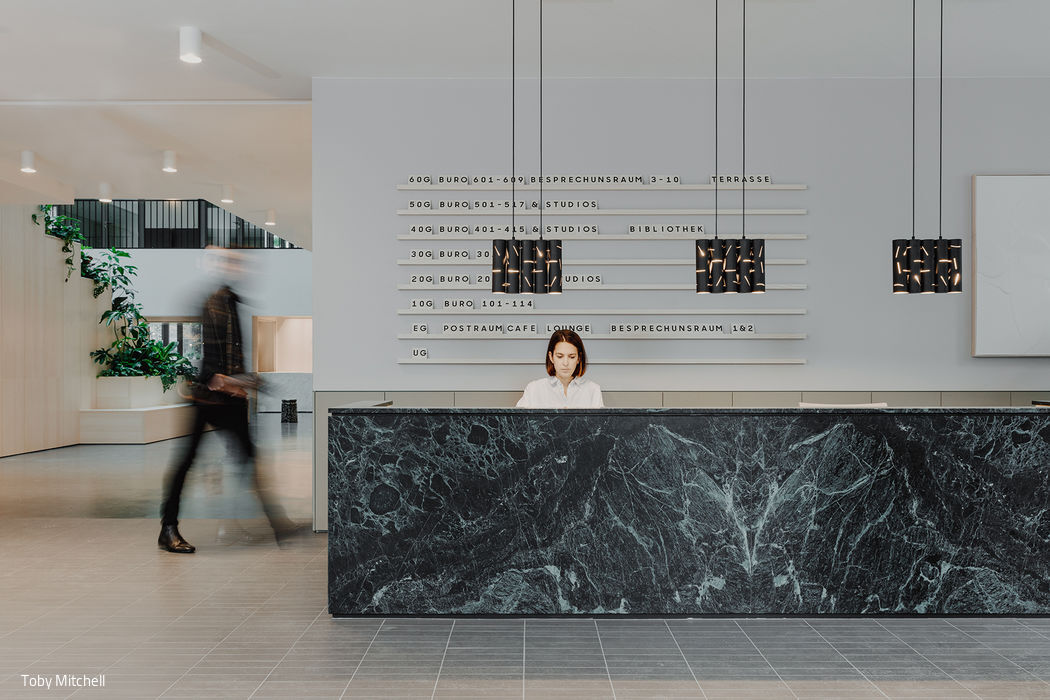

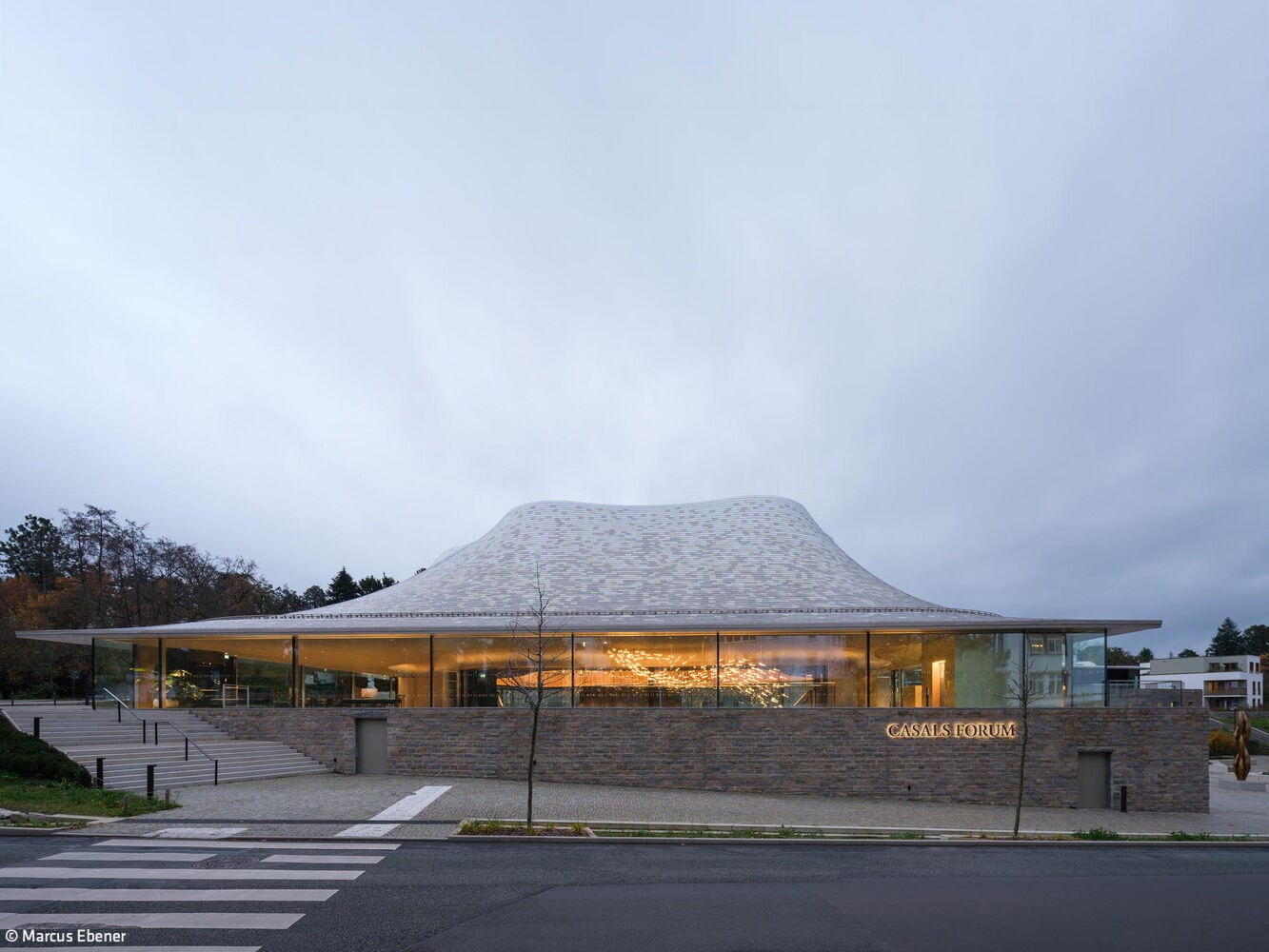
Atmospheric and Connecting
A Refined Lighting Concept Designed for Musical Performance
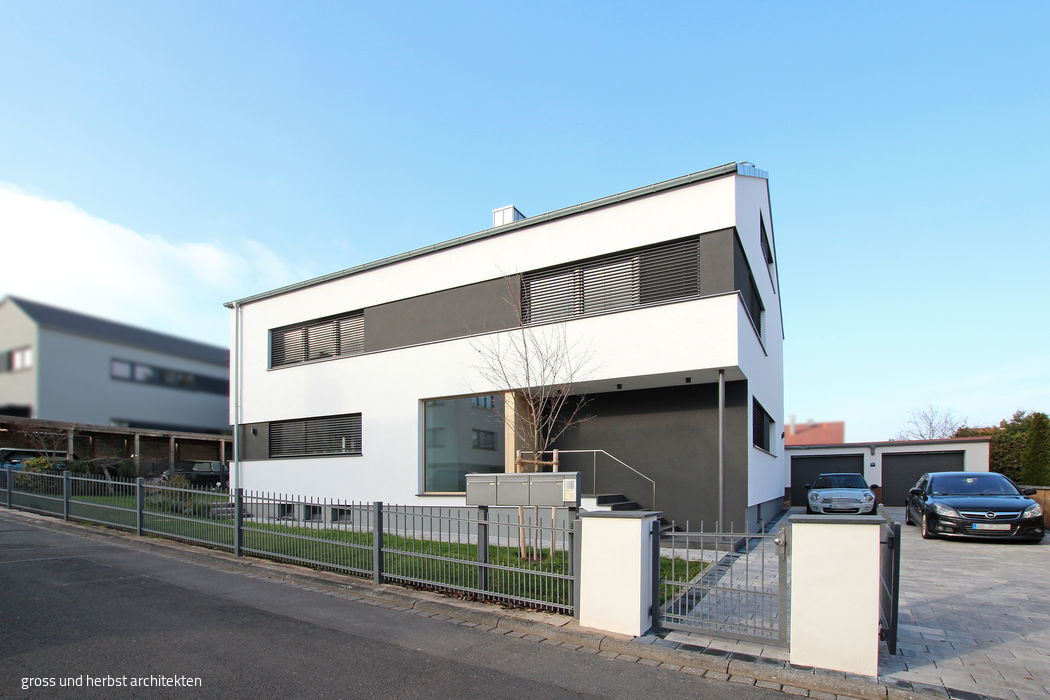
Transformation of a Home
Gross und Herbst Architekten transformed a 1960s apartment building into a contemporary single-family residence with…
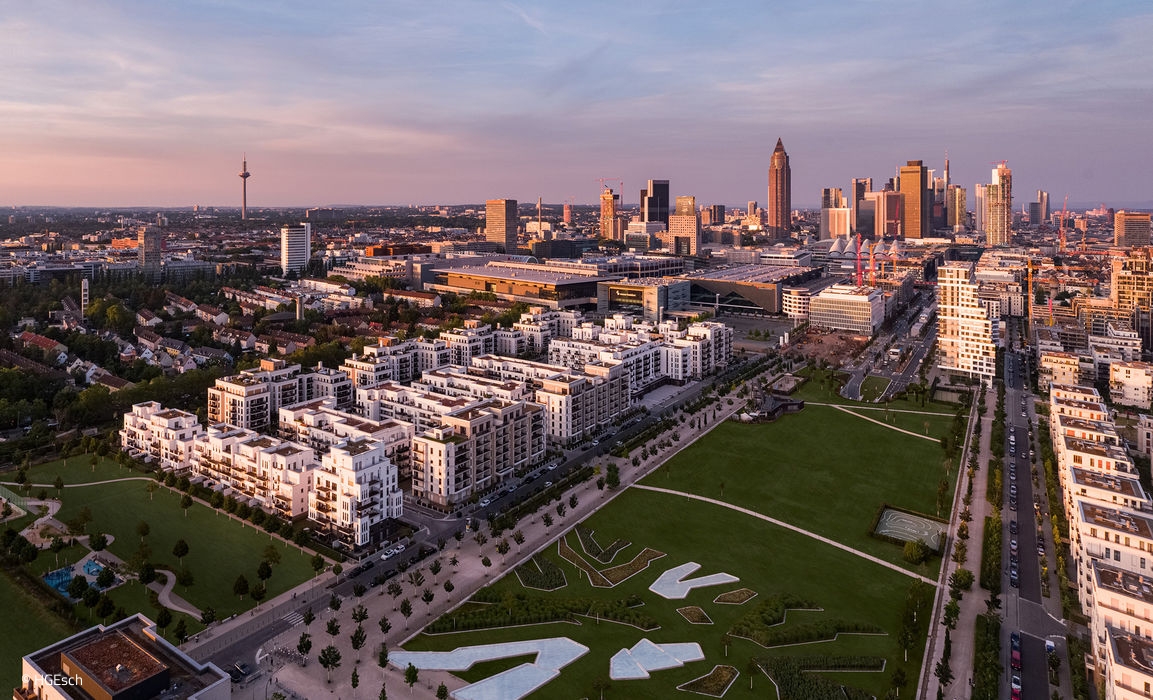
Diversity in Unity
A Project of Superlatives: Parkend Residential Quarter
"ARCHI-SCULPTURE"
A Detached Home in Bad Nauheim: Design Through Precision