Dynamic & Forward-Thinking
Inclusive school opens new possibilities for education, sports, and culture in Weinheim


The Zweiburgenschule in picturesque Weinheim demonstrates how a school complex can do more than embody pedagogical ideals—it can generate its own energy and contribute to the town's power supply through integrated photovoltaic systems. Cologne-based v-architekten won the Europe-wide design competition with an elegant solution: pavilion-style classroom buildings arranged around an existing cultural landmark, the Rolf-Engelbrecht-Haus, each with its own distinctive outdoor spaces. The addition of a three-court sports hall positioned directly adjacent to the cultural centre's foyer creates a seamless spatial connection between education, athletics, and culture.
The school serves approximately 400 students across its three-form primary school and special education center with integrated support classes. Warm yellow facades distinguish the staggered pavilions, welcoming learners from a distance. Though the Albert Schweitzer Primary School and Johann Sebastian Bach Special Needs School operate as a unified, inclusive institution, the architects thoughtfully maintained separate spaces within the similar pavilion structures. This arrangement creates distinct green courtyards that work in concert with the cultural centre, providing students with generous, flexible outdoor spaces complete with play facilities.
Inside, the architects prioritize wood and exposed concrete, with approximately 35 classrooms organized in clusters across the two-story pavilions. Expansive panoramic windows flood the interiors with natural light. Rubber flooring from a local supplier echoes the cheerful yellow of the facades throughout the generous hallways. The sports hall anchors the northern edge of the complex while simultaneously enhancing the cultural centre's entrance experience.
Every classroom features individual ventilation, direct access to the outdoors, and radiant floor heating powered by heat exchange technology. Two photovoltaic arrays crown the green roofs, converting sunlight into power for the municipal grid—generating enough electricity to meet the needs of roughly 40 households—while simultaneously powering the cultural centre. The jury's assessment says it all: "This design realizes a vibrant, forward-thinking school building that fully embodies the innovative vision it set out to achieve."
Photography:
Brigida González
www.brigidagonzalez.de
(Published in CUBE Frankfurt 02|24)
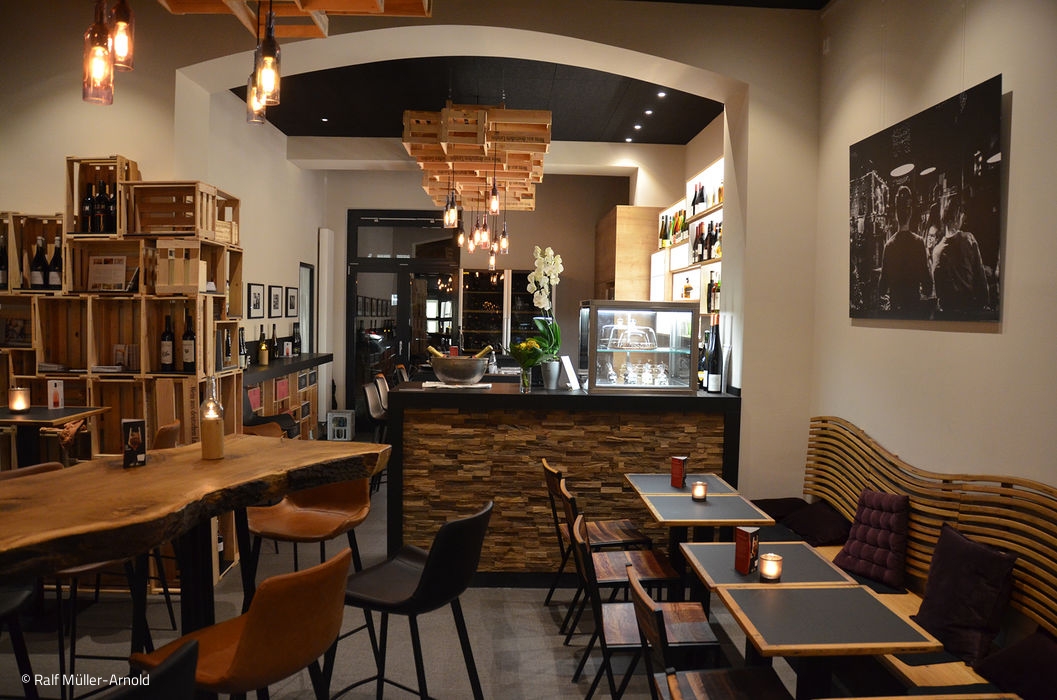
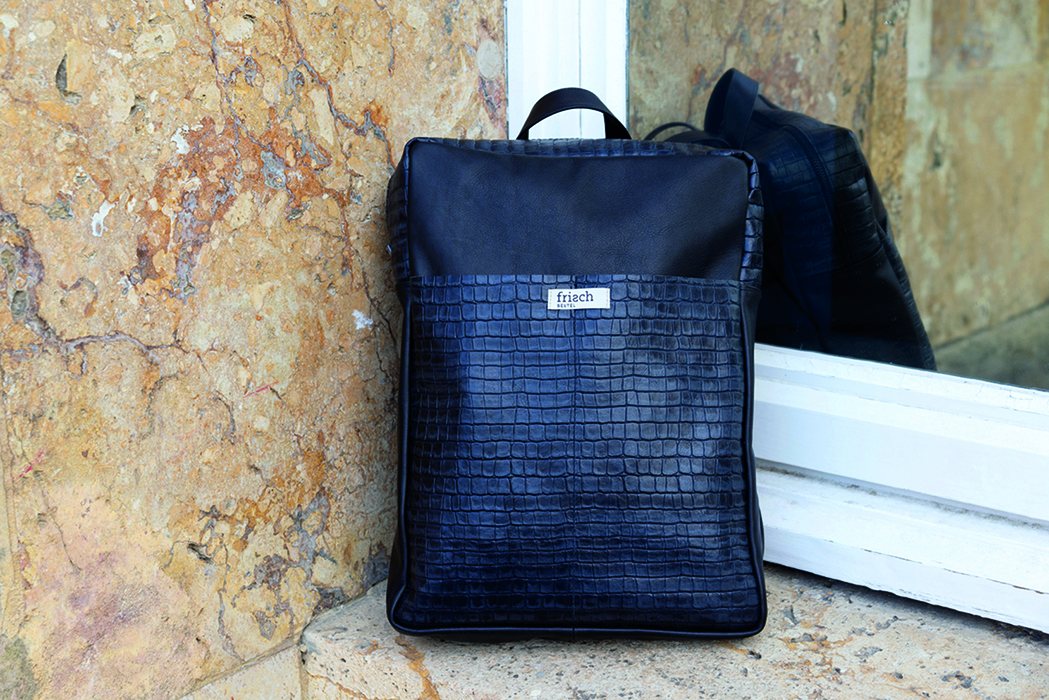
Sustainable and Local
Lisa Frisch and Katharina Pfaff offer a thoughtful alternative to fast fashion
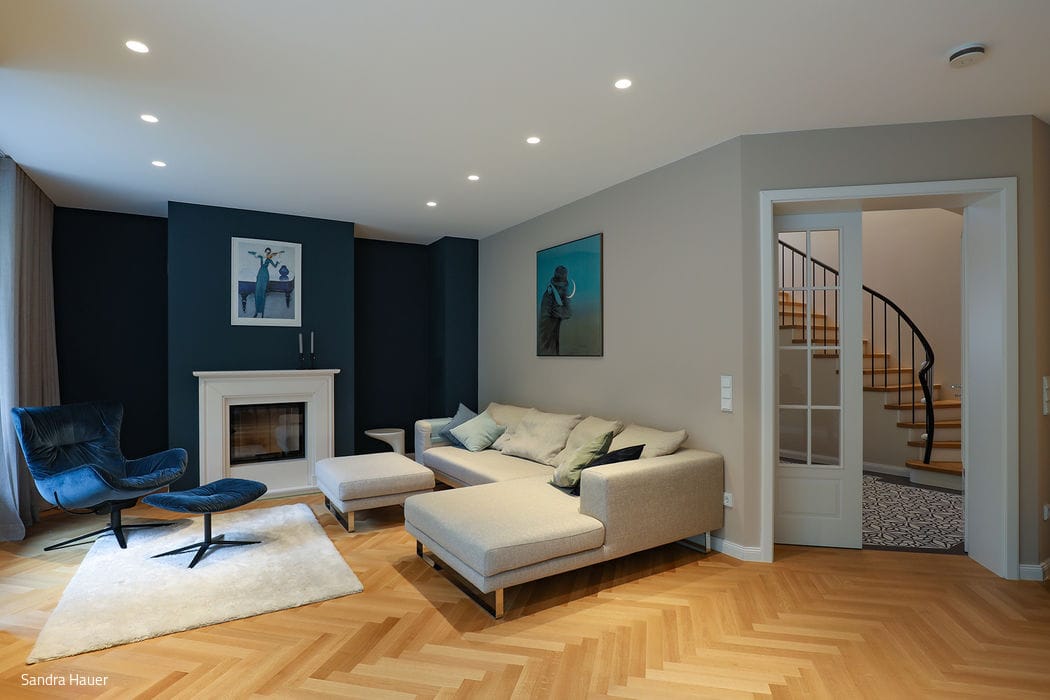
Making the Most of It
A 1950s Semi-Detached Home Transformed into a Family Dream
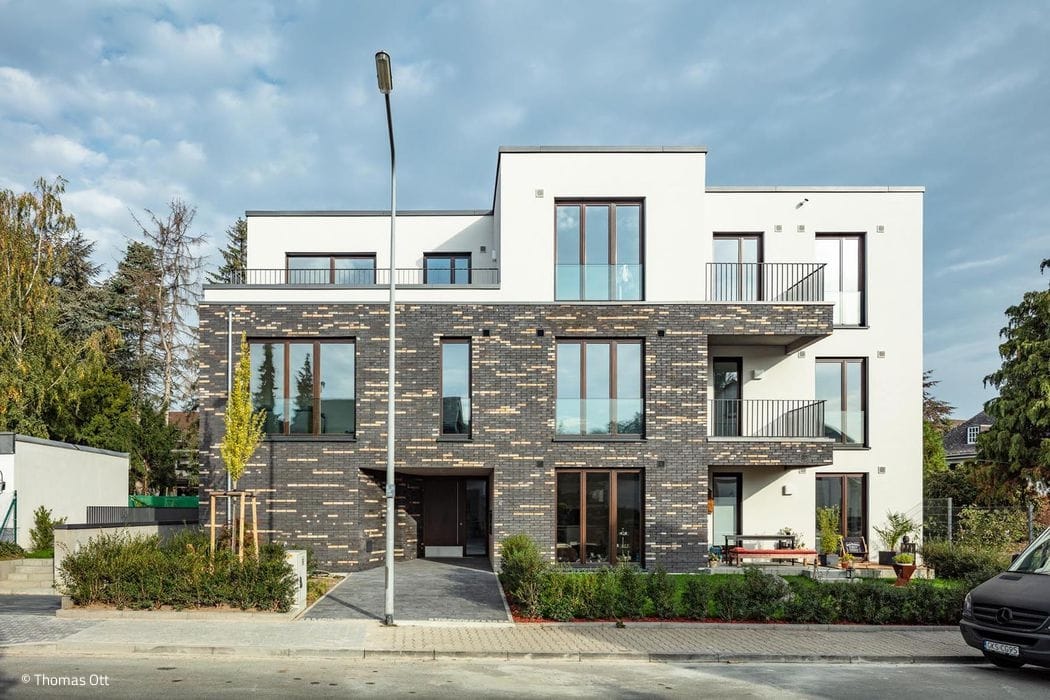
Elegantly Infilled
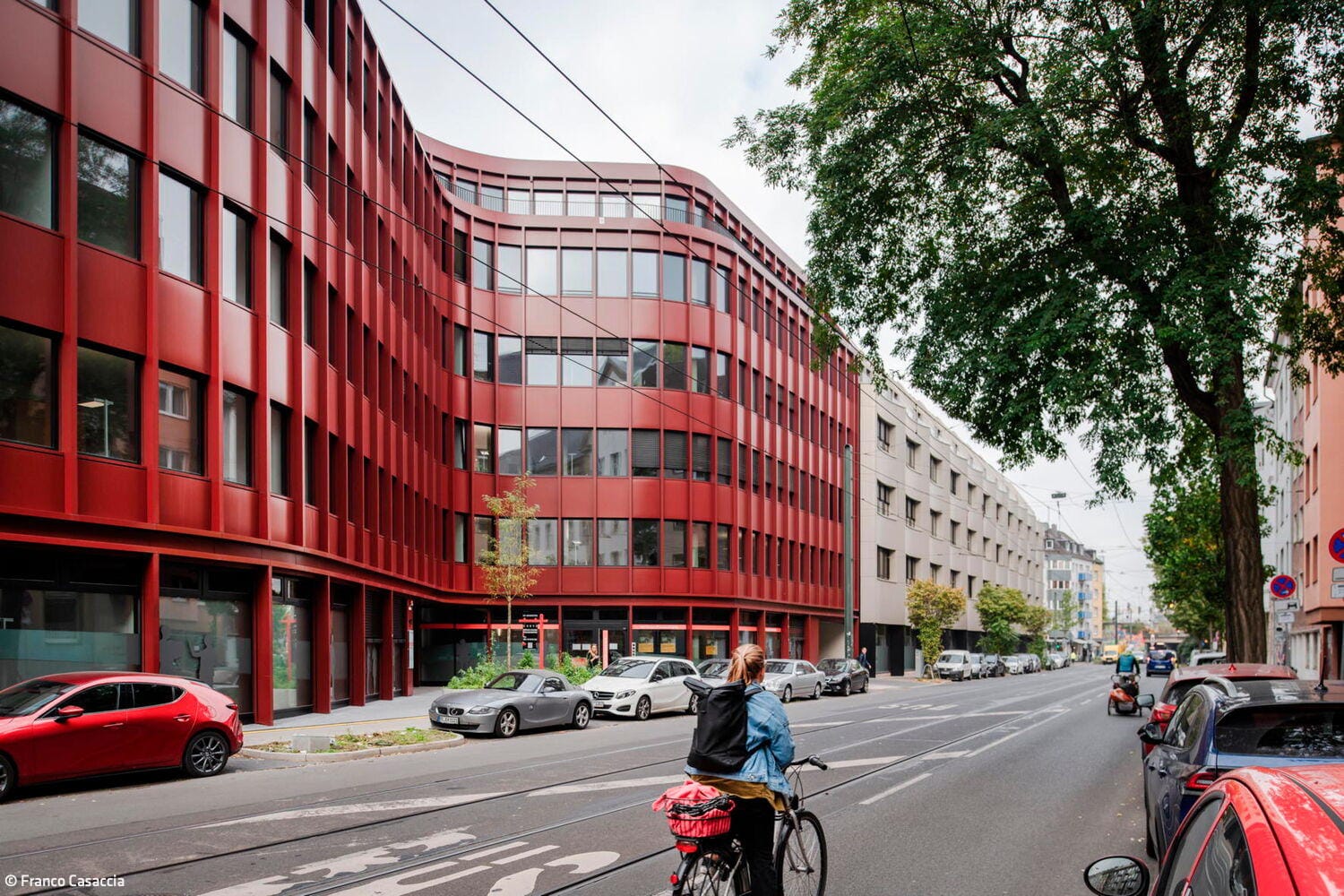
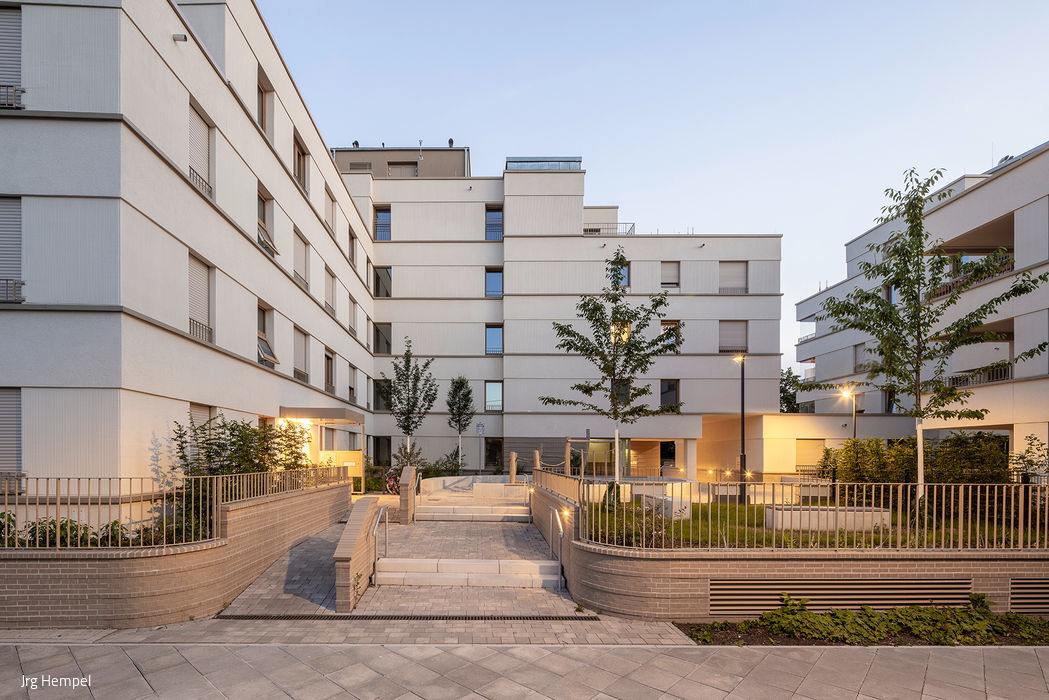
Multi-family apartment building in Sachsenhausen honors the neighborhood's intimate scale