


Rural Garden Park
A neglected farmstead landscape transformed into a thriving natural garden
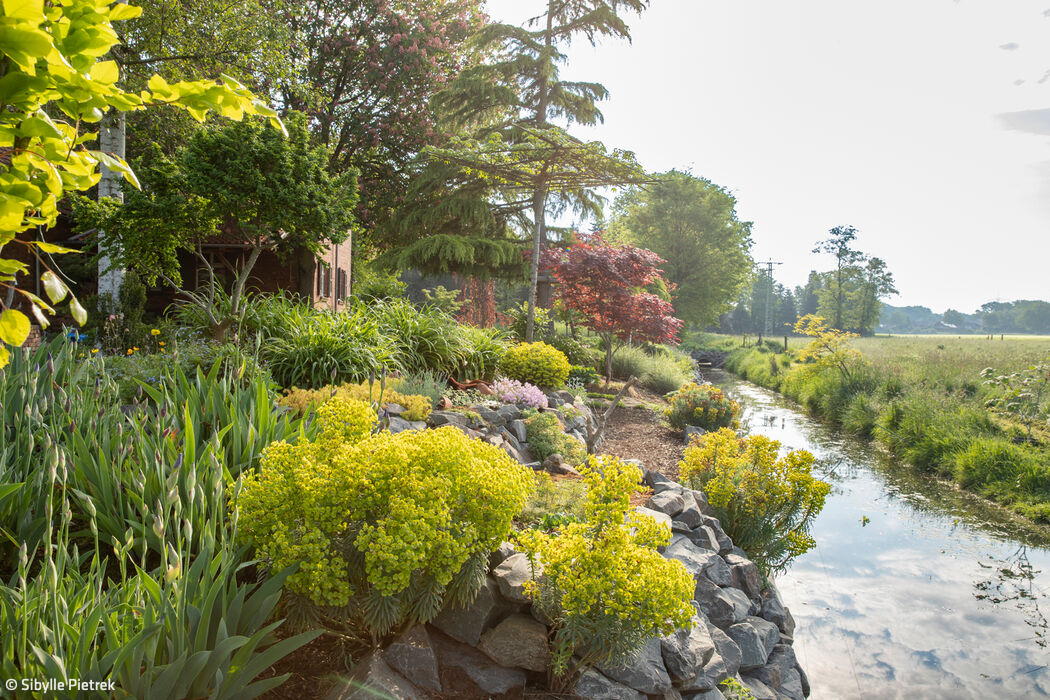


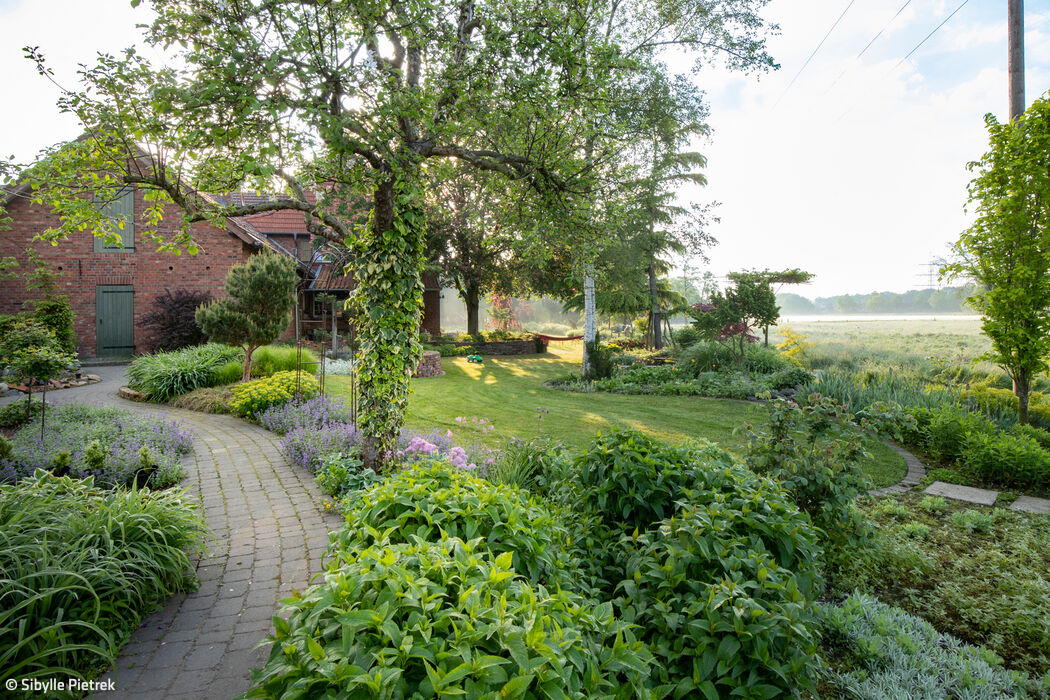
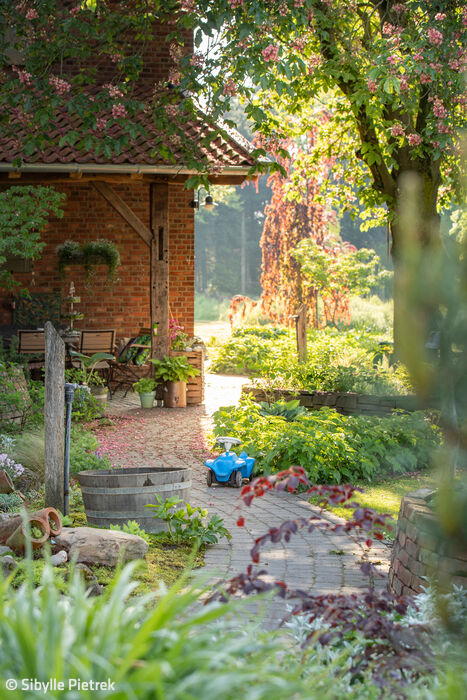

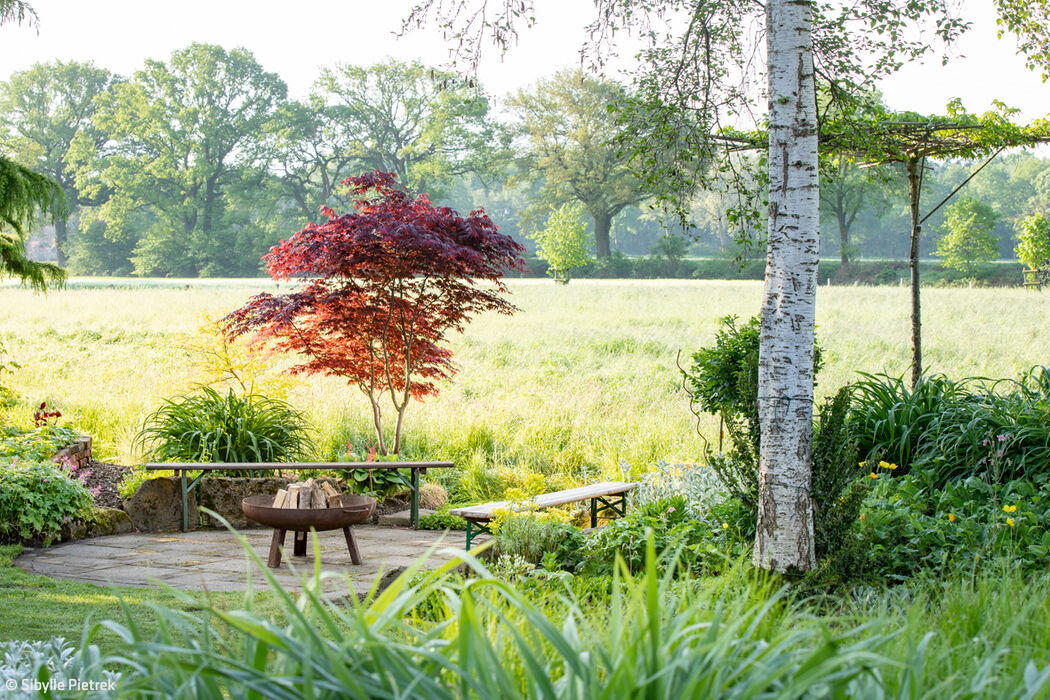
When new owners acquired this aging farmstead—complete with a main house, converted cattle shed, and bakehouse—they embarked on a comprehensive renovation. The parents of three children also reclaimed the 3,000 m² garden, which their predecessors had left to languish. Landscape architect and gardener Daniel Paus took time to understand the site: a sloping meadow descending steeply toward an adjacent stream. He then mobilized an excavator to clear the overgrown vegetation and brambles, reshaping the terrain with over 300 tonnes of topsoil salvaged from a neighboring excavation project. This sustainable approach—alongside many others—reflects the project's unconventional, nature-focused philosophy that enriches the lives of its residents while supporting local wildlife and plant ecosystems.
The soil was used to create a landscape of rising and falling contours around the old trees and the old bakehouse, bringing movement and vitality to the area. The new paths, which lead to secluded seating areas, follow this topography. A magnificent red-flowering horse chestnut, a birch, a small apple tree and a large ash tree rise above the flanking shrubs and beds. A Himalayan cedar, whose uniform growth was impaired by other trees and shrubs, was relocated at great expense and now thrives 100 metres further away. The garden is not based on a specific planting concept. Rather, the garden owners regularly fall in love with new plants and then look for the right place for them. No matter where you are, the boundaries between the garden and the surrounding landscape merge, creating a feeling of spaciousness.
With the exception of the concrete blocks for the paths and the armour stones by the stream, all materials come from the farm or are leftovers from acquaintances of the clients. Used basalt paving stones now form the flooring of the main terrace, while polygonal sandstone slabs from an old terrace are stacked on top of each other to form a dry stone wall around the chestnut tree. Old exposed aggregate concrete slabs are laid upside down in the fire pit, combined with leftover façade clinker bricks as a covering. The same clinker was used for small raised beds, and discarded clay drainage pipes now serve as planted bed decorations together with old roof tiles. Used oak planks from the old cattle shed now live on as tap stands in the garden, and old sandstone foundation stones that came to light during the renovation now surround the fire pit.
Photography:
Sibylle Pietrek
www.sibylle-pietrek.jimdo.com
(From CUBE Ruhrgebiet 02|24)

Learning Over Indulgence
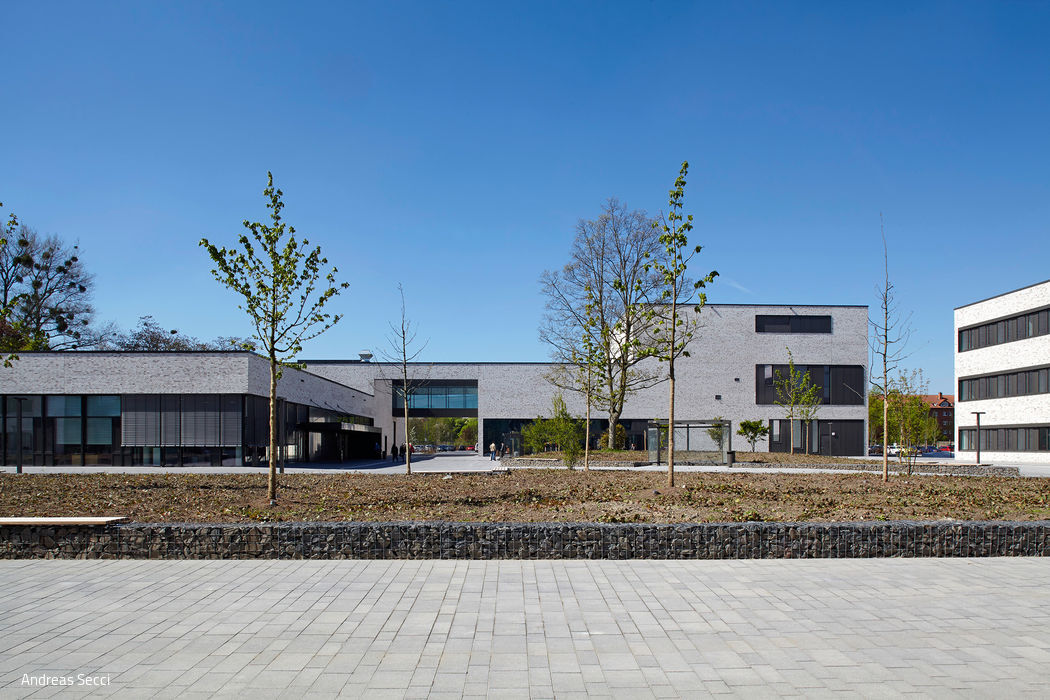
Ruhr West University strengthens Parkstadt Mülheim as an educational destination
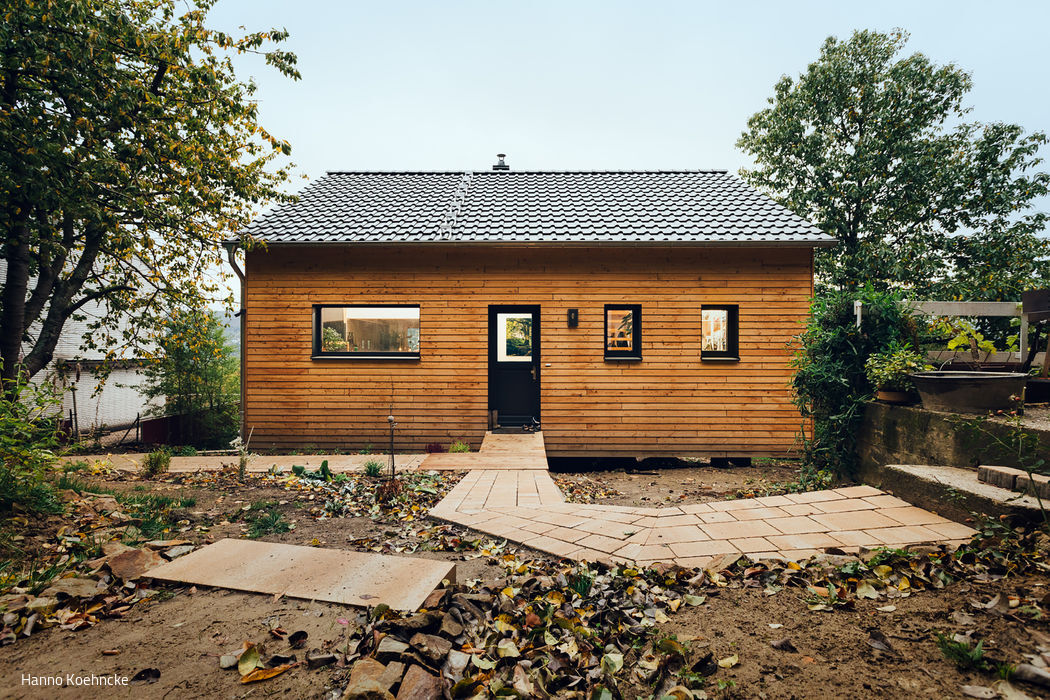
Where nature takes the lead
A timber house in Hagen—embodying its residents' commitment to ecological living
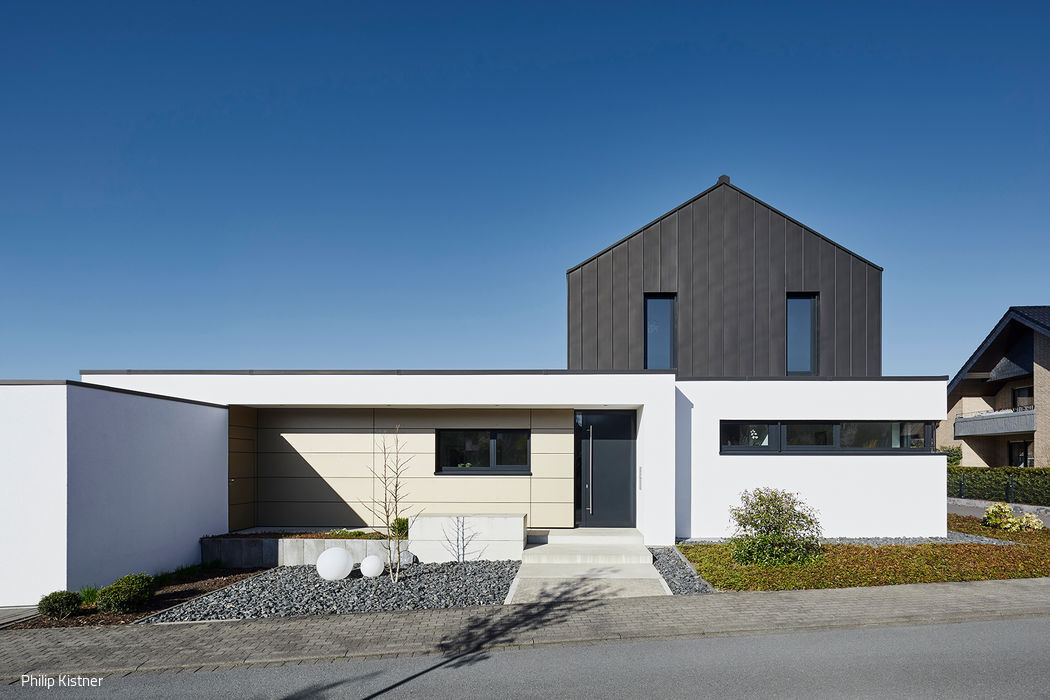
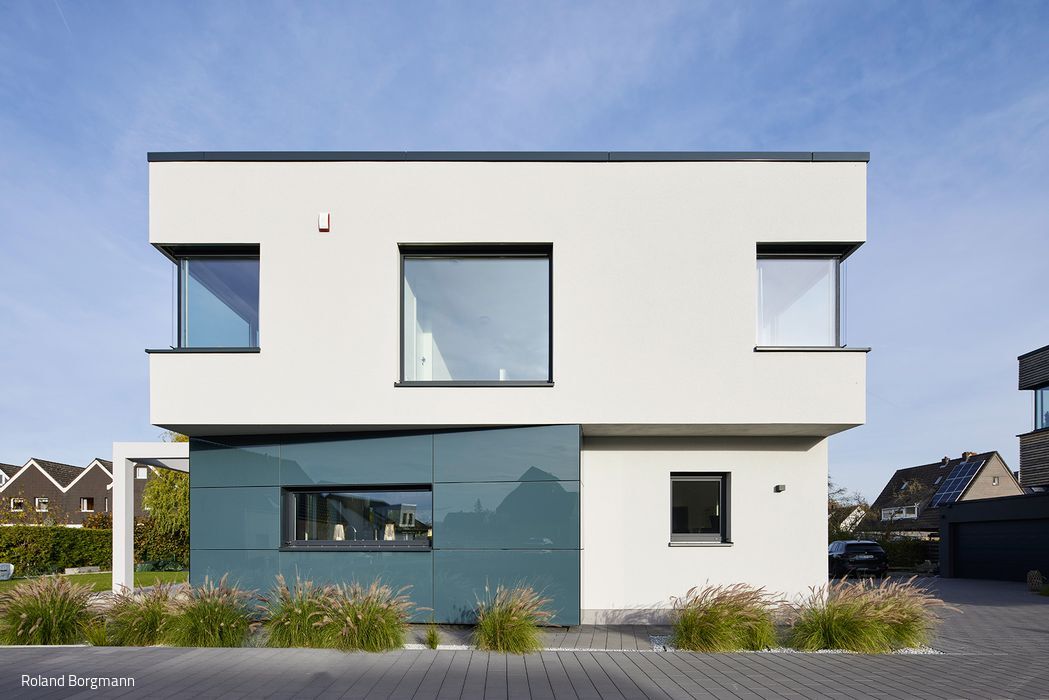
Striking Contrast
The exterior façade showcases a thoughtful interplay of diverse materials.
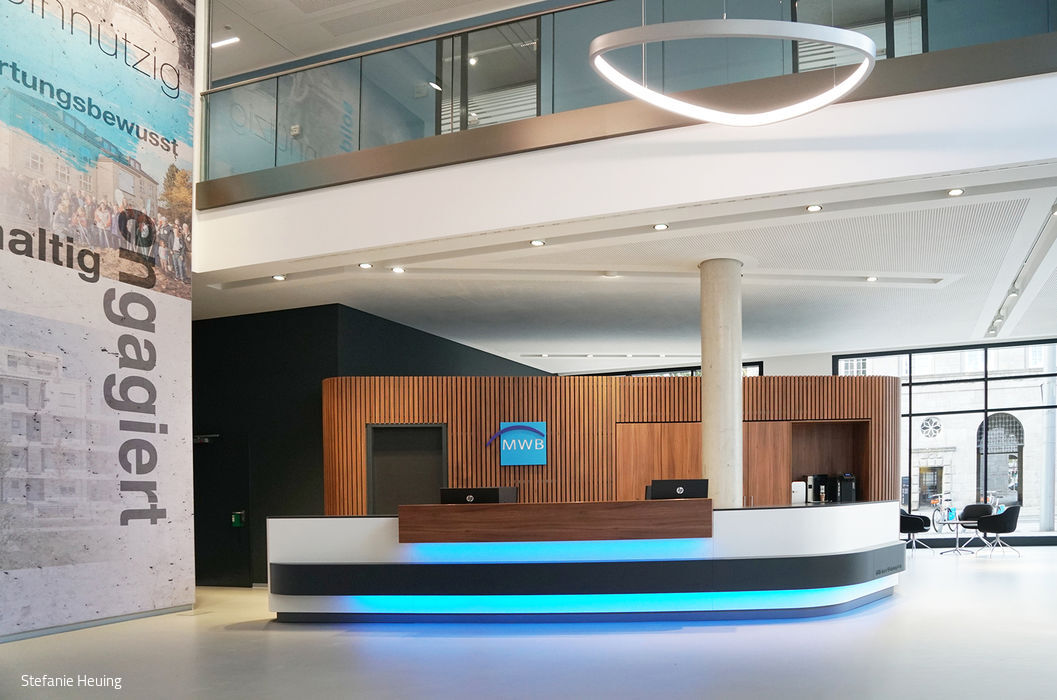
A visit worth remembering
The new MWB headquarters sets a new standard for customer-centric, flexible workplace design