


Future Urban Living
Another exemplary addition to the Schöneberg Lens, designed in hybrid timber construction
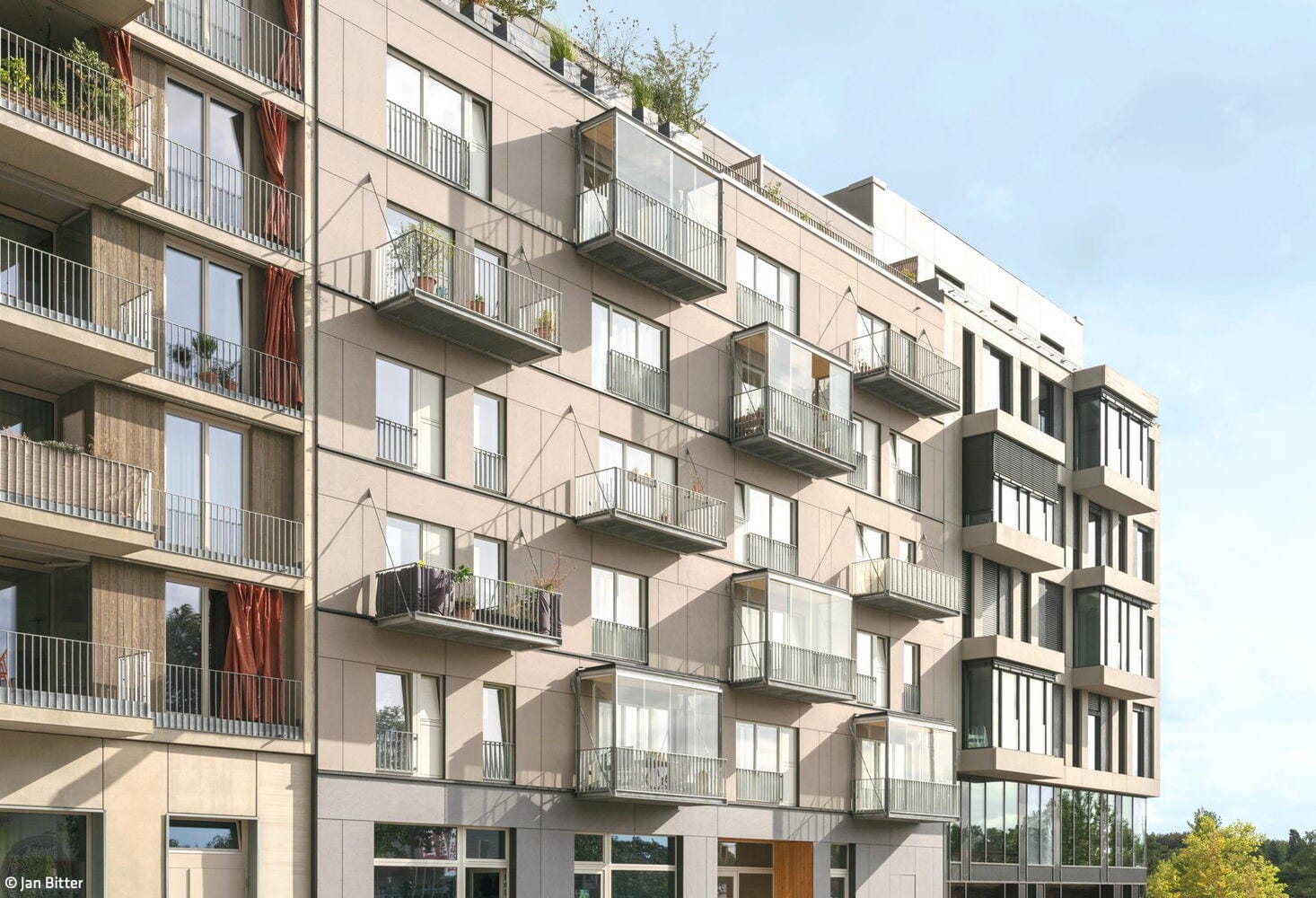


As part of the new Schöneberger Linse district development, Berlin-based Scharabi Architects won the commission to design "Linse," a timber hybrid building. This seven-story residential complex houses 17 apartments, including an innovative cluster unit with four individual studios, a shared living room, and a communal balcony.
At the heart of this residential project—part of a new wave of sustainable urban housing—lies a commitment to community living. The building takes its name "Linse" (lens) from the larger Schöneberger Linse development, whose distinctive lens shape is formed by the construction site nestled between the Südkreuz railway station to the north and the busy Sachsendamm to the south. Urban planners Roedig Schop Architects shaped the master plan for this vibrant neighborhood, envisioning a dynamic quarter that blends classic Berlin perimeter blocks with a diverse mix of residential, commercial, and social spaces. Scharabi Architects approached the "Linse" building with a dual mission: to create an ecologically innovative timber structure with genuine social value. Throughout the design, architecture becomes a tool for fostering community—something often lost in anonymous apartment complexes. The cluster apartment exemplifies this philosophy, reserved for women over 50. The building also features a multipurpose room, a youth center on the ground floor, multiple shared gathering spaces, and a workshop in the basement. Structurally, "Linse" employs a hybrid timber system: the base, ground floor, stairs, and core services use reinforced concrete, while the upper stories rise in solid cross-laminated timber. Untreated wood surfaces remain visible throughout the living spaces and floor slabs—hollow timber elements designed to showcase the material's natural warmth. The street-facing façade features fiber cement panels, while the rear showcases untreated larch wood. Balconies punctuate both sides of the building. Sustainability drives another core design principle: the building meets KfW 40 Plus standards. A heat recovery system substantially reduces heating demands, while a brine heat pump and micro combined heat and power plant provide additional thermal energy.
Photography:
Jan Bitter
www.janbitter.de
(Published in CUBE Berlin 04|25)



Wall Canyon
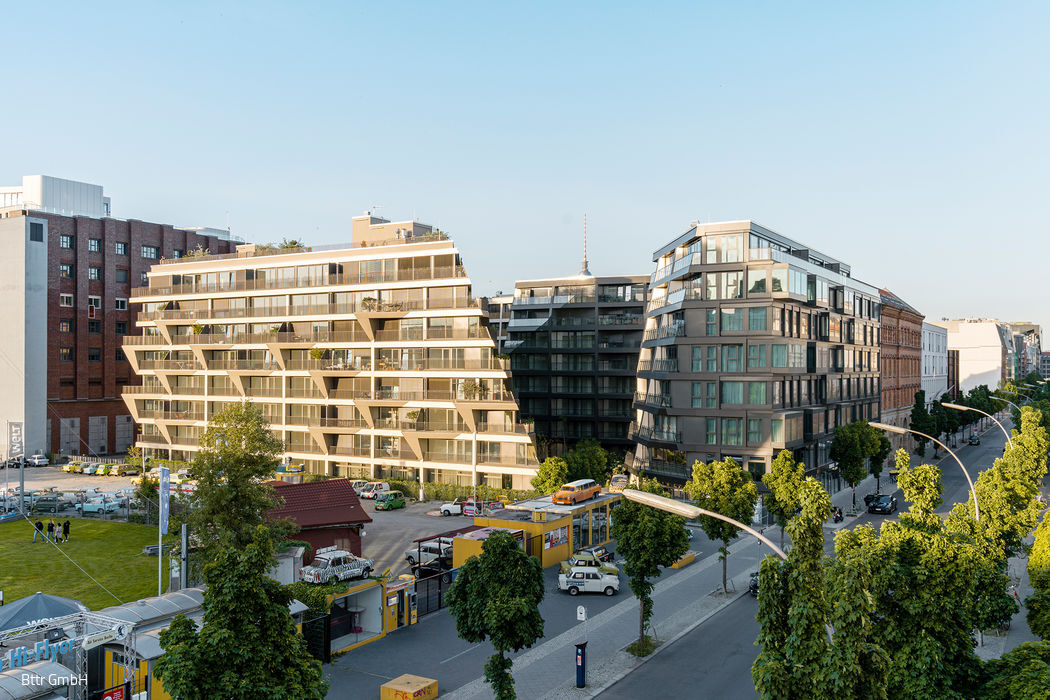
Charlie Living – A New Residential Community at Checkpoint Charlie
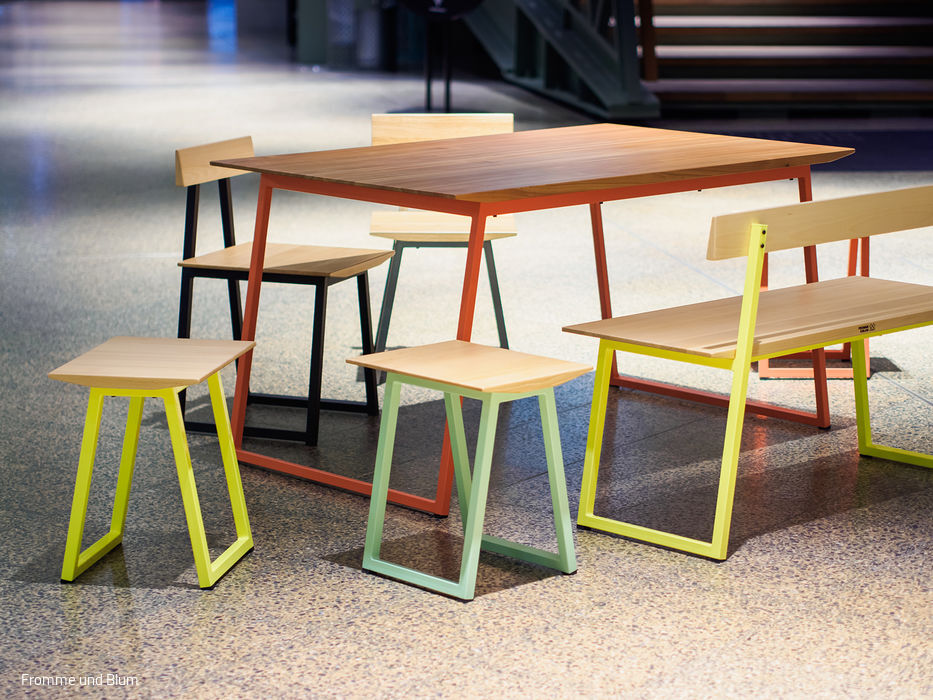
Timeless furniture
Fromme & Blum champions restrained design paired with lasting quality.

House by the Lake
Refined geometry, striking presence
From country estate to urban sanctuary
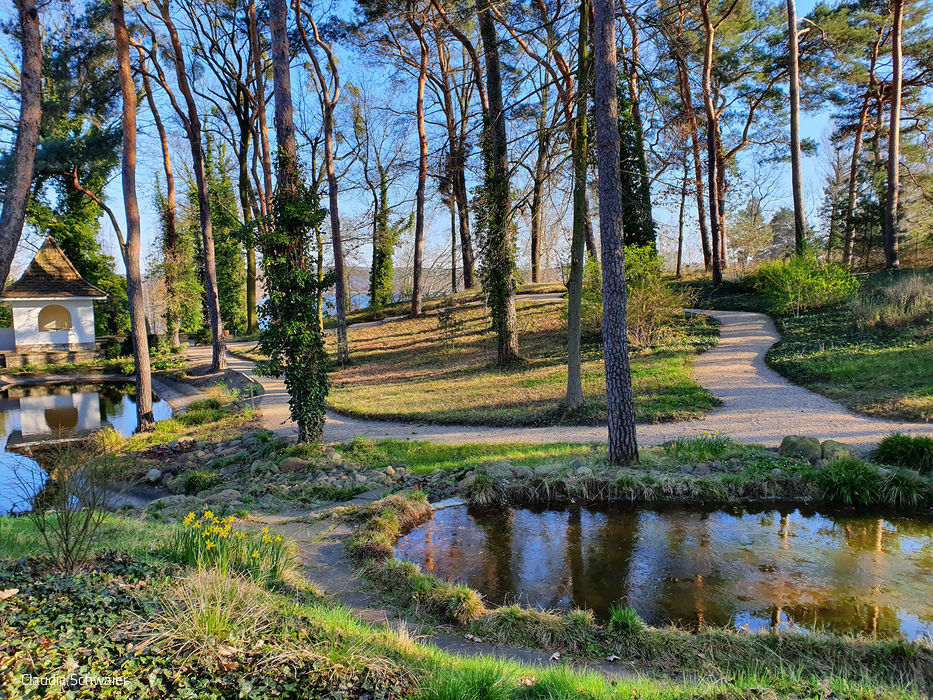
The grounds retain their original name: Landhausgarten Fraenkel.