


Making it possible
Ambitious renovation and modernisation projects are core to who we are at Schwitzke Project.
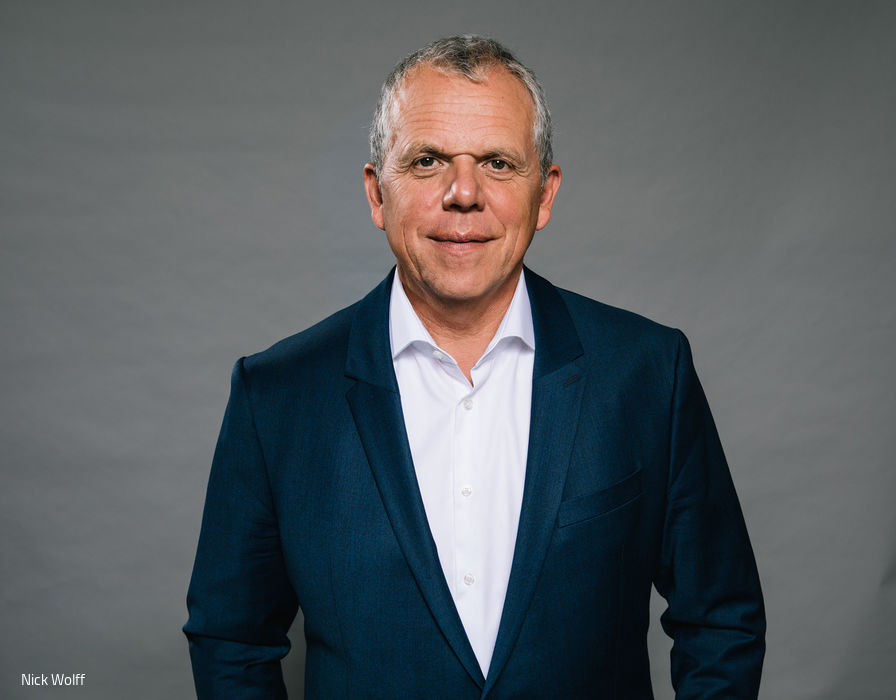
CUBE: Your company goes by Schwitzke Project – has 'Project' always been part of your name, or was this a strategic rebrand?
Karl-Heinz Schwoll: We founded our company 19 years ago as Construction Network. Our parent company, Schwitzke & Partner, created us as a subsidiary to establish their presence in shopfitting. After several years of strong growth, we were separated from subsidiary status and integrated directly into the Schwitzke Group. The goal was to signal that retail and shopfitting expertise are core to our collective capabilities. From the beginning, the group's vision was for each company to stand on its own and compete independently. So yes, the name change was definitely strategic.
You've made renovation and modernisation your speciality. What makes this area so compelling for you?
Every project presents a unique challenge. While we certainly have established processes, true repetition is rare. Each building is different, and every existing structure brings its own functional, design, and technical demands. We grew up in retail, where renovation is the norm – it's shaped who we are. Over time, we've organically expanded into new sectors, each bringing fresh challenges we had to master. We've seen ourselves grow stronger with every new problem we've solved. If our work ever became predictable, we'd see that as stagnation. The world keeps changing, and so do our projects.
Your company has grown significantly and shows no signs of slowing down. What's fuelling this steady expansion?
Part of it comes down to curiosity. We started exclusively in retail, but we quickly recognised the ceiling on growth in that sector alone. We weren't content to plateau. So alongside our retail roots, we deliberately built new capabilities in offices, building revitalisation, restaurants, hotels, and fitness centres – and we keep adding to that list. Growth demands willingness to evolve and take risks. This diversification is serving us incredibly well right now, keeping us on solid footing across multiple sectors.
Traditional retail is under enormous pressure today. What needs to happen for brick-and-mortar shops to remain competitive with online retailers?
Retail spaces must become destinations worth lingering in. Customers shouldn't just come out of necessity – they should want to stay. You need a blend of shopping, dining, and other experiences. That's already happening: gyms are moving into shopping centres, restaurants are expanding their presence. Basic necessity shopping moved online years ago, especially during the pandemic. The future is about curated experiences – a mix of functions that go beyond just buying things, spaces where people can spend meaningful time. That's what keeps physical retail alive.
Shifting gears to building practices – why did you become a DGNB member?
As individuals and as a company, we recognise our responsibility to embrace sustainability and contribute meaningfully. Our clients increasingly expect sustainable building practices too. As members, we actively share our expertise and continuously challenge ourselves to think more sustainably and strategically. It keeps us learning. We wanted hands-on experience with DGNB certifications, to understand materials better – their origins, their impact. We consistently advocate for DGNB-certified approaches in our client conversations.
You call yourselves problem-solvers. That trait must be tested regularly. Have you faced projects that really pushed your limits?
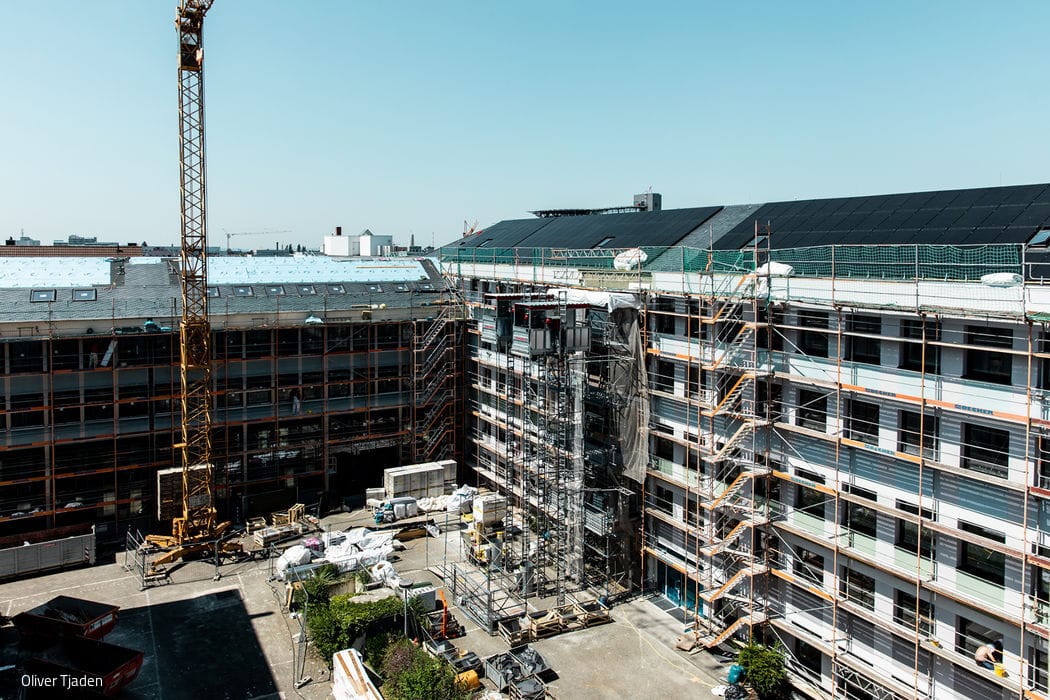
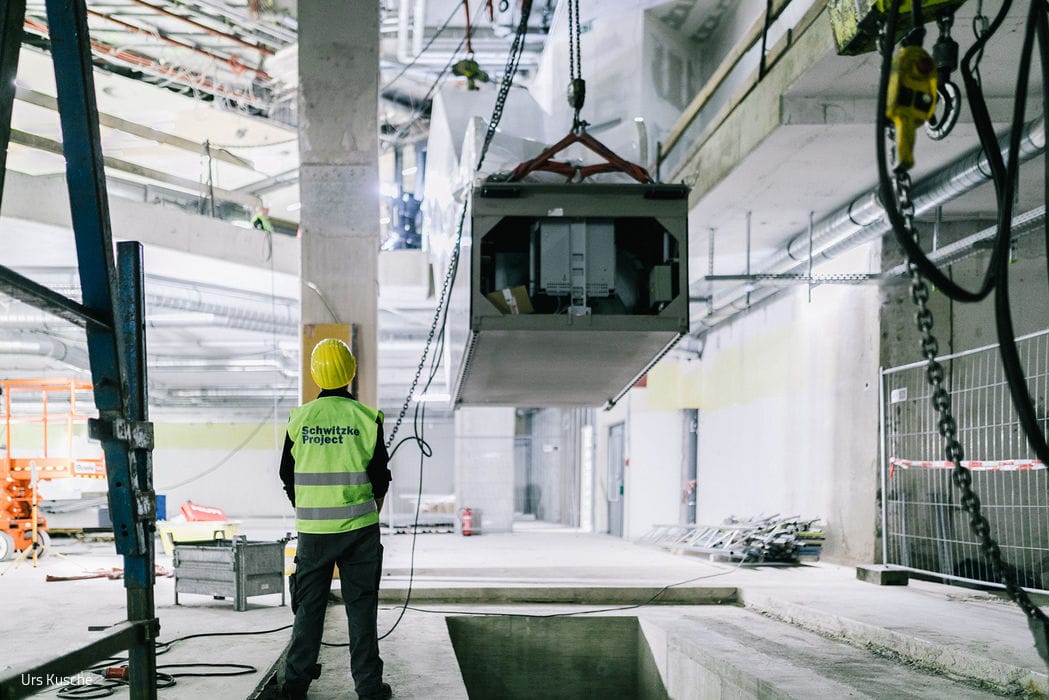
People often feel they've hit a ceiling. The real challenge is pushing through it and continuing forward – not letting obstacles stop you. We regularly face new, unfamiliar challenges, and while we can usually draw on decades of experience, sometimes we can't – and those projects teach us the most. In terms of sheer scale, we modernised a 25,000 m² complex in Darmstadt from the 1960s, which presented serious technical hurdles. With new construction, you can design around most problems. In renovation, complications pop up at every corner.
Your employees bring these complex projects to life. What sets them apart?
Experience accumulates over a career, and technical knowledge can be taught. But what matters most is mindset – a way of thinking we all must share. Every team member needs to feel like a problem-solver and be committed to living our company values. That means constantly seeking fresh challenges, embracing unconventional solutions, staying solution-focused rather than problem-focused, and approaching every task with forward momentum. We look for people who bring this outlook with them from day one. It's not something we can instil – it has to already be there.
You've come far as a company, yet the drive to improve remains strong. Are there new sectors on your horizon?
Retail shaped us – particularly the relentless time pressure that defines those projects. We brought that efficiency mindset with us into other sectors, and each time we've successfully broken into a new market. Residential construction and healthcare facilities are genuinely exciting next frontiers for us. Each sector has its own construction logic and design language. Healthcare especially has unique regulatory and functional requirements we'd need to master. But we're confident we can crack it.
Mr Schwoll, we appreciate your insights.
Karl-Heinz Schwoll
After apprenticing as a carpenter, Karl-Heinz Schwoll studied interior design at the Düsseldorf University of Applied Sciences, followed by extended stays abroad. He built his early career in retail design, creating concepts for the commercial sector. In 1994, he joined Schwitzke & Partner as department head, where he spent the following years developing store concepts for fashion, finance, and tourism brands.
In 2006, Karl-Heinz Schwoll assumed management of Schwitzke Project GmbH alongside Wolfgang Sigg. Together, they transformed it into a nationally and internationally recognised firm specialising in complex renovation projects, systematically expanding beyond retail to encompass shopping centres, building revitalisation, corporate offices, fitness centres, restaurants, and hospitality.
Photography Credits:
Nick Wolff
Urs Kusche
Oliver Tjaden
(Published in CUBE Düsseldorf 02|21)
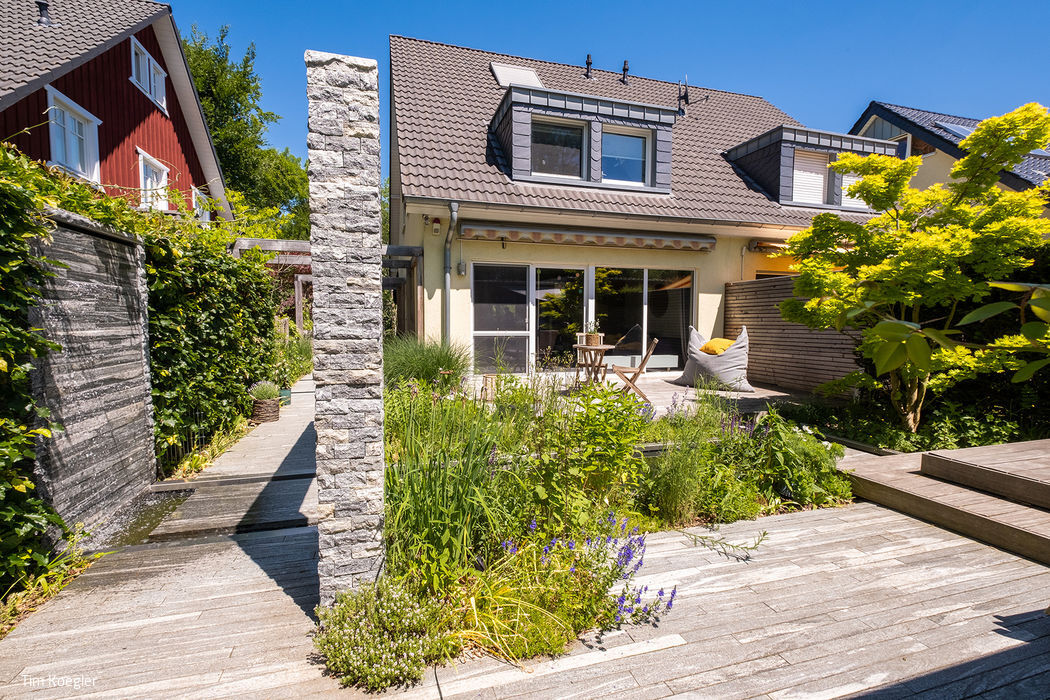
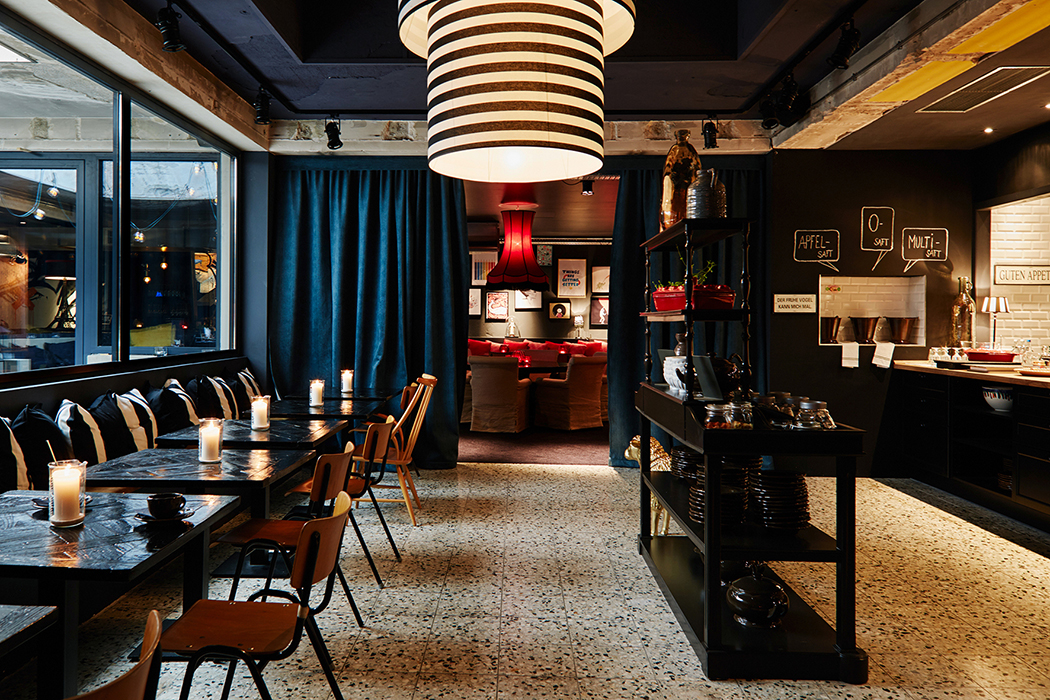
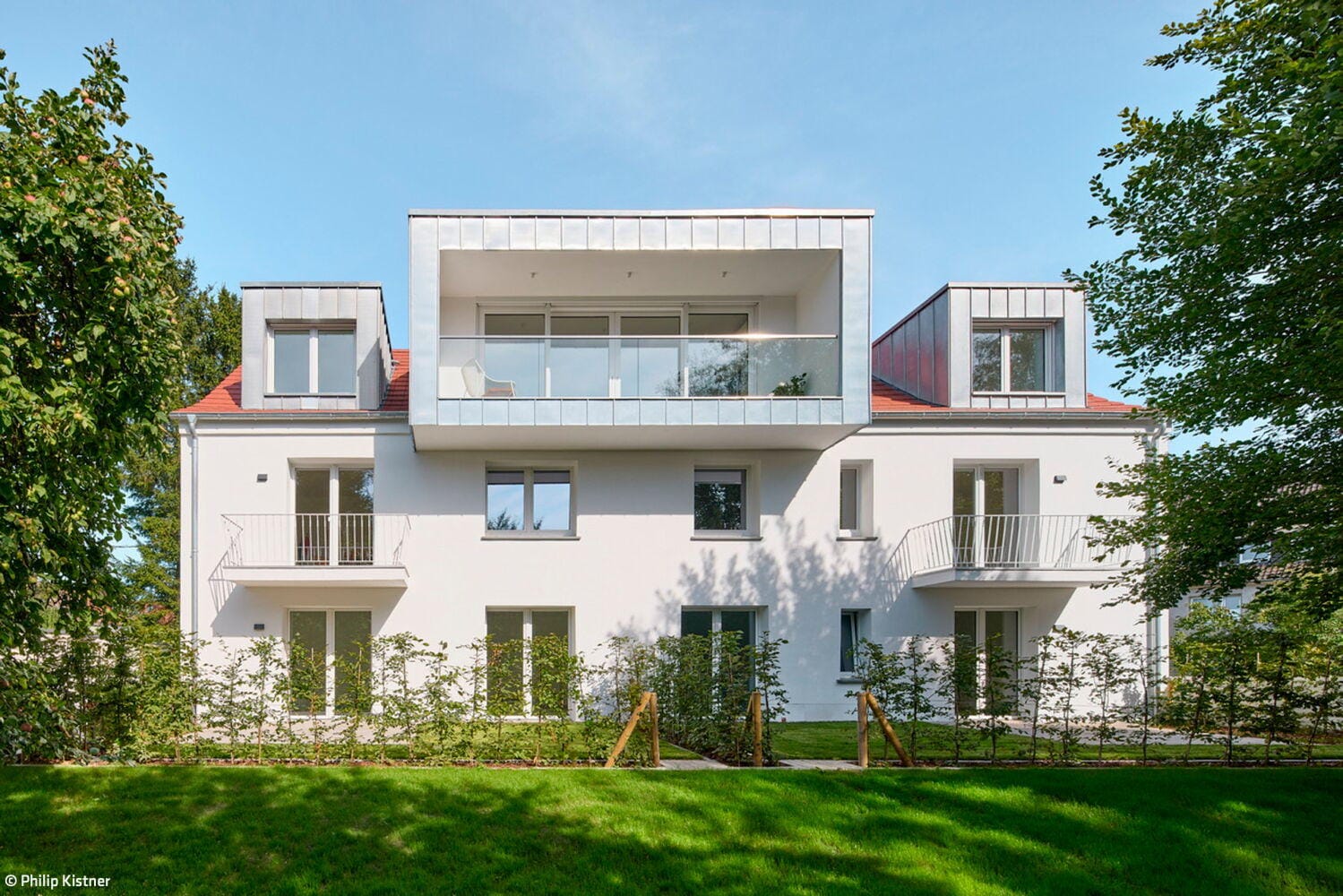
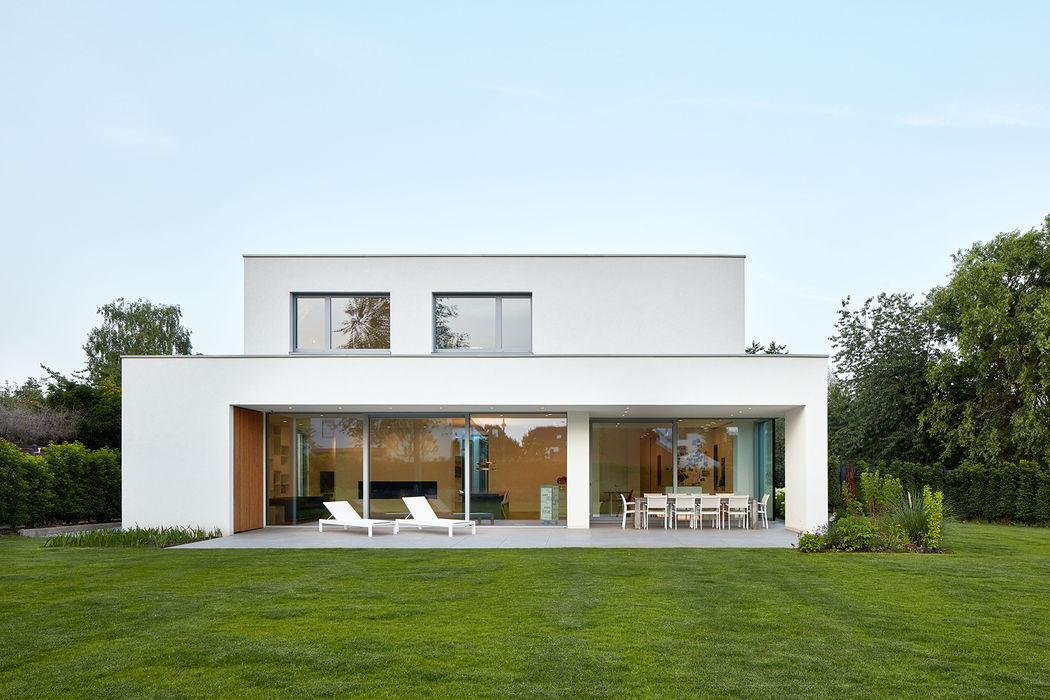
A Haven of Its Own
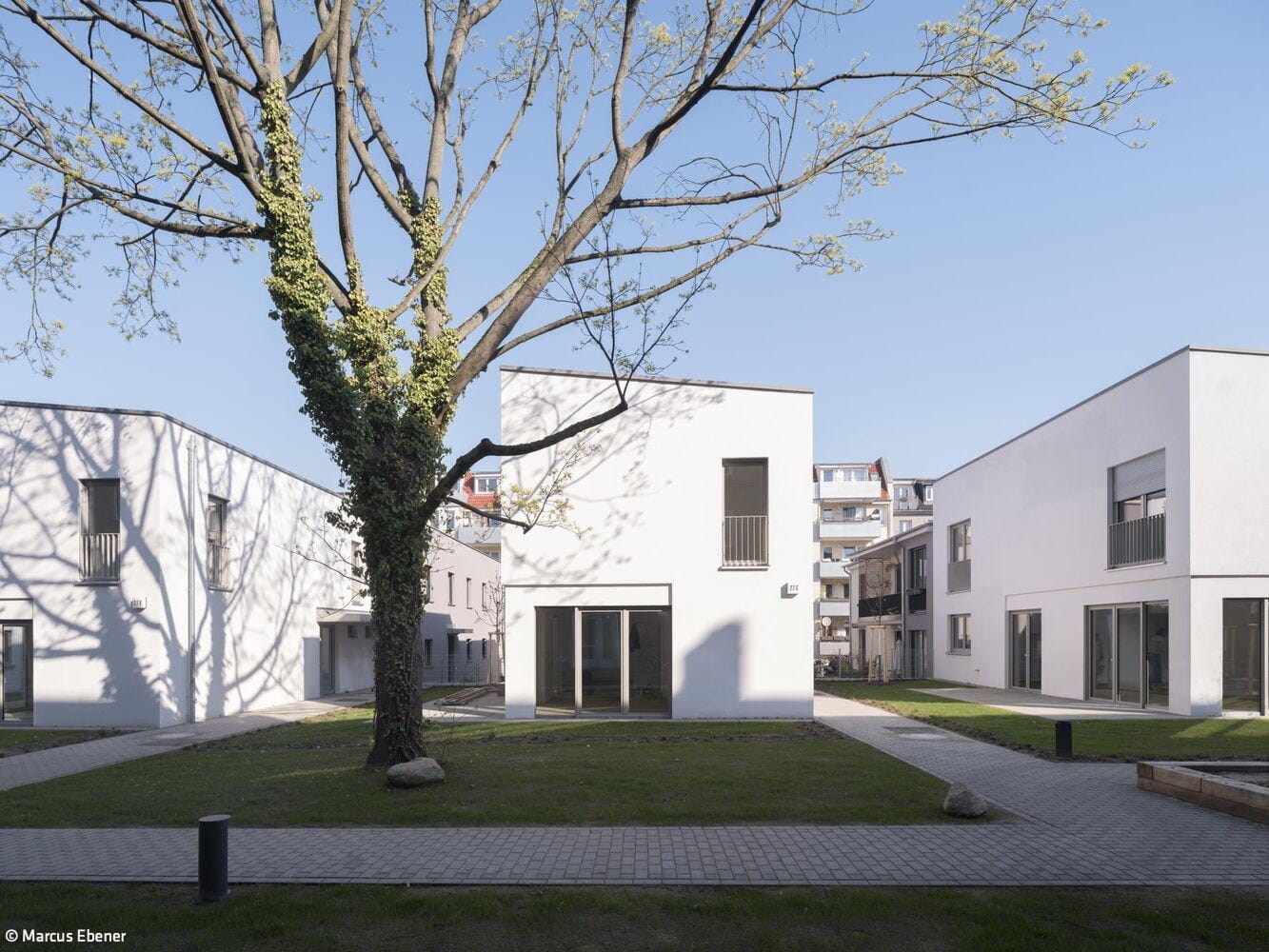
A family home in Angermund—flooded with natural light and framed by lush greenery
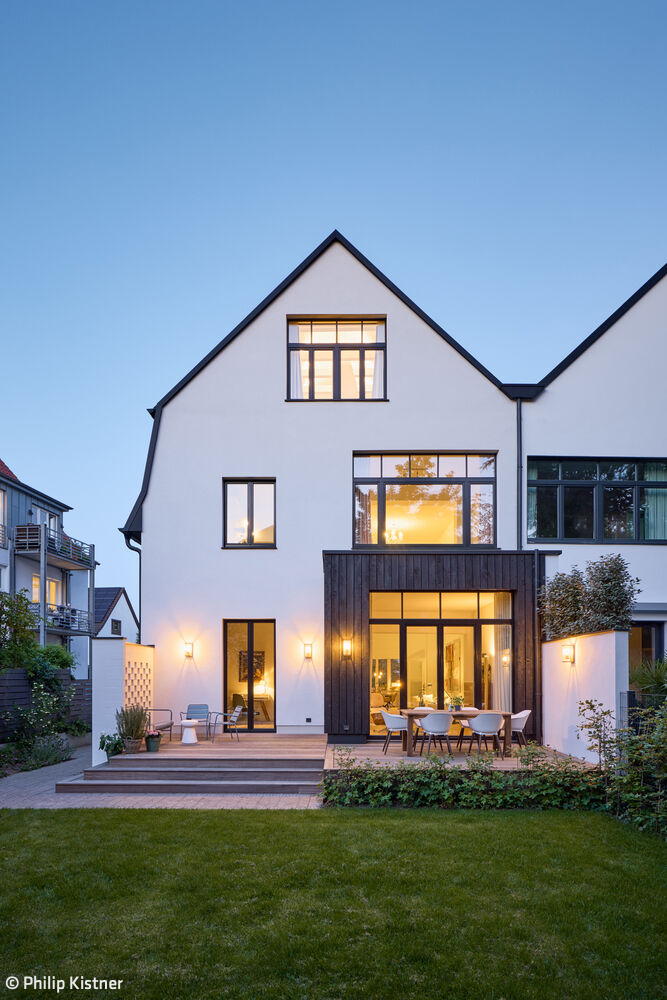
Building with Contrast
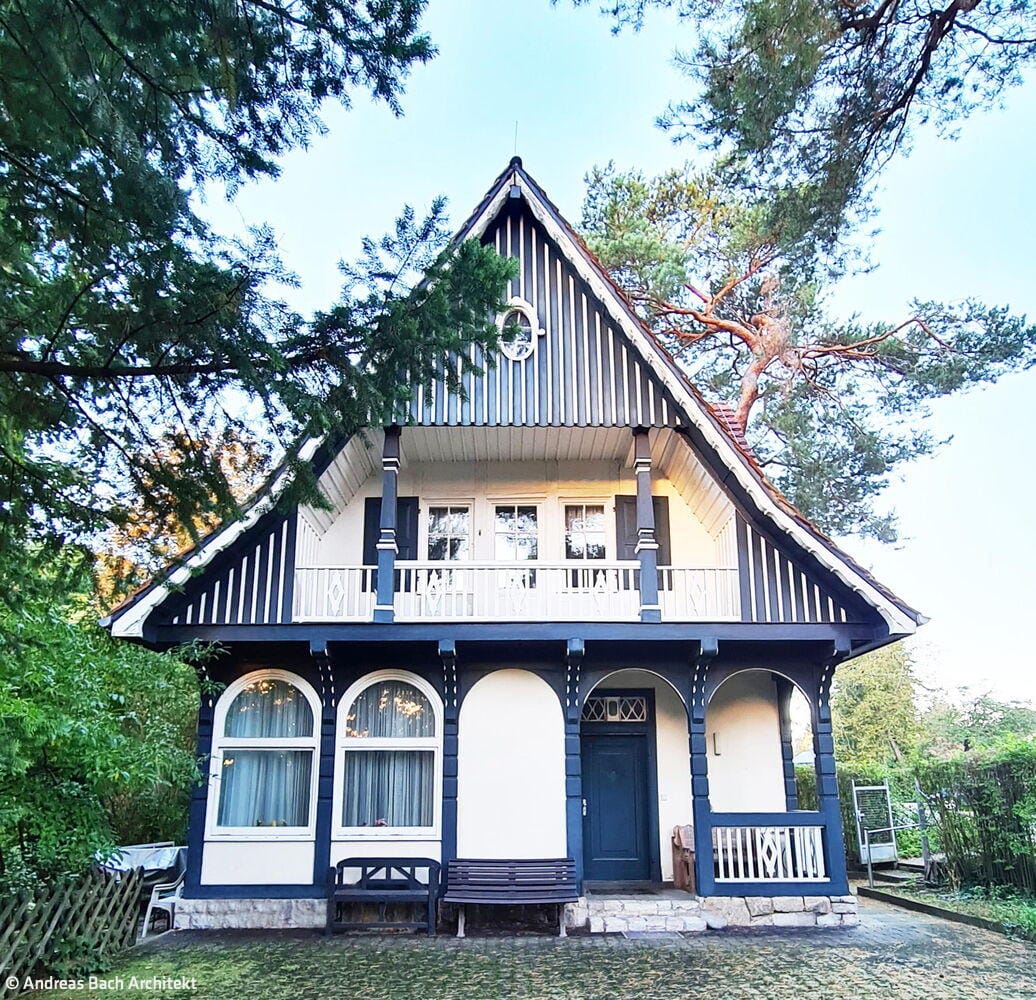
A restored semi-detached house: where architectural layers speak to one another.
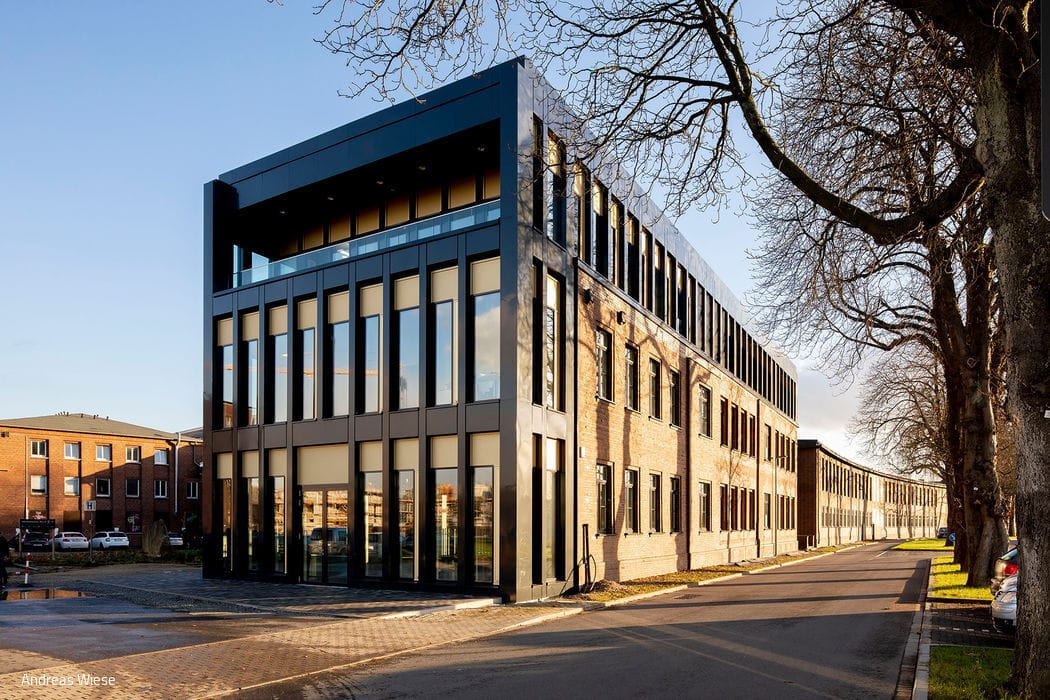
Contemporary Architecture in Historic Context
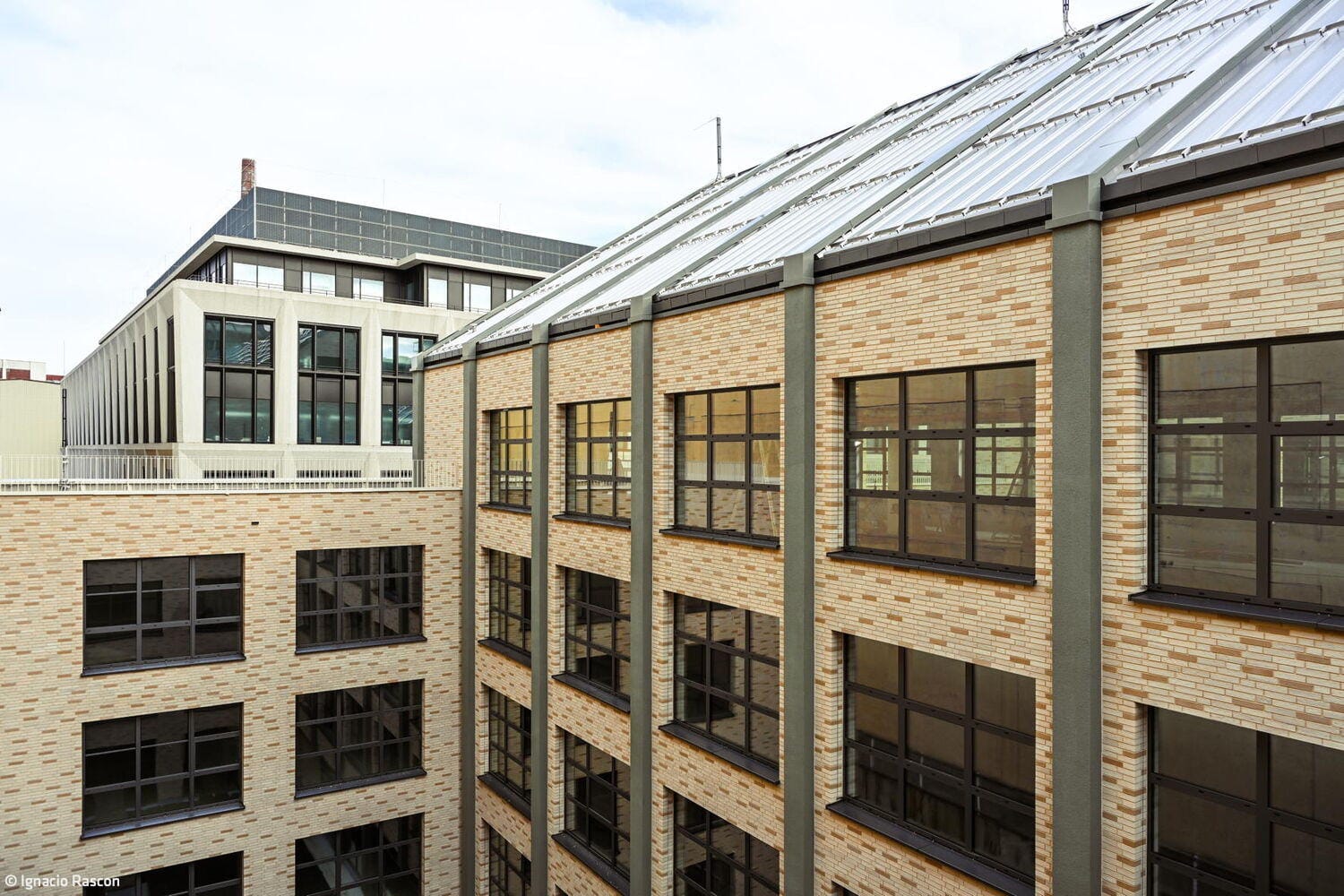
A Historic Administrative Building Transformed into Modern Office Lofts
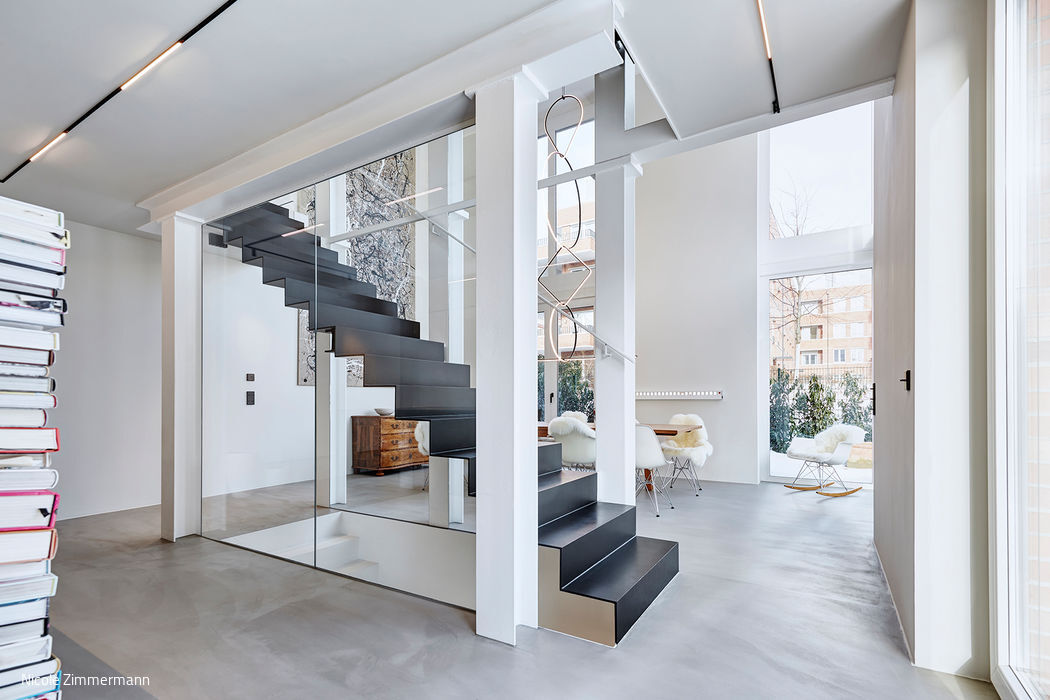
Breaking walls, bringing light
Comprehensive renovations turn a semi-detached dwelling into a spacious single-family home.