


Protected open spaces
A new monastery café creates space for enjoyable and productive hours
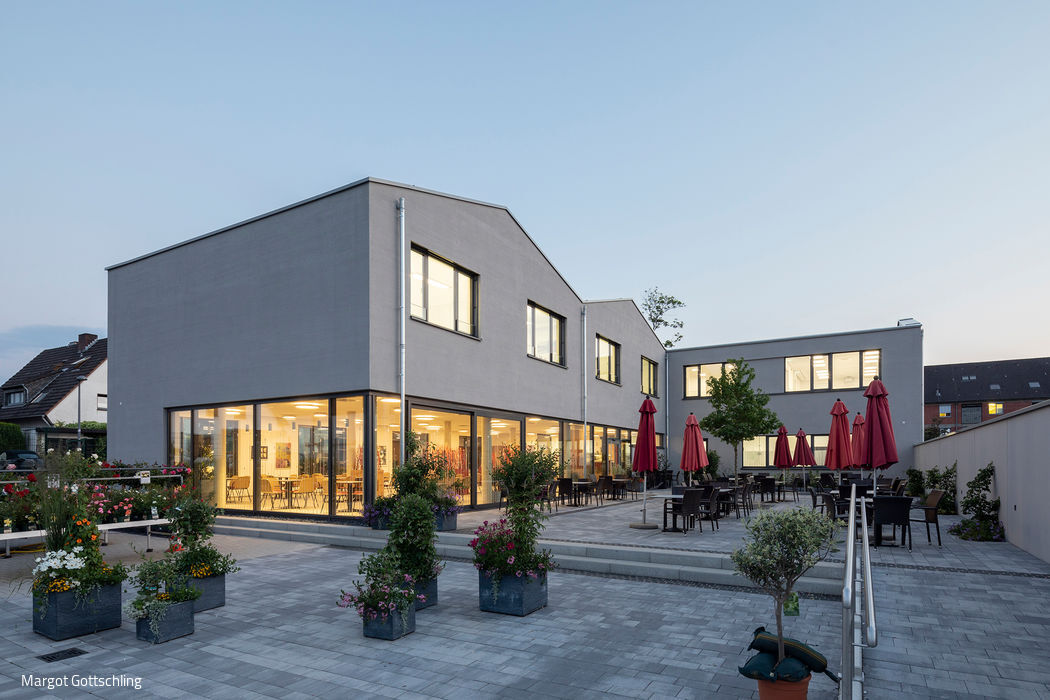


The monastery garden centre in Porz, operated by Alexianer-Werkstätten, is a vibrant gathering place where people come together, collaborate, and enjoy themselves. Here, individuals with and without disabilities work side by side across various roles, nurturing both the plants and the visitor experience. What began as a pilot project in 1994 has evolved into a thriving garden centre complete with its own production operations. Today, an on-site café rounds out the workshop's offerings. Originally squeezed into a greenhouse, the old facility struggled with space constraints and climate control. A new building was the clear solution. Jürgensen & Jürgensen Architects designed a structure that seamlessly integrates the café and kitchen, along with conference facilities and administrative offices.
The two-storey structure features a distinctive folding roof that references the greenhouse aesthetic while respectfully complementing the surrounding residential neighbourhood. Much like how staff across different departments balance customer interaction with focused work, the building itself calibrates its relationship to the outside world with varying degrees of openness. An L-shaped floor plan, anchored by a two-metre enclosure, creates an inward-facing courtyard protected on three sides—while the fourth side opens generously onto the nursery's display gardens. This atrium-like space serves as the heart of the café and doubles as an outdoor seating area, inviting guests to settle in either al fresco or at tables within. Every piece of furniture and interior element was custom-designed and crafted by the workshop's own carpentry team.
Expansive glazing defines the dining area, flooding it with natural light. In contrast, the café's supporting functions—kitchen and restrooms—remain more discreetly screened. Two additional public entrances punctuate the building's street-facing sides. These lead directly into the café and, via an adjoining staircase, up to the conference rooms and offices above. Full accessibility throughout the building was non-negotiable, making the lift installation an essential component of the design.
Beyond its social mission, the design embodies a genuine commitment to sustainability. The air-source heat pump, for instance, provides heating for the entire building. For the façade, the architects chose a time-tested mineral plaster finished with a broom-stroke technique, ensuring durability and visual warmth. The sand-coloured palette itself reflects this philosophy. Perhaps most tellingly, the landscaping design exemplifies the collaborative spirit that defines Alexianer-Werkstätten—the staff actively shaped these outdoor spaces, making them truly their own.
Photography:
Margot Gottschling
www.mgottschling.de
(Published in CUBE Cologne 03|23)
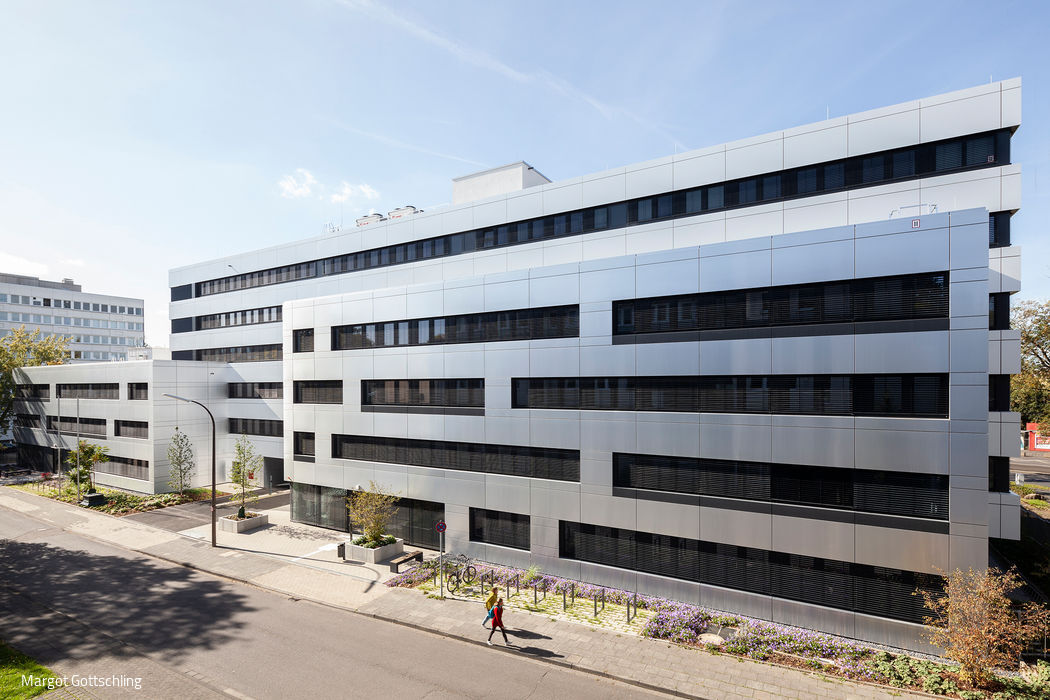
Shifting Metamorphosis
A 1980s Office Complex Reimagined for a Sustainable Tomorrow
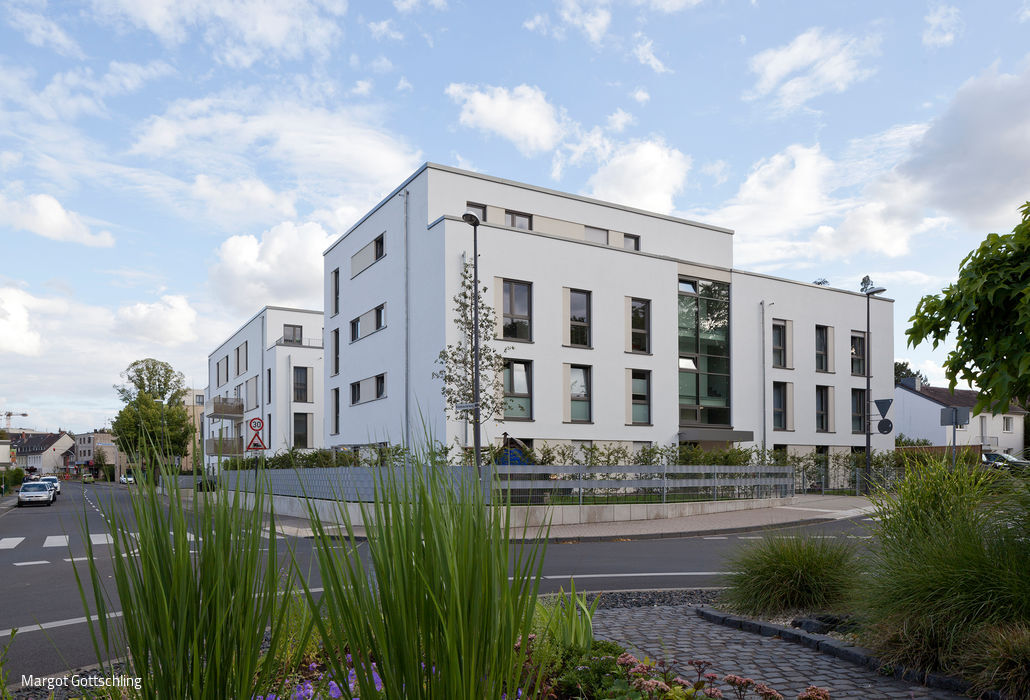
Country Living or City Living? Yes, Both!
New residential buildings now stand where old stables once did.
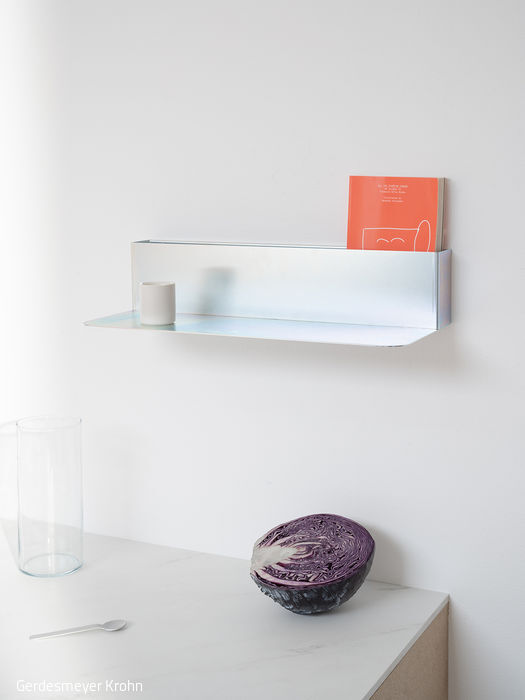
Form Meets Function
Gerdesmeyer Krohn champions clean, purposeful design
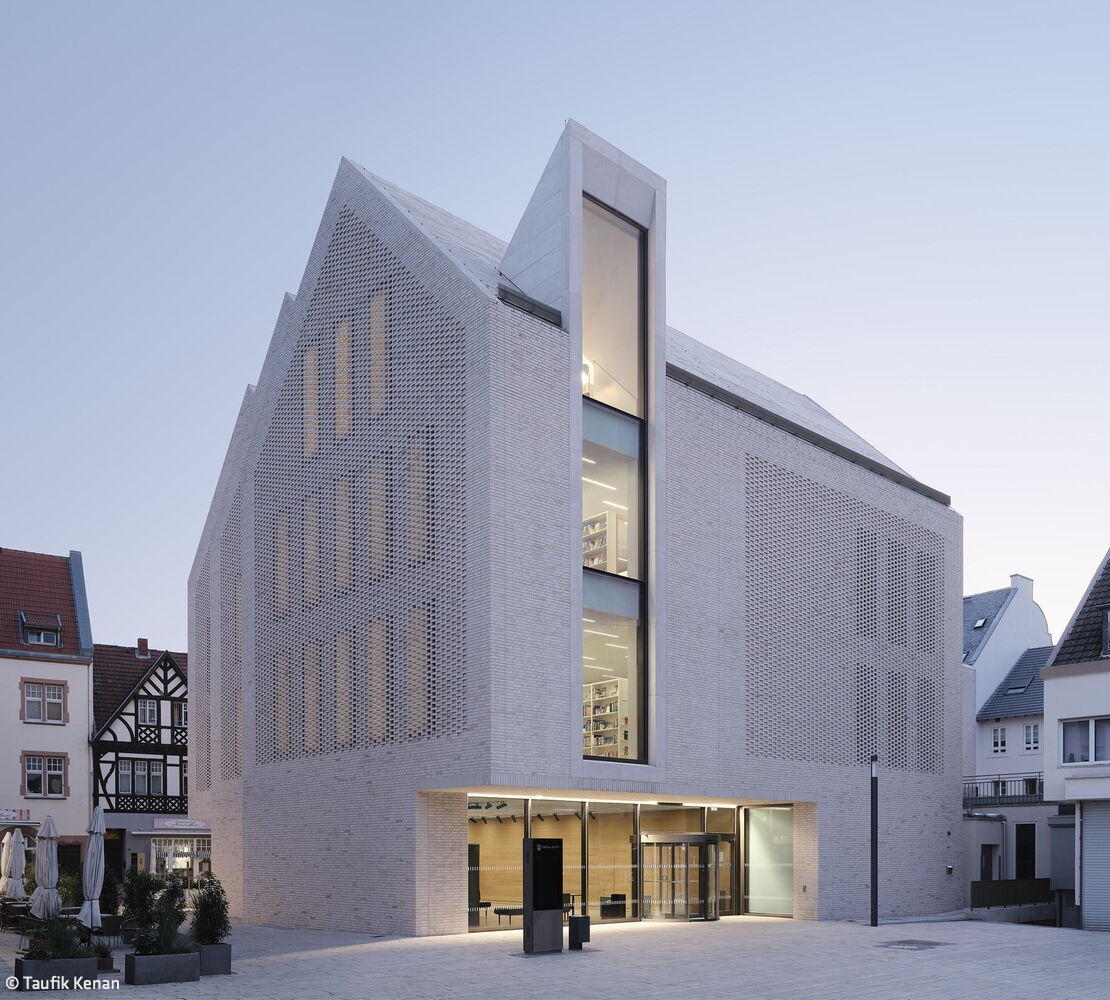
Sensitively Integrated
The sympathetically restored town hall and new library form an ensemble that complements Brühl Castle.